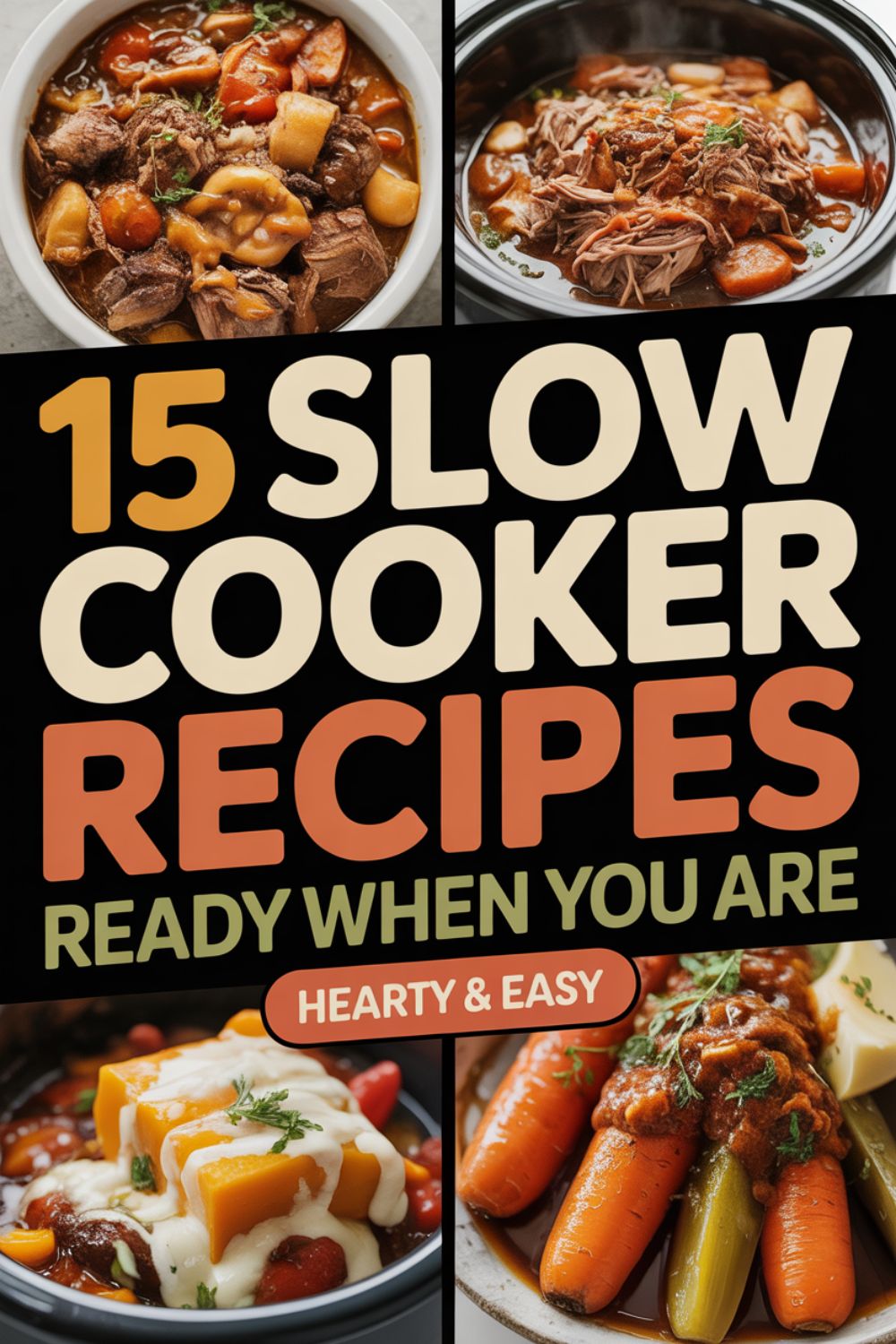
15 Slow Cooker Recipes That Are Ready When You Are
Look, I’m going to level with you right from the start. If you’re not using your slow cooker at least once a week, you’re basically making life harder than it needs to be. I get it—we all have those kitchen gadgets that end up collecting dust in the back of a cabinet somewhere. But your slow cooker? That thing deserves a permanent spot on your counter.
There’s something almost magical about dumping a bunch of ingredients into a pot in the morning, going about your day, and coming home to a house that smells like someone’s been cooking all afternoon. Except nobody has. It’s just your slow cooker doing its thing while you were at work, running errands, or binge-watching your favorite show.
The beauty of slow cooker recipes isn’t just about convenience—though that’s a massive part of it. It’s about making actual, real food without the stress of standing over a hot stove. It’s about turning cheap cuts of meat into tender, fall-apart deliciousness. And honestly? It’s about reclaiming your evenings instead of spending them chopping, sautéing, and doing a mountain of dishes.
Why Your Slow Cooker Deserves Better Than Being Shoved in a Cabinet
Before we dive into the recipes, let’s talk about why slow cooking actually works so well. Unlike methods that blast your food with high heat, slow cookers operate at a gentle, steady temperature—usually somewhere between 170°F and 280°F. This low-and-slow approach does a few things that are pretty remarkable.
First off, it preserves nutrients. According to research from the USDA, cooking at lower temperatures actually helps maintain the vitamins and minerals that get destroyed when you cook things fast and hot. Plus, since everything cooks in liquid, the nutrients that do leach out end up right back in your meal instead of getting poured down the drain.
Second, it makes tough cuts of meat ridiculously tender. That’s because the extended cooking time breaks down collagen and connective tissue, turning a cheap chuck roast into something that melts in your mouth. Your wallet will thank you, and so will your taste buds.
And here’s something most people don’t realize: slow cookers use way less electricity than your oven. We’re talking pennies per meal. So not only are you saving time and sanity, you’re also keeping your energy bill in check. Win-win-win.
If you’re looking for even more time-saving dinner ideas, check out these 30 slow cooker meals for busy weeknights that’ll make meal planning a breeze.
The Ground Rules for Slow Cooker Success
Listen, I’ve made enough slow cooker disasters to know what not to do. Like the time I threw in frozen chicken breasts and ended up with something that resembled rubber bands. Or when I ignored the whole “don’t overfill” rule and created what can only be described as a volcanic soup situation. Learn from my mistakes, people.
Size Matters (But Not How You Think)
Your slow cooker should be between half and two-thirds full for optimal results. Too little food and everything dries out. Too much and you’re risking undercooked food and a massive mess. I use this 6-quart programmable slow cooker for most recipes—it’s the Goldilocks size that works for everything from soup for two to a roast that’ll feed six.
Vegetables Sink, Meat Floats
Here’s a weird fact: vegetables actually cook slower than meat in a slow cooker. Counter-intuitive, right? That’s why you need to put your veggies at the bottom where they’ll get direct heat. Layer your potatoes, carrots, and onions first, then top with meat. Trust me on this one.
Don’t Be a Lid-Lifter
Every time you lift that lid to “check on things,” you’re adding 15-20 minutes to your cooking time. The heat escapes, the temperature drops, and your dinner gets delayed. Unless you’re adding ingredients at the end, resist the urge. I know it’s hard—the anticipation is real—but keep that lid on.
“I used to lift the lid constantly to check my pot roast, and it would take forever to cook. Once I stopped doing that and just trusted the process, everything started turning out perfectly. Game changer!” – Jessica from the Fresh Feast community
15 Slow Cooker Recipes That’ll Change Your Weeknight Game
Alright, enough with the background. Let’s get to the good stuff—the recipes that are going to make you wonder why you ever bothered with takeout menus.
1. Classic Pot Roast with Root Vegetables
This is the slow cooker recipe that converted me. A cheap chuck roast, some potatoes, carrots, onions, and beef broth. That’s it. Eight hours later, you’ve got meat that falls apart when you look at it funny and vegetables that taste like they’ve been swimming in liquid gold. Get Full Recipe
The key is searing your roast first in a cast-iron skillet like this one before it goes in the slow cooker. Takes five extra minutes, adds a million extra flavor points.
2. Chicken Taco Filling That’s Better Than Any Restaurant
Throw in chicken breasts, a jar of salsa, some taco seasoning, and a can of black beans. Four hours on high, shred it up, and you’ve got taco filling that’ll last you all week. Use it for tacos, burrito bowls, nachos, whatever. I keep these glass meal prep containers stocked with this stuff because it’s that good.
Pro tip: Save a cup of the cooking liquid and mix it back in with the shredded chicken. Keeps everything moist and flavorful.
3. Split Pea Soup That Makes You Feel Like an Adult
This is my go-to when I need to pretend I have my life together. Dried split peas, ham hock, carrots, celery, onion, and some garlic. Let it go all day on low, and you’ve got a soup so thick you could stand a spoon in it. Get Full Recipe
Don’t skip the ham hock—that’s where all the smoky, salty goodness comes from. You can usually find them dirt cheap at the grocery store.
Speaking of soups that’ll warm your soul, these 20 slow cooker soups are perfect for meal prep and freezing in batches.
4. Mississippi Pot Roast (Yeah, It’s a Thing)
Look, I was skeptical too. Ranch dressing mix, au jus gravy mix, pepperoncini peppers, and butter on a chuck roast? Sounds weird. Tastes incredible. Don’t question it, just make it. The tanginess from the peppers cuts through the richness of the meat in a way that’s borderline addictive.
5. Carnitas That’ll Ruin You for All Other Pork
A pork shoulder, some orange juice, lime juice, garlic, and spices. That’s literally all you need. After eight hours on low, shred it, crisp it up under the broiler for a few minutes, and you’ve got carnitas that would make a taqueria jealous. Get Full Recipe
I use this meat shredding tool because trying to shred pork with two forks is annoying and inefficient. Life’s too short for that nonsense.
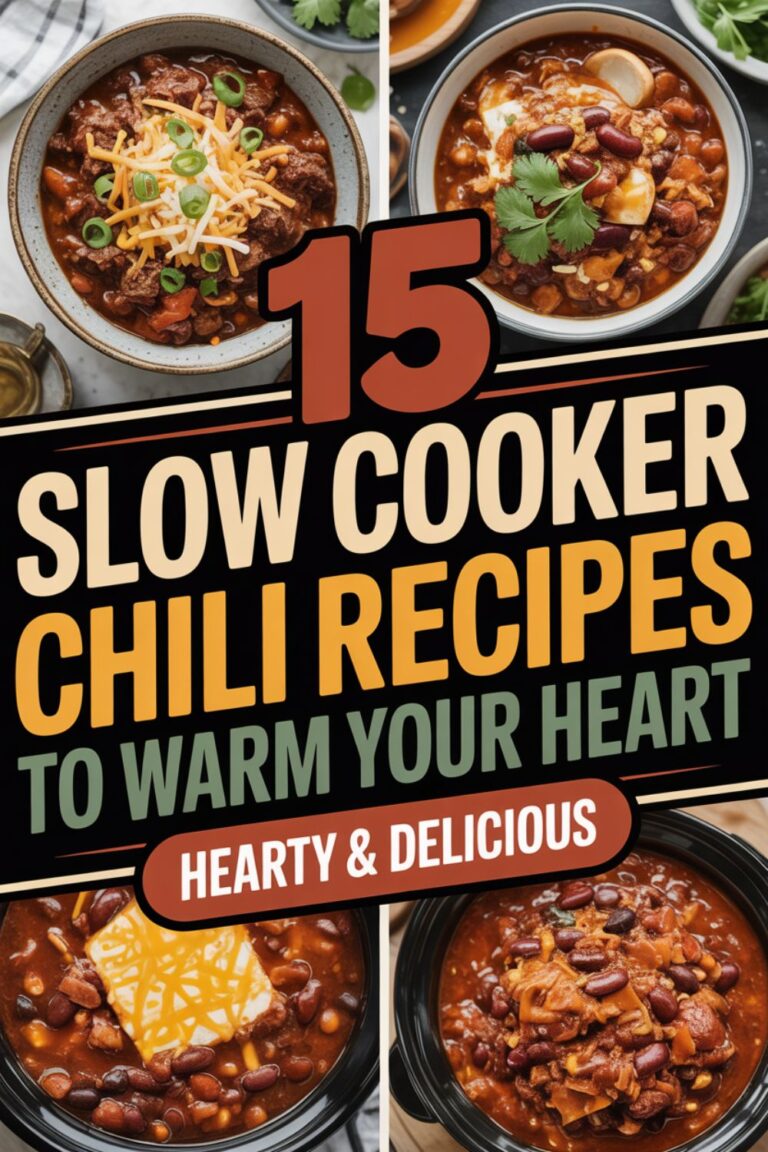
6. White Chicken Chili (Because Regular Chili is Overrated)
Chicken breasts, white beans, green chilies, chicken broth, cumin, and oregano. Top with sour cream, cheese, and crushed tortilla chips. It’s lighter than traditional chili but still incredibly satisfying. Plus, it doesn’t stain everything red if you spill it—a feature I appreciate more than I probably should.
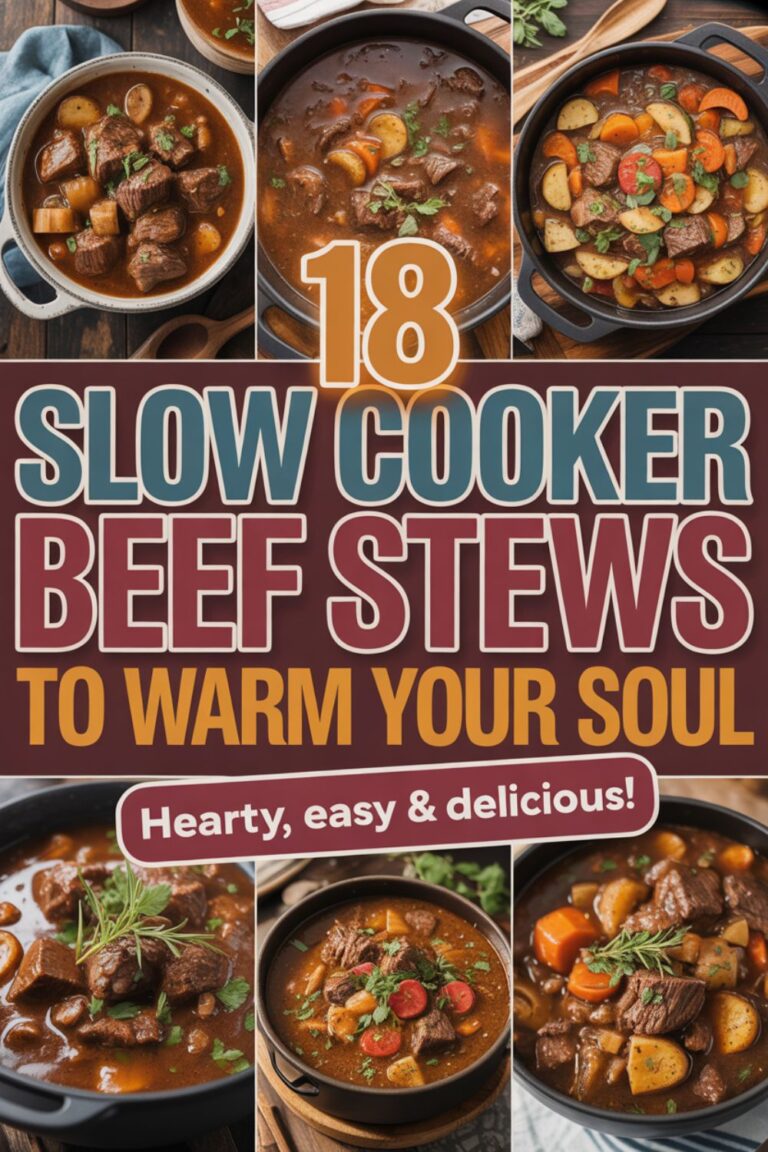
7. Beef and Barley Soup That Tastes Like Nostalgia
This is comfort food in its purest form. Beef stew meat, pearl barley, carrots, celery, onions, and beef broth. The barley soaks up all the beefy goodness and gets wonderfully chewy. My grandmother made this every winter, and I’m convinced it has magical healing properties for bad days.
For more hearty soup ideas that cook themselves, check out these slow cooker soups perfect for meal prep.
8. Pulled BBQ Chicken (The Lazy Person’s Version)
Chicken thighs, your favorite BBQ sauce, and a splash of apple cider vinegar. That’s it. Four to six hours on low, shred it up, and pile it on buns with some coleslaw. The vinegar keeps the sauce from getting cloyingly sweet and adds a nice tanginess.
FYI, chicken thighs are way better for this than breasts. They stay moist and don’t turn into sawdust if you accidentally cook them too long.
9. Vegetarian Lentil Curry That Even Meat-Eaters Love
Red lentils, coconut milk, curry powder, diced tomatoes, and whatever vegetables you have lying around. This is one of those recipes where you can truly clean out your vegetable drawer and call it intentional. The lentils break down into this creamy, hearty sauce that’s honestly better than most restaurant curries I’ve had. Get Full Recipe
10. French Onion Soup Without the Tears (Literally)
Traditional French onion soup requires you to caramelize onions for what feels like eternity while crying your eyes out. Slow cooker version? Slice your onions, throw them in with some butter, beef broth, and a splash of wine. Six hours later, you’ve got caramelized onions without standing over a hot stove weeping. Top with crusty bread and gruyere, stick it under the broiler for a minute, and boom—fancy soup with minimal effort.
11. Balsamic Glazed Pork Tenderloin
This one’s for when you want to impress someone without actually trying that hard. Pork tenderloin, balsamic vinegar, brown sugar, garlic, and rosemary. The balsamic reduces down into this glossy, tangy-sweet glaze that makes everything taste fancy. Serve it with roasted vegetables and suddenly you’re a “home chef.”
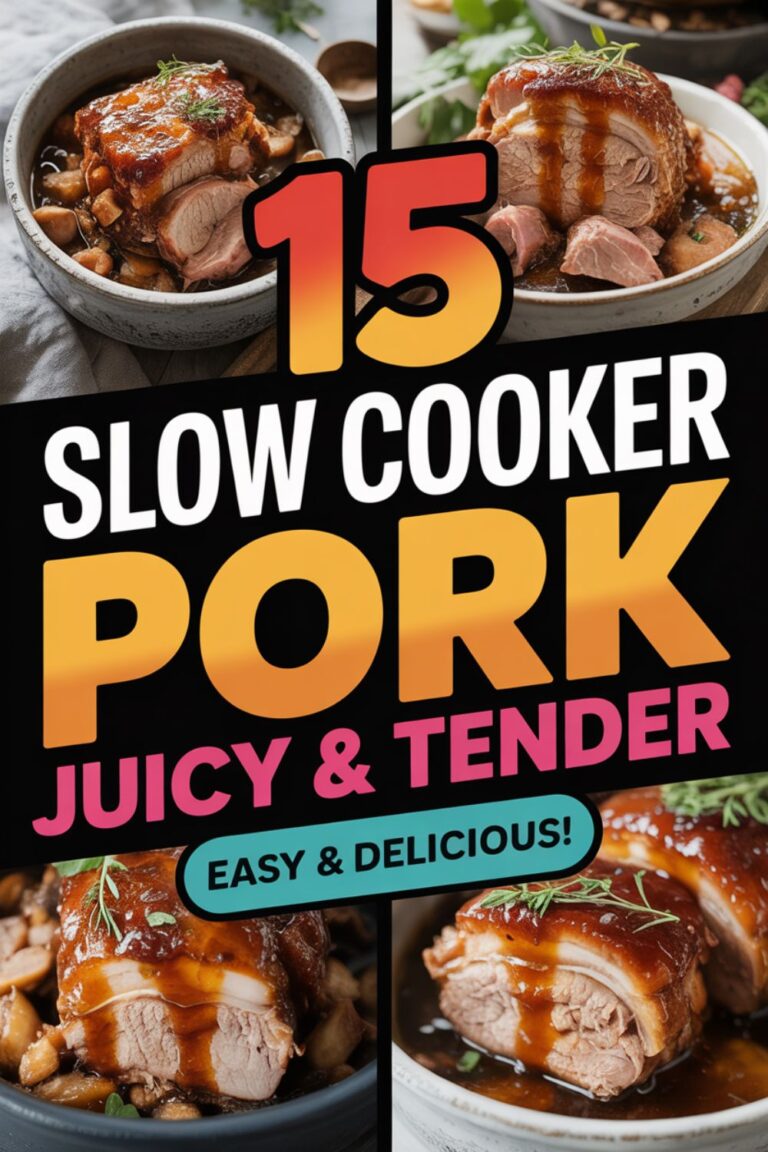
If you’re into pork recipes, these 15 slow cooker pork recipes will give you weeks of dinner inspiration.
12. Tuscan White Bean Stew
Cannellini beans, Italian sausage, kale, tomatoes, and garlic. This is the kind of stew that makes you feel like you’re sitting in a villa in Tuscany instead of your kitchen in suburban wherever. The beans get creamy, the sausage adds richness, and the kale wilts down perfectly. Plus, it reheats beautifully, so it’s great for meal prep.
13. Sweet and Sour Meatballs
Frozen meatballs (yeah, I said it), grape jelly, and chili sauce. Sounds crazy, tastes incredible, and takes about two minutes to prep. This is the recipe you make when you need to bring something to a potluck and forgot until the day of. People will ask for the recipe. Don’t tell them how easy it was.
14. Moroccan Chickpea Tagine
Chickpeas, sweet potatoes, dried apricots, tomatoes, and warm spices like cinnamon, cumin, and coriander. This vegetarian wonder is sweet, savory, and incredibly filling. Serve it over couscous or rice, and you’ve got a meal that’s both healthy and satisfying. The dried apricots might seem weird, but they add this perfect hint of sweetness that balances out the earthiness of the chickpeas.
15. Korean Beef (Weeknight Bulgogi Style)
Thinly sliced beef, soy sauce, brown sugar, sesame oil, ginger, and garlic. This is my cheat version of bulgogi that doesn’t require a grill or any special equipment. Serve it over rice with some steamed broccoli and sesame seeds, and you’ve got a meal that tastes way more complicated than it actually is. Get Full Recipe
I cook mine in this slightly smaller 4-quart slow cooker because the beef cooks better when it’s not swimming in liquid. Trust me, it makes a difference.
“The Korean beef recipe changed my whole perspective on slow cookers. I always thought they were just for roasts and soups, but this proved me wrong. My kids ask for it at least once a week now.” – Marcus T., Fresh Feast reader
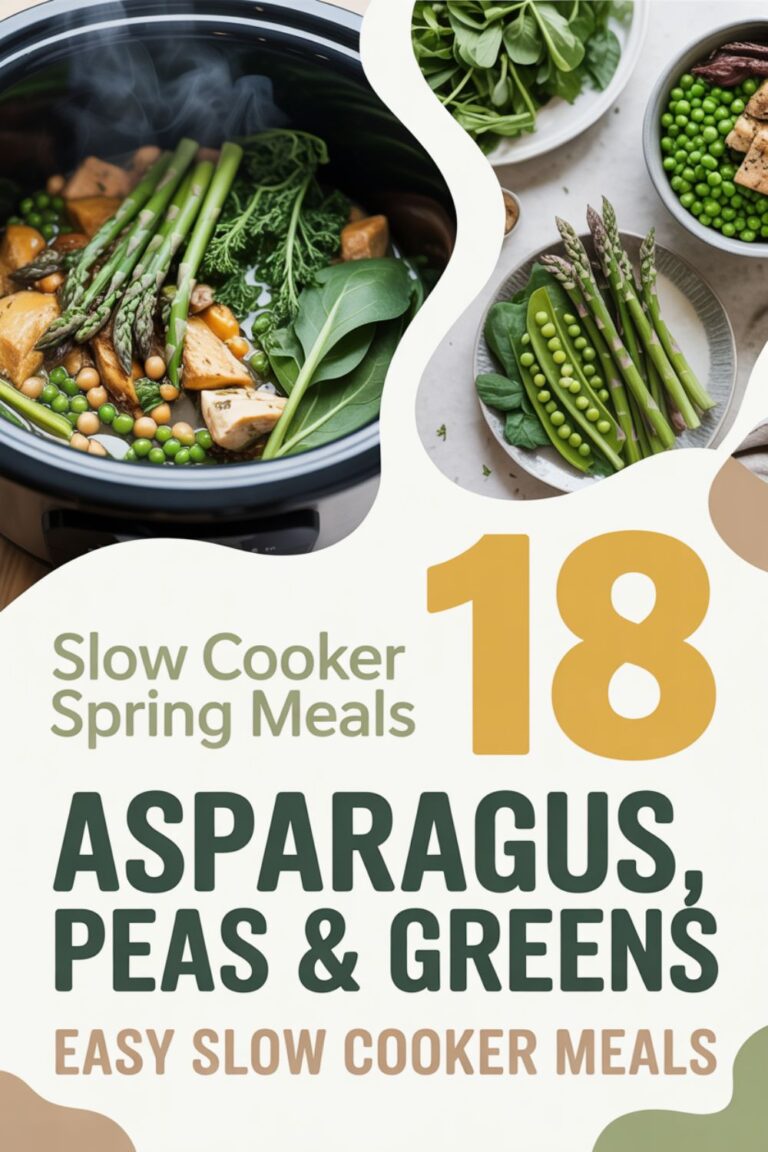
For even more variety, explore these 18 slow cooker recipes you’ll make on repeat.
The Stuff That Makes Everything Easier
Kitchen Tools & Resources That Make Slow Cooking Even Simpler
Physical Products Worth Having
The one with the timer that switches to “warm” automatically so your food doesn’t overcook if you’re running late. Changed my life, honestly.
Look, I hate dishes as much as the next person. These disposable liners mean you don’t have to scrub stuck-on food at 9 PM. Worth every penny.
For storing all those leftovers you’ll have. Get the glass ones—they don’t stain, don’t hold smells, and you can reheat directly in them.
Digital Resources
Because having a plan is half the battle. This guide walks you through prepping a week’s worth of slow cooker meals in one afternoon.
For when you want comfort food that doesn’t make you feel like garbage afterward. These recipes prove healthy can taste good.
Sometimes you just can’t deal with a million ingredients. These recipes keep it simple without sacrificing flavor.
Let’s Talk About the Mistakes Everyone Makes
I’ve been there. We’ve all been there. That first time you try slow cooking and end up with something that resembles dog food more than dinner. Here’s what usually goes wrong and how to avoid it.
Adding Dairy Too Early
Milk, cream, and cheese don’t handle eight hours of cooking well. They curdle, separate, and generally make a mess of things. Add them in the last 30 minutes of cooking, or better yet, stir them in after you turn off the heat. Your creamy soups will actually be creamy instead of chunky and weird.
Ignoring the Brown Step
Yeah, searing your meat before it goes in the slow cooker is an extra step. But it’s the difference between “this is good” and “holy crap, this is amazing.” That caramelization adds depth of flavor you can’t get any other way. Take the five minutes. You won’t regret it.
Overcrowding the Pot
More food doesn’t mean more servings if it doesn’t cook properly. When you overfill your slow cooker, the center doesn’t get hot enough, the edges overcook, and nobody’s happy. Stick to that two-thirds full rule, even if it means making two batches.
Using the Wrong Cut of Meat
Lean cuts like chicken breasts or pork chops? Not ideal for slow cooking. They dry out faster than you can say “I should’ve read the recipe.” You want fatty, tough cuts that benefit from low and slow cooking. Chuck roast, pork shoulder, chicken thighs—these are your friends.
Need more guidance on choosing the right recipes? Check out these slow cooker recipes perfect for beginners.
The Health Stuff Nobody Talks About
Here’s something interesting: slow cooking might actually be one of the healthier cooking methods out there. According to nutrition experts, the lower temperatures help preserve heat-sensitive vitamins that get destroyed when you blast food with high heat.
Plus, cooking in liquid means all those nutrients that leach out during cooking stay in your meal instead of getting dumped down the drain. That broth you’re eating? It’s basically liquid nutrition at that point.
And here’s a bonus most people don’t know about: slow cooking can actually reduce the formation of potentially harmful compounds called AGEs (advanced glycation end products) that form when you cook meat at high temperatures. Grilling and broiling create these compounds like crazy, but slow cooking? Minimal AGE formation.
The USDA Food Safety guidelines confirm that as long as you’re following basic safety rules—like not starting with frozen meat and keeping your slow cooker between half and two-thirds full—slow cooking is both safe and nutritious.
Making It Work in Real Life
Theory is great, but let’s talk about actually implementing this in your chaotic, probably-too-busy life. Because that’s where most people fall off the wagon with slow cooker meals.
The Sunday Night Prep Session
Spend 30 minutes on Sunday evening chopping vegetables, measuring spices, and portioning out ingredients. Store everything in these labeled containers in your fridge. Monday through Friday mornings become assembly jobs instead of actual cooking. Dump everything in, turn it on, leave.
The Freezer Bag Method
Here’s a game-changer: prep entire slow cooker meals in gallon freezer bags. Write the cooking instructions on the bag with a marker. Stack them in your freezer. The night before you want to cook, move a bag to the fridge to thaw. Morning of, dump it in the slow cooker. It’s like having your own line of frozen meals, except they actually taste good.
The Double Batch Strategy
Most slow cooker recipes freeze beautifully. When you’re making pot roast, why not make two? Freeze the second one in portions. Future you will be incredibly grateful when you have a ready-made meal sitting in the freezer for those nights when even slow cooker prep feels like too much.
Looking for more freezer-friendly options? These 15 freezer-friendly slow cooker recipes are perfect for batch cooking.
When Things Go Wrong (And They Will)
Let’s be real: not every slow cooker meal is going to be a winner. Sometimes things turn out weird. Here’s how to salvage common slow cooker disasters.
It’s Too Watery
Mix a tablespoon of cornstarch with cold water until smooth. Stir it into your slow cooker, turn it to high, and give it 15 minutes with the lid off. The liquid will thicken right up. Works like magic on thin stews and runny sauces.
It’s Too Bland
Slow cooking can sometimes mute flavors, especially salt. Always taste and adjust seasoning at the end. A splash of vinegar, squeeze of lemon juice, or dash of hot sauce can wake up flavors that went to sleep during cooking. Don’t be shy with the seasoning—your food should taste like something.
The Meat is Tough
It needs more time. Seriously. Tough meat in a slow cooker usually means it hasn’t cooked long enough. Give it another hour or two on low. Collagen takes time to break down. Patience, grasshopper.
Frequently Asked Questions
Can I leave my slow cooker on while I’m at work?
Yes, that’s literally the whole point of a slow cooker. They’re designed to cook safely for 8-10 hours unattended. Just make sure it’s on a stable, heat-safe surface away from walls and cabinets. The USDA confirms that modern slow cookers are safe to leave on while you’re away.
Do I really need to brown meat before slow cooking?
Need to? No. Should you? Absolutely. Browning creates new flavors through caramelization that you can’t get from just slow cooking. It takes five extra minutes and makes a massive difference in the final dish. Skip it if you’re in a rush, but don’t skip it if you want the best possible result.
Why does my slow cooker food sometimes taste bland?
Slow cooking can mellow out flavors, especially if you add salt at the beginning. Always season again at the end before serving. Also, the moisture that stays in the pot can dilute flavors, so don’t be afraid to use more herbs and spices than you think you need.
Can I put frozen vegetables in my slow cooker?
Frozen vegetables are actually fine for slow cookers, unlike frozen meat. They’ll thaw and cook perfectly during the process. Just add them in the last couple hours of cooking so they don’t turn to mush. Fresh vegetables at the beginning, frozen vegetables at the end.
How do I adapt regular recipes for the slow cooker?
General rule: reduce liquid by about a third since there’s no evaporation. Convert cooking times—1 hour of regular cooking equals 4-6 hours on low or 2-3 hours on high in a slow cooker. And add delicate ingredients like dairy, pasta, or fresh herbs in the last 30 minutes.
The Bottom Line
Look, slow cookers aren’t going to solve all your problems. They won’t do your laundry, won’t make your commute shorter, and definitely won’t make your Monday morning meetings more tolerable. But they will give you one less thing to stress about when it comes to dinner.
These 15 recipes are just the beginning. Once you get comfortable with the basics, you’ll start improvising, combining ideas, and figuring out what works for your particular taste and schedule. That’s when slow cooking goes from being a neat kitchen hack to being an actual lifestyle change.
The best part? You’re making real food. Not something from a drive-through window or a box in the freezer aisle. Real ingredients, real flavors, real meals. And you’re doing it without spending your entire evening in the kitchen. That’s not just convenient—that’s actually kind of revolutionary when you think about it.
So dust off that slow cooker, pick a recipe, and give it a shot. Start simple with the pot roast or the taco chicken. Once you nail those, move on to the more adventurous stuff. Before you know it, you’ll be that person who always has dinner figured out, and everyone will be asking how you do it.
And when they do? You can tell them the truth: you dumped a bunch of stuff in a pot this morning and let it do its thing all day. No magic, no secret technique, just a slow cooker doing what it does best—making your life easier one meal at a time.