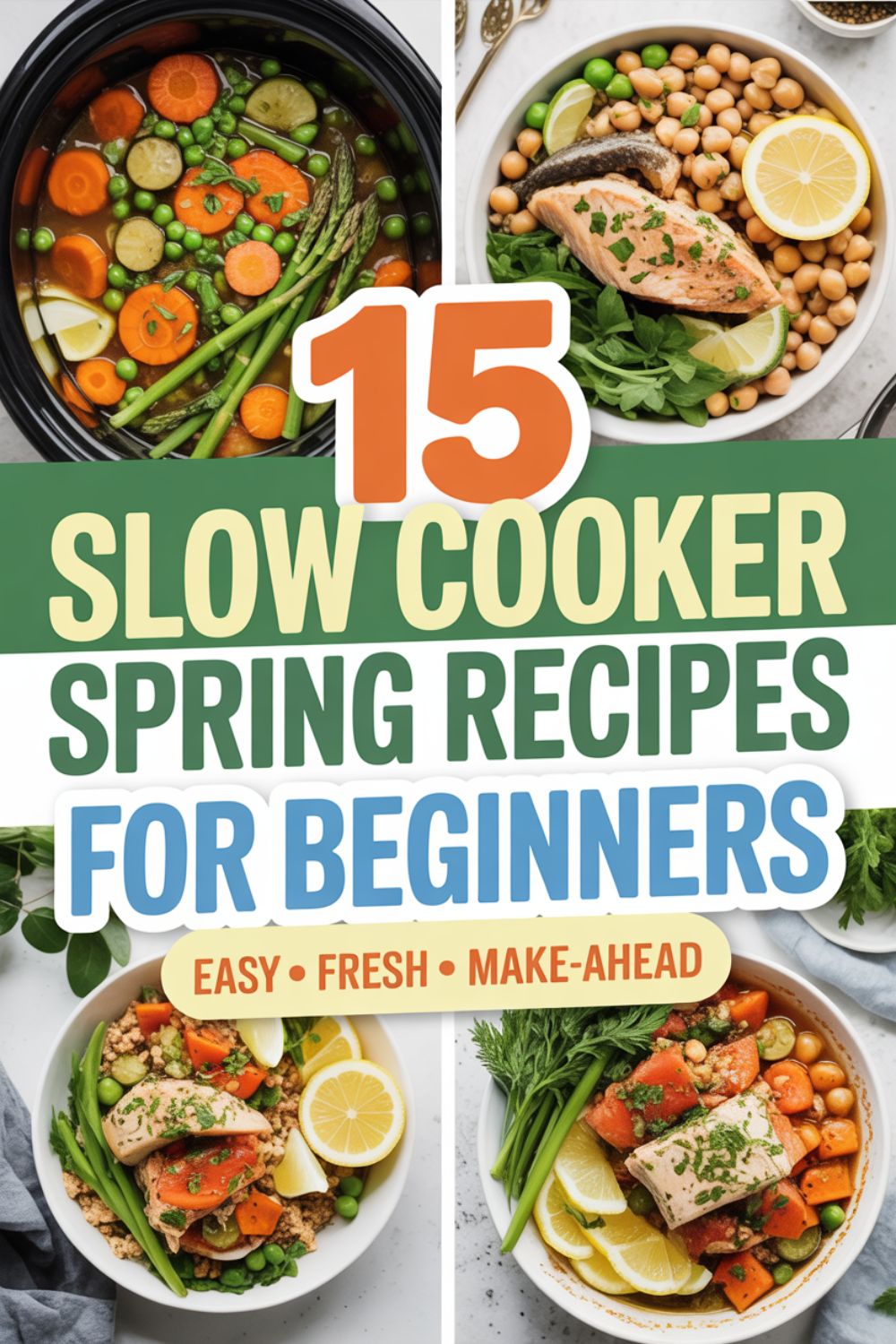
15 Slow Cooker Spring Recipes for Beginners
Let’s be real—spring’s arrival doesn’t automatically mean you’ve got endless hours to spend in the kitchen. Sure, the produce is brighter and the weather’s nicer, but you’re still juggling work, life, and everything in between. That’s exactly where your slow cooker becomes your secret weapon.
I’ve spent years figuring out how to make the most of spring’s bounty without chaining myself to the stove, and honestly? The slow cooker changed everything. We’re talking about fresh asparagus, tender carrots, sweet peas, and all those vibrant spring flavors cooking themselves while you’re out living your life. No babysitting required.
This isn’t some fancy culinary school nonsense. These are straightforward recipes that actually work for people who have other things to do besides cook all day. Whether you’re completely new to slow cooking or just looking for fresh ideas that celebrate spring ingredients, you’re in the right place.
Why Your Slow Cooker and Spring Are a Match Made in Heaven
Here’s something most people don’t realize: slow cookers aren’t just for winter stews. Actually, they’re perfect for spring cooking because they let you take advantage of seasonal produce without overheating your kitchen or losing those delicate flavors.
Spring vegetables like asparagus, new potatoes, and tender greens cook beautifully at low temperatures. Research shows that slow cooking preserves nutrients better than high-heat methods, which means you’re getting more out of those fresh spring ingredients. The gentle heat keeps vitamins intact while developing incredible depth of flavor.
Plus, let’s talk practicality. Spring means busier schedules—outdoor activities, spring cleaning, gardening. Who wants to stand over a hot stove when you could throw ingredients in a programmable slow cooker in the morning and come home to dinner that’s ready to eat?
Getting Started: What You Actually Need
Look, you don’t need a fancy setup. I started with a basic 6-quart slow cooker from a department store sale, and it served me well for years. But if you’re investing in one now, here’s what actually matters.
Size-wise, a 6-quart model is the sweet spot for most people. It’s big enough for family meals but not so massive that you can’t make smaller portions. The programmable feature is worth the extra money, trust me. Being able to set it and have it switch to warm automatically is a game-changer when your day runs long.
Beyond the Basics
A few tools make life easier. I’m obsessed with my silicone slow cooker liners—cleanup is basically nonexistent, and unlike disposable liners, they’re reusable and don’t add waste. A good set of kitchen tongs helps when you need to pull out delicate asparagus or turn chicken without shredding everything.
For spring cooking specifically, invest in a decent vegetable peeler and a sharp chef’s knife. Fresh spring vegetables deserve clean cuts, not mangled chunks. Your carrots will thank you.
Kitchen Tools That Actually Make a Difference
After years of slow cooking, these are the items I reach for constantly. Nothing fancy, just genuinely useful stuff that makes the whole process smoother.
Physical Essentials
- Programmable 6-Quart Slow Cooker – The foundation of everything
- Silicone Slow Cooker Liners – Makes cleanup stupidly easy
- Kitchen Tongs with Silicone Tips – For handling delicate veggies
Digital Resources
- Slow Cooker Recipe eBook Collection – 200+ tested recipes
- Meal Planning Template Pack – Pre-made grocery lists
- Spring Produce Guide PDF – Seasonal shopping reference
Understanding Spring Ingredients
Spring produce is different from what you’re used to cooking in winter. Everything’s more delicate, sweeter, and honestly, less forgiving if you overcook it. The good news? Slow cookers handle spring vegetables beautifully when you know a few tricks.
Studies have found that slow cooking can actually increase the bioavailability of nutrients in vegetables like tomatoes and carrots. The low heat breaks down cell walls, making vitamins and minerals easier for your body to absorb. Pretty cool, right?
Timing Matters More in Spring
Here’s where beginners mess up: they treat asparagus like it’s a potato. It’s not. Tender spring vegetables need less time than their winter counterparts. Asparagus gets mushy after 4 hours on low. New potatoes are done in 3-4 hours, not 6-8. Baby carrots? Even faster.
The trick is adding ingredients in stages. Heartier items like potatoes and onions go in first. Delicate vegetables like snap peas or asparagus get added during the last hour. This isn’t complicated—it’s just paying attention to texture.
Speaking of perfectly timed vegetables, if you’re looking for more inspiration beyond spring dishes, check out these slow cooker meals for busy weeknights. They use similar timing principles and have saved me on countless rushed evenings.
The 15 Recipes That’ll Make You a Spring Slow Cooking Convert
Alright, let’s get to the good stuff. These recipes are organized from simplest to slightly more involved, but honestly, none of them are difficult. I’ve made every single one multiple times, and they all pass the “weeknight-worthy” test.
1. Lemon Herb Chicken with Spring Vegetables
This is your gateway recipe. Throw chicken breasts, baby carrots, new potatoes, and fresh herbs into your slow cooker with lemon and broth. Four hours later, you’ve got a complete meal that tastes like you actually tried. Get Full Recipe
The lemon brightens everything up without being overpowering, and the herbs (I usually use thyme and rosemary) make your kitchen smell incredible. Kids eat this without complaint, which is basically a miracle.
2. Spring Vegetable Minestrone
Soup in spring might sound weird, but hear me out. This minestrone is loaded with fresh asparagus, zucchini, white beans, and spinach. It’s light enough that you won’t feel weighed down, but substantial enough to actually fill you up. Get Full Recipe
I make a big batch and eat it for lunch all week. The flavors get better after a day or two in the fridge, and it reheats perfectly. Add some crusty bread and you’re set.
3. Honey Garlic Salmon with Asparagus
Yes, you can absolutely cook fish in a slow cooker. This honey garlic salmon cooks on low for just 2 hours with asparagus spears laid on top. The result is perfectly flaky fish and tender-crisp asparagus. Get Full Recipe
Use fresh salmon if you can. I line my slow cooker insert with parchment paper for this one—makes cleanup even easier and the fish doesn’t stick at all.
4. Mediterranean Quinoa Bowls
This is my go-to when I need something that feels healthy but doesn’t taste like punishment. Quinoa, chickpeas, cherry tomatoes, artichokes, and olives cook together in vegetable broth. Top with feta and fresh herbs when serving. Get Full Recipe
The beauty of this recipe is its flexibility. Don’t have artichokes? Use roasted red peppers. Hate olives? Leave them out. It works regardless.
5. Spring Pea and Mint Risotto
Risotto without constant stirring sounds impossible, but it absolutely works. Arborio rice, fresh peas, mint, and parmesan create this creamy, spring-perfect dish. You’ll stir twice—once at the beginning and once at the end. Get Full Recipe
Fresh mint is non-negotiable here. Dried mint tastes like toothpaste. Seriously, spend the two dollars on a fresh bunch.
If you’re into the idea of one-pot meals that basically cook themselves, you’ll love these one-pot dinners. Similar hands-off approach, just faster cooking times.
6. Slow Cooker Shakshuka
This North African dish is traditionally made on the stovetop, but the slow cooker version is even better. Tomatoes, peppers, and spices simmer for hours, then you crack eggs on top for the last 20 minutes. Get Full Recipe
Serve this with crusty bread for dipping. The runny yolks mixing with the spiced tomato sauce is basically food heaven. Works for breakfast, lunch, or dinner.
7. Balsamic Glazed Carrots with Thyme
Sometimes side dishes need to be the star. These carrots cook in balsamic vinegar, honey, and fresh thyme until they’re caramelized and tender. Simple ingredients, maximum impact. Get Full Recipe
Use whole small carrots or cut larger ones into batons. The vegetable cutting board with a juice groove saves your counter from the balsamic drips.
8. White Bean and Kale Soup
This is comfort food that happens to be incredibly good for you. White beans, kale, garlic, and a parmesan rind (save those rinds!) create a soup that’s rich and satisfying. Get Full Recipe
The parmesan rind is the secret weapon here. It adds this deep, umami flavor without making the soup heavy. Pull it out before serving—it’s done its job by then.
9. Spring Vegetable Curry
A mild, creamy curry packed with cauliflower, peas, potatoes, and spinach. The coconut milk keeps things smooth, and the spices (don’t worry, it’s not spicy-hot) add warmth. Get Full Recipe
Serve over rice or with naan bread. I make extra rice and use it for fried rice later in the week. IMO, this curry tastes even better as leftovers.
10. Lemon Dill Potato Salad
Potato salad from a slow cooker? Absolutely. New potatoes cook perfectly tender, then you toss them with a lemon-dill dressing while they’re still warm. No mayo required. Get Full Recipe
This is killer for picnics and potlucks because it doesn’t need refrigeration like mayo-based potato salads. Plus, it actually has flavor beyond “cold and creamy.”
11. Ratatouille
The classic French vegetable dish gets easier with a slow cooker. Eggplant, zucchini, bell peppers, and tomatoes cook down into this silky, flavorful mixture. Get Full Recipe
Don’t skip salting and draining the eggplant first. It takes 20 minutes but prevents that weird bitter, spongy texture. Worth the extra step.
12. Herb-Crusted Pork Tenderloin with Radishes
Pork tenderloin stays incredibly moist in the slow cooker, and radishes—yes, radishes—turn sweet and tender when cooked. Rub the pork with herbs, surround it with halved radishes, and let it go. Get Full Recipe
The radishes are the surprise star here. They lose their sharp bite and become mild and slightly sweet. People who claim to hate radishes have changed their minds after trying this.
For more protein-focused slow cooker ideas, these slow cooker chicken recipes are family favorites in my house. They follow similar principles but focus on different flavor profiles.
13. Spring Onion and Potato Soup
This is basically French onion soup’s lighter, spring cousin. Spring onions (or leeks if you can’t find them) cook down with potatoes and broth into a creamy soup without any actual cream. Get Full Recipe
Blend part of it for creaminess and leave some chunks for texture. Top with crispy shallots fried in a small cast iron skillet for crunch.
14. Balsamic Strawberry Chicken
This sounds weird until you taste it. Chicken breasts cook in balsamic vinegar with fresh strawberries, creating this sweet-tangy sauce that’s completely unexpected and weirdly addictive. Get Full Recipe
Use fresh strawberries when they’re in season. The frozen ones don’t have the same bright flavor. Serve over rice or quinoa to soak up that sauce.
15. Artichoke and Spinach Stuffed Peppers
Bell peppers stuffed with a mixture of artichokes, spinach, quinoa, and cheese. They stand up perfectly in the slow cooker and come out tender but not mushy. Get Full Recipe
I use a jar opener to help twist out the pepper tops cleanly. Sounds random, but it actually works better than a knife for getting a clean cut.
Common Mistakes (And How to Avoid Them)
Let me save you from the errors I’ve made. First, overfilling your slow cooker is a rookie mistake. Fill it between half and two-thirds full for best results. Too full, and it won’t cook evenly. Too empty, and everything dries out.
Second, resist the urge to peek. Every time you lift that lid, you add 15-20 minutes to the cooking time. The heat escapes, and your slow cooker has to work to get back up to temperature. Just trust the process.
The Liquid Situation
Here’s what trips people up: slow cookers don’t lose moisture like traditional cooking. You need way less liquid than you think. If a regular recipe calls for 3 cups of broth, use 1.5 cups in the slow cooker. The ingredients release moisture as they cook, and since nothing evaporates, you’ll end up with plenty of liquid.
That said, don’t go completely dry. You need some liquid to create steam and conduct heat. Just be conservative with it.
By the way, if you’re meal prepping for the week, check out these healthy slow cooker recipes. They’re designed to be made in batches and taste great reheated.
Making Spring Slow Cooking Work for Your Life
The actual secret to using your slow cooker consistently isn’t finding the perfect recipe—it’s building a system that fits your schedule. FYI, this is where most people fail. They make one amazing meal, then the slow cooker sits in the cabinet for three months.
I dedicate Sunday nights to prep. Not hours of prep, just 20-30 minutes of chopping vegetables and portioning proteins. Everything goes in containers in the fridge. Then on a weeknight, I dump a container into the slow cooker, add liquid and seasoning, and go to bed. Morning me just turns it on.
The Grocery Shopping Strategy
Shop with your slow cooker in mind. When asparagus goes on sale, grab two bunches and plan two recipes. Buy proteins in bulk and freeze them in meal-sized portions. Keep basics like canned tomatoes, beans, and broth stocked.
I keep a running list on my phone of what’s in my freezer. Sounds obsessive, but it prevents those moments where you realize you have six bags of frozen chicken and no vegetables. Balance is everything.
Adapting Recipes for Different Dietary Needs
Most slow cooker recipes are pretty forgiving when it comes to substitutions. Going plant-based? Swap proteins for chickpeas, lentils, or tofu. Just reduce the cooking time slightly—plant proteins don’t need as long as meat.
For gluten-free cooking, the slow cooker is already your friend. Most of these spring recipes naturally avoid gluten. When a recipe calls for flour to thicken, use cornstarch mixed with cold water instead. Add it at the end of cooking and let it thicken for 15-20 minutes on high.
Low-Sodium Considerations
Reduce salt and use low-sodium broths in any recipe. The long cooking time really develops flavors, so you’ll need less salt than you think. Fresh herbs, citrus zest, and aromatics do a lot of heavy lifting flavor-wise.
I’ve learned to taste before adding salt. The ingredients have been hanging out together for hours—they’ve already shared flavors. More often than not, a squeeze of lemon or a handful of fresh herbs is all you need to brighten things up.
Looking for more variety in your slow cooker repertoire? These crockpot recipes cover everything from breakfast to dessert. Seriously, there’s a chocolate lava cake in there that’ll blow your mind.
Storing and Reheating Your Spring Slow Cooker Meals
Spring vegetables can get mushy if stored wrong. Let everything cool completely before refrigerating—condensation makes vegetables soggy. Store components separately when possible. Keep the sauce separate from vegetables, and they’ll stay crispier.
Most of these recipes keep 3-4 days in the fridge. Freeze anything you won’t eat within that timeframe. Use freezer-safe glass containers to avoid that weird plastic taste some containers leave.
Reheating Without Ruining Everything
Gentle heat is key. Microwave on 50% power in 1-minute increments, stirring between each. Or reheat on the stovetop over low heat with a splash of broth or water. Rushing the reheating process turns tender spring vegetables into mush.
For soups and stews, add fresh herbs right before serving. The original herbs have cooked to death by now. A handful of fresh parsley or basil makes leftovers taste like you just made them.
Frequently Asked Questions
Can I put frozen vegetables directly in my slow cooker?
Yes, but with a caveat. Frozen vegetables release a ton of water as they thaw and cook, which can make your dish watery. If you’re using frozen veggies, reduce the liquid in your recipe by about a third. Also, frozen vegetables cook faster than fresh, so add them during the last 2-3 hours of cooking to prevent mush. For spring recipes specifically, I’d stick with fresh produce when possible—the texture and flavor are noticeably better.
How do I prevent spring vegetables from getting overcooked and mushy?
Timing and staging are everything. Delicate vegetables like asparagus, snap peas, and spinach should only cook for 30-60 minutes on low. Add them during the final hour of cooking. Sturdier spring vegetables like carrots and new potatoes can handle 3-4 hours, but even they don’t need the full 6-8 hours that winter root vegetables require. When in doubt, check an hour early—you can always cook longer, but you can’t un-mush overcooked vegetables.
Is it safe to leave my slow cooker on all day while I’m at work?
Absolutely. That’s literally what they’re designed for. Modern slow cookers have safety features and maintain safe temperatures throughout the cooking process. Food safety experts recommend cooking on high for the first hour if possible, then switching to low. Many programmable models do this automatically. Just make sure your slow cooker is on a stable, heat-resistant surface away from curtains or cabinets, and you’re good to go.
Can I use my slow cooker to meal prep for the whole week?
Definitely. In fact, slow cookers are perfect for batch cooking. Most recipes make 4-6 servings easily, and many can be doubled. Just remember that most slow-cooked spring dishes stay fresh in the fridge for 3-4 days. Anything beyond that should go in the freezer. I usually make two different recipes on Sunday—one for Monday through Wednesday, one for Thursday and Friday. Keeps things interesting without requiring daily cooking.
What’s the difference between cooking on low versus high in a slow cooker?
Both settings eventually reach the same temperature (around 209°F), but high gets there in about 3-4 hours while low takes 7-8 hours. For spring vegetables and delicate proteins, low is usually better—it gives you more control and produces more tender results. High works when you’re short on time, but you’ll need to watch the clock more carefully. As a general rule, 4 hours on high equals about 6-8 hours on low, though spring vegetables don’t follow this exactly due to their delicate nature.
Wrapping This Up
Spring cooking with a slow cooker isn’t about following complicated recipes or becoming a culinary genius overnight. It’s about making your life easier while taking advantage of the incredible produce that’s available right now.
These 15 recipes work because they’re realistic. They use ingredients you can actually find, techniques that don’t require special skills, and timing that fits around normal life. Some will become regulars in your rotation, others might not be your thing. That’s fine. The point is to start experimenting and find what works for you.
Your slow cooker is basically a kitchen assistant that doesn’t complain, never calls in sick, and produces consistently good results. Use it that way. Let it handle the cooking while you handle everything else that’s demanding your attention.
Spring’s here, the produce is gorgeous, and dinner can cook itself. Honestly, what’s not to love about that?
Similar Posts
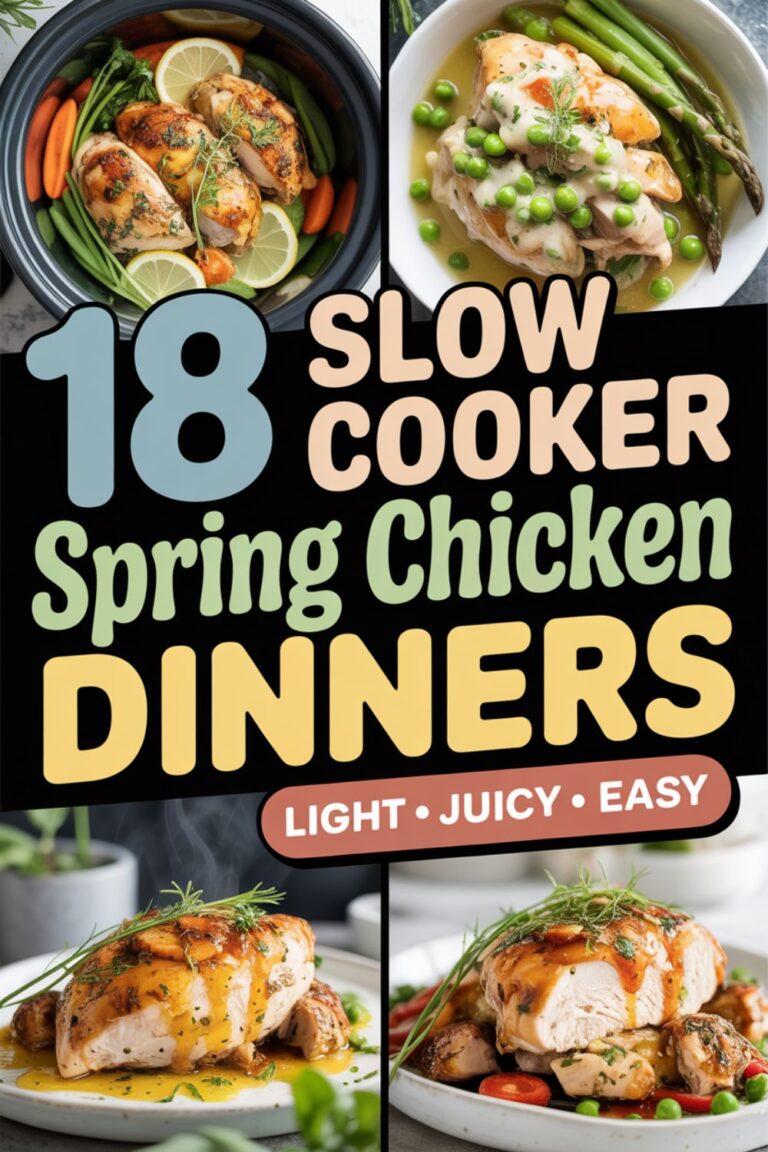
18 Slow Cooker Spring Chicken Dinners
18 Slow Cooker Spring Chicken Dinners 18 Slow Cooker Spring Chicken Dinners Look, I get it. Spring rolls around and suddenly everyone’s talking about fresh salads and grilled everything, but here’s the thing—your slow cooker didn’t become obsolete just because the weather warmed up. Actually, spring might be the best time to dust off that…
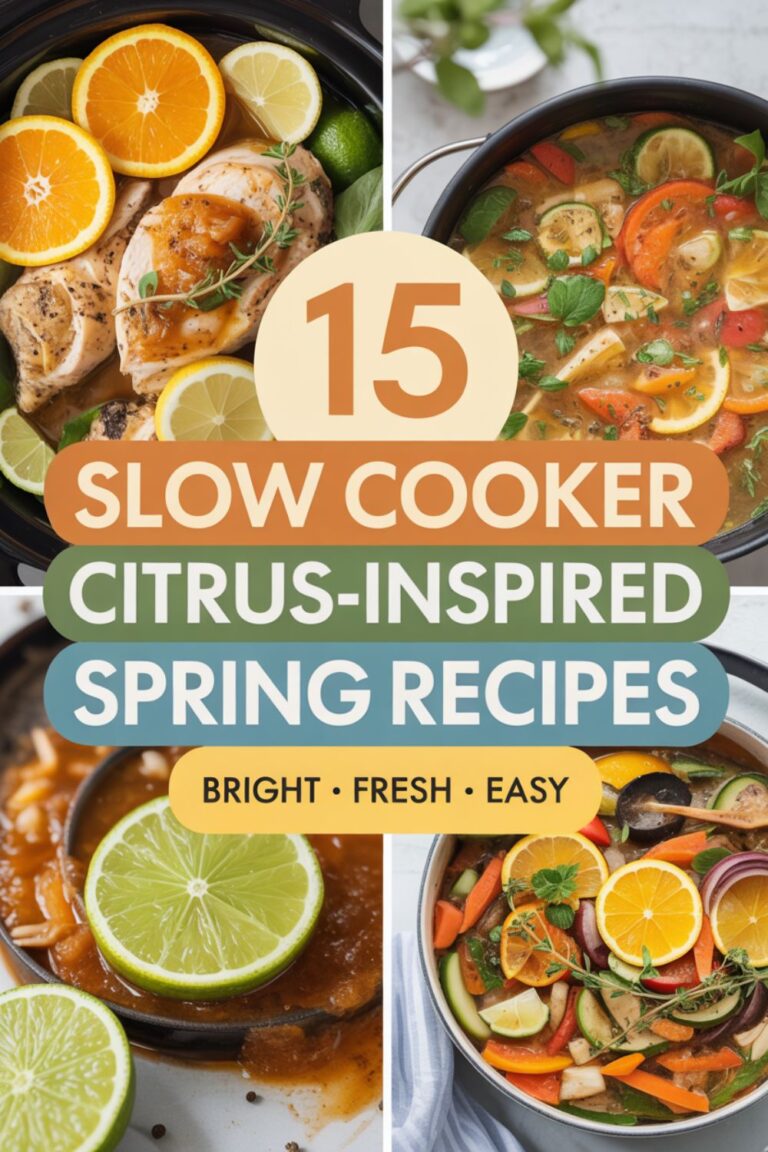
15 Slow Cooker Citrus-Inspired Spring Recipes
15 Slow Cooker Citrus-Inspired Spring Recipes | Fresh Feast Co 15 Slow Cooker Citrus-Inspired Spring Recipes Bright, Zesty Flavors That Practically Cook Themselves Spring’s here, which means it’s time to ditch the heavy winter stews and bring some sunshine to your slow cooker. I know what you’re thinking—slow cooker recipes and fresh, bright flavors don’t…
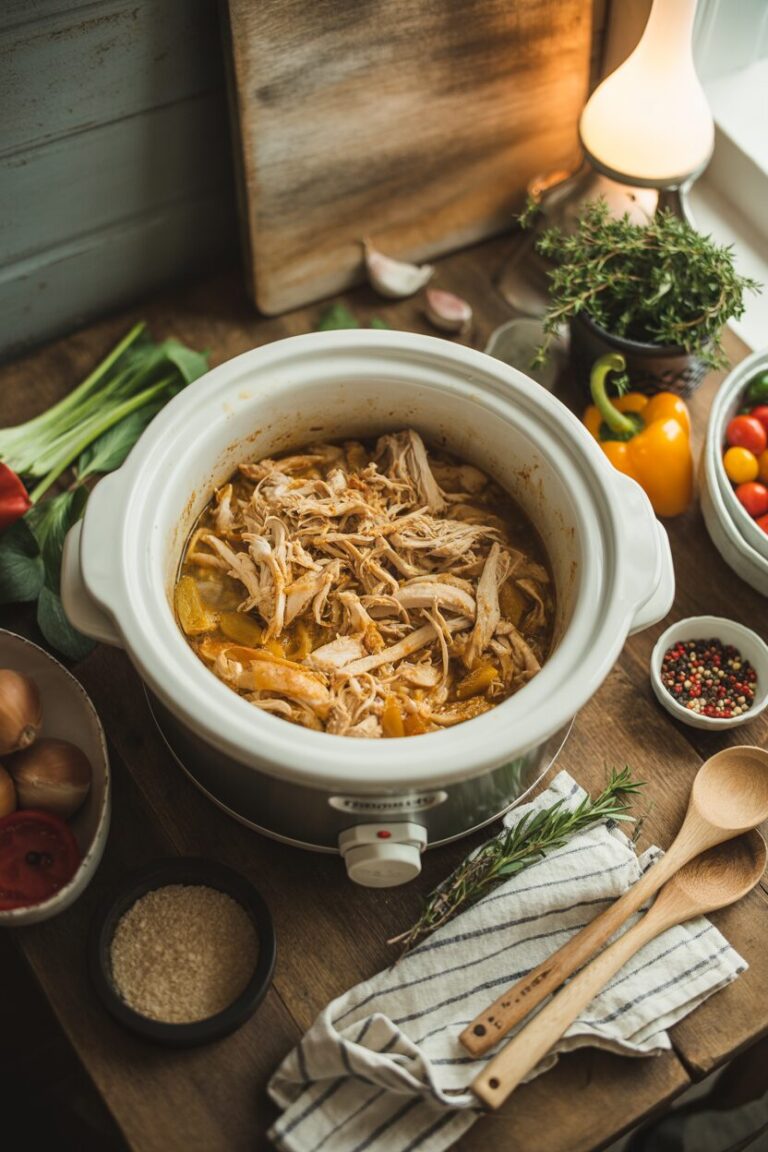
12 Slow Cooker Chicken Recipes Everyone Will Love
12 Slow Cooker Chicken Recipes Everyone Will Love 12 Slow Cooker Chicken Recipes Everyone Will Love Look, I get it. You’re tired, your fridge is looking sadder than a Monday morning, and the last thing you want to do is stand over a hot stove pretending you’re some kind of culinary genius. That’s where your…