
18 Slow Cooker Crockpot Recipes You’ll Want to Make Again and Again
18 Slow Cooker Crockpot Recipes You’ll Want to Make Again and Again
Let’s be real—some nights, the thought of standing over a stove feels like climbing Mount Everest. That’s where your trusty slow cooker swoops in like a culinary superhero, transforming a pile of ingredients into dinner magic while you’re out living your life.
I’ve been a slow cooker devotee for years now, and honestly, I can’t imagine adulting without one. There’s something deeply satisfying about dumping everything into that ceramic bowl in the morning and coming home to a house that smells like you’ve been slaving away all day. Spoiler alert: you haven’t.
Whether you’re a busy parent, a perpetual meal-prepper, or someone who just wants to eat something that doesn’t come in a takeout container, this collection of 18 crockpot recipes will become your new rotation. We’re talking comfort food classics, bold international flavors, and dishes so easy you’ll wonder why you ever stressed about dinner in the first place.
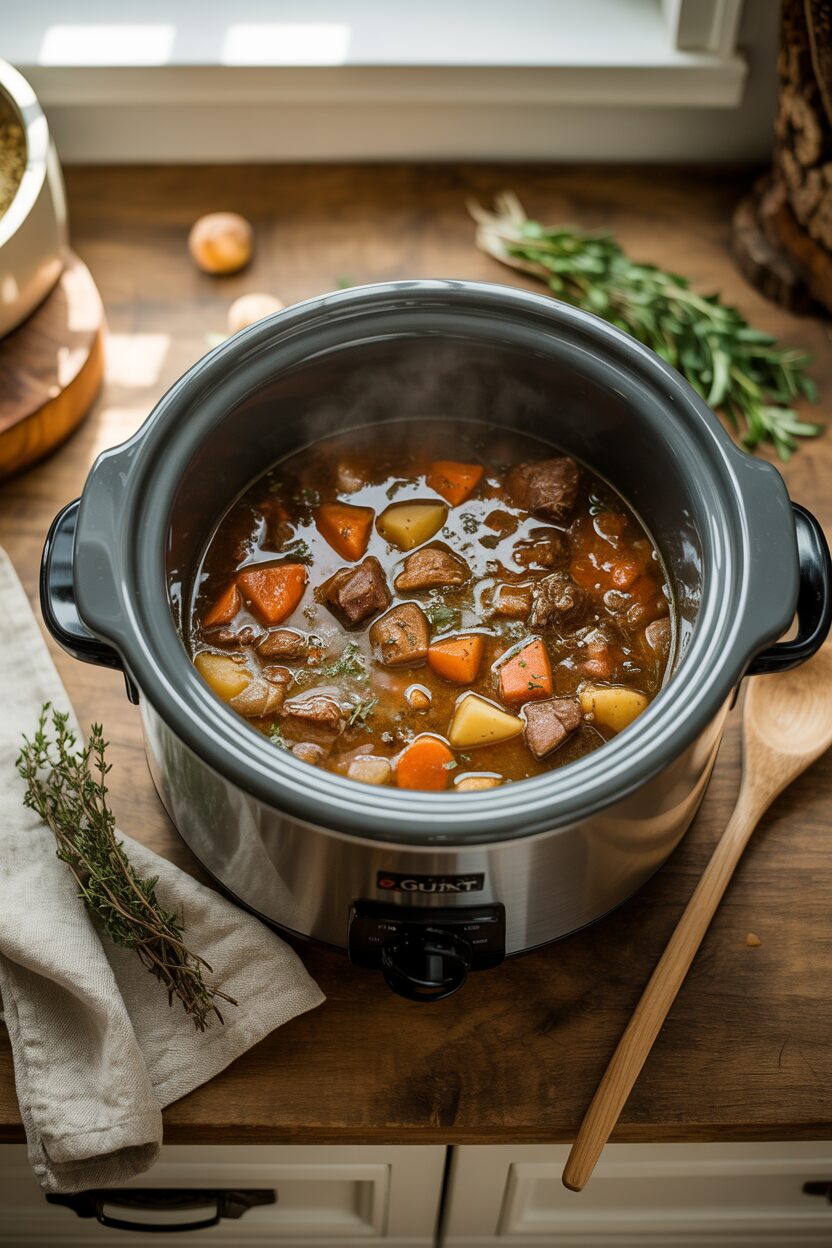
📸 Image Prompt:
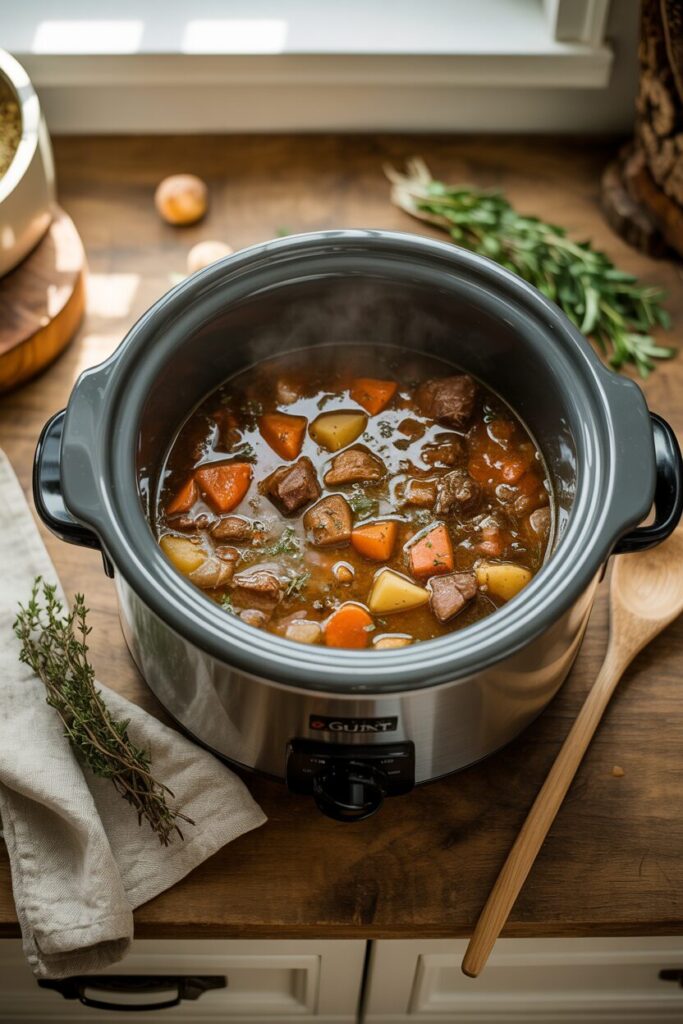
Overhead shot of a modern 6-quart slow cooker on a rustic wooden countertop, lid slightly ajar revealing steaming, hearty beef stew with visible chunks of carrots, potatoes, and tender meat. Warm kitchen lighting from the left, cozy farmhouse-style setting with a linen kitchen towel draped nearby, fresh herbs (thyme and rosemary) scattered artfully, and a wooden spoon resting against the cooker. Shallow depth of field focusing on the stew with soft bokeh background. Pinterest-optimized composition with warm, inviting autumn tones.
Why Your Slow Cooker Deserves a Permanent Spot on Your Counter
Before we dive into the recipes, let’s talk about why slow cooking isn’t just convenient—it’s actually better for you. According to nutrition expert Dr. Andrew Weil, slow cooking doesn’t destroy nutrients. In fact, the lower temperatures help preserve vitamins and minerals that get zapped when you cook at high heat.
Think about it: when you roast or fry, you’re basically nuking your food at crazy temperatures. But a crockpot? It’s more like giving your ingredients a long, gentle spa day. Everything breaks down slowly, flavors meld together beautifully, and tough cuts of meat become fall-apart tender without any babysitting required.
Plus, you’ve got complete control over what goes in. No mystery ingredients, no sketchy preservatives—just real food doing its thing. The University of Nebraska’s food safety experts point out that slow cooker meals use less electricity than your oven and can be kept year-round, which means you’re saving money while eating better. Win-win.
The 18 Recipes That’ll Change Your Dinner Game
1. Classic Pot Roast with Root Vegetables
There’s a reason pot roast is a Sunday dinner staple. Chuck roast, carrots, potatoes, onions, and a splash of red wine create this almost embarrassingly easy one-pot wonder. Season your roast generously with salt and pepper, throw in some garlic cloves, and let it cook on low for 8 hours. The meat literally falls apart when you look at it.
I like using this 7-quart programmable slow cooker for roasts because the extra space lets everything cook evenly. Pro tip: sear your meat first if you have time. It adds a depth of flavor that’s worth the extra 10 minutes. Get Full Recipe
2. Creamy Chicken and Wild Rice Soup
This soup is pure comfort in a bowl. Bone-in chicken thighs, wild rice, celery, carrots, and a touch of cream come together into something that tastes way fancier than the effort required. The wild rice adds this nutty texture that regular rice just can’t match.
The beauty here is you can use chicken breast if you’re watching fat intake, but IMO, thighs stay juicier during the long cook time. Finish with fresh thyme and a squeeze of lemon. Get Full Recipe
Craving more soup inspiration? Check out these hearty winter soup recipes or this immune-boosting veggie soup that’s perfect for meal prep.
3. Barbacoa Beef Tacos
Forget Chipotle—you can make better barbacoa at home. Beef chuck roast gets rubbed with chipotle peppers, cumin, oregano, and lime juice, then slow-cooked until it’s so tender you could shred it with a dirty look. Pile it into warm tortillas with fresh cilantro, diced onions, and a squeeze of lime.
The leftover meat is clutch for meal prep. I use it in burrito bowls, quesadillas, or just eaten straight from the fridge at midnight when nobody’s judging. You’ll need a good set of taco holders for serving—trust me, they make taco night way less messy.
4. Vegetarian Lentil Bolognese
Who says bolognese needs meat? This lentil version is packed with protein and fiber while delivering all the rich, tomatoey goodness you crave. Green or brown lentils work best—they hold their shape and create this hearty, meaty texture that even carnivores appreciate.
Serve over pasta, zucchini noodles, or even baked potatoes. The sauce freezes beautifully, so I always make a double batch. Sometimes I’ll toss in some nutritional yeast for a cheesy, umami boost without any dairy.
🎉 Join Our WhatsApp Community!
Get exclusive slow cooker tips, early access to new recipes, and weekly meal planning hacks delivered straight to your phone. Plus, we share secret shortcuts the blog doesn’t cover.
Join Free Now5. Honey Garlic Chicken Thighs
Sweet, savory, and ridiculously simple. Bone-in or boneless chicken thighs get coated in a honey-soy-garlic sauce that caramelizes into this glossy, finger-licking glaze. Serve over rice with steamed broccoli and you’ve got a complete meal that tastes like takeout.
The sauce is where the magic happens. Honey, soy sauce, garlic, ginger, and a splash of rice vinegar create this perfect balance. Some folks thicken it with cornstarch at the end, but I prefer it slightly looser so it soaks into the rice. Get Full Recipe
6. Moroccan Chickpea Stew
This North African-inspired stew brings warmth and spice without being overwhelming. Chickpeas, sweet potatoes, tomatoes, and a blend of cumin, cinnamon, and paprika create layers of flavor that develop beautifully over hours of slow cooking.
Finish with fresh cilantro and a dollop of Greek yogurt. It’s vegetarian, naturally gluten-free, and meal-prep friendly. The chickpeas provide plant-based protein while the sweet potatoes add that comforting starchiness. I always keep canned chickpeas stocked specifically for this recipe.
Love international flavors? You’ll also dig these global-inspired one-pot meals or this Thai coconut curry that works in any slow cooker.
7. Mississippi Pot Roast
Don’t judge this by its ingredients list. Ranch seasoning, au jus gravy mix, pepperoncini peppers, and butter shouldn’t work together—but they create this tangy, savory, insanely addictive pot roast that’s become a cult favorite for good reason.
I was skeptical the first time I made it. How could something this weird be good? Turns out, really good. The pepperoncini add this bright, vinegary kick that cuts through the richness. Serve over mashed potatoes or egg noodles to soak up all that incredible juice.
8. White Chicken Chili
When you need something lighter than traditional chili but still warming and substantial, white chicken chili delivers. Chicken breast, white beans, green chilies, and a creamy broth spiced with cumin and oregano create this Southwestern-inspired bowl of goodness.
Top with avocado, shredded Monterey Jack cheese, cilantro, and crushed tortilla chips. The toppings aren’t optional—they add texture and freshness that balance the creaminess. Some people add cream cheese or sour cream at the end for extra richness.
9. Korean-Style Short Ribs
These short ribs are worth every penny. The marinade—soy sauce, brown sugar, sesame oil, garlic, and ginger—penetrates the meat during the slow cook, creating fall-off-the-bone tenderness with this beautiful sweet-savory glaze.
Serve over jasmine rice with kimchi and pickled vegetables. The fat renders out completely, leaving you with meat that’s rich but not greasy. I use this Korean gochugaru pepper to add a touch of heat without overwhelming the other flavors.
🔥 Must-Have Kitchen Tool
After years of slow cooking, I finally upgraded to this 6-quart programmable slow cooker with a locking lid. Game changer. The timer auto-switches to warm when cooking’s done, and the locking lid means you can actually transport food to potlucks without wearing it. Worth every dollar.
Check It Out10. Tuscan White Bean Soup
Simple, rustic, and absolutely soul-satisfying. Cannellini beans, kale, tomatoes, garlic, and Italian herbs create this hearty soup that tastes like you’re sitting in a Tuscan countryside villa. Add some Italian sausage if you want meat, or keep it vegetarian—it’s excellent either way.
The key is using good quality dried cannellini beans instead of canned. They hold their shape better and create this creamy texture as they cook. Finish with a drizzle of good olive oil and freshly grated Parmesan.
11. Pineapple Teriyaki Pork Chops
The pineapple here isn’t just for show—it tenderizes the pork while adding this sweet-tart flavor that pairs perfectly with teriyaki sauce. Bone-in pork chops work best because they stay juicier, but boneless will do in a pinch.
Serve over rice with the pineapple chunks and sauce spooned over everything. The pork comes out so tender you barely need a knife. FYI, using fresh pineapple instead of canned makes a noticeable difference in flavor. Get Full Recipe
If you’re into Asian-inspired flavors, don’t miss these teriyaki meal prep bowls or this ginger-soy salmon recipe that pairs perfectly with the pork.
12. French Onion Beef Stew
Take everything you love about French onion soup and turn it into a hearty stew. Beef chuck, caramelized onions, beef broth, red wine, and thyme create this deeply savory dish that’s perfect for cold nights when you need something that sticks to your ribs.
The onions are crucial—you want them properly caramelized before they go in the slow cooker. Yeah, it takes 20 minutes, but it’s the difference between good and incredible. Top with crusty bread and melted Gruyere cheese if you’re feeling fancy.
13. Coconut Curry Chicken
Creamy coconut milk, curry paste, and tender chicken create this Thai-inspired dish that’s both comforting and exotic. I use full-fat coconut milk because the richness is essential, and Thai red curry paste for that authentic flavor.
Add bell peppers, bamboo shoots, and Thai basil near the end so they don’t turn to mush. Serve over jasmine rice or rice noodles. The leftovers somehow taste even better the next day when all the flavors have really melded together.
14. Italian Sausage and Peppers
This classic combination is even better when slow-cooked. Italian sausages, bell peppers, onions, and marinara sauce create this effortlessly delicious meal that works in sub rolls, over pasta, or just eaten straight from a bowl.
Use a mix of red, yellow, and green peppers for color and slightly different flavor profiles. Some people add a splash of balsamic vinegar at the end for extra depth. The sausages cook in their own fat, keeping everything juicy and flavorful.
15. Pulled BBQ Chicken
Easier than pork and just as good for sandwiches, this pulled chicken comes together with minimal effort. Chicken breasts or thighs, your favorite BBQ sauce, and a few hours in the slow cooker give you tender, shreddable meat that’s perfect for a crowd.
The trick is shredding the chicken right in the slow cooker so it soaks up all that sauce. Serve on pretzel buns with coleslaw and pickles. I always make extra because it disappears fast at gatherings. Get Full Recipe
16. Beef and Barley Soup
Old-school comfort food that never goes out of style. Beef chuck, pearl barley, vegetables, and beef broth create this stick-to-your-ribs soup that’s basically a hug in a bowl. The barley adds this wonderful chewy texture and makes the soup incredibly filling.
This is one of those recipes where the slow cooker really shines—the barley absorbs all the beefy flavor while the meat becomes impossibly tender. Add a splash of Worcestershire sauce and fresh parsley before serving.
17. Vegetarian Stuffed Peppers
Bell peppers stuffed with quinoa, black beans, corn, tomatoes, and spices create this colorful, nutritious meal that looks way more complicated than it actually is. The slow cooker steams the peppers perfectly while everything inside melds together.
Top with shredded cheese in the last 30 minutes if you want it melted and gooey. These freeze really well individually wrapped, making them perfect for meal prep. I use organic quinoa because it has better texture and doesn’t get mushy.
18. Apple Cider Pork Roast
This fall-inspired dish combines pork shoulder with apple cider, brown sugar, cinnamon, and mustard for a sweet-savory combination that’s absolutely perfect as the weather cools down. The apple cider tenderizes the meat while adding this subtle fruity sweetness.
Serve with roasted Brussels sprouts and mashed sweet potatoes for a complete autumn feast. The leftover pork makes incredible sandwiches with sharp cheddar and arugula. You can also shred it and use it in tacos or grain bowls throughout the week.
Tips for Slow Cooker Success
After making literally hundreds of slow cooker meals, I’ve learned a few things that make the difference between okay and outstanding results.
Don’t overfill it. Your slow cooker should be between half and three-quarters full for optimal cooking. Too much and it won’t cook evenly; too little and things might dry out.
Layer smartly. Root vegetables go on the bottom because they take longest to cook. Meat goes on top. This isn’t just advice—it’s the difference between perfectly cooked vegetables and crunchy potatoes.
Resist the urge to peek. Every time you lift that lid, you add 15-20 minutes to cooking time. The condensation on the lid is part of the cooking process, and lifting it releases heat and moisture you can’t easily replace.
Brown your meat when possible. Yeah, it’s an extra step, but research shows that browning meat before slow cooking creates complex flavors through the Maillard reaction. Plus, it renders some fat so your dish isn’t swimming in grease.
Finish with fresh elements. Slow cooking is amazing for building deep flavors, but adding fresh herbs, a squeeze of citrus, or a drizzle of good olive oil right before serving brightens everything up. It’s the difference between good and restaurant-quality.
Use the right temperature. Low and slow is usually better than high and fast. The low setting (around 200°F) allows flavors to develop properly and tough cuts to break down completely. High (around 300°F) works when you’re short on time, but you’ll sacrifice some tenderness.
💰 Weekly Grocery Savings Tips
Want to know how I cut my grocery bill in half while eating better than ever? Join our WhatsApp channel for exclusive shopping hacks, seasonal produce guides, and money-saving meal strategies that actually work.
Get Free AccessMaking Slow Cooker Meals Work for Your Schedule
The whole point of a slow cooker is convenience, but you still need to plan a bit. I’ve found that spending 30 minutes on Sunday prepping ingredients for the week makes weeknight dinners almost effortless.
Chop all your vegetables and store them in containers. Pre-measure your spices into small bags. Even browning meat ahead and refrigerating it saves precious morning minutes. When you’re ready to cook, you just dump everything in and turn it on.
Some mornings I’m rushing and don’t have time for prep. That’s when I love using pre-cut frozen vegetables—they’re flash-frozen at peak freshness and honestly work just as well as fresh in slow cooker recipes. No shame in the shortcut game.
If you work long hours, invest in a programmable slow cooker that switches to warm automatically. Coming home to perfectly cooked food instead of overcooked mush is worth the extra investment. I learned this the hard way after ruining more than one pot of chicken that turned into meat paste.
Freezer Meals Are Your Friend
Want to really level up? Make freezer slow cooker meals. Throw all your ingredients (except liquid, which you add when cooking) into a freezer bag, label it with cooking instructions, and freeze flat. When you’re ready, dump the frozen block into your slow cooker, add your liquid, and cook.
I usually prep 5-6 meals at once when I’m in the zone. It takes maybe two hours total, and then I have weeks of dinners ready to go. It’s like meal kit delivery, except you made it yourself and didn’t spend a fortune. These heavy-duty freezer bags are essential—cheap ones leak and cause freezer burn.
Flavor Boosters That Make Everything Better
Sometimes slow cooker meals can taste a bit flat if you’re not careful. Here’s how I amp up the flavor without adding a ton of extra work:
- Better than Bouillon paste instead of regular broth adds concentrated flavor without extra liquid
- Tomato paste brings umami depth to any tomato-based dish
- Fish sauce in non-seafood dishes (trust me) adds savory complexity nobody can identify
- Smoked paprika creates depth that makes people think you used bacon
- A parmesan rind tossed into soups and stews infuses everything with this nutty, salty goodness
These little additions don’t take extra time but make your food taste like you’ve been a line cook for years. The smoked paprika I use is from Spain and honestly transformed my cooking.
Common Slow Cooker Mistakes (And How to Avoid Them)
Even experienced cooks mess up slow cooker recipes sometimes. Here are the biggest mistakes I see—and have definitely made myself:
Using the Wrong Cuts of Meat
Lean cuts like chicken breast or pork tenderloin dry out in the slow cooker. You want tougher, fattier cuts that break down over time: chuck roast, short ribs, pork shoulder, chicken thighs. These cuts are usually cheaper anyway, which is a bonus.
The long, slow cooking breaks down connective tissue and fat, creating that fall-apart texture everyone loves. Expensive lean cuts just get tough and stringy. Save the good stuff for quick cooking methods.
Adding Dairy Too Early
Milk, cream, cheese, and yogurt curdle if cooked for hours. Add them in the last 30 minutes of cooking, or use cream cheese which is more stable. I’ve made gross, separated soups by dumping cream in at the start. Learn from my mistakes.
If a recipe calls for dairy throughout, consider using coconut milk instead—it holds up much better to long cooking times and adds a subtle richness without the risk of separation.
Not Adjusting Liquid Amounts
Slow cookers don’t let moisture escape like conventional cooking. If you’re adapting a stovetop recipe, reduce the liquid by about a third. Otherwise, you end up with soup when you wanted stew.
That said, you need enough liquid to prevent burning. A good rule is liquid should cover about half the solid ingredients. You can always thicken at the end with cornstarch if it’s too liquidy, or add broth if it’s too thick.
Overcrowding with Vegetables
Vegetables release water as they cook. If you pack the slow cooker full of veggies, you’ll end up with a watery mess. Either reduce the amount or add heartier vegetables that hold up better—root vegetables, winter squash, and cruciferous vegetables all work great.
Delicate vegetables like zucchini, spinach, and peas should go in during the last hour of cooking. Nobody wants mushy, flavorless vegetables that have been cooking for eight hours.
Need more guidance on cooking times and temperatures? Check out this slow cooker conversion chart or these slow cooker safety guidelines that cover all the basics.
Adapting These Recipes to Your Dietary Needs
The beauty of slow cooker recipes is how adaptable they are. Need to make something gluten-free, dairy-free, or lower in carbs? Most of these recipes can be tweaked without losing their essential character.
Low-Carb and Keto Friendly
Skip the rice, pasta, and potatoes. Serve your slow cooker creations over cauliflower rice, zucchini noodles, or just eat them as is with a side salad. Most of the meat-based recipes are naturally low-carb if you skip the starchy sides.
For thickening sauces without flour or cornstarch, try xanthan gum—a tiny pinch goes a long way. Or just let the sauce reduce naturally with the lid off for the last 30 minutes.
Dairy-Free Options
Coconut milk works as a cream substitute in almost every recipe. For cheese, nutritional yeast adds that savory, cheesy flavor without actual dairy. Dairy-free butter or olive oil can replace regular butter in most applications.
I’ve made the chicken and wild rice soup dairy-free by using coconut cream and it was honestly just as good. Sometimes the substitutions work so well you forget you made them.
Plant-Based Swaps
Many of these recipes can go vegetarian or vegan with smart substitutions. Jackfruit makes surprisingly good “pulled pork.” Mushrooms add meaty texture to stews. Extra-firm tofu holds up well to slow cooking if you press it first.
Beans and lentils are your protein heroes here. They’re cheap, filling, and absorb flavors beautifully. I actually prefer lentil bolognese over beef sometimes—it’s lighter but just as satisfying.
Meal Prepping Like a Pro
Most slow cooker recipes make large batches, which is perfect for meal prep. Here’s my system for making the most of every recipe:
Portion immediately. As soon as the food is done, I divide it into individual containers while it’s still hot. It cools faster this way and I’m not tempted to just eat it all straight from the pot.
Label everything. Seriously, label it. Future you will not remember if that container is chicken curry or white chicken chili. Include the date too so you know what to eat first.
Vary your storage. Some goes in the fridge for this week, some in the freezer for later. I aim for 3-4 days of meals in the fridge and the rest frozen. This keeps things from getting boring while ensuring nothing goes to waste.
I swear by these glass meal prep containers with divided compartments—they’re microwave safe, don’t stain, and make portions super easy. Way better than random mismatched Tupperware.
Reheating Without Ruining Everything
The best way to reheat slow cooker meals is low and slow—just like cooking them. Microwave on 50% power, stirring occasionally, so everything heats evenly. High power turns the edges into lava while the middle stays frozen.
For soups and stews, reheat on the stovetop with a splash of broth to loosen them up. They tend to thicken as they sit, so that extra liquid brings them back to life. A squeeze of fresh lemon or lime right before eating refreshes the flavors.
Why Slow Cookers Are Actually Healthier
Beyond the convenience factor, slow cooking has legit health benefits that most people don’t realize. The extended cooking time at low temperatures preserves more nutrients compared to high-heat methods like frying or grilling.
When you grill or fry at high temps, you create compounds called advanced glycation end products (AGEs) that contribute to inflammation. Slow cooking keeps temperatures below the threshold where these form, making it a gentler cooking method for your body.
Plus, you’re using whole, real ingredients instead of processed convenience foods. You control the salt, the fat, the quality of meat and vegetables. No mystery ingredients or preservatives hiding in your dinner.
The long cooking time also makes tough, fibrous vegetables more digestible. Ever notice how carrots or celery in a slow cooker are way easier on your stomach than raw? That’s the gentle cooking breaking down cell walls and fiber.
🍳 Kitchen Essential Alert
If you’re serious about slow cooking, grab this silicone slow cooker liner set. Cleanup becomes literally five seconds instead of scrubbing burnt-on food for twenty minutes. They’re reusable, dishwasher safe, and honestly one of the best $15 I’ve spent on kitchen gear.
See It HereMaking Slow Cooker Food Look Instagram-Worthy
Look, slow cooker food can be delicious and still look like brown mush. But with a few simple tricks, you can make it actually presentable:
Fresh herbs are everything. A handful of chopped parsley, cilantro, or basil right before serving adds color and freshness. It’s the easiest way to make your food pop visually.
Use contrasting colors. Serve brown stew over bright white rice or green zucchoodles. The contrast makes everything look more appealing. A sprinkle of paprika or red pepper flakes adds a pop of color too.
Get some texture variety. Top soups with crunchy croutons or tortilla strips. Add toasted nuts to curries. Crumbled feta or cotija cheese on Mexican dishes. These textural elements make food more interesting to look at and eat.
Plate it properly. Don’t just dump it in a bowl. Use a ladle to portion it thoughtfully, wipe any drips from the rim, and arrange your garnishes intentionally. It takes 10 extra seconds and makes a huge difference.
Budget-Friendly Slow Cooking
One of the biggest advantages of slow cooking is how economical it is. Cheaper cuts of meat that would be tough with other cooking methods become tender and delicious. Dried beans cost pennies compared to canned or pre-cooked options.
I can make a pot roast that feeds six people for under $20. Try doing that with takeout or even most homemade meals. The electricity usage is minimal too—running a slow cooker for eight hours costs less than 20 cents.
Buy meat when it’s on sale and freeze it. Stock up on dried beans and lentils when you see deals. Most slow cooker recipes use affordable, humble ingredients that stretch your grocery budget further than fancy quick-cooking meals.
Plus, you’re less likely to order takeout when you know dinner is already cooking at home. I’ve saved hundreds of dollars just by having a slow cooker meal ready instead of convincing myself I’m too tired to cook.
When NOT to Use Your Slow Cooker
As much as I love my slow cooker, it’s not the right tool for everything. Pasta gets mushy and gross. Delicate fish falls apart into nothing. Rice can be tricky unless you’re making a risotto-style dish.
Quick-cooking vegetables lose all their texture and become unrecognizable mush. Anything that benefits from crispy textures—like stir-fries or roasted vegetables—won’t work in a slow cooker.
Breaded or battered foods turn into soggy disasters. The moist heat environment is the enemy of crispiness. If you want something crispy, you’ll need to finish it in the oven or air fryer.
That said, you can sometimes get creative. Start something in the slow cooker, then finish it under the broiler for a crispy top. Use the slow cooker for the hard work, then add texture at the end.
Slow Cooker Safety 101
Slow cookers are generally safe, but there are a few rules worth following. Never put frozen meat directly in the slow cooker—it stays in the “danger zone” (40-140°F) too long and bacteria can multiply. Thaw meat in the fridge overnight first.
Fill your slow cooker at least halfway but no more than three-quarters full. Too little and it might burn; too much and it won’t cook properly. The size matters—use a 4-6 quart for most recipes serving 4-6 people.
Don’t reheat food in the slow cooker. It takes too long to come to a safe temperature. Always reheat leftovers on the stovetop or microwave until steaming hot, then you can transfer to a slow cooker on warm if you’re serving buffet-style.
Clean your slow cooker properly after every use. Food particles can harbor bacteria, and nobody wants last week’s chili flavoring this week’s curry. These long-handled scrub brushes make cleaning the deep pot way easier.
Final Thoughts
If you’ve read this far, you’re clearly serious about upping your slow cooker game. These 18 recipes are just the beginning—once you understand how slow cooking works, you can adapt almost any recipe to work in your crockpot.
The real magic isn’t just in the convenience, though that’s obviously huge. It’s in how slow cooking brings out flavors you just can’t achieve any other way. That deep, developed, complex taste that makes people ask for your recipe.
Start with a few favorites from this list and get comfortable with the timing and techniques. Then experiment. Adapt family recipes. Try new flavor combinations. The slow cooker is forgiving—it’s hard to truly mess things up.
Your dinner routine is about to get so much easier. More importantly, it’s about to get a lot more delicious. Whether you’re feeding a family, meal prepping for yourself, or just trying to adult better in the kitchen, these recipes have got you covered.
Now stop reading and go make something. Your slow cooker is waiting, and dinner isn’t going to cook itself—well, actually, it kind of is. That’s the whole point.