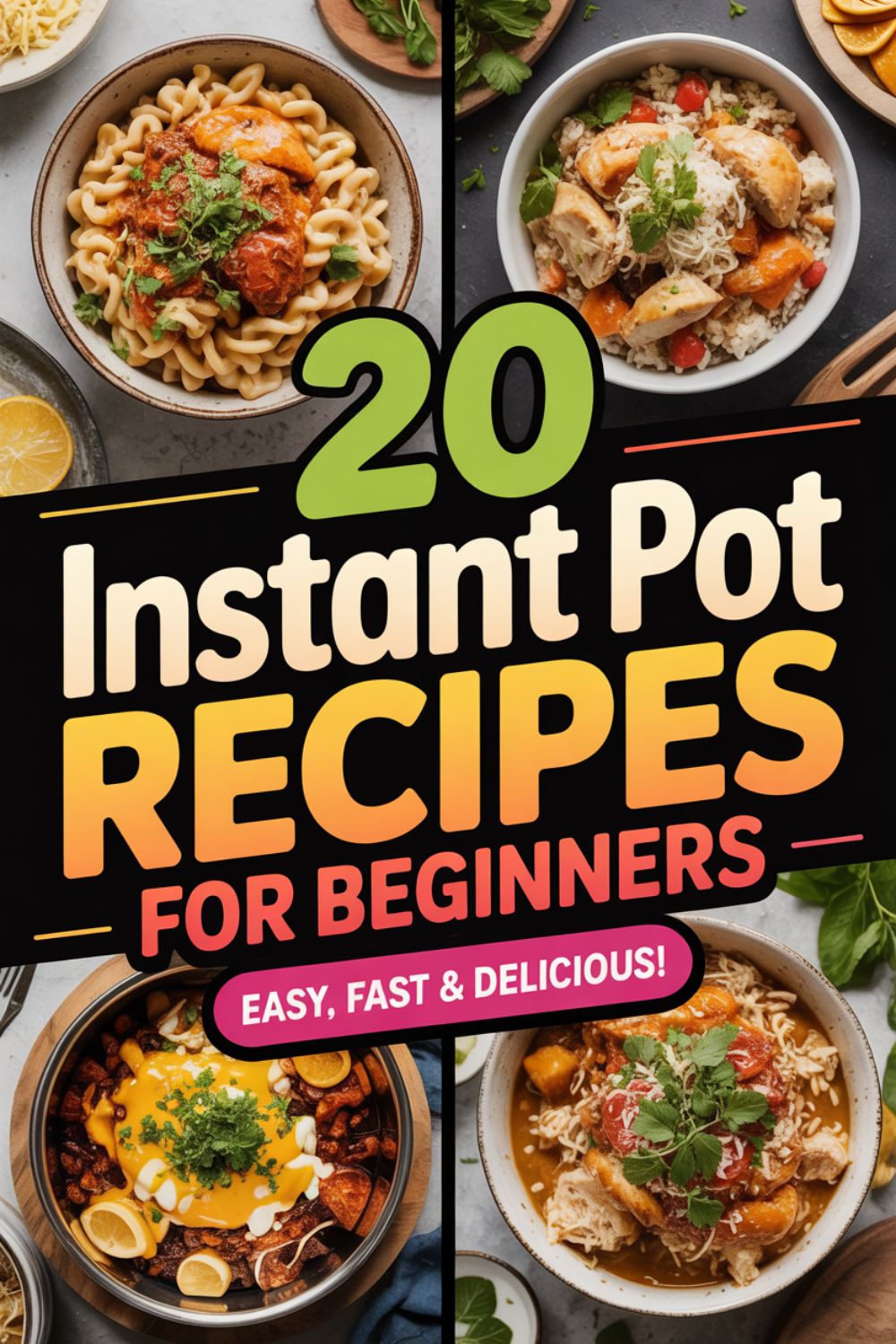
20 Instant Pot Recipes for Beginners
Let me tell you something—if you’d asked me three years ago whether I’d ever own an Instant Pot, I would’ve laughed and said I barely had time to microwave leftovers, much less figure out another kitchen gadget. But here’s the thing: this countertop pressure cooker changed how I approach weeknight dinners, meal prep, and honestly, my entire relationship with cooking.
You’ve probably seen these all over social media, maybe even got one gathering dust in your pantry because the buttons look intimidating. Trust me, I get it. But once you nail a few basics, you’ll wonder how you ever lived without it. So let’s dig into 20 recipes that’ll turn you from an Instant Pot skeptic into someone who meal preps like a boss.
Why the Instant Pot Actually Lives Up to the Hype
Before we jump into recipes, let’s talk about why this thing works. The Instant Pot is basically a pressure cooker, slow cooker, rice cooker, and steamer rolled into one. It cooks food faster than traditional methods because it traps steam inside, which increases pressure and raises the boiling point of water. Translation? Your chicken breast that normally takes 30 minutes now takes 10.
But here’s what really sold me: nutrient retention. According to research from Cleveland Clinic, pressure cooking actually preserves more vitamins and minerals than boiling or even steaming. Studies have shown that pressure cooking can retain up to 90-95% of nutrients, compared to boiling which can lose up to 60% of vitamins. The shorter cooking time means less exposure to heat, which is crucial for preserving heat-sensitive nutrients like vitamin C.
Plus, if you’re into meal prep or batch cooking, this thing is a lifesaver. I can throw frozen chicken breasts straight into the pot (yeah, frozen), set it, and have perfectly cooked, shredded chicken in under 30 minutes. No thawing required.
Pro Tip
Always read your Instant Pot manual before the first use. I know, I know—nobody reads manuals. But this one’s important for understanding your specific model’s pressure settings and safety features. USDA food safety specialists recommend familiarizing yourself with the device to avoid common mistakes.
Getting Started: The Basics You Need to Know
Okay, so you’ve got your Instant Pot. Now what? First things first: do the water test. Pour 3 cups of water into the inner pot, seal the lid, set the valve to “sealing,” and run it on high pressure for 5 minutes. This helps you understand how the pressure builds, how the valve works, and what that intimidating hissing sound actually means. It’s not going to explode, I promise.
The other thing beginners mess up? Not adding enough liquid. The Instant Pot needs liquid to create steam and build pressure. Most recipes call for at least 1 cup, but always check your manual. And here’s something I learned the hard way: don’t overfill the pot. There’s a max fill line for a reason—going over it can clog the steam valve and create a mess.
One more thing before we get to the recipes: invest in a good silicone trivet. It’s a game-changer for pot-in-pot cooking (more on that later) and protects the bottom of your pot from scorching. I also swear by these glass meal prep containers for storing leftovers—they’re microwave-safe and don’t stain like plastic.
20 Instant Pot Recipes That Actually Work
1. Perfect Hard-Boiled Eggs
This is where I tell everyone to start. Put a cup of water in the pot, place eggs on the trivet, cook on high pressure for 5 minutes, then do a quick release. Get Full Recipe. The shells practically fall off, and you’ll never go back to boiling them on the stove.
2. One-Pot Chicken and Rice
This is my go-to weeknight meal. Brown chicken thighs using the sauté function, add rice, broth, and whatever veggies you have lying around. Eight minutes on high pressure, natural release for 10 minutes, and dinner’s done. For more one-pot inspiration, you might love these quick Instant Pot dinners.
3. Beef Stew That Tastes Like It Simmered All Day
Cube up some chuck roast, toss it in with potatoes, carrots, onions, beef broth, and a splash of Worcestershire. Thirty-five minutes on high pressure, and you’ve got stew that tastes like it cooked for hours. The pressure cooking method helps break down the tough connective tissue in the meat while keeping it tender and flavorful.
4. Creamy Risotto (Without the Constant Stirring)
Traditional risotto requires you to stand at the stove stirring for 30 minutes. Instant Pot risotto? Six minutes on high pressure. Use the sauté function to toast the arborio rice first, add your liquid (I use white wine and chicken stock), then let the pot do the work. Get Full Recipe.
Quick Win
Prep your aromatics—onions, garlic, ginger—on Sunday night and store them in the fridge. You’ll thank yourself when you’re rushing through dinner on Wednesday.
5. Pulled Pork for Tacos, Sandwiches, Everything
A pork shoulder, some BBQ sauce, and an hour on high pressure. That’s it. The meat falls apart so easily you can shred it with two forks. I usually double the recipe and freeze half for later. Speaking of meal prep magic, check out these weekly meal prep recipes that’ll change your Sunday routine.
6. Chili That Develops Deep Flavor Fast
Ground beef (or turkey), canned tomatoes, beans, chili powder, cumin, and whatever heat level you can handle. Fifteen minutes on high pressure. The flavors meld together like they’ve been slow-cooking all day, but you’re eating in under 30 minutes total.
7. Perfectly Cooked Brown Rice Every Single Time
Brown rice can be finicky on the stove, but the Instant Pot nails it. One cup rice to one and a quarter cups water, 22 minutes on high pressure, 10-minute natural release. Fluffy, separate grains every time.
8. Pot Roast with Vegetables
Sear a chuck roast using the sauté function, add carrots, potatoes, onions, and beef broth. Sixty minutes on high pressure with a natural release. The meat is fork-tender, and the vegetables are perfectly cooked. If you’re craving more comfort food, these cozy Instant Pot recipes deliver every time.
9. Creamy Mac and Cheese (Yes, Really)
Pasta, water, butter, and cheese. Four minutes on high pressure, quick release, stir in shredded cheese. It’s creamy, cheesy, and tastes way better than the box version. I use this pasta measurer tool to get the portions right every time—no more cooking too much or too little.
10. Black Bean Soup
Dried black beans (no soaking required), vegetable broth, diced tomatoes, cumin, and lime juice. Thirty minutes on high pressure. Top with avocado, cilantro, and a dollop of sour cream. This is one of those recipes where I always save the cooking liquid—it’s packed with flavor and nutrients.
Looking for more warming soups? These slow cooker soup recipes work great in the Instant Pot too, just adjust the cooking time.
11. Lemon Garlic Chicken Breasts
Chicken breasts, chicken broth, lemon slices, and garlic cloves. Eight minutes on high pressure, quick release. The chicken stays moist (not dry like baked chicken can get), and the lemon-garlic broth is perfect for drizzling over rice or pasta.
12. Quinoa That’s Actually Good
One cup quinoa to one and a half cups water or broth. One minute on high pressure, 10-minute natural release. Seriously, it’s foolproof. I meal prep this every Sunday and use it throughout the week for grain bowls.
13. Carnitas That Rival Your Favorite Taqueria
Pork shoulder, orange juice, lime juice, garlic, cumin, and oregano. Forty-five minutes on high pressure, then broil the shredded meat for crispy edges. Get Full Recipe. These freeze beautifully, and I always keep a batch in the freezer for quick taco nights.
14. Lentil Curry
Red lentils, coconut milk, curry powder, diced tomatoes, and spinach. Ten minutes on high pressure. It’s creamy, warming, and way healthier than takeout. Plus, lentils are dirt cheap and loaded with protein and fiber.
15. Spaghetti and Meat Sauce
Yes, you can cook pasta in the Instant Pot. Break spaghetti in half, add ground beef or turkey, marinara sauce, and water. Eight minutes on high pressure, quick release. The pasta cooks directly in the sauce, soaking up all that flavor.
Kitchen Tools & Resources That Make Instant Pot Cooking Easier
After cooking with my Instant Pot for years, these are the tools and resources I actually use. No fluff, just the stuff that genuinely makes life easier.
Silicone Steamer Basket
Perfect for steaming vegetables or cooking pot-in-pot meals. Mine is dishwasher-safe and has never warped, even after hundreds of uses.
Extra Sealing Rings (Set of 3)
Keep one for savory dishes and one for desserts. Trust me, you don’t want your cheesecake tasting like last night’s chili. Having backups means you’re never stuck waiting for the dishwasher.
Glass Lid for Slow Cooking
When using the slow cooker function, the glass lid lets you check on your food without releasing steam. Way better than the regular pressure lid for this purpose.
Instant Pot Recipe App (Free)
Download the official app for your phone. It has built-in timers, cooking charts, and recipes that sync with your specific model. Super handy when you’re standing in the kitchen wondering how long to cook chicken thighs.
Pressure Cooking Chart PDF
Print this out and stick it on your fridge. It’s got cooking times for every protein, grain, and vegetable you can think of. Way faster than Googling every time.
Meal Prep Planner Template
A simple spreadsheet that helps you plan which Instant Pot meals to prep each week. Makes grocery shopping way less chaotic.
16. Chicken Noodle Soup
Chicken breasts, egg noodles, carrots, celery, onion, and chicken broth. Four minutes on high pressure, quick release. The noodles cook right in the broth, and the chicken stays tender. This is my go-to when anyone in the house feels under the weather.
17. Steel-Cut Oats for Breakfast
Steel-cut oats, water, a pinch of salt. Three minutes on high pressure, 10-minute natural release. Top with whatever you want—berries, nuts, maple syrup. I sometimes use the pot-in-pot method with these stackable stainless steel containers to cook oats and eggs at the same time. Breakfast sorted in one go.
18. Shredded Chicken for Everything
This is probably what I make most often. Chicken breasts or thighs, chicken broth, whatever seasonings you want. Ten minutes on high pressure, natural release. Shred with forks and use for tacos, salads, sandwiches, pasta—you name it. For more chicken variations, definitely explore these versatile chicken recipes.
19. Mashed Potatoes (No Draining Required)
Cut potatoes, just enough water to cover, high pressure for 8 minutes, quick release. Drain any excess water, mash with butter and milk. They’re creamy and fluffy, and you didn’t have to babysit a pot of boiling water.
20. Cheesecake (Hear Me Out)
I saved dessert for last because this one blows people’s minds. The Instant Pot makes the creamiest, crack-free cheesecake. You’ll need a 7-inch springform pan and the pot-in-pot method, but it’s worth it. The steam creates the perfect moist environment for baking. If you’re ready to explore more sweet treats, check out these Instant Pot desserts that’ll surprise you.
I use this mini springform pan set for all my Instant Pot desserts. They’re the perfect size and have never leaked on me.
Common Mistakes (And How to Avoid Them)
Let’s talk about the stuff that trips up beginners. First, the sealing ring. If it’s not seated properly, the pot won’t come to pressure. I’ve wasted 20 minutes waiting for pressure to build before realizing the ring was slightly off. Check it before you start every time.
Second, don’t ignore the natural release versus quick release instructions. Natural release means letting the pressure drop on its own (can take 10-20 minutes), while quick release means manually turning the valve to vent the steam immediately. For meats, you usually want natural release to avoid drying them out. For vegetables, quick release keeps them from turning to mush.
Third, the burn notice. If you see “BURN” on your display, it means food is sticking to the bottom. This usually happens with thick sauces or not enough liquid. Hit cancel, do a quick release, add more liquid, deglaze the bottom with a wooden spoon, and start again.
Pro Tip
Keep a food thermometer handy. Even though the Instant Pot is pretty reliable, it’s always smart to check that chicken hits 165°F or pork reaches 145°F, especially when you’re still getting the hang of timing.
Making the Instant Pot Work for Your Lifestyle
Here’s where this kitchen gadget becomes more than just another appliance collecting dust. The Instant Pot is perfect for people who meal prep, families with picky eaters (you can cook multiple things at once using stackable pans), and anyone who forgets to thaw dinner before work.
I started using mine primarily for weekly meal prep. On Sundays, I’d cook a big batch of chicken, brown rice, and black beans. Those three ingredients gave me endless options throughout the week: burrito bowls, grain bowls, chicken salads, tacos, you get the idea. It takes about 90 minutes total (including pressure build time), and I’m set for most of the week.
If you’re feeding a family, the Instant Pot is also great for adapting recipes. My kid hates spicy food, so when I make chili, I cook the base without heat, portion out his serving, then add jalapeños and hot sauce to the rest. Or I’ll use the pot-in-pot method to cook plain pasta for him while making something more flavorful for the adults.
For those exploring healthier cooking methods, check out these healthy recipes that translate beautifully to pressure cooking. And if you’re curious about how Instant Pot cooking stacks up against traditional slow cooking methods, this collection of slow cooker meals offers great comparison points.
Nutritional Benefits You Should Know About
I mentioned earlier that pressure cooking preserves nutrients, but let’s dig a little deeper. Research published by NutritionFacts.org found that pressure-cooking black beans resulted in six times the antioxidant levels compared to regular boiling. That’s massive, especially if you’re trying to eat healthier.
The science behind it makes sense: shorter cooking times mean less exposure to heat, which destroys certain vitamins. Water-soluble vitamins like vitamin C and B vitamins are particularly vulnerable. Pressure cooking reduces cook time by up to 70% compared to conventional methods, so those nutrients stick around.
There’s also the phytic acid thing. Legumes and grains contain phytic acid, which can interfere with mineral absorption. Pressure cooking reduces phytic acid significantly more than boiling—studies show up to a 54% reduction versus 29% with regular boiling. This means your body can actually absorb more of the good stuff like iron, zinc, and calcium from beans and whole grains.
One word of advice though: always save and reuse your cooking liquid when possible. A lot of those vitamins and minerals leach into the water during cooking. I use it as a base for soups, to cook rice, or even to thin out sauces. It’s flavorful and nutrient-dense—no reason to dump it down the drain.
Troubleshooting Tips That Actually Help
Let’s say your Instant Pot won’t come to pressure. First, check the sealing ring again. Then make sure the steam valve is set to “sealing” (not “venting”). Still nothing? You might not have enough liquid, or your lid might not be fully closed. There’s usually a locking mechanism that clicks into place.
If you’re getting inconsistent results—like chicken that’s overcooked one day and undercooked the next—it’s probably because you’re not accounting for natural release time. Some recipes tell you to do a 10-minute natural release, and that cooking time counts. The food continues cooking during that period, so factor it into your total time.
And if your food tastes bland? You’re probably not seasoning enough. Pressure cooking intensifies flavors in some ways (meats get super tender and flavorful), but it also dilutes them in others (lots of liquid in the pot). Don’t be shy with salt, spices, and aromatics like garlic and onion.
Advanced Tips Once You’ve Got the Basics Down
Once you’re comfortable with the basics, try pot-in-pot cooking. This is where you place a smaller oven-safe dish inside the Instant Pot on a trivet. I use it to cook rice and a protein at the same time, or to make desserts without flavors transferring. It’s also perfect for cooking delicate foods like fish or eggs without them falling apart.
Another trick: use the sauté function more. It’s not just for browning meat. I use it to reduce sauces after pressure cooking, toast spices to bring out their flavors, or caramelize onions. It adds an extra layer of depth to your dishes.
And here’s something most people don’t know: you can convert almost any slow cooker recipe to the Instant Pot. The general rule is to divide the slow cooker time by three or four. So if a slow cooker chili takes 6 hours on low, it’ll probably take 15-20 minutes on high pressure in the Instant Pot. For more slow cooker to Instant Pot conversions, browse these classic slow cooker recipes that adapt beautifully to pressure cooking.
Frequently Asked Questions
Can I put frozen meat directly into the Instant Pot?
Yes, but with some caveats. The Instant Pot can cook frozen chicken breasts and other proteins, but you’ll need to add about 5-10 minutes to the cooking time. However, USDA guidelines recommend thawing large cuts of meat first to ensure they cook evenly and safely. Frozen chicken breasts? Fine. A frozen five-pound pork roast? Better to thaw it overnight.
How do I clean the Instant Pot properly?
The inner pot and sealing ring are dishwasher-safe, which is amazing. For the lid, wipe it down with a damp cloth and remove the sealing ring to air dry after each use—this prevents funky smells. The steam valve and float valve can be removed and cleaned with warm soapy water. Just make sure everything is completely dry before reassembling.
Why does my Instant Pot smell like the last thing I cooked?
It’s the sealing ring. They absorb odors like crazy. I keep two rings—one for savory dishes and one for sweet. You can also deodorize rings by boiling them in a mixture of water and lemon juice, or running them through the dishwasher with vinegar in the rinse cycle.
Can I double recipes in the Instant Pot?
Not always. You need to respect the max fill line—never go above two-thirds full for most foods, and only half full for foods that expand like rice, beans, or pasta. If you’re doubling a recipe, make sure you’re not exceeding those limits. The cooking time usually stays the same, but the time to reach pressure will be longer.
Is the Instant Pot safe to use?
Modern electric pressure cookers like the Instant Pot are much safer than old-school stovetop versions. They have multiple safety mechanisms: the lid won’t open if there’s pressure inside, it automatically regulates temperature, and it has built-in sensors to prevent overheating. Just follow the manual, don’t overfill the pot, and you’re good to go.
Final Thoughts
Look, I’m not saying the Instant Pot will solve all your dinner problems, but it’s pretty close. Once you get past the initial learning curve—which honestly is like two or three recipes—you’ll find yourself using it constantly. It’s faster than slow cooking, more hands-off than stovetop cooking, and it produces consistently good results.
The real game-changer for me was realizing I could cook from frozen and still have dinner on the table in under an hour. That alone justified the counter space it takes up. Plus, the cleanup is minimal since everything cooks in one pot.
Start with the easy stuff: hard-boiled eggs, rice, maybe a simple chicken dish. Get comfortable with how the pressure builds, what the different release methods feel like, and how to adjust recipes to your taste. Then branch out into soups, stews, and eventually desserts if you’re feeling adventurous.
The Instant Pot isn’t going to replace every cooking method in your kitchen, but it’ll become one of your most-used tools. And once you nail a few go-to recipes, you’ll wonder how you ever managed without it. Now stop reading and go make something—I suggest starting with those hard-boiled eggs. You’ll be hooked by the time you peel the first one.