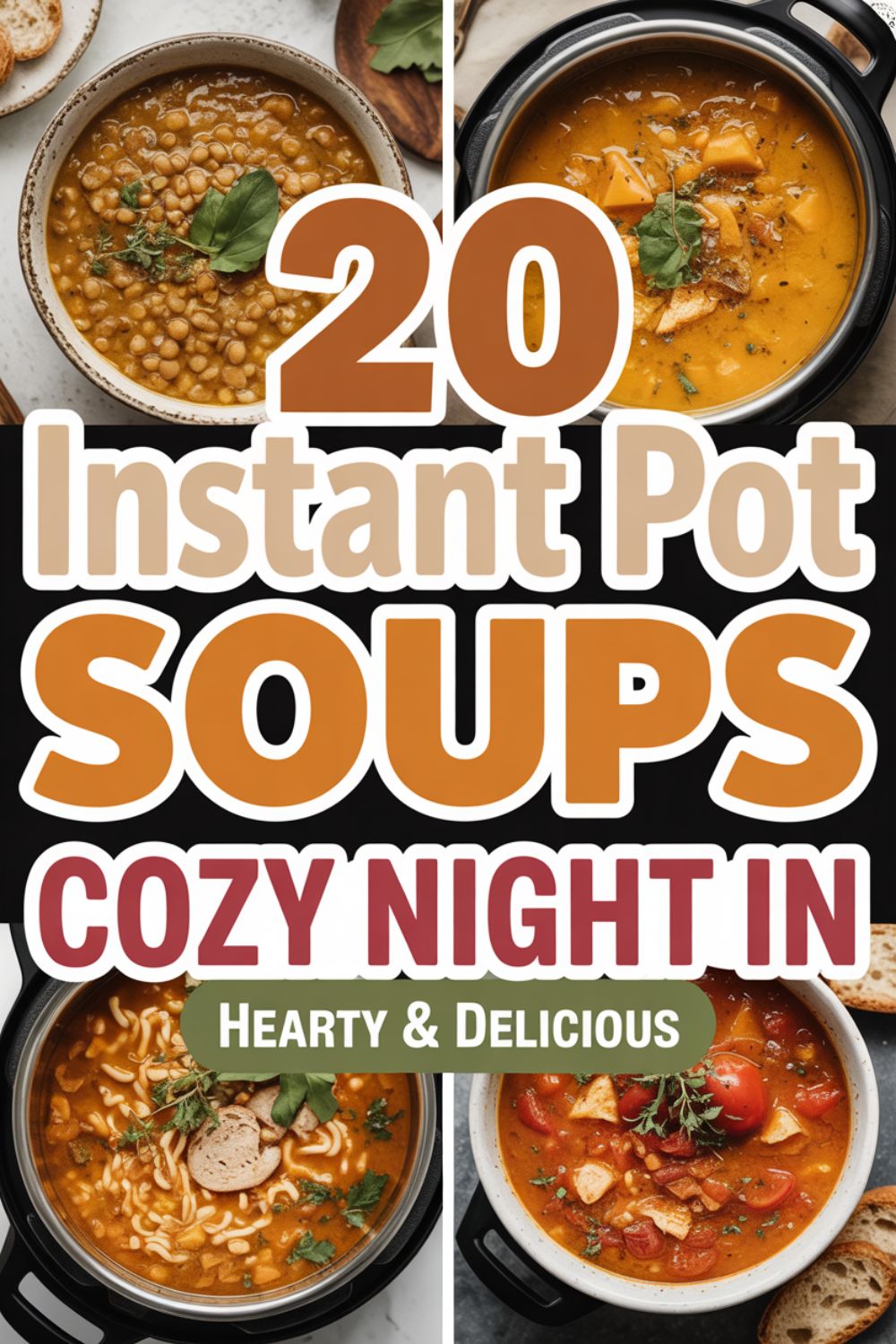
20 Instant Pot Soups for a Cozy Night In
Look, I get it. You come home after a long day, the weather’s turning cold, and the last thing you want to do is stand over a stove for an hour babysitting a pot of soup. That’s exactly why the Instant Pot became my best friend about three years ago, and honestly, I don’t know how I survived winter before it.
Here’s the thing about Instant Pot soups that nobody tells you: they’re not just fast. They’re actually better than traditional stovetop versions because the pressure cooking does something magical to flavors. Everything melds together in a way that usually takes hours of simmering. Plus, you can literally dump ingredients in, press a button, and walk away. No stirring, no watching, no stress.
I’ve spent way too many evenings experimenting with soup recipes in my Instant Pot, and I’m about to share the 20 that have become absolute staples in my house. Some are classics with a shortcut twist, others are totally unexpected, but all of them deliver that soul-warming comfort you’re craving without requiring you to become a professional chef.
Why Your Instant Pot Makes Better Soup Than Your Grandma’s Stockpot
Before we jump into the recipes, let me explain why pressure cooking actually works so well for soup. When you cook under pressure, you’re essentially forcing flavors to infuse into ingredients at a molecular level. The high temperature and sealed environment mean that aromatics penetrate deeper, tough cuts of meat become tender in minutes instead of hours, and dried beans cook without the overnight soaking nonsense.
According to research on soup nutrition, properly made soups provide essential vitamins, minerals, and nutrients while keeping calories in check. The beauty of the Instant Pot is that it preserves more nutrients than traditional cooking methods because everything stays sealed during cooking—no nutrients escaping in steam.
Plus, and this is huge, you can sauté your aromatics right in the pot before pressure cooking. One pot from start to finish means less cleanup, which honestly might be the best part of this whole situation.
The Foundation: What Makes a Great Instant Pot Soup
Not all soup recipes translate well to the Instant Pot, and some need tweaking. Here’s what I’ve learned after making probably a hundred different soups: you need less liquid than traditional recipes call for. Since nothing evaporates during pressure cooking, starting with too much liquid gives you soup that tastes watered down.
The other secret? Layer your flavors. Start by sautéing onions, garlic, and spices in the pot using the sauté function. I use this avocado oil spray because it has a high smoke point and doesn’t leave any weird taste. This step creates depth that you just can’t get by dumping everything in cold.
For thicker soups, I always keep an immersion blender handy. It’s way easier than transferring hot liquid to a regular blender, and you can control the texture better. I like mine slightly chunky, not baby food smooth, but that’s personal preference.
Speaking of texture, timing is everything. Delicate vegetables like spinach or peas go in at the end, after pressure cooking, otherwise they turn to mush. Hardy vegetables like carrots and potatoes can handle the full cooking time. If you’re making these one-pot Instant Pot dinners, you already know this timing trick.
Classic Comfort: Traditional Soups, Faster
1. Chicken Noodle Soup That Actually Helps When You’re Sick
There’s actual science behind why chicken soup helps when you’re under the weather. Harvard Health Publishing notes that chicken soup’s warm liquid helps with hydration and can ease nasal congestion, while the chicken provides protein your immune system needs to function.
My version uses bone-in chicken thighs because they add way more flavor than breasts, and they’re basically impossible to overcook in the Instant Pot. I throw in carrots, celery, onions, and fresh thyme, then add egg noodles after pressure cooking so they don’t turn to mush. Takes about 25 minutes total, tastes like you simmered it all day.
2. French Onion Soup Without the Tears
Traditional French onion soup requires caramelizing onions for literally an hour. The Instant Pot cuts this down to about 15 minutes on sauté mode, and honestly, the results are almost as good. I use a mix of yellow and red onions for complexity, plus a splash of balsamic vinegar that nobody can quite identify but everyone loves.
The trick is getting a good char on those onions before adding the liquid. I use these oven-safe bowls that can go straight under the broiler for the cheese topping part. Gruyere is traditional, but I won’t judge if you use Swiss or even a good sharp cheddar.
3. Split Pea Soup That’s Actually Exciting
I know, I know—split pea soup sounds boring. But hear me out. The Instant Pot makes split peas creamy and perfect without any soaking, and if you add smoked paprika and a ham hock, it transforms into something legitimately craveable. The smokiness adds dimension that regular split pea soup just doesn’t have.
This one is ridiculously cheap to make too. Split peas cost almost nothing, and a ham hock lasts through multiple batches. For meal prep purposes, this is one of those soups that’s actually better the next day. If you’re into planning ahead, check out these Instant Pot meal prep recipes that follow the same make-ahead philosophy.
4. Beef and Barley Soup Worth Waiting For
This is my husband’s favorite, which means I make it approximately twice a month. Chuck roast becomes fall-apart tender in 35 minutes under pressure, and pearl barley adds this hearty, satisfying texture that makes the soup feel substantial without being heavy.
I always sear the beef first in the pot—don’t skip this step. Those brown bits on the bottom (technically called fond, if we’re being fancy) are pure concentrated flavor. Deglaze with a bit of red wine or beef broth, scraping up all those bits, and you’ve just created the foundation for incredible soup. The wooden spoon I use for this has been through at least 200 batches of soup and still going strong.
For more hearty Instant Pot options featuring beef, you’ll love these beef recipes that maximize flavor using similar techniques.
Global Flavors That Transport You
5. Thai Coconut Curry Soup
This one is dangerously good. Like, make-extra-because-you’ll-eat-it-all-in-one-sitting good. Red curry paste, coconut milk, lemongrass, and whatever vegetables you have on hand create this aromatic, slightly spicy soup that feels indulgent but is actually pretty healthy.
I always add a squeeze of lime and fresh basil at the end. The lime brightens everything up, and the basil adds this aromatic punch that makes the whole thing pop. Rice noodles thrown in after cooking make it a complete meal. IMO, this beats takeout every single time.
6. Moroccan Lentil Soup with Warming Spices
Cumin, coriander, turmeric, cinnamon—this soup is basically aromatherapy in a bowl. Red lentils break down and thicken the soup naturally, so you get this velvety texture without any cream or flour. It’s accidentally vegan and accidentally gluten-free, which makes it great for feeding a crowd with various dietary restrictions.
Top it with a dollop of Greek yogurt and some cilantro, and you’ve got something that looks way fancier than the 30 minutes of actual work it took. The spices are what make this special, so don’t cheap out. I buy mine from this spice company that actually sells fresh spices, and the difference is noticeable.
7. Italian Wedding Soup Done Right
The meatballs in this soup are everything. I make them tiny—like marble-sized—so you get a few in every spoonful. Mix ground beef, pork, and a bit of parmesan, roll them up, brown them in the pot, then pressure cook everything together with chicken broth, orzo, and greens.
The orzo cooks perfectly in the broth, and the escarole wilts at the very end. If you can’t find escarole, spinach works fine. Just don’t use iceberg lettuce. I’ve seen that suggested online, and no. Just no.
8. Mexican Tortilla Soup with All the Toppings
This is my go-to when I need dinner fast and want something that feels special. Shredded chicken, black beans, corn, and a tomato-based broth flavored with cumin, chili powder, and chipotles in adobo. The chipotles add smokiness and heat, but you can adjust the amount based on your tolerance.
The toppings are where this gets fun: crispy tortilla strips, avocado, cheese, sour cream, cilantro, lime wedges. Set everything out and let people build their own bowls. I crisp up the tortilla strips by cutting corn tortillas into strips and baking them with a little oil. Way better than store-bought, and I use these kitchen shears to make cutting them super easy.
Looking for more comfort food with international flair? These comfort food recipes for your Instant Pot explore similar globally-inspired dishes.
Vegetable-Forward Soups That Don’t Suck
9. Butternut Squash Soup That’s Not Boring
Plain butternut squash soup is fine, I guess, but add curry powder, fresh ginger, and a hint of maple syrup, and suddenly you’ve got something worth talking about. The sweetness from the squash and maple plays beautifully against the warm spices.
I always roast the squash before putting it in the Instant Pot. Yes, this adds a step, but caramelization adds complexity that you can’t get from steaming. If you’re really short on time, you can skip this, but try it once with roasted squash and you’ll understand why I’m pushy about it.
10. Tomato Basil Soup Like the Restaurant Version
Canned tomatoes, fresh basil, heavy cream, and a secret ingredient: a parmesan rind thrown in during cooking. That rind infuses the soup with umami depth that makes people ask what your secret is. (Now you know.)
This pairs perfectly with grilled cheese, obviously. Research shows that tomato soup provides lycopene, an antioxidant that’s actually better absorbed from cooked tomatoes than raw ones. So you’re basically doing something healthy while eating comfort food. I use this immersion blender to make it silky smooth, though you could leave it chunkier if that’s your thing.
11. Minestrone Loaded with Vegetables
This is one of those soups where you can throw in whatever vegetables are hanging out in your crisper drawer. Zucchini, green beans, carrots, celery, tomatoes, kidney beans, and pasta. Everything cooks together perfectly, and you end up with this hearty, satisfying bowl that somehow feels both light and filling.
Fresh herbs make a huge difference here. Basil and parsley stirred in at the end bring brightness that dried herbs just can’t match. I grow both in pots on my kitchen windowsill year-round, which sounds impressive but is actually very easy. The herb growing kit I use requires basically zero effort.
12. Broccoli Cheddar Soup That Kids Will Eat
Getting kids to eat broccoli can be a battle. Drowning it in cheese sauce seems like cheating, but honestly, if it works, it works. The Instant Pot steams the broccoli perfectly without turning it gray and sad.
Sharp cheddar is key here—the sharper, the better. Mild cheddar just doesn’t have enough flavor to stand up to the broccoli. I add a tiny pinch of nutmeg that nobody can identify but everyone notices makes the soup taste “right.” For a complete weeknight strategy, pair this with the tips from these busy weeknight meals.
Bean and Legume Soups That Satisfy
13. White Bean and Sausage Soup
Italian sausage, white beans, kale, and garlic in a savory broth. This is peak cozy food. The sausage flavors the entire pot, and the beans get creamy without falling apart. I use hot Italian sausage for a little kick, but sweet Italian works if you prefer things mild.
No soaking beans required, which still feels like magic to me. Dried beans go straight into the pot and come out perfectly tender. Just make sure your beans are relatively fresh—beans that have been sitting in your pantry for three years might not soften properly even under pressure.
This soup is part of my regular rotation, especially during cold months. If you’re building a soup repertoire, don’t miss these slow cooker soups that complement Instant Pot recipes nicely.
14. Black Bean Soup with Cumin and Lime
This one is stupid simple and stupid delicious. Black beans, onions, garlic, cumin, and vegetable broth pressure cook until the beans break down and thicken the soup naturally. Blend half of it for a creamier texture while keeping some whole beans for substance.
The magic happens with the toppings: fresh lime juice, cilantro, a dollop of sour cream, maybe some pickled jalapeños. The lime juice is non-negotiable—it brightens everything and makes the flavors pop. I go through so many limes that I bought this citrus juicer that makes it way easier.
15. Tuscan Bean Soup with Pancetta
Pancetta is like bacon’s sophisticated Italian cousin, and it makes this soup insanely good. Cannellini beans, tomatoes, rosemary, and crispy bits of pancetta create layers of flavor that taste like you spent all day cooking.
Serve it with crusty bread for dipping, and maybe a simple salad, and you’ve got yourself a complete meal. The soup itself takes about 40 minutes including prep time, which feels like cheating considering how good it tastes.
Tools & Essentials That Make Soup Life Easier
Physical Products You Actually Need
Extra Sealing Rings for Your Instant Pot
Get separate rings for sweet and savory dishes. Nothing ruins chocolate pudding like lingering curry smell. I learned this the hard way. These silicone rings are cheap, and having extras means you’re never waiting for one to be clean.
Glass Storage Containers with Airtight Lids
Soup reheats better in glass than plastic, and these don’t stain or hold smells. They stack perfectly in the freezer, and you can see what’s inside without opening them. I have about 20 of these and use them constantly.
Wide-Mouth Soup Ladle
Sounds basic, but a good ladle makes serving soup so much easier. This one has measurement markings, which helps with portion control if that’s your thing. The silicone edge won’t scratch your pots either.
Digital Resources Worth Having
Instant Pot Master Recipe Collection eBook
Over 300 tested recipes specifically designed for pressure cooking, not just adapted from stovetop versions. The timing charts alone are worth it—saved me from so many mushy vegetables.
Soup Freezing and Reheating Guide
Comprehensive guide on what soups freeze well, proper containers, thawing methods, and how to refresh flavors after freezing. Turns out, not all soups freeze equally well, and this explains why.
Pressure Cooking Time Conversion Chart
Printable chart for your kitchen showing how to convert any recipe to Instant Pot timing. Includes altitude adjustments, which matters more than you’d think if you’re not at sea level.
Hearty Meat-Based Soups for Serious Hunger
16. Loaded Potato Soup Without the Guilt Trip
Okay, this one isn’t exactly diet food, but it’s not as bad as restaurant versions that are basically melted cheese and bacon with a few token potato pieces. I use Greek yogurt instead of sour cream for the base, which cuts calories while adding protein. Nobody can tell the difference.
Yukon gold potatoes work best because they’re naturally creamy. I leave the skins on for texture and extra nutrients. The toppings are where you can go wild: cheese, bacon, chives, more cheese. I use this bacon press to get perfectly crispy, flat bacon pieces that crumble easily over the soup.
17. Chicken Enchilada Soup
All the flavors of chicken enchiladas in soup form. Shredded chicken, black beans, corn, enchilada sauce, and cheese. It’s rich, satisfying, and somehow feels indulgent without being overly heavy. The secret is using fire-roasted tomatoes—they add a smoky depth that regular tomatoes don’t have.
This is one of those soups that makes great leftovers. The flavors meld overnight, and it reheats beautifully. My family requests this at least once a week, which tells you everything you need to know about how good it is.
18. Vietnamese Pho Without the 12-Hour Broth
Traditional pho requires simmering bones for half a day to develop that complex, aromatic broth. The Instant Pot version won’t be exactly the same, but it’ll be pretty damn close, and you can make it on a weeknight. Star anise, cinnamon, ginger, and fish sauce create those signature pho flavors.
The key is charring the onions and ginger first. I do this directly over my gas burner using tongs, but you could also use the broiler. That char adds essential flavor that you can’t skip. Rice noodles, thinly sliced beef, and all the fresh herbs make this feel special even when you’re just eating it in your pajamas on the couch.
For more Asian-inspired Instant Pot ideas, you’ll appreciate these game-changing Instant Pot recipes that explore global cuisines.
19. Ham and Navy Bean Soup
This is what I make with leftover holiday ham, and it’s honestly one of the best parts of having ham in the first place. The ham bone adds incredible flavor to the broth, and navy beans become perfectly creamy without any added dairy. Carrots, celery, and onions round it out.
This soup is so cheap to make it’s almost embarrassing. One ham bone can flavor multiple pots of soup, and navy beans cost practically nothing. Plus, it’s nutritious, filling, and makes your house smell amazing while it cooks. A complete win situation.
20. Steak and Potato Soup for Hearty Appetites
The final recipe on this list is the most indulgent. Sirloin steak, potatoes, and a beef broth base make this feel like a steakhouse meal in a bowl. I sear the steak chunks before adding them to the soup—that caramelization adds flavor you can’t get any other way.
Heavy cream makes it luxurious, but you could use milk if you want something lighter. Either way, this is comfort food at its finest. It’s the soup equivalent of a warm hug on a terrible day. When you need something that feels special but don’t want to actually cook something complicated, this is your answer.
If you’re hungry for more substantial Instant Pot meals, check out these quick chicken dinners that pack similar flavor intensity.
Tips for Soup Success Every Single Time
After making countless batches of soup in my Instant Pot, I’ve figured out what works and what doesn’t. These tips will save you from the mistakes I made so you don’t have to learn them the hard way.
First, never fill your Instant Pot more than two-thirds full for soup. Liquids expand under pressure, and if you overfill it, you’ll have problems with the pressure valve. I learned this with split pea soup that foamed up and caused a mess. Not fun to clean.
Second, remember that you need less liquid than stovetop recipes. Start with about 25% less liquid than the recipe calls for, and you can always add more after cooking if needed. You can’t easily remove liquid from a finished soup, but adding more is simple.
Third, deglaze the pot properly after sautéing. Those brown bits stuck to the bottom carry tons of flavor, but they also can trigger the “burn” notice if you don’t scrape them up before pressure cooking. Use a wooden or silicone spatula and make sure you get everything loose.
FYI, natural pressure release is your friend. Quick release works for some soups, but natural release (letting the pressure come down on its own) results in better texture and prevents soup from exploding out the valve. At least 10 minutes of natural release, then you can quick release whatever’s left.
One more thing: season soups at the end, not the beginning. Pressure cooking intensifies flavors, including salt, so if you salt at the beginning, you might end up with something oversalted. Season lightly before cooking, then adjust at the end.
Making Soup Part of Your Weekly Routine
The real magic of Instant Pot soups isn’t just that they’re fast—it’s that they fit into actual busy life. I make soup at least twice a week now, usually on Sunday for meal prep and once midweek when I need dinner quickly.
Most soups keep in the fridge for 4-5 days, and many freeze beautifully. I portion them into individual containers so I can grab lunch or a quick dinner without thinking about it. This strategy works especially well with these meal prep recipes that complement soup-making nicely.
Broth-based soups freeze better than cream-based ones, though you can freeze cream soups if you stir them really well when reheating. I usually skip the cream during initial cooking, freeze the soup, then add cream when reheating. Works perfectly and tastes fresh.
Here’s something interesting from research: studies have found that soup consumption is associated with lower body weight and better diet quality overall. People who regularly eat soup tend to consume more vegetables and have lower dietary energy density, which basically means you feel full on fewer calories. Not bad for something that tastes good and takes minimal effort.
For variety in your weekly rotation, consider alternating between these soups and options from healthy slow cooker recipes that offer different flavors and textures.
Common Instant Pot Soup Mistakes (and How to Avoid Them)
Look, we all screw up sometimes. Here are the mistakes I see people make with Instant Pot soups, plus how to fix them before they happen.
Mistake number one: not accounting for the time it takes to come to pressure. Your Instant Pot needs time to heat up and build pressure before the actual cooking time starts. A pot full of cold liquid might take 15-20 minutes to reach pressure. This isn’t cook time, but it’s still time you need to plan for.
Mistake number two: adding dairy too early. Cream, milk, and cheese can separate or curdle under pressure. Always add dairy after cooking, during the stirring and finishing stage. Same goes for delicate greens like spinach—they turn to slime if you pressure cook them.
Mistake number three: not adjusting seasoning at the end. Your soup might taste bland straight out of the pot, but that doesn’t mean it’s ruined. A squeeze of lemon juice, a splash of vinegar, or just more salt can transform it. I keep a bottle of this high-quality sea salt next to my stove specifically for finishing dishes.
Mistake number four: ignoring the altitude adjustment. If you live above 3,000 feet, you need to add about 5% more cooking time for every 1,000 feet above sea level. Pressure cooking relies on boiling point temperature, and that changes with altitude. This is why your friend’s recipe timing might not work exactly the same for you.
Also worth checking out if you’re new to pressure cooking: these beginner-friendly pressure cooking recipes that teach fundamental techniques.
Frequently Asked Questions
Can I double soup recipes in my Instant Pot?
Generally no, at least not without adjustments. Remember the two-thirds full rule for liquids. Doubling a recipe might overfill your pot, which prevents proper pressure building and can cause safety issues. If you need more soup, it’s better to make two batches or invest in a larger Instant Pot. The cooking time doesn’t really increase with batch size though, so it’s not as inefficient as it sounds.
Why does my soup trigger the “burn” notice?
Usually because there’s not enough liquid at the bottom of the pot, or because stuck-on food from sautéing hasn’t been properly deglazed. Make sure you scrape the bottom well after browning meat or sautéing vegetables. Also, thick ingredients like tomato paste or flour can cause burning if they’re directly on the bottom—add them on top of liquid instead.
How long do Instant Pot soups last in the fridge?
Most soups keep well for 4-5 days refrigerated in airtight containers. Cream-based soups might separate slightly but can be stirred back together when reheating. Soups with pasta or rice will continue absorbing liquid as they sit, so you might need to add a splash of broth when reheating. If you’re not going to eat soup within five days, freeze it instead.
Can I cook frozen meat directly in soup?
Yes, and it works surprisingly well. Just add a few extra minutes to the cooking time. Frozen chicken breasts or thighs will cook through perfectly in soup. Ground meat is trickier—it tends to clump unless you break it up after pressure cooking. For best results with ground meat, thaw it first and brown it using the sauté function.
What’s the difference between natural and quick release for soup?
Natural release means letting the pressure come down on its own, which takes 10-30 minutes depending on how full your pot is. Quick release means manually opening the valve to let steam out immediately. For soups, at least 10 minutes of natural release prevents foaming and liquid spraying out the valve. Soups with lots of starch (beans, potatoes, pasta) especially need natural release to avoid making a mess.
Final Thoughts on Instant Pot Soup Magic
Here’s what I want you to take away from all of this: making soup in your Instant Pot shouldn’t feel intimidating or complicated. These 20 recipes represent literally years of trial and error so you don’t have to figure it out yourself. Start with one that sounds good, follow the general principles I’ve outlined, and adjust to your taste.
The beautiful thing about soup is that it’s incredibly forgiving. Too thick? Add more broth. Too thin? Let it simmer on sauté mode with the lid off. Not flavorful enough? More salt, acid, or spices. You’re unlikely to completely ruin soup unless you really try.
What changed for me wasn’t just having an Instant Pot—it was realizing that I could make restaurant-quality soup at home without spending hours in the kitchen. That realization made cooking feel less like a chore and more like something I actually wanted to do. And that’s worth more than any kitchen gadget or fancy ingredient.
So pick a recipe, grab your Instant Pot, and make some soup. Your future self, cold and hungry on a Wednesday night, will thank you.