25 Instant Pot Recipes Under 30 Minutes
Look, I get it. You’re staring at your Instant Pot wondering if it’s actually going to live up to the hype, or if it’s just going to become another kitchen gadget collecting dust next to that bread maker you used exactly twice. Here’s the thing though—when you nail down a handful of quick recipes that actually work, this pressure cooker becomes the MVP of weeknight dinners.
I’m talking real food, ready in under 30 minutes, without the pre-chopping marathon or the “let’s just order pizza” backup plan. These aren’t those fussy recipes that require seventeen ingredients you’ll never use again. These are the dishes I actually make when I’m tired, hungry, and the kitchen looks like a war zone.
Whether you just unboxed your first Instant Pot or you’ve had one sitting in the cabinet for months (no judgment), these recipes are going to change how you think about getting dinner on the table. Let’s jump in.
Why the 30-Minute Mark Actually Matters
Here’s something most recipe blogs won’t tell you straight up: that “30 minutes” everyone talks about? It usually doesn’t include the time your Instant Pot takes to come to pressure. I’m being real with you because I hate when recipes lie about timing.
That said, even with the 10-15 minute pressurization window, you’re still looking at genuine 30-40 minute meals from start to finish. Compare that to the hour-plus you’d spend doing the same recipes on the stove, and suddenly that pressure cooker isn’t looking so gimmicky anymore.
The beauty here is the hands-off cooking. You’re not babysitting a pot, stirring every five minutes, or worrying about something burning on the bottom. You dump everything in, seal it up, and walk away to handle literally anything else—including just sitting down for once.
The Science Behind Why Your Instant Pot Actually Works
Okay, quick science lesson that actually matters. When you cook under pressure, you’re raising the boiling point of water from the standard 212°F to around 250°F. This means food cooks faster without getting dried out or losing all its nutrients.
And speaking of nutrients—contrary to what some people claim about pressure cooking “destroying” everything good in your food—research shows the opposite is true. Studies have found that pressure cooking actually retains about 90-95% of nutrients, way better than boiling which can dump up to 60% of vitamins straight into the cooking water you’ll probably just pour down the drain.
The shorter cooking time is the real game-changer. Less time exposed to heat means vitamins like C and B-complex stick around instead of breaking down. According to food safety experts at University of Nebraska-Lincoln, the key is still using a food thermometer to verify your proteins hit safe internal temps, but the pressure environment gets you there faster and more efficiently than traditional methods.
Your Essential Instant Pot Recipe Collection
Lightning-Fast Breakfast Options
Let’s start with breakfast because mornings are brutal enough without standing over a stove. Steel-cut oats in the Instant Pot? Game changer. Instead of the 30-minute stovetop babysitting session, you’re looking at 10 minutes under pressure and you’ve got creamy, perfectly cooked oatmeal.
Dump in your oats, water, a pinch of salt, and whatever mix-ins you’re feeling—cinnamon, brown sugar, dried fruit. Set it for 10 minutes on high pressure, natural release for 10 more, and you’re done. I usually make a big batch on Sunday night and portion it out for the week. Get Full Recipe.
Egg bites are another breakfast winner. Those overpriced ones from coffee shops? Yeah, you can make a week’s worth in about 20 minutes. Whisk eggs with cheese, cooked bacon or sausage, veggies—whatever you’ve got—pour into silicone molds, and pressure cook for 8 minutes. The texture comes out exactly like the fancy café version.
Speaking of morning meals, if you’re looking for more ways to start your day without the usual chaos, you might want to check out some complete meal prep strategies that’ll set you up for success all week long.
Protein-Packed Lunch Winners
Chicken breasts in the Instant Pot turn out ridiculously juicy—and I say this as someone who’s served more than their fair share of rubber chicken over the years. Here’s the simple version: chicken breasts, a cup of broth, whatever seasonings you want. 10 minutes high pressure, quick release, and you’ve got perfectly cooked chicken you can shred for literally everything.
I use these spring-loaded tongs to pull the chicken out without burning myself or dropping it back in the pot. Worth every penny for the frustration they’ve saved me.
Hard-boiled eggs might seem basic, but have you ever tried to peel a dozen stovetop eggs without losing half of them to the shell gods? The Instant Pot method is borderline magical. Eggs on the trivet, cup of water, 5 minutes high pressure, immediate ice bath. The shells practically fall off by themselves.
Dinner Recipes That Don’t Suck
Beef stew in under 30 minutes sounds impossible, but hear me out. Cut your beef into smaller chunks than you think you should—like 1-inch pieces. Brown them in the sauté mode (this step matters for flavor), toss in your potatoes, carrots, onions, beef broth, and seasonings. 20 minutes high pressure, quick release, and you’ve got tender beef that tastes like it’s been braising for hours.
The secret ingredient? A tablespoon of tomato paste. It adds depth without making things taste like tomatoes. I keep these squeeze tubes of tomato paste in the fridge because who actually uses an entire can at once?
Risotto is another dish that normally requires constant stirring and attention you don’t have. In the Instant Pot, you literally just add everything, stir once, and walk away. Arborio rice, broth, white wine if you’re feeling fancy (or just more broth), parmesan, and butter at the end. 6 minutes high pressure, quick release, stir in your cheese and butter, done. No arm workout required. Get Full Recipe.
For those nights when you need something even more hands-off, these slow cooker alternatives work great too, though they obviously take longer than the pressure cooking route.
Vegetarian Options That Satisfy
Lentil curry is stupid easy and tastes way more complicated than it is. Red lentils, coconut milk, curry powder, diced tomatoes, onions, garlic. Everything goes in at once, 10 minutes high pressure, natural release for 10 minutes. Serve over rice and suddenly you’re eating restaurant-quality food from your own kitchen.
Black bean soup is another one-pot wonder. Dried black beans (no soaking required, FYI), broth, cumin, chili powder, onions, peppers. 25 minutes high pressure, natural release. Use an immersion blender to partially blend it for that thick, creamy texture without actual cream. Top with whatever you’ve got—cheese, sour cream, cilantro, avocado.
I blend mine with this immersion blender that’s lasted me three years of serious use. Way easier than transferring hot soup to a regular blender and risking a kitchen ceiling redecorating project.
Kid-Friendly Favorites
Mac and cheese from scratch in 4 minutes. I’m not even exaggerating. Pasta, water, salt, butter. Pressure cook for 4 minutes (half the package time), quick release, stir in shredded cheese and a splash of milk. The whole thing takes maybe 15 minutes total and tastes infinitely better than the box.
Chicken nuggets might sound weird in a pressure cooker, but frozen nuggets on the trivet with a little water underneath come out crispy on the outside when you finish them under the broiler for 2 minutes. Total time including pressure time? About 20 minutes. And they actually taste like chicken instead of processed mystery meat.
Kitchen Tools That Make These Recipes Even Easier
Look, you don’t need a ton of fancy equipment, but a few strategic tools make Instant Pot cooking way less annoying. Here’s what actually gets used in my kitchen:
Soups That Actually Fill You Up
Chicken noodle soup from scratch in 20 minutes total? Absolutely possible. Chicken thighs, carrots, celery, onions, chicken broth, 15 minutes high pressure. Quick release, fish out the chicken and shred it, add egg noodles, hit sauté mode for 5 minutes until the noodles are tender. Done.
The difference between this and canned soup is night and day. No weird metallic taste, actual chunks of chicken, vegetables that haven’t been obliterated into mush. Plus you can control the sodium, which matters if you’re trying to not eat your entire daily salt intake in one bowl.
Potato soup is another comfort food classic that becomes stupid simple. Diced potatoes, broth, onions, garlic, 8 minutes high pressure. Mash some of the potatoes right in the pot for thickness, stir in cheese and bacon if that’s your thing. I use this potato masher because it gets the job done without making a mess everywhere.
During winter months, these warming soup recipes become absolute essentials in my rotation. Some work great in the Instant Pot too, just at faster speeds.
International Flavors Made Simple
Butter chicken might intimidate you, but it shouldn’t. Chicken, tomato sauce, heavy cream, butter, garam masala, ginger, garlic. Everything but the cream goes in for 10 minutes high pressure. Stir in cream at the end, hit sauté for 3 minutes to thicken. Serve over rice and pretend you’re at your favorite Indian restaurant.
The spice blend matters here. I finally gave up on those dusty jars from the grocery store and ordered this garam masala from a specialty spice company. The flavor difference is significant enough that I actually noticed, and I’m usually not that person.
Korean beef bowls take 12 minutes. Ground beef, soy sauce, brown sugar, sesame oil, ginger, garlic, red pepper flakes. Brown the beef in sauté mode, add everything else, 6 minutes high pressure. Serve over rice with green onions and sesame seeds. My kids actually request this one, which says something. Get Full Recipe.
Desserts (Yes, Really)
Cheesecake in a pressure cooker sounds like witchcraft, but it works shockingly well. The steamy environment prevents cracks, and you get that creamy texture without a water bath setup. Graham cracker crust, cream cheese filling, 35 minutes high pressure, natural release completely. It’s not under 30 minutes, but it’s mostly hands-off time so I’m including it anyway.
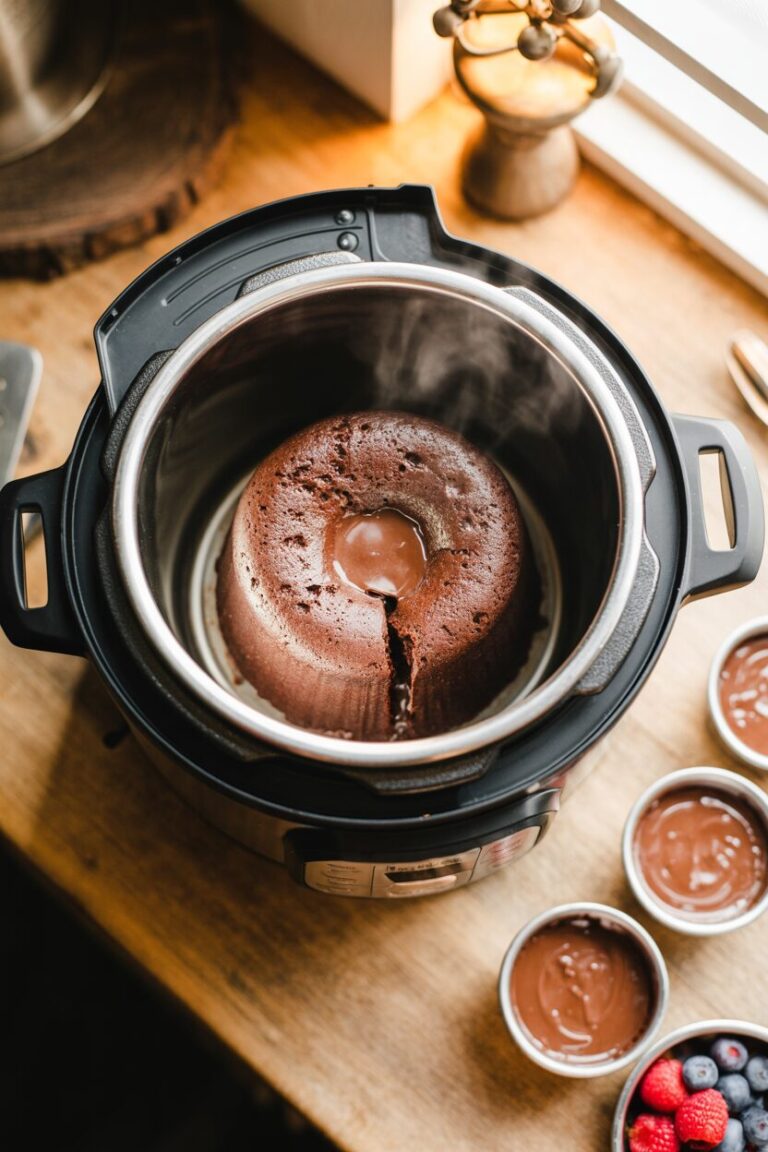
Chocolate lava cakes are faster—8 minutes high pressure, quick release, and you’ve got individual molten chocolate desserts that look impressive but require basically zero skill. Mix the batter, pour into ramekins, cook, flip onto plates. People will think you spent way more effort than you did.
Looking for even more sweet treat inspiration? These Instant Pot dessert recipes cover everything from bread pudding to dulce de leche.
Common Instant Pot Mistakes (And How to Fix Them)
Let’s talk about the “burn” message because it’ll happen to you eventually. Usually means there’s not enough liquid or something’s stuck to the bottom. Cancel the cook, add more liquid, scrape the bottom with a wooden spoon, try again. Not the end of the world.
Overfilling is another rookie move. Never fill past the max line, and for foods that expand—rice, beans, pasta—stick to the halfway mark. Otherwise you’re cleaning gunk out of the steam release valve, which is exactly as fun as it sounds.
Natural release vs. quick release confuses everyone initially. Quick release (flipping the valve immediately) works for most vegetables and quick-cooking proteins. Natural release (letting pressure drop on its own) is better for meats, beans, and anything that might foam or sputter. When in doubt, do a 10-minute natural release then switch to quick. Safe middle ground.
Timing Adjustments for Altitude and Frozen Foods
If you live above 3,000 feet, add roughly 5% more cooking time for every 1,000 feet above sea level. The pressure doesn’t build as high, so things take longer. Not rocket science, just something to keep in mind if your recipes aren’t turning out right.
Frozen proteins are mostly fine to cook from frozen—just add about 50% more time. Frozen chicken breasts? 15 minutes instead of 10. Frozen ground beef? 20 minutes with a natural release, break it up halfway through if possible. The USDA recommends always checking internal temps with a thermometer though, because frozen foods can cook unevenly.
Making These Recipes Work for Meal Prep
Here’s where the Instant Pot really earns its keep. You can batch cook proteins on Sunday and use them six different ways during the week. Shredded chicken becomes tacos, salads, pasta, soup, sandwiches. Ground beef turns into spaghetti sauce, taco meat, sloppy joes, chili.
I portion everything into these glass meal prep containers because plastic gets gross and stained after a while. Glass goes in the dishwasher, microwave, whatever. Still looks decent after a year of heavy use.
Soups and stews freeze beautifully. Make a double batch, freeze half in portions, pull them out on nights when cooking sounds impossible. Defrost in the fridge overnight or use the microwave if you forgot. Either way, homemade soup beats takeout any day.
If you’re serious about the whole meal prep thing, check out these complete weekly prep strategies that actually work with real-life schedules.
Storage Tips That Actually Matter
Let food cool before sealing it up. Putting hot food in sealed containers creates condensation, which leads to soggy disasters and faster spoilage. I know waiting sucks when you just want to clean up and be done, but give it 20 minutes.
Label everything with dates. You think you’ll remember what’s in that mystery container, but you won’t. Masking tape and a Sharpie work fine. Nothing fancy needed.
Most Instant Pot meals last 3-4 days in the fridge, longer in the freezer. Rice and pasta dishes get weird after a few days—the texture goes downhill fast. Soups and stews improve with age. Proteins are fine for 3-4 days if stored properly.
Budget-Friendly Instant Pot Cooking
Dried beans are insanely cheap and the Instant Pot makes them actually usable without the overnight soak nonsense. Black beans, pinto beans, chickpeas—all of them cook in 25-30 minutes. That’s compared to $2+ per can at the store. The math adds up fast.
Cheaper cuts of meat work perfectly under pressure. Chuck roast, pork shoulder, chicken thighs—all the tough, fatty cuts that normally need hours of slow cooking become tender in a fraction of the time. You’re looking at half the price of premium cuts with the same results.
Rice in bulk is your friend. This 20-pound bag of jasmine rice has lasted me months and costs less than buying those little boxes. Store it in an airtight container and it’s fine for ages.
Looking for more ways to stretch your grocery budget, these economical slow cooker options hit the same sweet spot of cheap ingredients and big flavors.
Scaling Recipes Up or Down
Most recipes work fine doubled as long as you don’t exceed the max fill line. Cooking time stays roughly the same—you’re not doubling the time, just the quantity. The pressure cooks everything evenly regardless of volume within reason.
Halving recipes gets trickier because you still need minimum liquid for the pot to come to pressure. Usually about a cup minimum, though check your manual because some models vary. This means some recipes don’t scale down well—you can’t make risotto for one person efficiently.
Advanced Instant Pot Techniques
Pot-in-pot cooking lets you cook multiple things at once. Rice on the bottom, vegetables or protein in a separate container on top. Same cooking time for everything. Mind-blowing efficiency when you’re trying to do sides and mains simultaneously.
I use these stackable stainless steel pans for pot-in-pot cooking. They fit perfectly in the 6-quart Instant Pot and make serving way easier than scooping everything out of one giant pot.
Layering flavors in sauté mode before pressure cooking makes a massive difference. Brown your meat, sauté your aromatics until they smell good, deglaze the pan with a splash of wine or broth to scrape up the good bits, THEN add everything else and pressure cook. Those extra 5 minutes of prep translate to way better final results.
Converting Traditional Recipes
General rule: divide traditional cooking time by three for Instant Pot conversions. A 90-minute braised dish becomes 30 minutes under pressure. Not exact science, but close enough to start.
Liquid amounts need adjustment too. Instant Pots don’t lose moisture through evaporation like stovetop cooking, so cut liquid by about a third. Your stew shouldn’t be swimming—you want just enough for pressure building plus a bit extra.
Some things don’t convert well. Delicate fish falls apart, pasta gets mushy if overcooked by even a minute, and crispy textures are impossible without a finishing step in the oven or on the stovetop. Know the limitations.
If you’re curious about expanding your pressure cooker repertoire even further, check out these game-changing Instant Pot recipes that go beyond the basics we’ve covered here.
One-Pot Wonders for Maximum Efficiency
The real magic happens when you can cook an entire meal—protein, starch, vegetables—in one pot without compromising flavor or texture. This is where the Instant Pot truly shines compared to other methods.
Chicken and rice dishes are perfect examples. Layer rice and liquid on the bottom, nestle chicken pieces on top, add vegetables that can handle pressure cooking like carrots or bell peppers. Everything cooks together, the rice absorbs the chicken juices, and you’ve got a complete meal with one dirty pot.
Pasta dishes work similarly if you’re careful with timing. The trick is using just enough liquid for the pasta to cook without turning into mush. I usually go with a 1:1 ratio of pasta to liquid for short shapes like penne or rotini, then adjust based on how the first batch turns out.
For even more one-pot inspiration, these complete one-pot dinner ideas take the guesswork out of planning balanced meals.
Comfort Food Without the Guilt (or Time Investment)
Let’s be honest—sometimes you just need mac and cheese or pot roast without spending three hours in the kitchen or feeling like you’ve eaten a brick afterward. The Instant Pot handles both requirements surprisingly well.
Pot roast traditionally takes hours of slow braising. In the Instant Pot? 60 minutes and you’ve got fall-apart-tender beef. Yeah, that’s technically longer than 30 minutes, but it’s still a fraction of the traditional time and the hands-off nature means you can do literally anything else while it cooks.
Mashed potatoes directly in the pot skip the draining step entirely. Dice potatoes, add just enough water to cover, pressure cook for 8 minutes, quick release, drain off excess liquid, mash with butter and cream right in the pot. One less pot to wash counts as a win in my book.
Speaking of comfort food done right, check out these tried-and-true comfort recipes that prove you don’t have to sacrifice taste for convenience.
Frequently Asked Questions
Do I really need to wait for natural pressure release, or can I always quick release?
Depends on what you’re cooking. Quick release works great for vegetables and quick-cooking proteins, but meats and beans benefit from natural release because it prevents them from getting tough or spurting liquid everywhere. For most recipes, a 10-minute natural release followed by quick release is a safe middle ground that won’t ruin anything.
Why does my Instant Pot keep saying “burn” and how do I prevent it?
The burn message usually means there’s not enough liquid or something’s sticking to the bottom. Always add liquid first (at least a cup for most recipes), and don’t layer ingredients that can stick like tomato sauce or thick sauces on the bottom. If you get the burn warning, cancel the cook, add more liquid, scrape the bottom with a wooden spoon, and restart.
Can I cook frozen meat directly in the Instant Pot?
Absolutely, but add about 50% more cooking time and always check the internal temperature with a meat thermometer. Frozen chicken breasts take about 15 minutes instead of 10. The main risk is uneven cooking, so smaller, thinner pieces work better than giant frozen chunks. According to food safety guidelines, always verify safe internal temperatures regardless of cooking time.
How do I know if I should use high pressure or low pressure?
High pressure for basically everything except super delicate items like custards or some vegetables you don’t want to obliterate. Most recipes call for high pressure because that’s what gives you the speed advantage. Low pressure is more for when you want something between regular pressure cooking and slow cooking.
What’s the actual difference between Instant Pot and slow cooker mode?
Slow cooker mode on an Instant Pot works similarly to a traditional slow cooker but runs a bit hotter, so recipes might finish faster than expected. The advantage is having one appliance that does both, but dedicated slow cookers sometimes perform better for true low-and-slow recipes. For most people, the slow cooker function on an Instant Pot works fine for convenience.
Final Thoughts on Quick Instant Pot Cooking
Here’s the truth—your Instant Pot isn’t going to magically fix a chaotic kitchen or turn you into a meal planning wizard overnight. What it will do is give you back some time and mental energy on the nights when cooking feels impossible.
These 25 recipes are your starting lineup. Master a handful that work for your family’s preferences and dietary needs, and you’ll find yourself actually using the thing instead of letting it gather dust. The learning curve exists, sure, but it’s shorter than you think.
Start with something simple—the chicken breasts or hard-boiled eggs. Get comfortable with how the pressure builds and releases. Then branch out into the recipes that sound good. Before you know it, you’ll be converting your own favorite recipes and wondering how you ever managed without it.
And look, some nights you’re still going to order pizza or throw together sandwiches. That’s fine. The Instant Pot isn’t about perfection—it’s about having more options when you actually need them. Use it when it makes sense, ignore it when it doesn’t, and stop overthinking it.