
30 Instant Pot Soups for Cold Weather Comfort
Look, I’m not here to tell you that your slow cooker is obsolete or that you need to toss your Dutch oven. But when the temperature drops and you’re craving something warm that doesn’t require you to hover over a stove for two hours? The Instant Pot becomes your best friend real quick.
There’s something about cold weather that makes us all crave a big bowl of soup. Maybe it’s the warmth, maybe it’s the nostalgia, or maybe it’s just because soup is the ultimate comfort food that doesn’t judge you for eating it in your pajamas at 2 PM on a Saturday. Whatever the reason, I’ve spent way too much time perfecting Instant Pot soup recipes, and I’m about to share everything I’ve learned.
The beauty of making soup in an Instant Pot isn’t just about speed—though yeah, turning a three-hour simmer into 30 minutes is pretty magical. It’s about the way pressure cooking locks in flavors and keeps nutrients intact. According to Cleveland Clinic, the shorter cooking time in pressure cookers actually preserves more vitamins and minerals compared to traditional cooking methods. So you’re not just saving time; you’re actually making your food healthier. Win-win.
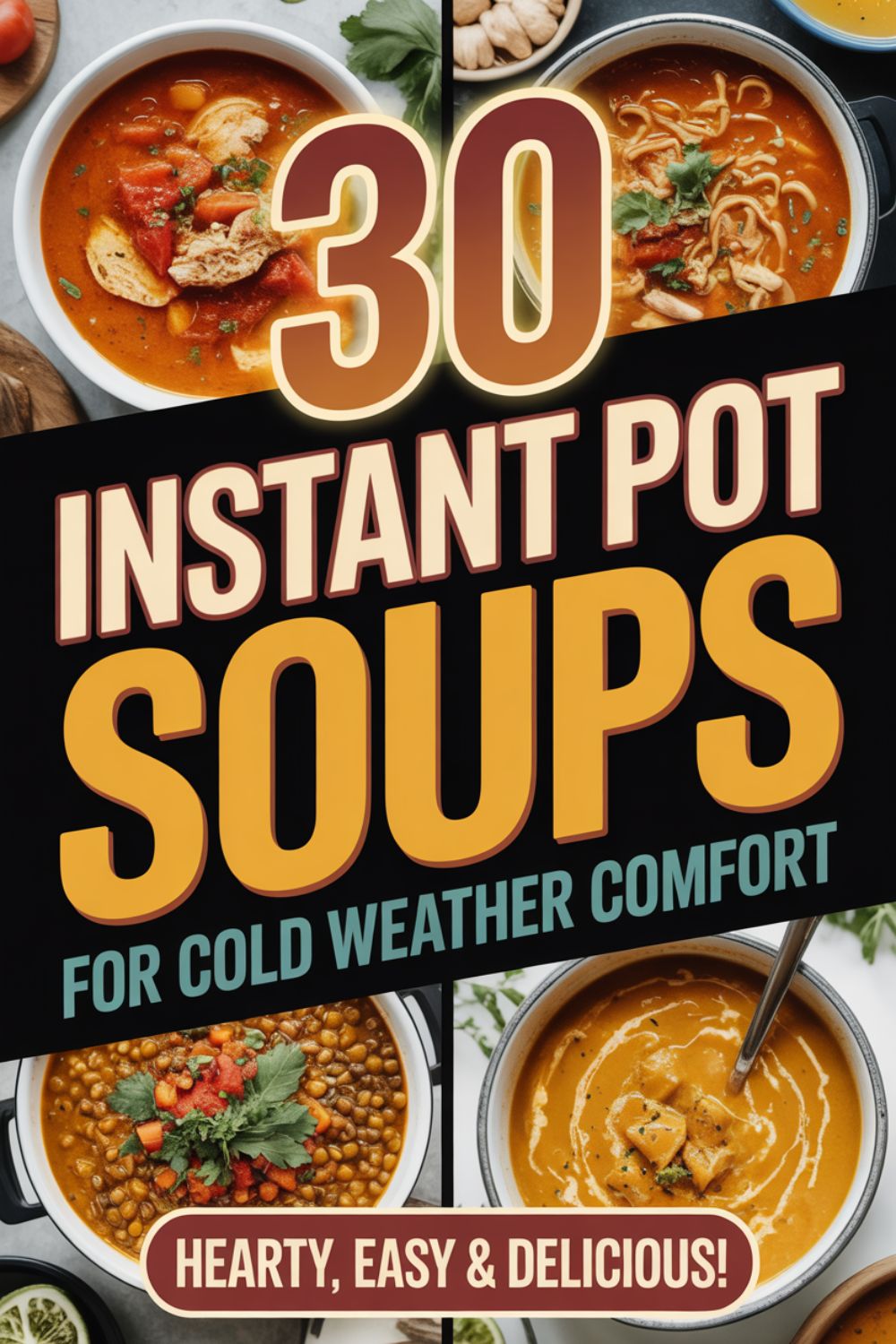
Why Your Instant Pot Makes Better Soup Than You Think
I’ll be honest—I was skeptical at first. How could an electric pot make better soup than my grandmother’s old stock pot? Turns out, science had the answer.
Pressure cooking works by trapping steam inside a sealed environment, which raises the temperature above the normal boiling point of water. This means your ingredients cook faster and more evenly. But here’s the kicker: because everything stays sealed, all those delicious flavors and nutrients that usually evaporate? They stay right where they belong—in your soup.
Plus, Harvard Health Publishing notes that soup is naturally hydrating and filling, making it an excellent choice for winter months when we tend to drink less water. The combination of liquid, vegetables, and protein creates a meal that satisfies hunger while delivering essential nutrients.
Getting Started: The Instant Pot Soup Basics
Before we dive into specific recipes, let’s talk fundamentals. Making soup in an Instant Pot isn’t rocket science, but there are a few things that’ll save you from disappointment.
The Liquid Rule You Can’t Ignore
Your Instant Pot needs at least one cup of liquid to come to pressure. Some people try to cheat this with thick, tomato-based soups and wonder why their pot throws a fit. Don’t be that person. If your recipe seems too thick, add water or broth. You can always reduce it later with the sauté function.
I learned this lesson while attempting a creamy potato soup with minimal liquid. After 40 minutes of the pot stubbornly refusing to pressurize, I finally broke down and added more broth. The soup came out perfect, and I felt appropriately humbled.
Layering Matters More Than You’d Think
Here’s something nobody tells you: the order you add ingredients actually matters. Put your liquids in first, then aromatics like onions and garlic, then your main ingredients. This prevents burning on the bottom—a rookie mistake that’ll haunt you with that dreaded “burn” message.
If you’re using a quality Instant Pot liner, you’ll have an easier time with cleanup, but proper layering prevents the issue altogether. I keep one of these silicone pot protectors handy for particularly thick soups—it’s saved me more times than I can count.
The Best Instant Pot Soups for Every Craving
Alright, let’s get to the good stuff. I’ve organized these soups by type because scrolling through a random list of 30 soups sounds exhausting, and I respect your time.
Classic Comfort Soups (Because Sometimes You Need a Hug in a Bowl)
1. Chicken Noodle Soup
The queen of comfort soups. I make mine with a whole chicken for maximum flavor, and the Instant Pot makes it ridiculously easy. Thirty minutes of pressure cooking, and you’ve got tender, fall-off-the-bone chicken in a rich broth. Get Full Recipe.
2. Tomato Soup
Not the stuff from a can—we’re talking roasted tomatoes with fresh basil and a hint of cream. The pressure cooking intensifies the tomato flavor in a way that makes canned soup taste like cardboard in comparison.
3. Potato Leek Soup
Creamy, comforting, and surprisingly sophisticated. I use an immersion blender right in the pot for that silky texture. Way easier than transferring hot liquid to a regular blender and hoping for the best.
4. Broccoli Cheddar Soup
This is the soup that converted my vegetable-hating nephew. The sharp cheddar balances the broccoli perfectly, and the Instant Pot keeps the broccoli from getting mushy.
5. French Onion Soup
Yes, you can make legitimate French onion soup in an Instant Pot. The sauté function caramelizes the onions, then pressure cooking melds everything together. Just finish it under the broiler for that bubbly cheese top.
Speaking of hearty comfort food, you might also love these comfort food recipes perfect for your Instant Pot or check out these slow cooker meals for busy weeknights when you want something equally comforting but have a bit more time.
Hearty Bean and Legume Soups (Protein-Packed and Budget-Friendly)
6. Split Pea Soup with Ham
This is where the Instant Pot really shines. Traditional split pea soup requires hours of simmering. Pressure cooking? Forty minutes, and you’re eating. I always keep a ham hock in my freezer for exactly this purpose.
7. White Bean and Kale Soup
Tuscan-inspired and crazy satisfying. The beans come out perfectly creamy without pre-soaking. Pro move: add the kale in the last five minutes so it doesn’t turn into mush. Get Full Recipe.
8. Black Bean Soup
Smoky, spicy, and ridiculously cheap to make. I throw in some cumin, smoked paprika, and a chipotle pepper in adobo sauce. The result is restaurant-quality soup for about three dollars.
9. Lentil Soup
Red lentils break down into a creamy, almost dal-like consistency that’s perfect with warm naan. I season mine with curry spices and finish with a squeeze of lemon.
10. Minestrone
The kitchen-sink soup. Whatever vegetables you’ve got hanging out in your crisper drawer? They belong in minestrone. Add some pasta, beans, and tomatoes, and you’ve got dinner.
Creamy and Indulgent Soups (For When You Want to Feel Fancy)
11. Butternut Squash Soup
Velvety smooth and naturally sweet. I add a touch of maple syrup and some crispy sage on top. People always think it’s way more complicated than it actually is.
12. Loaded Baked Potato Soup
All the glory of a loaded baked potato without having to wait an hour for potatoes to cook in the oven. Top with bacon, cheddar, and green onions. Life-changing.
13. Creamy Mushroom Soup
Made with a mix of mushroom varieties—shiitake, cremini, and button—this soup has serious umami depth. A splash of sherry at the end takes it over the top.
14. Cauliflower Soup
Surprisingly creamy without heavy cream (though I won’t judge if you add some). Roasting the cauliflower first adds a nutty flavor that makes this soup special.
15. Corn Chowder
Sweet summer corn meets winter comfort. I use frozen corn in the off-season, and it works perfectly. The smoky bacon and fresh thyme make it sing. Get Full Recipe.
For more one-pot wonders that’ll save you time and dishes, check out these one-pot Instant Pot dinners you can make in under 30 minutes.
International Flavors (Because Soup Doesn’t Have to Be Boring)
16. Thai Coconut Soup (Tom Kha Gai)
Spicy, sour, and coconutty all at once. The galangal and lemongrass might seem exotic, but they’re worth tracking down. This soup is a flavor bomb.
17. Moroccan Chickpea Stew
Warming spices like cinnamon, cumin, and ginger transform humble chickpeas into something extraordinary. Serve it over couscous for a complete meal.
18. Vietnamese Pho
Authentic pho requires hours of simmering beef bones. The Instant Pot version won’t fool a Vietnamese grandmother, but it’s damn good and ready in under two hours. I char the ginger and onions first for that authentic flavor.
19. Mexican Tortilla Soup
Tangy, slightly spicy, and loaded with toppings. The crispy tortilla strips, avocado, and cotija cheese turn this into a full experience. Don’t skip the lime juice at the end—it brightens everything.
20. Italian Wedding Soup
Tiny meatballs, orzo, and spinach swimming in a light broth. This soup feels like a warm hug from someone’s Italian grandma. The meatballs stay tender and flavorful when cooked under pressure.
Kitchen Tools That Make Soup Season Easier
Look, you don’t need a ton of fancy equipment to make great soup, but these few items have genuinely made my life easier. No hard sell here—just stuff I actually use.
Immersion Blender
This thing has changed my soup game completely. No more transferring hot liquid to a blender and praying you don’t end up wearing it. Blend right in the pot and call it a day.
Extra Sealing Rings
Trust me, you want separate rings for savory and sweet recipes. Unless you enjoy chocolate cheesecake that tastes vaguely like last week’s curry.
Glass Storage Containers
Perfect for storing all those double batches you’re going to make. They stack nicely, don’t stain, and you can see what’s inside without playing freezer roulette.
Instant Pot Recipe Collection (Digital)
A curated digital cookbook with tested, reliable recipes. Because sometimes you need inspiration beyond “throw stuff in and hope.”
Meal Planning Template (Printable)
Makes it crazy easy to plan your soup-heavy weeks. I print these out and stick them on the fridge so I’m not scrambling every evening.
Instant Pot Cooking Times Chart (Digital Download)
A quick-reference guide that saves you from constantly Googling “how long to pressure cook chicken.” Stick it on your fridge and thank yourself later.
Meaty and Satisfying Soups (For the Protein Lovers)
21. Beef Stew
Technically more stew than soup, but who’s counting? The pressure cooker turns cheap chuck roast into melt-in-your-mouth tenderness. I brown the meat first using the sauté function—it’s worth the extra ten minutes.
22. Chicken and Wild Rice Soup
Hearty, wholesome, and feels like the kind of soup your mom would make if she had more time. The wild rice adds a nice nutty flavor and chewy texture that white rice just can’t match.
23. Italian Sausage and White Bean Soup
The sausage fat flavors the broth in the best way possible. I use spicy Italian sausage for a little kick, but mild works too if you’re feeding kids or heat-sensitive folks.
24. Pork and Hominy Soup (Pozole)
This Mexican classic usually takes all day. In the Instant Pot? About an hour and a half. The hominy adds this wonderful corn flavor and unique texture. Top it with radishes, cabbage, and lime.
25. Chicken Gumbo
Dark roux, okra, andouille sausage—the whole Louisiana experience. Making roux in the Instant Pot using the sauté function is a game-changer. No more standing over a hot stove, stirring constantly and worrying about burning it. Get Full Recipe.
If you’re into meal prepping, these Instant Pot meal prep recipes for the whole week will completely change your Sunday routine.
Light and Healthy Options (Because Balance Is a Thing)
26. Vegetable Barley Soup
Loaded with vegetables and whole grains, this soup is health food that doesn’t taste like you’re punishing yourself. The barley gets pleasantly chewy and helps thicken the broth naturally.
27. Garden Vegetable Soup
A clean-out-the-fridge special that somehow always tastes amazing. I keep a bag of vegetable scraps in my freezer for making stock, and this soup is perfect for using up odd bits of vegetables.
28. Egg Drop Soup
Silky, light, and ready in literally ten minutes. This is my go-to when I’m sick or just want something comforting without feeling weighed down. A drizzle of sesame oil at the end makes all the difference.
29. Miso Soup with Tofu
Simple, savory, and surprisingly filling. Don’t boil the miso paste—it kills the beneficial probiotics. Stir it in after pressure cooking for the best results.
30. Zucchini Basil Soup
Light, fresh, and perfect for when you’re drowning in summer squash from your garden or farmer’s market. I add a bit of parmesan at the end for extra richness.
Common Instant Pot Soup Mistakes (And How to Avoid Them)
Let’s talk about the errors I see people make repeatedly. Consider this your friendly intervention before you end up with bland, watery soup or, worse, soup that won’t come to pressure at all.
Mistake #1: Overfilling the Pot
Your Instant Pot should never be more than two-thirds full for soups. When it comes to foods that expand (like dried beans or rice), stick to the halfway mark. Overfilling can clog the pressure release valve, and nobody wants that kind of stress.
Mistake #2: Using the Quick Release on Everything
I get it—you’re hungry and impatient. But quick releasing pressure on soups can cause liquid to spray out of the valve, make your broth cloudy, and turn delicate ingredients into mush. Unless a recipe specifically calls for quick release, just let it do its thing naturally. Go scroll through your phone for ten minutes. It’ll be fine.
Mistake #3: Not Adjusting for Altitude
If you live at high altitude, you’ll need to increase cooking time. As a general rule, add 5% more time for every 1,000 feet above 2,000 feet elevation. I learned this the hard way when I moved to Denver and suddenly all my soups came out undercooked.
Mistake #4: Forgetting to Season Enough
The sealed environment means you’re not losing liquid to evaporation, which also means flavors don’t concentrate the same way they do in stovetop cooking. Season more aggressively than you think you need to, then taste and adjust at the end. I always keep quality sea salt and fresh-ground pepper within reach.
Mistake #5: Adding Dairy Too Early
Cream, milk, and cheese should go in after pressure cooking, not before. They can curdle under pressure, and nobody wants separated soup. Stir them in at the end, using the sauté function to gently warm everything through.
For more recipes that won’t steer you wrong, browse these slow cooker crockpot recipes you’ll want to make again and again.
Tips for Making Your Instant Pot Soups Even Better
These are the little things that separate good soup from great soup. The techniques I’ve picked up after making approximately one million batches of soup in my Instant Pot.
Build Your Flavor Base Properly
Always sauté your aromatics first. Onions, garlic, ginger—whatever your recipe calls for—should get a few minutes in hot oil before you add liquid. This develops flavor in a way that throwing everything in raw simply can’t match.
I use this wooden spurtle for stirring during the sauté phase. It’s heat-resistant, doesn’t scratch the pot, and has the perfect shape for scraping up those flavorful brown bits from the bottom.
Use Homemade Stock When Possible
Boxed stock is fine—I use it plenty. But if you’ve got the time, homemade stock takes soup from good to “give me that recipe right now” territory. Bonus: you can make stock in your Instant Pot too. Throw in bones, vegetable scraps, and aromatics, then pressure cook for an hour. Strain, and you’ve got liquid gold.
Fresh Herbs at the Finish
Hardy herbs like rosemary and thyme can go in before pressure cooking. But delicate herbs like basil, cilantro, and parsley should be stirred in at the end. The heat from the soup will release their oils without cooking them into oblivion.
Acid Brightens Everything
A squeeze of lemon juice or splash of vinegar at the very end perks up flavors like nothing else. It’s especially important for soups that have been sitting in the fridge for a day or two. That little hit of acid brings them back to life.
Texture Matters
Not everything should be mushy. Add quick-cooking vegetables in the last few minutes using the sauté function after pressure cooking. Spinach, peas, and fresh tomatoes need maybe two minutes of heat. Keep them crisp-tender.
The Science Behind Why Instant Pot Soups Taste So Good
Okay, let’s geek out for a second. There’s actual science explaining why Instant Pot soups hit differently than their stovetop counterparts.
When you cook under pressure, you’re raising the boiling point of water from 212°F to around 240°F. This higher temperature does two things: it breaks down tough proteins faster (hello, tender meat), and it intensifies flavors by forcing them into the liquid.
The sealed environment also means nothing escapes. In traditional cooking, volatile flavor compounds evaporate with the steam. In pressure cooking, they stay put, resulting in more concentrated, fuller flavors. Research from Parkview Health shows that pressure cooking also helps preserve the natural colors and nutrients in vegetables better than boiling or steaming.
There’s also the Maillard reaction to consider. That’s the chemical reaction between amino acids and sugars that creates those delicious brown, caramelized flavors. The sauté function lets you get that reaction going before pressure cooking, giving you the best of both worlds.
FYI, this is why people who claim Instant Pots make bland food are probably skipping the sauté step. Don’t be that person.
Storing and Reheating Your Instant Pot Soups
Making soup is great. But making soup you can eat all week? That’s where the real magic happens.
Refrigerator Storage
Most soups keep well in the fridge for 3-4 days. Let them cool completely before storing (I’m impatient, so I use this ice wand to speed up the cooling process). Store in airtight containers, leaving a bit of room at the top for expansion.
Broth-based soups typically last longer than cream-based ones. If your cream soup seems a bit separated after a day in the fridge, don’t panic. A quick stir while reheating usually brings it back together.
Freezer Storage
Almost all soups freeze beautifully. The exceptions are soups with pasta (it gets mushy) or potatoes (they can get grainy). For these, freeze the base and add fresh pasta or potatoes when you reheat.
I portion soup into individual servings using these freezer-safe containers. Label them with the date and type of soup—trust me, mystery soup from three months ago is not the fun surprise you think it’ll be.
Soup expands when frozen, so leave about an inch of headspace in your containers. And let it cool to room temperature before freezing to prevent ice crystals from forming.
Reheating Tips
Stovetop reheating gives you the most control, but the microwave works fine for single portions. If your soup seems too thick after storage, add a splash of water or broth when reheating. If it’s too thin, let it simmer uncovered for a few minutes to reduce.
Cream soups should be reheated gently over medium-low heat, stirring frequently. High heat can cause separation. For frozen soup, thaw in the fridge overnight for best results, though you can also reheat from frozen—just expect it to take longer.
Frequently Asked Questions
Can I convert any soup recipe to the Instant Pot?
Most soup recipes convert pretty easily to the Instant Pot, but you’ll need to make a few adjustments. Reduce the liquid by about a quarter since there’s no evaporation during pressure cooking. Cut the cooking time significantly—what takes three hours on the stovetop usually takes 20-30 minutes under pressure. And remember to adjust when you add delicate ingredients like dairy or fresh herbs.
Why does my soup taste watery after pressure cooking?
This usually happens because you added too much liquid or didn’t season aggressively enough. The sealed environment means you can’t cook off excess liquid like you can on the stovetop. Try using the sauté function with the lid off to reduce your soup, or add a slurry of cornstarch and water to thicken it. And taste before serving—you probably need more salt than you think.
Do I need to thaw frozen vegetables before adding them to soup?
Nope, frozen vegetables can go straight into the pot. Just add an extra minute or two to the cooking time to account for the temperature drop. The only exception is if you’re using a massive amount of frozen ingredients—in that case, you might want to partially thaw them first so your pot doesn’t take forever to come to pressure.
Can I double soup recipes in my Instant Pot?
You can, but be careful not to fill the pot more than two-thirds full for liquids. Remember that doubling the ingredients doesn’t mean doubling the liquid—the Instant Pot needs less liquid than stovetop cooking, and doubling it can make your soup too watery. The cooking time stays roughly the same, though the pot will take longer to come to pressure with more food inside.
How do I prevent the “burn” message when making soup?
The dreaded burn notice usually means something’s stuck to the bottom of the pot. Always add liquid first, then layer your other ingredients. Deglaze the bottom well after sautéing with a wooden spoon or spatula to scrape up any stuck bits. If your soup base is thick (like tomato-based soups), add it last and don’t stir it into the liquid—just pour it on top. And make sure you have at least one cup of thin liquid in the pot.
Final Thoughts on Instant Pot Soup Season
Look, soup isn’t complicated. It’s vegetables, liquid, and time. What the Instant Pot does is make that last ingredient—time—work in your favor instead of against you.
I’m not going to tell you that you need to make all 30 of these soups tomorrow or that your Instant Pot is the only kitchen tool you’ll ever need. But on those cold nights when you’re tired and hungry and the idea of cooking feels overwhelming, knowing you can have homemade soup ready in under an hour? That’s pretty powerful.
Start with one or two recipes that sound good. Get comfortable with how your Instant Pot works. Then branch out. Before you know it, you’ll be that person who always has soup in the freezer, who offers to bring soup to sick friends, who actually looks forward to cold weather because it means soup season.
The best part? Every single soup you make will be better than anything from a can, and you’ll know exactly what went into it. No weird preservatives, no excessive sodium unless you put it there, no mystery ingredients you can’t pronounce.
So grab your Instant Pot, pick a recipe, and get cooking. Your future self—warm, full, and satisfied—will thank you.
And if you mess up your first attempt? Join the club. We’ve all been there. The good news is soup is forgiving, and practice makes perfect. Plus, even mediocre homemade soup beats takeout on a cold night.
Now if you’ll excuse me, I have a pot of chicken tortilla soup calling my name.