7-Day Low Calorie Vegetarian Meal Plan (Under 1300 Cal!)
7-Day Low Calorie Vegetarian Meal Plan (Under 1300 Cal!)
Okay, real talk — eating vegetarian while keeping calories under 1300 sounds like a recipe for sadness, right? Like, are we just supposed to survive on lettuce and willpower? Absolutely not. I’ve been there, staring into my fridge at 7pm wondering how to make a meal that’s actually satisfying without blowing my entire calorie budget before dinner. Spoiler: it’s 100% doable, and this 7-day plan is proof.
Whether you’re trying to lose a little weight, reset your eating habits, or just curious about what a low calorie vegetarian week looks like — you’re in the right place. Let’s get into it.
Why Under 1300 Calories Works (Without Starving Yourself)
First things first — 1300 calories isn’t some random number I pulled out of thin air. For many people, especially those with a sedentary to lightly active lifestyle, this range creates a moderate calorie deficit that supports steady, sustainable weight loss without wrecking your metabolism.
The key is where those calories come from. A vegetarian diet, when done right, is naturally high in fiber, water content, and volume — meaning you eat a lot of food for relatively few calories. Think beans, lentils, vegetables, tofu, whole grains, and Greek yogurt. These foods keep you full without making you feel like you’re on a punishment diet.
IMO, that’s the whole game right there — eat foods that work hard for you, not against you.
What to Expect From This 7-Day Plan
Before we jump into the actual meals, here’s a quick overview of what this plan looks like:
- Daily calorie target: 1,200–1,300 calories
- Macros focus: High protein, high fiber, moderate carbs, low added sugar
- Meal structure: Breakfast, lunch, dinner, and one small snack
- Prep-friendly: Most meals are simple, repeatable, and quick
- No weird ingredients: Everything is grocery-store accessible
The plan is designed to be flexible. If something on Day 3 sounds terrible to you, swap it with a similar meal from another day. This isn’t a prison sentence — it’s a framework.
Day 1 — A Fresh Start
Breakfast (320 cal)
Greek yogurt parfait — Layer ¾ cup of plain low-fat Greek yogurt with ½ cup mixed berries and 2 tablespoons of granola. It’s creamy, sweet, and genuinely feels like a treat. Also takes about four minutes to make. Win.
Lunch (380 cal)
Lentil and spinach soup — A hearty bowl of red lentil soup with spinach, garlic, cumin, and a squeeze of lemon. Pair it with one slice of whole grain bread. This soup is one of those things that tastes like you spent hours on it, but you didn’t. Recipe secret: use vegetable broth instead of water. Game changer.
Snack (100 cal)
One medium apple with 1 teaspoon of peanut butter.
Dinner (480 cal)
Stir-fried tofu with broccoli and brown rice — Cube firm tofu, pan-fry until golden, toss with broccoli, soy sauce, garlic, and ginger. Serve over ½ cup cooked brown rice. Protein-packed, filling, and genuinely delicious.
Day 2 — Finding Your Rhythm
Breakfast (280 cal)
Oatmeal with banana and chia seeds — ½ cup rolled oats cooked in water or unsweetened almond milk, topped with half a banana and 1 tablespoon of chia seeds. Slow-digesting carbs that keep you full until lunch — no mid-morning hunger crashes here.
Lunch (400 cal)
Chickpea and cucumber salad — Toss one cup of canned chickpeas (rinsed) with diced cucumber, cherry tomatoes, red onion, olive oil, lemon juice, and herbs. Simple, bright, and surprisingly satisfying. Add a small whole wheat pita on the side.
Snack (90 cal)
10–12 raw almonds. Boring? Maybe. Effective? Absolutely.
Dinner (490 cal)
Vegetable dal with cauliflower rice — A spiced yellow lentil dal with tomatoes, onion, turmeric, and coriander. Serve it over cauliflower rice to cut calories while keeping the volume high. This dinner hits differently on a cold night.
Day 3 — The Midweek Slump Buster
Ever notice how Day 3 is when most meal plans fall apart? You’re slightly bored, slightly tired, and the takeout app is looking very tempting. This is where meal variety saves you.
Breakfast (310 cal)
Veggie egg scramble — Two whole eggs scrambled with spinach, cherry tomatoes, and a sprinkle of feta cheese. Pair with one slice of whole grain toast. High protein, quick, and keeps you sharp all morning.
Lunch (370 cal)
Black bean tacos — Two small corn tortillas filled with spiced black beans, shredded cabbage, salsa, and a dollop of plain Greek yogurt (as a sour cream swap). Under 400 calories and actually fun to eat.
Snack (110 cal)
½ cup cottage cheese with a few cherry tomatoes.
Dinner (470 cal)
Zucchini noodles with pesto and white beans — Spiralize two medium zucchinis, toss with 2 tablespoons of basil pesto and ½ cup canned white beans. Top with a tablespoon of Parmesan. Light but filling — and it looks fancy enough that you’ll feel good eating it 🙂
Day 4 — Halfway There, Keep Going
Breakfast (290 cal)
Smoothie bowl — Blend ½ frozen banana, ½ cup frozen mango, and ½ cup unsweetened almond milk. Pour into a bowl and top with 1 tablespoon of hemp seeds and a few sliced strawberries. Quick, refreshing, and feels indulgent without the calories.
Lunch (420 cal)
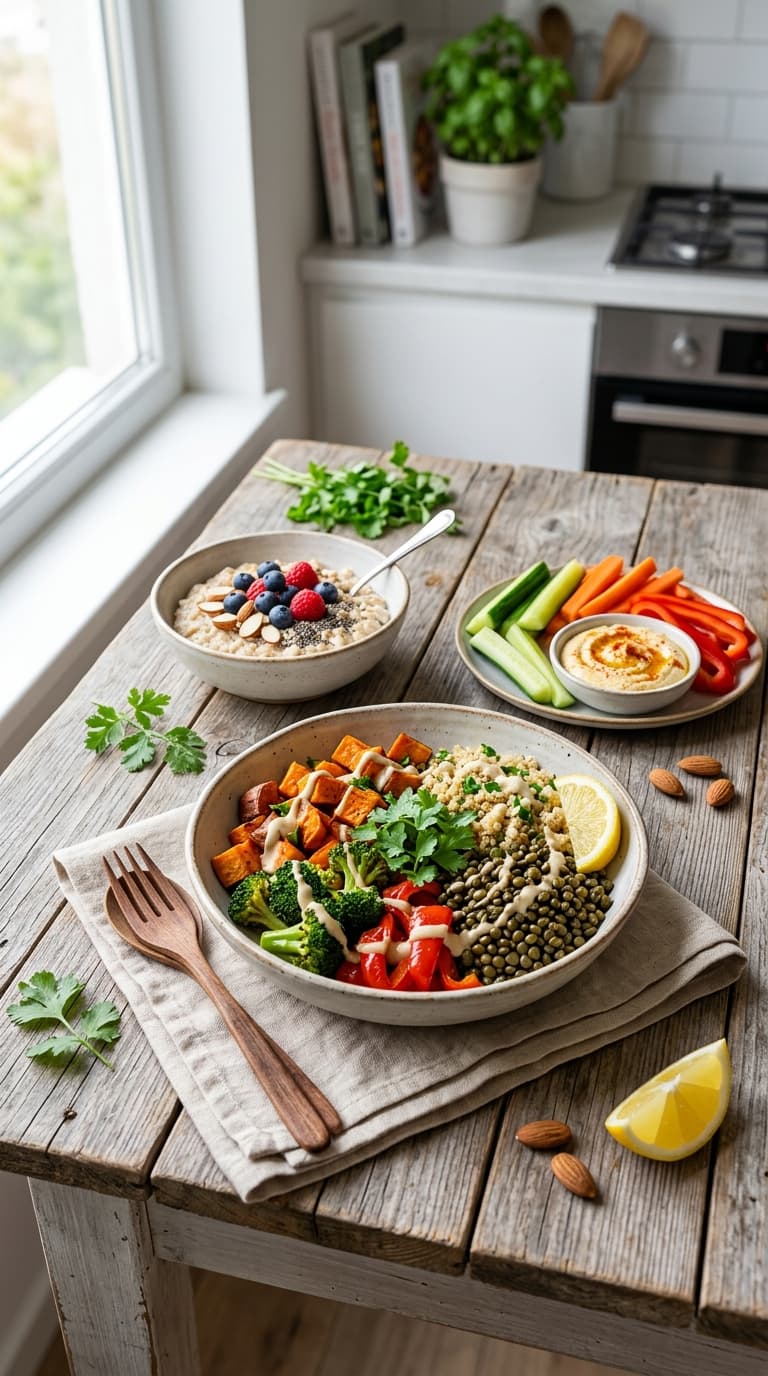
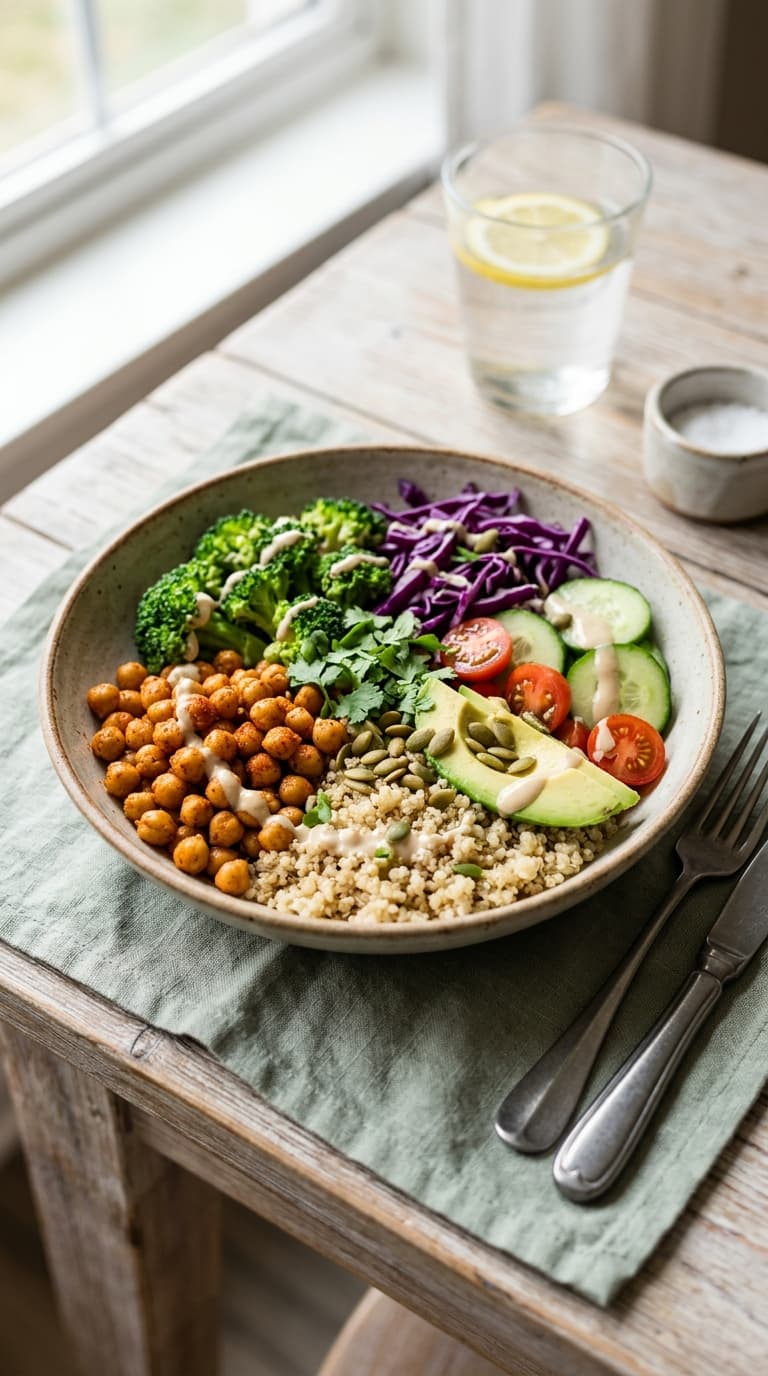
Quinoa veggie bowl — ½ cup cooked quinoa with roasted sweet potato cubes, steamed kale, and a tahini lemon dressing. This bowl is genuinely one of my go-to lunches because it holds up well if you make it the night before — perfect for meal prepping.
Snack (80 cal)
One medium orange. Simple, hydrating, zero fuss.
Dinner (480 cal)
Stuffed bell peppers — Fill two halved bell peppers with a mixture of canned tomatoes, cooked brown rice, kidney beans, cumin, and chili flakes. Bake at 375°F for 25 minutes. Hearty, colorful, and genuinely impressive for a weeknight dinner.
Day 5 — Weekend Energy, Weekday Budget
Breakfast (300 cal)
Avocado toast with poached egg — One slice of whole grain bread topped with ¼ of a mashed avocado and one poached egg. Season with red pepper flakes and a pinch of salt. Classic for a reason.
Lunch (390 cal)
Tomato basil lentil soup — A thick, blended lentil soup with canned tomatoes, fresh basil, and vegetable broth. One bowl plus a small side salad with olive oil and vinegar dressing. This lunch fills you up properly — not the fake full where you’re hungry again in an hour.
Snack (100 cal)
Two rice cakes with 1 teaspoon of almond butter each.
Dinner (490 cal)
Paneer tikka with roasted vegetables — Cube 80g of low-fat paneer, marinate in spiced yogurt, and bake or grill until slightly charred. Serve with roasted broccoli and cauliflower and a small portion of basmati rice. This one is absolutely worth the extra 10 minutes of prep.
Day 6 — Keeping It Fresh
FYI — by Day 6, a lot of people start craving something different. That’s normal. The brain gets bored before the body does. So Day 6 is intentionally the most varied day of the week.
Breakfast (280 cal)
Chia pudding — Mix 3 tablespoons of chia seeds with 1 cup of unsweetened almond milk and a teaspoon of vanilla extract. Let it sit overnight in the fridge. Top with blueberries in the morning. Zero morning effort required — past-you did all the work.
Lunch (410 cal)
Hummus veggie wrap — Spread 3 tablespoons of hummus on a whole wheat tortilla and load it with cucumber, roasted red peppers, baby spinach, and grated carrots. Roll it up. It’s that simple, and it’s actually great.
Snack (100 cal)
A small handful of edamame — about ½ cup shelled.
Dinner (480 cal)
Mushroom and spinach frittata — Whisk three eggs with a splash of milk, pour over sautéed mushrooms and spinach in an oven-safe pan, and bake at 350°F for 12–15 minutes. High protein, low calorie, and works as leftovers too.
Day 7 — Finish Strong
Breakfast (320 cal)
Banana oat pancakes — Mash one ripe banana with two eggs and ¼ cup of rolled oats. Cook small pancakes on a non-stick pan. No flour, no sugar, and somehow still delicious. Top with a few fresh berries.
Lunch (380 cal)
Caprese salad with white beans — Slice fresh tomatoes and layer with fresh mozzarella (light version), basil, and a drizzle of balsamic glaze. Add ½ cup of white beans on the side for protein. Elegant, simple, and very satisfying.
Snack (90 cal)
One small pear.
Dinner (490 cal)
Vegetable curry with chickpeas — Simmer chickpeas in a tomato-coconut milk base with spinach, garlic, ginger, and curry powder. Serve with ½ cup of brown rice. The perfect way to close out the week — warm, fragrant, and filling.
Tips to Make This Plan Actually Work
Here’s the thing about meal plans: they look great on paper and then life happens. Here’s how to make this one stick:
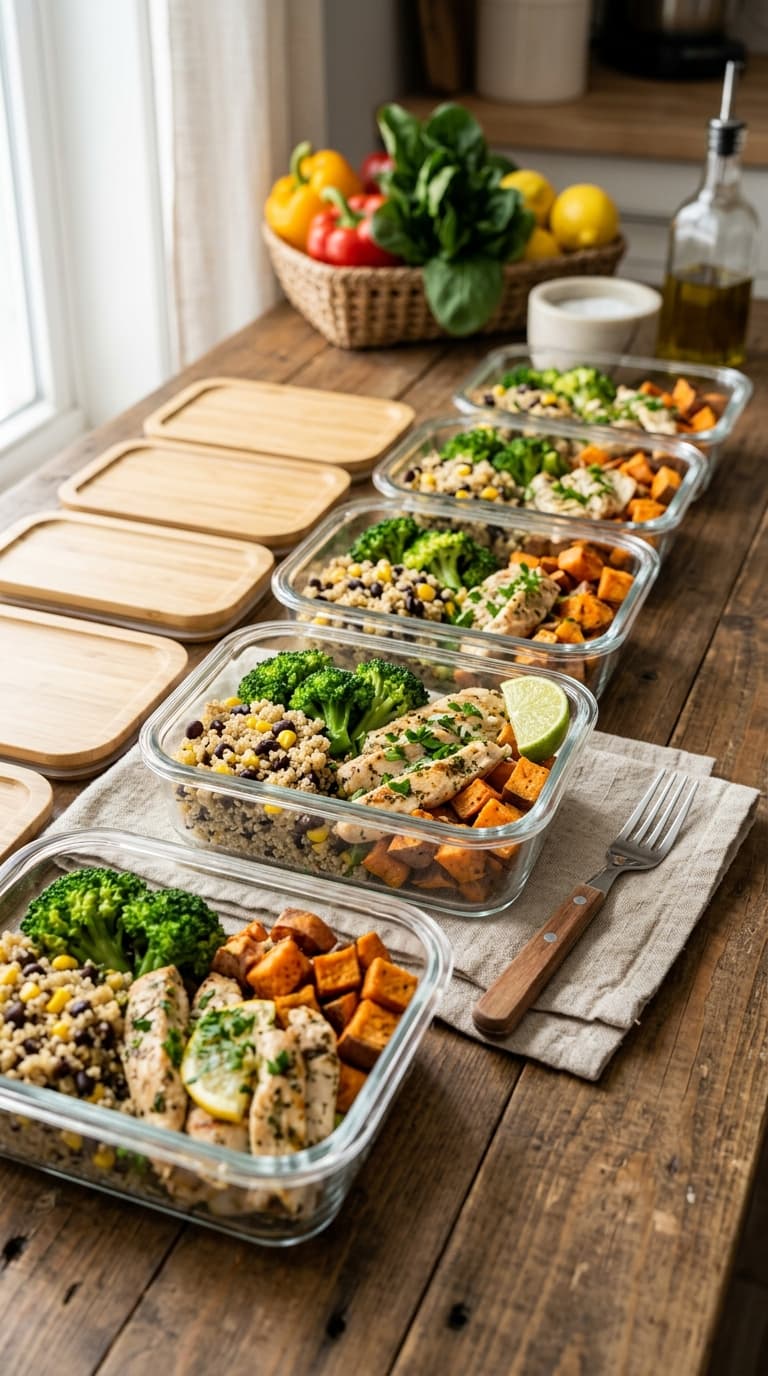
- Prep on Sunday — Cook a big batch of grains (quinoa, brown rice) and roast a sheet pan of vegetables. Future-you will be very grateful.
- Keep snacks visible — If the almonds or fruit are front and center in your fridge or on the counter, you’ll reach for them instead of something you’ll regret.
- Drink your water — Seriously. Sometimes what feels like hunger is just dehydration. Aim for 8 glasses a day.
- Don’t skip meals — Especially breakfast. Skipping it doesn’t save calories; it just makes you hungrier later and more likely to overeat.
- Season your food well — Herbs, spices, lemon juice, and vinegar cost almost zero calories and make a huge difference in how satisfying your meals feel.
Common Mistakes to Avoid on a Low Calorie Plan
Even with the best intentions, a few sneaky habits can throw off your progress.
- Underestimating liquid calories — Flavored coffees, juices, and even some plant-based milks can add 100–200 calories before you even notice. Stick to water, black coffee, or plain herbal tea most of the time.
- Skimping on protein — Without enough protein, you’ll feel hungry constantly and potentially lose muscle. Aim for at least 60–70g of protein daily from sources like eggs, Greek yogurt, lentils, tofu, and paneer.
- Over-relying on “healthy” packaged foods — Granola bars, flavored yogurts, and packaged veggie meals often have far more calories and sugar than you’d expect. Read labels.
- Eating too fast — Your brain needs about 20 minutes to register fullness. Slow down, chew, and actually enjoy what you’re eating. :/
A Quick Note on Nutrition Balance
This plan keeps things balanced, but here are a few nutrients to watch on a vegetarian low calorie diet:
- Iron — Get it from lentils, spinach, and fortified cereals. Pair with vitamin C sources to boost absorption.
- Vitamin B12 — Largely found in animal products, so consider a supplement or fortified foods like nutritional yeast.
- Calcium — Greek yogurt, paneer, broccoli, and fortified plant milks all help here.
- Omega-3s — Chia seeds, walnuts, and flaxseeds are your friends.
Final Thoughts
Seven days, under 1300 calories, and you never have to eat a sad salad. That’s the deal, and this plan delivers on it. The meals are real food — flavorful, filling, and genuinely enjoyable. You’re not white-knuckling your way through the week hoping it ends soon.
The best meal plan is one you’ll actually follow. Start with Day 1, don’t overthink it, and adjust as you go. You’ve got this — and honestly? Your taste buds are going to thank you by Day 3.