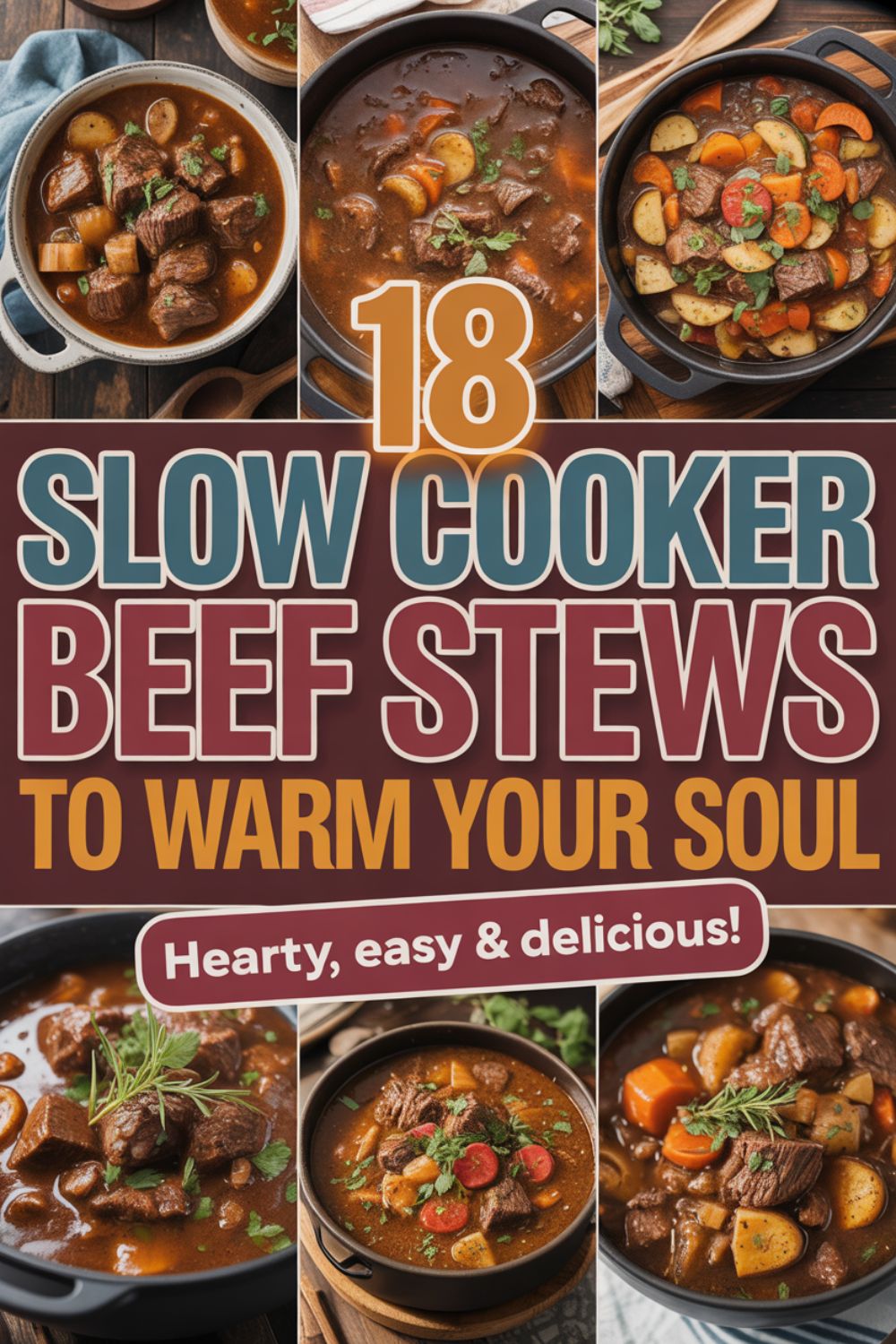
18 Slow Cooker Beef Stews to Warm Your Soul
Look, I’m not going to pretend that slow cooker beef stew is some revolutionary discovery I just made. But after years of throwing whatever’s in the fridge into my trusty crockpot, I’ve learned a thing or two about what actually makes a beef stew worth the eight-hour wait.
There’s something almost magical about coming home to a house that smells like your grandmother’s kitchen. You know the one—where the windows are slightly foggy and that rich, beefy aroma hits you before you even open the door. That’s what a good slow cooker beef stew does. It transforms your regular Tuesday into something that feels special, without you having to do much of anything.
The beauty of slow cooker beef stews isn’t just the convenience factor, though that’s a pretty big deal when you’re juggling work, kids, or just trying to adult properly. It’s about the science happening in that ceramic pot. When you cook beef low and slow, collagen breaks down into gelatin, which is what gives you that fall-apart-tender meat and that silky, rich broth that coats your spoon.
Why Slow Cooker Beef Stew Actually Works
Here’s the thing most recipes won’t tell you—not all beef is created equal for stewing. You want the tough cuts, the ones that make fancy steakhouse chefs turn their noses up. Chuck roast, bottom round, brisket—these are your friends. They’re loaded with connective tissue that breaks down during those long cooking hours, creating that melt-in-your-mouth texture you’re after.
According to nutritionists at the American Heart Association, when you choose lean cuts and pack your stew with vegetables, you’re looking at a meal that actually supports your health goals. We’re talking high protein, fiber-rich, and surprisingly balanced—which is pretty impressive for something that tastes like pure comfort food.
The slow cooking method does something else that’s pretty cool too. It allows flavors to develop and meld in ways that quick cooking just can’t replicate. That’s why your grandma’s stew always tasted better than anything you could throw together in 30 minutes. She had the right slow cooker and she knew patience pays off.
Brown your beef chunks in a hot skillet before adding them to the slow cooker. Yeah, it’s an extra step, but that caramelization adds a depth of flavor that’s totally worth the five extra minutes.
The Foundation: Classic Beef Stew Variations
1. Traditional Hearty Beef Stew
Let’s start with the OG. This is your standard beef, potatoes, carrots, and onions situation—but don’t let “standard” fool you. When done right, this is the stew that makes people ask for seconds. The secret? Don’t skimp on the herbs. Fresh thyme and a couple of bay leaves make all the difference. Get Full Recipe
I always add a splash of Worcestershire sauce and tomato paste for that umami kick. And here’s a trick—toss your beef chunks in flour before browning them. It creates a built-in thickener for your broth. Just make sure you’re using a good quality heavy-bottomed skillet for the browning process.
2. Red Wine Beef Stew
Want to feel fancy without actually being fancy? Add red wine. I’m talking a full cup of decent red—not the $3 bottle you use for cooking, but not the $50 one either. The wine adds complexity and a subtle richness that elevates the whole dish.
This version works great with mushrooms too. Just slice them up and toss them in. The wine and mushrooms create this earthy, sophisticated flavor profile that makes it perfect for dinner parties. Get Full Recipe
Prep all your vegetables the night before and store them in containers in your fridge. Morning you will be grateful you did this.
3. Guinness Beef Stew
If red wine beef stew is fancy, Guinness beef stew is its cool Irish cousin. The dark beer adds a slightly bitter, malty depth that’s absolutely incredible. This is the stew I make for St. Patrick’s Day, and honestly, any cold day when I need something extra hearty.
The trick with Guinness is to not overdo it—you want about a cup to a cup and a half max. Any more and it can get too bitter. Balance it out with a tablespoon of brown sugar or a drizzle of maple syrup. Trust me on this one. Get Full Recipe
Speaking of hearty meals, if you’re into the convenience of slow cooking, you’ll absolutely love these slow cooker meals perfect for busy weeknights. They’re lifesavers when you need dinner to basically make itself.
International Flavors: Because Beef Stew Speaks Every Language
4. Hungarian Goulash-Style Beef Stew
Paprika is your best friend here. And I don’t mean the sad, dusty jar that’s been in your spice cabinet since 2019. Get fresh, quality paprika—preferably Hungarian sweet paprika—and use it liberally. We’re talking three to four tablespoons.
This stew is rich, slightly smoky, and has this gorgeous rust-colored broth that looks as good as it tastes. Serve it over egg noodles or with crusty bread for soaking up every last drop. Get Full Recipe
5. French-Inspired Beef Bourguignon Style
Okay, technically Beef Bourguignon is traditionally made on the stovetop and in the oven, but who has time for that? The slow cooker version gets you about 90% there with 50% of the effort. I’m calling that a win.
The key ingredients are pearl onions (you can use the frozen ones, nobody will judge), bacon, and good red wine. Brown the bacon first, use the rendered fat to brown the beef, and you’ve already got yourself a flavor foundation that’s hard to beat. For more French-inspired comfort food, check out these comfort food recipes that bring that same cozy energy. Get Full Recipe
6. Korean-Inspired Beef Stew (Jjigae-Style)
This is where things get interesting. Swap out your usual broth for a combination of beef broth and a bit of gochujang (Korean chili paste). Add some kimchi, tofu chunks, and green onions toward the end of cooking.
The result is spicy, funky in the best way, and absolutely addictive. I like serving this with a good rice cooker making perfectly fluffy white rice on the side. FYI, this one converts slow cooker skeptics fast. Get Full Recipe
7. Mexican-Style Beef Stew with Chipotle
Chipotle peppers in adobo sauce are the secret weapon here. Just one or two add this smoky, slightly spicy depth that transforms the whole stew. Add some cumin, oregano, and a can of fire-roasted tomatoes.
Finish it with fresh cilantro, a squeeze of lime, and serve with warm tortillas. This is comfort food with a kick, and it’s perfect for when you want something different from your usual stew routine. Get Full Recipe
Kitchen Tools That Make These Recipes Easier
Physical Products
Digital Products & Resources
Healthy Twists: Because Comfort Food Can Still Be Good for You
8. Paleo Beef Stew
Skip the potatoes and flour, load up on sweet potatoes, parsnips, and butternut squash instead. Use arrowroot powder to thicken if needed. What you lose in traditional starchiness, you gain in natural sweetness and extra nutrients.
Research from nutritionists shows that lean beef stew can provide over 30 grams of protein per serving when you make smart ingredient choices. That’s pretty impressive for something that tastes this indulgent. Get Full Recipe
9. Low-Carb Keto Beef Stew
Replace potatoes with radishes—hear me out on this. When cooked low and slow, radishes lose their bite and take on a potato-like texture. Add cauliflower, celery, and plenty of mushrooms. Use xanthan gum for thickening instead of flour.
This version is surprisingly satisfying and keeps you in ketosis while still delivering that stick-to-your-ribs feeling. Get Full Recipe
10. Mediterranean Beef Stew with Olives and Tomatoes
This is my go-to when I want something hearty but lighter feeling. Use crushed tomatoes as your base, add plenty of garlic, Kalamata olives, capers, and dried oregano. The olives add this briny, salty depth that’s incredibly satisfying.
Finish with fresh parsley and serve with crusty bread for dipping. According to nutrition experts at GoodRx, choosing lean cuts and adding plenty of vegetables makes beef stew a surprisingly balanced meal. Get Full Recipe
If you’re looking for more healthy slow cooker inspiration, these healthy slow cooker recipes prove that nutritious doesn’t have to mean boring.
Creative Variations: When You Want to Mix Things Up
11. Beer and Bacon Beef Stew
Because everything’s better with bacon, right? Brown thick-cut bacon first, set it aside, and use the rendered fat to brown your beef. Add your choice of beer (I like amber ales for this), and finish the stew with the crispy bacon crumbled on top.
The bacon adds a smoky, salty element that makes this stew ridiculously addictive. Fair warning—this is not the time to count calories. Get Full Recipe
12. Moroccan-Spiced Beef Stew with Apricots
This one’s for when you want to impress. The combination of warm spices—cinnamon, cumin, coriander, ginger—with dried apricots creates this sweet-savory situation that’s absolutely magical. Add some chickpeas for extra heartiness.
Serve over couscous and garnish with fresh cilantro and toasted almonds. It’s exotic without being complicated, which is my favorite kind of cooking. Get Full Recipe
Keep a spice organizer near your slow cooker. Being able to quickly grab what you need makes these international variations way less intimidating to try.
13. Barley and Mushroom Beef Stew
Pearl barley adds this wonderful chewy texture and makes the stew extra filling. Combine it with a mix of mushrooms—cremini, shiitake, oyster—and you’ve got a deeply savory, almost meaty-tasting stew even beyond the actual beef.
This one’s perfect for fall and winter, and it reheats beautifully. I usually make a double batch and freeze half for later. Get Full Recipe
14. Root Vegetable Beef Stew
Go beyond carrots and potatoes. Add turnips, parsnips, rutabaga, and celery root. These root vegetables have unique flavors that add complexity to your stew, and they all soften beautifully in the slow cooker.
Plus, they’re packed with fiber and nutrients. It’s like sneaking in extra vegetables without it feeling like you’re trying to be healthy. Get Full Recipe
For more one-pot wonders that minimize cleanup while maximizing flavor, check out these one-pot dinner ideas. Similar philosophy, different approach.
Quick-Start Versions: For When Life Gets Extra Busy
15. Dump-and-Go Beef Stew
Look, sometimes you just can’t with the browning and the prep. This version is for those mornings when you’re running late but still want homemade dinner waiting for you. Literally dump everything in—frozen vegetables included—and turn it on.
Will it be quite as flavorful as the versions where you brown the meat first? Honestly, no. But will it still be a thousand times better than takeout and actually make your house smell amazing? Absolutely. Get Full Recipe
16. Freezer-to-Slow-Cooker Beef Stew
This is meal prep magic. On a Sunday when you have energy, prep multiple bags with all your ingredients—raw beef, chopped vegetables, seasonings, everything. Label them with cooking instructions and freeze. On cooking day, dump the frozen block into your slow cooker in the morning.
I keep three or four of these in my freezer at all times. Future you will be so grateful present you did this. Using gallon-sized freezer bags specifically designed for meal prep makes this process even easier. Get Full Recipe
17. Pressure Cooker to Slow Cooker Conversion Stew
Have an Instant Pot but still want that slow-cooked flavor? You can do a hybrid approach—use the sauté function to brown your meat and vegetables, then switch to the slow cook setting. Best of both worlds, IMO.
This gives you the convenience and the flavor development you’re after. If you’re an Instant Pot fan, you’ll love these Instant Pot recipes that work similar magic. Get Full Recipe
18. Five-Ingredient Simple Beef Stew
Beef, beef broth, frozen mixed vegetables, Italian seasoning, and salt. That’s it. Sometimes simple is exactly what you need. This stripped-down version still delivers comfort and flavor without the fuss of a dozen ingredients.
I keep the ingredients for this one on hand at all times because it’s my go-to when I’ve waited until the last possible minute to figure out dinner. Get Full Recipe
Buy pre-cut stew meat from the butcher counter. Yes, it costs a bit more, but on busy mornings, it’s worth every penny. Your time matters too.
Want to expand your slow cooker repertoire beyond beef? These slow cooker chicken recipes use the same set-it-and-forget-it philosophy but with poultry.
Tips That Actually Matter
After making literally hundreds of slow cooker beef stews, here’s what I’ve learned actually makes a difference:
Don’t overfill your slow cooker. Fill it between half and two-thirds full max. More than that and your stew won’t cook properly. Less than that and it might burn around the edges. Sweet spot is about two-thirds.
Layer ingredients strategically. Harder vegetables like potatoes and carrots go on the bottom where they’re closest to the heat. Meat goes on top. This ensures everything cooks evenly.
Resist the urge to lift the lid. Every time you peek, you add 15-30 minutes to your cooking time. The slow cooker works because it maintains consistent temperature. Leave it alone.
Season at the end too. Slow cooking can dull flavors, so always taste and adjust seasoning right before serving. A splash of vinegar or squeeze of lemon can brighten everything up.
Use the right cut of meat. Chuck roast is king for a reason—it has enough fat and connective tissue to stay moist and tender during long cooking. Lean cuts will dry out and get tough. According to research on collagen breakdown during slow cooking, those tough cuts with lots of connective tissue actually become the most tender when cooked low and slow.
For more slow cooker wisdom, these tried-and-true slow cooker recipes are all crowd-pleasers that work every single time.
Serving Suggestions That Elevate the Game
A great beef stew deserves equally great sides. Here’s what I actually serve with mine (not what I think I should serve, but what I really do):
Crusty bread is non-negotiable. Get a good sourdough or French baguette. Toast it if you’re feeling fancy. The bread is basically an edible spoon for all that delicious broth. I use my bread knife with a serrated edge to get clean slices without squishing the loaf.
Creamy mashed potatoes might seem like overkill with potatoes already in the stew, but trust me—it works. The stew becomes a sauce for the potatoes. Pure comfort food magic.
Simple green salad with a sharp vinaigrette cuts through the richness perfectly. I’m talking arugula, lemon juice, olive oil, and shaved parmesan. Nothing complicated.
Egg noodles or rice for when you want to stretch the stew further. The stew becomes a sauce, and you can feed more people with the same amount of effort.
Roasted Brussels sprouts or green beans add a nice textural contrast and some green to balance out all that brown. Plus, vegetables.
Storage and Reheating: Making Your Life Easier
One of the best things about beef stew? It gets better with time. The flavors meld and deepen overnight, making day-two stew often better than day-one stew.
In the fridge: Store in airtight containers for up to 4 days. The stew will thicken as it sits, which is actually a good thing. Just add a splash of broth when reheating if needed.
In the freezer: Portion it out into single-serving containers or freezer bags. It’ll keep for 2-3 months. The vegetables might soften a bit more after freezing, but honestly, nobody has ever complained.
Reheating: Stovetop is best—low and slow, stirring occasionally. Microwave works in a pinch, but use 50% power and stir every minute to avoid hot spots.
Pro move: Freeze individual portions in wide-mouth mason jars (leave headspace for expansion). They stack nicely, and you can reheat right in the jar if you’re being super lazy.
If you’re into meal prepping in bulk, these meal prep recipes follow the same make-ahead philosophy that makes weeknight dinners effortless.
Common Mistakes (That I’ve Definitely Made)
Let’s talk about what not to do, because I’ve done all of these at least once:
Adding dairy too early. Milk, cream, or sour cream added at the beginning will curdle and look gross. Always add dairy in the last 30 minutes of cooking, and stir it in gently.
Cutting vegetables too small. They’ll turn to mush after 8 hours. Cut them bigger than you think you should—about 2-inch chunks minimum.
Using expensive wine. Anything decent that you’d actually drink is fine. Save the $40 bottle for drinking with your stew, not cooking in it.
Not browning the meat properly. If you skip this step or rush it, you’re missing out on serious flavor. Pat the meat dry, get your pan screaming hot, and don’t crowd it. Brown in batches if needed.
Cooking on high when low will do. High heat doesn’t mean faster in a slow cooker—it just means less tender meat. Low and slow is the way. Plan accordingly.
Frequently Asked Questions
Can I cook beef stew on high instead of low?
You can, but I wouldn’t recommend it as your default. Cooking on high for 4-5 hours instead of low for 8-10 hours will get the job done, but the meat won’t be quite as tender and the flavors won’t develop as deeply. Low and slow is called that for a reason—it’s the sweet spot for breaking down collagen and creating that fall-apart texture.
Do I really need to brown the meat first?
Technically? No, your stew will still cook. Realistically? Yes, you should do it. Browning creates a caramelized crust that adds significant depth of flavor through the Maillard reaction—basically, it makes everything taste more beefy and rich. On mornings when I’m running late, I skip it, but the stew is noticeably better when I take that extra 10 minutes.
Why is my slow cooker beef stew watery?
This happens when you’ve added too much liquid or haven’t thickened it properly. Remember, vegetables release water as they cook, so you need less liquid than you think. Fix watery stew by mixing a cornstarch slurry (2 tablespoons cornstarch + 2 tablespoons cold water) and stirring it in during the last 30 minutes of cooking. You can also remove the lid for the last hour to let some liquid evaporate.
Can I add frozen vegetables directly to the slow cooker?
Absolutely, and it’s a huge time-saver. Frozen vegetables are already blanched, so they actually hold up better during long cooking times than fresh ones sometimes do. Just add them during the last 2-3 hours of cooking to prevent them from getting too mushy. Peas, corn, and green beans work especially well this way.
How do I make my beef stew thicker without flour?
You’ve got options. Cornstarch or arrowroot powder mixed with cold water works great for gluten-free thickening. Mashed potatoes or pureed vegetables blend right in and add body naturally. Or try my favorite trick—add a tablespoon of tomato paste, which thickens while adding umami depth. Some people even blend a cup of the stew and stir it back in, which works surprisingly well.
The Bottom Line on Beef Stew
Here’s the honest truth about slow cooker beef stew—it’s not going to win any fancy culinary awards, and that’s perfectly fine. What it will do is fill your house with an amazing aroma, provide you with days of delicious leftovers, and give you one of those rare dinners where nobody complains and everyone goes back for seconds.
Whether you stick with the classic version or branch out into international flavors, the basic principle stays the same: tough cut of beef, aromatic vegetables, flavorful liquid, and time. That’s the magic formula. Everything else is just details.
The beauty of having 18 different variations to choose from means you’ll never get bored. Feeling traditional? Go with the classic. Want to impress? Try the Moroccan version. Running late? Dump-and-go has your back. No matter which one you choose, you’re ending your day with a home-cooked meal that feels like a warm hug.
So grab that slow cooker, pick your favorite recipe, and let it do its thing. Your future self—and everyone you’re feeding—will thank you.