20 Instant Pot Vegan Soups That Are Full of Flavor
Look, I get it. You bought an Instant Pot thinking you’d use it every single day, and now it’s gathering dust next to that bread maker you swore would change your life. But here’s the thing about vegan soups in the Instant Pot—they’re actually the gateway to making that countertop appliance earn its keep.
I’m not going to pretend that plant-based soups are automatically healthy just because they don’t have meat. We’ve all seen those recipes that are basically sodium bombs disguised as wellness. What I am saying is that when you nail the right combination of vegetables, legumes, and spices, you’ve got meals that taste ridiculously good and happen to be packed with nutrients your body actually needs.
The Instant Pot makes vegan soup-making almost stupidly easy. Toss everything in, walk away, and come back to something that tastes like it’s been simmering on the stove all day. No babysitting required. No constantly checking if things are burning. Just set it and legitimately forget about it.
Why Your Instant Pot Is Perfect for Vegan Soups
Here’s something most people don’t realize about pressure cooking: it’s actually one of the best methods for preserving nutrients in plant-based foods. Research has shown that pressure cooking can preserve more antioxidants in vegetables compared to traditional boiling or even steaming in some cases.
The sealed environment traps steam and prevents nutrients from escaping into the air or cooking water. When you’re working with nutrient-dense ingredients like lentils, chickpeas, and leafy greens, this matters. Studies indicate that the shorter cooking time actually helps foods retain more of their vitamins and minerals compared to longer cooking methods.
Plus, if you’re using dried beans and legumes—which are ridiculously cheap protein sources—the Instant Pot cooks them without the overnight soaking ritual. Just dump them in and let the pressure do its thing. I’ve been using this Instant Pot Duo for three years now, and it’s outlasted most of my other kitchen gadgets.
The Plant-Based Protein Advantage
Let’s talk about protein for a second because someone always brings it up when vegan food is mentioned. Plant-based proteins from legumes aren’t just adequate—they’re actually pretty impressive. One cup of cooked lentils delivers 18 grams of protein along with fiber that helps with gut health and blood sugar control.
Black beans pack 15 grams per cup, kidney beans offer 13 grams, and chickpeas bring about 14.5 grams. These aren’t just numbers on a nutrition label—they’re complete packages of nutrients that support everything from muscle maintenance to immune function. The fiber content alone makes them superior to many animal proteins for long-term health.
What’s cool about soup is that you can layer different protein sources. Throw in some lentils, add white beans, toss in some quinoa, and you’ve got a complete amino acid profile without even trying. Your body doesn’t care whether the protein came from plants or animals as long as it gets what it needs.
Speaking of plant-based meal prep, if you’re looking for more ways to incorporate legumes and whole foods into your weekly rotation, you might want to check out these Instant Pot meal prep recipes that make batch cooking actually manageable.
20 Vegan Soup Ideas That Actually Deliver
1. Thai Coconut Curry Lentil Soup
Red lentils break down into this creamy texture that doesn’t need any dairy. Add coconut milk, curry paste, ginger, and lime juice. The lentils cook in about 8 minutes under pressure, and you’ve got something that tastes like you ordered takeout from that expensive Thai place downtown.
I usually throw in some spinach at the end just to add more greens. The spinach wilts from the residual heat, so you don’t even need to cook it. Serve it over jasmine rice or just eat it straight from the bowl that doesn’t leak when you’re eating on the couch.
2. Classic Minestrone with White Beans
This is comfort food that doesn’t make you feel like garbage afterward. Tomato base, loads of vegetables, white beans, and small pasta. The Instant Pot handles it all in one go. I usually add the pasta at the end to prevent it from getting mushy, but if you don’t care about that, toss everything in together.
Fresh basil at the end makes it taste like you actually know what you’re doing in the kitchen. Don’t skip the good quality olive oil drizzle before serving—it adds richness without heaviness.
3. Smoky Split Pea Soup
Traditional split pea soup uses ham for that smoky flavor, but liquid smoke and smoked paprika do the same job without the animal products. Split peas are stupid cheap and turn into this thick, hearty texture that feels substantial.
Add carrots, celery, onions—the usual suspects. The whole thing comes together in about 15 minutes of pressure cooking. If you want it thicker, use the sauté function after it’s done to reduce the liquid. If you want it thinner, add more vegetable broth. It’s basically foolproof.
4. Spicy Black Bean and Sweet Potato Soup
Sweet potatoes add this natural sweetness that balances out the heat from jalapeños and chipotle peppers. Black beans provide protein and fiber. The combination is weirdly addictive.
I like topping this one with avocado and cilantro, but that’s optional. The soup itself is thick enough to almost be a stew. Get Full Recipe
5. Moroccan Chickpea Stew
Chickpeas, tomatoes, warming spices like cumin and cinnamon, and a hit of harissa paste if you want some heat. This one tastes even better the next day after the flavors have had time to marry.
Serve it over couscous or with some crusty sourdough bread for dipping. The bread situation is important here—you want something with structure that can handle the thick broth without falling apart.
6. Creamy Potato Leek Soup
You don’t need cream to make creamy soup. Potatoes naturally release starches that thicken the broth. Leeks add that subtle onion flavor that’s more sophisticated than regular onions (yes, I said it).
Blend it partially with an immersion blender to get that velvety texture while keeping some chunks for interest. Top with fresh chives and cracked black pepper. This is the soup you make when you want to impress someone without actually trying that hard.
For more comfort food ideas that work perfectly in the Instant Pot, these comfort food recipes are clutch for those days when you need something warm and filling.
7. Italian White Bean and Kale Soup
Cannellini beans, kale, tomatoes, Italian herbs. Simple but never boring. The kale holds up well under pressure and doesn’t turn into that sad, mushy mess you get from overcooking.
This is one of those soups that works for meal prep. Make a big batch on Sunday and portion it out for the week. It reheats perfectly and actually tastes better after a day or two in the fridge.
8. Butternut Squash and Red Lentil Soup
Butternut squash and red lentils both break down into this naturally creamy consistency. Add some warming spices—turmeric, ginger, a bit of cumin—and you’ve got something that tastes complex but required minimal effort.
I usually blend this one completely smooth and garnish with pepitas and a swirl of coconut milk. Makes it look Instagram-worthy, which apparently matters to some people. Get Full Recipe
9. Mexican Tortilla Soup
This is essentially a deconstructed enchilada in soup form. Black beans, corn, tomatoes, bell peppers, and Mexican spices. Top it with crushed tortilla chips, avocado, cilantro, and a squeeze of lime.
The tortilla chips get slightly soggy in the soup, which is actually the point. If that sounds gross to you, serve them on the side and let people add their own. I’m not the soup police.
10. French Onion Soup (Vegan Style)
Traditional French onion soup is basically just caramelized onions and cheese. We’re keeping the onions, skipping the cheese, and adding depth with mushrooms and a splash of balsamic vinegar.
The Instant Pot’s sauté function lets you caramelize the onions right in the pot before adding the broth. Saves you from dirtying another pan. Top with toasted baguette slices and dairy-free cheese if you’re into that.
11. Curried Cauliflower and Chickpea Soup
Cauliflower absorbs curry flavors like a sponge. Pair it with chickpeas for protein and you’ve got a soup that’s filling enough to be a complete meal. Coconut milk makes it creamy without being heavy.
This one’s good for using up that cauliflower you bought with good intentions but never got around to roasting. Just chop it roughly and throw it in. The pressure cooker doesn’t judge your vegetable management skills.
12. Wild Rice and Mushroom Soup
Wild rice takes forever on the stovetop but cooks perfectly in the Instant Pot. Mixed with mushrooms, it gives you that earthy, almost meaty flavor without any actual meat. Add thyme and a bit of white wine if you’re feeling fancy.
The rice releases starch as it cooks, thickening the soup naturally. No need for any thickening agents or dairy. Just vegetables and grains doing their thing.
If you’re into one-pot meals that maximize flavor while minimizing cleanup, definitely explore these one-pot Instant Pot dinners that clock in under 30 minutes.
13. Caribbean Black Bean Soup
Black beans, bell peppers, tomatoes, and Caribbean spices like allspice and thyme. The flavor profile is different enough from Mexican-style black bean soup that it doesn’t feel repetitive if you make both.
Top with mango salsa if you want to get weird with it. The sweetness from the mango plays surprisingly well with the savory beans. Trust me on this one. Get Full Recipe
14. Tomato Basil Bisque
Tomato soup shouldn’t taste like it came from a can, even though that’s what we all grew up eating. Fresh or canned tomatoes (good quality ones), basil, garlic, and onions. Blend it smooth and add a splash of coconut cream for richness.
Pair it with grilled cheese made with vegan cheese for the full nostalgic experience. Or don’t. Eat it plain. I’m not your mom.
15. Asian-Inspired Noodle Soup
This is basically homemade ramen without the packet of questionable ingredients. Vegetable broth, soy sauce, ginger, garlic, mushrooms, and whatever vegetables you have lying around. Add the noodles after pressure cooking to prevent them from turning into mush.
Top with green onions, sesame seeds, and a drizzle of toasted sesame oil. The sesame oil is crucial—it adds that nutty flavor that makes it taste authentic.
Kitchen Tools That Actually Make a Difference
After making hundreds of batches of soup, these are the tools I actually use (not just the ones that look pretty in my kitchen):
Physical Products:
- Instant Pot Duo 8-Quart – The standard model that does everything you need without the unnecessary bells and whistles of the fancy versions. Mine’s been running for years without issues.
- Immersion Blender – Blend soups directly in the pot instead of transferring hot liquid to a countertop blender like some kind of masochist. The splatter guard attachment is worth the extra ten bucks.
- Glass Storage Containers Set – For meal prep. These don’t stain like plastic, don’t absorb smells, and you can reheat directly in them. The lids actually stay attached in the dishwasher, which is shockingly rare.
Digital Resources:
- Plant-Based Instant Pot Recipe Bundle – 50+ tested recipes specifically designed for pressure cooking. Includes timing charts for different ingredients, which is stupidly helpful when you’re figuring things out.
- Meal Prep Masterclass – Video course that breaks down how to batch cook efficiently. The techniques work for any cooking method but the Instant Pot section is particularly useful.
- Vegan Flavor Bible eBook – Tells you which spices and ingredients pair well together. Saves you from weird flavor combinations that sounded good in your head but taste like regret.
16. Red Lentil Dal
Indian dal is one of those dishes that seems complicated but is actually just lentils, spices, and time. The Instant Pot handles the time part. You just need to get the spice mix right—cumin, coriander, turmeric, garam masala.
Serve it over rice with a dollop of coconut yogurt and some naan bread. This is budget-friendly cooking that doesn’t taste budget-friendly. Red lentils are dirt cheap and they cook in less than 10 minutes under pressure.
17. White Bean and Escarole Soup
Escarole is one of those underrated greens that holds up perfectly in soup. It doesn’t turn slimy like spinach sometimes does. White beans, vegetable broth, garlic, and escarole. That’s basically it.
This is peasant food in the best possible way. Simple ingredients, maximum flavor, minimal fuss. Top it with red pepper flakes and a squeeze of lemon. The acidity from the lemon brightens everything up.
18. Pumpkin and Chickpea Curry Soup
Canned pumpkin (not pumpkin pie filling—that’s different) works perfectly here. Mixed with chickpeas, curry spices, and coconut milk. The pumpkin adds this subtle sweetness and makes the soup naturally thick and creamy.
This is fall in a bowl, except you can make it year-round because canned pumpkin exists. Garnish with roasted pumpkin seeds for textural contrast. Get Full Recipe
19. Mediterranean Chickpea Soup
Chickpeas, tomatoes, spinach, lemon, and Mediterranean herbs like oregano and basil. This one’s bright and fresh-tasting instead of heavy and warming. Good for when you want soup but don’t want to feel like you’re hibernating.
The lemon juice goes in at the end, not during cooking. This keeps it bright and acidic instead of turning bitter from the heat. Small detail, big difference in final taste.
20. Miso Ginger Soup with Tofu
Miso paste adds umami depth that you usually get from meat or cheese. Combined with fresh ginger, it’s warming without being spicy. Add cubed tofu and whatever vegetables you have.
The miso paste goes in after pressure cooking, not before. High heat can kill some of the beneficial probiotics in miso. If you care about that stuff, add it at the end. If you don’t care, do whatever you want. The soup police don’t exist.
For those winter days when you need maximum coziness, these slow cooker soups hit differently than pressure-cooked versions—both have their place depending on your patience level and schedule.
Making Instant Pot Soups Work for Meal Prep
Here’s what nobody tells you about meal prepping soups: some freeze well, some don’t. Anything with potatoes or pasta gets weird in the freezer. The texture changes and they turn mushy. But bean-based soups, lentil soups, and most vegetable soups freeze perfectly.
I usually make a double batch and freeze half in individual portions using these freezer-safe containers. Label them with the date because future you will have no idea when you made them. Soups are good in the freezer for about three months before they start getting freezer burn.
For refrigerator storage, most soups last 4-5 days. The flavors actually develop and improve after a day or two. Some soups thicken up in the fridge as the starches absorb liquid. Just add a splash of water or broth when reheating if it’s too thick.
Common Mistakes to Avoid
Don’t fill the Instant Pot more than two-thirds full. The thing needs space to build pressure. If you overfill it, it won’t seal properly and you’ll stand there wondering why nothing’s happening while your dinner plans slowly die.
Always add enough liquid. The general rule is at least one cup of liquid for the Instant Pot to work. If you’re making a thick stew-like soup, you might need to add extra water or broth beyond what the recipe calls for just to ensure it pressurizes.
Natural release versus quick release matters. For soups with beans or grains, use natural release. This prevents the contents from exploding all over your kitchen. Trust me on this. I learned the hard way and spent an hour cleaning lentils off my ceiling.
Don’t add dairy (or dairy alternatives) before pressure cooking. They can separate or curdle under high pressure. Add any cream, coconut milk, or cashew cream after cooking when you’re just heating everything through.
If you’re new to Instant Pot cooking in general, these 25 game-changing Instant Pot recipes cover the basics way better than I can in a soup-focused article.
Spice It Up: Building Flavor Without Meat
The biggest complaint about vegan food is that it’s bland. That’s a skill issue, not a vegan issue. If your soup tastes boring, you didn’t use enough aromatics or spices. Simple as that.
Always start with a base of onions, garlic, and something else aromatic like ginger, celery, or leeks. Sauté them in a bit of oil before adding other ingredients. This builds a flavor foundation that raw ingredients can’t match.
Layer your spices. Add some during the sauté phase, some before pressure cooking, and adjust the seasoning at the end. Spices develop differently at different stages of cooking. Cumin added at the beginning tastes different from cumin added at the end.
Acid brightens everything. A squeeze of lemon or lime juice, a splash of vinegar, or even a bit of tomato paste adds brightness that makes the other flavors pop. Add acid at the end of cooking for the best effect.
Don’t forget about umami. Mushrooms, miso paste, soy sauce, nutritional yeast, and tomato paste all add that savory depth that makes food taste rich and satisfying. You don’t need meat for umami—plants deliver it too.
The Sustainability Angle Nobody Asked About
Since we’re talking about plant-based soups, might as well address the environmental aspect. Legumes and vegetables require significantly less water and land compared to animal agriculture. Research on plant protein production shows it typically uses fewer resources than animal protein production.
The Instant Pot itself is energy-efficient. It uses less electricity than running your stove or oven for hours. The sealed environment means no heat escaping into your kitchen, which is nice in summer when you don’t want to heat up your entire house making dinner.
Buying dried beans and grains in bulk reduces packaging waste compared to buying canned goods. Plus it’s cheaper. A bag of dried lentils costs like two bucks and makes enough soup to feed you for a week. The math works out.
Looking for more ways to use your Instant Pot efficiently? These slow cooker recipes can often be adapted for pressure cooking with adjusted liquid ratios and timing.
Budget-Friendly Soup Making
Soup is one of the most economical ways to eat. You’re basically taking cheap ingredients—beans, lentils, rice, vegetables—and turning them into multiple meals. A pot of lentil soup might cost you five dollars to make and yield eight servings. That’s about 60 cents per meal.
Buy vegetables that are in season or on sale. Carrots, onions, celery, and potatoes are almost always cheap. Canned tomatoes are usually cheaper than fresh and work better for soup anyway. Frozen vegetables are just as nutritious as fresh and often cheaper.
Dried beans and lentils are stupid cheap compared to canned. Yes, canned is more convenient, but if you’re on a tight budget, dried is the way. The Instant Pot makes them just as convenient since you don’t need to soak them overnight.
Use vegetable scraps to make broth. Keep a bag in your freezer and toss in onion ends, carrot peels, celery leaves, and herb stems. When the bag’s full, make broth in your Instant Pot. Free broth from stuff you would have thrown away anyway. Can’t beat that math.
Frequently Asked Questions
Can I use frozen vegetables in Instant Pot soups?
Absolutely. Frozen vegetables work great and you don’t need to adjust the cooking time. The Instant Pot handles frozen ingredients without any issues. Just toss them in straight from the freezer. Some vegetables like frozen spinach or peas should be added after pressure cooking to prevent them from turning to mush, but heartier vegetables like carrots or green beans can go in from the start.
How do I prevent the “burn” warning on my Instant Pot?
The burn warning usually happens when there’s not enough liquid or when thick ingredients stick to the bottom. Always add at least one cup of liquid and make sure to deglaze the pot after sautéing aromatics. Use a wooden spoon to scrape up any browned bits before sealing the lid. Also, add thicker ingredients like tomato paste or nut butters on top of the liquid without stirring them in—they’ll mix during pressure cooking.
How long do Instant Pot soups last in the refrigerator?
Most soups last 4-5 days in the fridge when stored in airtight containers. Bean and lentil soups often taste better after a day or two as the flavors develop. If you notice the soup thickening up in the fridge, just add a splash of water or broth when reheating. For longer storage, freeze portions in individual containers for up to 3 months.
Do I need to soak beans before using them in the Instant Pot?
Nope, that’s one of the biggest advantages of pressure cooking. You can cook dried beans straight from the bag without soaking. Unsoaked beans take about 25-35 minutes at high pressure depending on the type. If you do soak them, they’ll cook a bit faster (about 10-15 minutes), but it’s not necessary. Just add enough liquid and let the pressure do its thing.
What’s the difference between natural release and quick release?
Natural release means letting the pressure drop on its own after cooking finishes, which can take 10-40 minutes depending on how full the pot is. Quick release means manually turning the valve to release steam immediately. Use natural release for soups with beans, grains, or large volumes of liquid to prevent splattering. Quick release works fine for vegetable-only soups or when you’re in a hurry and the contents aren’t too thick.
Final Thoughts
Vegan soups in the Instant Pot aren’t revolutionary cooking or anything. They’re just a practical way to make food that tastes good, fills you up, and doesn’t require you to stand over a stove for hours. The fact that they’re also relatively healthy and cheap is just a bonus.
The key is experimenting with different combinations until you find what works for your taste preferences. Not every soup on this list will be your favorite, and that’s fine. Make the ones that sound good to you, adjust the spices to match your preferences, and don’t stress about following recipes exactly.
Your Instant Pot is a tool, not a magic solution. It won’t fix bad ingredients or make up for bland seasoning. But when you use good ingredients and build flavor properly, it’ll deliver consistent results with minimal effort. That’s all most of us really need from our kitchen appliances anyway.
Now go make some soup. Your Instant Pot has been sitting on that counter long enough.
Similar Posts
7-Day Oil-Free Vegan Meal Plan for Heart Health
7-Day Oil-Free Vegan Meal Plan for Heart Health Let me be honest with you — when I first heard “oil-free vegan meal plan,” I rolled my eyes a little. No oil? No butter? What’s even left to cook with? But after a few weeks of eating this way, my energy levels shot up, my cholesterol…
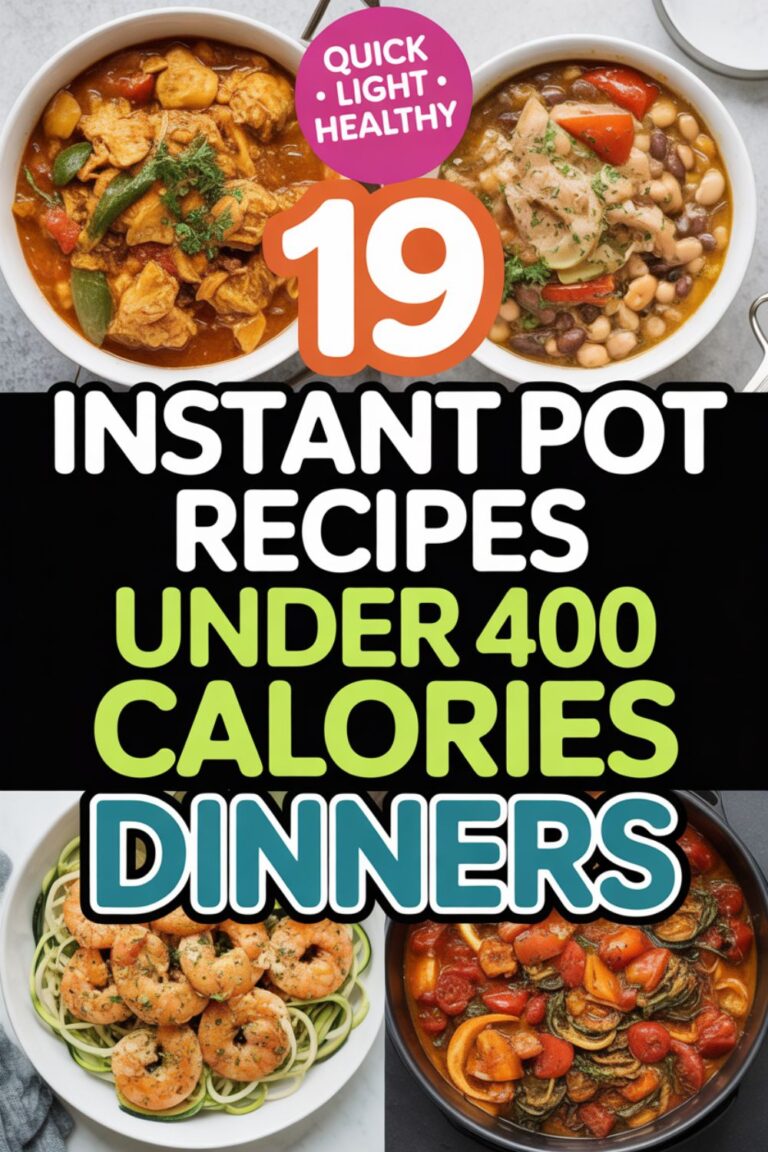
19 Instant Pot Recipes Under 400 Calories That Actually Taste Like Real Food
19 Instant Pot Recipes Under 400 Calories | FreshFeastCo FreshFeastCo | Pressure Cooker & Slow Cooker Recipes Healthy Instant Pot Cooking 19 Instant Pot Recipes Under 400 Calories That Actually Taste Like Real Food Big flavor, zero diet-food sadness — all from a single appliance and under 400 calories a serving. By FreshFeastCo Kitchen Updated…
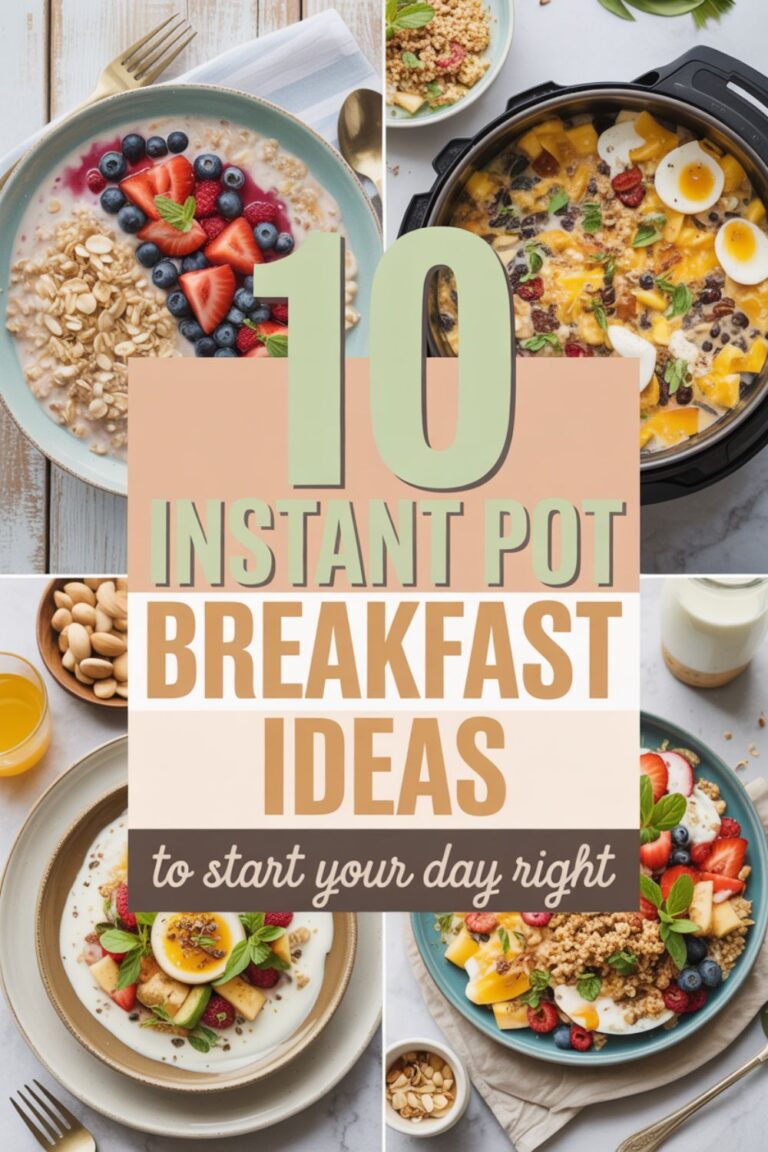
10 Instant Pot Breakfast Ideas to Start Your Day Right
10 Instant Pot Breakfast Ideas to Start Your Day Right 10 Instant Pot Breakfast Ideas to Start Your Day Right Look, I get it. Mornings are chaos. You’re hitting snooze for the third time, your kid’s asking for pancakes shaped like dinosaurs, and you’re pretty sure that coffee maker is judging you. But here’s the…
Eat 1200 Calories and Never Feel Hungry: 7-Day Meal Plan
Eat 1200 Calories and Never Feel Hungry: 7-Day Meal Plan Let’s be honest — when someone says “1200 calories,” your brain probably screams “starvation diet.” :/ I get it. I thought the same thing the first time I tried cutting back. But here’s the thing: eating 1200 calories a day doesn’t have to feel like…
7-Day Vegan Meal Plan That Will Make You Forget Meat Exists
7-Day Vegan Meal Plan That Will Make You Forget Meat Exists Let me be honest with you — I used to think vegan food was just sad salads and flavourless tofu. Then a friend basically dared me to try a full week of plant-based eating, and somewhere between a smoky black bean taco and a…