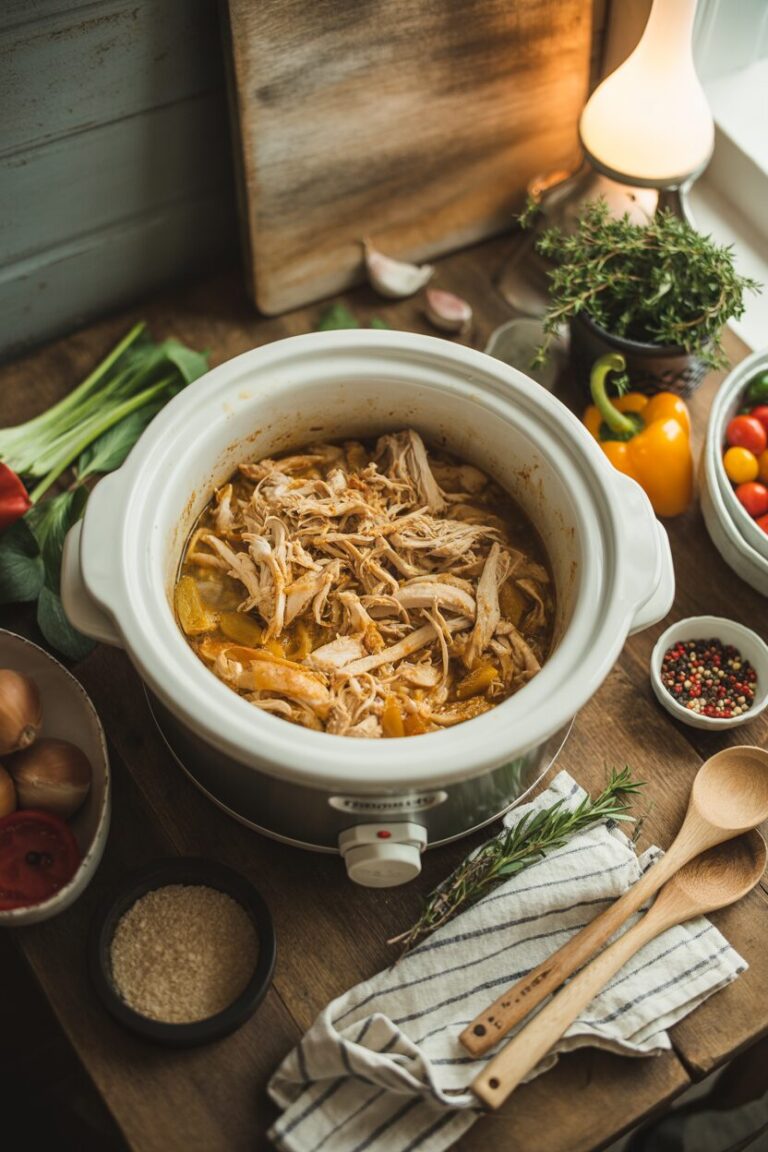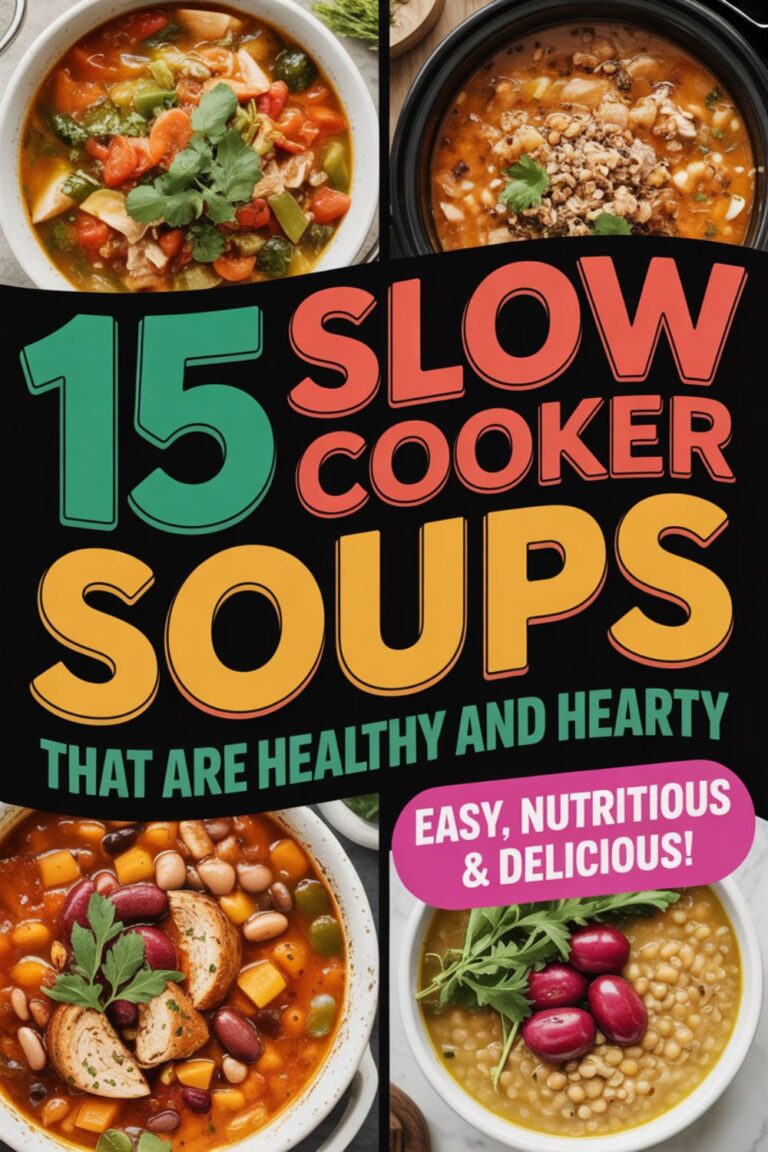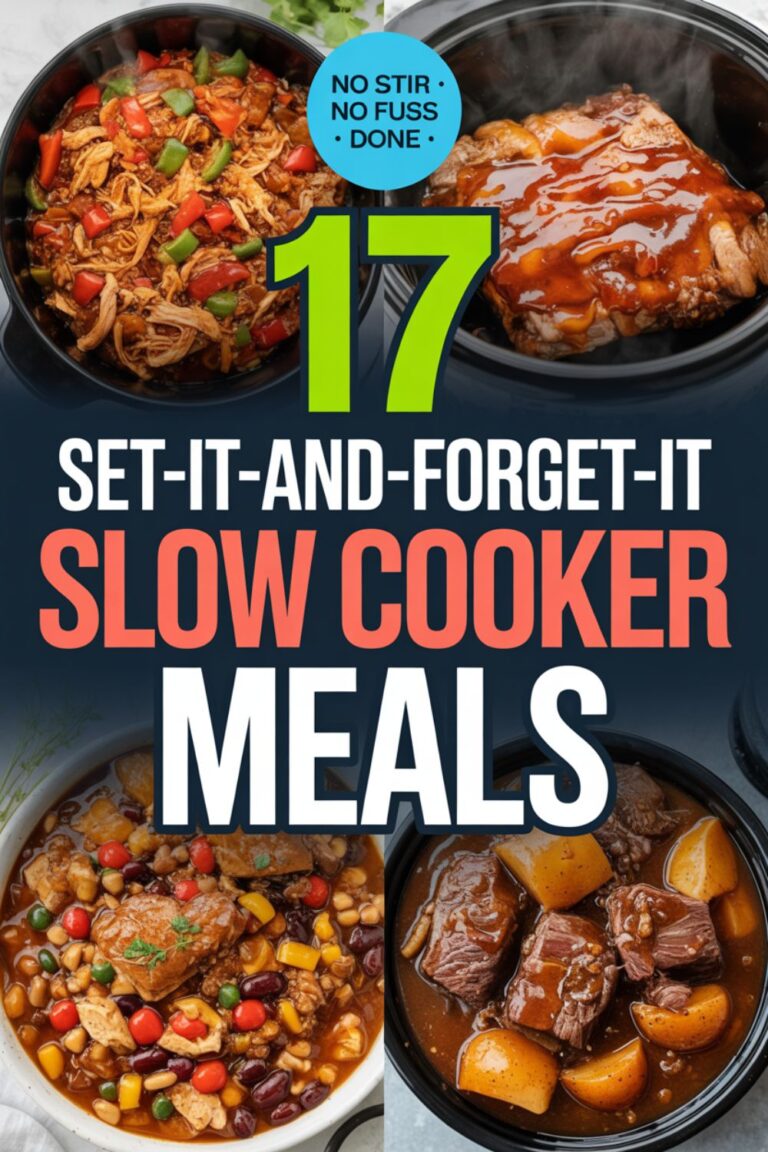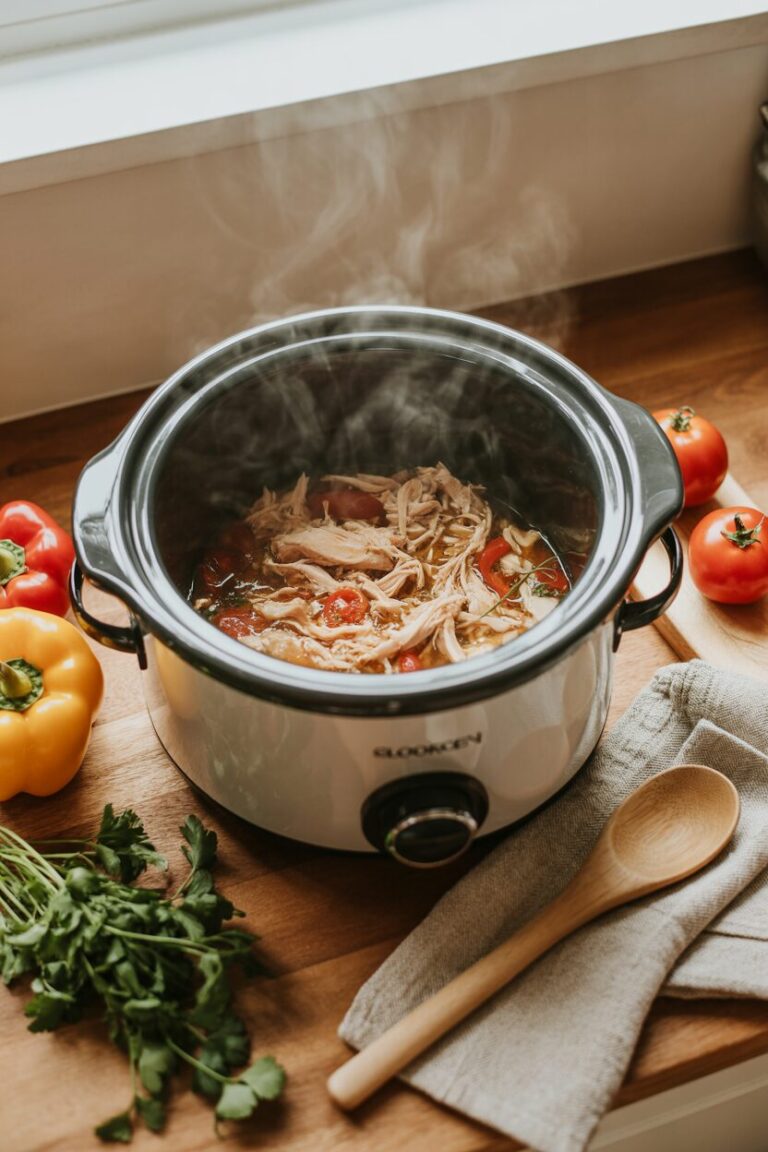
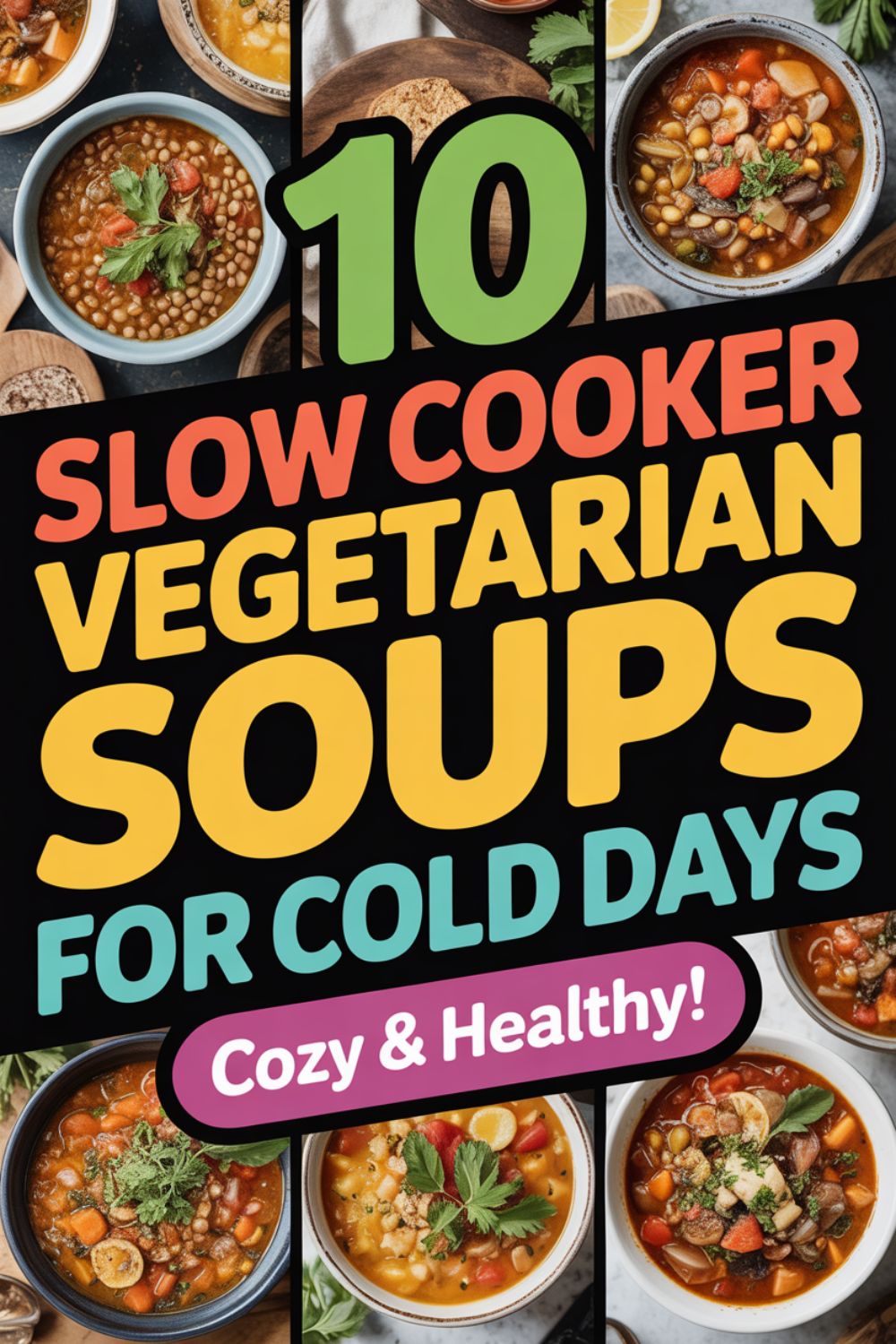
10 Slow Cooker Vegetarian Soups for Cold Days
Let me tell you something—there’s absolutely nothing like walking through the door after a brutal day to the smell of soup bubbling away in your slow cooker. It’s like a warm hug from your kitchen. And when you’re trying to eat more plants without sacrificing flavor or convenience? Vegetarian soups in a slow cooker are basically your new best friend.
I’ve always been a soup person, but I’ll admit I used to think vegetarian versions would leave me hungry an hour later. Boy, was I wrong. Research shows that soups made with vegetable-based broths provide essential vitamins, minerals, and nutrients while keeping calories low. Plus, the high vegetable intake is linked to reduced risk of weight gain and chronic diseases like heart disease and type 2 diabetes.
What makes slow cooker soups particularly genius is the whole “set it and forget it” thing. You dump everything in before work, and boom—dinner’s done when you get home. No babysitting the stove, no stirring every five minutes, just pure hands-off magic.
Why Slow Cookers Are Actually Brilliant for Vegetarian Soups
Here’s something most people don’t realize: slow cooking can actually increase the bioavailability of certain nutrients in vegetables. The low, steady heat breaks down cell walls in the plant matrix, making vitamins and antioxidants more accessible to your body. We’re talking about nutrients like vitamin A in carrots and sweet potatoes, and carotenoids like lutein in corn and spinach.
The best part? Because everything cooks in a sealed environment, you’re not losing nutrients to evaporation. They just dissolve into the broth, and you eat every bit of that goodness. Unlike boiling vegetables on the stovetop where half the vitamins literally go down the drain with the cooking water, slow cooker soups keep everything locked in.
I use my programmable 6-quart slow cooker for pretty much everything now. The timer function means I don’t have to worry about overcooking, and the ceramic insert is a breeze to clean—no more scrubbing burnt-on food from the bottom of pots.
The 10 Best Slow Cooker Vegetarian Soups That Actually Satisfy
1. Creamy Butternut Squash and White Bean Soup
This one’s my go-to when I need something that feels indulgent without the dairy guilt. The butternut squash breaks down into this silky, naturally sweet base that doesn’t need any cream. Toss in some white beans for protein, and you’ve got a soup that’ll keep you full for hours.
I cube the squash into 1-inch pieces, add cannellini beans, vegetable broth, sage, and a pinch of nutmeg. Eight hours on low, quick blitz with an immersion blender, and you’re golden. The silicone baking mat I use when roasting extra squash for garnish makes cleanup ridiculously easy—no oil, no scrubbing, just rinse and done.
For more inspiration on hands-off cooking methods, check out these slow cooker meals perfect for busy weeknights.
2. Moroccan-Spiced Lentil and Chickpea Soup
Lentils and slow cookers were made for each other. They soak up flavors like nobody’s business, and you don’t even have to soak them beforehand. This Moroccan version gets its depth from cumin, coriander, cinnamon, and a tiny bit of cayenne.
Red lentils work better here than green—they break down more, which thickens the soup naturally. Add chickpeas for texture contrast, diced tomatoes, and plenty of fresh cilantro at the end. The whole thing costs maybe five bucks and feeds six people. Can’t beat that math.
3. Italian Wedding Soup (Minus the Wedding)
Traditional Italian wedding soup has meatballs, but honestly? You don’t miss them when you load this up with tiny pasta, white beans, and enough greens to make Popeye jealous. Escarole is the classic choice, but kale or spinach work just as well.
Start with a good vegetable broth (I make mine in big batches and freeze it), add the beans and aromatics, then toss in the pasta and greens in the final 20 minutes. Get Full Recipe for a version that uses mini shell pasta—it catches all the soup in those little pockets, which is weirdly satisfying.
If you’re into one-pot cooking that actually works, these one-pot dinners might be your new obsession.
4. Thai Coconut Curry Vegetable Soup
This soup is what happens when comfort food meets vacation vibes. Coconut milk makes it creamy, red curry paste brings the heat, and a rainbow of vegetables turns it into an actual meal. I’m talking bell peppers, snap peas, bamboo shoots, and baby corn if you’re feeling fancy.
The trick is to not add the coconut milk until the last hour—otherwise it can separate and get weird. Same goes for the lime juice and fresh basil. Those bright, fresh flavors need to hit at the end to really sing. Serve it over rice, or just eat it straight from the bowl like I do when no one’s watching.
5. Loaded Veggie Minestrone
Minestrone is basically the kitchen sink of soups, which means you can throw in whatever vegetables are threatening to go bad in your crisper drawer. Zucchini, green beans, carrots, celery, tomatoes, beans—it all works.
The secret to really good minestrone is adding a parmesan rind if you have one lying around (vegetarians who eat cheese, this is for you). It adds this incredible umami depth that you just can’t get from vegetable broth alone. Fish it out before serving, obviously. Nobody wants to accidentally bite into that.
My set of glass storage containers makes it easy to portion out the leftovers—this soup actually gets better after a day or two in the fridge.
6. Smoky Black Bean and Sweet Potato Soup
Sweet potatoes in soup might sound weird if you’ve never tried it, but trust me on this one. They add natural sweetness that balances the earthy black beans, and the texture is perfect—not mushy, just tender. Smoked paprika is your friend here. It gives you that deep, smoky flavor without any actual meat.
I like to partially mash some of the beans and sweet potatoes at the end to thicken the soup, leaving some chunks for texture. Top it with avocado, a squeeze of lime, and maybe some crushed tortilla chips if you’re feeling it. Get Full Recipe for the version I make at least twice a month.
Speaking of satisfying vegetarian meals, don’t miss these winter soups that’ll warm you right up.
7. French Onion Soup for Vegetarians Who Feel Left Out
Real talk—French onion soup is usually made with beef broth, and vegetarians have been missing out for way too long. But a really good vegetable broth, lots of caramelized onions, and a splash of red wine? You’re not missing anything.
The slow cooker actually works perfectly for this because the onions basically caramelize themselves over the long cooking time. No standing at the stove stirring for an hour. Just slice your onions (I use a mandoline slicer to make quick work of it), add them to the slow cooker with a little butter or oil, and let them do their thing on low for a few hours before adding the broth and wine.
8. Spicy Peanut and Sweet Potato Soup
This West African-inspired soup is criminally underrated. The combination of peanut butter, sweet potatoes, and warming spices creates this rich, slightly sweet, totally addictive bowl of comfort. Ginger and a touch of cayenne keep things interesting.
Use natural peanut butter for this—not the super-processed stuff with added sugar. You want that pure peanut flavor. Add some chopped kale in the last 30 minutes for color and nutrition. The contrast between the creamy soup and the tender greens is chef’s kiss.
9. Classic Tomato Basil with Cannellini Beans
Sometimes you just want simple, you know? This soup is basically a hug in a bowl. Canned tomatoes (the good San Marzano ones if you can swing it), fresh basil, cannellini beans for protein, and a splash of balsamic vinegar to brighten everything up.
I blend about half of this soup to make it creamy while leaving some chunks for texture. Serve it with grilled cheese (if you’re feeling nostalgic) or just eat it with crusty bread for dipping. My enameled cast iron bread pot makes the best no-knead bread for this—minimal effort, maximum payoff.
For more ways to use your slow cooker creatively, these crockpot recipes are absolute game-changers.
10. Wild Rice and Mushroom Soup
This one’s for when you want something earthy and substantial. Wild rice takes forever to cook on the stovetop, but the slow cooker handles it like a boss. Mixed with mushrooms (I use whatever’s on sale—cremini, shiitake, portobello), it becomes this deeply savory situation.
The mushrooms release so much flavor during the long cooking time. Add some fresh thyme, a bay leaf, and maybe a splash of sherry if you’re feeling fancy. This soup is thick, stick-to-your-ribs satisfying, and perfect for those days when it’s absolutely miserable outside.
I sauté my mushrooms first in my large cast iron skillet to get some color on them—it adds another layer of flavor that you just can’t skip. Worth the extra five minutes, I promise.
Kitchen Tools That Make These Soups Even Easier
Look, I’m not going to tell you that you need a ton of fancy equipment to make great soup. But a few well-chosen tools can make the whole process less annoying and more enjoyable. Here’s what actually gets used in my kitchen:
- 6-Quart Programmable Slow Cooker – The timer function alone is worth it. No more overcooked mush when you’re stuck in traffic.
- Immersion Blender – Blend soups right in the pot without having to transfer hot liquid to a regular blender. Your future self will thank you.
- Airtight Glass Storage Containers – Because soup leftovers are lunch gold, and plastic containers get stained and gross.
- Meal Prep Sunday eBook – If you’re serious about getting ahead on prep work, this guide breaks it down into actually doable steps.
- Vegetarian Slow Cooker Recipes Collection – Over 100 recipes that actually work, not just theory.
- Freezer Meal Planning Template – Because making double batches and freezing half is the ultimate lazy genius move.
Making These Soups Work for Real Life
Here’s the thing about slow cooker soups—they’re only convenient if you actually remember to prep them. I’ve had plenty of mornings where I’ve looked at my slow cooker, looked at the clock, and just ordered takeout instead because the idea of chopping vegetables before 7 AM made me want to cry.
So do yourself a favor and prep your vegetables the night before. Chop everything, store it in containers or bags in the fridge, and in the morning you can literally just dump and go. Five minutes, max. Even on Monday mornings when your brain is barely functioning.
Another game-changer? Harvard Health points out that soups are naturally lower in calories while still being very filling, partly because of their high water content and volume. This makes them perfect for anyone trying to eat healthier without feeling deprived.
If you’re looking for more meal prep strategies, these meal prep recipes follow the same dump-and-go philosophy.
The Ingredients That Make or Break Vegetarian Soups
Let’s talk about the elephant in the room: vegetable broth. Not all broths are created equal, and some taste like hot sadness water. If you’re buying store-bought, look for ones with actual vegetables listed in the first few ingredients, not just salt and “natural flavors.”
Better yet, make your own. I know, I know—that sounds like extra work. But you can literally just save your vegetable scraps (onion peels, carrot tops, celery leaves) in a bag in the freezer, and when it’s full, simmer them with water and herbs for an hour. Strain, freeze in portions, done. Free broth that tastes infinitely better than the boxed stuff.
Beans are your protein powerhouse in these soups. Don’t skimp on them. Beans and legumes boost protein content significantly, which is crucial for feeling satisfied. I usually use canned because I’m lazy, but if you’re cooking dried beans, the slow cooker handles that too.
For the times when you want something even faster, check out these Instant Pot recipes that deliver similar results in a fraction of the time.
Why These Soups Are Perfect for Meal Prep
Most of these soups get better with time. The flavors meld together, the vegetables soften just a bit more, and everything becomes this cohesive, delicious thing. Which means they’re perfect for making on Sunday and eating throughout the week.
I typically make two different soups each week—one for lunches, one for dinners. That way I’m not eating the exact same thing five days in a row, which even I’ll admit gets old. Store them in individual portions if you have the containers, or just in a big batch and scoop out what you need.
FYI, most of these soups freeze beautifully. The only one I’d be careful with is anything coconut milk-based—it can separate when frozen and reheated, though it’s still edible, just not as pretty. Everything else? Freeze away. I use my set of freezer-safe containers to portion them out, and they stack perfectly in my tiny freezer.
Craving comfort food that doesn’t require much effort? These comfort food recipes are in the same wheelhouse.
The Nutritional Side of Things
One thing I love about these soups is that they’re naturally packed with nutrients without trying too hard. You’re getting fiber from the vegetables and beans, vitamins from all those colorful ingredients, and protein to keep you full. Studies show that high vegetable intake is associated with reduced risk of weight gain and chronic diseases.
The slow cooking method actually helps preserve and even enhance certain nutrients. Those fat-soluble vitamins like A and E become more bioavailable when heated gently over time. And because you’re eating the broth along with the vegetables, you’re not losing any water-soluble vitamins like C and the B vitamins that might leach out during cooking.
What I particularly appreciate is how these soups naturally help with portion control without making you feel deprived. The high water content means you can eat a big, satisfying bowl without consuming a ton of calories. It’s basically the opposite of those calorie-dense takeout meals that leave you hungry an hour later.
For more ideas on healthy eating without sacrificing flavor, explore these healthy slow cooker recipes.
Serving Suggestions That Actually Matter
Sure, you can just eat soup straight from the bowl. But a few simple additions can take these from “yeah, this is good” to “holy crap, I’m making this again tomorrow.” Fresh herbs are your friend here—cilantro, basil, parsley, or whatever you’ve got growing on your windowsill.
A squeeze of citrus at the end brightens everything up. Lime for the Thai and Mexican-inspired soups, lemon for the Mediterranean ones. It’s a small thing that makes a huge difference. IMO, this step is non-negotiable.
Toppings add texture and keep things interesting. Crushed tortilla chips, toasted nuts, seeds, crispy chickpeas, a dollop of yogurt, nutritional yeast if you’re vegan—whatever sounds good. I keep a variety of these in my pantry so I can switch things up throughout the week.
And obviously, bread. Good bread makes everything better. I’m not talking about sad sandwich bread—get yourself a crusty baguette or make some no-knead artisan bread in your Dutch oven. It takes five minutes of actual work, and the payoff is enormous.
Frequently Asked Questions
Can I prep these soups the night before?
Absolutely, and I’d actually recommend it. Chop all your vegetables, measure out your spices, and store everything in the fridge. In the morning, just dump it all in the slow cooker, add your liquid, and turn it on. The only exception is delicate greens like spinach—add those in the last 30 minutes of cooking instead of leaving them overnight.
Do vegetarian soups have enough protein to be a complete meal?
If you include beans, lentils, or other legumes, definitely yes. A single cup of cooked beans packs around 15 grams of protein, plus all that fiber keeps you full for hours. Pair your soup with whole grain bread or serve it over quinoa or rice if you want extra staying power.
How long do these soups last in the fridge?
Most of these will stay good for 4-5 days in an airtight container in the fridge. Some, like the lentil and bean soups, actually taste better after a day or two as the flavors continue to develop. If you want to keep them longer, freeze them in portions—they’ll last up to 3 months that way.
Can I use frozen vegetables instead of fresh?
Sure can, and sometimes I prefer it for the convenience. Just keep in mind that frozen veggies are already partially cooked, so they’ll need less time in the slow cooker. Add them in the last 2-3 hours of cooking to prevent them from turning to mush.
What’s the best way to reheat slow cooker soup?
Stovetop is always best—just heat it gently over medium-low heat, stirring occasionally. Microwave works in a pinch, but heat it in intervals and stir between each one to ensure it heats evenly. You might need to add a splash of broth or water when reheating since soups tend to thicken in the fridge.
The Bottom Line
Making vegetarian soups in a slow cooker isn’t rocket science, but it does require a slight shift in thinking. You’re letting time and low heat do most of the heavy lifting instead of standing over a hot stove. It’s a different approach, but once you get the hang of it, you’ll wonder why you didn’t start doing this years ago.
These ten soups cover pretty much every craving you might have—from creamy and comforting to spicy and exotic. They’re all flexible enough that you can swap ingredients based on what you have on hand or what’s on sale at the grocery store. No recipe is sacred; they’re just starting points.
The real magic happens when you make this a regular habit. Dedicate one evening a week to getting everything prepped, and suddenly you’ve got healthy, homemade meals waiting for you all week long. No more staring into the fridge at 7 PM wondering what to eat. No more expensive takeout that doesn’t even taste that good. Just real food that actually nourishes you.
So grab that slow cooker that’s been sitting in your cabinet collecting dust, pick a soup that sounds good, and give it a shot. Worst case scenario, you end up with a pot of edible soup. Best case? You’ve just found your new favorite cold-weather dinner strategy.