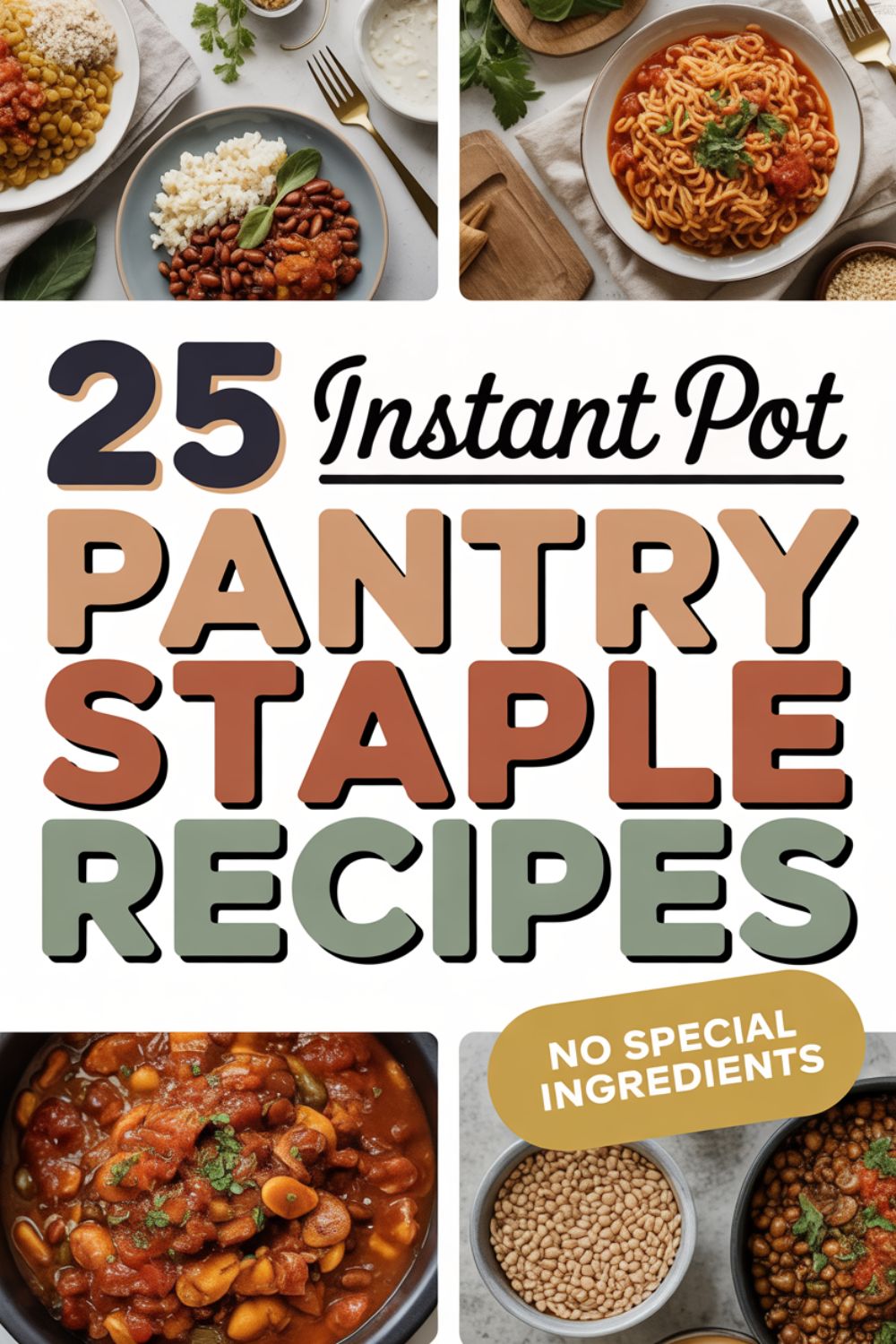
25 Instant Pot Recipes You Can Make with Pantry Staples
Look, I’m not here to tell you that your Instant Pot is going to solve all your dinner problems—but honestly? It’s pretty damn close. Between juggling work deadlines and trying to remember if I fed the dog today, the last thing I want to do is stand over a stove for an hour. That’s where my trusty pressure cooker and a well-stocked pantry become my secret weapons.
The beautiful thing about pantry staples is that they’re already sitting there, waiting. No last-minute grocery runs, no wilted vegetables mocking you from the crisper drawer. Just canned beans, dried pasta, rice, and a few spices ready to transform into something actually worth eating. And the best part? You probably already have most of this stuff.
Why Your Instant Pot Loves Pantry Staples
Here’s the thing about pressure cooking: it actually makes cheap ingredients taste expensive. Those dried beans you bought three months ago? Under pressure, they become creamy and tender without the overnight soak. That budget-friendly cut of meat? It turns fall-apart tender in a fraction of the time. Research shows that pressure cooking can actually preserve more nutrients than traditional cooking methods because of the shorter cook time.
The Instant Pot operates at around 240°F under high pressure, which is hot enough to cook food quickly but gentle enough to keep vitamins and minerals intact. According to nutrition experts, this method reduces nutrient loss compared to boiling or prolonged stovetop cooking. Plus, you’re not losing flavor through evaporation—everything stays locked in that pot.
💡 Pro Tip
Always keep your pantry organized by expiration date. Move older items to the front so you actually use them before they expire. I learned this the hard way after finding canned goods from 2019 lurking in the back.
The Essential Pantry Staples You Need
Before we dive into recipes, let’s talk about what you should actually keep stocked. These aren’t fancy ingredients from specialty stores—I’m talking about the basics that won’t break your budget.
Dried Grains and Legumes
Rice (both white and brown), dried beans (black, pinto, kidney), lentils, and pasta should be your foundation. Brown rice might take 45 minutes on the stove, but in the Instant Pot? Done in 22 minutes. I picked up this airtight container set to keep everything fresh, and it’s been a game-changer for organization.
Dried beans are criminally underrated. At about 12 cents per ounce, they’re way cheaper than canned and taste better too. Food Network notes that dried beans cook up to be about half to a third the price of canned. Just freeze extras in portions equivalent to a 15-ounce can for easy future use.
Canned Goods
Stock up on canned tomatoes (diced, crushed, and sauce), coconut milk, beans, corn, and broth. Always go for low-sodium or no-salt-added versions when possible—you can add salt, but you can’t take it away. I use this compact can opener because my old one broke mid-chili prep, and I’m still mildly traumatized.
Canned tomatoes are preserved at peak ripeness, making them better than sad winter tomatoes from the grocery store. Plus, at under $2 for a 28-ounce can, they’re one of the best budget ingredients you can buy.
Proteins
Dried beans are your budget-friendly protein, but canned tuna, salmon, and chicken are handy backup players. If you eat meat, cheaper cuts like chicken thighs and pork shoulder are perfect for pressure cooking because they become incredibly tender.
Oils, Vinegars, and Condiments
Olive oil, vegetable oil, soy sauce, vinegar (white and apple cider), and hot sauce are non-negotiables. These are what make your food actually taste like something instead of sad beige mush.
Spices and Seasonings
Garlic powder, onion powder, cumin, chili powder, paprika, Italian seasoning, salt, and black pepper. This is where flavor happens, people. I keep mine in magnetic spice jars on the side of my fridge because counter space is a myth in my kitchen.
25 Instant Pot Recipes You Can Make Right Now
Alright, enough theory—let’s get to the good stuff. These recipes use what you’ve already got sitting in your pantry, and they’re all legitimately delicious. No fancy ingredients, no specialty stores required.
1. Classic Bean Chili
This is the recipe that made me fall in love with my Instant Pot. Dried beans, canned tomatoes, chili powder, cumin, and onion create this thick, hearty chili that tastes like it simmered all day. Spoiler: it took 40 minutes. Get Full Recipe.
The secret is letting the pot naturally release pressure for at least 15 minutes. That extra time helps the flavors meld together in a way that quick release just can’t match.
2. One-Pot Pasta Marinara
Yeah, you can cook pasta directly in the Instant Pot with the sauce. Break your dried pasta in half, dump it in with canned crushed tomatoes, garlic, Italian seasoning, and a bit of water. Eight minutes later, you have dinner. Get Full Recipe.
Pro tip: Add a tablespoon of tomato paste for deeper flavor. I always keep a few tubes of tomato paste in my fridge because they last forever and elevate any tomato-based dish.
3. Spanish Rice with Black Beans
White rice, canned black beans, diced tomatoes, cumin, and garlic powder. This is my go-to when I need something fast and filling. It’s like a deconstructed burrito bowl without any of the effort. Get Full Recipe.
💡 Quick Win
Rinse your rice before cooking to remove excess starch. It prevents that gummy texture nobody wants. Takes 30 seconds, saves your dinner.
4. Creamy Coconut Lentil Curry
Red lentils, coconut milk, curry powder, canned tomatoes, and vegetable broth. This tastes way fancier than it has any right to be. The lentils break down and create this thick, luxurious texture that’s honestly addictive.
Lentils are packed with fiber and plant-based protein, making them one of the most nutritious pantry staples you can stock. They cook in about 15 minutes under pressure without needing to soak.
5. White Bean and Vegetable Soup
Canned white beans, vegetable broth, dried pasta, Italian seasoning, and any frozen vegetables you have lurking in your freezer. This is comfort food that happens to be accidentally healthy. For more warming options, check out these slow cooker soups.
6. Chickpea and Spinach Stew
Canned chickpeas, canned tomatoes, garlic, cumin, and frozen spinach. Serve it over rice or with crusty bread. This is one of those recipes where the sum is greater than its parts—simple ingredients that somehow taste complex.
Chickpeas are loaded with protein and fiber, plus they have this satisfying, almost meaty texture when cooked right. I always keep several cans of low-sodium chickpeas on hand.
7. Mexican Rice and Corn
Rice, canned corn, salsa (which I count as a condiment), cumin, and chili powder. Mix it all together, pressure cook, and you’ve got a side dish that could honestly be dinner on its own.
8. Basic Black Beans from Scratch
Just dried black beans, water, salt, cumin, and bay leaves. These are better than any canned beans you’ve ever had, and you can make a huge batch to freeze. They’re perfect in tacos, burritos, or just eaten with a spoon like a functional adult.
9. Tomato Basil Pasta
Pasta, canned diced tomatoes, dried basil, garlic powder, and a touch of sugar to balance the acidity. Simple, classic, and it costs about $3 to make enough for four people.
If you’re into pressure cooker meals, you’ll definitely want to explore these life-changing Instant Pot recipes that go beyond basic pantry meals.
10. Split Pea Soup
Dried split peas, vegetable broth, carrots (if you have them, but frozen work fine), onion powder, and thyme. This gets thick and creamy without any dairy, which is kind of magical.
💡 Pro Tip
Split peas don’t need soaking, but give them a quick rinse to remove any debris. Nothing ruins soup faster than biting into a tiny rock. Yes, I speak from experience.
11. Pinto Bean Refried Beans
Dried pinto beans cooked with cumin and garlic, then mashed with a potato masher. Way better than the canned stuff, and you can control the consistency. I use this sturdy potato masher for everything from beans to avocados.
12. Vegetarian Chili Mac
Pasta, canned kidney beans, tomato sauce, chili powder, and cumin. It’s basically chili and mac and cheese had a baby, and that baby is delicious. My nephew, who claims to hate beans, ate three bowls of this.
13. Lemon Garlic Rice
White rice, vegetable broth instead of water, garlic powder, and a squeeze of lemon juice (or bottled lemon juice because we’re being realistic here). This is how you make plain rice interesting.
14. Three-Bean Medley
Canned black beans, kidney beans, and cannellini beans with diced tomatoes and cumin. This is technically a side dish but substantial enough to be a main if you’re going meatless. Looking for more one-pot wonders? These 30-minute dinners are perfect for busy nights.
15. Garlic and Herb Pasta
Pasta, olive oil, garlic powder (or fresh if you’re fancy), Italian seasoning, and vegetable broth. It’s like aglio e olio but you don’t have to watch it constantly. The pasta absorbs all that garlicky goodness.
16. Curried Rice and Lentils
Rice, red lentils, curry powder, coconut milk, and vegetable broth. This is what I make when I want something that feels exotic but requires zero effort. The curry powder does all the heavy lifting flavor-wise.
Speaking of comfort food made easy, you might love these comfort food classics that are perfectly suited for pressure cooking.
17. Minestrone with Pantry Vegetables
Canned tomatoes, dried pasta, white beans, vegetable broth, and whatever dried herbs you have. Technically minestrone should have fresh vegetables, but the canned and dried versions still taste great. It’s peasant food in the best possible way.
18. Simple Kidney Bean Curry
Canned kidney beans, coconut milk, curry powder, and canned diced tomatoes. Serve over rice. This is the kind of meal that makes people think you’re a better cook than you actually are.
19. Spaghetti with White Beans
Spaghetti, canned white beans, garlic, olive oil, and red pepper flakes if you like heat. It’s an Italian thing, and it works. The starchy pasta water combines with the olive oil to create this light, coating sauce.
20. Coconut Rice
Rice cooked in coconut milk instead of water, with a pinch of salt and sugar. This transforms boring rice into something you’d order at a Thai restaurant. Pair it with any of the bean dishes for a complete meal.
I invested in this rice paddle after realizing wooden spoons were destroying my Instant Pot’s non-stick coating. Small upgrade, big difference.
21. Tomato Lentil Soup
Brown or green lentils, canned crushed tomatoes, vegetable broth, cumin, and bay leaves. This is thick, hearty, and somehow tastes even better the next day. Make a big batch for meal prep.
💡 Quick Win
Always have vegetable or chicken broth on hand instead of just using water. The flavor difference is massive, and boxes of broth are shelf-stable for months.
22. Mexican Quinoa Bowl Base
Quinoa, black beans, corn, salsa, and cumin. This is technically a complete protein because quinoa plus beans equals all the amino acids. Also, it’s delicious, so there’s that. For more meal prep inspiration, check out these weekly meal prep recipes.
23. Cannellini Bean and Tomato Stew
Canned cannellini beans, canned tomatoes, garlic powder, Italian seasoning, and vegetable broth. This is what I make when I want something comforting but don’t want to try. It’s basically Italian peasant stew, and it’s perfect with crusty bread.
24. Spiced Rice Pilaf
Rice, vegetable broth, cumin, turmeric, and cinnamon. The spices turn ordinary rice into something with actual personality. This is excellent under any bean dish or curry.
25. Pantry Pasta e Fagioli
Small pasta, canned white beans, canned tomatoes, Italian seasoning, and broth. This is the Italian version of “I have no idea what to make for dinner.” It’s basically pasta and bean soup, and it’s criminally underrated.
For even more variety in your Instant Pot repertoire, explore these crowd-pleasing recipes that work beautifully in pressure cookers too.
Kitchen Tools That Actually Make Life Easier
After years of cooking with an Instant Pot, I’ve figured out which tools are worth the counter space and which are just taking up room. Here’s what I actually reach for on a regular basis—no fluff, just honest recommendations.
Physical Products
Instant Pot Tempered Glass Lid – This changed everything for me. Use it when slow cooking or just keeping food warm without building pressure. Way more convenient than the regular lid for everyday use, and you can actually see what’s happening inside.
Silicone Mitts with Non-Slip Grip – Your regular oven mitts are too bulky for grabbing the hot inner pot. I burned myself twice before getting these. They’re thin enough to have control but insulated enough to protect your hands. Total game-changer.
Stackable Stainless Steel Steamer Basket Set – Perfect for making rice on the bottom and steaming vegetables on top simultaneously. The stackable design means you can cook complete meals in layers. I use this at least three times a week.
Digital Resources
Instant Pot Cooking Time Guide (Digital Download) – This printable chart lives on my fridge. It tells you exactly how long to cook everything from frozen chicken to dried beans. No more guessing or frantically googling with floury hands.
Pressure Cooking Recipe Collection eBook – 100+ tested recipes organized by cooking time. I reference this when I need dinner ideas that work with what’s already in my pantry. Way more useful than random Pinterest recipes that may or may not actually work.
Meal Planning Template for Pressure Cooker Meals – Makes it easier to plan your week around what you can batch cook. Includes grocery lists organized by store sections. Saves me at least an hour every Sunday just by streamlining the planning process.
Tips for Successful Pantry-Based Instant Pot Cooking
Learn the Liquid Rules
Your Instant Pot needs liquid to build pressure—usually at least 1 cup, though some recipes need more. This isn’t regular stovetop cooking where liquid evaporates. What you put in stays in, so adjust accordingly.
I learned this the hard way when I tried to cook rice with my usual stovetop ratio and ended up with rice soup. Not ideal. Now I follow tested recipes until I understand the patterns.
Natural Release Versus Quick Release
Natural release means letting the pressure come down on its own, which takes 10-20 minutes. Quick release means manually venting steam immediately. Natural release is better for beans, grains, and anything with lots of liquid. Quick release works for vegetables and pasta.
Never, and I mean never, quick release anything with foam-producing ingredients like beans or oatmeal unless you enjoy cleaning tomato sauce off your ceiling. Trust me on this one.
Adjust Seasoning at the End
Pressure cooking can mute flavors, so always taste and adjust seasoning after cooking. I usually add an extra pinch of salt and some acid (lemon juice or vinegar) to brighten things up. It makes a surprising difference.
Layer Ingredients Correctly
Dense items like potatoes and carrots go on the bottom where the heat is most intense. Delicate items like leafy greens can be stirred in after pressure cooking. Pasta should go in last with liquid on top to prevent sticking.
Don’t Overfill
Never fill your Instant Pot more than two-thirds full, or half full for foods that expand like rice and beans. Overfilling can clog the pressure valve and prevent proper pressure building. It’s also a safety issue.
For more straightforward recipes that teach you these principles through practice, try these beginner-friendly recipes first.
The Real Talk About Pantry Cooking
Look, pantry cooking isn’t always glamorous. You’re not going to impress anyone on Instagram with a bowl of beans and rice. But you know what? That bowl of beans and rice costs about $1.50 to make, takes 30 minutes of actual attention, and provides solid nutrition. Sometimes practical beats pretty.
The best part about mastering pantry staples is the freedom it gives you. No more panic when you realize it’s 6 PM and you have no dinner plan. No more expensive last-minute takeout. Just open your pantry, pick a few ingredients, and let your Instant Pot do the work.
I’ve been cooking this way for three years now, and my grocery bills have dropped significantly. I waste less food because I’m not buying fresh ingredients that go bad before I use them. And honestly? I eat better because I’m actually cooking instead of grabbing whatever’s convenient.
According to nutrition research, pressure cooking can even reduce anti-nutrients like phytates and lectins more effectively than other cooking methods. In one study, pressure-cooked peas had 54% less phytic acid compared to just 29% reduction from boiling. So you’re not just saving time and money—you’re actually making your food more digestible and nutritious.
💡 Community Feedback
Sarah from our reader community started batch-cooking pantry-based Instant Pot meals every Sunday. She reports saving over $200 a month on groceries and takeout, plus she’s lost 12 pounds without really trying—just from eating real food instead of processed convenience meals.
Making Your Pantry Work Harder
The secret to successful pantry cooking is variety in your basics. Don’t just buy one type of bean—get black, pinto, and kidney. Stock both white and brown rice. Keep multiple shapes of pasta because they actually do work differently in recipes.
Also, invest in your spice collection gradually. You don’t need to buy everything at once, but every time you grocery shop, grab one new spice or dried herb. Within a few months, you’ll have a solid collection that makes basic ingredients taste completely different depending on what you season them with.
Speaking of variety, these beef recipes and chicken recipes show how the same pressure cooking technique works with different proteins when you want to expand beyond vegetarian pantry meals.
The Budget Reality Check
Let’s talk money for a second. A bag of dried beans costs about $1.50 and makes the equivalent of five cans of beans. Dried pasta is cheaper per serving than boxed mac and cheese. Rice, when bought in bulk, costs pennies per serving.
I tracked my spending for a month when I focused on pantry-based Instant Pot cooking. My grocery bill dropped from $180 per week to about $110, and that included buying better quality items like olive oil and fancy spices. The savings add up fast.
The average American household wastes about $1,800 worth of food per year, according to various studies. When you cook with shelf-stable pantry items, that waste basically disappears. You’re not throwing away moldy vegetables or expired dairy products. Everything lasts for months or even years.
When Pantry Staples Need a Friend
IMO, the best pantry meals include one or two fresh elements to brighten things up. A handful of frozen spinach, a diced onion, some minced garlic—these small additions don’t require much planning but make a big impact.
I keep frozen vegetables, fresh onions, and garlic on hand basically at all times. Onions and garlic last for weeks, and frozen vegetables are just as nutritious as fresh because they’re flash-frozen at peak ripeness. These small fresh touches transform pantry meals from good to actually great.
If you find yourself wanting more complete meal solutions, check out these healthy dinner ideas that balance pantry staples with fresh ingredients thoughtfully.
Troubleshooting Common Issues
Burn Notice
If you get the dreaded “burn” notice, it usually means there’s not enough liquid or something is stuck to the bottom. For pasta dishes, always add liquid on top of the pasta, never under it. And give the pot a quick stir before locking the lid.
Undercooked Food
If your food is consistently undercooked, your sealing ring might be old and not creating proper pressure. Replace it annually, or sooner if it’s cracked or worn. I keep spare sealing rings on hand because they’re cheap insurance against cooking failures.
Watery Results
Remember, almost no liquid evaporates during pressure cooking. If your dish is too watery, use the sauté function with the lid off to reduce and thicken. This works great for chilis, curries, and stews.
Bland Food
This is a seasoning issue, not a pressure cooking issue. Always taste and adjust at the end. Add salt, acid (lemon juice or vinegar), or fresh herbs. These final touches make the difference between edible and delicious.
Frequently Asked Questions
Can I cook dried beans without soaking in the Instant Pot?
Absolutely, and this is one of the Instant Pot’s superpowers. Most dried beans cook perfectly in 25-35 minutes under pressure without any soaking. Just add an extra 5-10 minutes to the cooking time compared to soaked beans. The texture is slightly firmer, but honestly, I rarely soak beans anymore because the difference is minimal. Just make sure to add enough liquid and do a natural pressure release to prevent the beans from splitting.
How long do pantry staples actually last?
Dried beans, rice, and pasta last for years when stored properly in airtight containers away from moisture and pests. Canned goods are typically good for 2-5 years past their “best by” date if the cans aren’t damaged. Spices lose potency after about a year but won’t hurt you—they just become less flavorful. I replace ground spices annually and whole spices every two years. Label everything with purchase dates so you know what to use first.
What’s the minimum liquid needed for the Instant Pot to work?
You need at least 1 cup of thin liquid (water, broth, tomato sauce) for your Instant Pot to come to pressure. Some larger models might need 1.5 cups. This liquid creates the steam that builds pressure. Keep in mind that ingredients like canned tomatoes and coconut milk count toward this liquid requirement. If you’re getting the “burn” notice, it usually means there’s not enough liquid reaching the bottom of the pot.
Can I double recipes in my Instant Pot?
You can, but with caveats. Never fill the pot more than two-thirds full for most recipes, or half full for expanding foods like rice and beans. Doubling the ingredients doesn’t mean doubling the cooking time—the time under pressure stays the same. However, it will take longer to come to pressure and release pressure naturally because there’s more volume to heat and cool. Just be mindful of the max fill line and you’ll be fine.
Why do my Instant Pot meals sometimes taste bland?
Pressure cooking can mute flavors because nothing evaporates or concentrates like it does with stovetop cooking. The fix is simple: season more aggressively than you think you need to, and always adjust seasoning after cooking. I taste everything before serving and usually add salt, a squeeze of lemon or splash of vinegar, and fresh herbs if I have them. That final adjustment makes a massive difference in the finished dish. Also, blooming spices in oil using the sauté function before pressure cooking helps develop deeper flavor.
The Bottom Line on Pantry Instant Pot Cooking
Here’s what it comes down to: your pantry is basically a potential dinner party, and your Instant Pot is the DJ. With the right staples on hand and a basic understanding of pressure cooking principles, you can make genuinely good food without much planning or expense.
This isn’t about deprivation or extreme frugality. It’s about being smart with your resources and your time. It’s about having the confidence to look at a can of beans and a bag of rice and know you can turn them into something your family will actually eat—maybe even enjoy.
Start with one or two recipes from this list. Get comfortable with how your Instant Pot behaves with pantry ingredients. Then branch out. Before you know it, you’ll be improvising your own combinations based on what you have on hand. That’s when cooking stops being a chore and starts being actually kinda fun.
And remember—every meal doesn’t have to be Instagram-worthy. Sometimes it’s enough that it’s homemade, nutritious, and didn’t require a second mortgage to prepare. Your Instant Pot and your pantry have your back on this one.