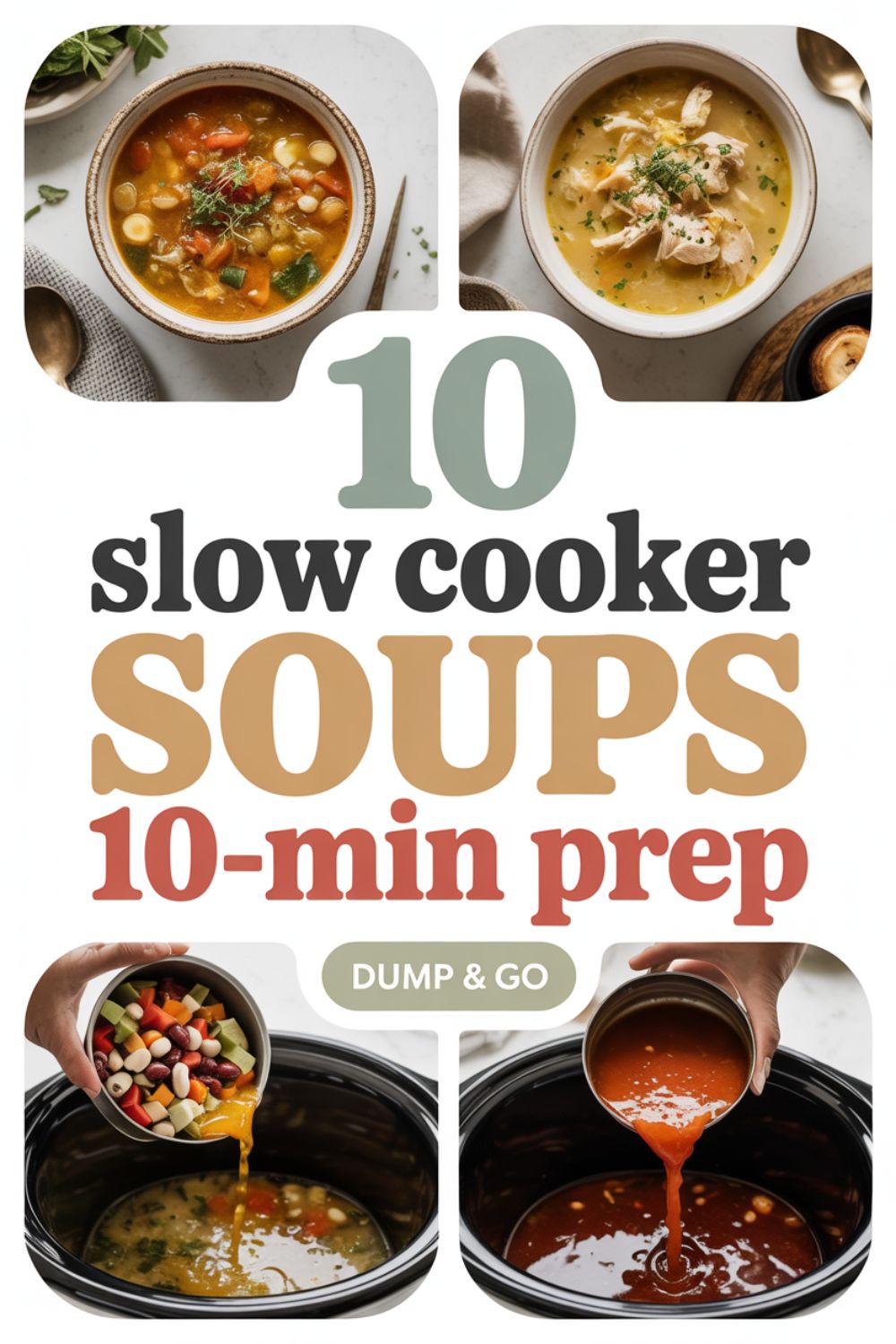
10 Slow Cooker Soups You Can Prep in 10 Minutes
Let me be honest with you—I’m not a morning person. The idea of waking up early to chop vegetables and brown meat before work sounds about as appealing as a root canal. But here’s the thing: I absolutely love coming home to a house that smells like dinner’s already done. That’s the magic of slow cooker soups, and I’m about to share ten recipes that’ll change your weeknight game without requiring you to be a culinary genius or sacrifice your precious sleep.
These aren’t your grandma’s complicated soup recipes that require seventeen ingredients and half a day of prep. We’re talking dump-and-go simplicity here. Ten minutes of morning effort, and you’re rewarded with eight hours of your slow cooker doing all the heavy lifting. Sounds like a fair trade to me.
Why Slow Cooker Soups Actually Make Sense
Before we jump into the recipes, let’s talk about why slow cookers are basically the MVP of busy weeknight cooking. According to Harvard Medical School’s nutrition experts, soups are a fantastic way to increase your vegetable intake and pack in nutrients. The slow cooking method helps retain vitamins and minerals while making those tougher cuts of meat incredibly tender.
Plus, the USDA confirms that slow cookers are safe when used properly—the combination of direct heat, lengthy cooking time, and steam destroys bacteria effectively. Just remember to keep everything refrigerated until you’re ready to prep, and never use frozen meat directly in your slow cooker.
Prep your veggies Sunday night and store them in the fridge. Future you will be eternally grateful when Monday morning rolls around.
The Bare Essentials You’ll Need
Listen, you don’t need a fancy kitchen to make incredible slow cooker soups. But having a few key tools makes the process ridiculously easier. I learned this the hard way after spending way too long trying to chop onions with a dull knife at 6 AM—not my finest moment.
First up, you obviously need a decent slow cooker. I’ve been using this 6-quart programmable model for years, and it’s survived everything from chili experiments gone wrong to my attempts at Thai curry soup. The programmable timer is clutch because you can set it and literally forget about it.
A good chef’s knife is non-negotiable. Trying to chop vegetables with a dull blade is not only frustrating but also dangerous. Trust me on this one. And while we’re talking cutting, grab these color-coded cutting boards—one for meat, one for veggies. Cross-contamination is real, folks.
For storage, glass meal prep containers are worth every penny. Soup freezes beautifully, and these stack like a dream in your freezer. Speaking of which, I also love silicone freezer bags for portioning out single servings—way better than wrestling with those flimsy plastic ones that always seem to leak.
1. Classic Chicken Noodle (But Make It Fancy)
You can’t have a soup roundup without chicken noodle, right? This version takes about eight minutes to prep, assuming you’re using a rotisserie chicken from the grocery store. Just shred it, toss it in with some carrots, celery, onions, and chicken broth. Add your noodles in the last 30 minutes of cooking so they don’t turn to mush.
The secret ingredient? A squeeze of lemon juice right before serving. Sounds weird, tastes amazing. It brightens everything up and makes it taste way more restaurant-quality than it has any right to be. If you’re feeling adventurous, Get Full Recipe for my version with fresh herbs and a hint of white wine.
For more inspiration on quick slow cooker meals, check out these 30 slow cooker meals for busy weeknights.
2. Loaded Baked Potato Soup
This one’s dangerous because it tastes like comfort food but requires minimal effort. Dice up some potatoes (I don’t even peel them—why waste time?), add chicken broth, garlic, and onions. Let it cook until the potatoes are fall-apart tender, then blend half of it for that creamy texture.
Top it with cheese, bacon bits, sour cream, and green onions. It’s basically a loaded baked potato in soup form, and yes, it’s as good as it sounds. The whole prep takes maybe nine minutes if you’re using pre-cooked bacon crumbles—no judgment here, we’re all about efficiency.
Blend your soup right in the pot using an immersion blender. Life-changing. No more dangerous transfers of hot liquid to a regular blender.
3. Tuscan White Bean and Sausage
This soup screams rustic Italian comfort. Brown some Italian sausage (takes five minutes, tops), toss it in the slow cooker with canned white beans, diced tomatoes, chicken broth, and a bunch of kale. The kale wilts down beautifully and adds that nutritional punch.
Fun fact: according to research published in scientific journals on vegetable soups, the combination of legumes and leafy greens in soups provides an excellent source of dietary fiber, vitamins, and bioactive compounds. So yeah, you’re basically eating health food. That counts, right?
The beans make this incredibly filling, and the sausage adds that savory depth that makes you go back for seconds. Get Full Recipe for my version with a secret parmesan rind trick that adds crazy umami flavor.
4. Beef and Barley That’ll Warm Your Soul
There’s something deeply satisfying about beef and barley soup. It’s hearty, it’s filling, and it makes you feel like you have your life together—even if you’re eating it in your pajamas at 7 PM on a Tuesday.
Cut up some stew meat (or cheat and buy it pre-cut), throw in pearl barley, carrots, celery, onions, beef broth, and a splash of Worcestershire sauce. That’s it. The barley gets tender and slightly chewy, and the beef just melts in your mouth after eight hours of slow cooking.
I like to use this Dutch oven to quickly sear the beef first—it adds a depth of flavor that’s worth the extra three minutes. But honestly? If you’re pressed for time, skip it. The soup will still be fantastic.
“I made this last week and my kids actually asked for seconds. That literally never happens with soup. Game changer.” – Sarah M., community member
5. Taco Soup (Yes, Really)
Don’t knock it until you’ve tried it. Taco soup is basically all your favorite taco fillings in liquid form, and it’s ridiculously easy. Ground beef or turkey, canned beans (I use black and pinto), corn, diced tomatoes, taco seasoning, and broth. Done.
The best part? You can top it with all the usual taco fixings—cheese, sour cream, crushed tortilla chips, avocado, whatever you’re feeling. It’s like build-your-own-tacos but in soup form, and it’s perfect for feeding a crowd or meal prepping for the week.
Speaking of taco night, you might also want to explore these 25 Instant Pot recipes for even more quick dinner ideas.
6. Coconut Curry Lentil Soup
Let me introduce you to my favorite weeknight soup when I want something a little different. Red lentils, coconut milk, curry powder, diced tomatoes, and vegetable broth. That’s your base. Add whatever vegetables you have lying around—sweet potatoes, spinach, bell peppers.
The lentils break down and create this naturally creamy texture, and the coconut milk adds richness without being heavy. Plus, lentils are packed with protein and fiber, so this is actually a complete meal in a bowl. Serve it over rice if you’re extra hungry, or just eat it straight up with some naan bread.
Pro move: I keep these curry paste packets in my pantry because they’re more flavorful than curry powder and just as convenient. Just squeeze one in and you’re golden.
Looking for more ways to incorporate beans and lentils into your meals? These healthy slow cooker recipes have some fantastic plant-based options.
7. Minestrone That Actually Tastes Good
I know minestrone has a reputation for being that boring vegetable soup your mom made you eat, but hear me out. When you make it in a slow cooker with the right seasonings, it’s actually incredible.
The trick is using good-quality canned tomatoes and adding a parmesan rind while it cooks. The rind infuses the broth with this savory, umami-rich flavor that elevates everything. Add whatever vegetables you want—zucchini, carrots, green beans, celery—plus some small pasta shapes and white beans.
I like to finish it with fresh basil and a drizzle of good olive oil. Suddenly, that boring childhood soup becomes something you’d actually order at a restaurant. Get Full Recipe for my grandmother’s secret seasoning blend.
Save your parmesan rinds in the freezer. They’re flavor gold for soups and sauces. Seriously, start hoarding them now.
8. Butternut Squash and Apple Soup
This one’s for when you want to feel fancy without actually doing fancy things. Pre-cut butternut squash (thank you, grocery store prep departments), an apple or two, some onions, and vegetable broth. Season with sage, thyme, and a pinch of nutmeg.
After it cooks, blend it until smooth and silky. The result is this gorgeous, orange, slightly sweet soup that tastes way more complicated than it is. I like to top mine with toasted pumpkin seeds and a swirl of cream—makes it Instagram-worthy if you’re into that sort of thing.
The natural sweetness from the squash and apple means you don’t need to add any sugar, and the combination provides tons of vitamin A and fiber. Your immune system will thank you, especially during cold season.
9. Tom Kha Gai (Thai Coconut Chicken Soup)
Okay, this one sounds intimidating, but it’s honestly not. You need coconut milk, chicken broth, lemongrass (or lemongrass paste—I’m not judging), ginger, fish sauce, lime juice, chicken, and mushrooms. The flavor profile is complex, but the prep is stupid simple.
Just dump everything in, let it cook, and boom—you have restaurant-quality Thai soup at home. I usually buy this Thai curry paste that has most of the aromatics already blended, which cuts down on prep time significantly.
The coconut milk makes it creamy, the lime juice adds brightness, and the fish sauce brings that savory umami depth. It’s the kind of soup that makes people think you’re a way better cook than you actually are. I won’t tell if you don’t.
For even more Asian-inspired slow cooker dishes, check out these quick soup recipes.
10. Split Pea and Ham (The Ultimate Leftover Soup)
Got a ham bone leftover from Sunday dinner? This is your soup. Split peas, that ham bone, carrots, celery, onions, and broth. That’s literally it. The ham bone infuses the entire pot with smoky, porky goodness, and the split peas break down into this thick, creamy consistency without any cream.
This is old-school comfort food at its finest. It’s the kind of soup that sticks to your ribs and makes you feel warm from the inside out. Plus, it’s ridiculously cheap to make—split peas cost next to nothing, and you’re using a leftover ham bone that you would’ve thrown away anyway.
No ham bone? No problem. Just dice up some leftover ham or use pre-cooked ham chunks from the grocery store. The soup police won’t come after you, I promise.
If you’re into maximizing leftovers, you’ll love these slow cooker recipes designed for busy schedules.
Kitchen Tools That Make Soup Life Easier
The workhorse of your soup operation. Programmable timer, automatic keep-warm function, and dishwasher-safe insert. This thing has survived years of heavy use in my kitchen.
Blend soups right in the pot without the dangerous transfer to a regular blender. Also comes with a whisk attachment and a mini food processor that’s perfect for chopping herbs.
Stackable, freezer-safe, and microwave-safe. These have completely changed my meal prep game. No more mystery stains or weird plastic taste.
Digital cookbook with 100+ tested slow cooker recipes, including seasonal variations and dietary modifications. Includes a meal planning worksheet and shopping list templates.
Online course covering batch cooking techniques, proper freezing methods, and flavor-building strategies. Includes printable prep schedules and recipe cards.
Digital download with cooking time conversions, ingredient substitution guides, and troubleshooting flowcharts. Perfect for adapting regular recipes to slow cooker methods.
Making Your Soup Even Better
Here’s the thing about soup—it’s incredibly forgiving. You can tweak recipes, substitute ingredients, and generally mess around with stuff without ruining it. That said, I’ve learned a few tricks over the years that consistently make my soups better.
Layer your flavors. Don’t just dump everything in at once. If you have an extra five minutes, sauté your onions and garlic first. It makes a real difference. Brown your meat. Toast your spices. These little steps add depth that you can actually taste.
Don’t skip the acid. Most soups benefit from a splash of something acidic at the end—lemon juice, lime juice, vinegar, whatever. It brightens everything up and makes the flavors pop. I learned this from a chef friend, and it’s legitimately changed my soup game.
Season as you go. Add salt and pepper at different stages of cooking, not just at the end. Your vegetables need seasoning. Your broth needs seasoning. Everything needs seasoning. This is how you build complex flavor instead of flat, boring soup.
According to Harvard nutritionists, incorporating vegetables and whole grains into soups significantly boosts fiber content and provides heart-protecting nutrients. So when you’re adding those extra veggies, you’re not just making it tastier—you’re making it healthier too.
The Freezer Is Your Friend
Real talk: most of these soups freeze beautifully. I usually make double batches and freeze half for those nights when even throwing ingredients into a slow cooker sounds like too much effort.
The key to freezing soup is letting it cool completely before portioning it out. Hot soup + freezer = disaster. I portion mine into those silicone freezer bags I mentioned earlier—they lay flat for easy stacking and thaw quickly.
Some soups freeze better than others, though. Cream-based soups can get weird and grainy when frozen (though you can usually fix this by whisking in some fresh cream when reheating). Soups with pasta can get mushy—I usually add cooked pasta fresh when I reheat instead.
But broth-based soups? Bean soups? Meat and vegetable soups? Those freeze like champions. Three months in the freezer, and they taste just as good as the day you made them.
“I started batch-making these soups three months ago and I’ve lost 15 pounds without even trying. Having healthy meals ready to go has been a total game-changer for my eating habits.” – Jennifer K., community member
Troubleshooting Common Soup Fails
Let’s address the elephant in the room—sometimes soup goes wrong. I’ve made every mistake in the book, so learn from my pain.
Soup too thin? Mix a tablespoon of cornstarch with cold water, then stir it into your soup during the last 30 minutes of cooking. Magic thickness without any cream. You can also blend a portion of your soup and stir it back in for a naturally thicker consistency.
Soup too salty? Add a peeled potato and let it cook for another hour. It’ll absorb some of the excess salt. Or add a splash of vinegar or lemon juice—acid can help balance out saltiness.
Soup tastes flat? This is usually a seasoning issue. Add more salt (yes, more), some acid (lemon juice or vinegar), or a splash of something umami-rich like soy sauce or Worcestershire. Sometimes it just needs a fresh herb garnish to wake it up.
Vegetables turned to mush? You probably cooked it too long or on too high of a setting. Most of these soups are fine on low for 8 hours or high for 4 hours. Going beyond that can turn your veggies into baby food.
For more troubleshooting tips and variations, these 20 slow cooker soups offer great insights into perfecting your technique.
Meal Prep Strategy That Actually Works
Here’s my Sunday routine: I spend about an hour prepping ingredients for three different soups. I chop all my vegetables, portion them into labeled bags, and store everything in the fridge. Then, on Monday, Wednesday, and Friday mornings, I grab a bag, dump it in the slow cooker with the appropriate liquid and seasonings, and I’m done.
This system has saved my sanity more times than I can count. It’s the difference between coming home to a hot meal and ordering takeout for the third night in a row because I’m too tired to cook.
I also keep a running list on my phone of what’s in my freezer. Sounds neurotic, but it prevents me from making the same soup three weeks in a row because I forgot what I already have stashed.
If you’re looking to expand your meal prep repertoire beyond soup, check out these Instant Pot meal prep recipes and these meal prep ideas for a complete weekly strategy.
Your Burning Soup Questions Answered
Can I put frozen meat directly into the slow cooker?
Nope, and this is actually a food safety issue. The USDA specifically warns against this because frozen meat can spend too much time in the danger zone (40-140°F) while thawing, allowing bacteria to multiply. Always thaw your meat in the fridge overnight, or use the defrost function on your microwave if you forgot to plan ahead.
How full should I fill my slow cooker?
Aim for between half and two-thirds full. If you underfill it, your food might overcook and dry out. Overfill it, and things won’t cook evenly—plus you risk overflow situations that nobody wants to clean up.
Can I leave my slow cooker on while I’m at work?
Yes, that’s literally the point of slow cookers! As long as your appliance is in good working condition and you’ve followed proper food safety guidelines (cold ingredients straight from the fridge, proper fill level), you’re good to go. Just make sure it’s sitting on a flat, heat-resistant surface away from anything flammable.
Why does my soup always come out watery?
Slow cookers trap moisture, so you need way less liquid than traditional stovetop cooking. Start with less liquid than you think you need—you can always add more later, but you can’t take it out. Also, avoid lifting the lid during cooking, as condensation on the lid drips back down and adds extra liquid.
Can I reheat soup in the slow cooker?
The USDA actually recommends against reheating in a slow cooker because it takes too long to reach safe temperatures. Reheat your soup on the stovetop or in the microwave until it’s steaming hot (165°F), then you can transfer it to a preheated slow cooker to keep warm for serving if needed.
The Bottom Line on Slow Cooker Soups
Look, I’m not going to pretend that slow cooker soups will solve all your problems or that they’re some revolutionary cooking method. But what they will do is make your weeknights significantly easier while providing you with actual nutritious meals instead of whatever random takeout you grabbed on the way home.
The beauty of these recipes is their flexibility. Don’t have butternut squash for that apple soup? Use sweet potato. Not a fan of lentils? Swap in chickpeas. Hate cilantro with the passion of a thousand suns? Leave it out. Soup is forgiving, and these recipes are just jumping-off points for you to make them your own.
The ten-minute prep time isn’t an exaggeration—I’ve timed myself. Once you get into a rhythm and keep your pantry stocked with basics, you can literally throw these together faster than you could wait in a drive-through line. And the payoff of coming home to dinner that’s already done? Worth every second of that morning prep time.
So grab that slow cooker that’s been collecting dust in your cabinet, pick a recipe that sounds good, and give it a shot. Worst case scenario, you’ve got leftovers for lunch tomorrow. Best case? You’ve just discovered your new favorite weeknight dinner strategy.
Similar Posts
27 Budget-Friendly Easter Slow Cooker Recipes Your Family Will Actually Ask For Again
27 Budget-Friendly Easter Slow Cooker Recipes | FreshFeastCo FreshFeastCo — Slow Cooker & Instant Pot Recipes Easter • Slow Cooker • Budget Recipes 27 Budget-Friendly Easter Slow Cooker Recipes Your Family Will Actually Ask For Again Everything from glazed ham to creamy potato sides — all set-it-and-forget-it, all easy on your wallet. By the FreshFeastCo…
18 Slow Cooker Crockpot Recipes You’ll Want to Make Again and Again
18 Slow Cooker Crockpot Recipes You’ll Want to Make Again and Again 18 Slow Cooker Crockpot Recipes You’ll Want to Make Again and Again Let’s be real—some nights, the thought of standing over a stove feels like climbing Mount Everest. That’s where your trusty slow cooker swoops in like a culinary superhero, transforming a pile…
15 Slow Cooker Soups That Are Perfect for Meal Prep
15 Slow Cooker Soups That Are Perfect for Meal Prep | Fresh Feast Co 15 Slow Cooker Soups That Are Perfect for Meal Prep Look, Sunday afternoons used to stress me out. Like, actually stress me out. There’s that looming dread of Monday morning chaos, and the thought of cooking fresh meals every single night?…
15 Slow Cooker Chicken Recipes for Every Occasion
15 Slow Cooker Chicken Recipes for Every Occasion 15 Slow Cooker Chicken Recipes for Every Occasion Look, I get it. You’re staring at your kitchen at 7 AM, already dreading what’s for dinner, and the thought of standing over a hot stove after a long day sounds about as appealing as a root canal. That’s…
25 Budget-Friendly Slow Cooker Meals for Graduation
25 Budget-Friendly Slow Cooker Meals for Graduation | Fresh Feast Co Fresh Feast Co | Slow Cooker | Budget Meals Graduation Season Cooking 25 Budget-Friendly Slow Cooker Meals for Graduation May 2025 · 18 min read · 25 Recipes Suggested Hero Image: Overhead flat-lay shot of a worn wooden dining table set for a casual…