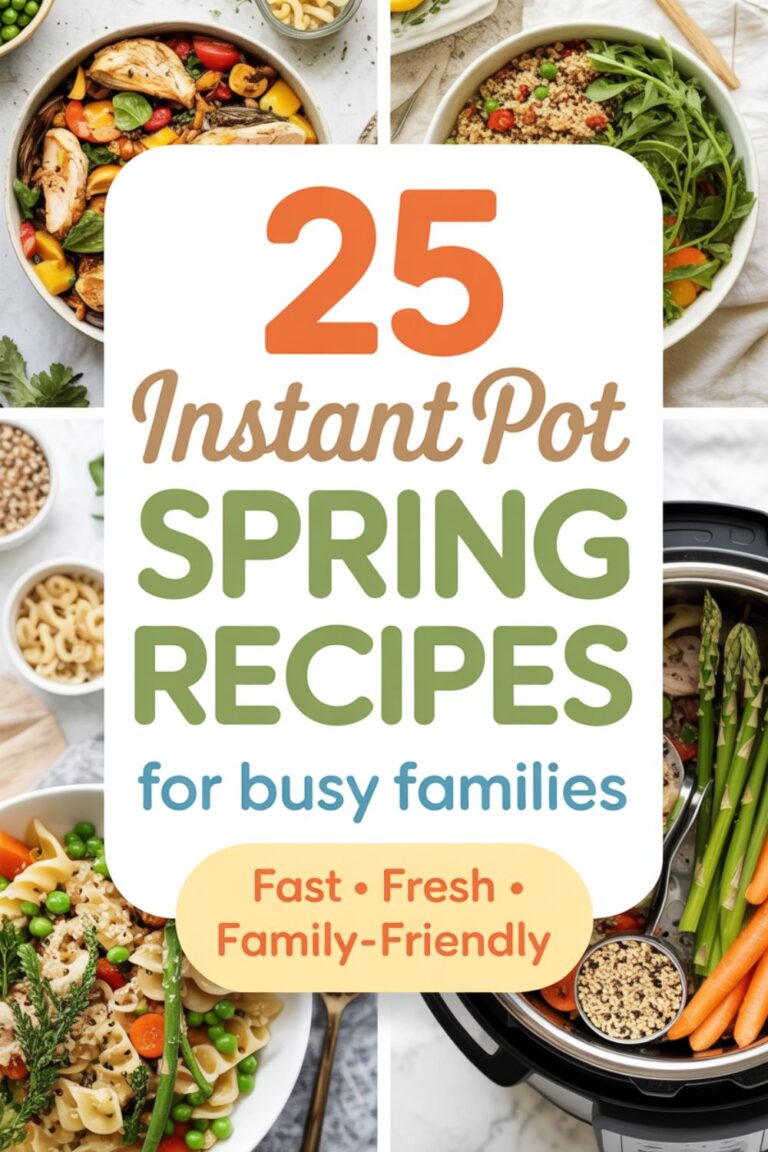
25 Instant Pot Recipes with Fresh Spring Vegetables
Look, I’m not gonna sugarcoat it—spring vegetables and your Instant Pot were basically meant for each other. While everyone else is still figuring out what to do with that asparagus they impulse-bought at the farmer’s market, you’re gonna be pressure-cooking your way through a rainbow of produce like a total boss.
I’ve spent the better part of the last three springs testing every possible combination of fresh veggies and pressure cooking settings, and honestly? The results have been mind-blowing. We’re talking bright green asparagus that actually stays bright green, carrots that don’t turn to mush, and peas so sweet you’ll wonder why you ever bothered with the frozen kind.
Here’s the thing about spring vegetables—they’re nutritional powerhouses packed with vitamins A, C, and K, plus they’re loaded with fiber and antioxidants. And when you cook them in an Instant Pot? You’re actually preserving way more of those good-for-you nutrients than you would with traditional boiling or even steaming. Yeah, I was skeptical too at first.
Why Your Instant Pot Loves Spring Vegetables (And Vice Versa)
The science here is actually pretty cool. Spring vegetables are already tender and packed with moisture—they’re not tough winter roots that need hours of cooking to break down. What they need is quick, intense heat that locks in all that vibrant color and fresh flavor. Enter your Instant Pot.
According to research from Cleveland Clinic, pressure cooking preserves up to 90% of vitamin C in vegetables like broccoli, compared to just 66% with traditional boiling. That shorter cooking time means fewer nutrients leach out into the cooking water—and since you’re often using that liquid in your final dish anyway, nothing goes to waste.
Plus, pressure cooking actually doubles the antioxidant value in carrots and significantly boosts the digestibility of legumes and grains. So yeah, your Instant Pot isn’t just convenient—it’s legitimately making your food healthier.
The Spring Vegetable All-Stars
Before we dive into the recipes, let’s talk about what you should be grabbing at the market. Spring vegetables have this magical window where they’re at peak freshness—usually from March through early June, depending on where you live.
Asparagus
This is the vegetable that screams “spring is here!” more than any other. When shopping, look for firm stalks that snap when you bend them—that’s your freshness test right there. I keep this silicone steamer basket in my Instant Pot specifically for asparagus because it keeps the tips from getting waterlogged while the stems cook through perfectly.
Artichokes
These intimidating-looking guys are actually ridiculously easy in the Instant Pot. You want the heavy ones with tight, closed leaves. The pressure cooker steams them to perfection in about 10 minutes—way better than the 45 minutes they’d need on the stovetop. Trust me, once you try pressure cooker artichokes, you’ll never go back.
Peas and Snap Peas
Fresh peas are one of those vegetables that most people only experience frozen or canned, and that’s honestly tragic. Spring peas are sweet, crisp, and taste like actual sunshine. They need about 1 minute under pressure—seriously, that’s it. Any longer and you’ve got mushy baby food.
Radishes
Most people only eat these raw in salads, but pressure-cooked radishes? Game changer. They lose that sharp bite and develop this mild, almost turnip-like sweetness. According to Atlantic Health’s nutrition experts, radishes are high in vitamin C and help with digestion and blood sugar balance.
Spring Onions and Leeks
These guys add serious depth to any Instant Pot recipe. Leeks are part of the onion family but way more subtle and slightly sweet. They’re also packed with kaempferol, a flavonoid that has anti-inflammatory properties. I use this vegetable chopper to make quick work of prepping them—leeks hold a ton of dirt between their layers, so you gotta clean them well.
Getting Your Instant Pot Spring-Ready
Okay, real talk—your Instant Pot is probably still set up for winter mode. Before you start cooking spring vegetables, you need to make a few adjustments to your approach.
First up: shorter cooking times. Like, way shorter. We’re talking minutes, not hours. I learned this the hard way after turning a beautiful bunch of asparagus into green sludge. Now I keep a kitchen timer right next to my Instant Pot because that extra minute makes all the difference.
Second: the quick release is your friend. Natural pressure release is great for tough cuts of meat and dried beans, but spring vegetables need that pressure released ASAP or they’ll keep cooking and turn to mush. Just make sure you point that steam valve away from your cabinets—learned that one the hard way too.
If you’re looking for more Instant Pot inspiration beyond just vegetables, check out these game-changing Instant Pot recipes that seriously transformed my weeknight dinner routine.
The Essential 25 Spring Vegetable Instant Pot Recipes
1. Lemon Garlic Asparagus with Parmesan
This is my go-to side dish when I need something that looks fancy but takes literally 3 minutes. The asparagus stays bright green and crisp-tender, and that lemon-garlic combo is chef’s kiss. Get Full Recipe
2. Whole Steamed Artichokes with Herb Butter
Stop buying artichoke hearts in a jar when you can make the whole thing in 10 minutes. The leaves pull off easily and the heart is butter-soft. I make this herb butter blend ahead and keep it in the fridge for whenever artichoke season hits. Get Full Recipe
3. Spring Pea and Mint Soup
This soup is so green it’s almost offensive, but in the best way possible. Fresh peas, vegetable broth, a touch of cream, and fresh mint—that’s it. Five ingredients, 15 minutes total. Get Full Recipe
4. Honey Glazed Carrots with Thyme
Remember when I mentioned that pressure cooking doubles the antioxidants in carrots? Yeah, this recipe is basically a superfood disguised as candy. The honey glaze caramelizes perfectly and those carrots come out tender but not mushy. Get Full Recipe
5. Fava Bean and Spring Onion Risotto
Traditional risotto requires you to stand there stirring for like 30 minutes. Instant Pot risotto? Seven minutes of pressure cooking and you’re done. The fava beans add this buttery richness that’s unreal. For more one-pot wonders that’ll save your sanity, these 30-minute Instant Pot dinners are absolute lifesavers.
6. Radish and New Potato Medley
This is what I make when I want to use up a bunch of different spring vegetables at once. The radishes mellow out, the potatoes get creamy, and everything soaks up whatever herbs and butter you throw at it. Get Full Recipe
7. Spring Vegetable Minestrone
This isn’t your grandma’s heavy winter minestrone. We’re talking light, fresh, and packed with every spring vegetable you can find. Asparagus, peas, spring onions, fresh tomatoes, and small pasta. Get Full Recipe
If you’re into soup season year-round like me, you’ll probably love these quick Instant Pot soups that are ready in 30 minutes or less.
8. Leek and Potato Soup (Vichyssoise)
This classic French soup is traditionally served cold, but honestly it’s just as good warm. Leeks, potatoes, cream, and chives. Simple, elegant, and way easier than anyone needs to know. Get Full Recipe
9. Steamed Artichoke Hearts with Lemon Aioli
For when you want just the hearts and don’t feel like dealing with all those leaves. Perfect for adding to salads or pasta later in the week. I use these glass meal prep containers to store them—they last about 5 days in the fridge. Get Full Recipe
10. Spring Vegetable Curry
Not all spring recipes have to be light and delicate. This curry is rich, creamy, and loaded with cauliflower, peas, potatoes, and spinach. The coconut milk balances out all those spices perfectly. Get Full Recipe
11. Snap Pea and Asparagus Stir-Fry
Use the sauté function to get that restaurant-style char on your vegetables, then add a splash of broth and pressure cook for just 1 minute. The vegetables stay crisp and colorful. Get Full Recipe
12. Spring Vegetable Frittata
Yes, you can make frittatas in your Instant Pot, and they come out ridiculously fluffy. This one has asparagus, peas, spring onions, and goat cheese. It’s what I make when I have leftover vegetables that need using up. Get Full Recipe
13. Buttered New Potatoes with Dill
Those tiny spring potatoes don’t need much—just butter, fresh dill, and a pinch of salt. The Instant Pot makes them perfectly creamy without that weird mealy texture you sometimes get with boiling. Get Full Recipe
14. Creamy Asparagus and Pea Pasta
Cook your pasta right in the Instant Pot with the vegetables and some cream. Everything gets done at the same time, and you only have one pot to clean. This is the kind of recipe that makes weeknight cooking actually doable. Get Full Recipe
Speaking of minimal cleanup, these low-mess Instant Pot recipes are perfect for when you just can’t deal with a sink full of dishes.
15. Fava Bean Hummus
Swap out the chickpeas for fresh fava beans and you’ve got this bright green hummus that tastes like spring itself. Perfect with fresh vegetables or pita chips. Get Full Recipe
16. Spring Vegetable Paella
Traditional paella takes forever and requires constant attention. Instant Pot paella? Fifteen minutes of pressure cooking and you’re golden. This version has artichoke hearts, peas, and bell peppers along with the saffron rice. Get Full Recipe
17. Braised Leeks with White Wine
This is what I make when I want to impress dinner guests without actually working that hard. The leeks braise in white wine and vegetable broth until they’re melt-in-your-mouth tender. Get Full Recipe
18. Spring Green Shakshuka
Traditional shakshuka is red and tomato-based, but this spring version uses peas, spinach, and asparagus in a creamy green sauce. The eggs poach perfectly in the Instant Pot. Get Full Recipe
19. Honey Mustard Glazed Carrots and Parsnips
Carrots and parsnips are technically available year-round, but the spring versions are younger, sweeter, and way more tender. This honey mustard glaze is stupid easy—literally just honey, Dijon mustard, and butter. Get Full Recipe
20. Spring Vegetable Quinoa Bowl
Cook your quinoa in the Instant Pot with vegetable broth, then top it with whatever spring vegetables you’ve got. I usually go with asparagus, radishes, peas, and a soft-boiled egg. Meal prep gold. For more meal prep ideas that’ll actually save you time, check out these weekly Instant Pot meal prep recipes.
21. Artichoke and Spinach Dip
This party classic comes together in about 10 minutes. Artichoke hearts, spinach, cream cheese, and Parmesan. Serve it with bread, crackers, or vegetables. Get Full Recipe
22. Spring Vegetable and Chickpea Stew
This is my go-to healthy comfort food. It’s loaded with vegetables, protein-packed chickpeas, and has just enough broth to make it cozy without being soup. Get Full Recipe
23. Steamed Spring Vegetables with Garlic Herb Butter
Sometimes simple is best. A mix of asparagus, snap peas, and baby carrots steamed for 2 minutes and tossed with compound herb butter. This is what I make when I need a side dish that won’t overshadow the main course. Get Full Recipe
24. Spring Vegetable Fried Rice
Use leftover rice (it works better than fresh for fried rice anyway), add whatever spring vegetables you’ve got, and you’ve got dinner in 15 minutes. The sauté function gets everything nicely caramelized. Get Full Recipe
25. Ratatouille with Spring Vegetables
Traditional ratatouille is more of a summer dish, but this spring version swaps in asparagus, peas, and spring onions alongside the usual suspects. It’s lighter and brighter than the original. Get Full Recipe
Kitchen Tools That Actually Make Spring Cooking Easier
Look, I’m not about to tell you that you need a million gadgets to cook vegetables. But there are a few things that genuinely make the process less annoying. Here’s what lives permanently in my kitchen:
Physical Products
Digital Resources
Timing Is Everything (Seriously)
Here’s where most people mess up Instant Pot vegetables: they treat them like meat. Spring vegetables are delicate—they don’t need 20 minutes of pressure cooking. Most of them need 1-3 minutes, max.
I keep this magnetic cheat sheet on the side of my fridge because I cannot be trusted to remember that asparagus needs 2 minutes but broccoli needs 0 (yeah, zero—just bringing it to pressure is enough).
The natural pressure release is another trap. For vegetables, you almost always want quick release unless the recipe specifically says otherwise. That residual heat and pressure will keep cooking your food, and the difference between crisp-tender asparagus and mushy asparagus is literally 30 seconds.
Common Mistakes to Avoid
I’ve made every possible Instant Pot vegetable mistake, so learn from my disasters. Here’s what not to do:
Don’t overfill the pot. You need space for steam to circulate. If you’re cramming in vegetables up to the max fill line, they won’t cook evenly. I learned this after ending up with half-raw, half-mushy carrots.
Don’t skip the quick release for delicate vegetables. I know I already mentioned this, but seriously—natural pressure release will ruin your asparagus every single time.
Don’t forget about carryover cooking. Even after you release the pressure, those vegetables are still hot and will keep cooking if you leave them in the pot. Transfer them to a serving dish immediately, or at minimum, take the lid completely off.
Don’t add salt too early. Salt draws out moisture, which can make vegetables soggy. Season them after cooking for better texture.
If you’re new to pressure cooking in general, these beginner-friendly recipes will help you get comfortable with the basics before diving into the more finicky stuff.
Seasonal Eating Makes Everything Better
Here’s my soapbox moment: eating seasonally isn’t just some trendy thing that food bloggers talk about. There’s actual science behind why spring vegetables taste better in spring.
According to nutrition research on seasonal produce, vegetables eaten shortly after harvest contain significantly more nutrients than those that have been stored or shipped long distances. That asparagus from California that’s been sitting in a truck for a week? It’s already lost a chunk of its vitamin C content.
Plus, there’s something deeply satisfying about eating what’s naturally growing right now. It connects you to the seasons in a way that buying the same vegetables year-round just doesn’t. And IMO, that connection makes food taste better even if I can’t scientifically prove it.
Making It Work for Meal Prep
Look, I love the idea of cooking fresh every single night, but that’s not realistic for most of us. The good news is that a lot of these spring vegetable recipes work great for meal prep—you just need to know a few tricks.
First, slightly undercook vegetables if you’re planning to reheat them later. They’ll finish cooking when you warm them up, and you won’t end up with mush.
Second, store your cooked vegetables separately from any sauce or dressing. Nothing makes food sad faster than vegetables sitting in liquid for three days. I use these divided glass containers to keep everything separate until I’m ready to eat.
Third, some vegetables reheat better than others. Asparagus and snap peas are best fresh, but things like the spring vegetable stew, curry, and soups actually get better after a day or two in the fridge as the flavors meld together.
For a complete meal prep system, these Instant Pot meal prep recipes will completely transform your weekly cooking routine.
When Spring Vegetables Go Wrong
Not every experiment is gonna be a winner, and that’s okay. I once tried to pressure cook radish greens and they turned into this weird brown sludge situation. Lesson learned: some vegetables are just meant to be eaten raw or quickly sautéed.
If your vegetables come out overcooked, don’t toss them. Seriously. Mushy asparagus makes excellent soup. Overdone carrots can be mashed or pureed into a sauce. That too-soft artichoke? Chop it up and make artichoke dip.
The beauty of the Instant Pot is that even your mistakes happen quickly. Unlike a slow cooker where you’ve wasted 8 hours, an Instant Pot disaster only costs you 15 minutes. Just try again with a shorter cook time.
Frequently Asked Questions
Do I need to add water when pressure cooking vegetables in the Instant Pot?
Yes, you always need at least 1/2 to 1 cup of liquid for the Instant Pot to come to pressure. For vegetables, I usually use vegetable broth instead of water for extra flavor. The liquid doesn’t have to cover the vegetables—the steam is what does the cooking. Just make sure there’s enough liquid in the bottom of the pot to generate steam.
Can I cook frozen vegetables in the Instant Pot?
You can, but fresh spring vegetables are so much better that I honestly wouldn’t bother. The whole point of spring vegetables is their fresh, crisp texture and vibrant flavor—frozen just can’t compete. If you’re using frozen vegetables, add about 1 minute to the cooking time and expect a mushier texture.
Why do my vegetables always come out mushy?
Nine times out of ten, it’s because you’re cooking them too long or using natural pressure release instead of quick release. Spring vegetables are delicate and only need 1-3 minutes of actual pressure cooking time. Set a timer, use quick release the second it goes off, and transfer the vegetables out of the pot immediately to stop the cooking process.
Can I cook different vegetables together if they have different cooking times?
Absolutely, but you need to get strategic. Cut quicker-cooking vegetables larger and slower-cooking ones smaller to even out the cooking times. Or use the pot-in-pot method—put slower-cooking vegetables in the bottom of the pot with the liquid, and quicker-cooking ones in a steamer basket on top. They’ll still cook together but won’t all turn to mush.
How do I keep green vegetables from turning brown in the Instant Pot?
Quick release is key here—don’t let them sit in that residual heat. Also, an ice bath immediately after cooking will shock the vegetables and lock in that bright green color. It’s an extra step but worth it if presentation matters to you. Some people add a pinch of baking soda to the cooking liquid to preserve color, but honestly I’ve never found it necessary if you’re quick about the release.
Final Thoughts
Spring vegetables and the Instant Pot are one of those combinations that just works. The quick cooking preserves nutrients, locks in flavor, and keeps those colors vibrant. Plus, it makes cooking seasonal vegetables so easy that you’ll actually do it instead of just buying them with good intentions and watching them wilt in your crisper drawer.
The recipes I’ve shared here are just the starting point. Once you get comfortable with the basic timing and techniques, you can start experimenting with your own combinations. Grabbed something interesting at the farmer’s market and have no idea what to do with it? Throw it in the Instant Pot with some broth, herbs, and butter. Worst case, it takes 10 minutes and you learn what not to do next time.
And honestly, that’s the beauty of pressure cooking vegetables—failures happen fast and cheap. You’re not out a ton of money or time if something doesn’t work. Just adjust and try again.
Now get out there and make the most of spring vegetable season while it lasts. In a few months, we’ll all be back to root vegetables and winter squash, so enjoy this fresh, green moment while you’ve got it.