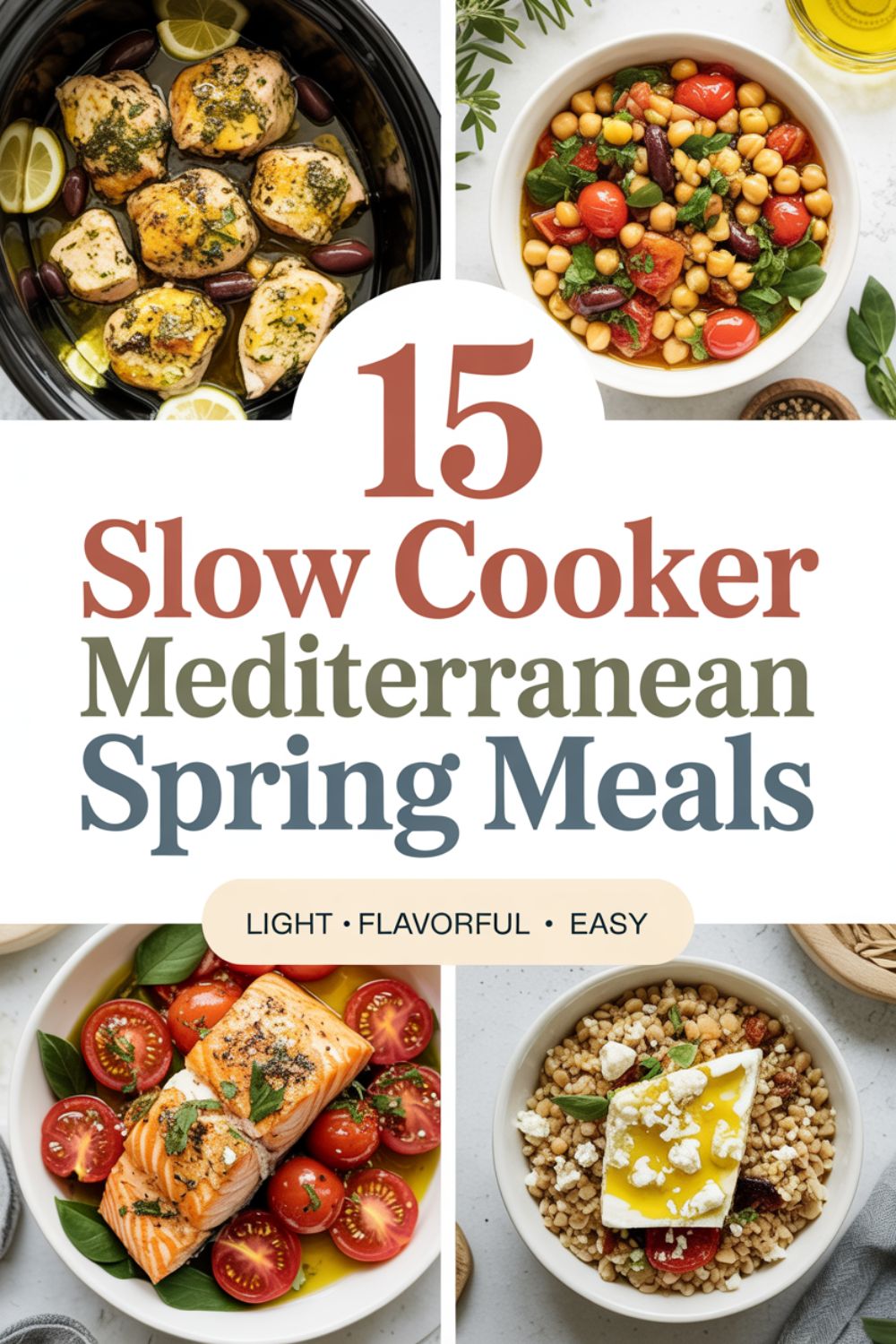
15 Slow Cooker Mediterranean Meals for Spring
Spring cleaning your meal routine? Let’s talk about Mediterranean slow cooking—because nothing says “I’ve got my life together” quite like coming home to a house that smells like lemon, garlic, and oregano instead of yesterday’s takeout containers.
Look, I get it. You’ve probably been promised a million times that Mediterranean diet recipes will change your life, cure your chronic snacking, and make you look like you vacation in Santorini year-round. But here’s the thing—when you combine Mediterranean flavors with the pure magic of a slow cooker, you’re actually onto something real.
According to Harvard’s Nutrition Source, the Mediterranean eating pattern consistently shows benefits for cardiovascular health and longevity. And when you slow cook these ingredients? You’re getting all that goodness with approximately zero effort. Win-win.
Why Mediterranean Meets Slow Cooker Perfection
Here’s what nobody tells you about Mediterranean cooking: it’s built for low and slow. Those rich tomato sauces? They want to simmer. That olive oil marinating with herbs and garlic? It needs time to work its magic. Traditional Mediterranean dishes have been slow-cooked for centuries—we just finally got smart enough to plug it in and walk away.
The Mediterranean diet isn’t just trendy food blogger nonsense. Research published in PMC shows that this eating pattern helps with everything from reducing inflammation to supporting healthy aging. And when you’re using a programmable slow cooker that does the work while you’re at your desk job or chasing kids around, you’re way more likely to stick with it.
The slow cooker method also preserves nutrients better than high-heat cooking. That sealed environment keeps all the good stuff—vitamins, minerals, antioxidants—right where it belongs: in your dinner. No boiling off nutrients into water you’re going to dump down the sink.
Pro Tip: Prep your aromatics Sunday night (chop onions, mince garlic, measure spices) and store them in the fridge. Future you will be deeply grateful when you can dump everything in the slow cooker on a Tuesday morning in under five minutes.
The Spring Mediterranean Pantry
Before we get into the recipes, let’s talk essentials. Spring Mediterranean cooking is all about fresh herbs, bright citrus, and vegetables that actually taste like something. You’ll want extra-virgin olive oil (the good stuff, not the bottle collecting dust since 2019), lemons, garlic, and whatever fresh herbs you can get your hands on.
Spring produce like artichokes, asparagus, fresh peas, and baby potatoes work beautifully in a slow cooker. Unlike their winter cousins, these guys don’t need eight hours to break down—they’re tender and ready to party after 4-6 hours on low. Toss in some chickpeas, white beans, or lentils for protein and you’ve got yourself a complete meal.
And can we talk about feta cheese for a second? I keep a block in my fridge at all times. Crumble it over literally any Mediterranean slow cooker dish in the last 10 minutes and you’ve just elevated your dinner from “yeah, it’s fine” to “wait, you MADE this?”
Speaking of protein options, if you’re looking for more variety beyond the classics, check out these slow cooker chicken recipes that work beautifully with Mediterranean flavors.
15 Mediterranean Slow Cooker Recipes for Spring
1. Lemon Herb Chicken with Artichokes
This is my go-to when I want to feel fancy without actually being fancy. Chicken thighs (always thighs—more forgiving than breasts), quartered artichoke hearts, fresh lemon juice, and a stupid amount of fresh dill and parsley. The chicken comes out fall-apart tender, and the artichokes soak up all that lemony, garlicky goodness.
Throw everything in your 6-quart slow cooker in the morning, set it for 6 hours on low, and try not to spend your entire afternoon thinking about what’s waiting for you at home. Serve it over orzo or with crusty bread for sopping up the sauce. Get Full Recipe
2. White Bean and Vegetable Stew
This is what I make when I need to clean out the vegetable drawer and pretend I have my life together. Cannellini beans, whatever spring vegetables are looking sad in your crisper, tomatoes, and enough olive oil to make an Italian grandmother nod approvingly.
The beauty of this stew is that it’s basically impossible to mess up. Beans too firm? Give them another hour. Vegetables too soft? Still delicious. Add a parmesan rind if you have one lying around—it’ll add this deep, savory flavor that makes people think you actually know what you’re doing in the kitchen.
Quick Win: Frozen artichoke hearts and jarred roasted red peppers are your friends. They’re pre-prepped, last forever, and nobody will judge you for using them. Anyone who does judge you can make their own dinner.
3. Greek-Style Lamb Shanks
Okay, this one’s a splurge, but lamb shanks are made for slow cooking. They go from tough and questionable to spoon-tender and spectacular after 8 hours on low. Red wine, tomatoes, cinnamon (yes, cinnamon—trust the Greeks on this one), and lots of garlic.
I use a Dutch oven-style slow cooker for this because you can brown the shanks right in the pot first, which adds major flavor. But honestly, even if you skip the browning step, these are still going to be the best thing you’ve made all month.
4. Mediterranean Shakshuka Baked Eggs
Who says your slow cooker is just for dinner? This North African-meets-Mediterranean breakfast situation is spicy tomato sauce with peppers and onions, cooked low and slow, with eggs cracked in during the last 20 minutes. It’s basically liquid gold for weekend brunch.
Serve it with pita bread or crusty sourdough for dunking. And if you’re feeling extra, top it with some crumbled feta and fresh cilantro. This is the kind of breakfast that makes you feel like you should be eating it on a terrace overlooking the sea, not your kitchen table in your pajamas, but hey—we work with what we’ve got. Get Full Recipe
For more breakfast inspiration that works in a slow cooker, you might also love these Instant Pot recipes that can be adapted for slow cooking.
5. Slow Cooker Ratatouille
Ratatouille is basically summer vegetables having a spa day in olive oil and herbs. Eggplant, zucchini, bell peppers, tomatoes—all slow-cooked until they’re soft and silky and taste like sunshine. This is spring transitioning into early summer on a plate.
The key here is not overcooking it into mush. Check it after 3-4 hours on low. You want the vegetables tender but still holding their shape. I like to drizzle it with good finishing olive oil right before serving because I’m pretentious like that.
6. Moroccan Chickpea Tagine
This vegetarian wonder is warming spices (cumin, coriander, cinnamon, turmeric), chickpeas, dried apricots, and enough tomatoes to tie it all together. It’s sweet, savory, and has this complexity that makes people think you slaved over it for hours instead of dumping everything in a pot and walking away.
Serve it over couscous or with flatbread. Top with fresh cilantro and a dollop of Greek yogurt. It’s the kind of meal that tastes even better the next day, which is code for “make a double batch and freeze half for future lazy you.”
7. Lemon Garlic Shrimp with Orzo
Hold up—shrimp in a slow cooker? Yeah, I know. But hear me out. You cook the orzo, vegetables, and sauce low and slow for a few hours, then toss in the shrimp for the last 15-20 minutes. They cook perfectly without getting rubbery, and you get this one-pot Mediterranean pasta situation that’s absolutely killer.
Fresh lemon zest, lots of garlic, white wine, and fresh parsley. This is what I make when I want to impress someone but don’t want to actually put in impressive amounts of effort. Smart, not hard, you know? Get Full Recipe
Kitchen Tools That Make Mediterranean Cooking Easier
Look, you don’t need a whole Williams Sonoma catalog to nail these recipes. But there are a few things that genuinely make life easier:
Physical Products:
- 6-Quart Programmable Slow Cooker – The MVP. Get one with a timer so you’re not racing home to prevent dinner from becoming stew soup.
- Microplane Zester – For all that lemon zest. Makes a massive difference in flavor and takes up basically no drawer space.
- Herb Keeper Container – Keeps fresh herbs alive longer than three days. Worth every penny if you’re tired of composting soggy cilantro.
Digital Products:
- Mediterranean Diet Meal Planner App – Takes the guesswork out of weekly planning. Syncs with your grocery list.
- Slow Cooker Recipe E-Book Bundle – 200+ tested recipes including seasonal variations. Better than scrolling Pinterest for an hour.
- Portion Control Digital Kitchen Scale – If you’re actually tracking macros or just want consistent results. Batteries last forever.
8. Turkish-Inspired Stuffed Peppers
Bell peppers stuffed with a mixture of rice, ground lamb (or turkey if lamb’s not your thing), pine nuts, currants, and warming spices. These cook beautifully in a slow cooker because the peppers steam perfectly and the filling stays moist.
The silicone slow cooker liners I use for these are a game-changer—no scrubbing stuck rice off the bottom of the pot later. Just lift out the liner, toss it in the dishwasher, and pretend you’re a responsible adult who has their cleaning routine figured out.
9. Spring Vegetable Frittata
Another breakfast-for-dinner hero. Asparagus, peas, fresh mint, and feta all bound together with eggs and cooked low until just set. It’s lighter than your typical slow cooker fare, which makes it perfect for spring when you’re maybe not craving heavy stews anymore.
This works great for meal prep too—cut it into wedges and grab one for breakfast all week. Pair it with a simple salad and you’ve got lunch sorted. Nobody needs to know you made the whole thing while binge-watching Netflix on Sunday.
10. Mediterranean Braised Short Ribs
These are stupid-tender, fall-off-the-bone short ribs with olives, sun-dried tomatoes, and fresh thyme. They’re rich and deeply flavored, the kind of thing you’d pay $35 for at a restaurant, except you made them in your oval slow cooker for a fraction of the price.
Serve them over creamy polenta or mashed potatoes (yeah, I know, not super Mediterranean, but sometimes you need carbs that comfort your soul). Save the braising liquid—it’s liquid gold for making risotto or enriching other sauces later in the week. Get Full Recipe
If you’re into rich, tender meat dishes like this, you’ll probably also enjoy these slow cooker pork recipes that use similar low-and-slow techniques.
11. Greek Lemon Chicken Soup (Avgolemono)
This is Greek comfort food at its finest—chicken, rice, and a silky lemon-egg sauce that’s both creamy and bright. The slow cooker makes the base, then you temper in the egg-lemon mixture at the end. It’s elegant, it’s cozy, and it tastes like someone’s Greek grandmother made it for you.
Fair warning: this soup is dangerously good. I’ve been known to eat three bowls in one sitting and regret nothing. It reheats beautifully, though the texture changes slightly—still delicious, just not quite as silky as fresh.
12. Slow Cooker Falafel-Style Meatballs
These are basically falafel in meatball form, which sounds weird but works so well. Ground chickpeas, fresh herbs, spices, formed into balls and cooked in a light tomato sauce. They’re easier than traditional fried falafel and way less messy.
Serve them in pita pockets with tahini sauce, chopped vegetables, and pickles. Or over rice. Or just standing at your kitchen counter at 9 PM because you skipped lunch and dinner smells too good to wait. No judgment here.
13. Mediterranean Fish Stew
White fish, tomatoes, fennel, saffron if you’re feeling fancy (or skip it if you’re not trying to spend $15 on a tiny jar of threads), and plenty of garlic. The fish goes in during the last 20-30 minutes so it stays flaky and perfect.
This is the kind of stew you serve with crusty bread and a simple green salad. Maybe a glass of crisp white wine if you’re really committing to the Mediterranean lifestyle. It feels special enough for company but easy enough for a random Wednesday.
14. Spring Herb and Potato Stew
Baby potatoes, fresh spring peas, lots of fresh dill and parsley, vegetable broth, and a touch of cream at the end. It’s light, fresh, and tastes like spring in a bowl. This is what I make when I need a break from tomato-based everything.
The immersion blender comes in clutch here if you want to partially blend the stew for a creamier texture while keeping some chunks. Or don’t—it’s delicious either way. IMO, a slightly chunky texture is more interesting anyway. Get Full Recipe
For more vegetable-forward options, these healthy slow cooker recipes have tons of produce-packed ideas.
15. Slow Cooker Turkish Menemen
This is a tomato and pepper base cooked low and slow, with eggs stirred in at the end for a scrambled egg situation that’s way more interesting than your typical breakfast. It’s savory, slightly spicy if you add peppers with some kick, and absolutely perfect with bread for dipping.
Make this for weekend brunch and people will think you’re extremely cultured and worldly instead of someone who just wanted eggs but fancier. The slow cooker does all the work developing the flavors, so the tomatoes and peppers get sweet and jammy.
Making Mediterranean Slow Cooking Actually Work
Here’s the thing about slow cooker recipes that nobody tells you: most of them give you wildly optimistic cooking times. “4-6 hours on low” almost always means “closer to 8 if you want things actually tender.” Your slow cooker is different from mine, your altitude might be different, your ingredients are different—there are variables.
So give yourself permission to be flexible. If your chicken isn’t falling apart at 6 hours, let it go longer. If your vegetables are getting mushy at 4 hours, dial it back next time. According to Mayo Clinic, the health benefits of Mediterranean eating come from the overall pattern, not from following recipes to the exact second.
Pro Tip: Invest in a meat thermometer and actually use it. Guessing when chicken is done is how food poisoning happens. Plus, perfectly cooked protein tastes way better than the overcooked rubber situation we’re all pretending is fine.
And about those fresh herbs—yes, they make a difference. But dried herbs in a pinch? Also totally fine. I keep a stash of dried oregano, thyme, and bay leaves because fresh isn’t always happening. Just remember dried herbs are more concentrated, so use about a third of what the recipe calls for in fresh.
If you’re just getting started with slow cooker meals and want to build confidence first, try these beginner-friendly recipes before jumping into the more complex Mediterranean stuff.
The Meal Prep Angle
Let’s talk about using your slow cooker for actual meal prep instead of just making dinner bigger. Most of these Mediterranean recipes scale up beautifully and freeze like champions. Make a double batch on Sunday, portion half into containers, freeze, and thank yourself in three weeks when you can’t be bothered to cook.
The stews and soups especially—they’re basically designed for this. The flavors get better after a day or two anyway, so you’re not sacrificing quality for convenience. You’re actually improving it, which is the kind of efficiency I can get behind.
I use glass meal prep containers because they don’t hold onto smells and stains like plastic does, and you can reheat right in the container. Plus you feel very organized and adult when you open your fridge and see a week’s worth of color-coordinated meals. Even if the rest of your life is chaos, at least your lunch situation looks put together.
Speaking of meal prep, if you’re looking to batch cook for the week, these meal prep recipes are designed specifically for make-ahead efficiency.
Common Mediterranean Slow Cooker Mistakes (And How to Avoid Them)
Adding dairy too early. Unless you want separated, grainy yogurt or curdled cream, add dairy in the last 20-30 minutes. Feta’s a bit more forgiving but still—wait until the end. Same goes for delicate herbs like basil and parsley—toss them in right before serving so they stay bright and fresh instead of turning into sad brown confetti.
Not layering correctly. Dense vegetables and proteins on the bottom, delicate stuff on top. This isn’t Pinterest being extra—it actually matters for even cooking. Your carrots and potatoes need more heat than your zucchini.
Overfilling your slow cooker. The ideal fill line is between half and two-thirds full. Go beyond that and you’re asking for uneven cooking and potential overflow situations. Nobody wants to clean tomato sauce off their counters at midnight.
Opening the lid to check on things. I know it smells amazing and you want to peek, but every time you lift that lid, you add 15-20 minutes to cooking time. The slow cooker works by trapping heat and steam. Breaking that seal means starting over. Set a timer and trust the process.
Spring Ingredients That Shine in the Slow Cooker
Let’s talk about what actually works. Artichokes—whether fresh or jarred—become incredibly tender and soak up whatever flavors you’re cooking them with. Spring onions and leeks add sweetness without the sharpness of regular onions. Fresh asparagus in the last hour of cooking stays tender-crisp and bright green instead of turning into army-green mush.
Fennel is underrated in slow cooker recipes. It gets sweet and silky, losing that aggressive licorice flavor and becoming this mild, aromatic vegetable that makes everything taste more interesting. Slice it thin and layer it with fish or chicken—you won’t regret it.
And lemon—both the juice and the zest—is non-negotiable. It brightens everything. That long, slow cooking can make flavors a bit muddy and one-note. A good squeeze of fresh lemon juice right before serving wakes everything back up. Keep those lemons in a bowl on your counter like you’re living in Provence or whatever.
For more ideas on what ingredients work well in set-it-and-forget-it cooking, check out these busy weeknight meals that rely on pantry staples and simple fresh produce.
Frequently Asked Questions
Can you really cook Mediterranean food in a slow cooker without losing the fresh flavors?
Absolutely. The trick is adding fresh elements at the end—lemon juice, fresh herbs, a drizzle of good olive oil right before serving. The slow cooker builds deep, rich flavors from the base ingredients, then you brighten everything up with fresh finishing touches. It’s actually the perfect balance of developed flavors and fresh brightness.
How do I prevent my vegetables from turning to mush in the slow cooker?
Cut harder vegetables (carrots, potatoes) into larger chunks and place them at the bottom where they get more direct heat. Add quick-cooking vegetables like zucchini, spinach, or peas in the last hour of cooking. And don’t overcook—just because your slow cooker can go for 10 hours doesn’t mean it should.
Is the Mediterranean diet expensive to maintain with a slow cooker?
Actually, no. Slow cookers let you use cheaper cuts of meat that become tender with long cooking, and Mediterranean staples like beans, lentils, and seasonal vegetables are super affordable. You’re spending money on good olive oil and fresh herbs, but skipping expensive processed foods and takeout, so it balances out. Plus, batch cooking means less food waste.
Can I prep Mediterranean slow cooker meals ahead of time?
Yes, and you should. Chop vegetables, measure spices, and prep proteins the night before. Store everything separately in the fridge, then dump it all in the slow cooker insert in the morning and stick it in the base. Some people even prep entire freezer bags of ingredients—just thaw overnight and pour into the slow cooker. Game changer for busy mornings.
What’s the best way to add olive oil to slow cooker recipes?
Use some during cooking for flavor, but save the really good extra-virgin stuff for drizzling at the end. High-quality olive oil loses its delicate flavor compounds during long cooking, so it’s wasted in the slow cooker. Use regular olive oil for cooking, then finish with your fancy bottle for maximum impact and flavor.
Final Thoughts
Here’s what I’ve learned after way too many slow cooker experiments: Mediterranean cooking and slow cooking were basically made for each other. The long, gentle heat coaxes out flavors, tenderizes proteins, and creates these deeply satisfying meals that taste like you spent all day cooking instead of 10 minutes dumping things in a pot.
Spring is the perfect time to start this whole thing because the produce is incredible—fresh, flavorful, and begging to be cooked low and slow until all those flavors meld together. Plus, according to Johns Hopkins Medicine, making even small shifts toward Mediterranean eating patterns can have significant health benefits over time.
You don’t need to overhaul your entire life or suddenly become fluent in Greek to make this work. Start with one recipe. See how it goes. Maybe it becomes your new Tuesday night standard, maybe you modify it, maybe you decide slow cooker shrimp isn’t your thing but that white bean stew is going into permanent rotation.
The point is to find what works for you—recipes that fit your schedule, your budget, and your particular tolerance for washing dishes. Because the best eating pattern is the one you’ll actually stick with, and if a programmable slow cooker full of Mediterranean goodness makes that easier? Then that’s exactly what you should be doing.