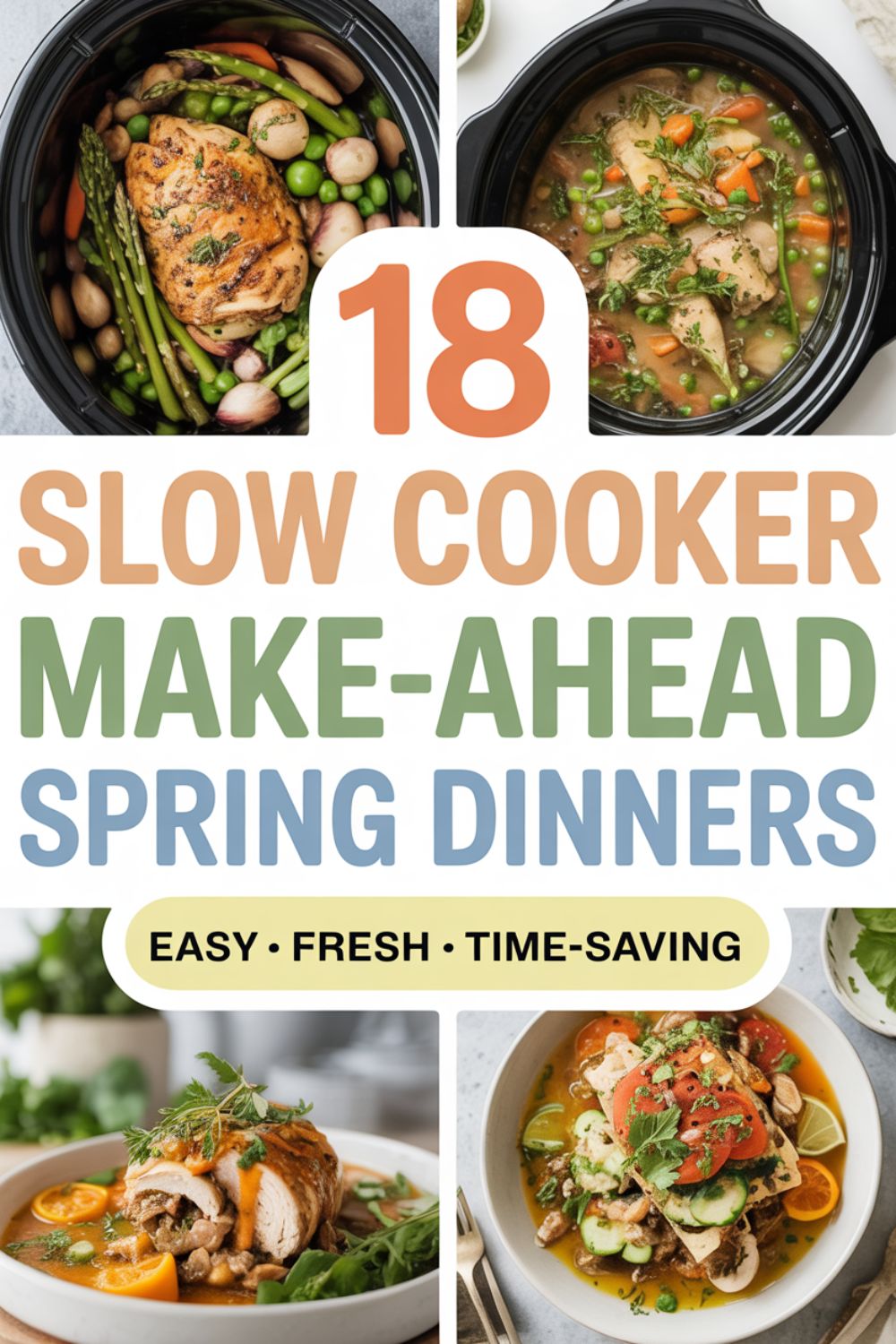
18 Slow Cooker Make-Ahead Spring Dinners
Listen, I get it. You’re staring at your slow cooker in March wondering if it’s purely a fall-and-winter appliance that should hibernate until October. Spoiler alert: it’s not. Your slow cooker is about to become your best friend for spring dinners, and I’m going to show you exactly how to make that happen.
Spring cooking doesn’t mean you suddenly need to stand over a hot stove sautéing asparagus for 45 minutes. It means lighter flavors, brighter ingredients, and yeah, using that trusty slow cooker to do most of the heavy lifting while you’re out enjoying the longer days. Because who wants to be trapped in the kitchen when the weather finally stops being miserable?
I’ve been meal prepping with my slow cooker for years now, and spring is honestly when things get interesting. You’ve got fresh vegetables coming into season, lighter proteins that don’t need eight hours to break down, and recipes that don’t leave you feeling like you swallowed a brick. These 18 dinners are going to change how you think about slow cooking when the temperature rises.
Why Your Slow Cooker Actually Works for Spring
Real talk: most people think slow cookers are only good for heavy stews and pot roasts. But here’s what they’re missing. Spring vegetables like asparagus, peas, and artichokes actually benefit from gentle, moist heat that preserves their nutrients without turning them to mush. According to the USDA, slow cookers maintain temperatures between 170°F and 280°F, which is perfect for vegetables that you add in the last hour or two of cooking.
Plus, spring means unpredictable schedules. Soccer practice, longer workdays because you’re not rushing home before dark, weekend trips that suddenly become possible again. Your slow cooker handles all of that without complaining. You can’t say the same about most cooking methods.
The secret is adjusting your approach. Instead of eight-hour cook times, you’re looking at four to six hours on low for most spring proteins. And vegetables? Those go in during the last 30 to 90 minutes depending on what you’re making. It’s not rocket science, but it does require ditching the “set it and forget it for ten hours” mentality.
The Game-Changing Prep Strategy Nobody Talks About
Here’s where most people mess up spring slow cooking: they treat it exactly like winter slow cooking. Big mistake. Spring ingredients are more delicate, they cook faster, and they don’t need to be drowned in heavy sauces to taste good.
I prep my spring slow cooker meals on Sunday afternoon, but instead of dumping everything in freezer bags together, I separate ingredients by cooking time. Proteins and root vegetables go in one container. Quick-cooking vegetables like asparagus and snap peas go in another. Fresh herbs and citrus zest get their own little prep containers. When it’s time to cook, I add things in stages, and the difference in flavor and texture is night and day.
For lighter spring meals that don’t weigh you down, check out these healthy slow cooker recipes that actually taste amazing. They focus on fresh ingredients and bright flavors instead of heavy, cream-based sauces.
Another thing: ditch the idea that everything needs to cook on low for maximum flavor. For spring proteins like chicken breasts or fish, high heat for three to four hours often yields better results than low heat for six to eight. The texture stays firmer, and you’re less likely to end up with that weird, shredded-beyond-recognition thing that happens when delicate proteins cook too long.
18 Spring Slow Cooker Dinners That Actually Work
Alright, let’s get into the actual recipes. I’m not going to give you full instructions here because that would turn this into a novel, but I’ll tell you exactly what makes each one worth making and how to approach them for best results.
Lemon Herb Chicken with Spring Vegetables
This is the gateway recipe for spring slow cooking. Bone-in chicken thighs, fresh lemon, tons of herbs, and vegetables added in the last hour. The chicken stays incredibly moist because of the bones, and the lemon brightens everything up. I use this citrus zester to get perfect lemon zest without any bitter white pith, and it makes a huge difference in the final flavor.
The key is using fresh herbs, not dried. Parsley, dill, and tarragon are spring classics for a reason. They’re bright, they’re aromatic, and they don’t taste like dusty cabinets the way some dried herbs can. Get Full Recipe
Slow Cooker Primavera Pasta Sauce
This is not your winter marinara. Fresh tomatoes, spring onions, asparagus tips, and snap peas create a sauce that’s light but satisfying. I cook the base sauce for four hours, then add the vegetables for the last 45 minutes. Toss it with pasta, and you’ve got dinner that doesn’t feel heavy but still fills you up.
Speaking of pasta sauces and lighter options, these vegan soups full of flavor use similar vegetable-forward techniques that work beautifully in a slow cooker too. Get Full Recipe
Asian-Inspired Ginger Pork with Snow Peas
Pork tenderloin, fresh ginger, garlic, a splash of soy sauce, and snow peas added right at the end. This cooks in about four hours on low, and the pork stays tender without falling apart. I slice it thin and serve it over rice with the cooking liquid spooned over everything. IMO, this beats takeout any day of the week.
The microplane grater I use for fresh ginger is honestly one of my most-used kitchen tools. Fresh ginger paste distributed evenly throughout the dish creates so much more flavor than chunks of ginger that people have to pick around. Get Full Recipe
Mediterranean Chickpea Stew
Chickpeas, tomatoes, artichoke hearts, lemon, and a ton of fresh herbs. This is vegetarian, filling, and tastes like spring in a bowl. The artichoke hearts go in during the last hour so they don’t turn to mush. Serve it with crusty bread for soaking up the broth, and you’re golden.
Artichokes are loaded with fiber and antioxidants, according to nutritional research on spring vegetables, making them perfect for lighter spring meals that still keep you satisfied. Get Full Recipe
Honey Mustard Salmon with Asparagus
Yes, you can cook salmon in a slow cooker. No, it doesn’t turn out dry and weird if you do it right. The trick is cooking on high for just 90 minutes with the asparagus arranged around the salmon filets. The honey mustard glaze keeps everything moist, and the asparagus gets perfectly tender without being soggy.
I learned this technique from experimenting with one-pot dinners that cook fast, and it translated beautifully to the slow cooker with adjusted timing. Get Full Recipe
Spring Vegetable and White Bean Soup
This soup is basically spring in a bowl. White beans, vegetable broth, fresh thyme, and whatever spring vegetables you can get your hands on. Carrots and celery go in at the start. Peas, asparagus, and spinach go in during the last 30 minutes. The beans break down slightly and thicken the broth naturally, so you don’t need any cream or flour.
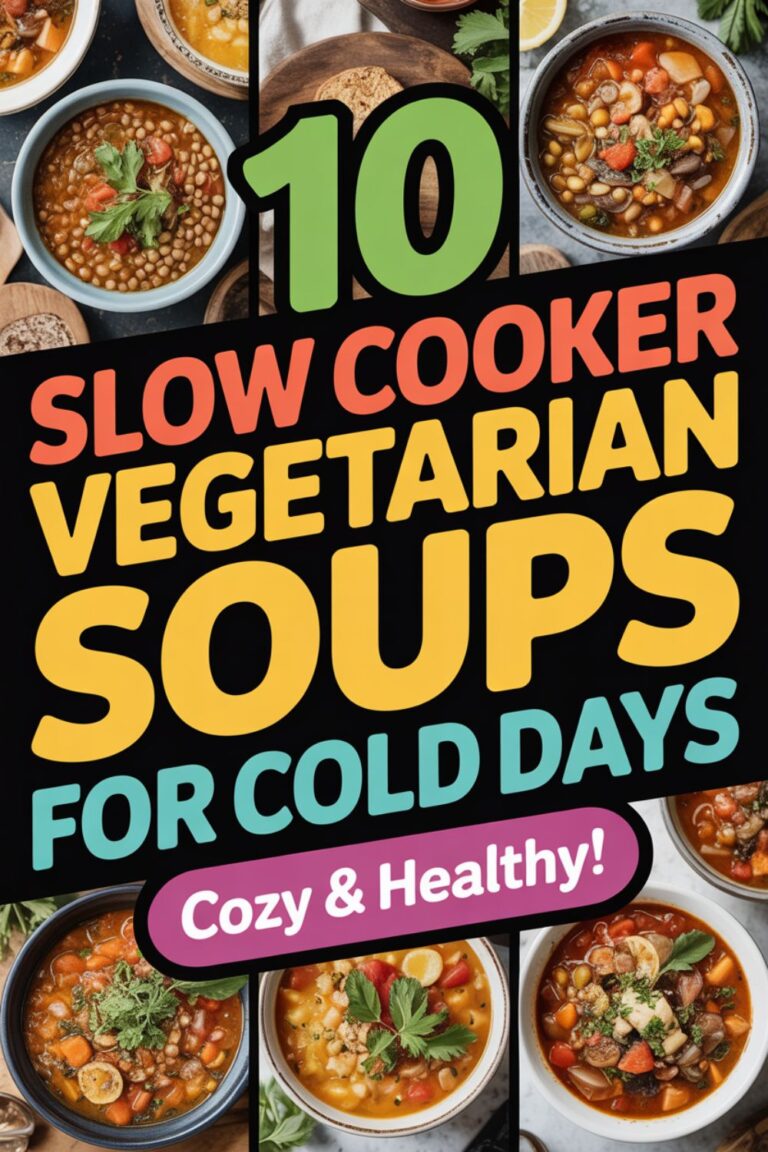
For more soup inspiration using seasonal ingredients, check out these slow cooker soups that work year-round with simple ingredient swaps for different seasons. Get Full Recipe
Balsamic Glazed Chicken with Spring Onions
Chicken breasts, balsamic vinegar, honey, and spring onions that caramelize beautifully in the cooking liquid. This takes about four hours on low, and the chicken comes out incredibly flavorful without being drowning in sauce. The good quality balsamic vinegar makes all the difference here. Cheap balsamic can taste harsh and overly acidic, but decent balsamic adds a sweet complexity that can’t be replicated.
Lemon Garlic Shrimp with Zucchini Noodles
Another fast-cooking option. The zucchini noodles and shrimp only need about 45 minutes on high. I prep the shrimp with lemon, garlic, and a little white wine, then add the zucchini noodles right at the end. They soften slightly but maintain their texture, and the whole dish feels light and fresh.
You’ll need a spiralizer for the zucchini noodles unless you want to buy them pre-made, which is honestly fine too. No judgment. Get Full Recipe
Herbed Turkey Meatballs with Peas
Ground turkey, fresh herbs, garlic, and a simple tomato sauce. The meatballs cook for three hours, then I add frozen peas for the last 15 minutes. They thaw in the hot sauce and add a pop of sweetness and color. These are great over pasta or served with crusty bread.
According to nutritional data on spring vegetables, peas pack almost nine grams of protein per cup, making them a smart addition to lighter spring meals. Get Full Recipe
If you’re looking for more ways to use ground turkey in your slow cooker, these slow cooker meals for busy weeknights have tons of protein-forward options that work year-round. Get Full Recipe
Thai Coconut Chicken Soup
This is technically more of a curry-soup hybrid, but whatever you call it, it’s delicious. Chicken, coconut milk, Thai curry paste, and vegetables like bell peppers and snap peas. The coconut milk creates a creamy broth without feeling heavy, and the curry paste adds depth without requiring 47 different spices.
FYI, not all coconut milk is created equal. Full-fat coconut milk from a can creates a richer, more satisfying broth than the stuff in cartons labeled “coconut milk beverage.” Get Full Recipe
Springtime Beef and Barley Soup
Before you skip this thinking it’s too heavy, hear me out. The barley adds heartiness without being overwhelming, and the beef is cut into small, bite-sized pieces that cook relatively quickly. Fresh vegetables like carrots, celery, and peas go in at different stages to maintain texture. It’s comforting without being winter-level heavy.
Lemon Dill Chicken with Baby Potatoes
Baby potatoes, chicken thighs, fresh dill, and lemon. The potatoes go in first because they take longer to cook. The chicken goes in about two hours later. Everything finishes at the same time, and you end up with tender potatoes that have absorbed all the lemon and dill flavor. My favorite slow cooker liner bags make cleanup on this one absolutely painless.
Italian Sausage with Peppers and Fennel
Sweet Italian sausage, bell peppers, fennel bulb, and onions. The fennel adds a slightly licorice-like flavor that mellows during cooking and pairs perfectly with the sausage. This cooks for about five hours on low, and the vegetables get perfectly tender without turning to mush. Serve it over polenta or with crusty bread.
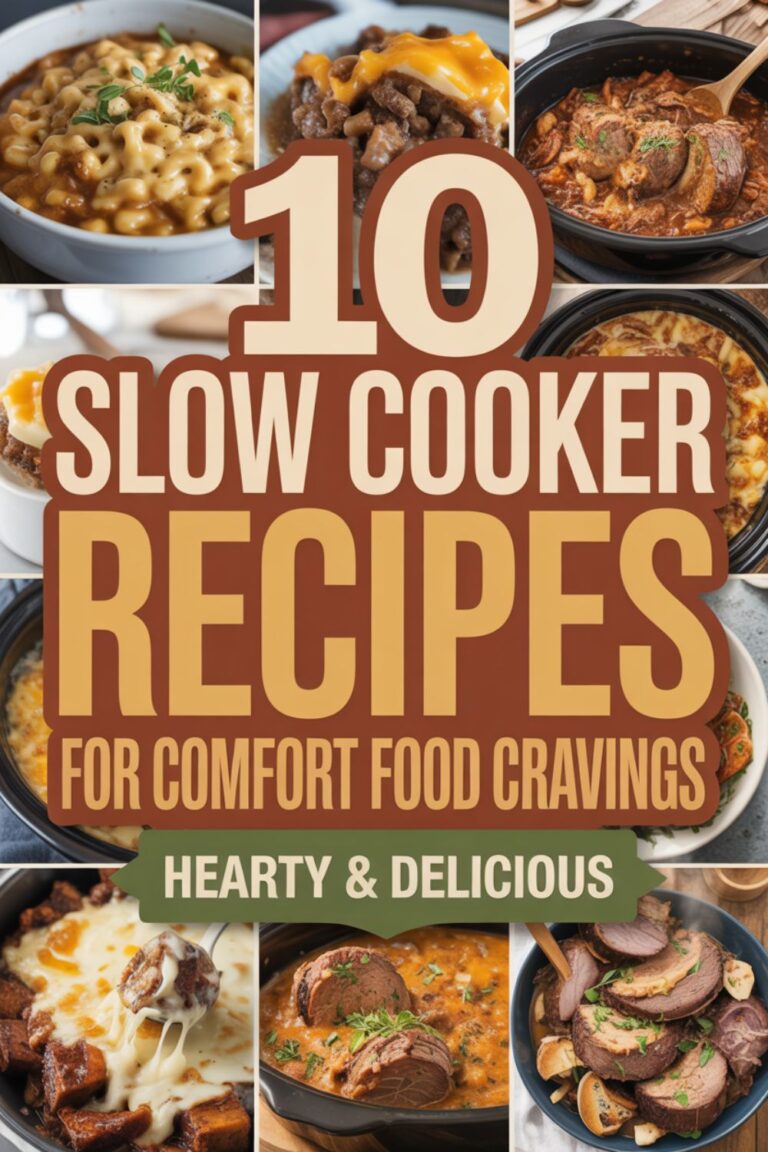
For more Italian-inspired slow cooker ideas, these comfort food recipes translate beautifully to slow cooker cooking with minor time adjustments. Get Full Recipe
Spring Green Curry
Chicken or tofu, green curry paste, coconut milk, and a mix of spring vegetables like asparagus, snap peas, and baby bok choy. The vegetables go in during the last 30 minutes to maintain their crunch and vibrant color. Serve over jasmine rice, and you’ve got a restaurant-quality curry made in your slow cooker.
Honey Balsamic Pork Tenderloin
Pork tenderloin with honey, balsamic vinegar, Dijon mustard, and fresh thyme. This cooks in about four hours on low, and the sauce reduces down to a beautiful glaze. Slice the pork thin and drizzle the glaze over everything. I serve this with roasted spring vegetables on the side.
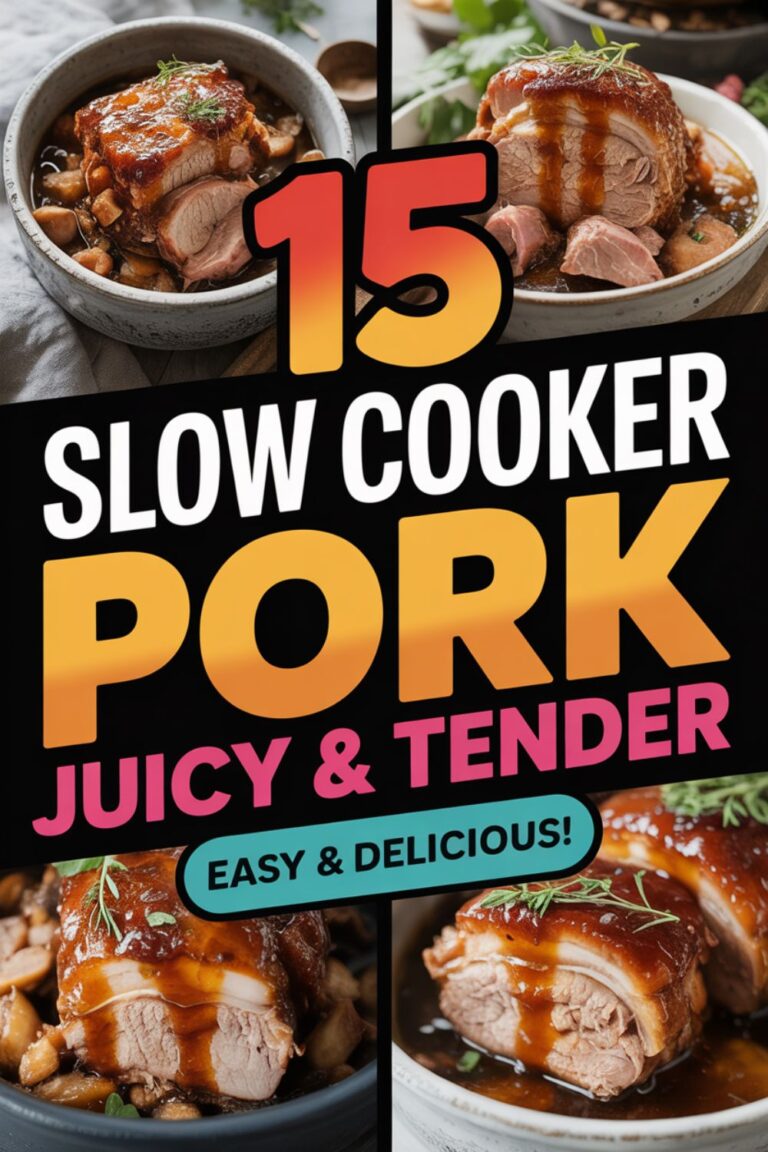
When you’re working with pork in the slow cooker, check out these juicy and tender pork recipes for techniques that ensure your meat never dries out. Get Full Recipe
Tuscan White Bean Soup
Cannellini beans, kale, tomatoes, and Italian seasonings. The kale goes in during the last hour so it wilts but doesn’t turn army-green and bitter. This soup is hearty enough to be satisfying but light enough for spring. A drizzle of good olive oil and some grated Parmesan on top makes it feel restaurant-fancy.
Moroccan Spiced Chicken with Apricots
Chicken thighs, dried apricots, warm spices like cumin and cinnamon, and chickpeas. The apricots break down slightly and create a naturally sweet sauce. This is exotic-feeling without requiring a trip to six different stores for obscure ingredients. Serve it over couscous with fresh mint scattered on top.
If you’re into exploring different flavor profiles in your slow cooker, these life-changing recipes cover everything from Asian to Mediterranean to Latin American cuisines. Get Full Recipe
Spring Vegetable Ratatouille
This is where your slow cooker really shines for spring. Zucchini, eggplant, tomatoes, bell peppers, and fresh basil layer together beautifully. Everything cooks down into a silky, flavorful stew that’s perfect over pasta, rice, or just eaten with crusty bread. The vegetables need about six hours on low to fully break down and meld together.
The mandoline slicer I use makes slicing all the vegetables uniformly so much easier, and uniform slices mean even cooking. Just watch your fingers. Those blades don’t discriminate. Get Full Recipe
Kitchen Tools That Make Spring Slow Cooking Easier
After years of spring meal prep, these are the tools and resources that actually earn their counter space. No fluff, just things that genuinely make cooking easier.
The Truth About Slow Cooker Safety in Spring
Let me address something that comes up constantly: food safety with slow cookers, especially when you’re dealing with delicate spring vegetables and quicker-cooking proteins.
According to University of Minnesota Extension food safety experts, your slow cooker needs to reach and maintain at least 140°F to keep food out of the danger zone. Most modern slow cookers hit 170-280°F, which is perfect. But here’s what people mess up: they add frozen ingredients or don’t preheat their cooker.
For spring cooking specifically, I always thaw proteins completely before they go in. Frozen chicken breasts might be fine in a winter stew that cooks for eight hours, but they’ll spend too long in the danger zone with spring’s shorter cooking times. Same goes for vegetables. If you’re using frozen peas or asparagus (which is totally fine), add them right at the end when the cooker is already hot. Don’t dump them in at the beginning.
Another thing: keep that lid on. Every time you lift it, the internal temperature drops 10-15 degrees and takes about 20 minutes to recover. I know it’s tempting to check on things, but resist. Set a timer and leave it alone.
After cooking, don’t let food sit on warm for more than two hours. Either eat it or transfer it to shallow containers and refrigerate. Never try to reheat leftovers in the slow cooker. Use the stove or microwave to get food to 165°F, then you can transfer it to a preheated slow cooker to keep warm for serving if needed.
Why Spring Vegetables Actually Benefit From Slow Cooking
There’s this misconception that spring vegetables are too delicate for slow cookers. That’s only half true. Yes, they cook faster than winter vegetables. But when you add them at the right time, slow cooking actually preserves their nutrients better than high-heat methods like sautéing or roasting.
Asparagus, for example, is packed with vitamins A, C, E, and K, plus fiber and antioxidants. When you roast it at 400°F, some of those water-soluble vitamins break down. But gentle steam from slow cooking? That maintains more nutrients while still giving you perfectly tender asparagus.
Peas are another winner. They’ve got almost nine grams of protein per cup, plus fiber and vitamins. According to research on spring vegetable nutrition, eating produce at its seasonal peak means you’re getting maximum nutrients and flavor. Slow cooking doesn’t compromise that if you time it right.
The key is treating your slow cooker like a tool with different settings and techniques, not just a “dump everything in and walk away” appliance. Add hardy vegetables like carrots and potatoes at the start. Add medium vegetables like bell peppers and onions halfway through. Add delicate vegetables like asparagus, peas, and spinach in the last 30-60 minutes. It’s that simple.
For more ideas on working with chicken throughout the seasons, these slow cooker chicken recipes cover techniques that work year-round with seasonal ingredient swaps.
Make-Ahead Strategies That Actually Work
The whole point of slow cooker spring dinners is making your life easier. But if your “make-ahead” strategy means thawing bags of freezer-burned chicken at 6 AM, you’re not actually making anything easier. You’re just moving the stress around.
Here’s what works: Sunday prep for proteins and hardy vegetables only. Chop your carrots, cube your chicken, measure your spices, and store everything in the fridge (not the freezer) in labeled containers. You’ve got until Wednesday before things start getting questionable. That covers three dinners right there.
For vegetables that cook quickly, buy them fresh the day before or day of. Asparagus loses quality fast, even in the crisper drawer. Snap peas get limp. Fresh herbs turn brown. These aren’t make-ahead ingredients, and that’s okay. A quick stop at the store on your way home from work is still faster than cooking an entire meal from scratch.
The exception is hearty greens like kale or chard. You can wash, chop, and store those on Sunday, and they’ll be fine all week. Same with root vegetables, onions, and garlic. Know which ingredients have staying power and which ones need to be fresh.
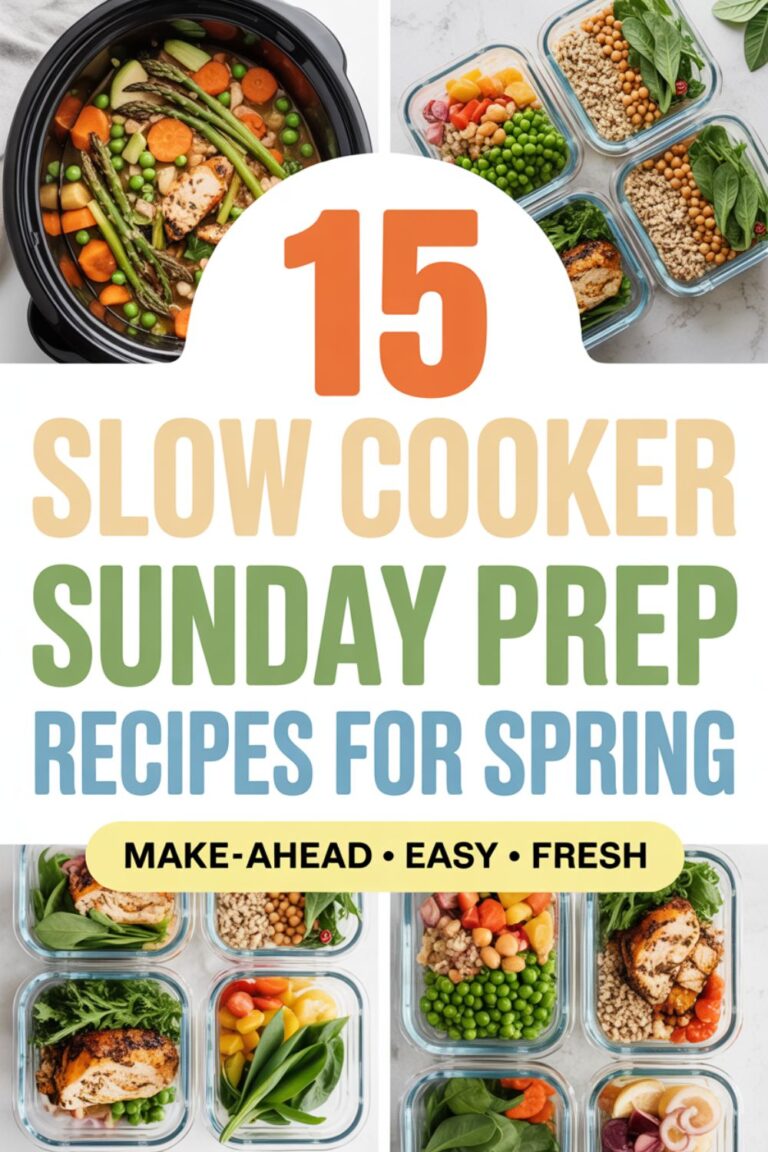
If you’re serious about meal prep, check out these meal prep recipes for the whole week that break down exactly which components can be prepped when.
When Slow Cooking Actually Doesn’t Make Sense
I love my slow cooker, but I’m not going to pretend it’s the answer to every spring dinner. Sometimes it’s genuinely not the best tool for the job.
Quick-cooking vegetables that you want to stay crisp? Just steam or sauté them. The slow cooker can’t give you that crisp-tender snap pea texture. It’s designed to make things soft and tender, not crispy and bright.
Single servings? Not worth it. Slow cookers need to be at least half full to cook properly and maintain safe temperatures. If you’re cooking for one, you’re better off making a skillet dinner or using a smaller appliance.
Dishes that rely on browning or caramelization? Again, not the slow cooker’s strength. You can pre-sear meats and that helps, but you’re not getting crispy chicken skin or caramelized edges from slow cooking. That requires high, dry heat that slow cookers simply don’t provide.
The slow cooker is a tool, not a religion. Use it when it makes sense. Skip it when it doesn’t.
Adapting Your Favorite Recipes for Spring
You probably have slow cooker recipes you already love. The good news is most of them can be adapted for spring with a few strategic swaps.
Take a basic chicken stew. In winter, you might use potatoes, carrots, and celery with cream. For spring, swap the cream for chicken broth with lemon juice. Replace half the potatoes with baby potatoes and asparagus. Add fresh dill instead of dried thyme. Boom. Spring version.
Beef stew? Use a lighter cut like sirloin instead of chuck. Add spring vegetables like peas and pearl onions in the last hour. Skip the heavy red wine sauce and go with a lighter broth-based sauce with fresh herbs.
The pattern is always the same: lighter liquids, quicker-cooking proteins, vegetables added in stages, and fresh herbs instead of dried. It’s not complicated, but it does require thinking about timing differently than you would for winter recipes.
For inspiration on adapting comfort food classics, these slow cooker recipes you’ll make again and again show how versatile these techniques can be.
Frequently Asked Questions
Can you really cook spring vegetables like asparagus in a slow cooker without turning them to mush?
Absolutely, but timing is everything. Add delicate vegetables like asparagus, peas, and snap peas during the last 30-60 minutes of cooking, not at the beginning. They’ll steam gently in the existing liquid and stay tender-crisp instead of turning into baby food. I’ve been doing this for years, and when you nail the timing, the texture is actually better than steaming them separately.
How do you prevent chicken breasts from drying out in the slow cooker?
Use bone-in, skin-on thighs instead whenever possible—they stay way more moist. If you must use breasts, cook them on high for 3-4 hours instead of low for 6-8 hours, and include enough liquid to create steam. Also, don’t overcook them. Check internal temperature at 3 hours, and pull them the second they hit 165°F.
Is it safe to put frozen vegetables directly into a slow cooker?
Yes, but only at the end of cooking when everything else is already hot. Never start with frozen ingredients at the beginning—they’ll keep the temperature in the danger zone too long. Add frozen peas, corn, or other quick-cooking frozen vegetables in the last 15-30 minutes when your dish is already at safe temperature.
What’s the difference between cooking on low versus high in a slow cooker?
Low runs around 190°F and takes about twice as long as high (which runs around 280°F). For spring recipes with delicate proteins and vegetables, high is often better because shorter cooking times mean better texture. The old “low and slow all day” rule really applies more to tough winter cuts that need 8+ hours to break down.
Can I prep slow cooker ingredients the night before and refrigerate them in the crock insert?
Technically yes, but it’s not ideal. The cold insert takes way longer to heat up, keeping food in the danger zone longer. Better move: prep ingredients in separate containers, refrigerate those, then assemble everything in the morning before you leave. Takes an extra five minutes but it’s much safer.
Final Thoughts on Spring Slow Cooking
Your slow cooker isn’t just for winter. Once you adjust your timing and learn which vegetables to add when, it becomes one of the best tools for light, fresh spring dinners that don’t require you to stand over a hot stove.
The recipes here are a starting point. Play with them. Swap vegetables based on what looks good at the market. Try different herbs. Adjust cooking times based on your specific slow cooker because they all run a little differently. The more you cook this way, the more intuitive it becomes.
Spring is short. Don’t spend it all in the kitchen when your slow cooker can do most of the work for you. Prep smart, add vegetables in stages, and you’ll end up with dinners that actually taste like the season instead of just being another heavy stew.
Now go dust off that slow cooker and put it to work. Your future self will thank you when dinner’s ready and you didn’t have to stress about it.