This 7-Day Keto Meal Plan Helped Me Lose 7 Pounds in a Week
This 7-Day Keto Meal Plan Helped Me Lose 7 Pounds in a Week

Okay, I know what you’re thinking — “seven pounds in seven days? Sure, buddy.” And honestly? I get the skepticism. I had it too. But hear me out, because this 7-day keto meal plan genuinely changed how I felt about food, about my body, and about Monday mornings on the scale.
I’m not a nutritionist. I’m not a fitness influencer with perfect lighting and a six-pack. I’m just someone who got tired of feeling sluggish, bloated, and disappointed every time I looked in the mirror. So I tried keto — properly, with an actual plan — and the results surprised even me.
What Even Is Keto, and Why Does It Work So Fast?
If you’ve been living under a rock (no judgment :)), keto is short for the ketogenic diet — a high-fat, moderate-protein, very low-carb way of eating. The goal is to push your body into a state called ketosis, where it burns fat for fuel instead of carbohydrates.
Here’s the thing most people don’t realize: when you cut carbs, your body also sheds a significant amount of water weight very quickly. Carbs cause your body to hold onto glycogen, and glycogen binds with water. Cut the carbs, and that water starts to go. That’s a big reason why the first week of keto can feel almost magical on the scale.
Does that mean all seven pounds were pure fat? Nope — some of it was water. But the metabolic shift that happens in week one sets you up for real, sustained fat loss in the weeks that follow.
Before You Start: Setting Yourself Up for Success
Before we get into the actual meal plan, let me save you from a few rookie mistakes I made the first time I tried keto.
Stock your kitchen first. Seriously, if your fridge is full of pasta and your pantry is loaded with chips, you will cave by day two. Clear out the carb-heavy stuff and replace it with keto staples.
Here’s a quick shopping list to get you started:
- Proteins: eggs, chicken thighs, ground beef, salmon, bacon, tuna
- Fats: avocado, olive oil, butter, coconut oil, full-fat cheese
- Vegetables: spinach, zucchini, cauliflower, broccoli, kale, mushrooms
- Snacks: almonds, walnuts, pork rinds, string cheese
- Extras: heavy cream, cream cheese, bone broth, erythritol (for sweetness)
Also — and this is important — track your macros, at least for the first week. Most people aim for roughly 70% fat, 25% protein, and 5% carbohydrates. Apps like Cronometer or Carb Manager make this painless.
The 7-Day Keto Meal Plan (The One That Actually Worked for Me)
Alright, here’s the main event. This is the exact framework I followed. Feel free to swap proteins or vegetables based on what you like — the key is staying under 20-25 grams of net carbs per day.
Day 1: Easing In
Breakfast: Scrambled eggs with butter, topped with shredded cheddar and a side of bacon.
Lunch: Tuna salad (made with mayo, celery, and a squeeze of lemon) served on a bed of romaine lettuce.
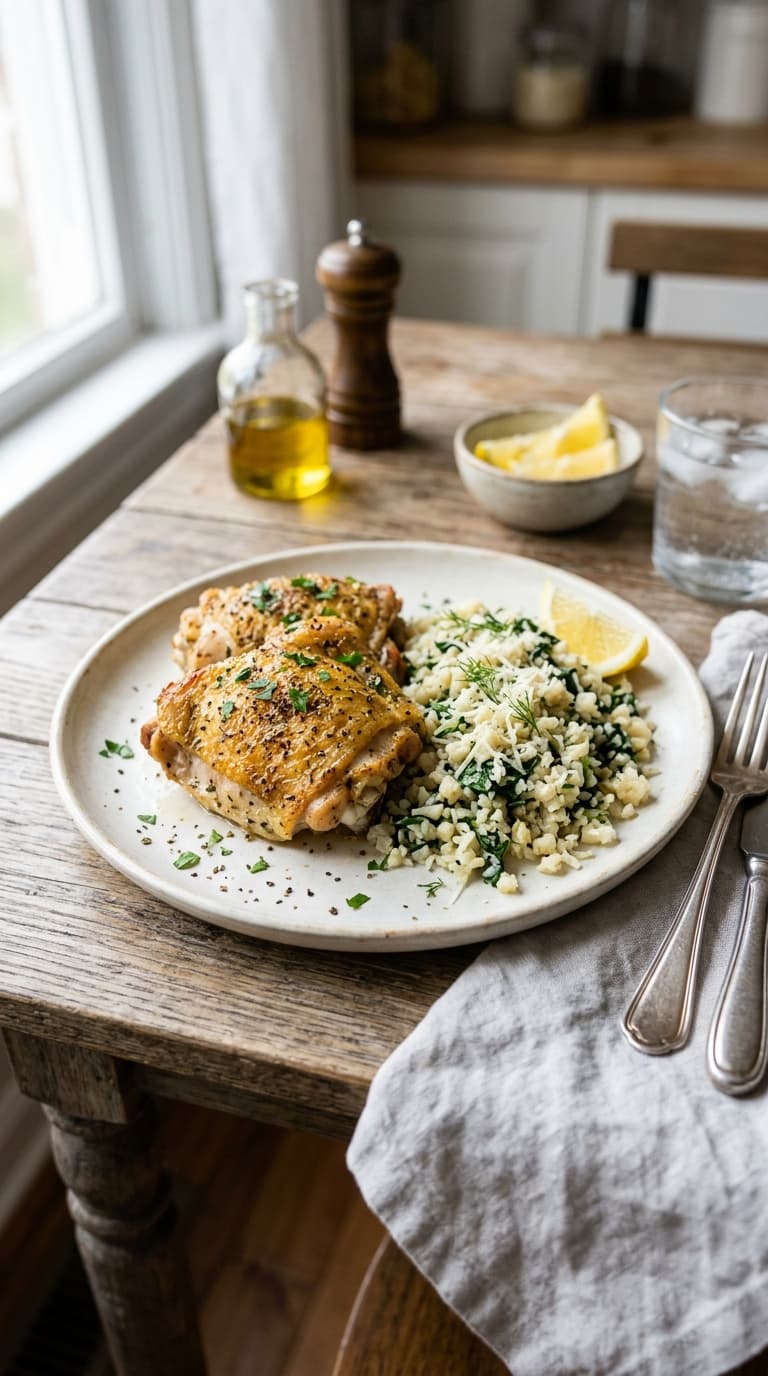
Dinner: Grilled chicken thighs with roasted broccoli drizzled in olive oil and garlic.
Snack: A handful of almonds and a string cheese.
Day one feels easy because you’re still riding motivation. Enjoy it — day three is where the real test begins.
Day 2: Finding Your Rhythm
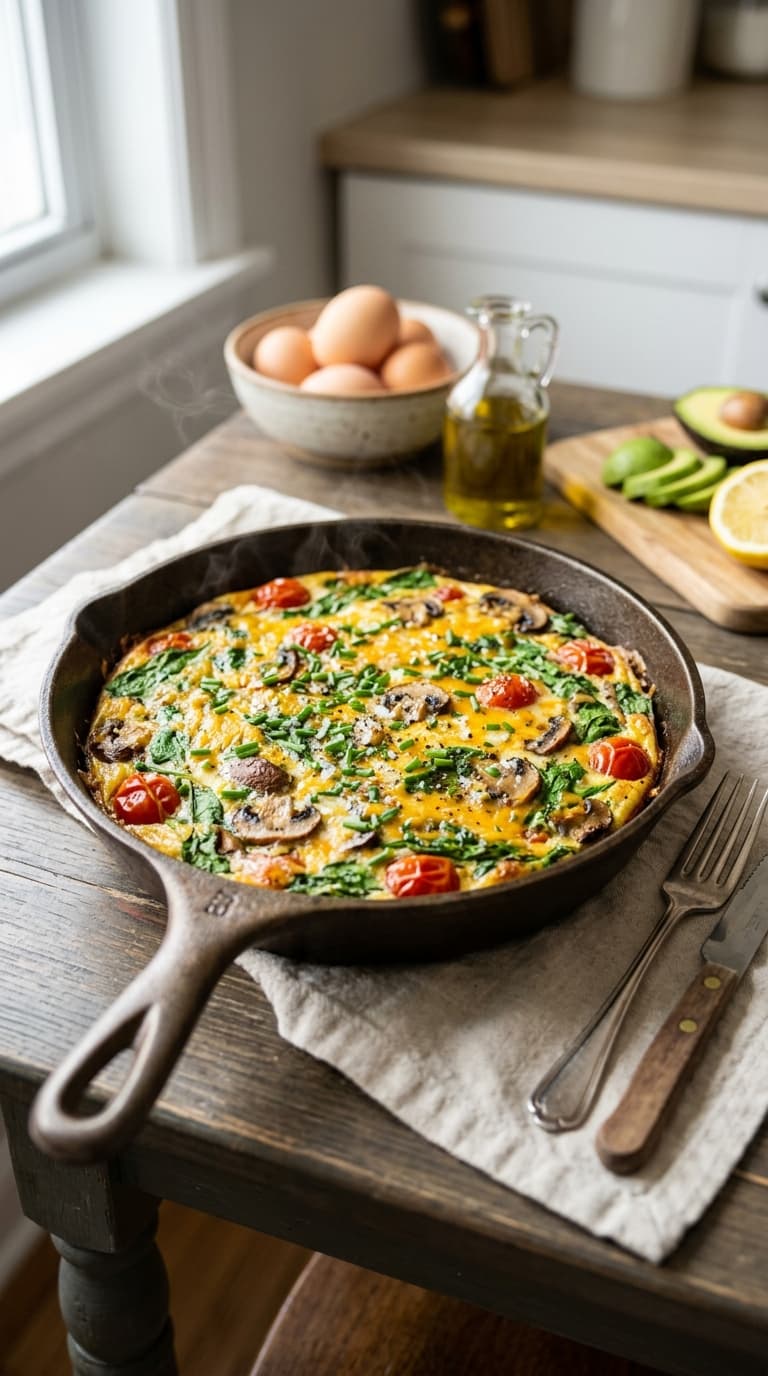
Breakfast: A veggie omelette with spinach, mushrooms, and feta cheese cooked in butter.
Lunch: Lettuce-wrapped ground beef burgers with avocado, cheese, and mustard.
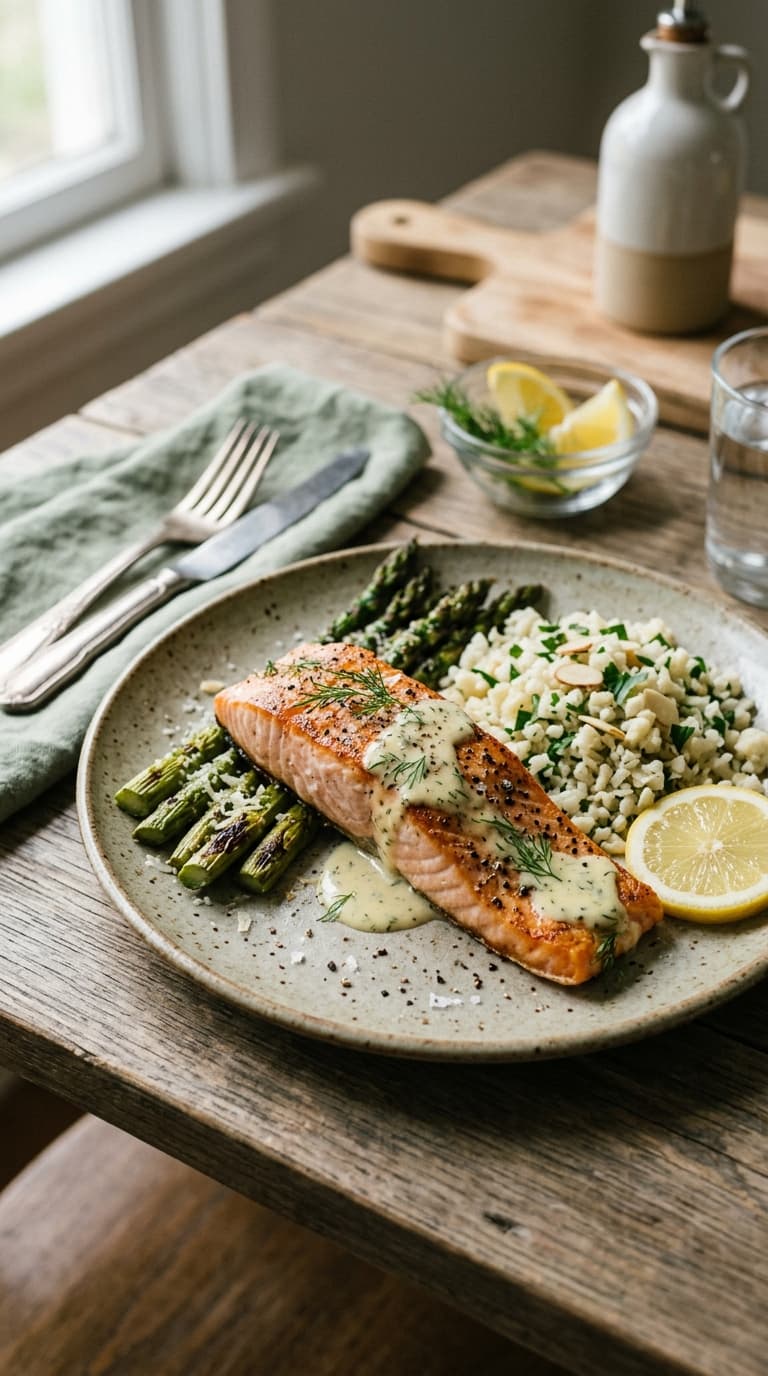
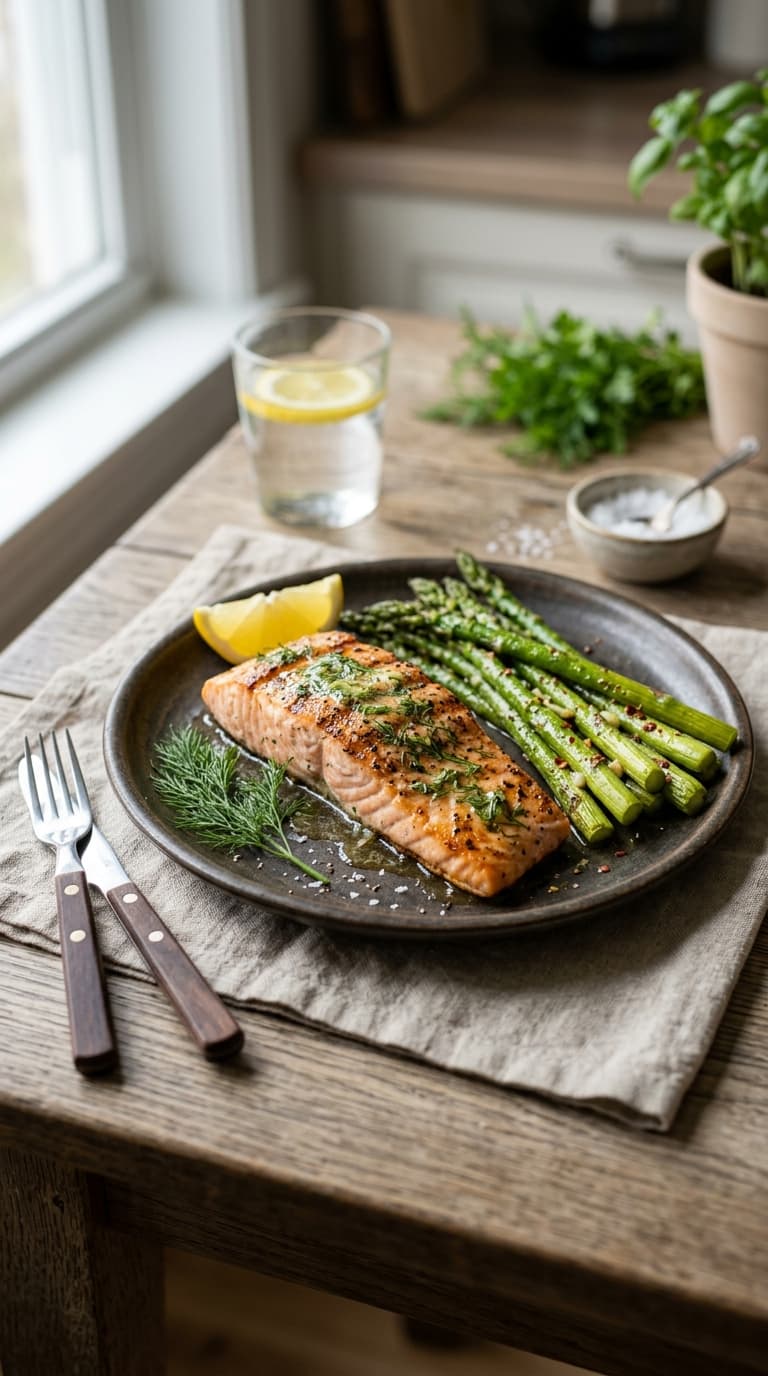
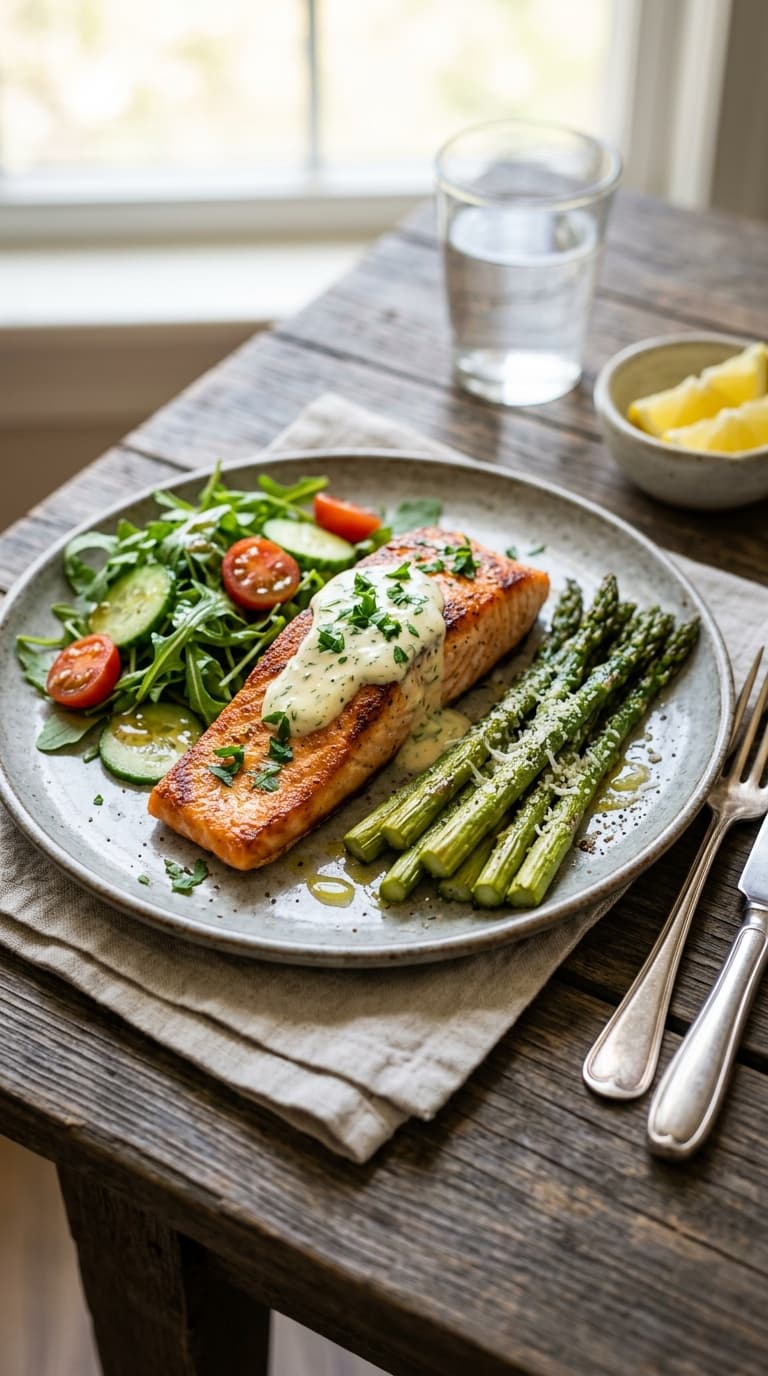
Dinner: Baked salmon with a side of sautéed zucchini in garlic butter.
Snack: Celery sticks with cream cheese.
By day two, most people notice they’re not actually that hungry between meals. That’s the fat and protein combo keeping you satiated — one of keto’s biggest wins over standard calorie-counting diets.
Day 3: The Keto Flu Warning
Breakfast: Bulletproof-style coffee (black coffee blended with a tablespoon of butter and coconut oil) and two boiled eggs.
Lunch: Chicken Caesar salad — no croutons, obviously — with full-fat Caesar dressing.
Dinner: Ground beef and cauliflower rice stir-fry with soy sauce (low-sodium), sesame oil, and ginger.
Snack: Walnuts and a few slices of salami.
Heads up — day three is when the keto flu might hit. You could feel tired, headachy, or a little foggy. This happens because your body is transitioning fuel sources and flushing out electrolytes with all that water. Drink bone broth, add salt to your food, and stay hydrated. It passes, I promise.
Day 4: You’re Over the Hump
Breakfast: Keto pancakes made with almond flour, cream cheese, and eggs, topped with a small amount of sugar-free syrup.
Lunch: Leftover stir-fry from day three (meal prep is your best friend on keto).
Dinner: Pork chops pan-seared in butter with a side of creamed spinach.
Snack: Pork rinds with guacamole.
By day four, something shifts. The fog lifts, your energy stabilizes, and — if you’re lucky — you start feeling genuinely good. This is ketosis doing its thing, and it’s worth every rough moment on day three.
Day 5: Getting Creative
Breakfast: Avocado stuffed with two fried eggs, topped with hot sauce and sea salt.
Lunch: Zucchini noodles (zoodles) with a rich, full-fat Bolognese sauce — made with ground beef and no added sugar in the tomato base.
Dinner: Shrimp sautéed in garlic butter over a bed of cauliflower mash.
Snack: A small portion of full-fat Greek yogurt (plain, unsweetened) with a few blueberries. FYI — berries are one of the few fruits keto allows in small quantities.
Day five is when people usually start experimenting with keto-friendly versions of their favorite meals, and honestly, zoodles with Bolognese almost made me forget pasta was ever a thing. Almost.
Day 6: Weekend Energy
Breakfast: A full egg and cheese scramble with diced jalapeños and sour cream — because weekends deserve a little extra.
Lunch: BLT lettuce wraps with avocado, bacon, tomato slices, and full-fat mayo.
Dinner: Ribeye steak with garlic herb butter, a side salad with olive oil and vinegar dressing, and roasted asparagus.
Snack: Dark chocolate (85% or higher) — yes, this is allowed, and yes, it’s a lifesaver.
By day six, you’re probably noticing your clothes fitting a little differently. That’s both the water weight reduction and your body tapping into fat stores. Keep going.
Day 7: Finishing Strong
Breakfast: Smoked salmon with cream cheese on cucumber slices, topped with capers.
Lunch: Keto egg salad (made with mayo, mustard, and dill) served in avocado halves.
Dinner: Roasted whole chicken thighs with herb butter, paired with roasted Brussels sprouts and a drizzle of balsamic (small amount — check the carbs).
Snack: Cheese board with brie, cheddar, salami, and olives. IMO, this is one of the most satisfying snacks in existence.
Day seven feels like a victory lap. Step on the scale in the morning if you want a mood boost — most people following this plan closely see significant movement by now.
Why This Plan Works Better Than Generic Keto Advice
There are a million “keto meal plan” articles out there, so what makes this one different? Honestly, it’s the specificity and the balance.
A lot of keto meal plans online throw in recipes that sound great but require two hours of cooking and seventeen ingredients. This plan uses real, accessible food that you can find in any grocery store and put together in under 30 minutes most nights.
It also doesn’t just hand you a list of foods — it sequences your meals strategically. The early days are simple to reduce decision fatigue. The middle days address the keto flu head-on. The later days introduce more variety to keep you engaged and satisfied.
What Happens After Day 7?
Here’s the question nobody answers: what do you do on day eight?
The short answer — keep going if it’s working for you. One week of keto is just the beginning. The real fat loss (beyond the initial water weight) happens in weeks two through four and beyond, as your body becomes increasingly efficient at burning fat.
Some people do a cyclical keto approach, where they eat keto five or six days a week and have a slightly higher-carb day on the weekend. Others stick to strict keto for 30-90 days before transitioning to a more flexible low-carb lifestyle. Both approaches work — it really comes down to your goals and how your body responds.
What you want to avoid is the classic trap: finishing a successful week and immediately rewarding yourself with a pizza. That spikes your insulin, kicks you out of ketosis, and erases a lot of the metabolic momentum you built.
Common Keto Mistakes That Will Stall Your Results
Even with a solid meal plan, people sabotage themselves in predictable ways. Here’s what to watch out for:
- Eating too much protein: Excess protein can convert to glucose through a process called gluconeogenesis, which can knock you out of ketosis. Keep protein moderate, not excessive.
- Ignoring hidden carbs: Sauces, dressings, and condiments are sneaky carb sources. Always read labels.
- Not eating enough fat: This is the most common beginner mistake. If you cut carbs but don’t replace those calories with fat, you’ll feel miserable and hungry.
- Skipping electrolytes: Salt, potassium, and magnesium are critical on keto. Don’t neglect them.
- Giving up during the keto flu: Day three and four feel rough for many people. Push through — the other side is worth it.
The Real Talk: Is Keto Right for Everyone?
Look, keto isn’t a magical cure-all, and it’s not the right fit for every person or every lifestyle. Some people genuinely thrive on it; others find it too restrictive long-term. According to research published by Harvard Health, the ketogenic diet can be effective for weight loss in the short term, though long-term adherence varies widely between individuals.
People with certain medical conditions — particularly those related to the liver, kidneys, or thyroid — should consult a doctor before starting keto. Pregnant or breastfeeding women should also get professional guidance first.
That said, for the average healthy adult looking to lose weight, reset their relationship with food, or simply reduce sugar cravings? A week of clean keto eating is one of the most effective experiments you can run on your own body.
My Honest Takeaways From This Week
Seven days. Seven pounds. And here’s the thing — the number on the scale wasn’t even the most impressive part.
By the end of the week, my energy levels were more consistent than they’d been in years. No more 3 PM crashes. No more waking up feeling like I needed a nap before I even started the day. My cravings for sugar dropped dramatically, which — if you know me — is genuinely shocking :/
I also started enjoying cooking again. When you strip away the pasta, the bread, and the processed stuff, you’re left with real food — and cooking real food is actually kind of satisfying.
Would I recommend giving this plan a shot? Absolutely. Just go in with realistic expectations, prep your kitchen beforehand, survive day three, and let the results do the talking.
Wrapping It Up
Here’s the bottom line: this 7-day keto meal plan works because it’s balanced, practical, and built around real food. It’s not a starvation diet. It’s not about white-knuckling your way through hunger. It’s about giving your body a different fuel source and watching what happens when it figures out how to use it.
The first week is the hardest, but it’s also the most dramatic in terms of results. Use that momentum. Build on it. And if you’ve been sitting on the fence about trying keto, consider this your nudge.
You’ve got nothing to lose — except, you know, the seven pounds. Good luck!