High-Fat 7-Day Keto Meal Plan to Get Into Ketosis FAST
High-Fat 7-Day Keto Meal Plan to Get Into Ketosis FAST
So you’ve decided to go keto. Maybe you’re tired of the energy crashes, the endless hunger, or just want to finally see what all the fuss is about. Whatever brought you here, I’m glad you showed up — because this 7-day high-fat keto meal plan is the real deal, not some watered-down version that leaves you confused and hungry by Tuesday.
I’ll be honest with you: when I first started keto, I had no clue what I was doing. I thought “high fat” meant drowning everything in butter and calling it a day. Spoiler alert — there’s a bit more to it than that. But once I figured out the rhythm, ketosis kicked in faster than I expected, and the results were genuinely surprising. Let me walk you through exactly what worked.
What Is Ketosis and Why Does Fat Matter So Much?
Before we get into the actual meal plan, let’s make sure we’re on the same page. Ketosis is a metabolic state where your body stops burning glucose for fuel and switches to burning fat instead. To get there, you need to slash your carb intake dramatically — typically under 20–50 grams of net carbs per day — and replace those carbs with fat.
Here’s the thing most people miss: fat isn’t just allowed on keto — it’s the whole point. Fat becomes your primary energy source. If you cut carbs but don’t eat enough fat, your body panics, your energy tanks, and you feel absolutely miserable. That’s not keto — that’s just suffering.
The faster you deplete your glycogen stores and flood your system with dietary fat, the faster you enter ketosis. Most people get there within 2–7 days when they follow the plan correctly.
The Golden Rules Before You Start
You don’t need to memorize a biochemistry textbook, but a few ground rules will save you a lot of frustration:
- Keep net carbs under 20g per day for the fastest results
- Hit 70–75% of your calories from fat every single day
- Moderate protein — around 20–25% of your calories
- Drink at least 3 liters of water daily — your kidneys will flush out a lot of water early on
- Supplement electrolytes — sodium, potassium, and magnesium are non-negotiable
FYI, the dreaded “keto flu” that everyone complains about? It’s almost entirely caused by electrolyte loss. Fix that early and you’ll feel dramatically better.
Your High-Fat 7-Day Keto Meal Plan
Let’s get into the good stuff. Each day is designed to keep you under 20g net carbs while loading up on quality fats and enough protein to preserve muscle. You’ll notice a mix of simple and slightly more interesting meals — because nobody wants to eat plain chicken breast seven days in a row. :/
Day 1 — Start Strong, Start Simple
Breakfast: Scrambled eggs cooked in butter with avocado on the side
Lunch: Tuna salad made with full-fat mayo, celery, and cucumber slices
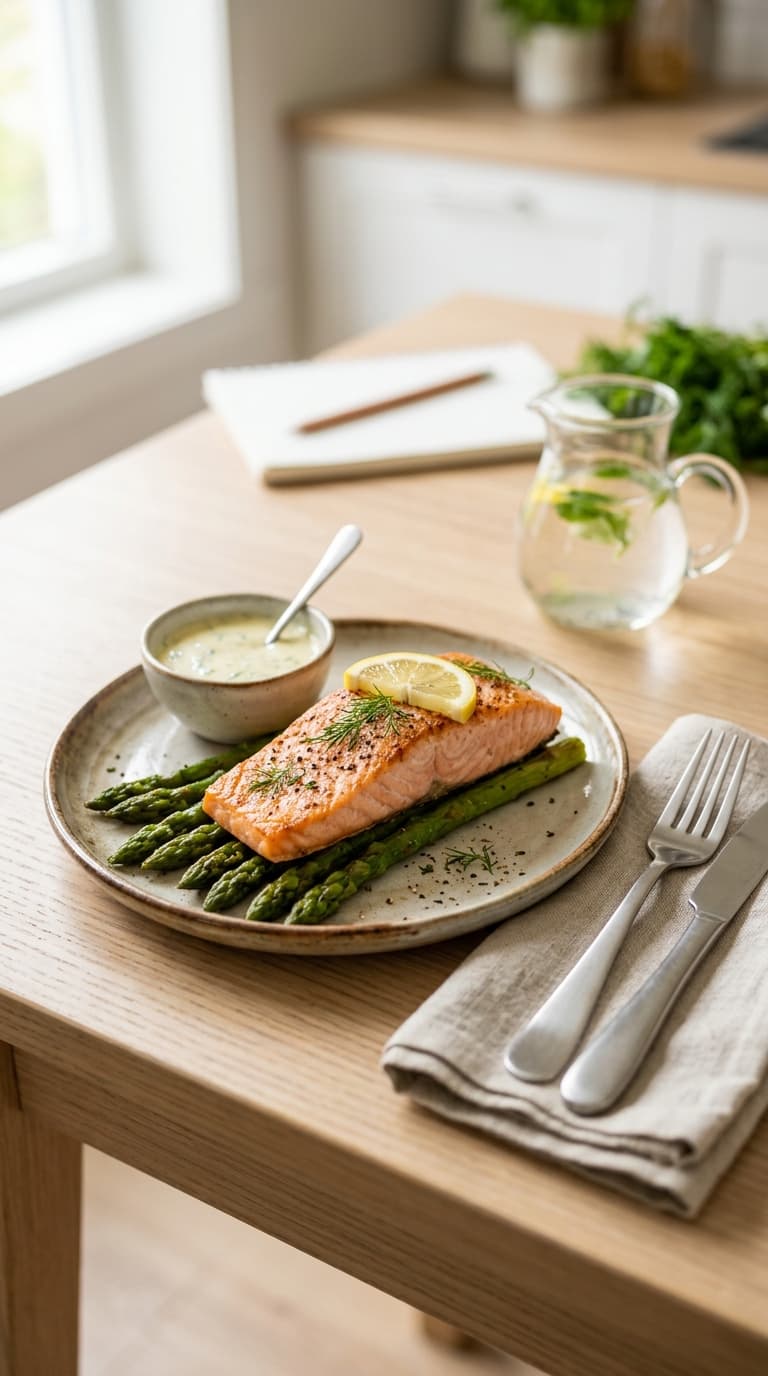
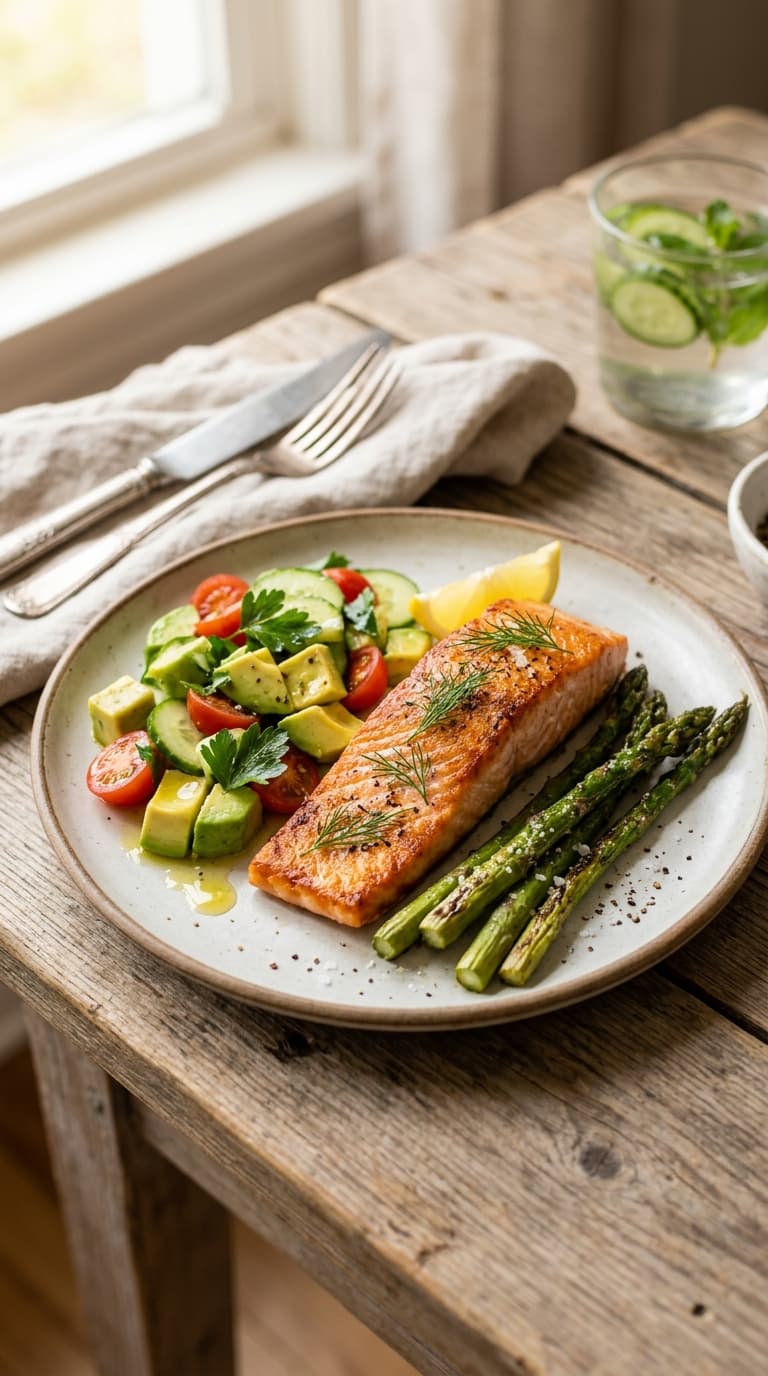
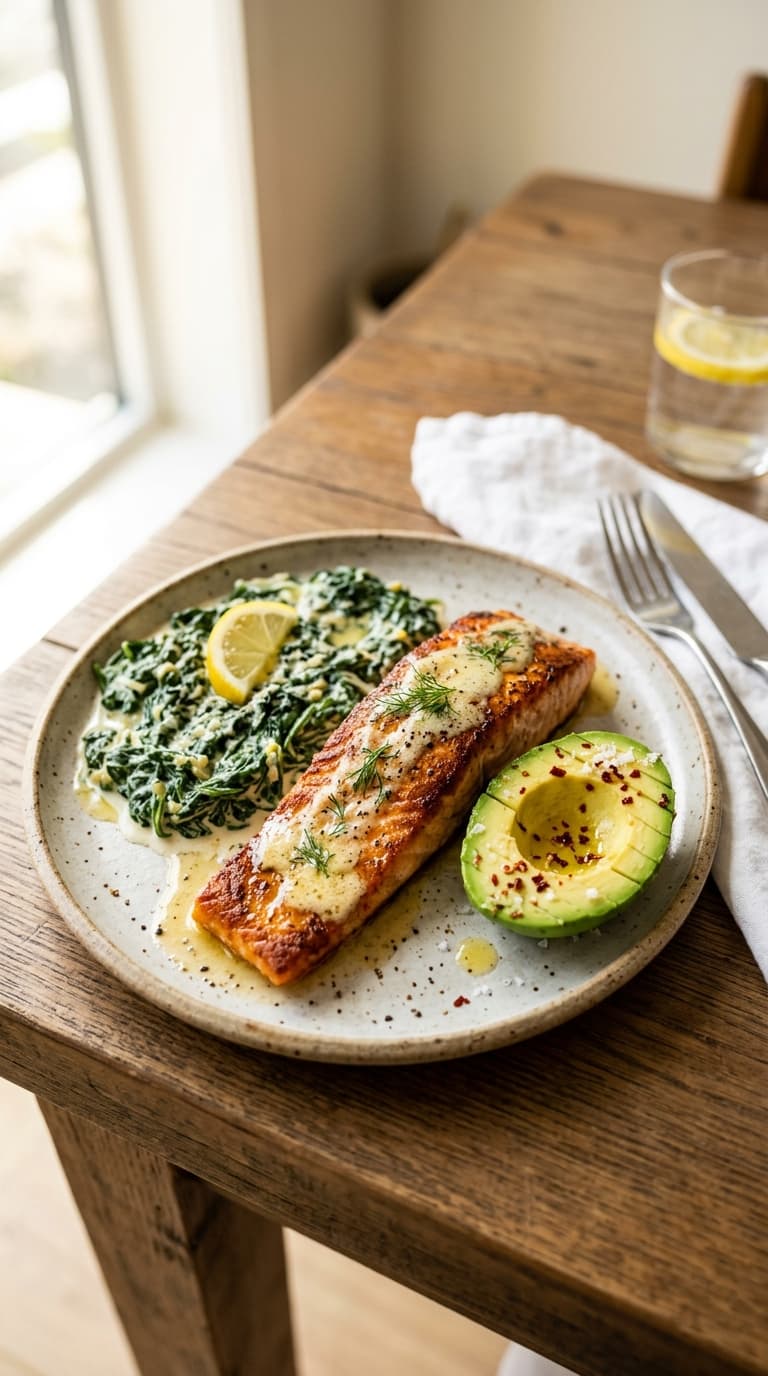
Dinner: Pan-seared salmon with a side of sautéed spinach in olive oil
Snack: A handful of macadamia nuts
Day one is about sending your body a clear signal: carbs are gone, fat is here. Salmon and eggs are keto superstars — packed with healthy fats and virtually zero carbs. The avocado adds a creamy dose of monounsaturated fat that your body will love.
Day 2 — Keep the Fat Coming
Breakfast: Bulletproof coffee (black coffee blended with grass-fed butter and MCT oil) + 2 boiled eggs
Lunch: Caesar salad with grilled chicken, parmesan, and a full-fat Caesar dressing (skip the croutons, obviously)
Dinner: Ground beef cooked with onion, garlic, and topped with shredded cheddar cheese
Snack: Cream cheese stuffed celery sticks
By day two, your glycogen stores are already dropping. MCT oil in your morning coffee is a game-changer — your liver converts it into ketones almost immediately, giving you a mental edge even before full ketosis kicks in. If you haven’t tried bulletproof coffee yet, you’re genuinely missing out.
Day 3 — Push Through the Transition
Breakfast: Bacon and eggs with a side of full-fat sour cream
Lunch: Lettuce-wrapped cheeseburger with avocado and mustard
Dinner: Baked chicken thighs (skin-on!) with roasted broccoli drizzled in olive oil
Snack: Pepperoni slices with mozzarella cheese
Day three is often the hardest. Your body hasn’t fully switched fuel sources yet, and you might feel sluggish or foggy. This is completely normal. Push through, drink your water, salt your food, and trust the process. Chicken thighs — not breast — are what you want here. The fat content is much higher and they taste about a thousand times better anyway.
Day 4 — Halfway There
Breakfast: Keto egg muffins made with cheese, bacon bits, and spinach
Lunch: Avocado stuffed with crab meat and full-fat mayo
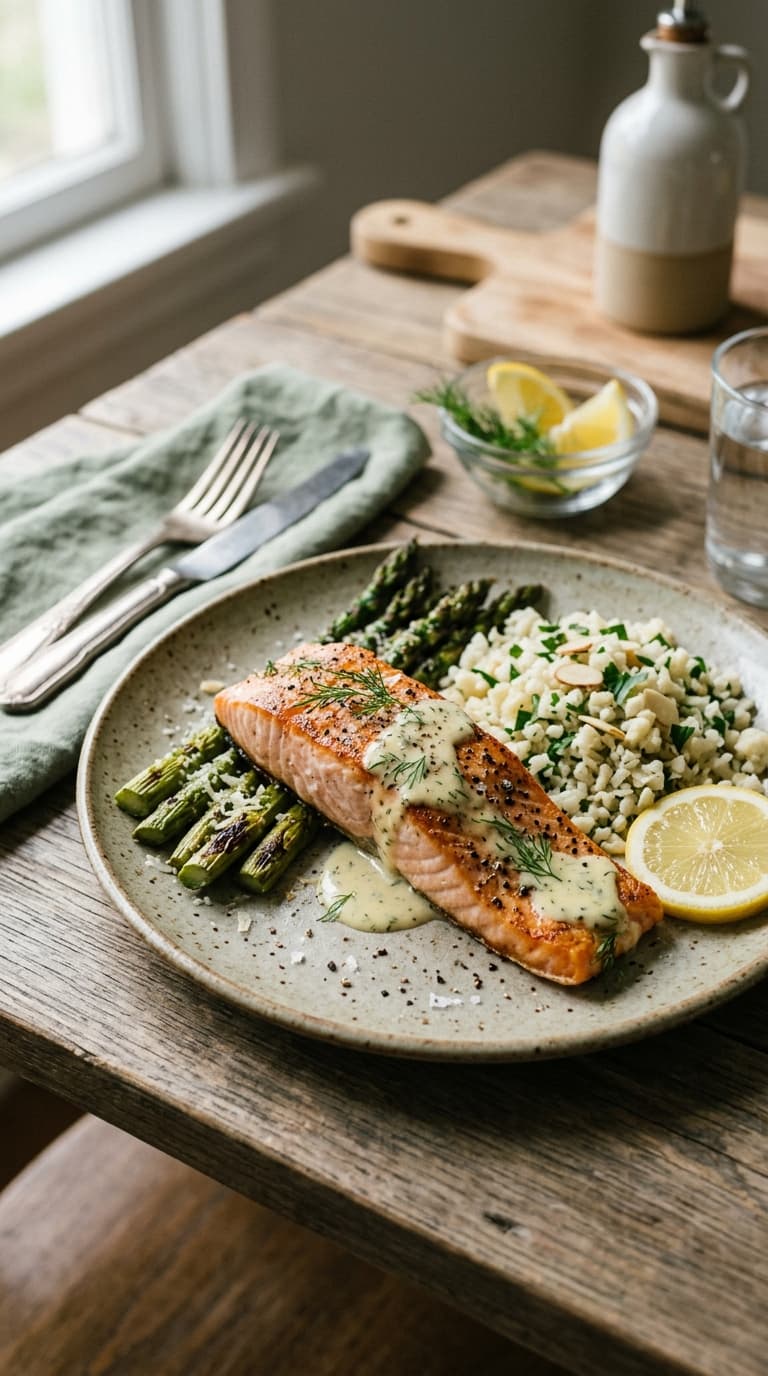
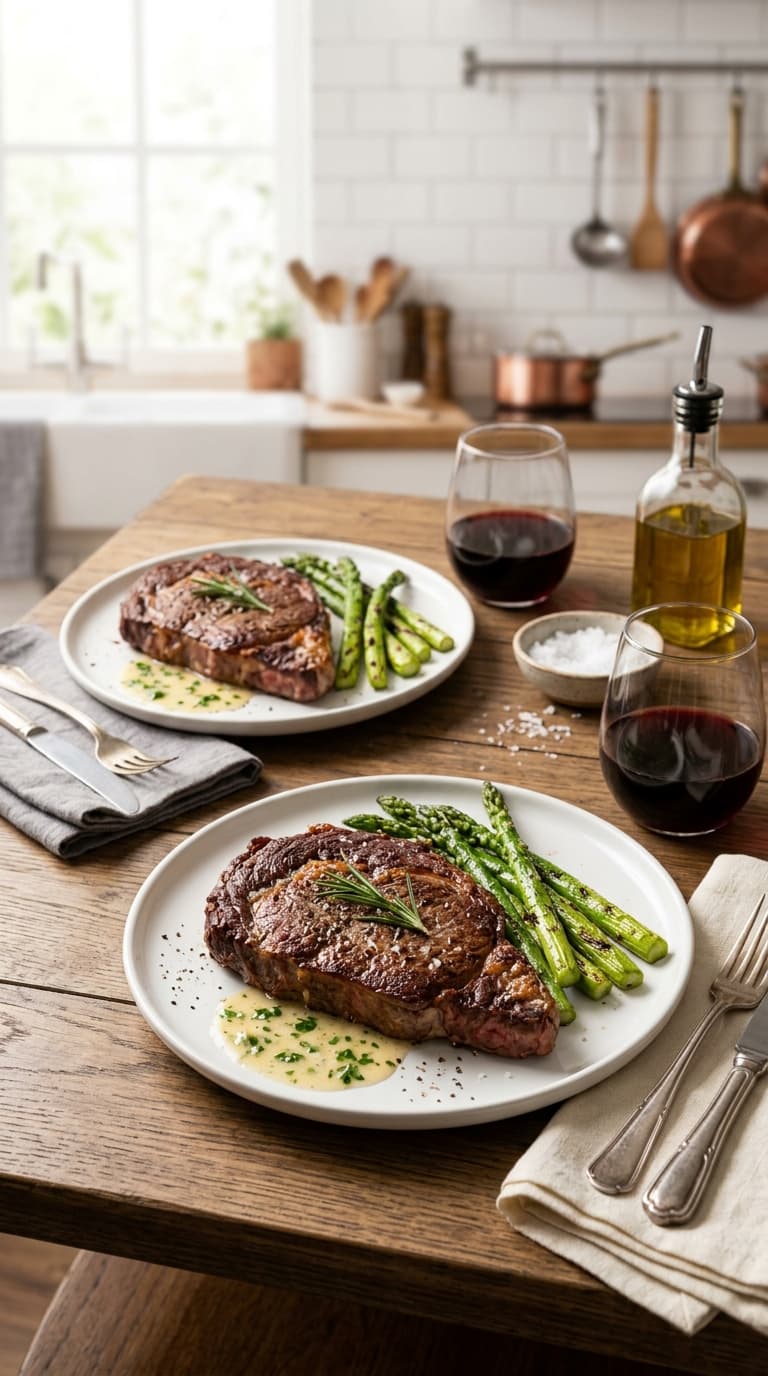
Dinner: Ribeye steak with garlic butter and asparagus
Snack: Olives and a small block of aged cheddar
Welcome to the halfway point. Many people start noticing real ketosis symptoms around day four — slightly fruity breath (charming, I know), reduced appetite, and a subtle but noticeable mental clarity. The ribeye steak at dinner is intentional — it’s one of the fattiest cuts of beef and delivers a serious dose of saturated fat to keep your macros on point.
Day 5 — Variety Keeps You Sane
Breakfast: Full-fat Greek yogurt (unsweetened) with chia seeds and a few walnuts
Lunch: Egg salad wrapped in romaine lettuce leaves
Dinner: Pork belly with roasted cauliflower mashed with butter and heavy cream
Snack: Brazil nuts and a square of dark chocolate (90% or higher)
IMO, day five is when keto actually starts feeling sustainable. The hunger swings level out, the cravings quiet down, and meals start feeling satisfying in a way that calorie-restricted diets never quite manage. Pork belly is arguably the ultimate keto food — incredibly high in fat, insanely flavorful, and stupidly easy to cook.
Day 6 — Lean Into the Lifestyle
Breakfast: Smoked salmon with cream cheese on cucumber rounds
Lunch: Broccoli cheddar soup made with heavy cream and bone broth
Dinner: Lamb chops with a herb butter sauce and green beans sautéed in bacon fat
Snack: Deviled eggs
By day six, you should be firmly in ketosis — or very close. Bone broth is worth adding to your daily routine beyond just this week. It’s rich in collagen, minerals, and electrolytes, which helps combat the keto flu and supports joint health. The lamb chops at dinner bring a different flavor profile that keeps things from getting boring.
Day 7 — Finish Like You Mean It
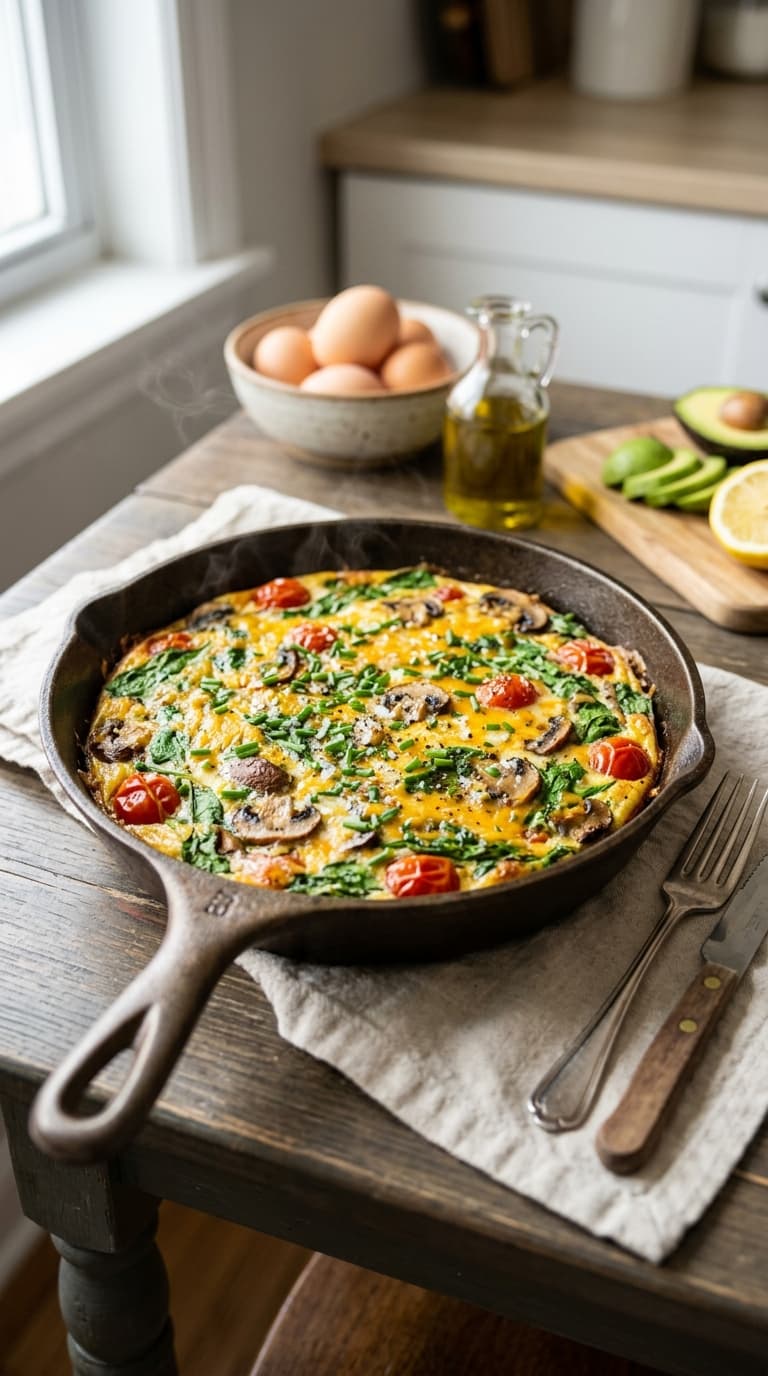
Breakfast: Three-egg omelette stuffed with feta cheese, spinach, and sun-dried tomatoes in oil
Lunch: Chicken Caesar lettuce wrap with extra parmesan and avocado
Dinner: Baked cod with lemon butter sauce, served with creamed spinach
Snack: A small bowl of mixed nuts — macadamias, walnuts, pecans
You made it through a full week. Day seven is about celebrating with food that feels indulgent but stays completely on plan. Cod is a leaner fish, but the lemon butter sauce pumps the fat content right back up. Creamed spinach is one of those keto side dishes that feels like a cheat but absolutely isn’t.
Foods to Keep in Your Kitchen All Week
Stock these and you’ll never scramble for a meal:
- Fats & Oils: Butter, ghee, olive oil, coconut oil, MCT oil, avocado oil
- Proteins: Eggs, fatty fish (salmon, mackerel, sardines), beef, pork, chicken thighs
- Dairy: Heavy cream, full-fat cheese, cream cheese, sour cream, full-fat Greek yogurt
- Vegetables: Spinach, broccoli, cauliflower, asparagus, zucchini, avocado
- Snacks: Macadamia nuts, olives, pepperoni, dark chocolate (90%+)
- Drinks: Water, black coffee, bone broth, sparkling water
Foods to Absolutely Avoid
This list might sting a little, but you need to hear it:
- All bread, pasta, rice, and grains
- Sugar in any form — honey, maple syrup, agave, the works
- Most fruit (berries in tiny amounts are fine)
- Starchy vegetables like potatoes, corn, and carrots
- Sweetened yogurt, flavored milk, and most condiments with hidden sugars
- Beer and most cocktails — dry wine in moderation is okay
Hidden carbs are everywhere. Always check labels on sauces, dressings, and packaged foods. You’d be shocked how much sugar ends up in products that seem completely savory.
How to Know You’re Actually in Ketosis
You don’t necessarily need a blood ketone meter (though they are the most accurate option). Here are the signs your body sends when it shifts into fat-burning mode:
- Reduced appetite — you genuinely stop thinking about food constantly
- Increased mental clarity — often described as a “brain fog lift”
- Fruity or slightly metallic breath — caused by acetone, a ketone byproduct
- Initial water weight loss — noticeable within the first 2–3 days
- Steady energy levels — no more post-lunch energy crashes
If you want to test at home, urine ketone strips are an affordable starting point. They’re not perfectly precise but they’ll confirm ketosis during your first week without breaking the bank.
Tips to Speed Up Ketosis Even More
Want to get there faster? Here are a few strategies that actually work:
- Try intermittent fasting — even a simple 16:8 window accelerates glycogen depletion significantly
- Add MCT oil early — it boosts ketone production independent of your carb intake
- Do light exercise — even a 20-minute walk helps burn through remaining glycogen stores
- Eliminate ALL grains on day one — don’t taper, just cut them completely
- Salt your food generously — sodium retention drops on keto and you need to compensate
The combination of intermittent fasting with a high-fat keto meal plan is particularly powerful. Many people following this approach report entering ketosis within 48–72 hours rather than the typical 4–7 days.
Common Mistakes That Slow Everything Down
Even with a solid plan, people trip up in predictable ways:
- Eating too much protein — excess protein converts to glucose through gluconeogenesis, which can knock you out of ketosis
- Not eating enough fat — this is the most common mistake; fat has to replace carbs in a meaningful way
- Ignoring electrolytes — headaches, muscle cramps, and fatigue usually trace back to this
- Snacking too frequently — even on keto-friendly foods, constant snacking can stall fat adaptation
- Trusting “keto-friendly” labels blindly — many products labeled this way still contain enough carbs to cause problems
A Quick Word on Sustainability
One week gets you into ketosis. But what keeps you there — and makes the whole thing worth doing — is building meals you actually enjoy eating. This meal plan isn’t meant to be a prison sentence. It’s a framework. Swap the salmon for mackerel, the ribeye for a different fatty cut, the broccoli for zucchini. The macros matter more than the specific foods.
The people who succeed long-term on keto are the ones who stop seeing it as a restrictive diet and start seeing it as a high-fat lifestyle that simply makes them feel better. 🙂
Wrapping It Up
A high-fat 7-day keto meal plan works because it removes the guesswork and gives your body exactly what it needs to flip the metabolic switch. Cut the carbs, eat the fat, mind your electrolytes, and stay consistent — those four things will get you into ketosis faster than almost anything else.
The first few days are the hardest. After that, most people feel genuinely good — better energy, clearer thinking, and a hunger control that feels almost suspicious after years of calorie counting. Give this full seven days before you judge it. Your body needs time to adapt, and once it does, you might just wonder why you didn’t start sooner.
Now go cook that bacon. You’ve got ketosis to chase.