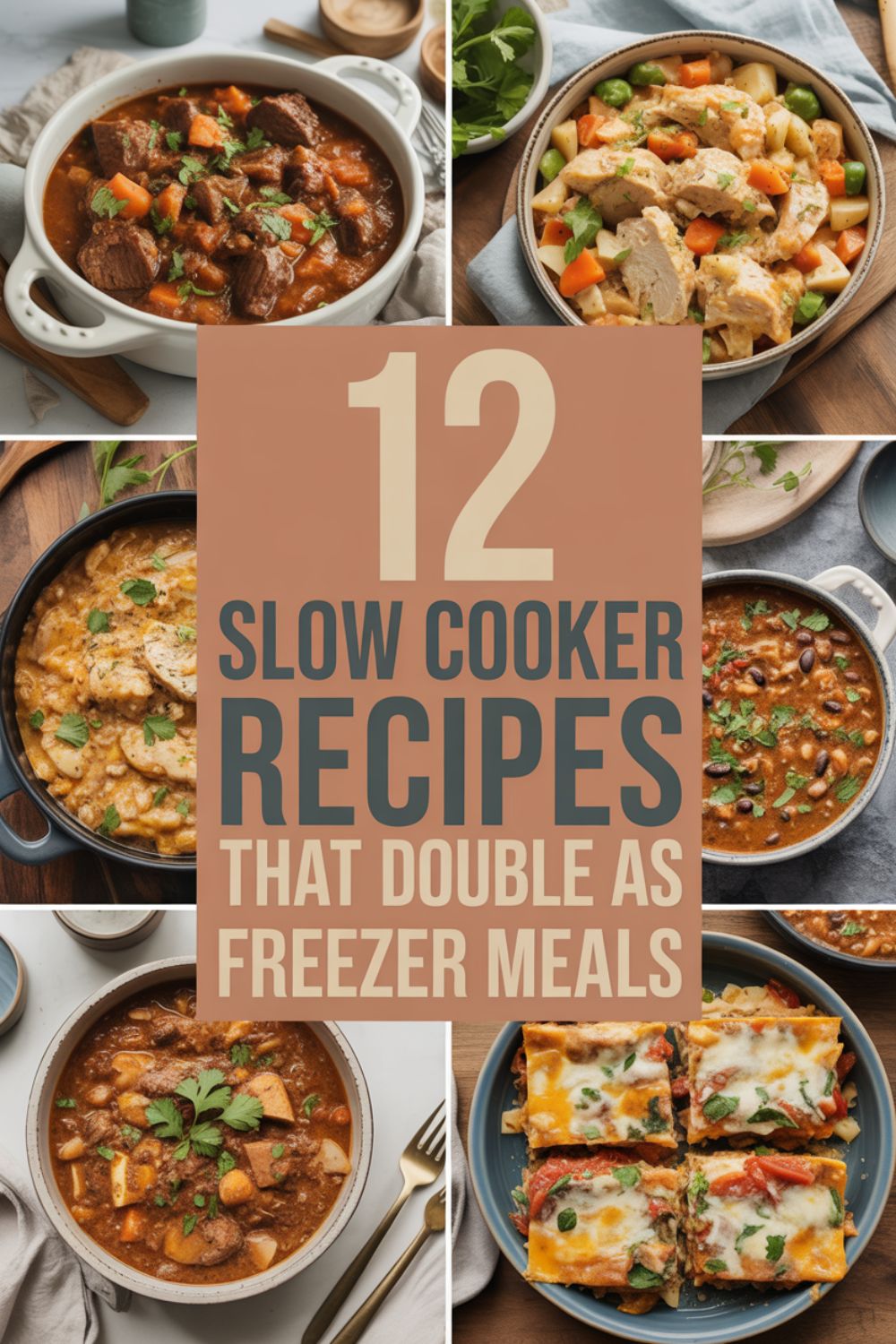
12 Slow Cooker Recipes That Double as Freezer Meals
Listen, I get it. Some nights you walk in the door at 6:30 PM, stare at your fridge like it’s going to magically produce dinner, and briefly consider cereal as a legitimate meal option. Been there, done that, got the takeout receipts to prove it.
Here’s the thing though—slow cooker freezer meals are about to become your new best friend. I’m talking about those genius prep-ahead situations where you dump ingredients in a bag, toss it in the freezer, and then weeks later you’ve got dinner basically cooking itself while you’re at work or pretending to help with homework.
The beauty of these recipes is they pull double duty. You’re not just meal prepping, you’re future-proofing your sanity. And honestly? Once you get into the rhythm of it, you’ll wonder why you didn’t start doing this years ago.
Why Slow Cooker Freezer Meals Actually Work
Before we dive into the recipes, let’s talk about why this method is so ridiculously practical. You’re basically doing all the annoying prep work once—chopping vegetables, measuring spices, portioning meat—and then banking that effort for multiple meals down the line.
Think of it like this: instead of spending 20 minutes prepping dinner every single night, you spend two hours on a Sunday afternoon making six meals. The math is pretty compelling when you break it down that way.
Plus, these meals freeze beautifully because nothing’s been cooked yet. According to the USDA’s freezing guidelines, raw ingredients freeze better than cooked ones anyway, which means better texture and flavor when you finally cook them.
The Food Safety Stuff You Need to Know
Real talk for a second—you absolutely need to thaw these meals properly before tossing them in your slow cooker. I know it’s tempting to throw a frozen brick of food in there and hope for the best, but that’s a food safety nightmare waiting to happen.
The slow cooker heats things up too gradually, which means frozen meat spends way too long in what food safety nerds call the “danger zone”—that 40°F to 140°F range where bacteria throw themselves a party. The USDA recommends always thawing in your refrigerator overnight, which takes planning but keeps everyone safe.
If you’re in a pinch, you can thaw under cold running water or use your microwave’s defrost setting. Just don’t leave that bag sitting on the counter all day—that’s when things get sketchy.
The 12 Recipes Worth Your Freezer Real Estate
1. Classic Beef Stew That Tastes Like Grandma Made It
There’s something deeply comforting about beef stew on a cold night. This one’s packed with chunks of beef chuck, potatoes, carrots, celery, and that rich brown gravy that makes you want to scrape the bowl clean.
The key here is cutting everything into uniform pieces so it all cooks evenly. I’m talking 1-inch cubes for the beef, similar size for the potatoes. Use a good chef’s knife because hacking away with a dull blade is both dangerous and annoying.
Toss it all in a bag with beef broth, tomato paste, Worcestershire sauce, and your standard stew spices. Eight hours later, you’ve got dinner that tastes like you actually tried. Get Full Recipe.
2. Salsa Verde Chicken Tacos
This might be the easiest recipe in this entire list, which is saying something. Chicken breasts, a jar of salsa verde, some cumin, and a can of black beans. That’s literally it.
After it cooks, shred the chicken with two forks and serve it in tortillas with whatever toppings you’re feeling—cheese, sour cream, avocado, cilantro. The salsa verde does all the heavy lifting flavor-wise, which is exactly what you want on a Tuesday night.
Pro tip: I use these silicone freezer bags for anything with liquids because they seal better and you can actually reuse them, which makes me feel slightly less guilty about all the single-use plastic I was burning through before.
3. Italian Sausage and Peppers
Here’s what I love about this one—it works as a sandwich filling, over pasta, or just eaten straight out of a bowl with some crusty bread for dipping. Maximum versatility, minimal effort.
Italian sausage links (I go with the spicy ones but you do you), sliced bell peppers, onions, crushed tomatoes, Italian seasoning. The sausages stay surprisingly juicy in the slow cooker if you don’t overcook them, so stick to the lower end of the cooking time if you can.
Speaking of which, if you’re looking for more hands-off dinner ideas, these 30 slow cooker meals for busy weeknights have been lifesavers on particularly chaotic weeks.
4. Honey Garlic Chicken That’s Better Than Takeout
I’m not even exaggerating when I say this rivals the stuff you’d order from your favorite Chinese restaurant. Chicken thighs (trust me on the thighs—they stay way more tender than breasts), soy sauce, honey, garlic, ginger, and a little rice vinegar for tang.
The sauce thickens up beautifully in the slow cooker, getting all sticky and caramelized on the chicken. Serve it over rice with some steamed broccoli and you’ve got a complete meal that didn’t require standing over a wok.
I use this garlic press religiously because mincing garlic with a knife is tedious and I’m lazy. Plus it gets way more juice out of the cloves, which means more flavor.
Game-Changer Alert: 6-Quart Programmable Slow Cooker
Okay, real talk—if you’re still using a slow cooker without a timer, you’re making life harder than it needs to be. This programmable 6-quart slow cooker has literally saved me from coming home to overcooked mush more times than I can count.
Set it to cook for exactly 6 hours, and it automatically switches to “warm” mode so your food stays perfect even if you’re running late. The digital display is actually readable (unlike my old one where I had to guess which setting I was on), and the ceramic insert is dishwasher safe, which is honestly non-negotiable for me at this point.
Worth every penny if you’re doing this freezer meal thing regularly.
Check Current PriceMeal Prep Essentials Used in This Plan
You’re going to need a lot of these. The disposable ones work fine, but the silicone reusable ones are game-changers if you’re doing this regularly. They stand up better and you can toss them in the dishwasher.
Label everything. And I mean everything. Date it, name it, write the cooking instructions if you want. Future you will thank present you when you’re staring at five identical frozen bags wondering which one is the chili.
If your slow cooker doesn’t have a timer, you might want to upgrade. Being able to set it to switch to “warm” after the cooking time is up means you won’t come home to mush if you’re running late.
Keeps track of what’s in your freezer and when you prepped it. Nothing fancy, just a simple spreadsheet that prevents you from discovering mystery meals from six months ago.
Expands your rotation beyond the same five meals. Most of these convert easily to freezer meals with minor tweaks to the instructions.
Covers all the temperature guidelines, thawing methods, and storage times so you’re not guessing about whether something’s still safe to eat.
5. Smoky White Bean and Chicken Chili
This one’s lighter than traditional beef chili but still incredibly satisfying. Great northern beans, chicken breast, green chilies, chicken broth, cumin, and smoked paprika for that deep, smoky flavor.
The smoked paprika is non-negotiable here—it’s what makes this taste interesting instead of bland. I also throw in a can of corn because it adds sweetness and texture, plus it looks prettier when you’re serving it.
Top it with shredded cheese, sour cream, and tortilla chips. Or don’t. Sometimes I just eat it straight from the bowl standing at the counter because I’m an adult and I can make my own decisions.
6. Balsamic Pot Roast
Pot roast gets a bad rap for being boring, but adding balsamic vinegar changes the whole game. It gives the meat this slightly tangy, sweet depth that regular pot roast just doesn’t have.
Chuck roast, baby potatoes, carrots, onions, beef broth, balsamic vinegar, rosemary, and thyme. The meat literally falls apart when you go to serve it, which is exactly what you want.
I always make extra of this one because the leftovers are phenomenal. Shred any leftover beef and make sandwiches the next day, or toss it with pasta and some of that leftover sauce.
The Reusable Silicone Bags That Changed My Meal Prep Life
Listen, I was skeptical about spending $25 on reusable silicone freezer bags when I could just buy a box of disposable ones for $5. But after a year of using these? I’m never going back.
They seal better than plastic bags, which means no freezer burn and no mysterious leaks in your freezer. They stand up on their own while you’re filling them—no more holding bags open with one hand while trying to pour soup with the other. And because they’re clear, you can actually see what’s inside without playing the “what’s this frozen mystery meal” game.
Plus they’re dishwasher safe, so cleanup is basically zero effort. The set comes with three gallon-sized bags, which is perfect for these slow cooker meals.
Get Them HereFor more comforting recipes that feel like a warm hug after a long day, check out these 25 comfort food recipes perfect for your Instant Pot. Some translate beautifully to the slow cooker too.
7. Teriyaki Meatballs Over Rice
Okay, so technically you make the meatballs ahead and freeze those separately, then add them to the teriyaki sauce when you’re ready to cook. But it’s worth the extra step because these meatballs are ridiculously good.
Ground beef or turkey, breadcrumbs, egg, ginger, garlic, soy sauce mixed into the meat. Form them into balls—I use a cookie scoop to keep them uniform—then freeze on a baking sheet before transferring to bags.
The teriyaki sauce is just soy sauce, brown sugar, garlic, ginger, and cornstarch to thicken it up. Dump it all in the slow cooker together and let it do its thing. Serve over rice with steamed green beans or broccoli.
8. Moroccan-Spiced Chickpea Stew
This is my go-to vegetarian option that even meat-eaters don’t complain about. Chickpeas, sweet potato, diced tomatoes, vegetable broth, onions, and a bunch of warm spices like cumin, cinnamon, paprika, and turmeric.
The combination sounds weird if you haven’t had Moroccan food before—cinnamon in a savory dish?—but trust me, it works. The whole thing comes together into this thick, hearty stew that’s both filling and different from your standard weeknight rotation.
I like serving this over couscous with a dollop of Greek yogurt on top, but rice works too. Sometimes I’ll add a handful of spinach during the last 30 minutes of cooking just to sneak in some extra greens.
9. Korean Beef Bowls
Ground beef, soy sauce, brown sugar, sesame oil, ginger, and garlic. It’s like a deconstructed bulgogi situation that costs a fraction of takeout and tastes just as good.
The best part is how fast this one cooks—only about 4 hours on low, which makes it perfect for those days when you forgot to put something in the slow cooker first thing in the morning.
Serve it over rice with some kimchi if you have it, shredded carrots, sliced cucumbers, and sesame seeds. The fresh vegetables cut through the richness of the beef and make it feel like a complete, balanced meal instead of just meat and rice.
If you’re into batch cooking multiple meals at once, these 10 Instant Pot meal prep recipes for the whole week complement these slow cooker recipes perfectly.
10. Tuscan White Bean and Sausage Soup
This soup is what I make when I need something that feels fancy but requires zero actual skill. Italian sausage, cannellini beans, kale, diced tomatoes, chicken broth, garlic, and Italian herbs.
The sausage breaks down and flavors the entire pot, the beans get creamy, and the kale wilts into the soup perfectly. It’s one of those meals that tastes like you spent way more time on it than you actually did.
I always have a loaf of crusty bread with this—toasted with butter if I’m feeling extra, or just regular if I’m not. The soup is substantial enough that you don’t really need anything else, but the bread is nice for soaking up the broth.
11. BBQ Pulled Pork
This recipe might be the ultimate meal prep power move because one pork shoulder makes enough food for multiple meals. Pork shoulder, BBQ sauce, brown sugar, apple cider vinegar, and some spices. That’s it.
The pork literally shreds itself after cooking low and slow for 8-10 hours. You can portion it into multiple bags after cooking and freeze it, then reheat it later for sandwiches, tacos, nachos, or loaded baked potatoes.
I use these portion-control containers to freeze individual servings, which makes it easy to grab exactly what I need without defrosting a giant bag of meat.
12. Creamy Tortellini Soup
Fair warning: this one’s a little different because you add the tortellini at the end, not in the freezer bag. But everything else freezes beautifully—Italian sausage, diced tomatoes, heavy cream, spinach, chicken broth, and Italian seasoning.
When you’re ready to cook it, add the frozen bag contents to your slow cooker, then stir in frozen tortellini during the last 30 minutes. The pasta cooks perfectly and doesn’t get mushy like it would if you’d frozen it raw with everything else.
This soup is rich, creamy, and feels like something you’d order at an Italian restaurant. Serve it with garlic bread or a simple side salad and call it a night.
For more soup inspiration during colder months, these 20 slow cooker soups to warm you up this winter are all fantastic and most work as freezer meals with minor adjustments.
The Assembly Line Method That Makes This Less Painful
Here’s how I actually prep these meals without wanting to cry halfway through: assembly line style. Set up stations on your counter with all your ingredients prepped and ready.
Chop all your vegetables first. Brown any meat that needs browning. Measure all your spices into little bowls. Label all your bags and lay them out. Then just move down the line filling bags systematically.
It sounds overly organized, but it’s actually way more efficient than trying to prep each meal individually from start to finish. Plus you only dirty one cutting board, one knife, and one set of measuring spoons instead of washing dishes six times.
I like using a bag holder stand so the bags stay upright while I’m filling them. Trying to hold a bag open with one hand while spooning ingredients in with the other is a recipe for spilling beef broth all over your counter. Ask me how I know.
This Vacuum Sealer Makes Freezer Meals Last Forever
If you’re serious about freezer meal prepping—like making a month’s worth at once—you need to invest in a vacuum sealer system. I resisted buying one for way too long because I thought it was overkill, but it’s honestly one of my favorite kitchen tools now.
Vacuum sealing removes all the air, which means your meals stay fresh in the freezer for 4-6 months instead of the 2-3 months you get with regular bags. No freezer burn, no weird ice crystals, no flavor degradation. Your food tastes just as good three months later as it did the day you prepped it.
This one comes with a roll of bags so you can custom-size them for whatever you’re freezing, and the machine itself is compact enough to store in a drawer when you’re not using it. The bags are reusable if you wash them properly, which makes the ongoing cost way more reasonable.
See It In ActionStorage and Organization Tips
Freeze your bags flat. Seriously, this is crucial. Flat bags stack neatly in your freezer, thaw faster, and take up way less space than those bulky frozen food blocks.
I keep all my freezer meals in one designated section of the freezer so I’m not digging around trying to find them behind the frozen peas and ice cream. Some people use baskets or bins to keep everything corralled, which works great if you have the space.
And please, for the love of everything holy, write the cooking instructions on the bag. You think you’ll remember, but you won’t. Include the temperature setting, cooking time, and any ingredients you need to add at the end.
Tools & Resources That Make Cooking Easier
Takes the guesswork out of knowing when chicken is actually done. The instant-read ones are worth the extra money because standing there watching the temperature slowly climb is torture.
If you’re trying to make specific portions or track macros, a cheap kitchen scale makes life so much easier. Plus it’s more accurate than eyeballing everything.
Look, I know they’re wasteful, but sometimes you just don’t want to scrub crusty cheese off the sides of your slow cooker. These make cleanup literally five seconds long.
Explains which ingredients freeze well and which ones turn weird and mushy. Saves you from learning through disappointing trial and error.
Organized by store section so you’re not running back and forth across the grocery store fourteen times. Includes space for noting sales and preferred brands.
Converts Instant Pot recipes to slow cooker times and vice versa. Expands your recipe options significantly without having to own both appliances.
Common Mistakes and How to Avoid Them
Overfilling Your Slow Cooker
Your slow cooker should be between half and two-thirds full for optimal cooking. Overfilling means uneven cooking and possibly undercooked food in the center. Underfilling means everything cooks too fast and might dry out.
If you’re scaling recipes up or down, pay attention to your slow cooker’s capacity. Most are 6 quarts, but they range from 3 to 8 quarts, which makes a big difference in cooking times and ingredient amounts.
Using the Wrong Cuts of Meat
Slow cookers are made for tough, cheap cuts of meat that need long, slow cooking to become tender. Chuck roast, pork shoulder, chicken thighs, beef stew meat—these are your friends.
Expensive, lean cuts like chicken breast or pork tenderloin? They dry out and get stringy in a slow cooker. Save those for other cooking methods where you have more control over the temperature and timing.
Not Thawing Properly
I mentioned this earlier, but it bears repeating: thaw in the fridge, not on the counter. Plan ahead and move your frozen bag to the refrigerator the night before you want to cook it.
If you genuinely forget and need to speed things up, use the cold water method—submerge the sealed bag in cold water and change the water every 30 minutes until thawed. It’s faster than the fridge but still safe.
For more quick dinner solutions when you haven’t planned ahead, these 15 one-pot Instant Pot dinners you can make in under 30 minutes are clutch for those emergency dinner situations.
Ignoring Liquid Ratios
Slow cookers don’t let much liquid evaporate, so you need less than you might think. If you’re converting a regular recipe to slow cooker format, cut the liquid by about a third.
Vegetables release water as they cook, meat releases juices—all of that stays in the pot. Too much liquid and you end up with soup when you wanted stew. Not enough and everything burns on the bottom.
Nutritional Considerations Worth Thinking About
One major advantage of cooking this way is portion control. You know exactly what’s going into your meals, and you can adjust ingredients based on whatever nutritional goals you’re working toward.
Want more protein? Add extra meat or beans. Trying to cut carbs? Skip the potatoes and add extra vegetables. Going vegetarian? Swap the meat for hearty vegetables, legumes, or plant-based proteins that hold up well in the slow cooker.
These meals also tend to be naturally higher in vegetables than typical weeknight dinners because you’re adding them during prep anyway. Might as well throw in extra carrots, celery, or peppers when you’re already chopping everything up.
According to nutritional research, slow cooking can actually help preserve nutrients in vegetables better than some other high-heat cooking methods. The lower temperature and longer cooking time are gentler on heat-sensitive vitamins.
Budget Benefits That Actually Add Up
Let’s talk money for a second. Buying meat in bulk when it’s on sale and portioning it into multiple freezer meals saves a stupid amount of money over time.
I’m talking buying a family pack of chicken thighs at $2.99/lb instead of paying $6.99/lb for the small package. Same with pork shoulder, beef chuck, ground meat—it’s always cheaper in larger quantities.
You’re also way less likely to order takeout when you know you’ve got dinner already prepped and waiting. Even if you only skip takeout once a week, that’s probably $30-40 you’re saving. Over a month, that’s real money.
Plus, these recipes use affordable ingredients. Dried beans instead of fancy proteins. Seasonal vegetables that are on sale. Pantry staples you probably already have. Nothing here requires shopping at specialty stores or dropping $15 on some weird ingredient you’ll use once.
Adapting Recipes for Different Dietary Needs
Most of these recipes are pretty flexible if you need to make substitutions. Going gluten-free? Just check your broth and sauces for hidden gluten and you’re good.
Dairy-free is even easier since most of these don’t include dairy anyway. The tortellini soup is the only exception, and you can use coconut cream instead of heavy cream without sacrificing much.
For low-carb or keto diets, skip the potatoes and rice and load up on cauliflower rice or zucchini noodles instead. The sauces and proteins work with any carb substitute you prefer.
Vegetarian versions are totally doable for most of these. Swap meat for extra beans, lentils, or firm tofu. The Moroccan chickpea stew is already vegetarian and shows how satisfying meatless slow cooker meals can be.
If you’re exploring plant-based options, comparing protein sources like chickpeas versus black beans or lentils versus tofu can help you choose ingredients that match your nutritional needs and taste preferences.
Making This Work for Your Life
Here’s the honest truth: you don’t need to prep twelve meals in one day. That sounds exhausting, and you’ll probably burn out before you even finish.
Start with two or three recipes. Pick ones that use similar ingredients so you’re not buying forty different things at the grocery store. Get comfortable with the process before you scale up.
Maybe you dedicate one Sunday a month to doing a big batch of freezer meals. Or maybe you prep two meals every other week. There’s no rule that says you have to do this a specific way—the whole point is making your life easier, not adding more stress.
The Realistic Timeline
For three recipes with overlapping ingredients, plan on spending about 90 minutes to 2 hours total. That includes gathering ingredients, prepping, filling bags, cleaning up, and putting everything away.
Your first time will take longer because you’re figuring out your system. By the third or fourth session, you’ll have it down to a science and move way faster.
Set yourself up for success by starting in the morning when you have energy, not at 8 PM when you’re already tired. Put on some music or a podcast, pour yourself coffee, and make it actually enjoyable instead of treating it like a chore.
Involving Other People
If you’ve got family members old enough to help, put them to work. Someone can measure spices while you chop vegetables. Kids can label bags or hold them open while you fill them.
Some people even do freezer meal prep parties with friends where everyone makes multiple recipes together and then splits the meals. You end up with variety without having to make every single recipe yourself.
Plus it’s way more fun to spend an afternoon cooking with friends than doing it solo. Just make sure everyone’s on board with the recipes you’re making so nobody ends up taking home food they won’t actually eat.
Troubleshooting Common Issues
Everything Turns Out Mushy
You’re probably cooking it too long. Different slow cookers run at different temperatures even on the same setting, which is annoying but true.
Start checking your food an hour before the recipe says it should be done. If everything’s already tender, turn it to warm or just turn it off. Better to catch it early than end up with vegetables that have disintegrated into mush.
Flavors Taste Bland
Slow cooking can mute flavors slightly, so you often need to season more aggressively than you think. Don’t be shy with the spices and salt when you’re prepping the bags.
You can also do a final seasoning adjustment when the food’s done cooking. Taste it and add more salt, pepper, or acids like lemon juice or vinegar to brighten things up before serving.
Freezer Burn Is Ruining Your Meals
Get as much air out of those bags as possible before sealing them. I press down on the bag to squeeze out air, then seal it quickly. Some people use the water displacement method where you slowly submerge the bag in water to push air out before sealing.
Double-bagging can help too if you’re planning to freeze meals for more than a month. The extra layer of protection prevents freezer burn and keeps flavors from getting weird.
And honestly, don’t keep things frozen forever. These meals are best used within 3-4 months. After that, they’re technically still safe to eat, but the quality starts declining.
Meal Planning Integration
These freezer meals work best when they’re part of an actual plan instead of just random bags of food in your freezer. I keep a list on my fridge of what freezer meals I have available.
Every weekend, I check the list and decide which meals I’m making that week. Then I move those bags from the freezer to the fridge to thaw. It takes literally thirty seconds but saves so much decision fatigue during the week.
You can also coordinate these with fresh meals. Maybe Monday and Wednesday are freezer meal nights, but Tuesday and Thursday you’re cooking something fresh. Having that mix keeps things from getting repetitive.
The goal isn’t to eat slow cooker freezer meals every single night—it’s to have reliable backup options for when you need them. Which, let’s be real, is probably more often than you’d like to admit.
Environmental and Sustainability Considerations
If you’re worried about all the plastic bags, I get it. The reusable silicone bags are pricier upfront but you can use them hundreds of times, which makes them worth it IMO.
You can also use reusable containers instead of bags, though they take up more freezer space and don’t stack as nicely. The tradeoff is less plastic waste, which might be worth it to you.
Another option is buying meat directly from local farms when possible. It’s often cheaper per pound when you buy in bulk, and you’re supporting local agriculture instead of factory farming. Plus the quality is usually way better.
Buying seasonal produce for these meals also makes environmental and economic sense. Peppers and tomatoes in summer, root vegetables and squash in fall, hardy greens in winter—whatever’s in season is cheaper and has a lower carbon footprint.
Final Thoughts
Look, I’m not going to pretend that freezer meal prep is some magical solution that will revolutionize your entire life. It’s just a practical strategy for making weeknight dinners less of a nightmare.
Some weeks you’ll be super on top of it, with a freezer full of meals and a detailed plan. Other weeks you’ll still be ordering pizza because life happens and that’s fine too.
The beauty of having these meals ready to go is that they give you options. Bad day at work? Throw a bag in the slow cooker instead of spending money on takeout. Too tired to cook? You don’t have to because you already did the work weeks ago.
Start small, figure out what works for you, and adjust as you go. There’s no perfect way to do this—just whatever makes your life easier and gets food on the table without making you want to cry in the process.
And honestly? Even if you only make three freezer meals and they sit in your freezer until you desperately need them, that’s still three nights you didn’t have to think about dinner. That’s a win in my book.