Your First 7 Days of Whole30: Complete Meal Plan for Beginners
Your First 7 Days of Whole30: Complete Meal Plan for Beginners
So you’ve decided to do Whole30. Maybe a friend raved about it, maybe you stumbled across a before-and-after photo that made your jaw drop, or maybe your gut health has just been done dirty for too long and you need a reset. Whatever brought you here — welcome. The next 30 days are going to change the way you think about food, and these first 7 days are where the magic (and yes, some misery) begins.
I’m not going to sugarcoat it — because Whole30 literally doesn’t allow sugar. The first week is tough. But with a solid meal plan in your corner, you’ll skip the 4 PM “what can I even eat?!” panic and actually enjoy the process. Let’s get into it.
What Is Whole30, Anyway?
If you’re brand new, here’s the short version: Whole30 is a 30-day elimination diet that cuts out sugar, grains, dairy, legumes, alcohol, and processed foods. The goal isn’t weight loss (though that often happens). The real point is to identify how certain foods affect your body — your energy, digestion, mood, skin, sleep — and then reintroduce them one by one to figure out what works for you.
Think of it less like a diet and more like a science experiment where you’re the lab rat. Fun, right? 🙂
The rules are strict — no cheating, no “just a little bit of cheese,” no exceptions. But the payoff? So many people report better sleep, clearer skin, reduced bloating, and more stable energy within the first two weeks alone.
Before You Start: The Whole30 Pantry Prep
Here’s a truth nobody tells you: the week before Whole30 matters as much as Week 1 itself. If you walk into Day 1 with an empty fridge and a cabinet full of pasta, you’re setting yourself up to fail by Day 3.
Stock your kitchen with these staples:
- Proteins: Chicken thighs, ground beef, eggs, salmon, canned tuna, shrimp
- Fats: Ghee, coconut oil, avocado oil, olives, full-fat coconut milk
- Vegetables: Sweet potatoes, zucchini, spinach, broccoli, bell peppers, cauliflower, Brussels sprouts
- Fruits: Berries, bananas, apples, melon (used in moderation — not as a sugar substitute)
- Pantry: Compliant canned tomatoes, chicken/beef broth, almond flour, arrowroot starch, hot sauce (check labels!), apple cider vinegar
FYI: Always read ingredient labels. Sugar hides in the weirdest places — salad dressings, deli meats, even some broths. If it ends in “-ose,” put it back.
Days 1–2: The Honeymoon Phase
You’re excited. You’ve cleaned out your fridge. You made a beautiful frittata for breakfast and felt like a Whole30 champion. This is the honeymoon phase, and it feels great. Enjoy it — because Days 3–5 are coming for you.
Day 1 Meal Plan
Breakfast: Veggie egg scramble — 3 eggs scrambled in ghee with spinach, bell peppers, and mushrooms. Side of sliced avocado.
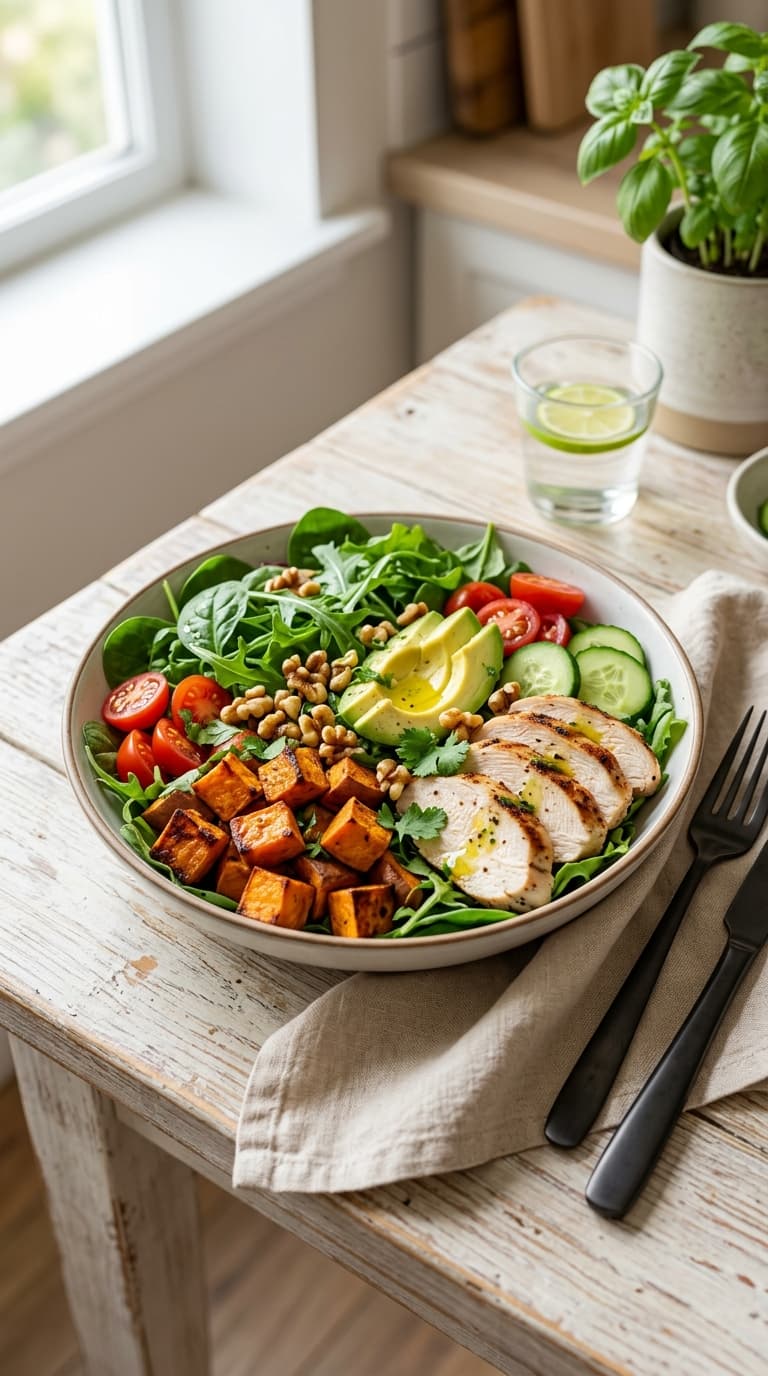
Lunch: Big-ass salad (yes, that’s actually a Whole30 term) — mixed greens, grilled chicken, cucumber, cherry tomatoes, shredded carrots, and a drizzle of olive oil with lemon juice.
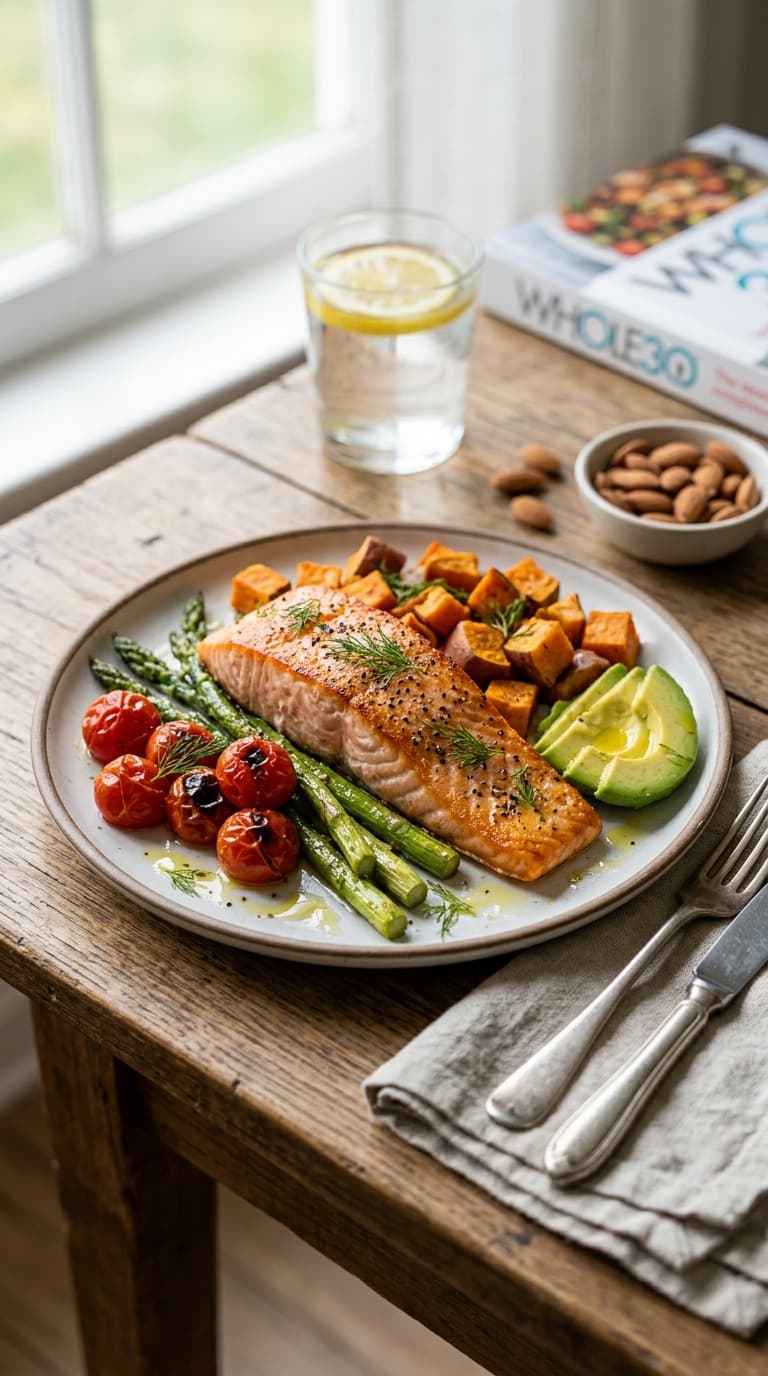
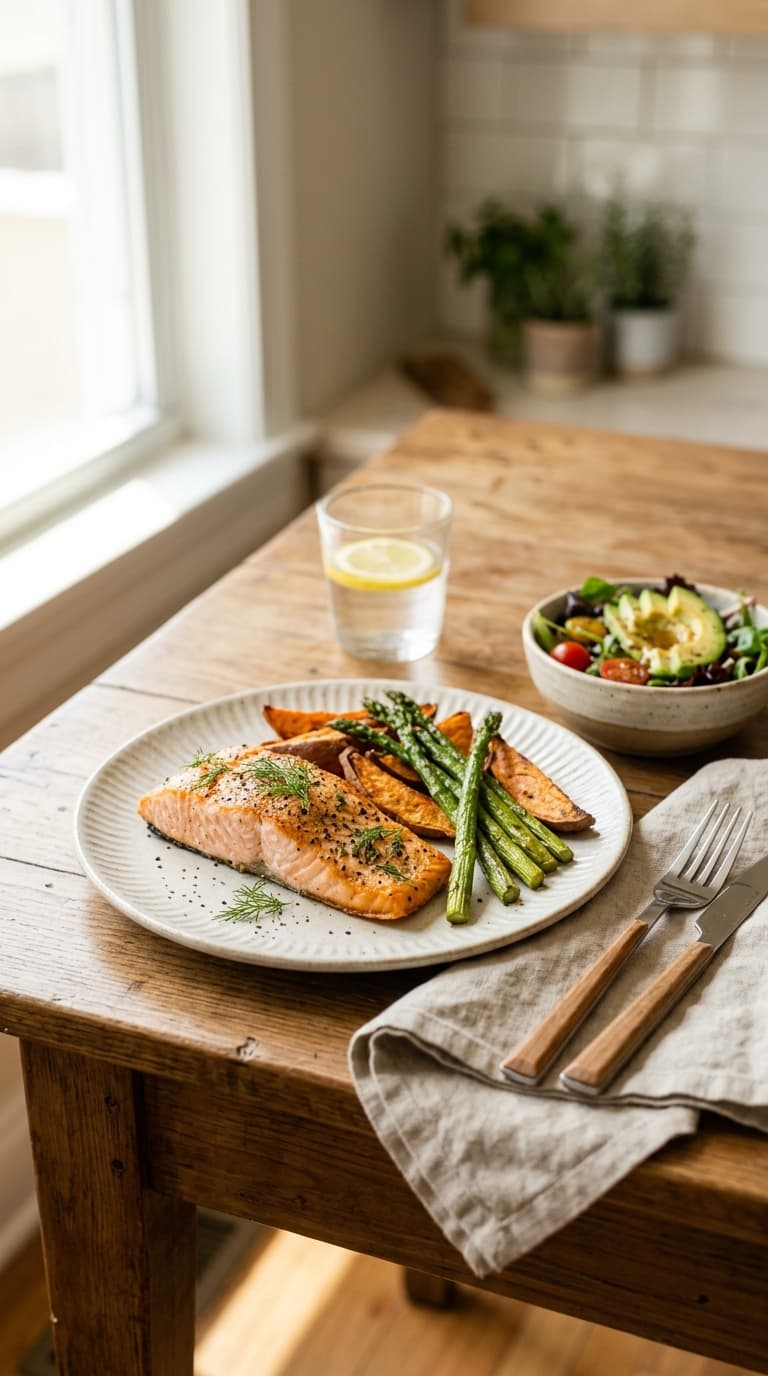
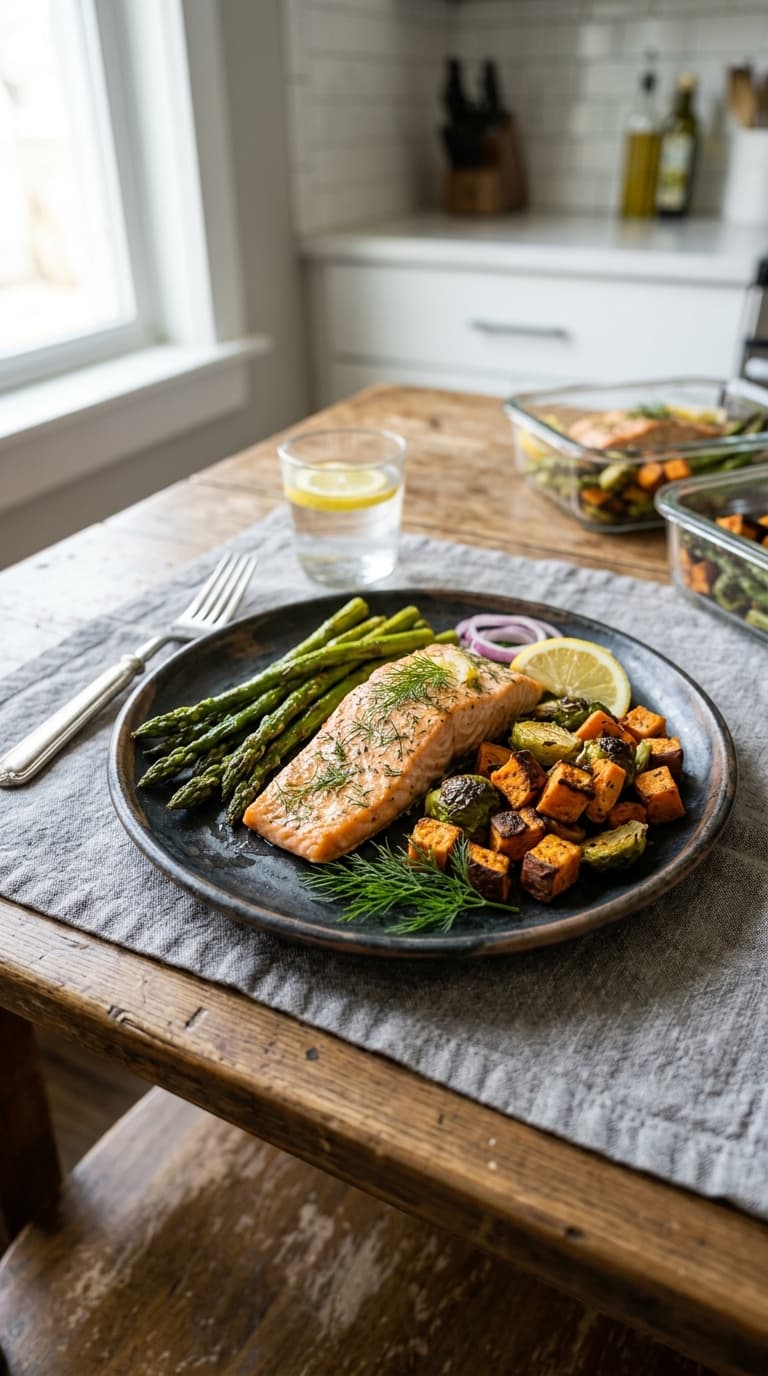
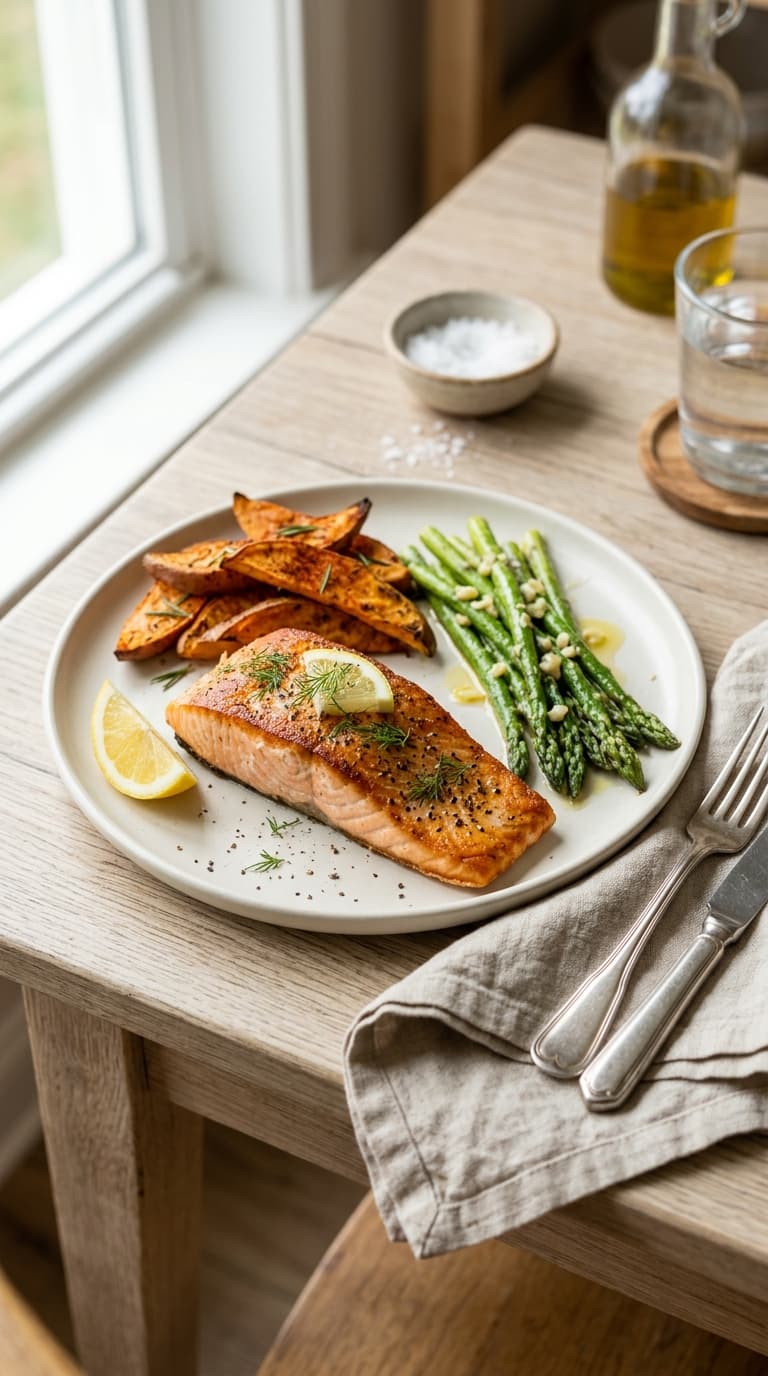
Dinner: Sheet pan salmon with roasted broccoli and sweet potato wedges. Season generously with garlic, paprika, and avocado oil. Roast at 400°F for 20–25 minutes.
Snack (if needed): Hard-boiled eggs + a handful of olives.
Day 2 Meal Plan
Breakfast: Sweet potato hash with ground beef, onions, and kale. Top with a fried egg.
Lunch: Leftover salmon flaked over greens with avocado and compliant salsa.
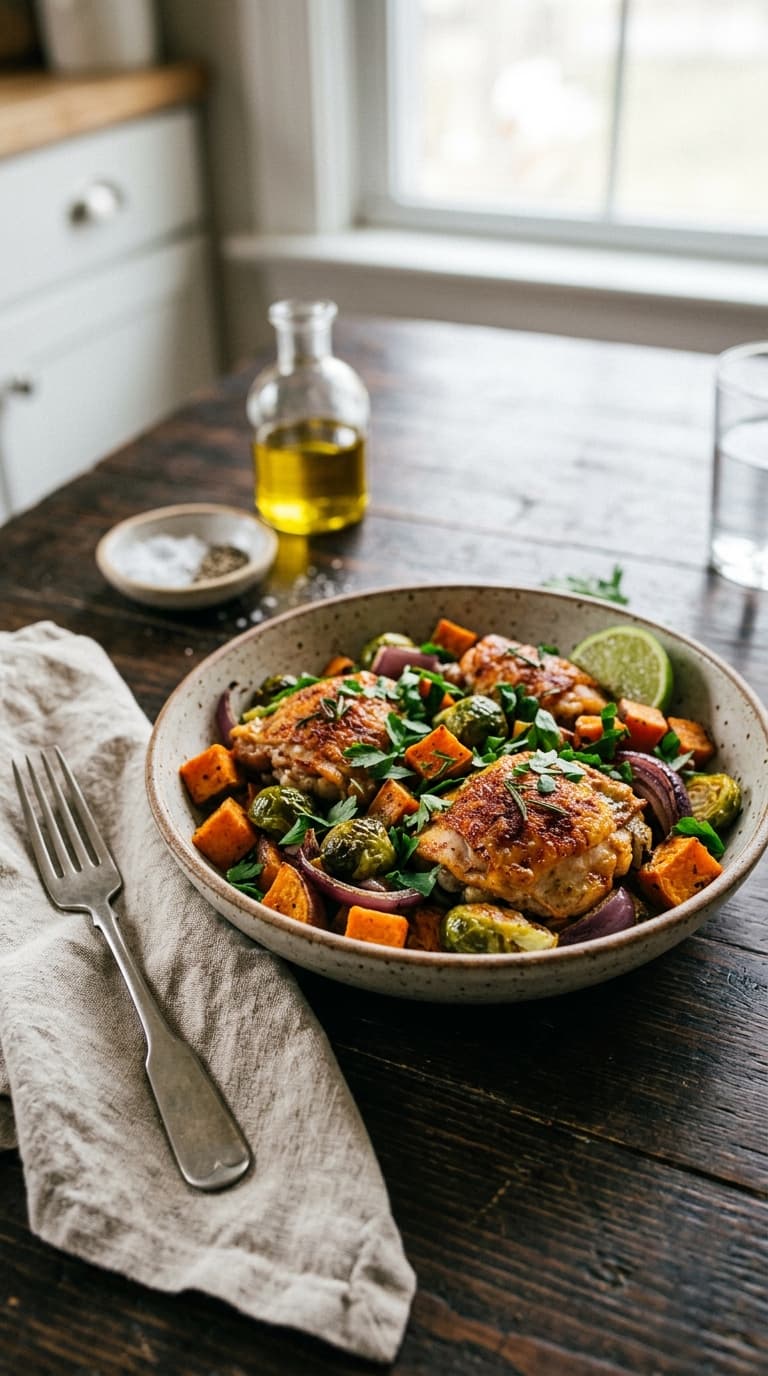
Dinner: Slow-cooker chicken thighs with diced tomatoes, garlic, and Italian spices. Serve over cauliflower rice.
Snack: Apple slices with almond butter (make sure it’s just almonds — no added sugar or oils).
Days 3–4: The “Why Did I Do This” Phase
Here it comes. Around Day 3 or 4, your body starts throwing a tantrum because it’s used to running on sugar and simple carbs. You might feel tired, headachy, irritable, or oddly emotional. This is completely normal — it’s called the “carb flu” and it passes.
Drink more water. Sleep more. Don’t quit.
Day 3 Meal Plan
Breakfast: Coconut milk chia pudding made the night before — mix full-fat coconut milk, chia seeds, and vanilla extract. Top with berries.
Lunch: Turkey lettuce wraps — ground turkey cooked with garlic, ginger, coconut aminos, and green onions. Serve in butter lettuce cups with shredded cabbage.
Dinner: Beef and vegetable stir-fry with coconut aminos, sesame oil, broccoli, snap peas, and carrots. Serve over cauliflower rice.
Snack: Handful of mixed nuts (no peanuts — they’re legumes!) and a clementine.
Day 4 Meal Plan
Breakfast: Two fried eggs over sautéed zucchini and cherry tomatoes. Season with everything bagel seasoning (check it’s compliant!).
Lunch: Big soup day — heat up some compliant chicken broth, add shredded rotisserie chicken (labels checked!), kale, sweet potato chunks, and Italian seasoning. Simple, warming, and exactly what your sad Day 4 self needs.
Dinner: Grilled shrimp skewers with garlic herb marinade (olive oil, parsley, lemon, garlic). Side of roasted asparagus and a baked potato with ghee.
Snack: Cucumber slices with guacamole.
Days 5–6: The Turning Point
Something shifts around Day 5. The fog starts to lift. You wake up and notice your energy doesn’t crash at 2 PM. Your clothes fit a little differently. You don’t feel like a sugar-deprived zombie anymore. This is the part where Whole30 starts to feel worth it.
IMO, Day 5 is when most people go from “I’m surviving this” to “I’m actually doing this.” 💪
Day 5 Meal Plan
Breakfast: Banana egg pancakes — mash one ripe banana with two eggs, cook in ghee like small pancakes. Top with fresh berries. They taste nothing like real pancakes, but in a surprising way, they’re actually great.
Lunch: Tuna salad stuffed in avocado halves — mix canned tuna with compliant mayo (Primal Kitchen is a solid brand), diced celery, lemon juice, salt, and pepper.
Dinner: Whole30 chili — ground beef with canned tomatoes, beef broth, bell peppers, onion, garlic, cumin, chili powder, and smoked paprika. No beans, obviously. Top with sliced avocado and fresh cilantro.
Day 6 Meal Plan
Breakfast: Egg muffins prepped in a muffin tin — whisk 6 eggs with spinach, diced sun-dried tomatoes, and compliant bacon. Bake at 350°F for 18–20 minutes. Makes 12 — eat 3–4 and save the rest.
Lunch: Leftover chili (bulk cooking is your best friend on Whole30).
Dinner: Pork tenderloin with a mustard and herb crust (use compliant Dijon mustard), served with roasted Brussels sprouts and mashed cauliflower made with coconut milk and ghee.
Snack: Medjool date stuffed with almond butter. Sweet, satisfying, and technically compliant.
Day 7: The Victory Lap
You made it through Week 1. Honestly, take a moment to appreciate that — it’s no small thing. By today, most people report noticeably less bloating, better sleep quality, and a new relationship with food that feels less frantic and more intentional.
Day 7 Meal Plan
Breakfast: Full breakfast plate — compliant bacon or turkey sausage, two eggs any style, sautéed mushrooms, and sliced avocado. Saturday morning energy.
Lunch: Grilled chicken breast over a roasted veggie bowl — use whatever vegetables you have left from the week. Drizzle with tahini thinned with lemon juice and water (check your tahini label).
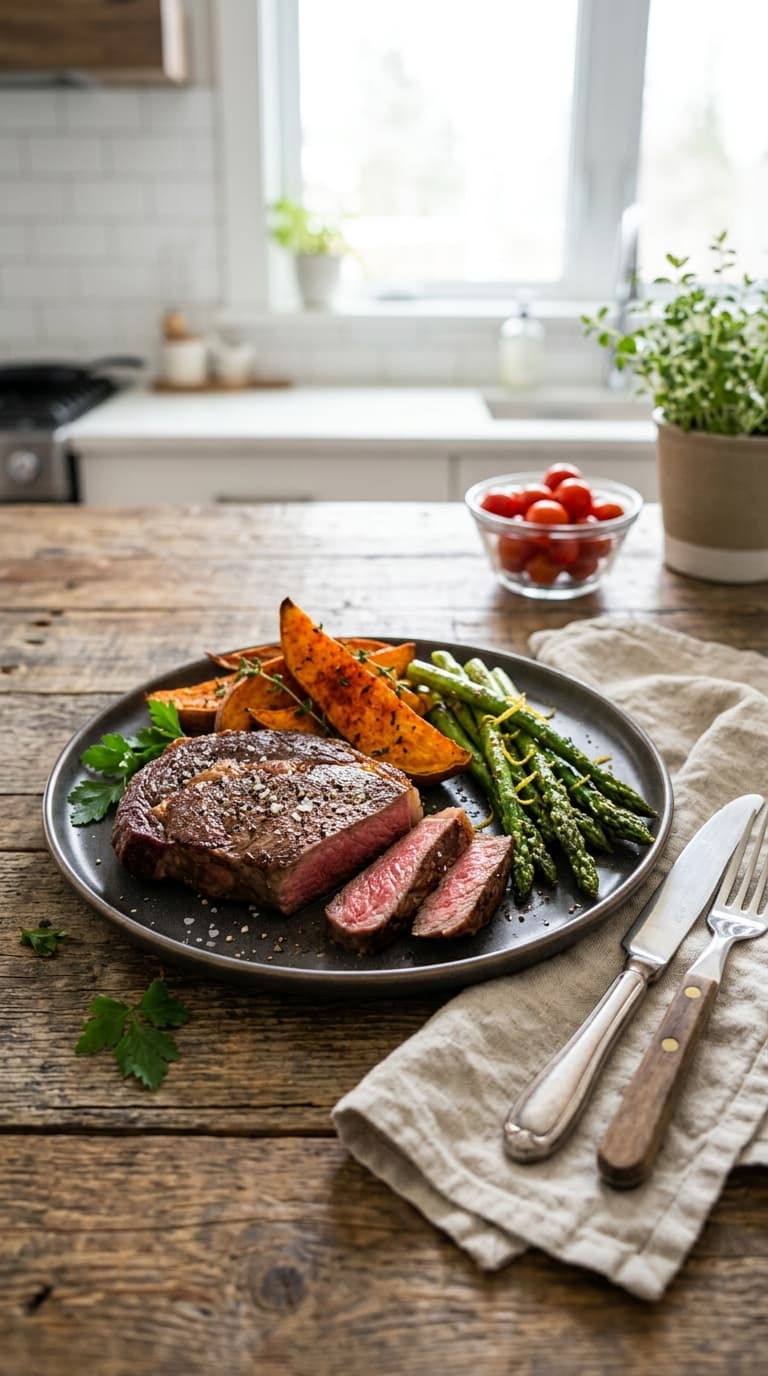
Dinner: Celebration dinner — make something you actually love. Salmon with mango salsa? Steak with herb butter (ghee + fresh herbs)? Pick something that feels like a treat, because you earned it.
Snack: Fresh fruit salad. Keep it simple.
Tips That Actually Help You Survive Week 1
Let’s talk strategy, because having a meal plan is only half the battle.
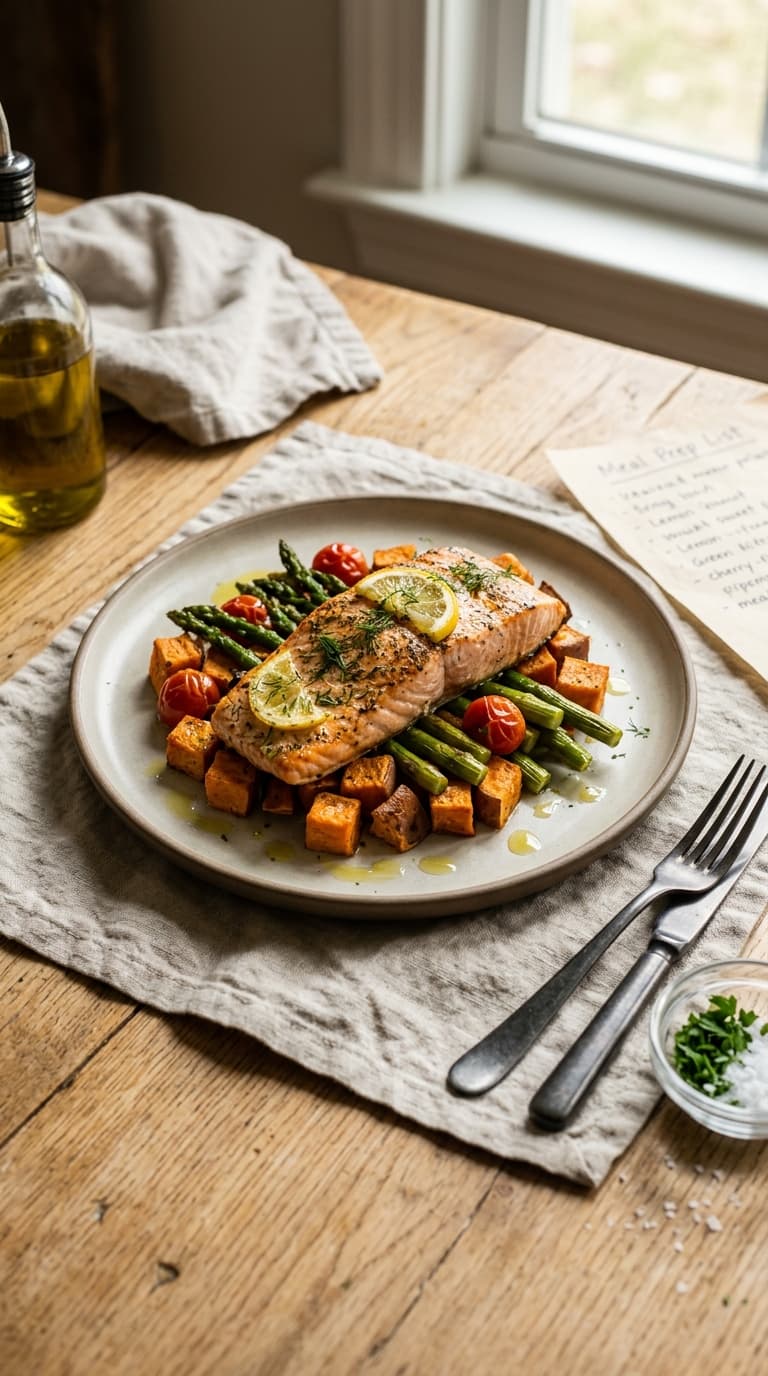
- Meal prep on Sunday — roast a tray of veggies, cook a batch of ground beef, hard-boil a dozen eggs. Future you will be so grateful.
- Don’t skip breakfast — especially in Week 1. Your blood sugar is adjusting and skipping meals makes mood swings way worse.
- Keep compliant snacks in your bag — nuts, Larabars (some are compliant), fruit. Hunger + no options = disaster.
- Find a Whole30 buddy — accountability makes a massive difference, especially on Day 3 when the pizza smells are haunting you.
- Plan for eating out — most restaurants can accommodate if you ask for protein, vegetables, and olive oil. It’s not as hard as it sounds.
- Read labels on everything — hot sauce, bacon, broth, canned tomatoes. Sugar sneaks in everywhere.
Ever stood in a grocery aisle for 10 minutes reading the back of a ketchup bottle? Welcome to your new hobby.
What to Expect After Day 7
Week 1 is the hardest week — full stop. Once you get past Day 7, your body has adapted significantly. The cravings calm down, meal prep gets faster because you know what you’re doing, and the food genuinely starts tasting better because your taste buds are recalibrating.
Weeks 2 and 3 bring what the Whole30 timeline calls “Tiger Blood” — a burst of energy and mental clarity that makes you feel like an actual superhero. Not guaranteed, but very commonly reported.
Week 4 is where things get interesting — you start thinking about reintroduction and what foods you actually want to bring back. Spoiler: some things you thought you’d miss become way less appealing after 30 days without them.
A Few Honest Thoughts Before You Go
Whole30 is not a magic cure. It’s a tool — and like any tool, it only works if you actually use it correctly. Cutting out processed food, cooking real meals, and paying attention to how your body responds? That’s genuinely transformative, but it requires showing up every single day for 30 days.
The first 7 days are the hardest. The meal plan above gives you structure so you’re not staring at an empty pan wondering why you can’t just have toast. Stick with it, drink your water, lean on your support system, and remember that every single thing you eat this week is a choice you’re making for your body.
And hey — if you make it through Day 7 feeling even 10% better than when you started? That’s not nothing. That’s actually everything. 🙂
Now go cook something. You’ve got this.