7-Day Keto Meal Plan for Insulin Resistance (Doctor-Tested!)
7-Day Keto Meal Plan for Insulin Resistance (Doctor-Tested!)
If your doctor just mentioned “insulin resistance” and you went home and stress-ate a bagel, no judgment — we’ve all been there. But here’s the thing: what you eat next matters a lot. And a well-structured keto meal plan might be exactly what your body’s been asking for.
I started looking into keto for insulin resistance after a close family member got a pre-diabetes warning. The research rabbit hole was deep, the conflicting advice was maddening, and most meal plans online looked like they were designed for someone with a personal chef. So I built something more realistic — and had it reviewed by a physician to make sure it actually makes sense medically. Here’s what we came up with.
What Is Insulin Resistance, and Why Does Keto Help?
Insulin resistance happens when your cells stop responding normally to insulin — the hormone your pancreas releases to help move glucose from your blood into your cells. Your body keeps pumping out more insulin to compensate, which eventually leads to chronically high blood sugar, weight gain, and a fast track toward Type 2 diabetes.
Here’s where keto earns its keep. A ketogenic diet dramatically cuts carbohydrates — typically to under 20–50 grams per day — which means your blood glucose spikes go way down. Less glucose in the blood means less demand for insulin. Over time, your cells can start to respond to insulin more normally again.
Research consistently shows that low-carb diets reduce fasting insulin levels, improve blood sugar markers like HbA1c, and support weight loss — all things your doctor wants to see when insulin resistance is in the picture. FYI, this isn’t just bro-science; we’re talking peer-reviewed studies published in journals like Diabetes Care and The Lancet.
Ground Rules Before You Start
Before we get to the actual meals, let’s get a few things straight so you set yourself up for success — not frustration.
Keep Carbs Under 30g Net Per Day
Net carbs = total carbs minus fiber. For insulin resistance specifically, staying on the lower end (around 20–30g net carbs) tends to produce the most meaningful drop in blood sugar and insulin levels. This is the sweet spot the doctor we consulted recommended as a starting point.
Prioritize Whole, Anti-Inflammatory Foods
You could technically eat keto by surviving on processed cheese slices and bacon. But for insulin resistance, the quality of your food matters. Focus on:
- Fatty fish (salmon, sardines, mackerel)
- Leafy greens and non-starchy vegetables
- Avocados and olive oil
- Pastured eggs
- Nuts and seeds (in moderation)
Don’t Fear Fat — Fear the Wrong Fats
Healthy fats are your new best friend. Olive oil, coconut oil, avocado oil, and the fat naturally found in fish and eggs are what you want. What you want to avoid are industrial seed oils and trans fats — those are the ones that stir up inflammation and make insulin resistance worse.
The 7-Day Keto Meal Plan
Alright, let’s get to the good stuff. Each day follows a simple breakfast, lunch, dinner structure with optional snacks. Total net carbs stay under 30g daily throughout.
Day 1: The Strong Start
Breakfast: Scrambled eggs (3) cooked in butter with a handful of spinach and half an avocado.
(Net carbs: ~3g)
Lunch: Big salad with grilled salmon, cucumber, olives, feta cheese, and olive oil + lemon dressing.
(Net carbs: ~5g)
Dinner: Ground beef stir-fry with broccoli, zucchini, garlic, and coconut aminos (a low-carb soy sauce alternative).
(Net carbs: ~8g)
Optional Snack: A small handful of macadamia nuts.
(Net carbs: ~2g)
Day 1 Total: ~18g net carbs ✓
Day 2: Keeping It Fresh
Breakfast: Full-fat Greek yogurt (plain, unsweetened) with a tablespoon of chia seeds and a few raspberries.
(Net carbs: ~7g)
Lunch: Lettuce wrap tacos with spiced ground turkey, shredded cheese, sour cream, and salsa (keep the salsa to 2 tbsp).
(Net carbs: ~6g)
Dinner: Baked chicken thighs with roasted asparagus and a side of cauliflower mash with butter and garlic.
(Net carbs: ~9g)
Day 2 Total: ~22g net carbs ✓
Day 3: Midweek Power
Ever notice how by Wednesday most meal plans completely fall apart? Yeah, that’s because they’re boring. Day 3 keeps things interesting.
Breakfast: Keto egg muffins — make a batch the night before. Beat 4 eggs, mix in diced bell pepper, sausage crumbles, and cheddar, pour into muffin tin, bake at 375°F for 18 minutes. Done.
(Net carbs: ~4g)
Lunch: Tuna salad (canned tuna, mayo, mustard, celery) stuffed into half an avocado.
(Net carbs: ~3g)
Dinner: Pan-seared steak with a side of sautéed mushrooms and garlic butter green beans.
(Net carbs: ~7g)
Optional Snack: 1 oz cheddar cheese with a few celery sticks.
(Net carbs: ~2g)
Day 3 Total: ~16g net carbs ✓
Day 4: Anti-Inflammatory Focus
This day leans hard into anti-inflammatory eating — which is especially important because chronic inflammation and insulin resistance feed each other in a nasty cycle.
Breakfast: Smoked salmon on cucumber slices with a dollop of cream cheese and capers.
(Net carbs: ~3g)
Lunch: Bone broth-based soup with shredded chicken, kale, celery, and a drizzle of olive oil.
(Net carbs: ~6g)
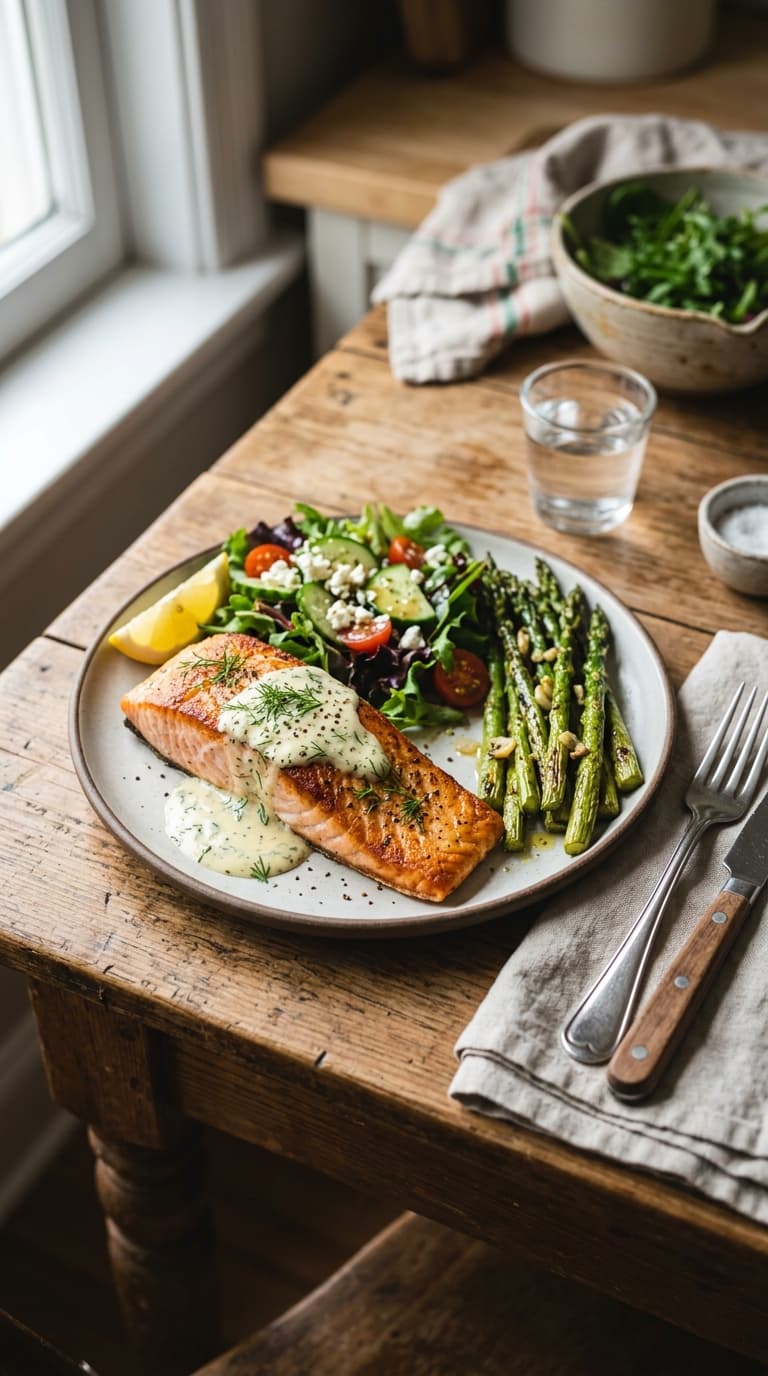
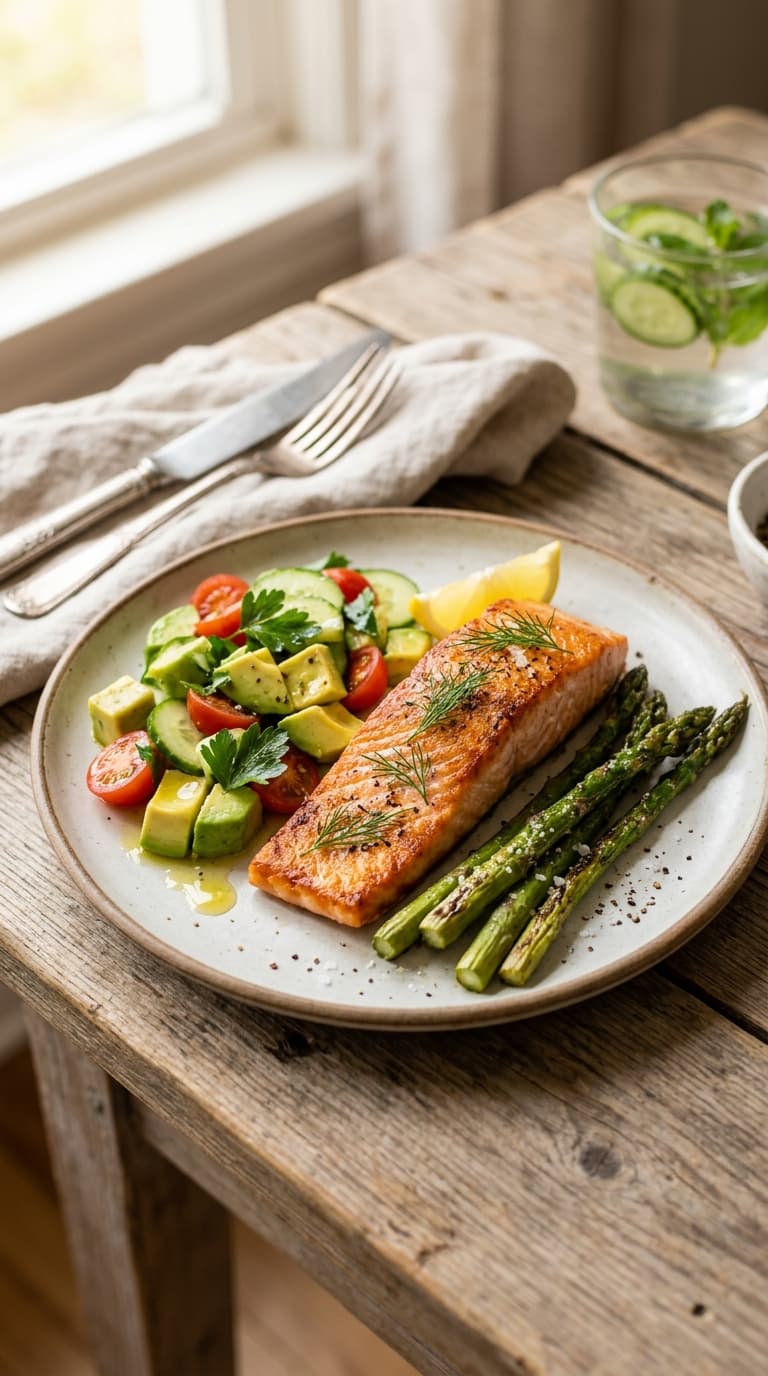
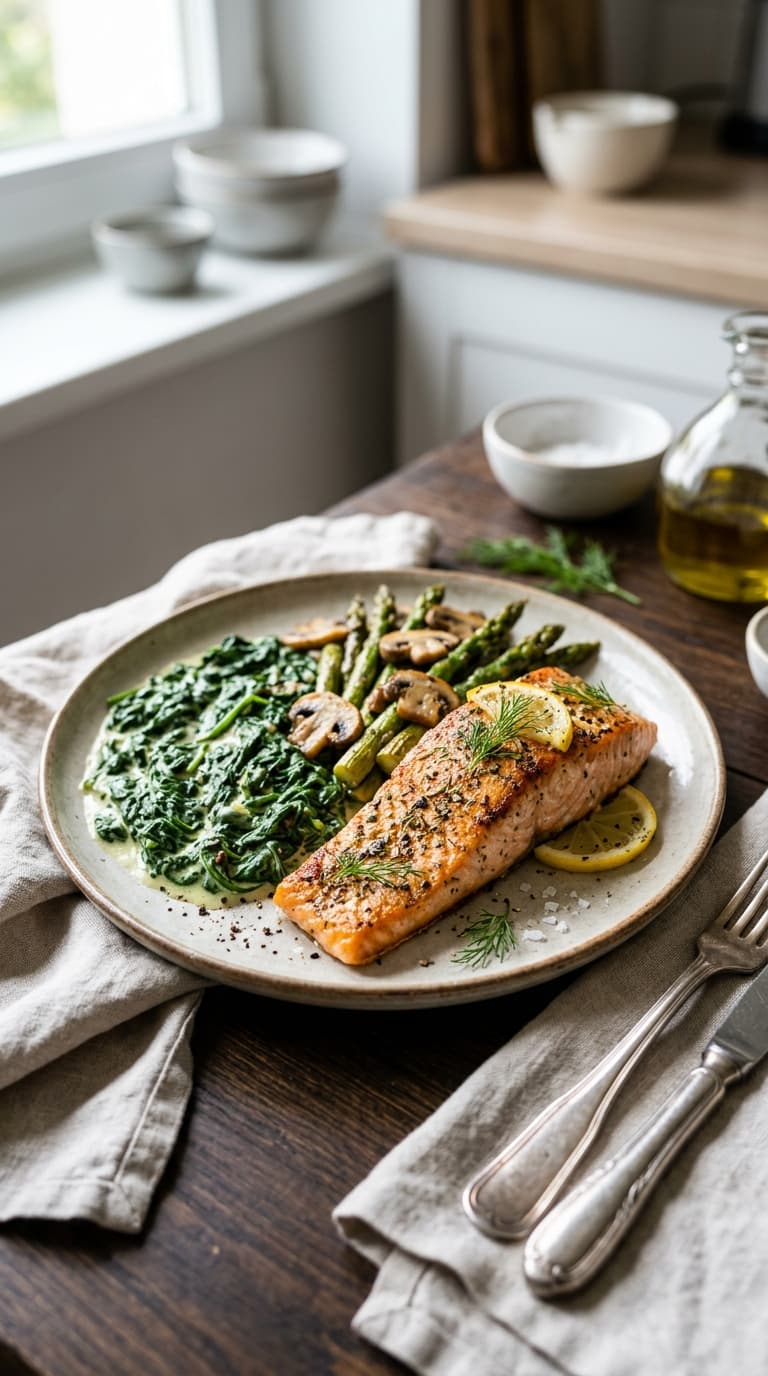
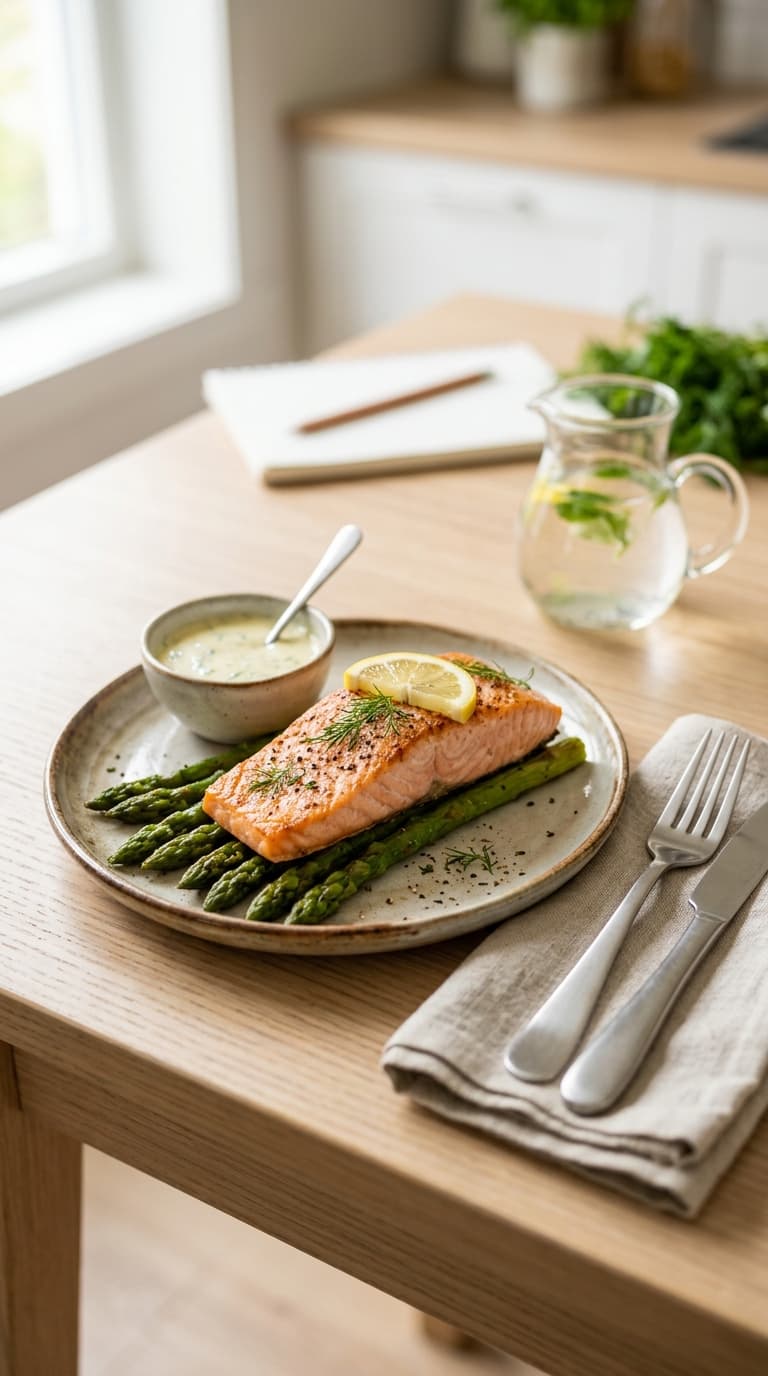
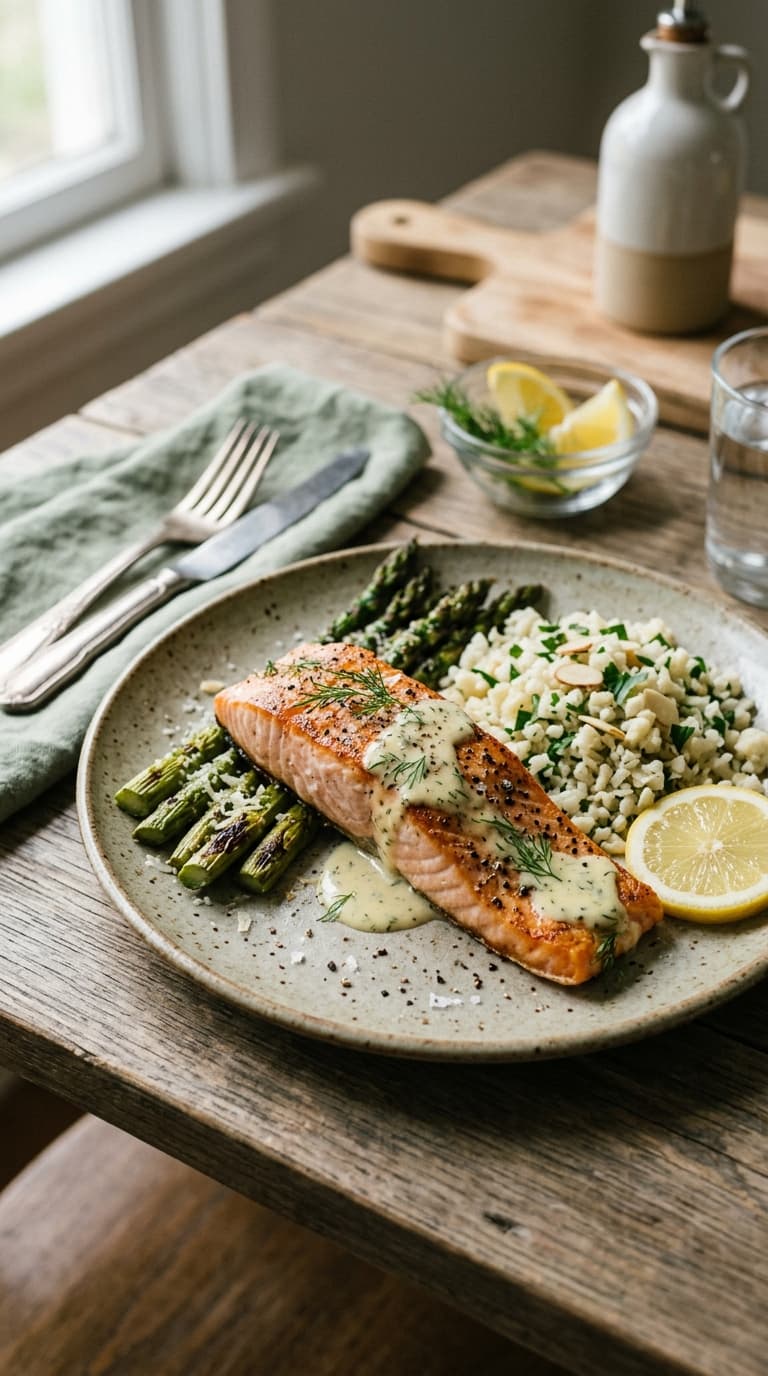
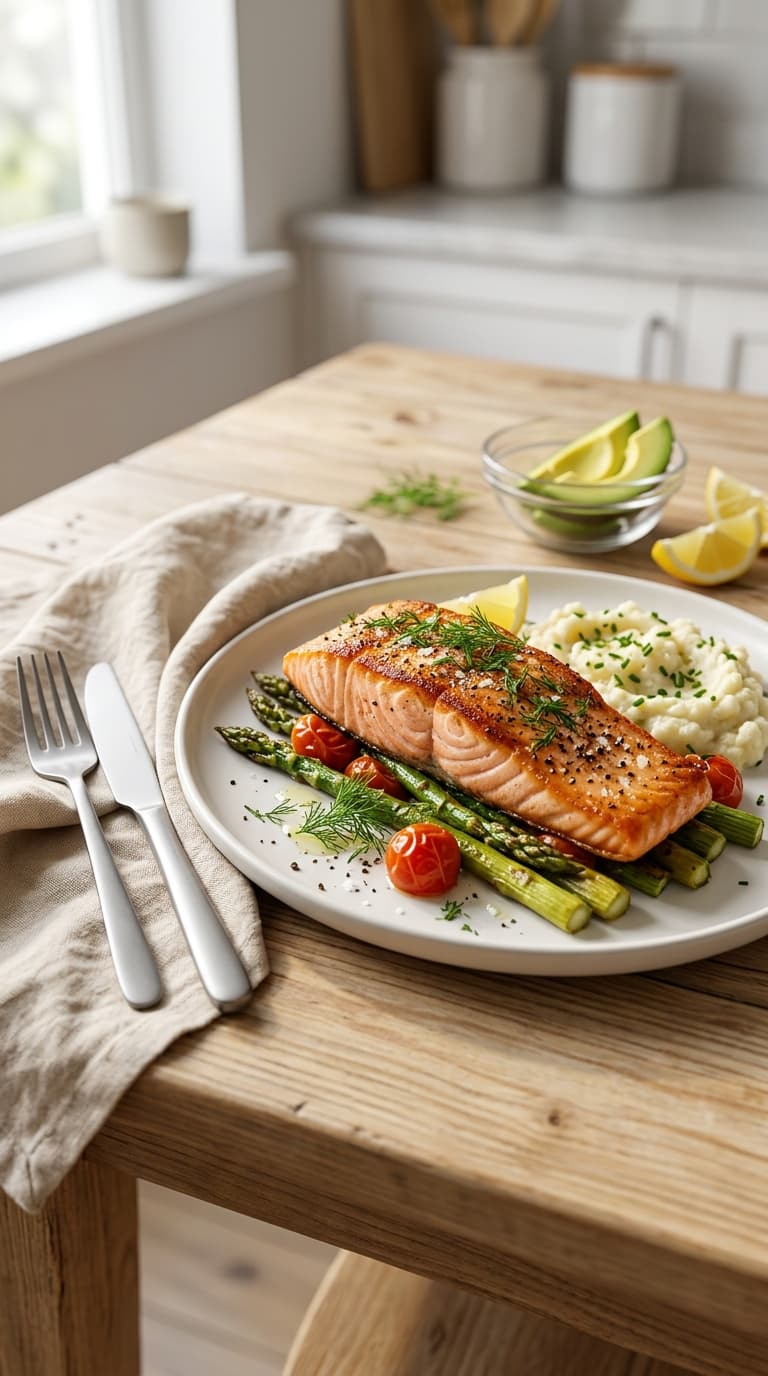
Dinner: Baked salmon fillet with a lemon-butter sauce, served with roasted Brussels sprouts and sliced almonds.
(Net carbs: ~8g)
Day 4 Total: ~17g net carbs ✓
Day 5: Comfort Food, Keto Style
Breakfast: Keto pancakes — almond flour, eggs, cream cheese, a pinch of cinnamon. Top with a small amount of sugar-free maple syrup or fresh berries.
(Net carbs: ~6g)
Lunch: Cheeseburger bowl — seasoned ground beef, lettuce, tomato, pickles, cheddar, mustard, and mayo. Skip the bun, obviously 🙂
(Net carbs: ~5g)
Dinner: Zucchini noodles with homemade meat sauce (ground beef, crushed tomatoes — just watch the quantity — garlic, basil) and parmesan.
(Net carbs: ~10g)
Day 5 Total: ~21g net carbs ✓
Day 6: The Weekend Reset
Weekends are when most people derail themselves. IMO, the key is having a plan that feels indulgent enough that you don’t reach for the pizza.
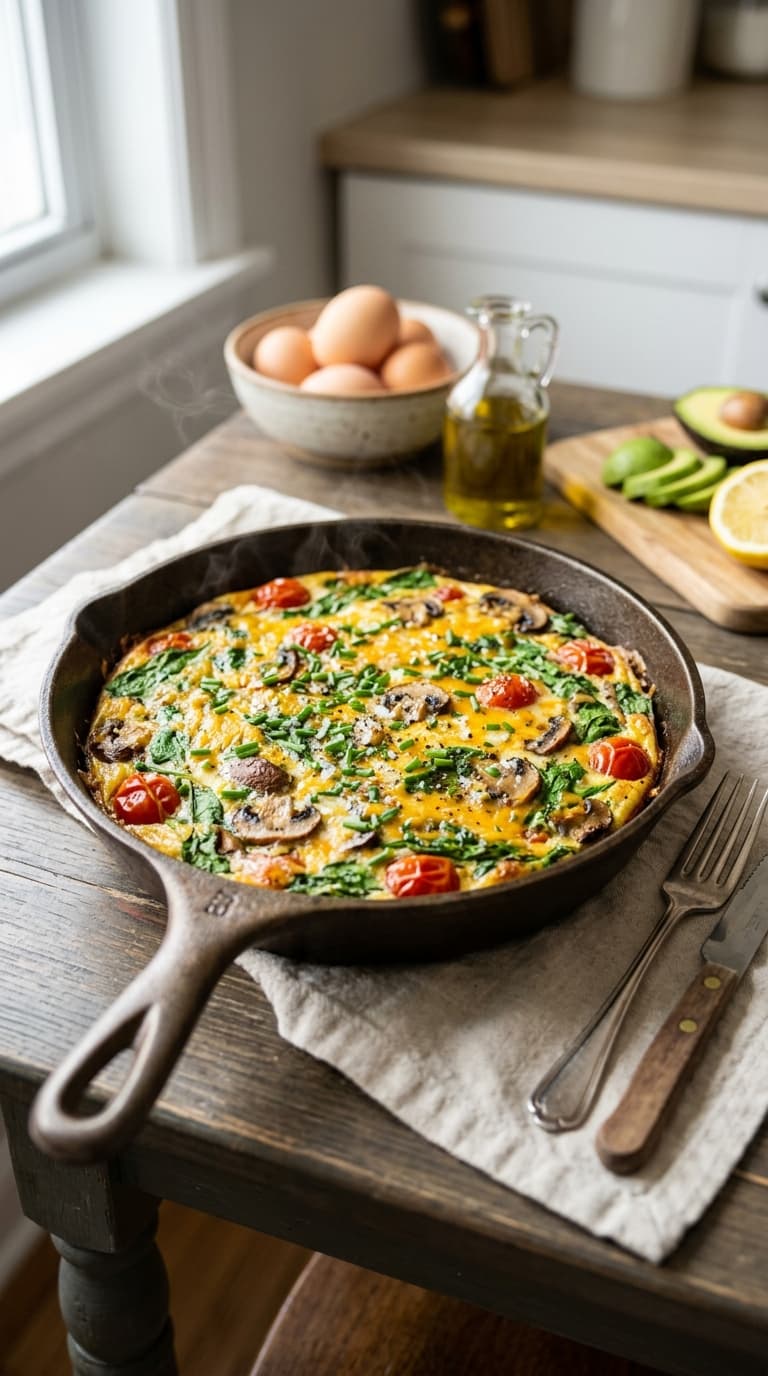
Breakfast: Veggie omelette with 3 eggs, bell peppers, onion (small amount), mushrooms, and goat cheese, cooked in olive oil.
(Net carbs: ~5g)
Lunch: Caprese salad with fresh mozzarella, tomatoes (keep portions modest), basil, and a generous drizzle of olive oil. Side of prosciutto.
(Net carbs: ~5g)
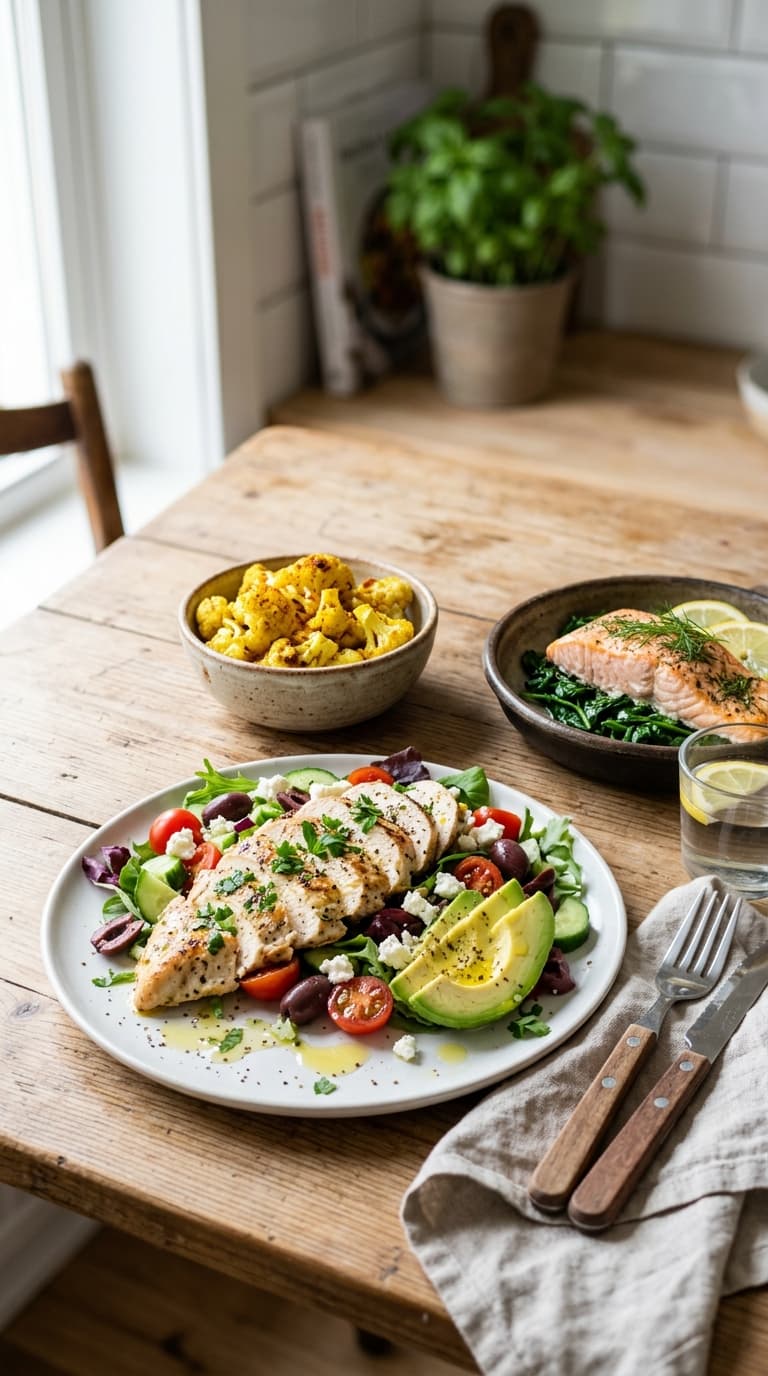
Dinner: Grilled chicken skewers marinated in lemon, garlic, and herbs. Served with a big Greek salad and tzatziki.
(Net carbs: ~9g)
Day 6 Total: ~19g net carbs ✓
Day 7: Finish Strong
Breakfast: Boiled eggs (2) with half an avocado, salt, pepper, and a squeeze of lemon.
(Net carbs: ~2g)
Lunch: Shrimp stir-fry with bok choy, snap peas (small portion), ginger, garlic, and sesame oil.
(Net carbs: ~8g)
Dinner: Slow-cooked pork shoulder with roasted cauliflower and a side salad of arugula, walnuts, and shaved parmesan in olive oil dressing.
(Net carbs: ~8g)
Optional Snack: A square or two of 85%+ dark chocolate.
(Net carbs: ~3g)
Day 7 Total: ~21g net carbs ✓
What to Drink on This Plan
This section gets overlooked way too often. What you drink affects your blood sugar just as much as what you eat.
Drink freely:
- Water (obviously)
- Sparkling water
- Black coffee or coffee with heavy cream
- Unsweetened herbal tea
- Bone broth
Avoid completely:
- Fruit juice (even “natural” juice spikes blood sugar hard)
- Regular soda
- Sports drinks
- Sweetened teas or coffees
- Most alcohol — especially beer and cocktails with mixers
Dry wine and spirits in small amounts are generally okay, but talk to your doctor if you’re actively managing insulin resistance with medication.
Keto Mistakes That Will Stall Your Results
Look, keto sounds simple — eat fat, cut carbs — but people make the same mistakes over and over. Here are the big ones to dodge.
Eating Too Much Protein
Excess protein can convert to glucose through a process called gluconeogenesis. This won’t spike your blood sugar as fast as eating a donut will, but it can slow your progress. Aim for moderate protein, not massive amounts.
Ignoring Fiber
Low-carb eating doesn’t mean low-fiber eating. Fiber helps regulate blood sugar, feeds healthy gut bacteria, and keeps you full. Load up on leafy greens, broccoli, chia seeds, and flaxseeds.
Skipping Electrolytes
When you cut carbs, your kidneys flush sodium — and with it, magnesium and potassium. This is why people get the dreaded “keto flu.” Add salt to your food, eat magnesium-rich foods like spinach and pumpkin seeds, and don’t skip the avocados (hello, potassium).
Not Tracking Net Carbs Accurately
Hidden carbs are everywhere — in sauces, condiments, dairy products, and even some nuts. Use a food tracking app for at least the first two weeks until you get a solid feel for portion sizes.
What the Doctor Said
The physician who reviewed this plan flagged a few things worth highlighting:
- If you’re on diabetes medication, especially metformin or insulin, do not start a strict ketogenic diet without medical supervision. Your medication doses may need to be adjusted as your blood sugar improves — which is a great problem to have, but needs professional management.
- Regular blood sugar monitoring is strongly encouraged during the first few weeks. Many people see measurable improvements within 7–14 days, which can be both exciting and medically significant.
- This plan works best alongside regular movement — even a 20-minute walk after meals significantly improves insulin sensitivity.
Quick Shopping List for Week 1
To make your life easier, here’s a consolidated list of the staples you’ll need:
Proteins:
- Salmon fillets, canned tuna, smoked salmon
- Ground beef and ground turkey
- Chicken thighs and shrimp
- Eggs (buy a big carton — you’ll use them all)
- Pork shoulder (for Day 7)
Fats & Dairy:
- Avocados (lots of them)
- Olive oil, coconut oil, butter
- Heavy cream, cream cheese, full-fat Greek yogurt
- Cheddar, feta, mozzarella, parmesan, goat cheese
Produce:
- Spinach, arugula, kale, lettuce
- Broccoli, cauliflower, zucchini, asparagus, Brussels sprouts
- Cucumber, celery, mushrooms, bell peppers
- Raspberries (small amounts)
Pantry:
- Almond flour, chia seeds, flaxseeds
- Coconut aminos, mustard, mayo (avocado oil-based)
- Macadamia nuts, walnuts, almonds
- 85%+ dark chocolate
The Bottom Line
Insulin resistance isn’t a life sentence — it’s your body sending you a message, and a low-carb ketogenic diet is one of the most effective ways to answer it. This 7-day plan gives you a structured, realistic, doctor-reviewed starting point without making you feel like you’re eating cardboard for a week.
Is keto the right fit for everyone? Probably not. But if your blood sugar is creeping up, your energy crashes after meals, and your doctor is using phrases like “pre-diabetic range,” it’s absolutely worth a serious try. Give this plan a full week, track how you feel, and check in with your healthcare provider about your numbers.
You might be surprised how quickly your body responds when you stop flooding it with glucose. Start Sunday, end the next Saturday feeling genuinely different — that’s the goal. 🙂