7-Day 1200 Calorie Meal Plan That Actually Keeps You Full (With Printable!)
7-Day 1200 Calorie Meal Plan That Actually Keeps You Full (With Printable!)
Look, we’ve all been there. You start a calorie-restricted diet, feel like a sad rabbit munching on lettuce by day two, and raid the snack cabinet at midnight. A 1200 calorie meal plan sounds terrifying on paper — but done right, it doesn’t have to feel like punishment.
I’ve personally tried more diet plans than I care to admit, and the ones that actually worked had one thing in common: they kept me full. Not “full-ish.” Actually full. So let me walk you through a 7-day plan that makes every single calorie count — and yes, there’s a printable at the end because we’re organized people here. 🙂
Why 1200 Calories Gets a Bad Reputation
Here’s the thing — 1200 calories isn’t starvation. It’s a carefully structured intake level that works for many people, especially those with a smaller frame or lower activity levels. The problem isn’t the calorie number itself. The problem is how most people distribute those calories.
If you’re eating 400 calories at dinner and skipping breakfast, of course you’re miserable. The secret is spreading your meals smartly so your blood sugar stays stable and your hunger cues don’t go haywire by 3 PM.
Who Is This Plan For?
This plan works best for:
- Women with a sedentary to lightly active lifestyle
- Anyone looking to kickstart weight loss without eliminating whole food groups
- People who want structure without obsessing over every single gram
- Beginners who need a clear, day-by-day framework
If you’re highly active, training intensely, or have specific medical needs, please check with your doctor first. FYI — this isn’t medical advice, just a solid, research-backed starting point.
The Golden Rules Before We Start
Before jumping into the actual days, let me share a few principles that make this plan work. Ignore these, and even the best meal plan will feel like misery.
Rule 1: Protein is your best friend. High-protein foods keep you full longer by slowing digestion and reducing hunger hormones. Aim for at least 80–100g of protein per day on this plan.
Rule 2: Fiber is your second-best friend. Vegetables, legumes, and whole grains add bulk to your meals without piling on calories. Think of fiber as the volume dial on your fullness.
Rule 3: Don’t skip breakfast. Skipping breakfast to “save calories” sounds clever but almost always backfires. You end up ravenous by noon and make questionable food choices. Trust me on this one.
Rule 4: Drink water like it’s your job. Hunger and thirst signals overlap in the brain. A tall glass of water before meals can reduce how much you eat naturally.
The 7-Day 1200 Calorie Meal Plan
Day 1 — The Easy Start
Breakfast (300 cal): Two scrambled eggs with spinach and one slice of whole wheat toast. Simple, protein-packed, and genuinely satisfying.
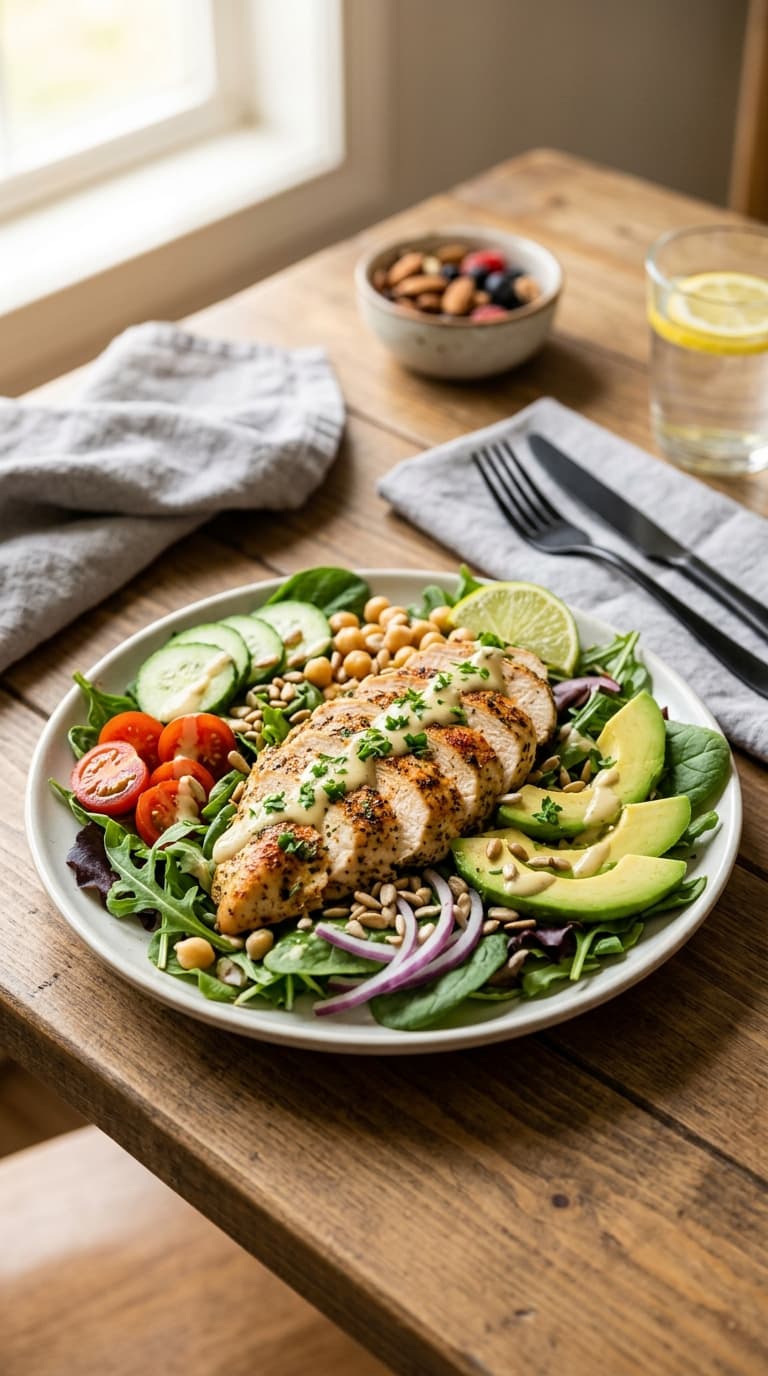
Lunch (350 cal): Grilled chicken salad with mixed greens, cucumber, cherry tomatoes, and two tablespoons of olive oil and lemon dressing.
Dinner (400 cal): Baked salmon (4 oz) with steamed broccoli and half a cup of brown rice.
Snack (150 cal): A small apple with one tablespoon of almond butter.
Why this works: You’re hitting all three macros — protein, healthy fats, and complex carbs — without blowing your budget on any single meal.
Day 2 — The Meal Prep Hero
Breakfast (280 cal): Greek yogurt (non-fat, plain) with half a cup of blueberries and a teaspoon of honey.
Lunch (370 cal): Turkey and avocado wrap in a whole wheat tortilla with lettuce and mustard.
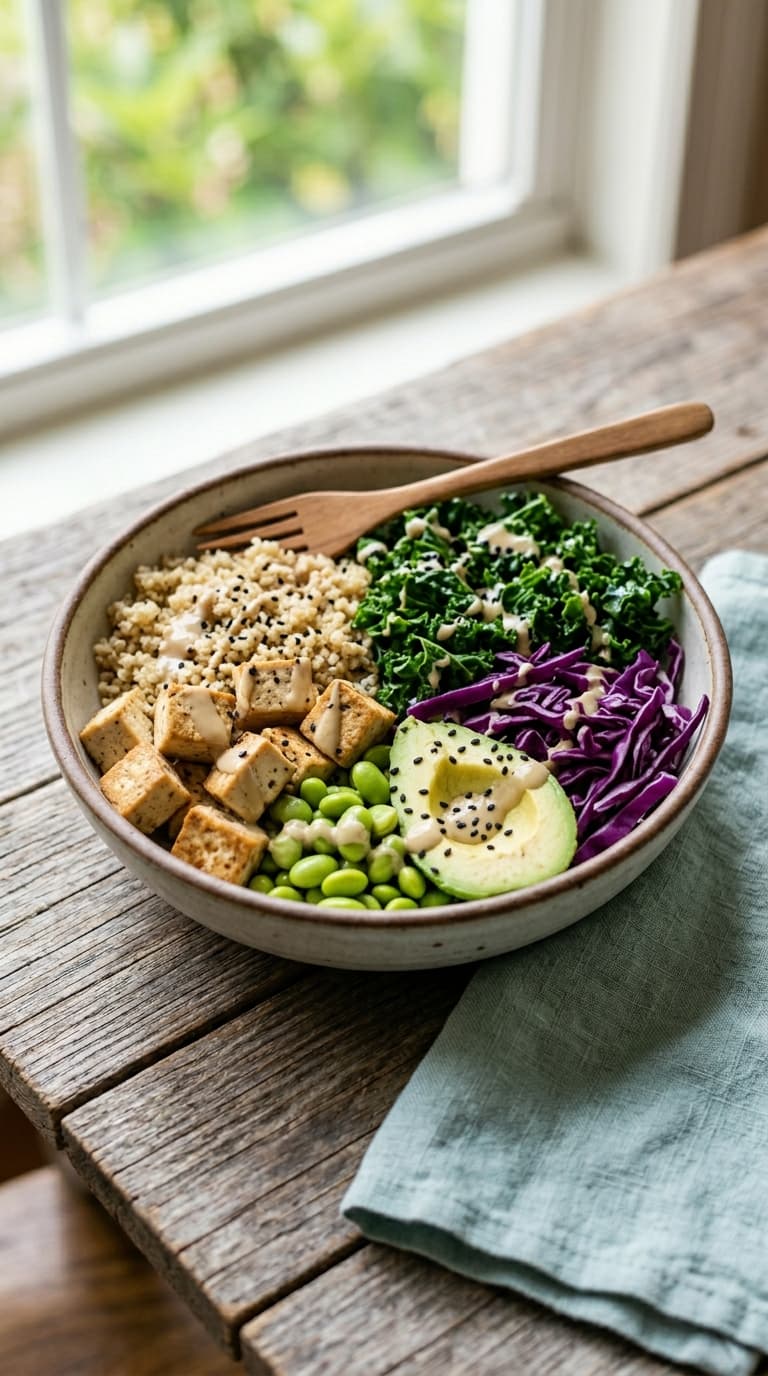
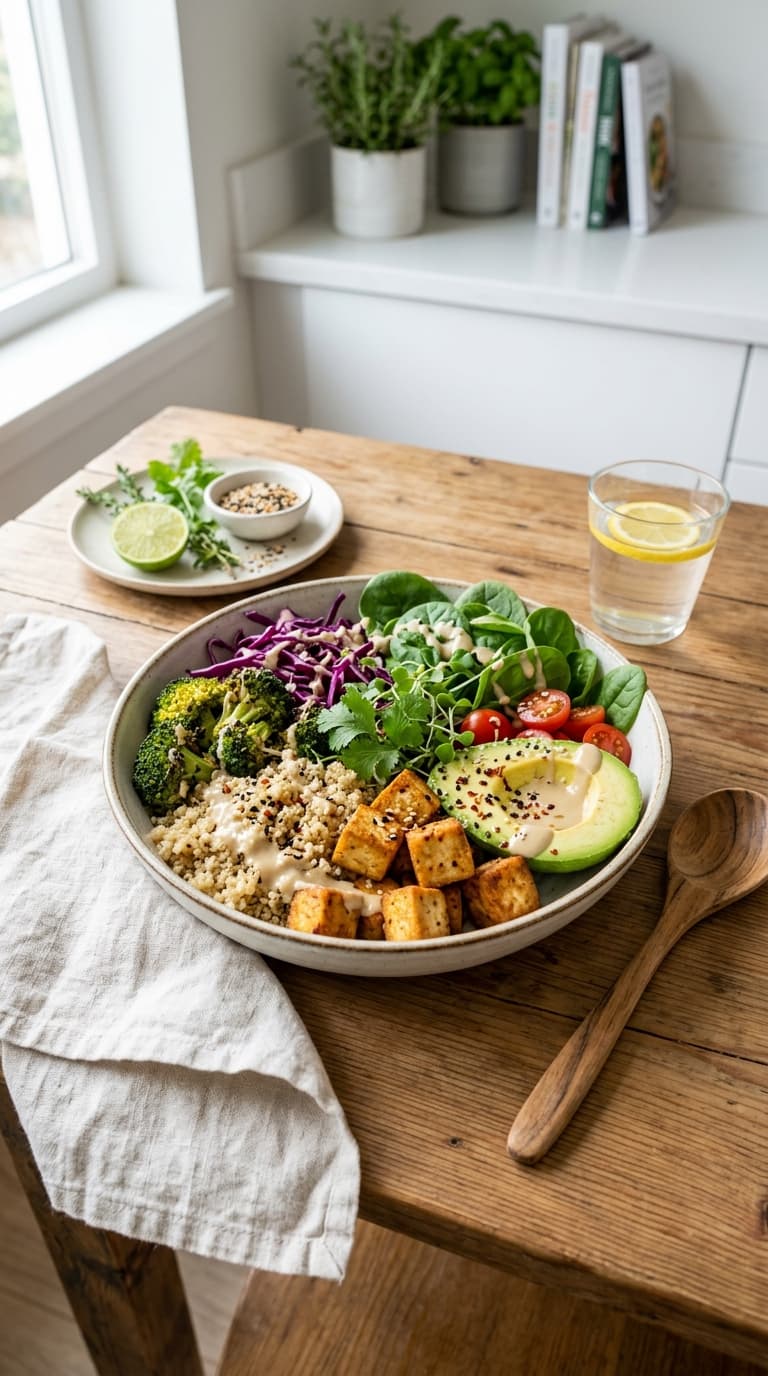
Dinner (400 cal): Stir-fried tofu with mixed vegetables (bell peppers, zucchini, snap peas) in low-sodium soy sauce, served over cauliflower rice.
Snack (150 cal): 15 almonds and a small orange.
Pro tip: Cook a double batch of the tofu stir-fry tonight. You’ll thank yourself on Day 4.
Day 3 — The “I Might Actually Love This” Day
Breakfast (310 cal): Overnight oats made with half a cup of rolled oats, almond milk, chia seeds, and sliced banana. Prep this the night before and breakfast basically makes itself.
Lunch (340 cal): Lentil soup (homemade or store-bought low-sodium) with a side of cucumber slices and a small whole wheat pita.
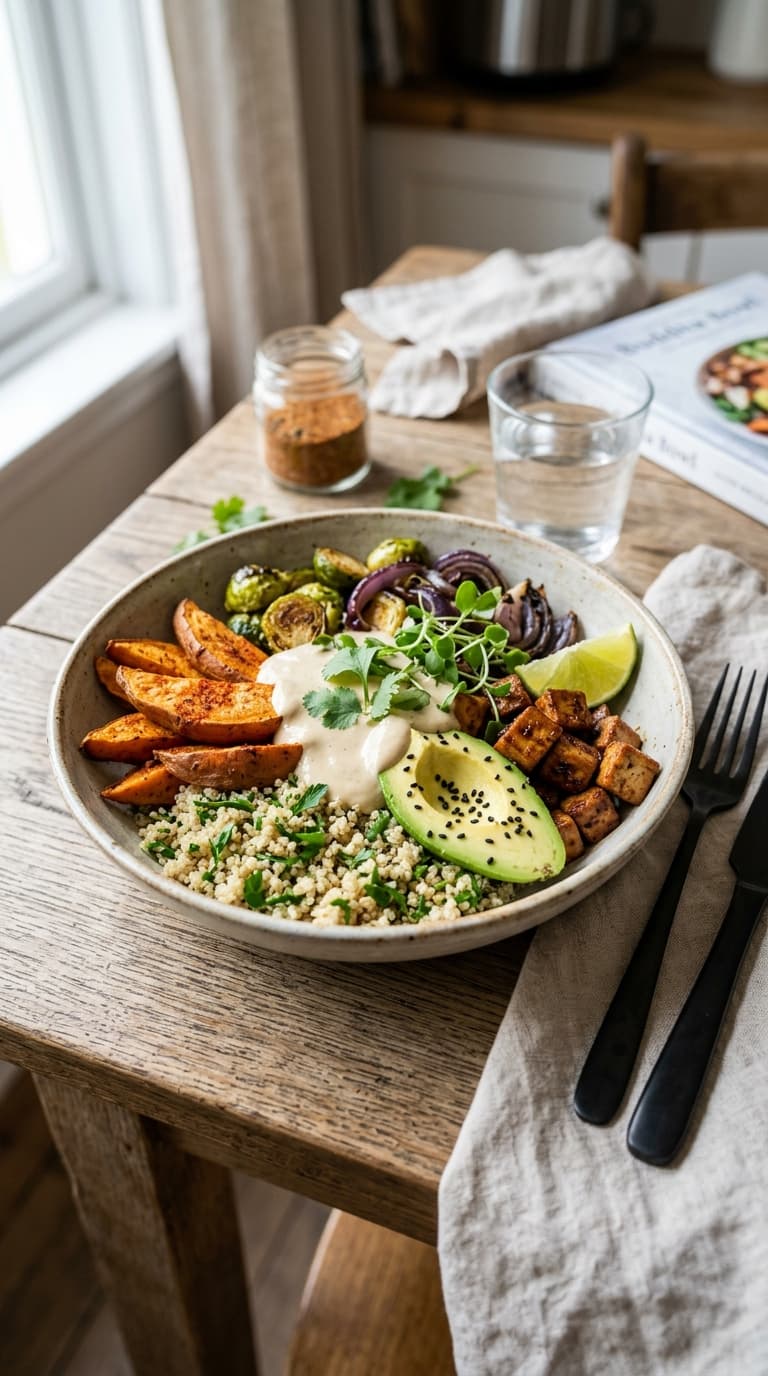
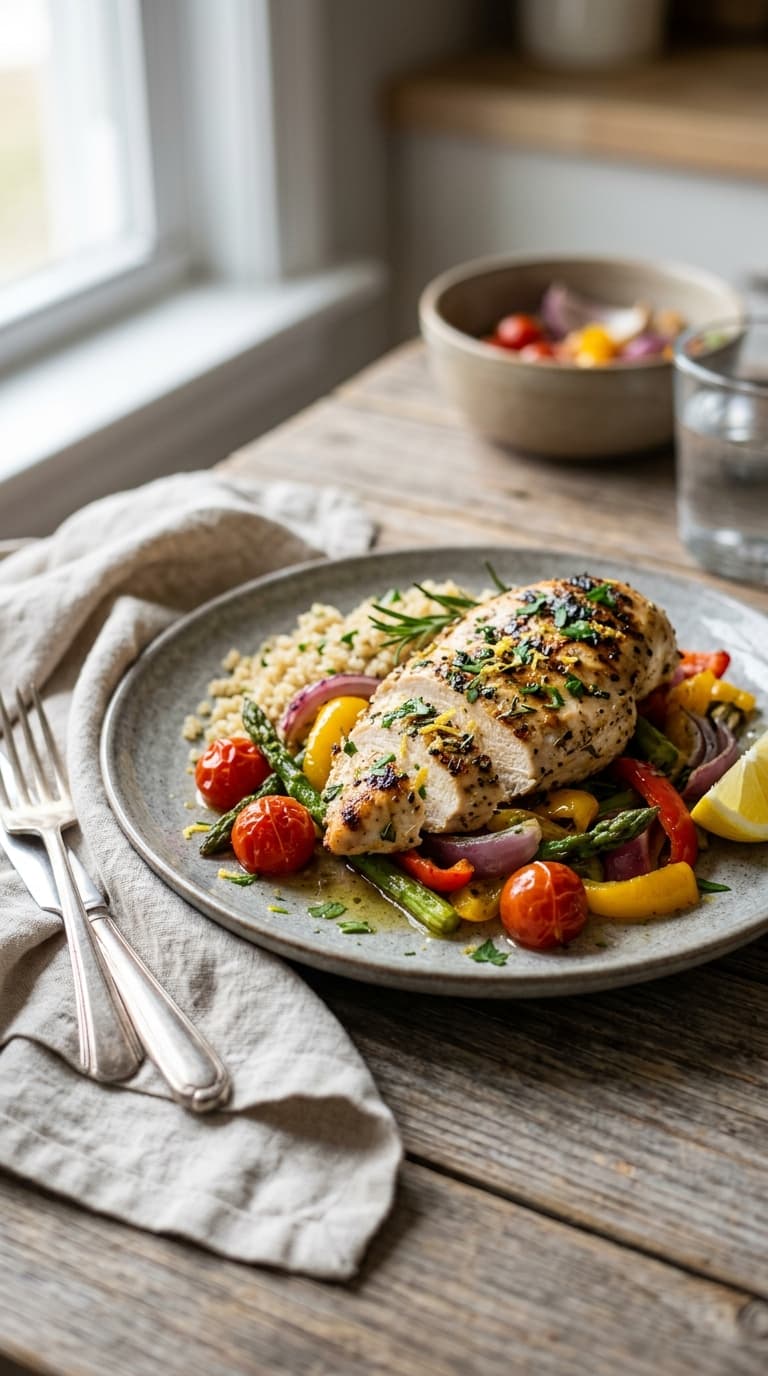
Dinner (400 cal): Baked chicken breast (5 oz) seasoned with herbs, served with roasted sweet potato and green beans.
Snack (150 cal): Cottage cheese (half cup) with a few cherry tomatoes.
Ever notice how lentil soup sounds boring but somehow leaves you completely satisfied for hours? That’s the fiber magic right there.
Day 4 — Midweek Momentum
Breakfast (300 cal): Two-egg veggie omelet with mushrooms, onions, and bell peppers. No cheese needed — the veggies do the heavy lifting.
Lunch (350 cal): Leftover tofu stir-fry from Day 2 — see, I told you you’d thank yourself.
Dinner (390 cal): Shrimp tacos in two small corn tortillas with shredded cabbage, salsa, and lime. Light, flavorful, and honestly kind of fun to eat.
Snack (160 cal): One rice cake with two tablespoons of hummus and sliced cucumber on top.
Day 5 — The Halfway Celebration
You made it to Day 5. IMO, this is the hardest stretch of any new eating plan — the novelty has worn off but the results aren’t fully visible yet. Push through. The habits you’re building right now are the real prize.
Breakfast (290 cal): Smoothie made with one cup unsweetened almond milk, half a banana, a handful of spinach, and one scoop of vanilla protein powder.
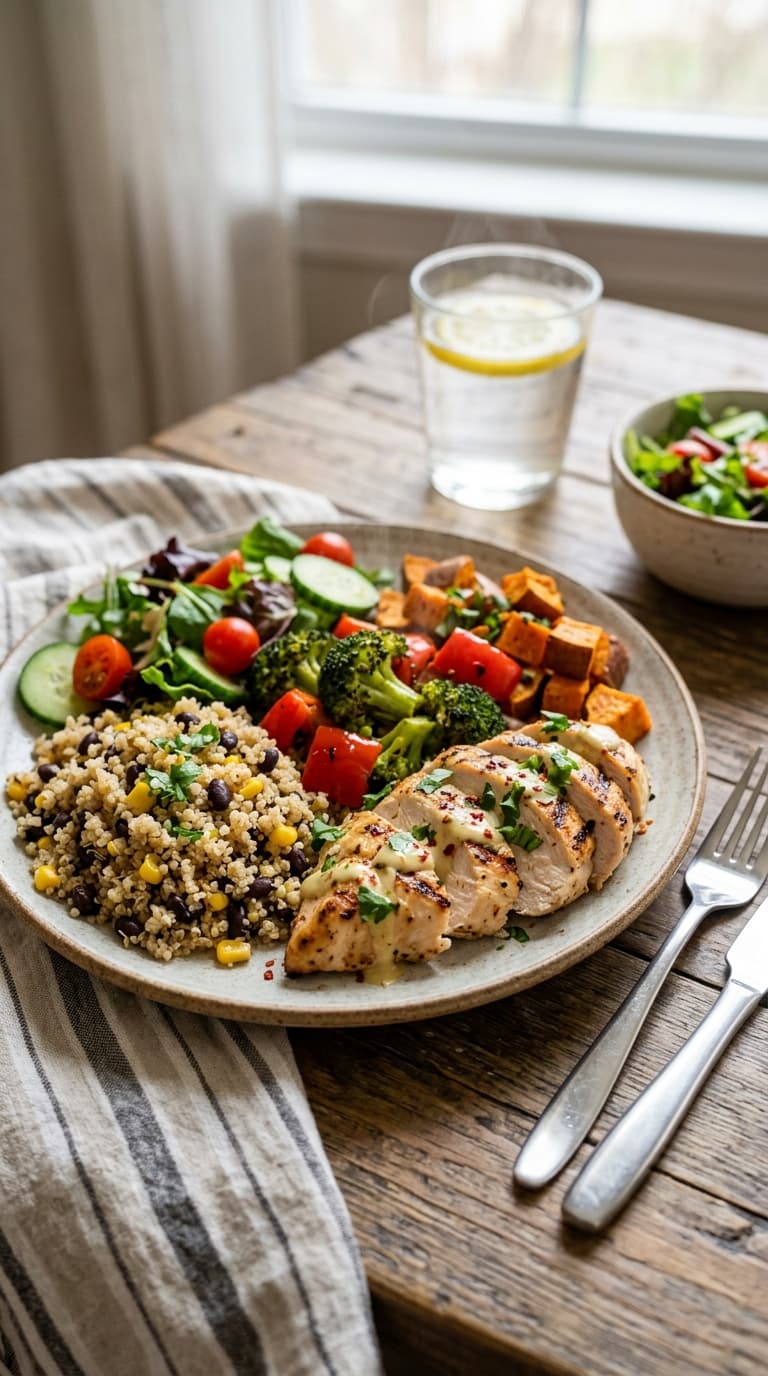
Lunch (360 cal): Quinoa bowl with black beans, corn, diced tomatoes, and a squeeze of lime. Add hot sauce if you’re feeling bold.
Dinner (410 cal): Turkey meatballs (5–6 small ones) with zucchini noodles and a half cup of marinara sauce. Comfort food, lightened up.
Snack (140 cal): A hard-boiled egg and a small pear.
Day 6 — The Weekend Warrior
Weekends are where most diet plans fall apart. Social lunches, lazy brunches, fridge raids while watching TV — sound familiar? :/
Breakfast (320 cal): Whole wheat pancakes (2 small) made with mashed banana and egg. Top with fresh berries instead of syrup.
Lunch (360 cal): Large mixed salad with canned tuna (in water), olives, red onion, and light Italian dressing. This one travels well if you’re out and about.
Dinner (380 cal): Grilled chicken thigh (skinless, 4 oz) with roasted asparagus and a small baked potato with a teaspoon of olive oil.
Snack (140 cal): A small handful of pumpkin seeds and a tangerine.
Weekend survival tip: Prep your snacks in little bags or containers the night before. When hunger strikes and you’re tired, you’ll grab whatever is easiest — so make the healthy option the easiest option.
Day 7 — The Victory Lap
Breakfast (300 cal): Avocado toast on one slice of whole grain bread with a poached egg on top. Drizzle with a tiny bit of hot sauce or everything bagel seasoning.
Lunch (350 cal): White bean and kale soup with a side of sliced bell peppers for dipping.
Dinner (400 cal): Baked cod (5 oz) with a squeeze of lemon, served with a side of roasted Brussels sprouts and half a cup of wild rice.
Snack (150 cal): Greek yogurt (half cup) with a drizzle of honey and crushed walnuts.
You finished the week. Give yourself a genuine moment of credit — that’s not nothing.
What to Drink on This Plan
Calories have a sneaky way of hiding in beverages. Stick primarily to these drinks:
- Water (still or sparkling — add lemon or cucumber if plain water bores you)
- Black coffee or coffee with a splash of unsweetened almond milk
- Unsweetened green or herbal tea
- Bone broth (great for curbing evening hunger with barely any calories)
Avoid: Fruit juices, regular sodas, flavored lattes, and alcohol — these can easily eat up 200–400 calories without making you feel even slightly full.
How to Make This Plan Actually Stick
A meal plan is only as good as its execution. Here’s how to set yourself up for success:
- Batch cook proteins on Sundays. Grill a bunch of chicken, hard-boil eggs, and portion out snacks for the week.
- Keep your fridge stocked with easy grab-and-go vegetables — baby carrots, sliced cucumbers, cherry tomatoes. If they’re visible and ready, you’ll eat them.
- Use a kitchen scale for the first week. You don’t have to do this forever, but it trains your eye to accurately judge portion sizes.
- Plan for one “flex meal” per week. Allowing yourself a small amount of flexibility makes the plan sustainable rather than suffocating.
- Track your meals in a simple app like MyFitnessPal or Cronometer — at least for the first two weeks. Awareness is powerful.
Grocery List Essentials
To run this plan smoothly, keep these staples on hand:
Proteins:
- Chicken breast and thighs (skinless)
- Salmon and cod fillets
- Shrimp
- Eggs and egg whites
- Canned tuna (in water)
- Greek yogurt (non-fat, plain)
- Cottage cheese
- Tofu and tempeh
- Lentils and black beans
Complex Carbs:
- Whole wheat bread and tortillas
- Rolled oats
- Brown rice and wild rice
- Quinoa
- Sweet potatoes
Vegetables (Load Up):
- Spinach, kale, mixed greens
- Broccoli, Brussels sprouts, green beans
- Zucchini, bell peppers, mushrooms
- Cherry tomatoes, cucumber, asparagus
Healthy Fats:
- Avocado
- Almonds, walnuts, pumpkin seeds
- Almond butter
- Olive oil (use sparingly)
The Printable Meal Plan
Want to stick this on your fridge? Here’s how to grab your printable version:
To create your own printable:
- Copy each day’s meals into a simple table in Google Docs or Word
- Add columns for checkboxes so you can mark off each meal
- Print it out and stick it on the fridge — old school, but it works
Alternatively, take a screenshot of the 7-day plan above and save it to your phone’s camera roll. That’s what I do, honestly. Low-tech, zero fuss.
Frequently Asked Questions
Can I swap meals between days?
Absolutely. The plan isn’t a rigid rulebook — it’s a framework. Swap days around based on your schedule and preferences, just try to keep calories in a similar range.
What if I’m still hungry?
First, drink a glass of water and wait 10 minutes. If you’re genuinely still hungry, add a cup of broth, extra leafy greens, or another hard-boiled egg. These are low-calorie volume foods that extend satiety without wrecking your numbers.
Can I exercise on 1200 calories?
Light to moderate exercise is fine. For intense training sessions (think heavy weightlifting or long runs), you may need to eat closer to 1400–1500 calories. Listen to your body — it’s smarter than any meal plan.
Wrapping It Up
A 1200 calorie meal plan works when it’s built around real, satisfying food — not sad portions of flavorless diet food. The key is prioritizing protein and fiber at every meal, staying hydrated, and actually planning ahead so you’re not making hungry decisions.
Seven days isn’t a transformation. But it’s a start — and a strong one. Once you finish this week, you’ll have a clear sense of what portions look like, what foods keep you full, and how to build your own balanced day without obsessing over every bite.
Try the plan, tweak what doesn’t work for you, and make it yours. And if day three feels hard, just remember: future you is going to be very glad you didn’t quit.