7-Day Paleo Meal Plan for Athletes (Fuel Performance Naturally!)
7-Day Paleo Meal Plan for Athletes (Fuel Performance Naturally!)
If you’re training hard and still wondering why your energy crashes mid-workout, your diet might be the problem — not your effort. I’ve been there, grinding through sessions on processed carbs and protein bars that tasted like cardboard, wondering why recovery felt like dragging a boulder uphill. Then I shifted to a paleo-based eating approach, and honestly? Game changer.
This isn’t some fad diet article. This is a practical, athlete-focused breakdown of how to eat real food, perform better, and actually enjoy what’s on your plate. Let’s get into it.
Why Paleo Works for Athletes
A lot of people hear “paleo” and think it just means eating like a caveman — no fun, no flavor, just meat and sadness. But that’s not the reality at all.
The paleo diet focuses on whole, unprocessed foods — lean meats, fish, eggs, vegetables, fruits, nuts, and seeds. You cut out grains, legumes, dairy, refined sugar, and processed foods. For athletes, this means your body runs on clean fuel instead of the inflammatory junk that slows recovery and tanks performance.
Here’s why paleo clicks for athletic performance:
- Reduced inflammation — less soreness, faster recovery
- Stable blood sugar — no more energy spikes and crashes
- Higher protein intake — supports muscle repair and growth
- Better gut health — whole foods feed your system, not just your macros
- Improved fat adaptation — your body learns to burn fat efficiently, sparing glycogen for when you really need it
IMO, the real magic is in the consistency. When you stop feeding your body inflammatory foods, everything from sleep to sprint times starts to improve.
What Athletes Need to Know Before Starting
Before you rip open this meal plan and go full prehistoric, let’s talk strategy. Paleo for athletes isn’t exactly the same as paleo for someone just trying to lose weight.
You need more carbs than the average paleo follower. Sweet potatoes, fruits, and root vegetables become your best friends. Don’t be afraid of them — these are performance carbs, not junk carbs.
Key Adjustments for Athletic Performance
- Pre-workout: Prioritize fast-digesting carbs like fruit or sweet potato
- Post-workout: Combine protein and carbs to kickstart muscle recovery
- Overall calories: Don’t restrict — fuel your output appropriately
- Hydration: Paleo naturally reduces sodium; supplement with electrolytes
FYI — the transition period (usually 1–2 weeks) might feel rough. Lower energy, some cravings, maybe a little grumpiness. Push through. Your body is switching fuel sources, and it’s worth it.
The 7-Day Paleo Meal Plan for Athletes
Here’s where things get practical. Each day includes breakfast, lunch, dinner, and snacks. All meals are whole-food, paleo-compliant, and designed to support training loads.
Day 1 — Kick Off Strong
Breakfast: Scrambled eggs (3) with spinach, mushrooms, and avocado. Side of mixed berries.
Lunch: Grilled chicken breast over a big arugula salad with cucumber, tomatoes, olive oil, and lemon dressing.
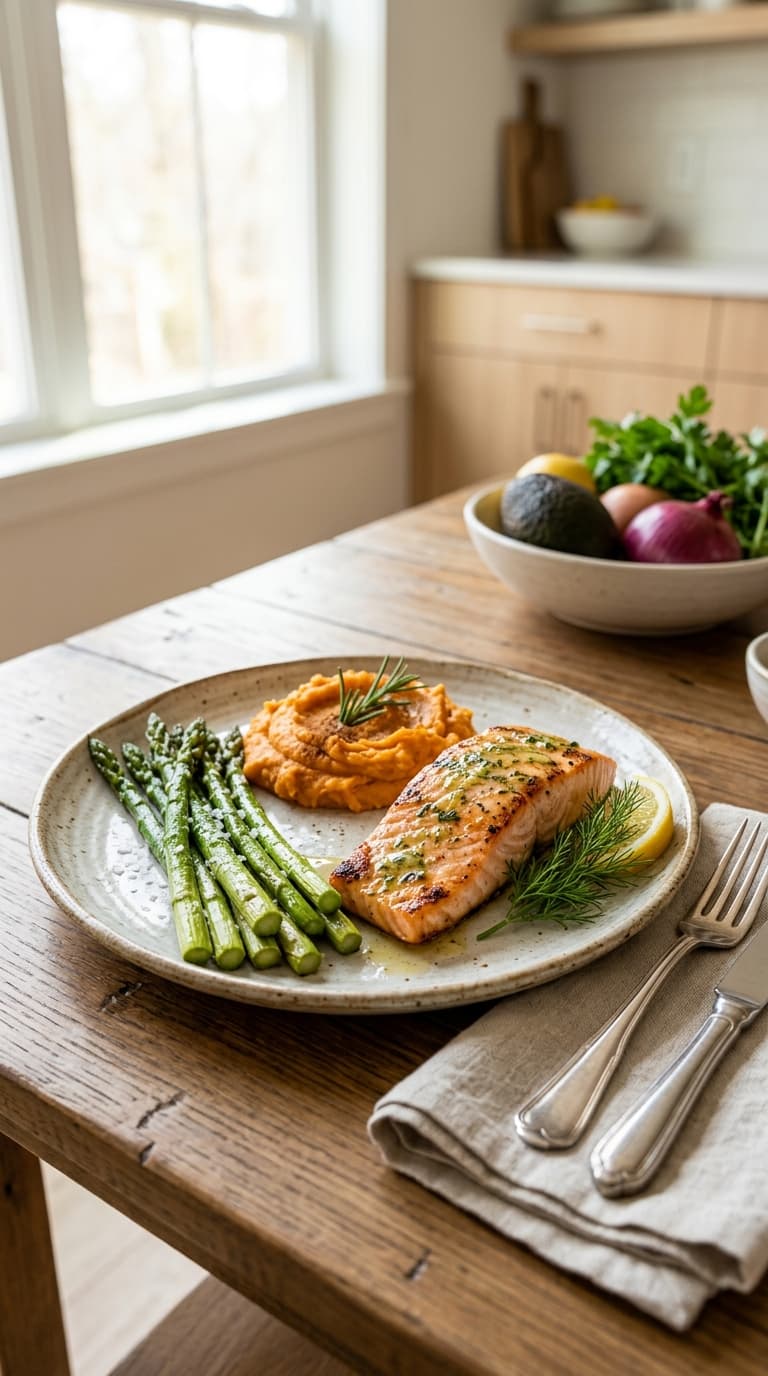
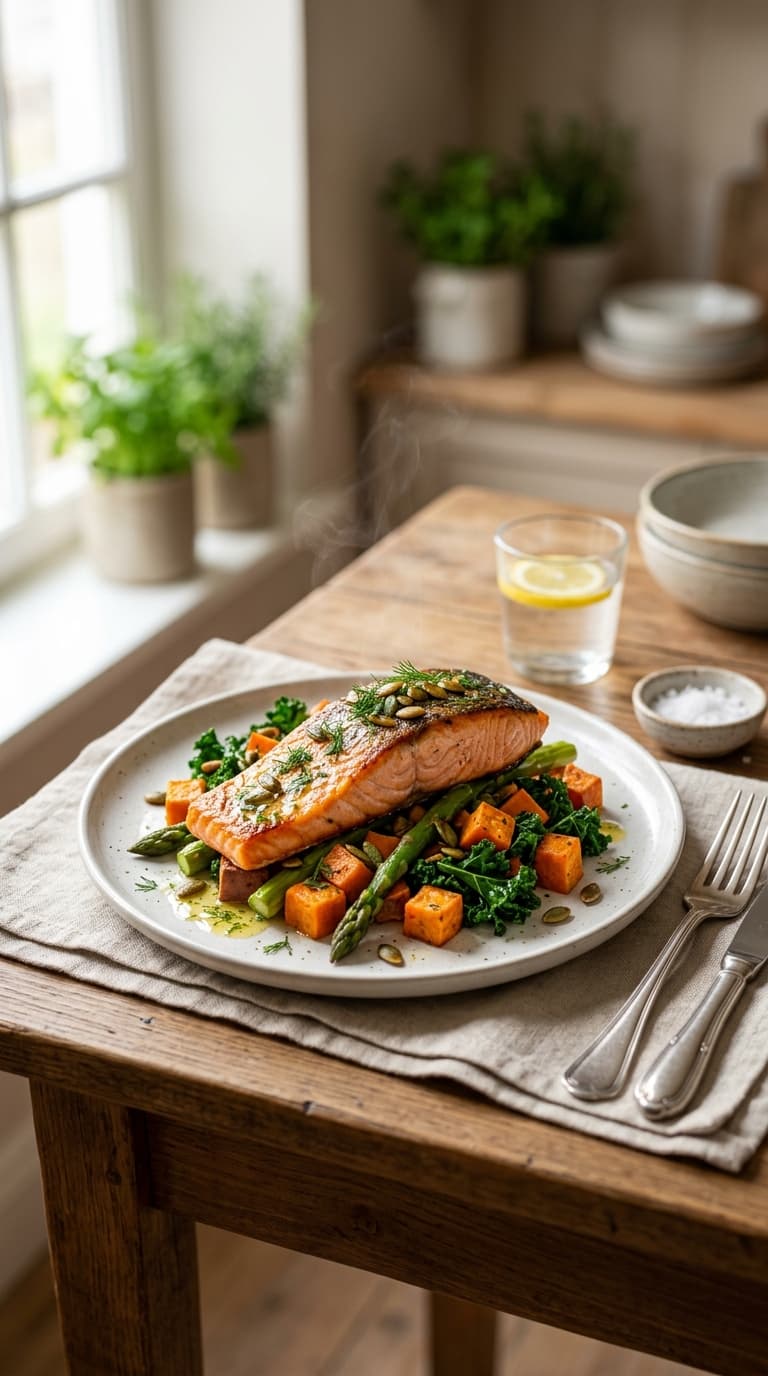
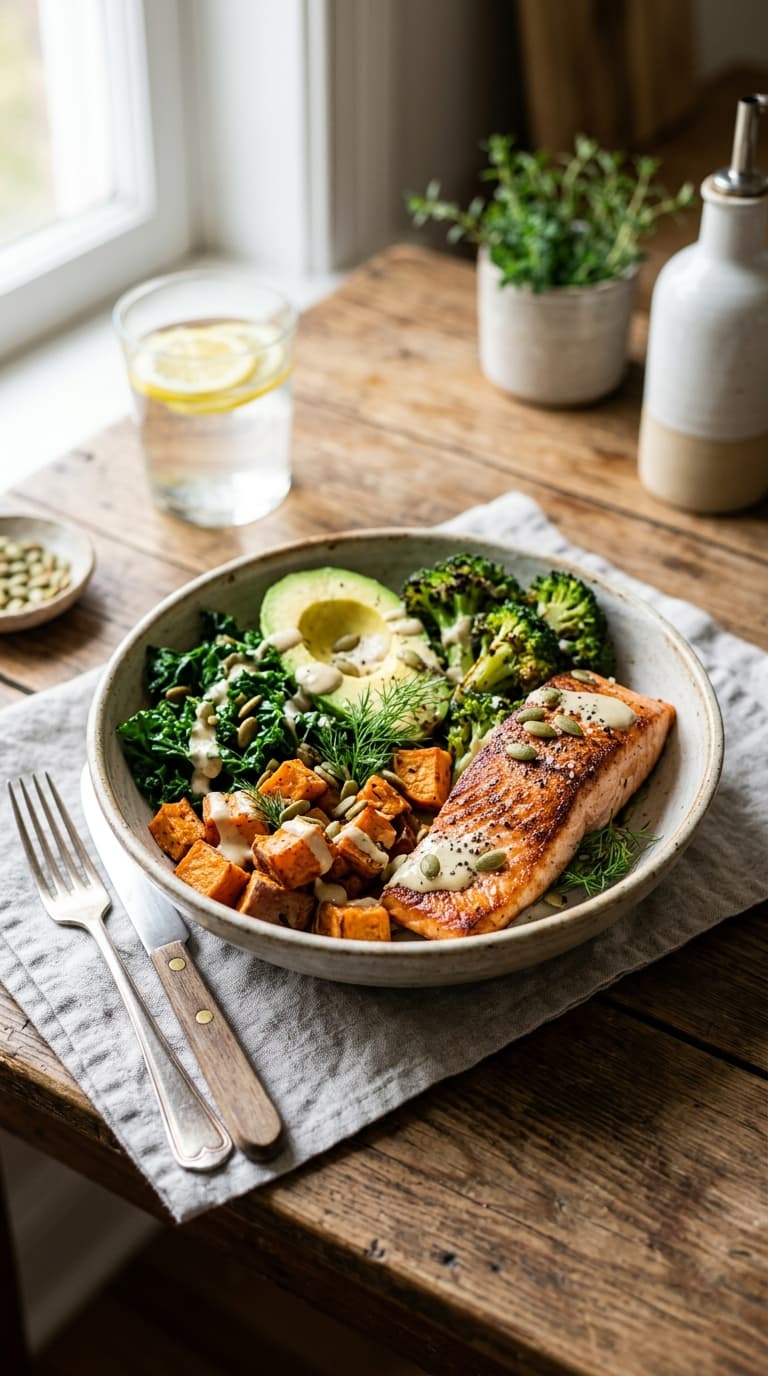
Dinner: Baked salmon with roasted sweet potato and steamed broccoli.
Snacks: Handful of almonds + an apple | Hard-boiled egg
Why this works: High protein at every meal, quality fats from avocado and salmon, and slow-digesting carbs from sweet potato for evening glycogen replenishment.
Day 2 — Push Day Fuel
Breakfast: Paleo egg muffins (eggs, peppers, onion, turkey sausage baked in a muffin tin) with a banana.
Lunch: Ground beef lettuce wraps with diced tomato, onion, and salsa. Side of plantain chips (unsalted, minimal ingredients).
Dinner: Chicken thighs slow-cooked with garlic, herbs, and diced sweet potato.
Snacks: Guacamole with veggie sticks | Beef jerky (no sugar added — read those labels)
Tip: If you have a hard training session on Day 2, add an extra serving of sweet potato or a piece of fruit pre-workout. Your output will thank you.
Day 3 — Active Recovery Mode
Breakfast: Coconut milk smoothie with frozen berries, banana, a handful of spinach, and almond butter.
Lunch: Tuna (in water, drained) mixed with avocado, diced celery, and lemon juice. Served over romaine lettuce.
Dinner: Grass-fed beef burger (no bun, obviously) with grilled zucchini, caramelized onions, and a big side salad.
Snacks: Walnuts + dried mango (no added sugar) | Sliced cucumber with guacamole
Recovery days call for slightly fewer carbs and more anti-inflammatory fats — think avocado, olive oil, walnuts, and fatty fish. Your joints will love you for it.
Day 4 — Midweek Power
Breakfast: Sweet potato hash with ground turkey, eggs, peppers, and herbs. Cooked in coconut oil.
Lunch: Leftover chicken thighs over cauliflower rice with roasted veggies.
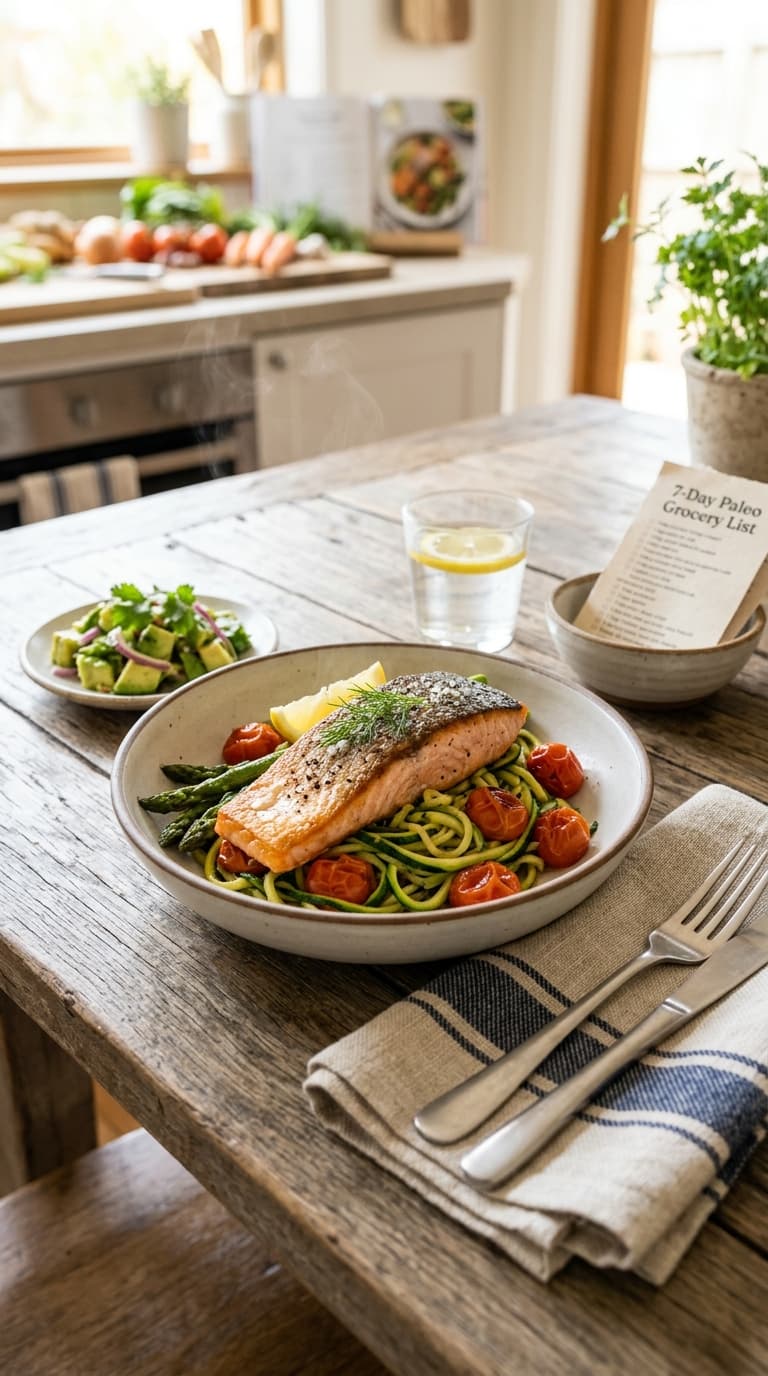
Dinner: Shrimp stir-fry with zucchini noodles, snap peas, garlic, ginger, and coconut aminos (your soy sauce replacement — seriously, it tastes great).
Snacks: Boiled eggs + orange | Mixed nuts
Ever wondered how athletes stay consistent with meal prep? The secret is batch cooking. Make a double batch of protein on Sunday and Wednesday, and suddenly your lunches basically cook themselves.
Day 5 — Intensity Day
Breakfast: Three-egg omelet with smoked salmon, capers, and dill. Side of sliced melon.
Pre-workout (if needed): Banana with a tablespoon of almond butter.
Lunch: Grilled turkey patties with roasted butternut squash and a green salad with olive oil dressing.
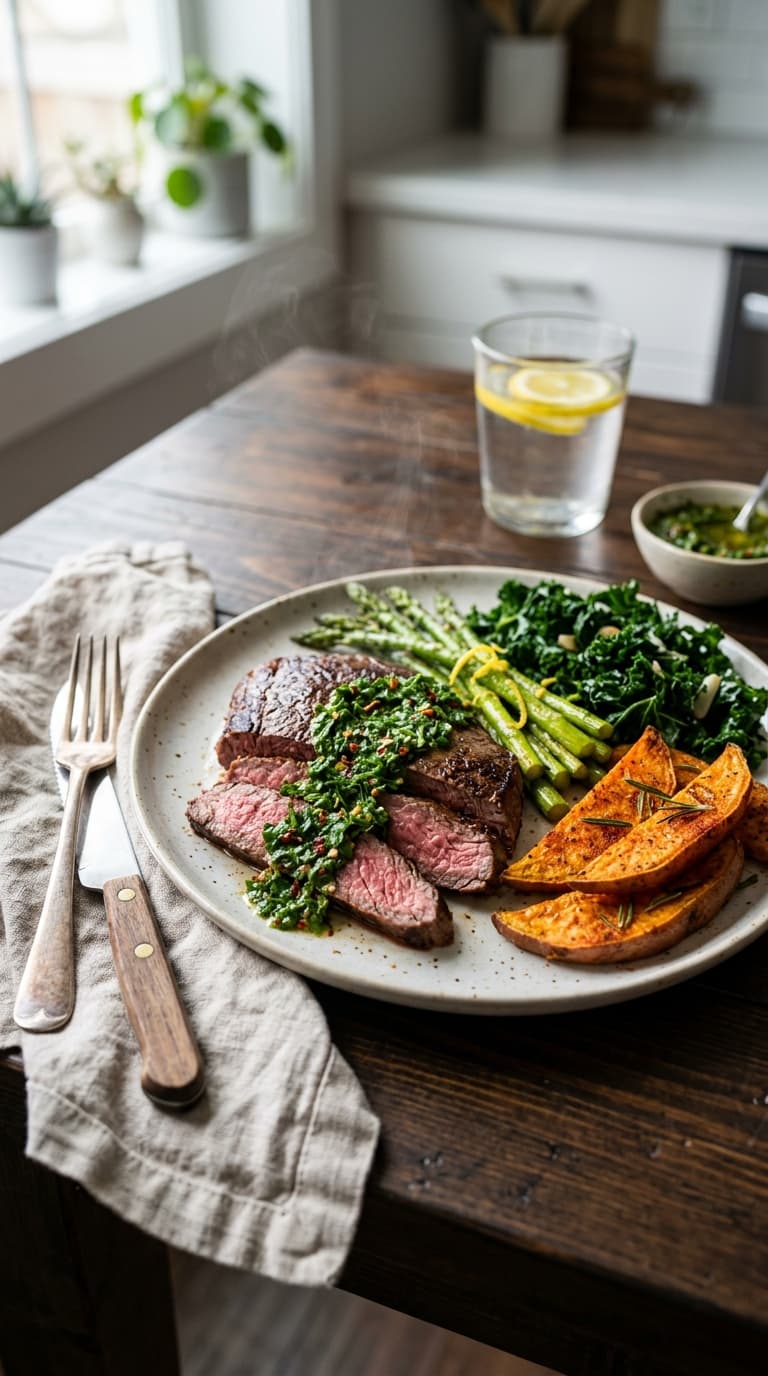
Dinner: Slow-cooked pork tenderloin with mashed sweet potato (made with coconut milk) and roasted asparagus.
Snacks: Paleo trail mix (almonds, walnuts, pumpkin seeds, dried cranberries — no added sugar) | Apple slices
Day 5 loads up the carbs intentionally. If your hardest training session falls here, your body has the glycogen it needs to perform. Don’t skip the sweet potato.
Day 6 — Weekend Refuel
Breakfast: Paleo pancakes (mashed banana + eggs + a pinch of cinnamon, cooked in coconut oil). Top with fresh berries and a drizzle of raw honey.
Lunch: Big batch of homemade paleo chili — ground beef, diced tomatoes, peppers, onion, garlic, cumin, chili powder. Served with sliced avocado.
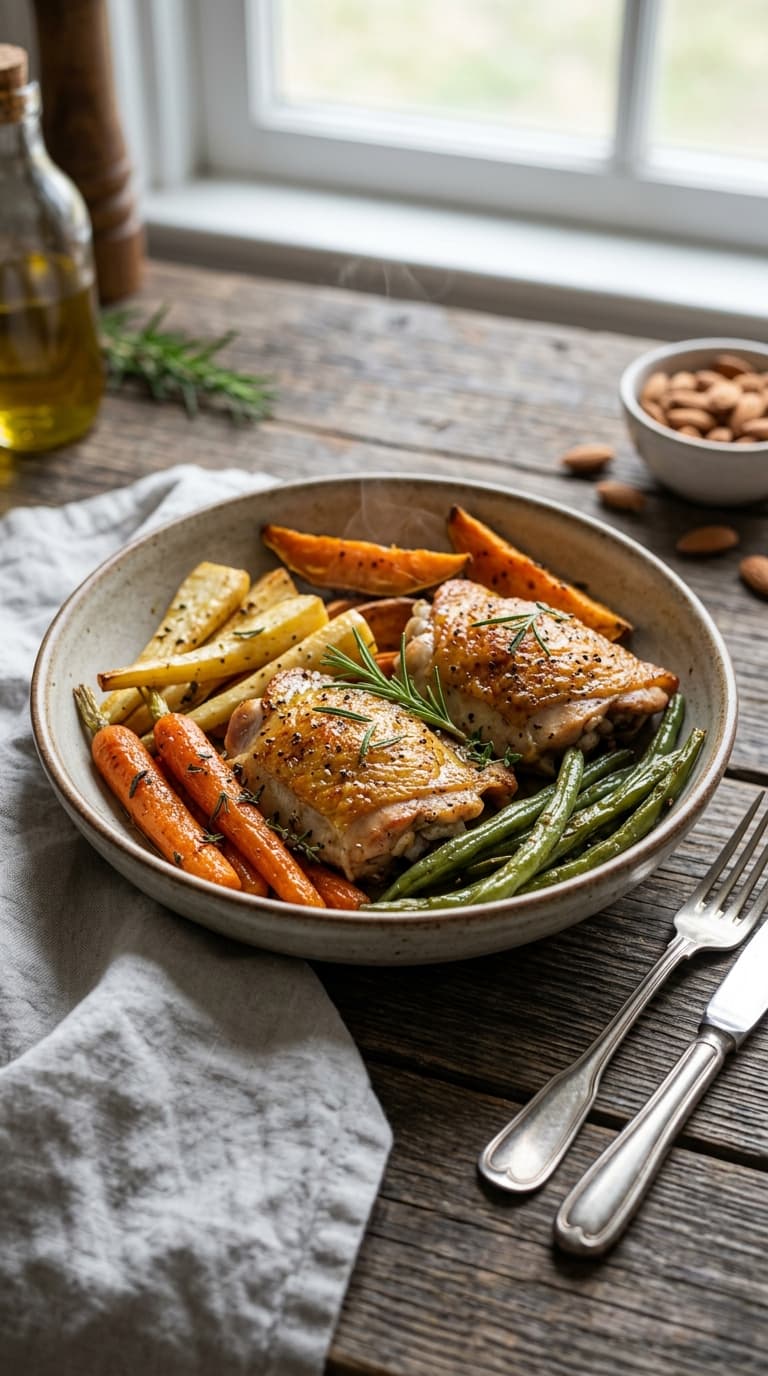
Dinner: Herb-roasted whole chicken with roasted root vegetables (carrots, parsnips, sweet potato).
Snacks: Coconut yogurt with mixed berries | Celery with almond butter
Yes, I said paleo pancakes, and yes, they’re actually good 🙂 The banana-egg combo sounds weird until you try it, and then you make it every weekend.
Day 7 — Rest, Recover, Reload
Breakfast: Veggie-packed frittata (eggs, kale, roasted red peppers, olives, sun-dried tomatoes). Cooked in cast iron for that extra flavor.
Lunch: Large Greek-inspired salad — mixed greens, cucumber, olives, artichoke hearts, grilled chicken, olive oil, lemon.
Dinner: Baked cod with roasted cauliflower, steamed green beans, and a drizzle of tahini.
Snacks: Mixed berries + handful of cashews | Sliced bell pepper with guacamole
Day 7 is about nourishing recovery. Lighter protein, plenty of micronutrients from vegetables, and anti-inflammatory fats. Think of it as investing in next week’s performance.
Meal Prep Tips That Actually Save Your Sanity
Look, the biggest reason people fall off a paleo meal plan isn’t motivation — it’s the prep time. Here’s how to keep it manageable:
- Sunday batch cook: Grill 4–5 chicken breasts, roast two trays of vegetables, boil a dozen eggs
- Pre-portion snacks: Divide nuts and trail mix into small containers at the start of the week
- Double dinners: Whatever you cook for dinner, make extra for tomorrow’s lunch
- Freeze your protein: Ground beef, pulled pork, and cooked chicken all freeze well
- Keep emergency snacks ready: Beef jerky, almond butter packets, and fresh fruit require zero prep
The more you prep upfront, the less willpower you need mid-week. And let’s be honest — willpower after a hard training day is basically nonexistent. Plan for tired-you, not motivated-Sunday-you.
Paleo-Friendly Supplements Worth Considering
Paleo purists might argue that you should get everything from food alone — and sure, in an ideal world, great. But athletes have higher demands, and a few supplements can fill real gaps:
- Magnesium — supports muscle function, sleep quality, and recovery
- Vitamin D — especially important if you train indoors or live somewhere cloudy
- Electrolytes — paleo naturally lowers sodium, so replenishment matters
- Collagen peptides — supports joint health; mixes into coffee or smoothies easily
- Fish oil — if you’re not eating fatty fish 3–4 times per week, omega-3s help fill the gap
Always choose clean supplements with minimal fillers — read ingredient labels the same way you read food labels.
Common Paleo Mistakes Athletes Make
Been there, done a few of these myself :/
- Not eating enough calories — Paleo food is nutrient-dense but not always calorie-dense. Volume matters.
- Cutting carbs too aggressively — Athletes need carbs. Sweet potatoes and fruit are your friends.
- Ignoring pre/post workout nutrition — Timing matters when you’re training hard.
- Eating the same 5 meals on rotation — Nutritional diversity equals micronutrient coverage. Rotate your proteins and veggies.
- Giving up during the adaptation phase — The first week can feel rough. Stick with it.
The most common mistake is treating paleo like a weight-loss diet when it should function as a performance diet. The mindset shift changes everything.
How to Adjust Based on Your Training Load
Not every training week looks the same, and your nutrition shouldn’t either. Here’s a quick guide:
Heavy Training Days
- Increase sweet potato, fruit, and starchy vegetable portions
- Add a pre-workout snack (banana + protein or almond butter)
- Prioritize post-workout protein within 30–60 minutes
Light Training or Rest Days
- Reduce starchy carbs slightly
- Increase healthy fat intake from avocado, olive oil, and nuts
- Focus on micronutrient-rich vegetables
Competition Week
- Keep meals familiar — this is not the week to experiment
- Slightly increase carb intake in the 2–3 days before competition
- Stay hydrated and don’t undereat out of nerves
Conclusion — Eat Real, Perform Better
Here’s the bottom line: paleo eating for athletes isn’t about restriction — it’s about upgrading your fuel source. Real food, clean protein, quality fats, and performance-timed carbs. That’s the formula.
This 7-day plan gives you a solid starting point, but don’t treat it like a rigid script. Adjust portions based on your training load, listen to your body during the adaptation phase, and experiment with the meals that work best for your lifestyle.
The athletes who perform best long-term aren’t the ones with the most complex nutrition plans — they’re the ones who find a sustainable approach and actually stick to it. Paleo can absolutely be that approach.
Give this plan a full week, stay consistent with your prep, and see how your body responds. You might be surprised at how good “eating like a caveman” can feel when it’s done right.