The Beginner’s 7-Day DASH Diet Meal Plan (Step-by-Step!)
The Beginner’s 7-Day DASH Diet Meal Plan (Step-by-Step!)
So you’ve heard about the DASH diet and you’re wondering if it’s actually worth the hype — or if it’s just another wellness trend designed to make you feel guilty about your Saturday pizza. Good news: it’s neither. The DASH diet is one of the most research-backed eating plans out there, and starting it doesn’t have to feel like punishment. I’ve been through the beginner confusion myself, and I’m here to make your first seven days as smooth and delicious as possible.
What Even Is the DASH Diet?
DASH stands for Dietary Approaches to Stop Hypertension. Yeah, the name sounds like it came straight out of a medical textbook — because it did. But don’t let that scare you off. At its core, the DASH diet is simply about eating more whole foods, cutting back on sodium, and giving your heart a fighting chance.
The plan focuses on:
- Fruits and vegetables (your new best friends)
- Whole grains over refined ones
- Lean proteins like chicken, fish, and legumes
- Low-fat dairy
- Limited sodium, added sugars, and saturated fats
No crazy supplements. No meal replacement shakes. Just real food, smartly chosen. Honestly, refreshing, right?
Why the DASH Diet Actually Works
Here’s the thing most people miss — the DASH diet wasn’t designed as a weight-loss plan, but weight loss often follows naturally. When you stop eating ultra-processed, sodium-loaded foods and replace them with nutrient-dense whole foods, your body tends to respond pretty enthusiastically.
Studies consistently show that following the DASH diet can lower blood pressure within just two weeks. It also reduces the risk of heart disease, stroke, and type 2 diabetes. IMO, those are three very solid reasons to give it a real shot.
The real magic is that it doesn’t eliminate entire food groups. No dramatic “never eat carbs again” declarations. You just eat smarter versions of what you probably already enjoy.
What to Stock Before Day One
Before you touch a single meal plan, let’s talk groceries. Nothing derails a healthy eating plan faster than opening the fridge and finding nothing but leftover takeout and a sad block of cheese.
Pantry essentials to grab:
- Rolled oats, brown rice, whole wheat pasta, whole grain bread
- Canned beans (low-sodium chickpeas, lentils, black beans)
- Olive oil, garlic, dried herbs and spices
- Low-sodium vegetable or chicken broth
Fresh produce to prioritize:
- Leafy greens (spinach, kale, arugula)
- Berries, bananas, oranges, apples
- Bell peppers, broccoli, sweet potatoes, tomatoes
Proteins and dairy:
- Skinless chicken breasts, canned tuna, salmon fillets
- Greek yogurt (low-fat, plain), low-fat milk or plant-based alternative
- Eggs, almonds, walnuts, sunflower seeds
Spend one afternoon prepping and you’ll thank yourself every single day that week. Trust me on this one.
The 7-Day DASH Diet Meal Plan
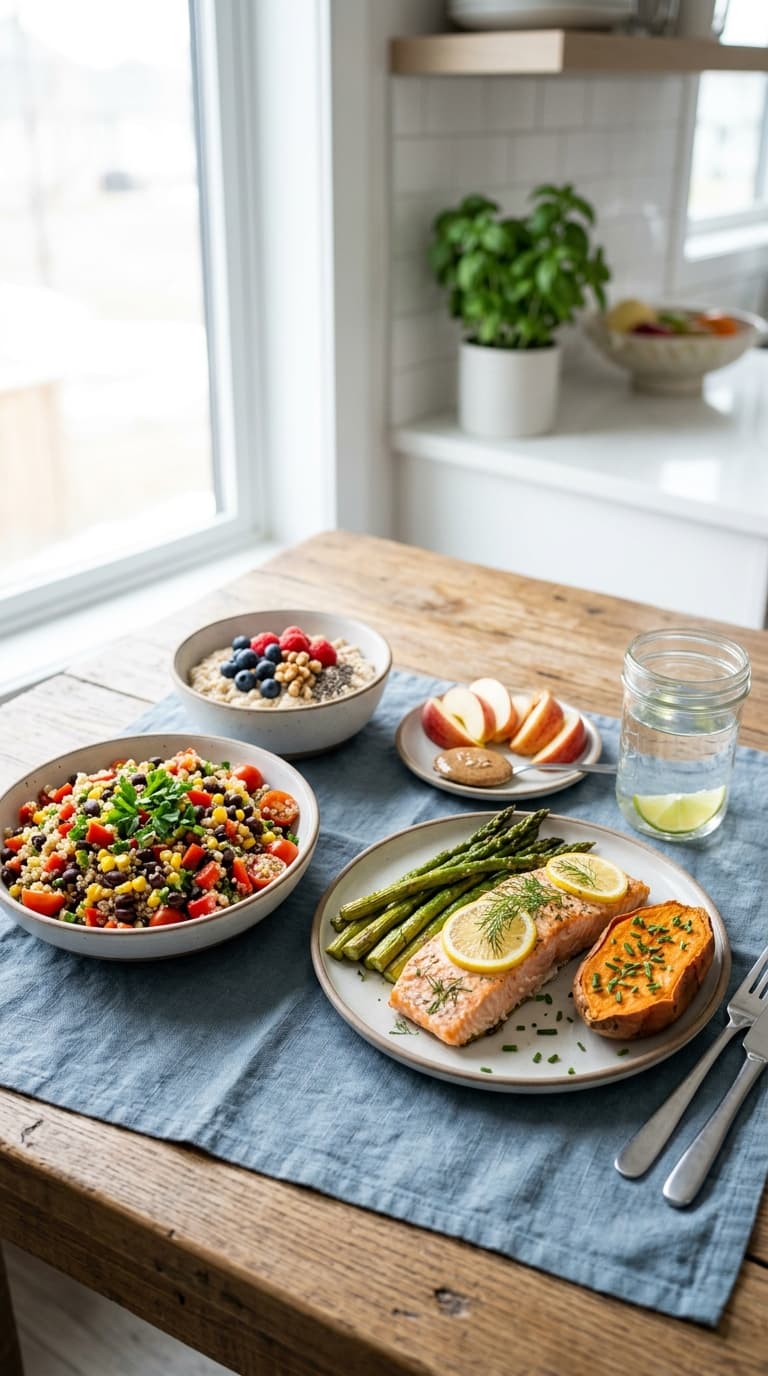
Let’s get into the actual plan. Each day is structured with breakfast, lunch, dinner, and a snack. I’ve kept the meals approachable — nothing requires a culinary degree or a three-hour cooking session.
Day 1: Start Simple, Start Strong
Breakfast: Oatmeal topped with fresh blueberries, a drizzle of honey, and a small handful of walnuts. Pair it with a glass of low-fat milk.
Lunch: Large spinach salad with grilled chicken, cherry tomatoes, cucumber, and olive oil + lemon dressing. Add a slice of whole grain bread on the side.
Snack: A banana and a small handful of unsalted almonds.
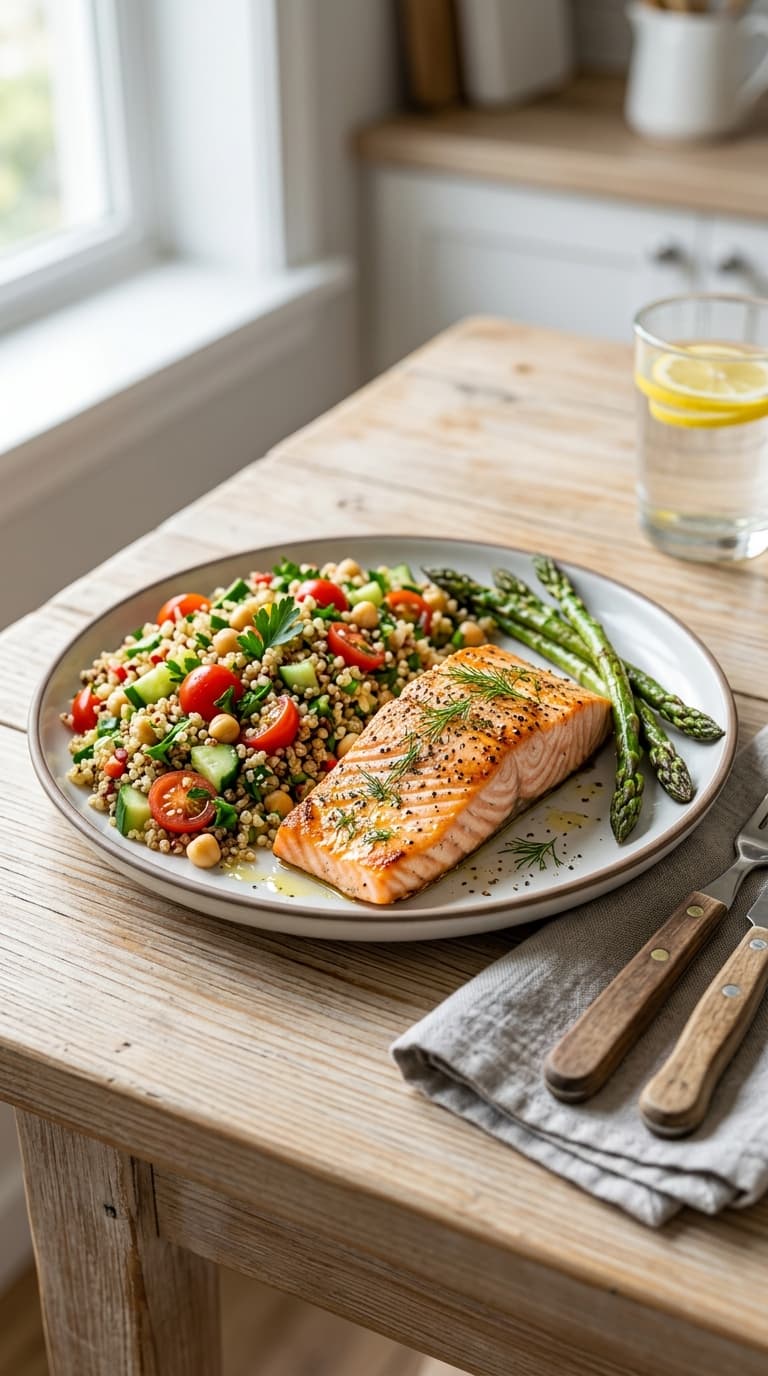
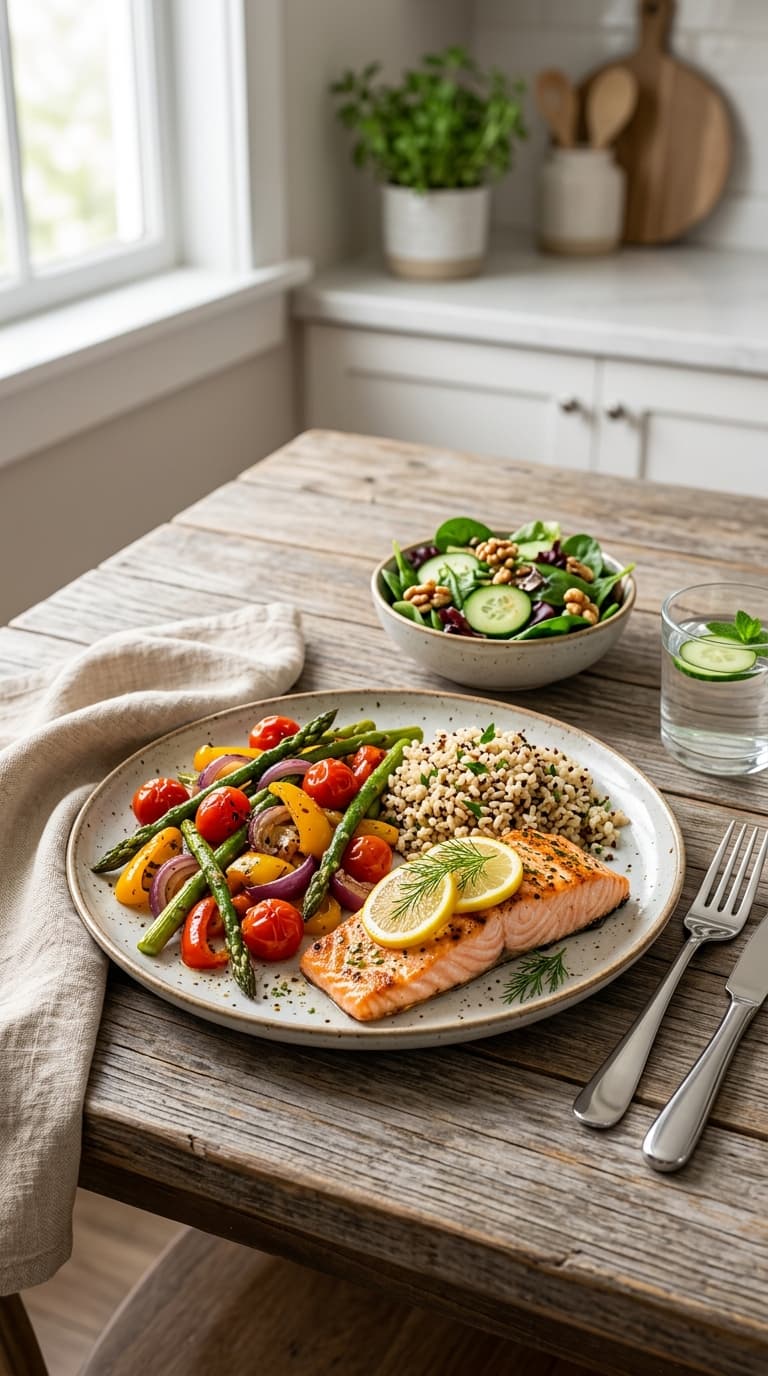
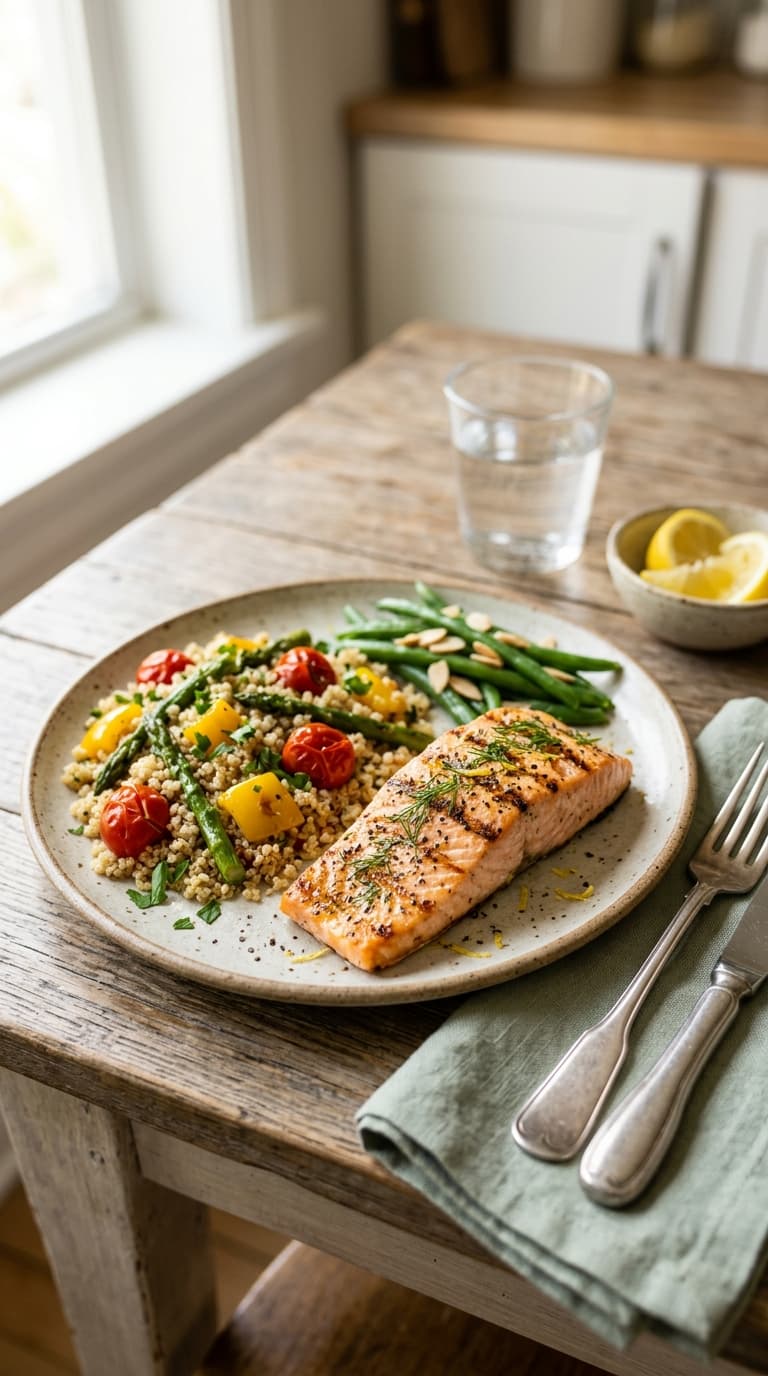
Dinner: Baked salmon with roasted sweet potato and steamed broccoli. Season with garlic, lemon zest, and herbs — skip the salt shaker.
Why this works: You’re loading up on potassium, magnesium, and fiber right from day one — the three key nutrients the DASH diet prioritizes to support healthy blood pressure.
Day 2: Build the Habit
Breakfast: Whole grain toast with avocado, two poached eggs, and sliced tomato.
Lunch: Lentil soup (low-sodium broth base) with a mixed greens side salad. Lentils are basically a DASH diet superhero — affordable, filling, and packed with protein and fiber.
Snack: Low-fat Greek yogurt with a handful of mixed berries.
Dinner: Stir-fried chicken breast with bell peppers, snap peas, broccoli, and brown rice. Use low-sodium soy sauce — just a little goes a long way.
Day 3: Midweek Momentum
By now your taste buds are starting to recalibrate. Ever notice how food tastes more vibrant when you cut back on sodium? That’s your palate waking up — and it’s genuinely one of the coolest side effects of this diet.
Breakfast: Plain low-fat Greek yogurt layered with sliced banana, a tablespoon of chia seeds, and a sprinkle of cinnamon.
Lunch: Whole wheat wrap filled with tuna (water-packed, drained), shredded lettuce, diced celery, and a light squeeze of lemon juice.
Snack: Apple slices with two tablespoons of natural almond butter.
Dinner: Turkey and vegetable chili made with canned low-sodium tomatoes, kidney beans, onion, garlic, cumin, and chili powder. Serve over a small portion of brown rice.
Day 4: Variety Is Your Best Friend
Breakfast: Smoothie made with low-fat milk, frozen spinach, banana, frozen mango, and a tablespoon of flaxseed. Sounds weird, tastes amazing — you’ve been warned 🙂
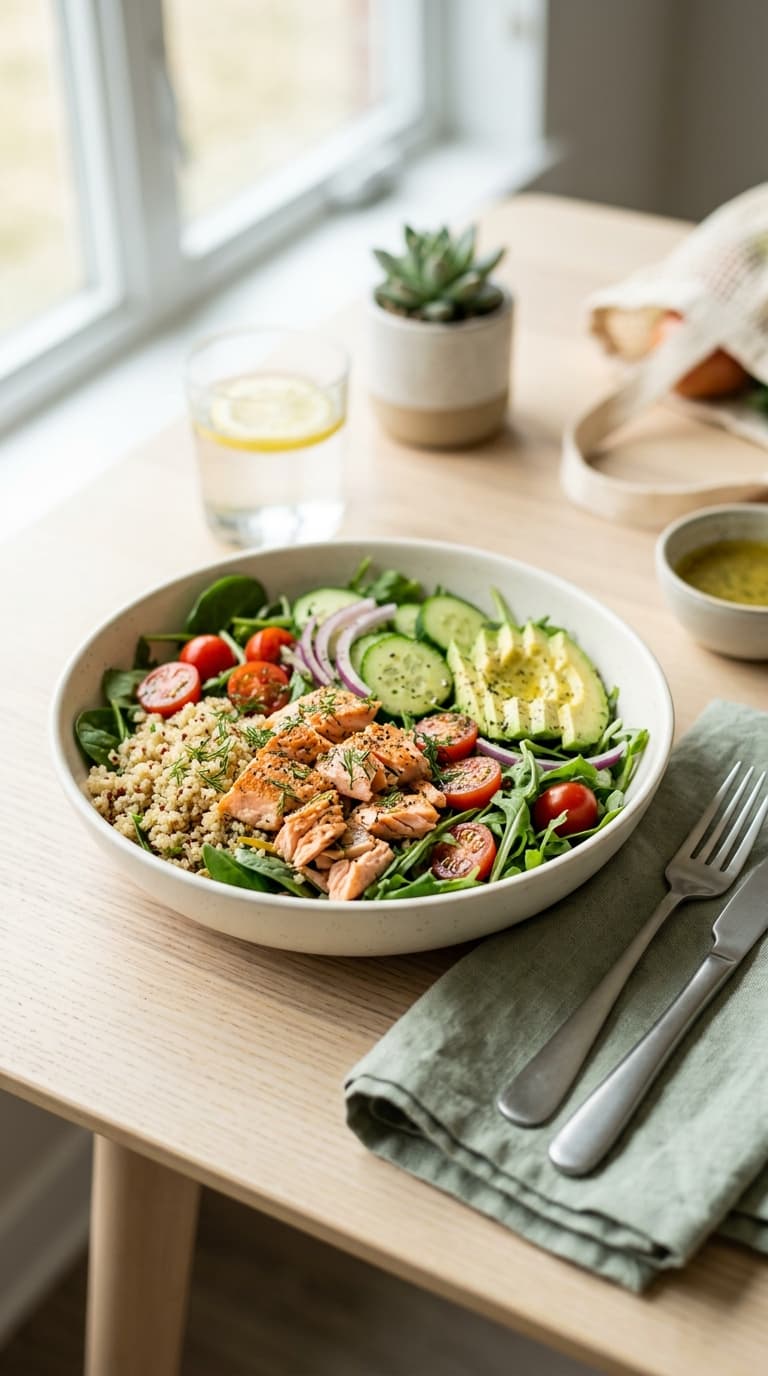
Lunch: Quinoa bowl with roasted chickpeas, cucumber, red onion, cherry tomatoes, and a tahini-lemon dressing.
Snack: A small handful of sunflower seeds and an orange.
Dinner: Grilled cod with a fresh mango salsa (diced mango, red onion, cilantro, lime juice), served alongside roasted asparagus and a small baked potato — skin on for the fiber.
Pro tip: Batch cook your grains on Day 4. Make a big pot of brown rice or quinoa and refrigerate it. You’ll save yourself a solid 30 minutes each night for the rest of the week.
Day 5: Keep the Energy Up
Breakfast: Whole grain cereal (look for options under 150mg sodium per serving) with low-fat milk and sliced strawberries.
Lunch: Black bean and vegetable soup with a side of whole grain crackers. Homemade is best, but a good low-sodium canned option works perfectly fine here.
Snack: Carrot sticks and celery with hummus (look for low-sodium options or make your own).
Dinner: Chicken and vegetable skewers grilled or oven-roasted, served with a tabbouleh-style bulgur wheat salad with parsley, mint, tomato, and lemon.
By Day 5, you might notice your energy levels feeling steadier throughout the day. That’s the blood sugar stabilizing effect of eating balanced, fiber-rich meals consistently. Not bad for five days of eating well, right?
Day 6: Weekend Treat (DASH Style)
Weekends are where most diets go to die. Let’s keep yours alive.
Breakfast: Homemade whole wheat pancakes topped with fresh raspberries and a light drizzle of pure maple syrup. Skip the butter or use just a tiny scrape.
Lunch: Big grain bowl — brown rice, edamame, shredded carrots, cucumber, avocado, sesame seeds, and a light ginger-soy dressing (low-sodium soy sauce, sesame oil, rice vinegar, grated ginger).
Snack: A small smoothie or a piece of fruit with a few walnuts.
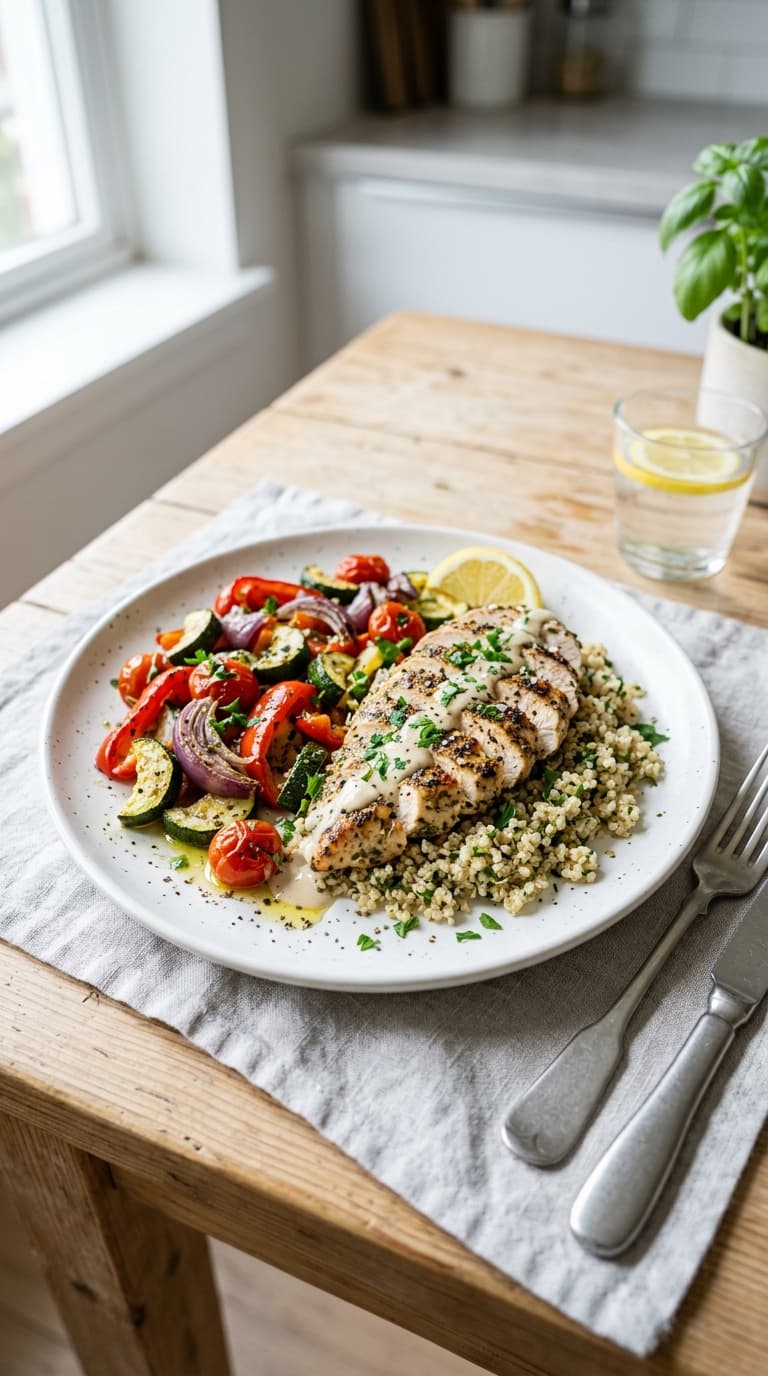
Dinner: Herb-crusted baked chicken thighs (skinless) with roasted root vegetables — parsnips, carrots, sweet potato — and a side of wilted garlic spinach. This dinner feels indulgent without actually being indulgent. That’s the DASH diet sweet spot.
Day 7: Finish Strong, Plan Ahead
Breakfast: Veggie-packed omelette with spinach, mushrooms, red pepper, and a sprinkle of low-fat feta. Whole grain toast on the side.
Lunch: Leftover herb chicken from last night (if you planned ahead — good job!) in a whole grain wrap with lettuce, tomato, and a squeeze of lemon.
Snack: Low-fat cottage cheese with pineapple chunks or peach slices.
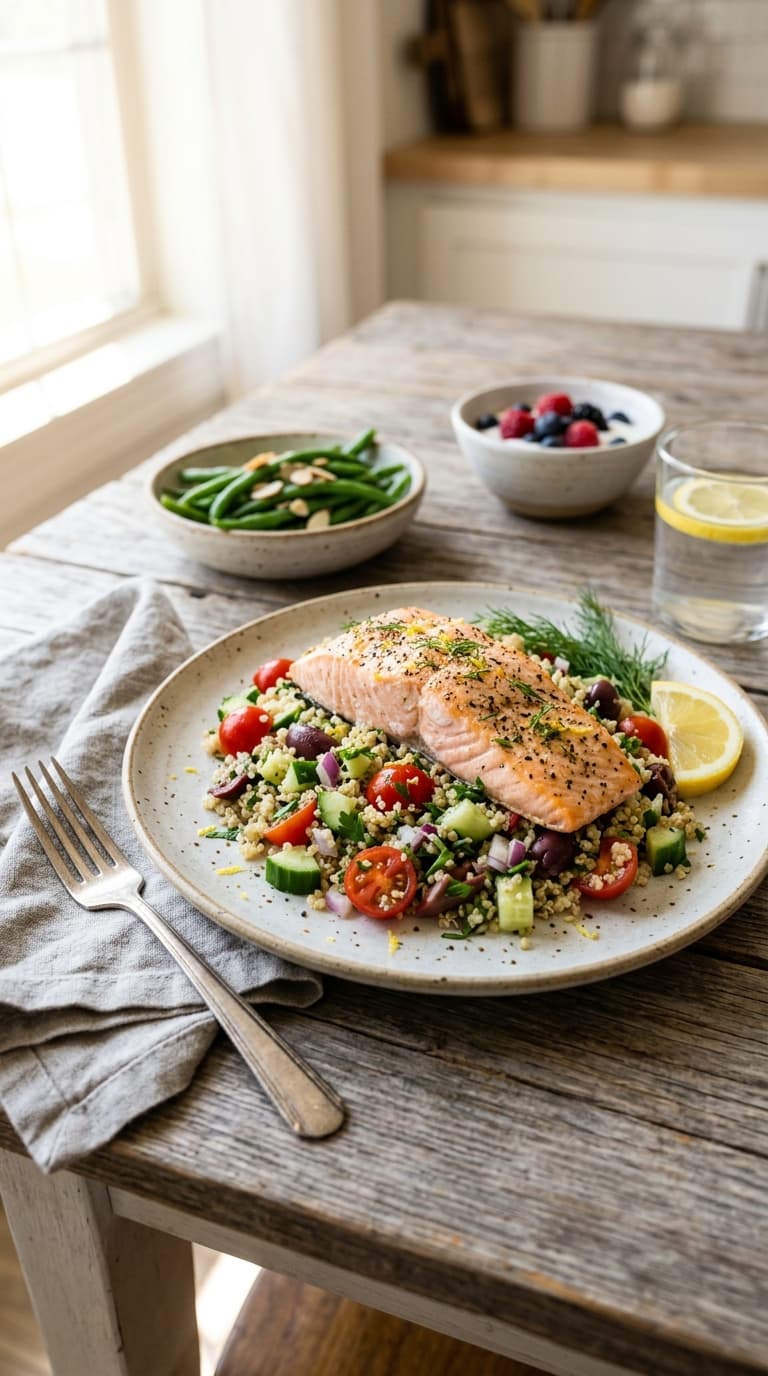
Dinner: Baked white fish with a tomato-olive-caper sauce (go light on the capers — they’re salty), served with quinoa and steamed green beans. A genuinely satisfying way to close out your first week.
Common Mistakes Beginners Make (And How to Dodge Them)
Even with the best intentions, first-timers hit the same walls. Here’s what to watch for:
- Relying on “healthy” packaged foods. A lot of products marketed as healthy are absolutely loaded with sodium. Always read the label. Aim for under 140mg of sodium per serving.
- Skipping the snacks. Snacks aren’t optional on the DASH diet — they keep your hunger balanced and prevent you from raiding the pantry at 10pm.
- Forgetting to hydrate. Water supports every function the DASH diet targets. Aim for at least 8 cups daily, and yes, that means cutting back on the sodium-heavy sports drinks. FYI, plain sparkling water with a squeeze of lemon is a genuinely great swap.
- Going too hard too fast. If your current diet is heavy in processed foods, cutting sodium dramatically overnight can feel rough. Ease in gradually if you need to — the goal is sustainability, not perfection.
Tips to Actually Stick With the DASH Diet
Knowing the plan is one thing. Following through is another. Here’s what actually helps:
- Meal prep on Sundays. Cook your grains, wash your produce, and portion your snacks in advance. Future you will be extremely grateful.
- Keep healthy snacks visible. Put a fruit bowl on your counter. Store cut vegetables at eye level in the fridge. You eat what you see — make that work in your favor.
- Find your flavor. The DASH diet doesn’t have to be bland. Experiment with fresh herbs, citrus, vinegar, garlic, and spices to make every meal genuinely enjoyable.
- Track your sodium. At least for the first couple of weeks, track it. Most people are shocked to discover how much sodium hides in bread, condiments, and canned goods.
- Don’t moralize your food choices. One meal off plan doesn’t ruin anything. Just get back on track at the next meal — no drama, no guilt.
What Results Can You Realistically Expect After 7 Days?
Let’s be real here — one week won’t transform your body entirely. But it will absolutely set you up for meaningful change. After seven days of clean, DASH-aligned eating, most people report:
- Reduced bloating (less sodium = less water retention)
- More consistent energy throughout the day
- Noticeably better sleep in many cases
- A genuine craving shift — you start wanting the whole foods and dreading the heavy, greasy stuff :/
The real results build over weeks and months. Blood pressure improvements typically show up within two to four weeks of consistent effort. The seven-day plan is your launchpad, not your finish line.
Wrapping It Up
Look, the DASH diet isn’t complicated — it just requires a bit of intentional effort upfront. Stock your kitchen right, follow the meal plan, don’t skip the snacks, and pay attention to your sodium. That’s genuinely it. You don’t need to count every calorie or weigh your food obsessively. You just need to eat more real, whole, colorful food and a little less of the salty, processed stuff.
Seven days from now, you’ll feel the difference. And once you feel it, sticking with it becomes a whole lot easier. So go stock that fridge, pick a start date, and give this thing a real shot. Your heart (and honestly, your energy levels) will thank you for it.