7-Day Gluten-Free Vegan Meal Plan (Allergy-Friendly!)
7-Day Gluten-Free Vegan Meal Plan (Allergy-Friendly!)
So you’ve decided to go gluten-free AND vegan at the same time. Bold move. Honestly, when I first tried to combine both, I stood in my kitchen staring at a bag of chickpeas and a sweet potato thinking, “What exactly do I do with this?” But here’s the thing — eating gluten-free and vegan doesn’t have to feel like punishment. With a little planning, it can actually be delicious, satisfying, and surprisingly easy to stick to.
Whether you’re managing celiac disease, a gluten sensitivity, food allergies, or you’re just curious about clean plant-based eating, this 7-day gluten-free vegan meal plan has you covered. I’ve built it to be practical, budget-friendly, and most importantly — food you’ll actually want to eat.
Why Gluten-Free Vegan Eating Is Worth the Effort
Look, I get it. The words “gluten-free” and “vegan” together can sound like the universe is taking away all your favorite things. But hear me out — the overlap between these two diets is actually massive. Most whole plant foods are naturally gluten-free. Fruits, vegetables, legumes, nuts, seeds, rice, quinoa — all of it is on the table (literally).
The key is learning to build balanced meals without relying on wheat-based products or animal proteins. Once you nail that skill, the whole thing clicks. And trust me, it clicks faster than you’d expect.
Who This Meal Plan Works For
- People with celiac disease or non-celiac gluten sensitivity
- Vegans who also need to avoid gluten
- Anyone dealing with multiple food allergies (this plan is also free of dairy, eggs, and most common allergens)
- People who just want to eat cleaner and feel better
What to Stock Before You Start
Before we get to the actual meal plan, let me save you the mid-week grocery scramble. Stocking your pantry right is half the battle. Here’s what I always keep on hand:
- Whole grains: Quinoa, brown rice, certified gluten-free oats, millet
- Legumes: Canned and dried chickpeas, lentils, black beans, kidney beans
- Nut butters: Almond butter, tahini (sesame paste — absolute gold)
- Flours: Almond flour, rice flour, tapioca starch for baking
- Flavor builders: Tamari (gluten-free soy sauce), nutritional yeast, apple cider vinegar, coconut aminos
- Healthy fats: Avocados, extra virgin olive oil, coconut oil
- Snack staples: Rice cakes, hummus, raw nuts, seeds
FYI — always double-check labels on oats and any packaged goods. Cross-contamination is sneaky, and even “naturally gluten-free” products sometimes get processed in shared facilities.
Day 1: A Fresh, Energizing Start
Breakfast
Overnight chia pudding with almond milk, topped with fresh mango and a sprinkle of toasted coconut. You prep it the night before and wake up to breakfast already done. Honestly, it feels like cheating in the best way possible.
Lunch
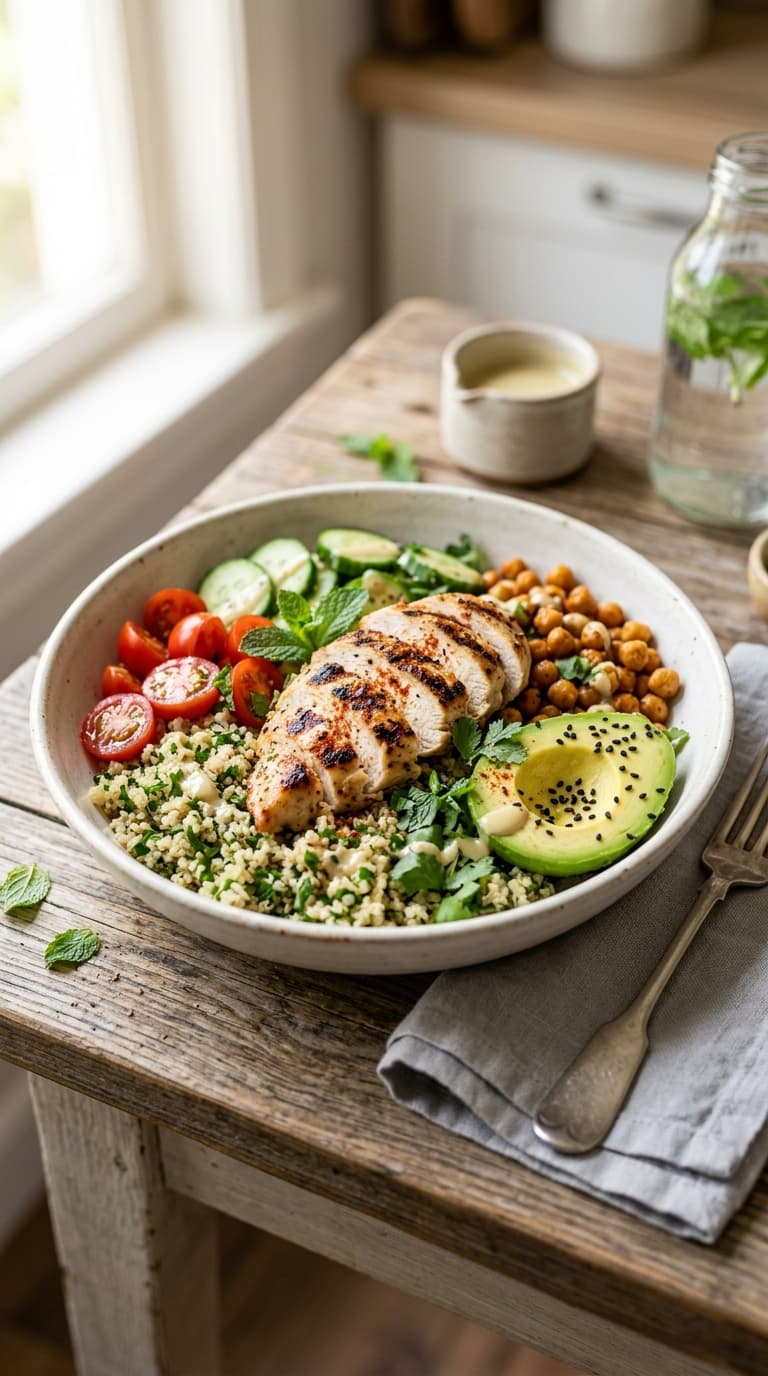
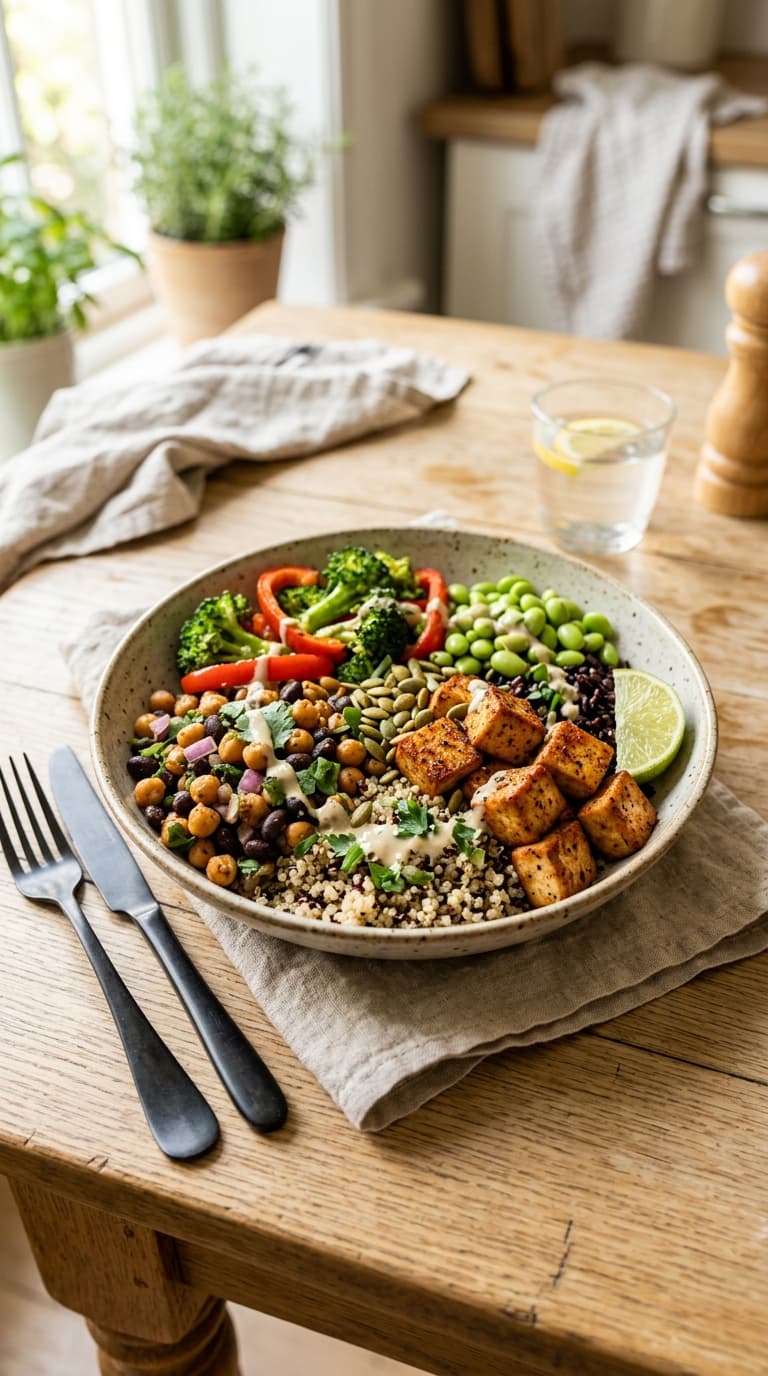
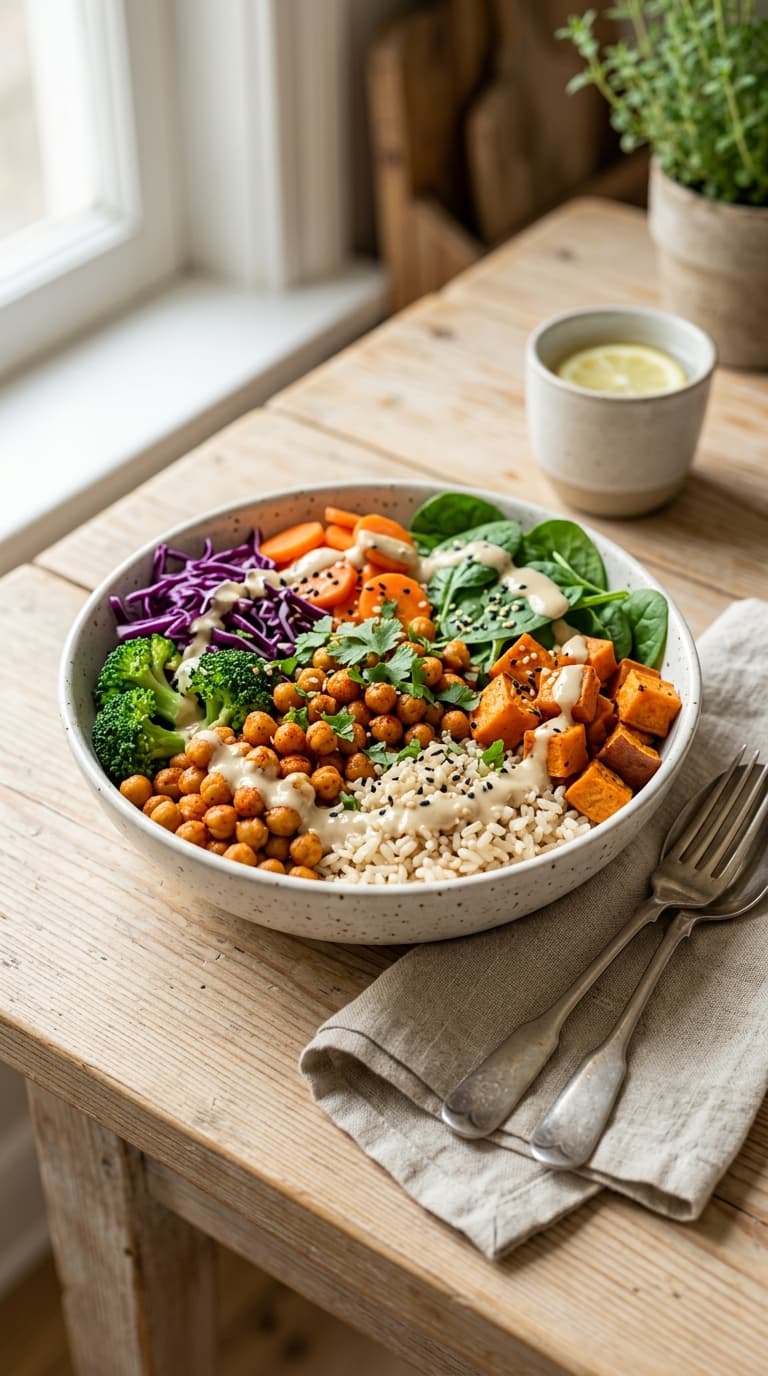
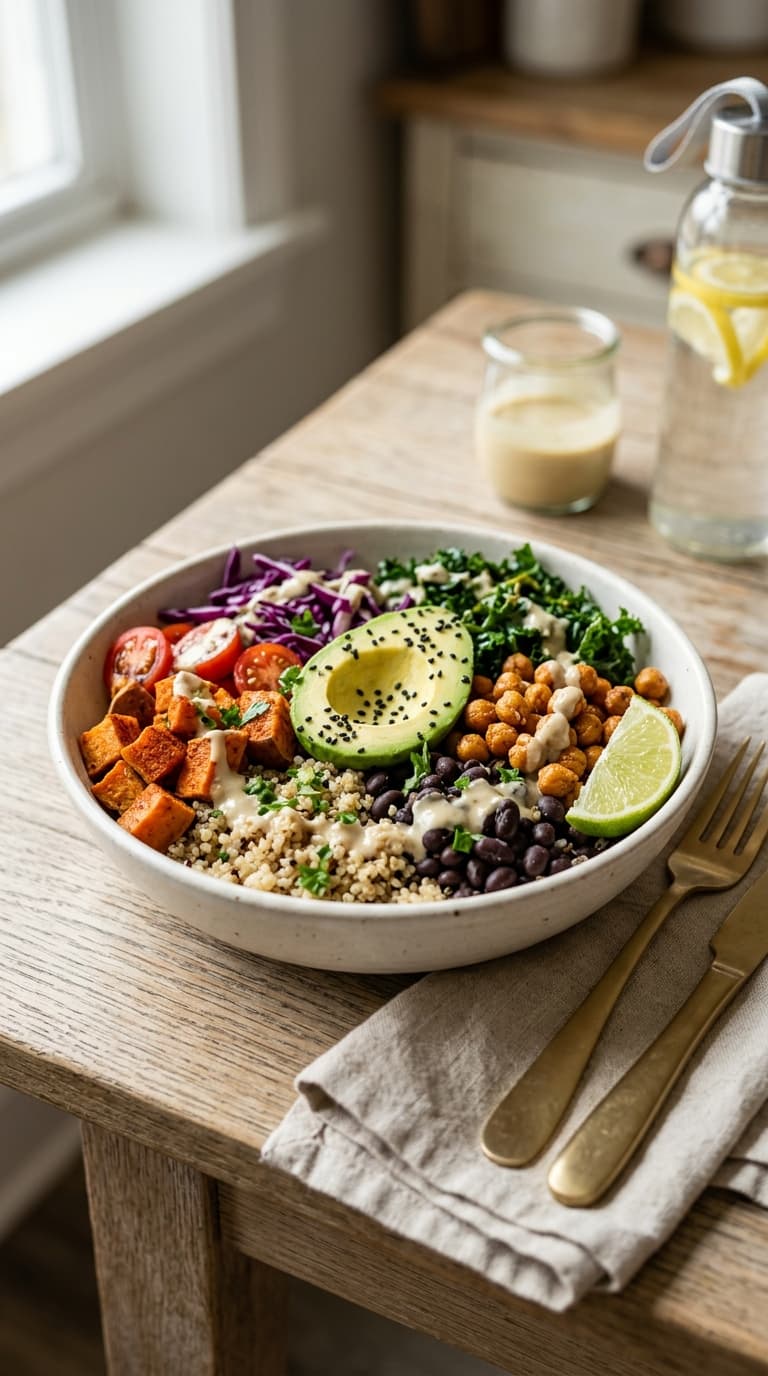
Quinoa power bowl with roasted chickpeas, cucumber, cherry tomatoes, red onion, and a lemon-tahini dressing. This bowl keeps you full for hours — the protein and fiber combo is no joke.
Dinner
Thai red curry with tofu, sweet potato, bell peppers, and full-fat coconut milk. Serve it over jasmine rice. This recipe is naturally gluten-free, deeply satisfying, and feels like a restaurant meal you made at home.
Snack
Apple slices with almond butter. Simple, classic, undefeated.
Day 2: Comfort Without the Compromise
Breakfast
Gluten-free oat porridge cooked with oat milk, topped with blueberries, ground flaxseed, and a drizzle of maple syrup. Warming, filling, and genuinely comforting.
Lunch
Black bean tacos using certified gluten-free corn tortillas. Load them up with sautéed peppers, avocado, fresh salsa, and a squeeze of lime. Yes, tacos. On a Tuesday. You’re welcome.
Dinner
Lentil soup with carrots, celery, cumin, and a hit of smoked paprika. Serve it with a side of rice crackers. This soup is one of those recipes you make once and then crave for weeks.
Snack
Rice cakes topped with mashed avocado and a pinch of sea salt.
Day 3: Midweek, No Excuses
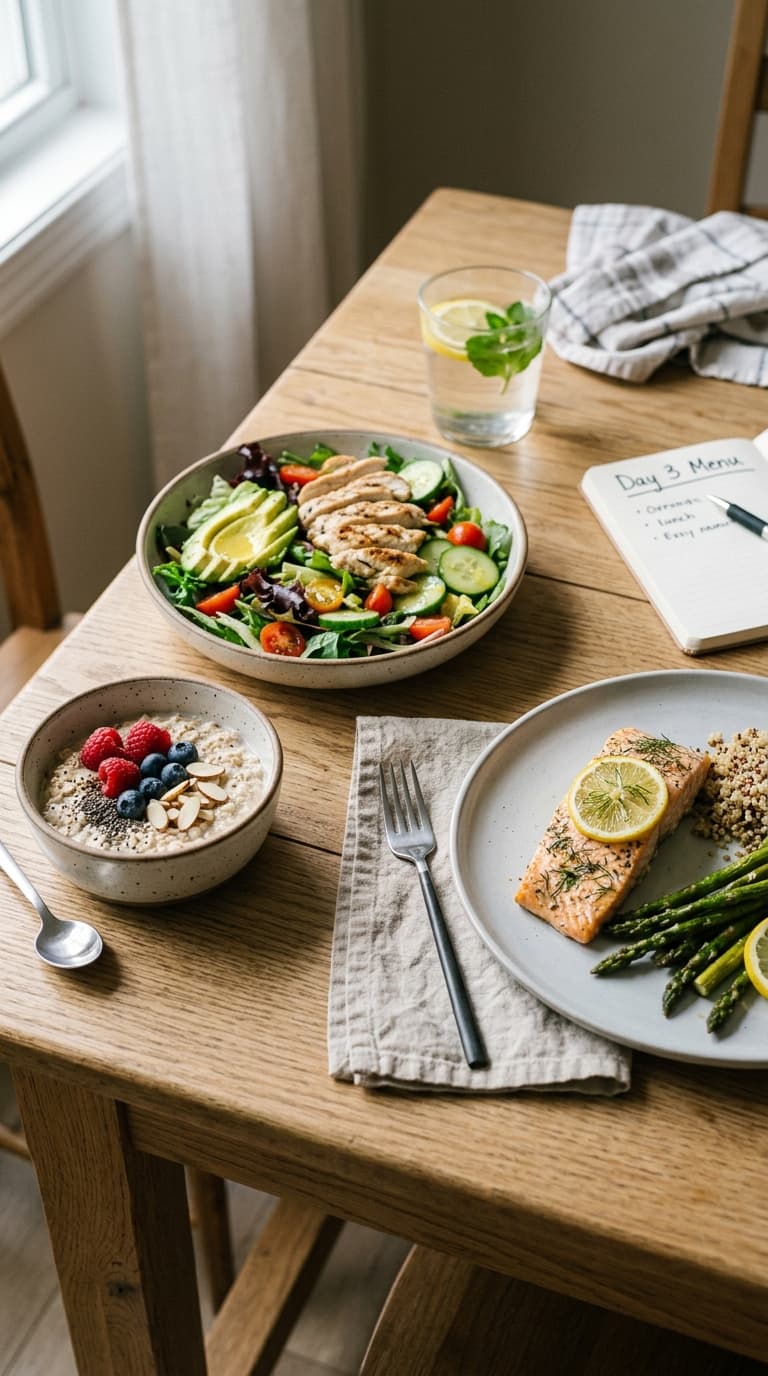
Here’s where most people fall off — midweek hits, you’re tired, and suddenly delivery looks very appealing. But meal prep makes Day 3 a breeze if you cooked extra quinoa and lentils on Day 1 and 2. Don’t underestimate leftovers. They’re basically future-you’s best friend.
Breakfast
Smoothie bowl blended from frozen banana, frozen mango, and coconut milk. Top with granola (gluten-free certified), chia seeds, and kiwi slices. It looks fancy. It takes 10 minutes. 🙂
Lunch
Leftover lentil soup from Day 2, plus a big green salad with pumpkin seeds, sliced apple, and a apple cider vinaigrette.
Dinner
Stuffed bell peppers filled with a mix of brown rice, black beans, corn, tomatoes, and cumin. Bake until the peppers are soft and slightly charred. This dish is colorful, hearty, and honestly kind of fun to eat.
Snack
Hummus with cucumber and carrot sticks.
Day 4: Plant-Based Protein Spotlight
Breakfast
Tofu scramble with turmeric, black salt (for that eggy flavor), spinach, and cherry tomatoes. Serve with sliced avocado and gluten-free toast. Black salt is a game-changer here — it adds a subtle sulfur note that makes the scramble taste almost like eggs. Almost. :/
Lunch
Chickpea and spinach salad with roasted red peppers, olives, and a lemon-oregano dressing. High in iron, protein, and flavor. This is one of my personal go-to lunches when I want something filling but not heavy.
Dinner
Miso glazed eggplant (use gluten-free miso) served over soba-style rice noodles with steamed broccoli and sesame seeds. Rich, umami-packed, and genuinely impressive if you’re cooking for someone else.
Snack
A handful of mixed nuts and a few squares of dark chocolate (check that it’s dairy-free and gluten-free — most 70%+ dark chocolate qualifies).
Day 5: Keep the Momentum Going
By Day 5, you should be noticing something. Your energy is steadier. Bloating has likely eased up. You’re not crashing after meals. This is what eating whole, allergen-free plant foods actually does to your body over time — and it’s not a placebo, the research backs it up.
Breakfast
Acai bowl with blended frozen acai, banana, and almond milk. Top with sliced strawberries, hemp seeds, and a drizzle of raw honey (or agave for fully vegan).
Lunch
Rice paper rolls filled with rice noodles, shredded carrots, cucumber, avocado, fresh mint, and baked tofu. Serve with a gluten-free peanut dipping sauce. These take a few tries to roll neatly, but when you get it right, you feel very accomplished.
Dinner
Black bean and sweet potato chili with fire-roasted tomatoes, chipotle peppers, and a squeeze of lime. Thick, smoky, deeply satisfying. Make a big batch — it tastes even better the next day.
Snack
Roasted chickpeas seasoned with smoked paprika and garlic powder. Crunchy, portable, and way better than most store-bought snacks.
Day 6: Weekend Vibes, More Time to Cook
Weekends are the perfect time to try something a little more involved. You’ve got more time, you’re relaxed, and honestly, cooking can be genuinely enjoyable when you’re not watching the clock.
Breakfast
Gluten-free banana pancakes made with almond flour and flax eggs. Serve with fresh berries and a drizzle of pure maple syrup. These take about 20 minutes and make the kitchen smell incredible.
Lunch
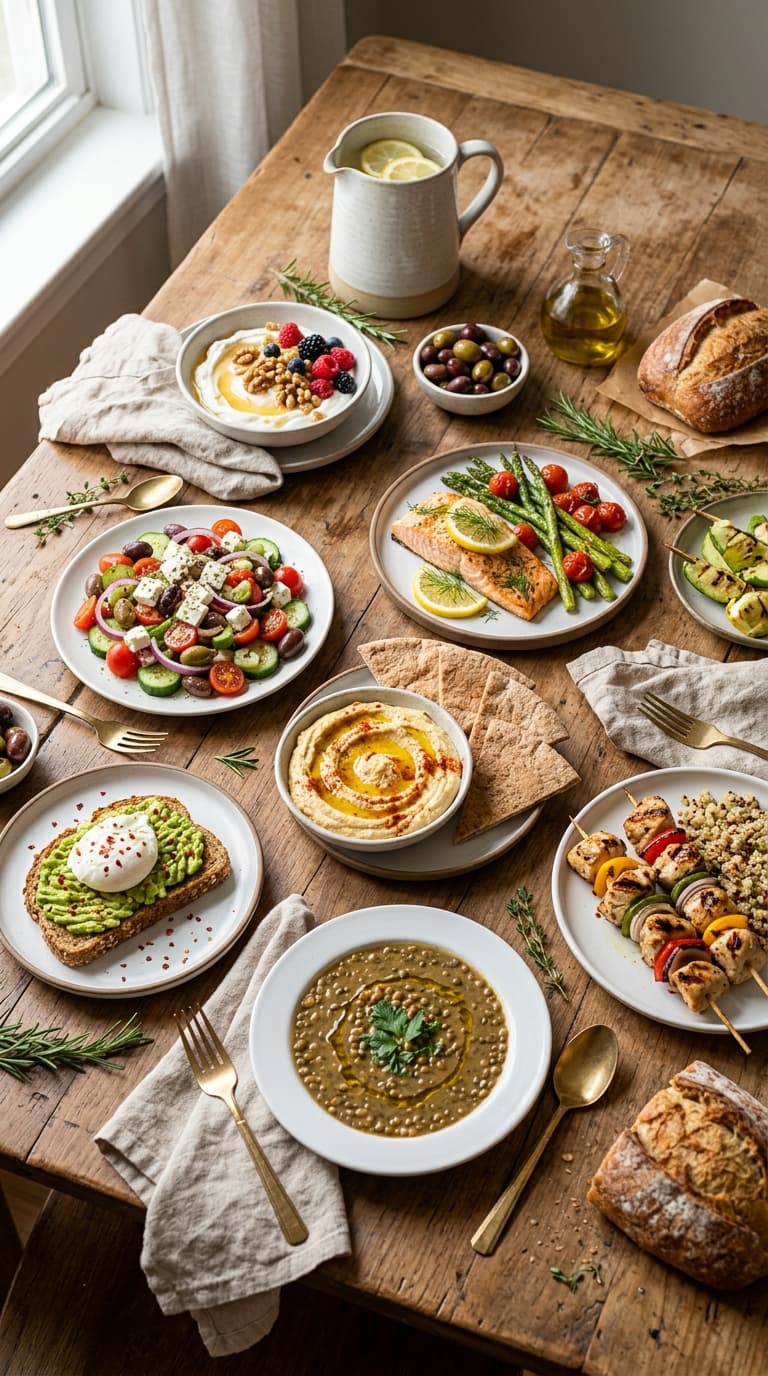
Mediterranean mezze plate with hummus, tabbouleh made with quinoa (instead of bulgur), stuffed grape leaves, olives, cucumber, and sliced tomatoes. No cooking required — just assembly. Maximum laziness, maximum flavor.
Dinner
Jackfruit “pulled pork” tacos using seasoned young green jackfruit in gluten-free corn tortillas. Top with a lime slaw, pickled red onions, and fresh cilantro. IMO, this is one of the most impressive things you can make for someone skeptical about vegan food. The texture is genuinely convincing.
Snack
Frozen mango chunks — sounds too simple, but somehow tastes like dessert.
Day 7: Finishing Strong
You made it to Day 7. Genuinely proud of you. Let’s close the week with some solid, satisfying meals that leave you feeling great going into the next week.
Breakfast
Green smoothie with spinach, frozen pineapple, cucumber, fresh ginger, and coconut water. Light, refreshing, and a great way to reset after a bigger Saturday.
Lunch
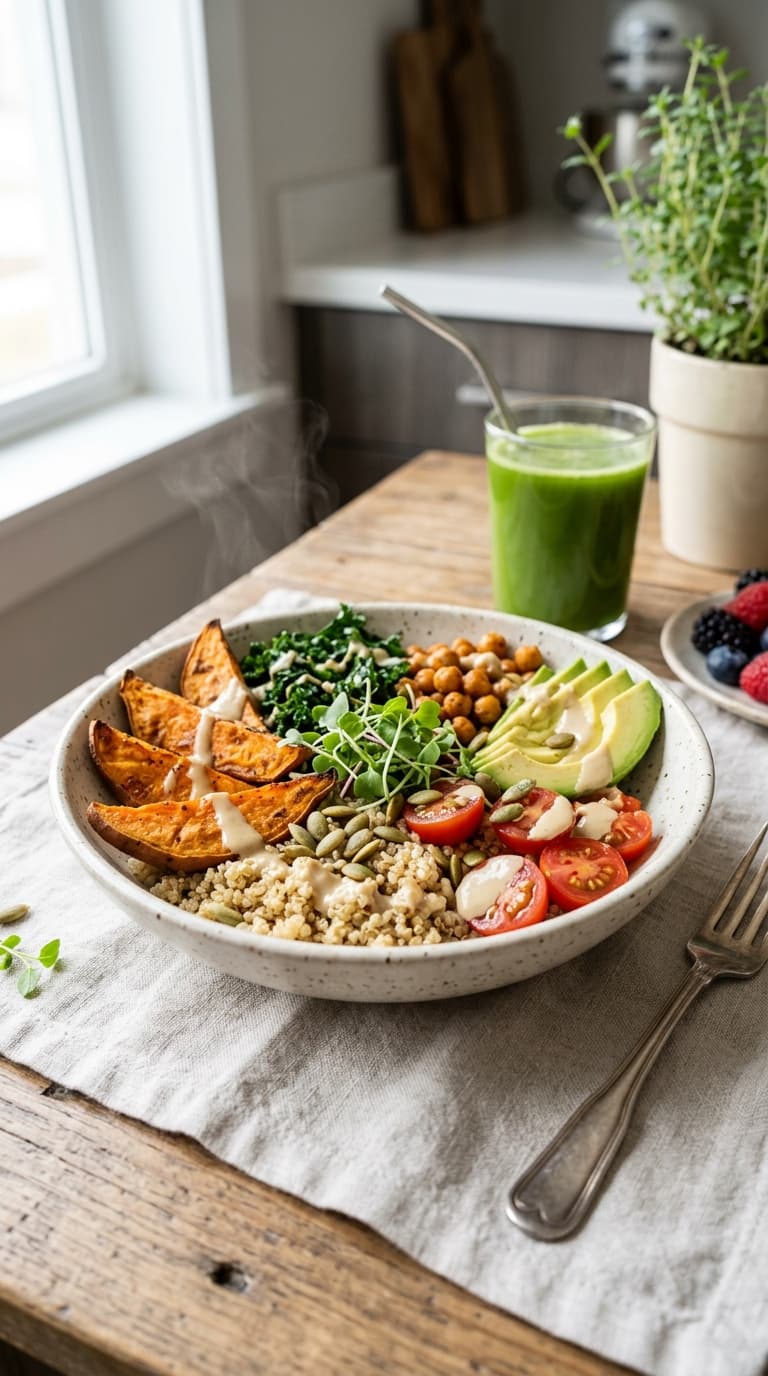
Warm lentil and roasted vegetable bowl with roasted zucchini, cherry tomatoes, and red onion over millet. Drizzle with a tahini-lemon sauce and top with fresh parsley.
Dinner
Coconut milk dal — red lentils cooked with coconut milk, ginger, garlic, turmeric, and garam masala. Served over basmati rice with a side of wilted spinach. This dish is warming, grounding, and the perfect end to the week.
Snack
Sliced banana with almond butter and a sprinkle of cacao nibs.
Tips to Make This Meal Plan Actually Work
Knowing what to eat is one thing. Making it happen consistently is another. Here are the habits that made the biggest difference for me:
- Batch cook on Sundays. Cook a big pot of grains, roast a tray of vegetables, and prep your proteins. Future-you will be grateful every single day.
- Read every label. Gluten hides in soy sauce, marinades, salad dressings, and even some supplements. Tamari and coconut aminos are your safe swaps.
- Keep emergency snacks everywhere. Nuts, rice cakes, fruit. When you get caught hungry without options, that’s when the drive-through starts looking appealing.
- Don’t fear fat. Avocado, nuts, coconut milk, olive oil — these keep you full and help absorb fat-soluble vitamins from all those vegetables you’re eating.
- Rotate your proteins. Lentils, chickpeas, black beans, tofu, tempeh, edamame, hemp seeds — variety keeps your amino acid profile balanced and your meals interesting.
Common Mistakes to Avoid
Even with the best intentions, a few pitfalls trip people up on a gluten-free vegan plan:
- Relying too much on processed “free-from” products. Gluten-free vegan cookies are still cookies. They won’t fuel your week.
- Not eating enough calories. Whole plant foods are less calorie-dense than animal foods. Eat generous portions and don’t be afraid of second helpings.
- Forgetting B12. This is the one nutrient vegans genuinely need to supplement. Add a B12 supplement or eat B12-fortified foods daily.
- Assuming “vegan” means “gluten-free.” Plenty of vegan foods contain wheat. Always check.
Final Thoughts
Seven days doesn’t sound like much, but it’s enough to reset how you feel, shift your relationship with food, and prove to yourself that eating gluten-free and vegan is genuinely doable — and enjoyable. This isn’t about restriction. It’s about discovering how good food can taste when you keep it whole, plant-forward, and allergen-friendly.
Give this plan a real shot. Commit to the full week, prep ahead where you can, and stay curious in the kitchen. You might surprise yourself with what you’re capable of cooking — and how good you feel eating it. And hey, if Day 4’s tofu scramble doesn’t wow you, no hard feelings. But I’d bet it does. 🙂