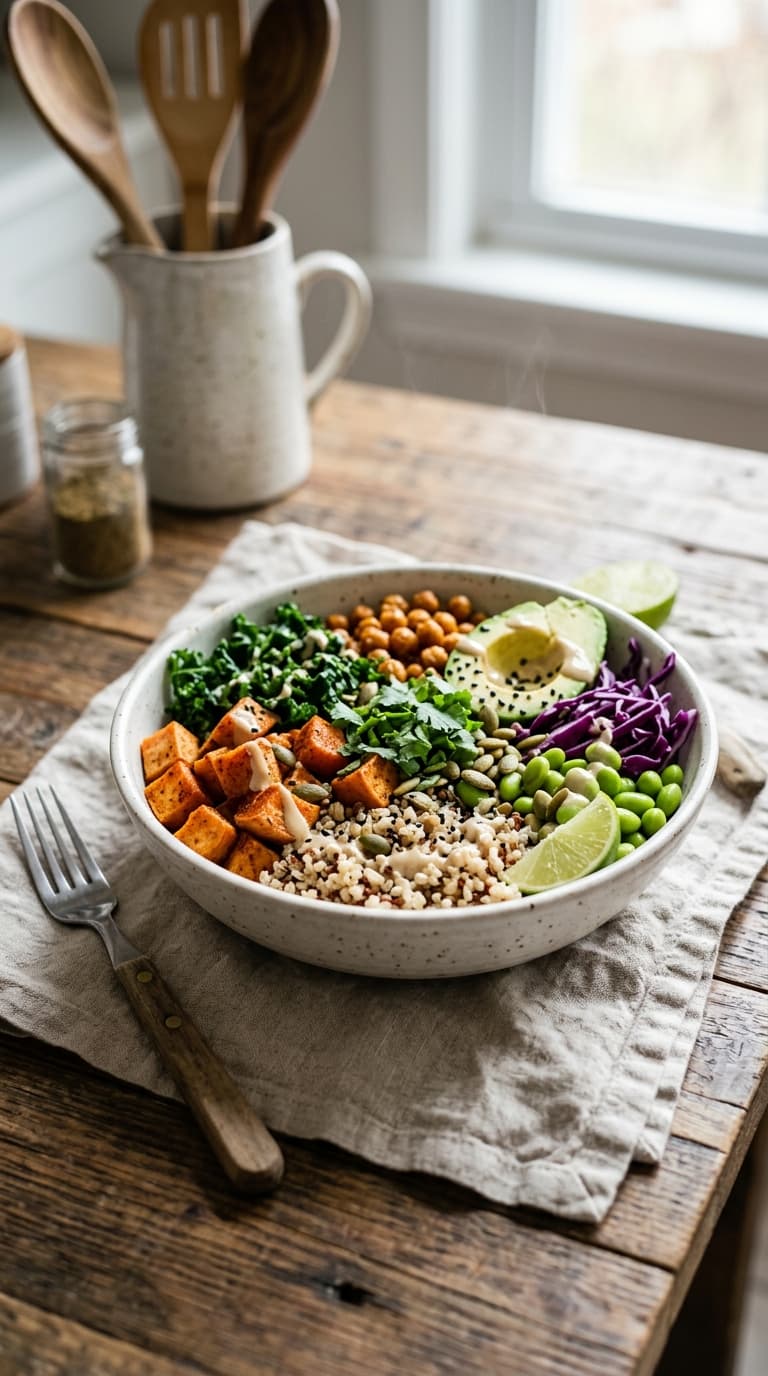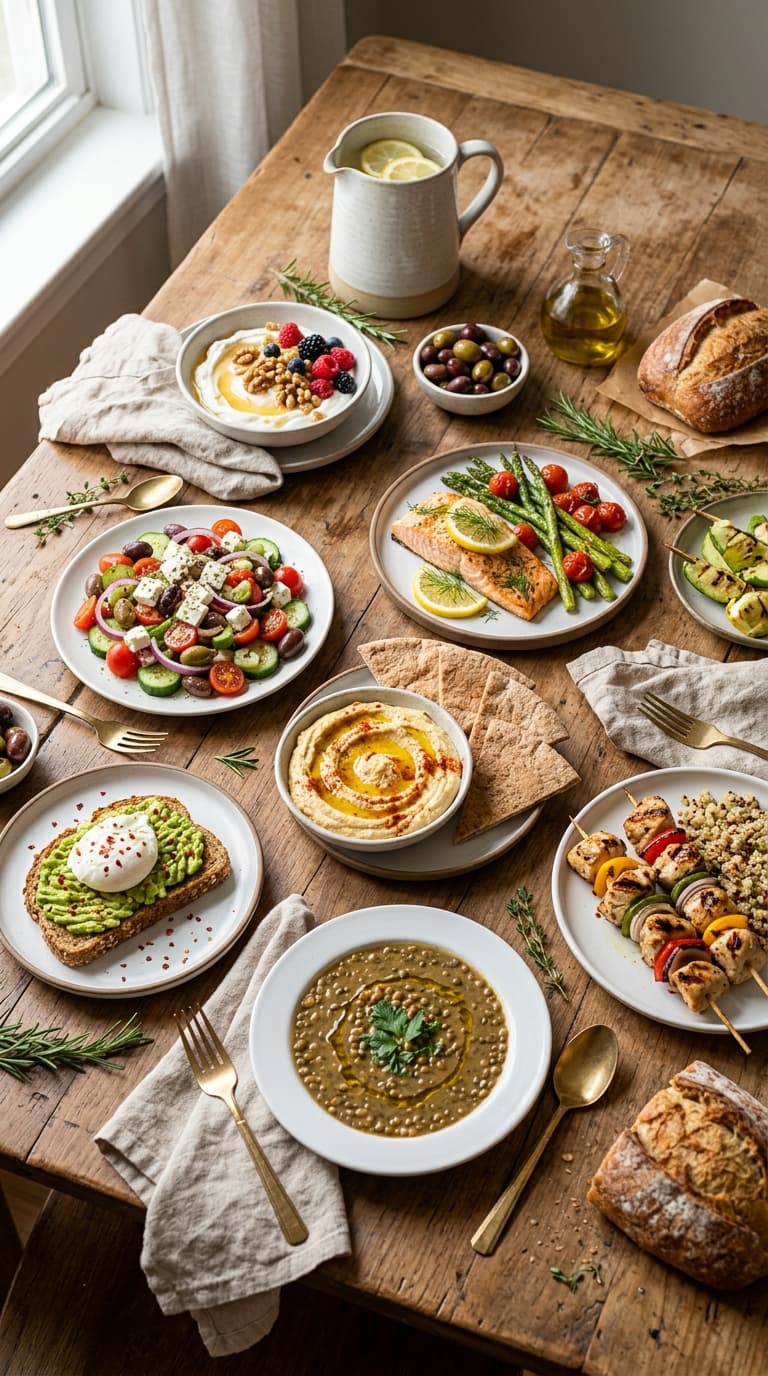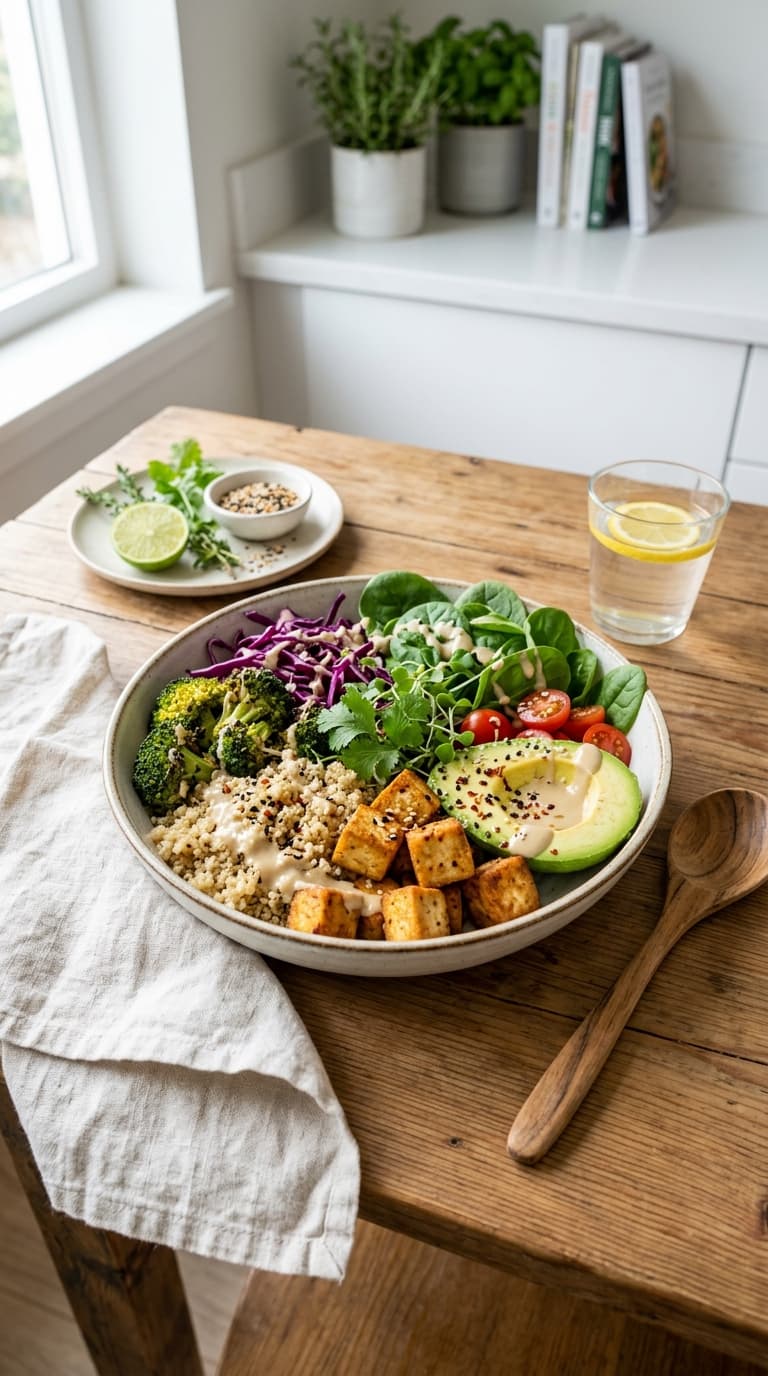
7-Day Budget Vegan Meal Plan Under $30 (Feed Yourself for Less!)
7-Day Budget Vegan Meal Plan Under $30 (Feed Yourself for Less!)
Let’s be real — every time someone mentions “vegan meal planning,” half the people in the room picture some influencer dropping $80 on açaí bowls and artisanal nut butter. But here’s the thing: eating plant-based on a tight budget is not only possible, it’s actually one of the smartest financial moves you can make in your kitchen. I’ve been eating vegan for years, and I’ll tell you straight up — my grocery bills dropped significantly once I stopped chasing fancy products and started leaning on the basics.
This 7-day plan keeps you under $30 for the whole week, feeds you properly, and doesn’t make you feel like you’re surviving on sadness and lettuce. Ready? Let’s get into it.
Why Budget Vegan Eating Actually Works
People seriously underestimate how far whole plant foods stretch when you cook smart. Lentils, oats, rice, beans, cabbage, carrots — these aren’t “poor people food,” they’re the foundation of some of the most nutritionally dense diets on the planet. IMO, the biggest myth about vegan eating is that it’s expensive. That myth exists because people compare it to processed vegan products, not real food.
When you build meals around legumes, grains, and seasonal vegetables, you’re getting protein, fiber, complex carbs, and micronutrients for pennies per serving. The math just works in your favor.
The $30 Master Grocery List
Before we map out the days, let’s talk about what goes in your cart. This list covers the full week and keeps everything flexible enough to mix and match.
Pantry Staples:
- Rolled oats (large bag) — ~$2.50
- Brown or white rice (2 lb bag) — ~$2.00
- Red lentils (1 lb) — ~$1.80
- Canned chickpeas x2 — ~$1.80
- Canned black beans x2 — ~$1.80
- Canned diced tomatoes x2 — ~$2.00
- Peanut butter (store brand) — ~$2.50
- Soy sauce or tamari (small bottle) — ~$1.50
- Dried pasta (1 lb) — ~$1.20
Fresh Produce:
- Bananas — ~$1.00
- Cabbage (half a head) — ~$1.20
- Carrots (1 lb bag) — ~$1.00
- Garlic (1 bulb) — ~$0.60
- Onions (3–4 medium) — ~$1.50
- Spinach (fresh or frozen) — ~$2.00
- Potatoes (2 lb bag) — ~$2.00
Extras:
- Frozen mixed vegetables — ~$1.80
- Vegetable broth (carton or cubes) — ~$1.50
- Bread (store brand whole wheat) — ~$2.00
Total: approximately $29.70 — and yes, I counted. 🙂
Day-by-Day Meal Plan Breakdown
Day 1 — Comfort Food That Costs Almost Nothing
Breakfast: Oatmeal with sliced banana and a spoonful of peanut butter. This combo hits harder than it has any right to. It’s filling, sweet, and takes five minutes.
Lunch: Chickpea and tomato stew over rice. Just sauté onion and garlic, dump in a can of chickpeas and diced tomatoes, season with whatever spices you have (cumin and paprika work beautifully), and let it simmer. Serve over rice.
Dinner: Lentil soup with carrots and spinach. This is one of those meals that tastes like you spent hours on it. Red lentils cook fast, absorb all the broth flavor, and make a thick, satisfying bowl.
Day 2 — Leaning Into Asian-Inspired Flavors
Breakfast: Peanut butter toast with banana slices. Simple, effective, no complaints.
Lunch: Fried rice with frozen mixed vegetables, soy sauce, and garlic. Use leftover rice from Day 1 — day-old rice fries better anyway, so this is actually a win.
Dinner: Black bean tacos using your bread as a wrap (or just eat the beans over rice if tortillas aren’t in budget). Season the beans with cumin, garlic, and a pinch of chili flakes. Top with shredded cabbage for crunch.
Day 3 — Pasta Night (Finally)
Ever notice how pasta just fixes everything? Bad day? Pasta. Tired? Pasta. No motivation to cook anything complicated? Still pasta.
Breakfast: Oatmeal again — but this time stir in a spoonful of peanut butter while it’s hot. It creates this creamy, almost dessert-like texture that makes mornings bearable.
Lunch: Lentil and vegetable soup (batch from Day 1 if you made extra — always make extra).
Dinner: Pasta with tomato sauce and chickpeas. Canned tomatoes, a bit of garlic, olive oil if you have it, and chickpeas tossed through the pasta. This is genuinely one of my favorite meals, budget or not. It’s hearty, satisfying, and embarrassingly easy.
Day 4 — Midweek Power Meals
By Day 4 you’ve got your rhythm. You’re not stressed, your fridge still has food in it, and you’re starting to feel a little smug about your budget skills. Rightfully so.
Breakfast: Banana oat pancakes — mash one banana with half a cup of oats and a splash of water, then pan-fry in small rounds. No fancy ingredients, no fancy equipment.
Lunch: Rice and black beans with shredded cabbage. Season the beans well, pile everything together, and call it a burrito bowl without the bowl tax.
Dinner: Potato and vegetable curry using canned tomatoes, onion, garlic, carrots, and potatoes. Curry powder or any warming spice blend transforms these basic ingredients into something that tastes complex and satisfying.
Day 5 — Stretching Your Leftovers Like a Pro
Here’s where smart meal planning pays off: you’ve been batch-cooking, so Day 5 is mostly remix day.
Breakfast: Peanut butter toast with a banana on the side.
Lunch: Fried rice again, using whatever vegetables you have left plus any leftover lentils or beans mixed in. Think of it as a clean-out-the-fridge situation that somehow always tastes great.
Dinner: Chickpea and spinach stew — sauté garlic and onion, add chickpeas, canned tomatoes, and spinach. Let it reduce slightly. Serve over rice or with bread. This is a high-protein vegan dinner that costs maybe $1.50 per serving.
Day 6 — Weekend Treat Yourself (On a Budget)
It’s the weekend. You deserve something that feels a little special, even if your wallet doesn’t reflect that energy.
Breakfast: Big oat bowl with peanut butter, banana, and if you have any cinnamon or vanilla extract lying around — use it. Elevate that oatmeal.
Lunch: Lentil and tomato soup with bread for dipping. This is one of those lunches that feels cozy and intentional, like you made it on purpose rather than out of necessity. (Even if you did make it out of necessity — no judgment. :/)**
Dinner: Stuffed baked potatoes. Bake your potatoes until tender, then stuff them with a black bean and corn (frozen mixed veg counts) filling seasoned with cumin and garlic. This feels fancy. It isn’t. That’s the magic.
Day 7 — Finish Strong
Breakfast: Oatmeal with peanut butter and the last of your bananas. You’ve made it through the week. This oatmeal tastes like victory.
Lunch: Big mixed salad using shredded cabbage, carrots, any leftover beans or chickpeas, and a simple dressing of soy sauce, a touch of peanut butter, and a splash of water. This is a plant-based meal that pulls serious nutritional weight.
Dinner: Pasta with lentil bolognese. Cook your remaining lentils with garlic, onion, canned tomatoes, and a bit of soy sauce for depth. Toss through pasta. This is your grand finale meal, and it slaps.
Tips to Make This Plan Work Even Better
A few things that genuinely helped me stick to budget meal planning without losing my mind:
- Batch cook grains and legumes at the start of the week. Make a big pot of rice and a pot of lentils or beans. Everything else builds from there.
- Season boldly. The difference between a boring meal and a great one is usually just cumin, garlic, and a pinch of something spicy. Spices are cheap and they carry the whole team.
- Buy store brands. FYI, the generic canned chickpeas and the fancy-label ones taste identical. Every. Single. Time.
- Frozen vegetables are your best friend. They’re just as nutritious as fresh, often cheaper, and they don’t go bad before you use them.
- Make double portions. Cooking extra takes the same effort and saves you on future days. Always cook more than you need.
Nutrition — Are You Actually Getting What You Need?
This is the question people always ask, and it’s a fair one. A week on this plan gives you solid amounts of plant-based protein from lentils, chickpeas, and black beans. You’re getting fiber from everything on the list. You’re getting iron, potassium, and B vitamins from a solid variety of vegetables and legumes.
The one thing worth thinking about with any vegan diet is B12 — this plan doesn’t cover that since it requires supplementation or fortified foods. If you’re eating vegan long-term, a cheap B12 supplement covers this completely. That’s a $5 bottle that lasts months, so it doesn’t even dent the budget.
How to Adjust This Plan for Two People
Feeding two people on this plan? You don’t need to double your budget. Most whole foods scale really efficiently — a $1.80 bag of lentils feeds four portions, not two. In practice, feeding two people well usually costs somewhere in the $45–$55 range using this same framework, which is still impressively low.
Just scale up your grains and legumes, and add one or two extra cans of beans or tomatoes to your cart. The vegetables and pantry staples stretch further than you’d expect.
Final Thoughts
Eating well on a tight budget isn’t a compromise — it’s a skill, and once you’ve got it, you’ll never look at a $15 “health food” salad the same way again. This 7-day plan proves that you don’t need money to eat plant-based food that’s nutritious, filling, and actually tastes good.
Start with one week. See how your grocery bill looks. See how you feel. Then tweak it, make it yours, and keep building from there. The habits you build in that first week become second nature fast — and your bank account will quietly thank you for it.
Now go make that lentil soup. You’ve got everything you need.