The Only 7-Day Keto Meal Plan You’ll Ever Need (Pin This!)
The Only 7-Day Keto Meal Plan You’ll Ever Need (Pin This!)
So you’ve decided to try keto. Maybe you’ve heard your coworker raving about it for the third time this week, or maybe you’ve just had enough of feeling sluggish after every meal. Either way, you’re here, and I’ve got you covered with a full 7-day keto meal plan that actually makes sense for real life — not just for people who apparently have four hours a day to spend in the kitchen.
I’ll be honest: when I first started keto, I had zero clue what I was doing. I ate way too much protein, not enough fat, and wondered why I felt like a zombie for two weeks. Spoiler alert — I wasn’t doing it right. So I’m sharing everything I’ve learned to save you from that exact experience.
What Even Is Keto? (Quick Recap Before We Eat)
If you’re brand new to this, keto — short for the ketogenic diet — is a high-fat, moderate-protein, very low-carbohydrate eating approach. The goal is to push your body into a metabolic state called ketosis, where it burns fat for fuel instead of glucose.
Sounds fancy, right? It’s actually pretty straightforward once you get the hang of it. You drop carbs to roughly 20–50g net carbs per day, increase healthy fats significantly, and keep protein moderate. Your liver then produces ketones, and your body starts running on those instead of sugar.
The benefits people report are pretty compelling:
- Steady energy without the afternoon crash
- Reduced appetite and fewer cravings
- Mental clarity (once you get past the first few days)
- Potential weight loss, especially early on
The Basics You Need to Know Before Starting
Before we get to the actual meal plan, let’s talk about a few things that will make or break your first week.
Net Carbs vs. Total Carbs
Net carbs are what you actually track on keto. You calculate them by subtracting fiber (and sometimes sugar alcohols) from total carbs. So a vegetable with 8g total carbs and 3g fiber has 5g net carbs. This matters a lot when you’re building your meals.
The Keto Flu Is Real — Don’t Panic
Around days 2–4, many people feel headachy, tired, and irritable. This is the infamous keto flu, and it happens because your body is flushing out water and electrolytes as it burns through its glycogen stores. The fix? Drink more water, add salt to your food, and consider a magnesium supplement. You’ll feel dramatically better by day 5 or 6, I promise.
Stock Your Kitchen First
Going keto without prepping your kitchen is like showing up to a road trip without gas. Clear out the obvious carb bombs — bread, pasta, sugar, rice — and stock up on:
- Fats: butter, olive oil, coconut oil, avocado oil
- Proteins: eggs, beef, chicken thighs, salmon, bacon
- Vegetables: spinach, zucchini, broccoli, cauliflower, bell peppers
- Dairy: full-fat cheese, heavy cream, cream cheese
- Snacks: nuts, seeds, pork rinds, olives
Your Complete 7-Day Keto Meal Plan
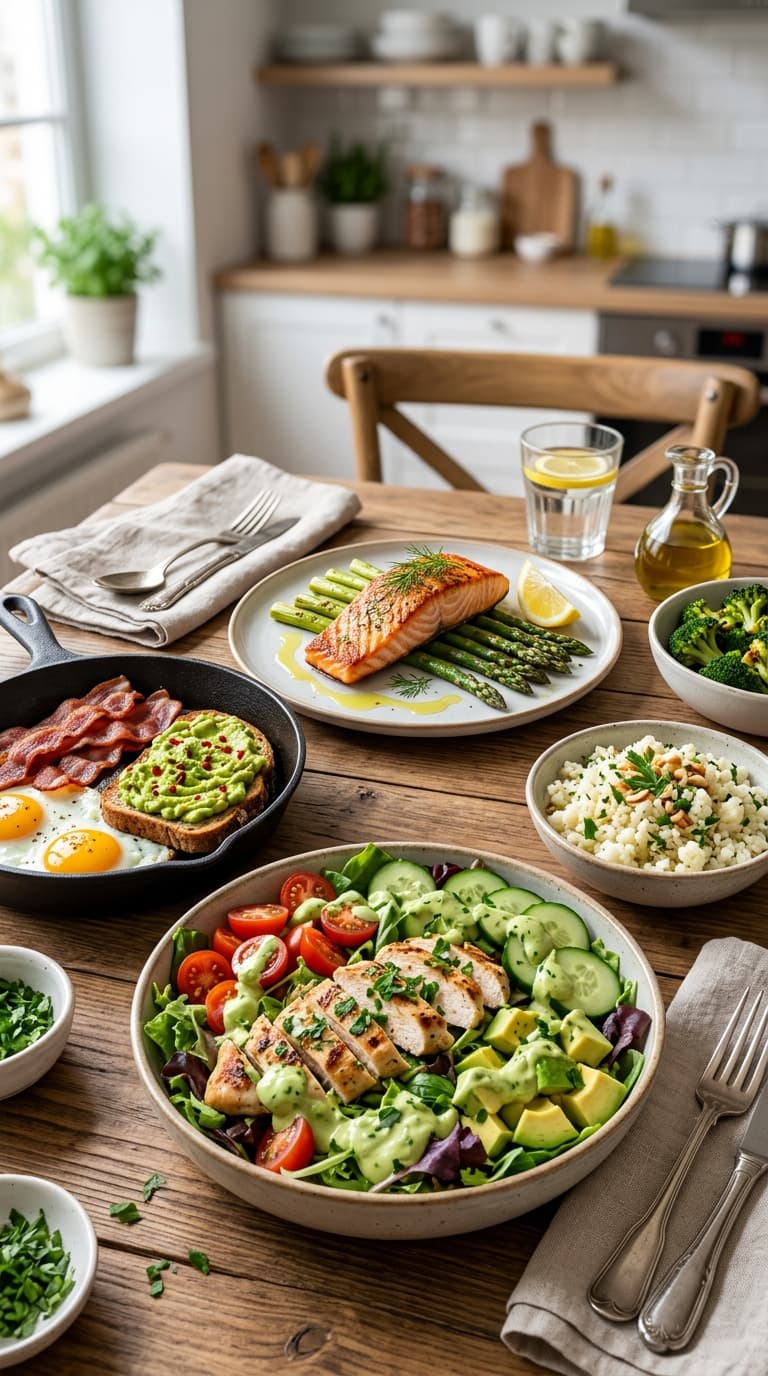
Alright, here’s the part you actually came for. Each day gives you breakfast, lunch, dinner, and an optional snack. I’ve kept things realistic — no obscure ingredients, no meals that take 90 minutes on a Tuesday night.
Day 1: Starting Strong
Breakfast: Scrambled eggs cooked in butter with sliced avocado and a side of bacon. Simple, filling, and packed with fat to get you going.
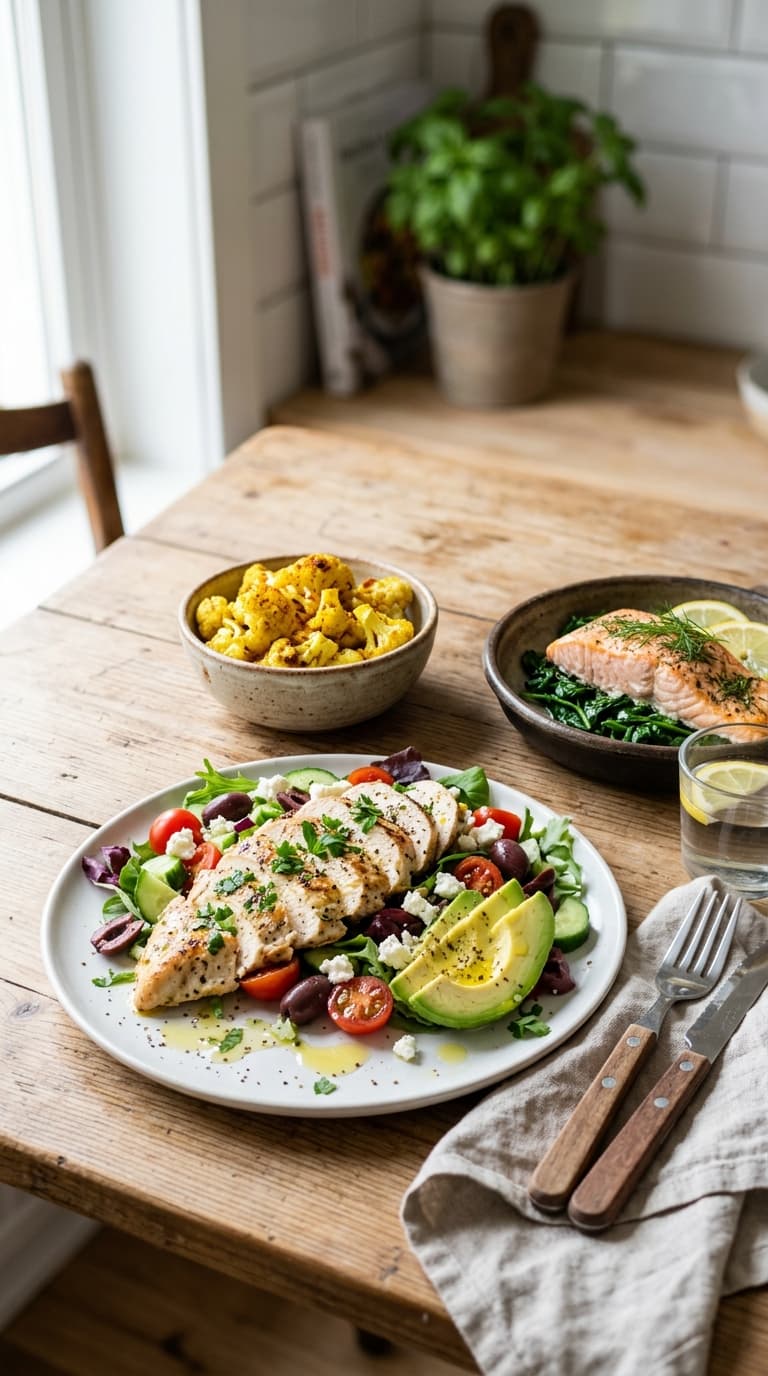
Lunch: Big leafy green salad with grilled chicken thighs, olive oil and lemon dressing, cucumbers, and feta cheese.
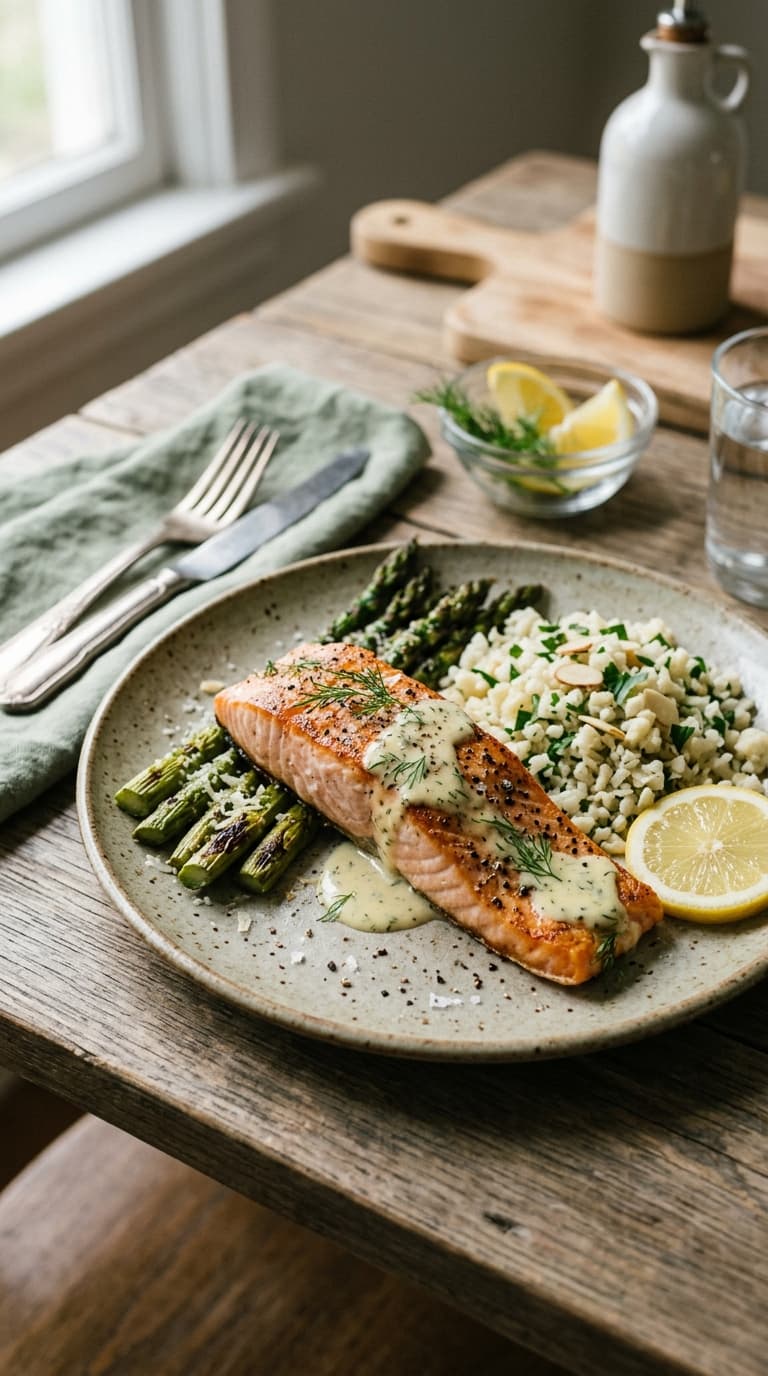
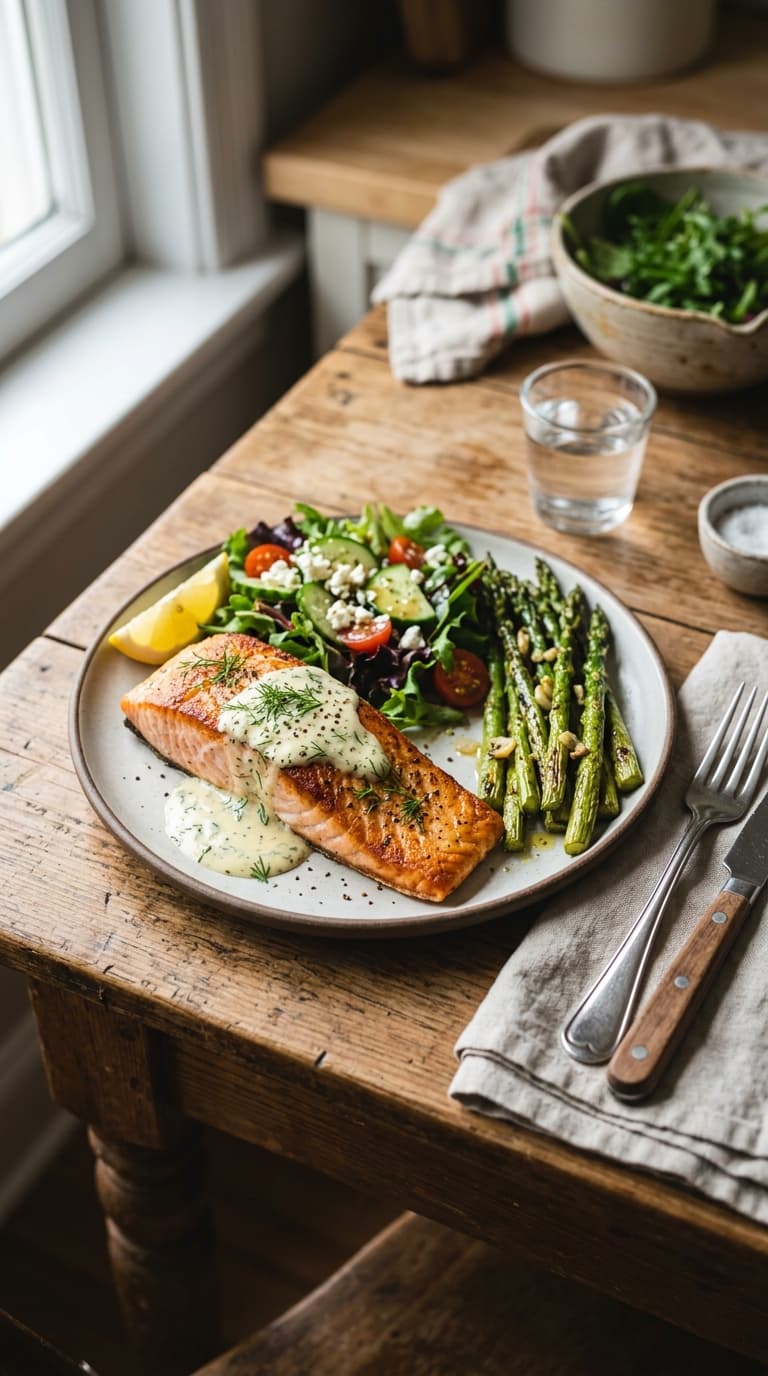
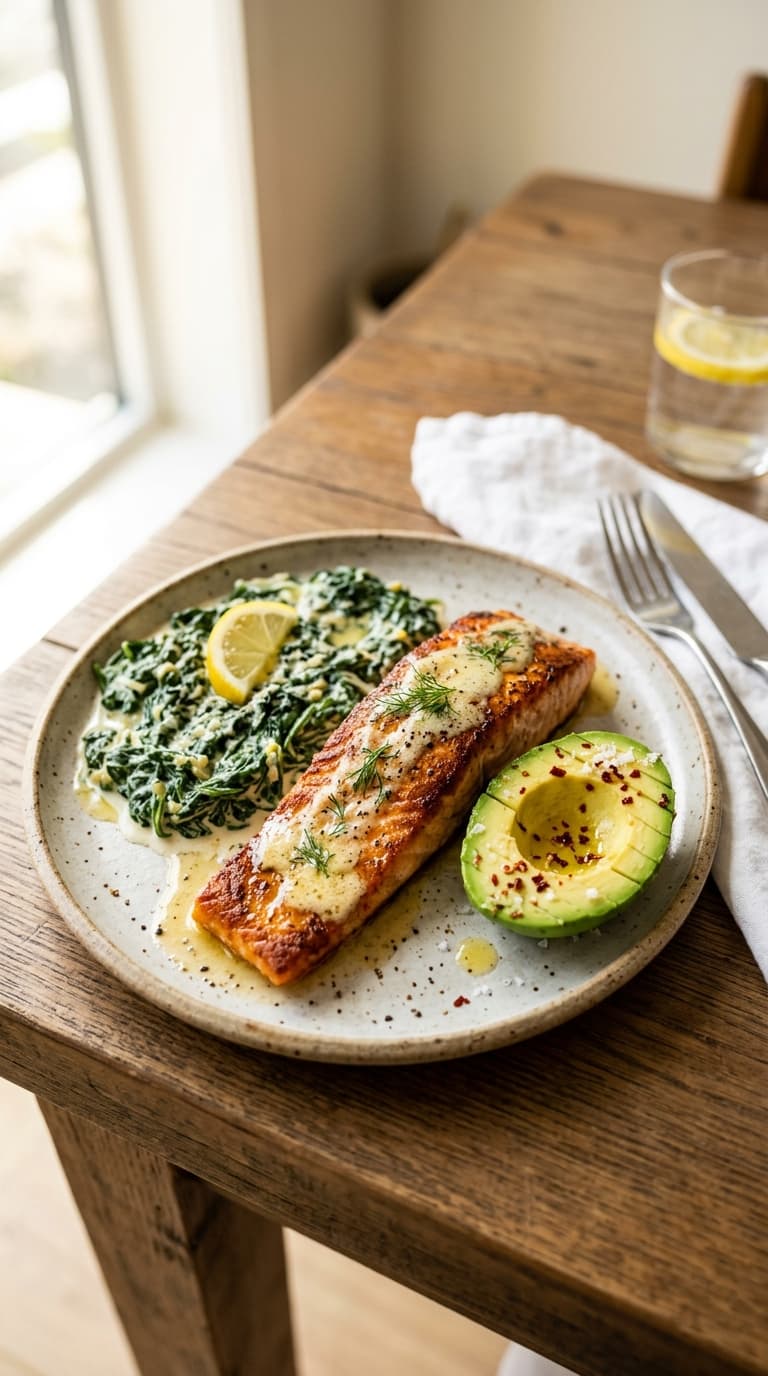
Dinner: Pan-seared salmon with garlic butter and a side of roasted broccoli with parmesan.
Snack: A small handful of macadamia nuts or a cheese stick.
Net carbs for the day: approx. 18g
Day 2: Keeping Momentum
Breakfast: Keto egg muffins — whisk eggs with diced bell peppers, spinach, and cheddar, then bake in a muffin tin. Meal prep gold, FYI.
Lunch: Lettuce-wrapped burger patties with cheese, mustard, pickles, and mayo. All the burger vibes, none of the bun guilt.
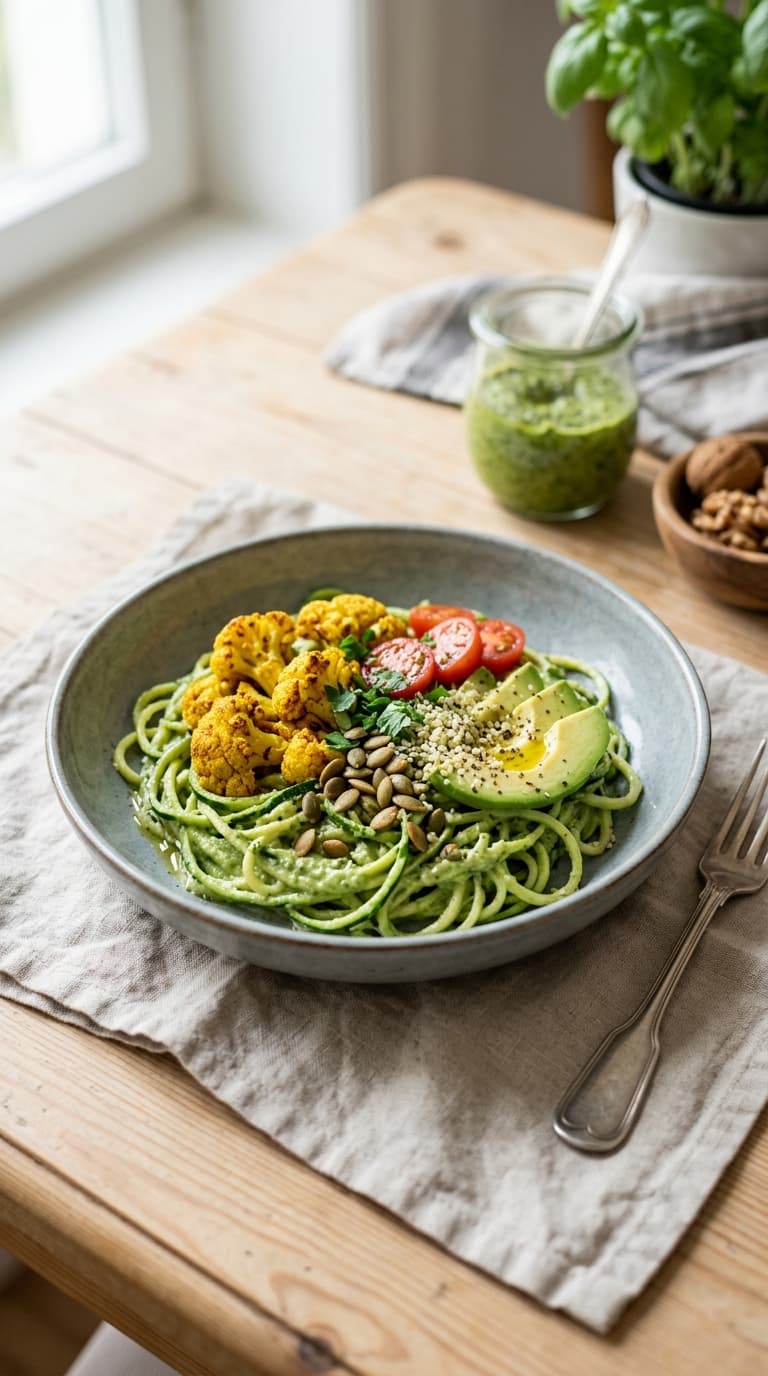
Dinner: Zucchini noodles (zoodles) with ground beef bolognese sauce — just skip the jarred stuff with added sugar and make a quick tomato-based sauce yourself.
Snack: Celery sticks with almond butter.
Net carbs for the day: approx. 22g
Day 3: The Tough Day (Don’t Give Up)
Day 3 is when most people start to feel the keto flu kicking in. Drink extra water, add a pinch of sea salt to everything, and push through.
Breakfast: Full-fat Greek yogurt (the unsweetened kind) with a few raspberries and crushed walnuts.
Lunch: Tuna salad stuffed in avocado halves — mix canned tuna with mayo, celery, and lemon juice.
Dinner: Sheet pan chicken thighs roasted with olive oil, garlic, and your favorite low-carb herbs, alongside roasted asparagus.
Snack: A hard-boiled egg with a sprinkle of salt and paprika.
Net carbs for the day: approx. 20g
Day 4: Finding Your Groove
By day 4, a lot of people start feeling a shift. Energy stabilizes, hunger decreases, and the cravings quiet down a bit. Stick with it — this is where the magic starts.
Breakfast: Keto pancakes made with almond flour, eggs, and cream cheese. Top with butter and a drizzle of sugar-free syrup.
Lunch: Creamy cauliflower soup with bacon bits and shredded cheddar on top. Incredibly satisfying on a cold day.
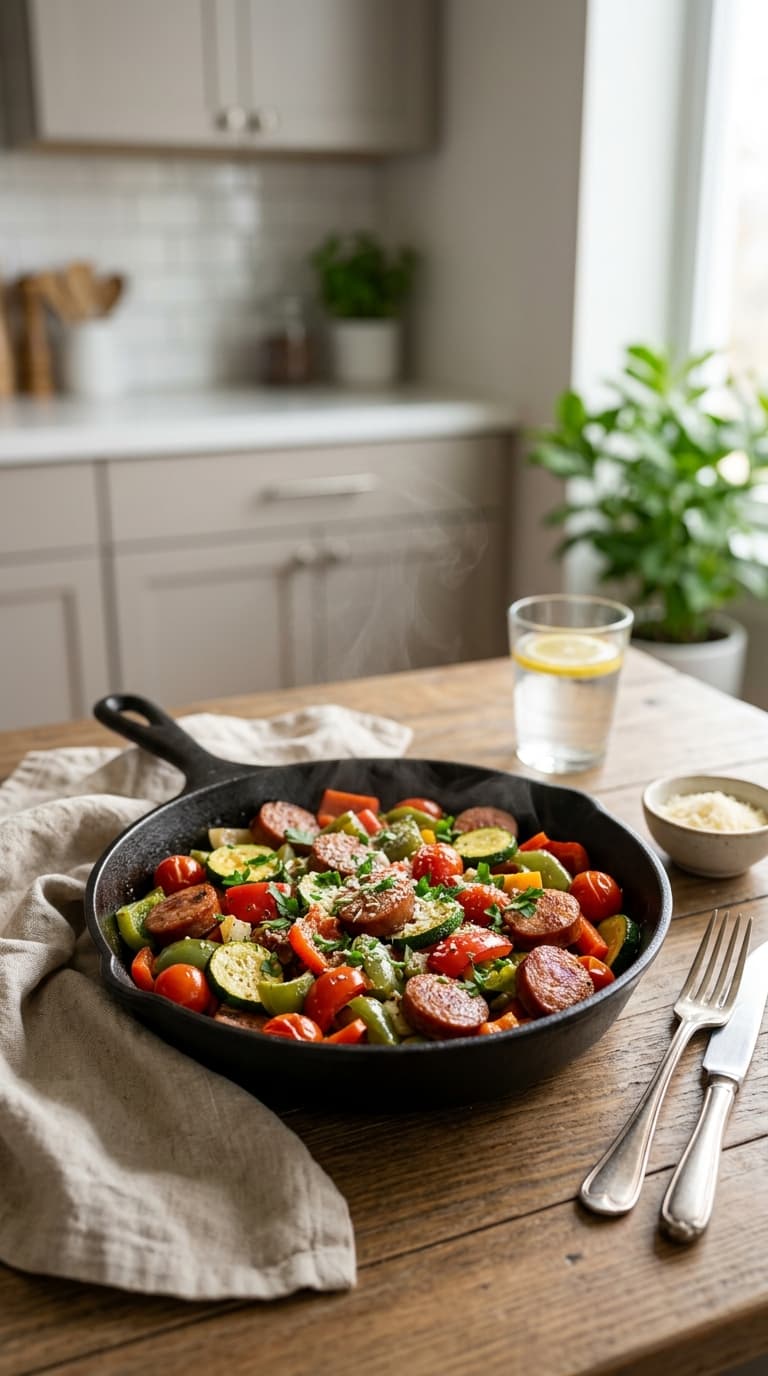
Dinner: Beef stir-fry with zucchini, bok choy, soy sauce (or coconut aminos), ginger, and sesame oil.
Snack: Pork rinds with guacamole.
Net carbs for the day: approx. 24g
Day 5: Energy Is Coming Back
Breakfast: Bacon and egg “cups” — line muffin tins with bacon slices, crack an egg inside each, bake until done. Ridiculous amounts of flavor for almost no effort.
Lunch: Grilled chicken Caesar salad with romaine, parmesan, and a creamy Caesar dressing (check the label — some store-bought versions sneak in sugar).
Dinner: Pork belly with roasted cabbage and a dollop of sour cream. Rich, hearty, and deeply satisfying.
Snack: A small handful of pecans or olives.
Net carbs for the day: approx. 19g
Day 6: Weekend Mode — Let’s Have Fun
Breakfast: Keto waffles made with cream cheese and eggs. Load them up with whipped cream and a few strawberries. Weekend breakfast should feel like a treat 🙂
Lunch: Cheeseburger bowl — ground beef, cheddar, pickles, lettuce, tomato, and special sauce (just mix mayo with a tiny bit of mustard and hot sauce). No bowl needed at a restaurant; just ask for it in a lettuce wrap.
Dinner: Ribeye steak with herb butter and a side of loaded cauliflower mash — think mashed potatoes but made with steamed cauliflower, butter, cream, and chives.
Snack: Dark chocolate (85% or higher) — just one or two squares.
Net carbs for the day: approx. 26g
Day 7: Finish Line
Breakfast: Smoked salmon with cream cheese, sliced cucumber, and capers. Feels fancy, takes five minutes.
Lunch: Big keto Cobb salad with hard-boiled eggs, avocado, bacon, blue cheese, and grilled chicken. IMO, this is one of the most naturally keto-friendly meals ever invented.
Dinner: Slow-cooked pulled pork (season with salt, garlic, and smoked paprika) with a tangy coleslaw made with cabbage, mayo, apple cider vinegar, and a pinch of erythritol.
Snack: Cheese slices rolled around deli turkey.
Net carbs for the day: approx. 21g
What to Drink on Keto
Drinks matter more than most people realize. Your go-to list should look like this:
- Water — ideally with electrolytes added
- Black coffee or coffee with heavy cream (no sugar, obviously)
- Unsweetened tea — green, black, herbal, all fine
- Sparkling water — great for when you miss the fizz of soda
- Bone broth — especially helpful during the keto flu days
Stay far away from fruit juices, regular sodas, sweetened lattes, and most alcoholic drinks (wine in small amounts and spirits like whiskey are typically lower-carb choices, but beer is a hard no on keto :/). Understanding what you can and can’t drink is just as important as knowing your ketogenic diet food list when you’re starting out.
Common Keto Mistakes to Avoid
Even with a solid meal plan, a few traps catch beginners every single time. Let me save you the headache.
Eating Too Much Protein
Keto is NOT a high-protein diet — it’s a high-fat diet. Eating too much protein can actually kick you out of ketosis through a process called gluconeogenesis, where your body converts protein into glucose. Aim for roughly 0.6–1g of protein per pound of lean body mass, not unlimited chicken breast.
Not Eating Enough Fat
This one surprises people. You genuinely need to eat fat to feel full on keto. If you’re constantly hungry, you’re probably not hitting your fat targets. Don’t be shy with the butter, olive oil, and avocado.
Ignoring Electrolytes
As I mentioned earlier, your body flushes sodium, potassium, and magnesium on keto. Supplement or eat electrolyte-rich foods like leafy greens, nuts, and avocado, and salt your food generously. This single tip eliminates most keto flu symptoms.
Cheating and Restarting Repeatedly
Every time you eat a big carb-heavy meal, you knock yourself out of ketosis and restart the adaptation process from scratch. One cheat meal can set you back 2–3 days of adaptation. Worth knowing before you eyeball that slice of birthday cake.
Keto Meal Prep Tips to Stay Consistent
Consistency is the whole game with keto. And consistency gets a lot easier when you’re not scrambling for food at 7pm on a Wednesday. Here’s how to set yourself up properly:
- Batch cook proteins on Sunday — grill a bunch of chicken thighs, cook a big batch of ground beef, hard-boil a dozen eggs.
- Pre-wash and chop vegetables so they’re ready to grab throughout the week.
- Make keto snacks ahead of time — egg muffins, fat bombs, and nuts portioned into bags.
- Keep your pantry stocked with quick options for busy days — canned tuna, cheese, deli meats, and nuts are your best friends.
- Track your macros, at least for the first few weeks, using an app like Cronometer or Carb Manager. It’s eye-opening how quickly carbs sneak in.
A Note on Long-Term Keto
Seven days is just the beginning. Once your body fully adapts — usually somewhere between 4–8 weeks — you’ll notice a pretty significant shift in energy, hunger, and how you feel overall. Some people stick with strict keto long-term; others cycle in and out. Both approaches work, depending on your goals.
If weight loss is your main goal, understanding the broader relationship between a low-carb diet and fat burning is worth reading up on — the science behind it is genuinely fascinating and gives you a much clearer picture of what’s happening inside your body.
What matters most is building sustainable habits. A 7-day meal plan only works if you actually follow it — and you’re far more likely to follow it when the food tastes good and fits your real schedule.
Final Thoughts — You’ve Got This
Look, starting keto can feel overwhelming. There’s a lot of information out there, half of it contradictory, and it’s easy to get paralyzed trying to do everything perfectly from day one. Don’t. Just follow this 7-day plan, drink your water, hit your electrolytes, and give your body time to adapt.
By the end of the week, you’ll have a solid foundation, a sense of what keto eating actually looks like in practice, and — if you push through the first few days — probably a noticeable difference in how you feel. Pin this plan, bookmark it, screenshot it — whatever helps you come back to it when you need a reset.
The first seven days are always the hardest. Everything after that? Way more manageable than you think.