7-Day 1500 Calorie Meal Plan for Slow, Sustainable Weight Loss
7-Day 1500 Calorie Meal Plan for Slow, Sustainable Weight Loss

Let’s be honest — most diet plans make you feel like you’re being punished for existing. Tiny portions, weird ingredients, and a side of misery. But what if losing weight didn’t feel like a hostage situation? A 1500 calorie meal plan hits that sweet spot where you’re eating enough to feel human, but still creating a calorie deficit that actually moves the scale. I’ve been down the crash-diet rabbit hole, and trust me, slow and steady genuinely wins this race.
Why 1500 Calories Works for Sustainable Weight Loss
Here’s the thing — extreme calorie restriction tanks your metabolism, messes with your hormones, and leaves you raiding the fridge at 2 AM. 1500 calories per day creates a moderate deficit for most adults without sending your body into panic mode.
For the average person, this calorie level supports a weight loss of roughly 0.5 to 1 pound per week. That sounds slow, IMO, but that’s exactly the kind of loss your body actually keeps off long-term. You’re not just losing water weight and muscle — you’re losing fat.
- Metabolism stays healthy because you’re not starving yourself
- Energy levels remain stable throughout the day
- Muscle mass is preserved when you pair this with adequate protein
- Cravings are manageable because you’re not operating in a constant deficit panic
What Your Plate Should Look Like Every Day
Before we hit the 7-day plan, let’s talk structure. Every single day, you want to build meals around three pillars: protein, fiber, and healthy fats. These three keep you full, keep your blood sugar stable, and stop you from eyeing your coworker’s lunch with dangerous intent.
A solid daily breakdown at 1500 calories looks something like this:
- Protein: 100–130g (chicken, eggs, Greek yogurt, legumes)
- Carbohydrates: 150–170g (oats, sweet potato, whole grains, fruit)
- Fats: 45–55g (olive oil, avocado, nuts, seeds)
- Fiber: 25g minimum (vegetables, legumes, whole grains)
Tracking your macros alongside calories genuinely changes the game. You stop eating empty calories and start eating food that actually does something for your body.
The 7-Day 1500 Calorie Meal Plan
Day 1 — Clean & Simple Start
Breakfast (~375 cal)
- 2 scrambled eggs with spinach and one slice whole-grain toast
- 1 medium banana
- Black coffee or green tea
Lunch (~425 cal)
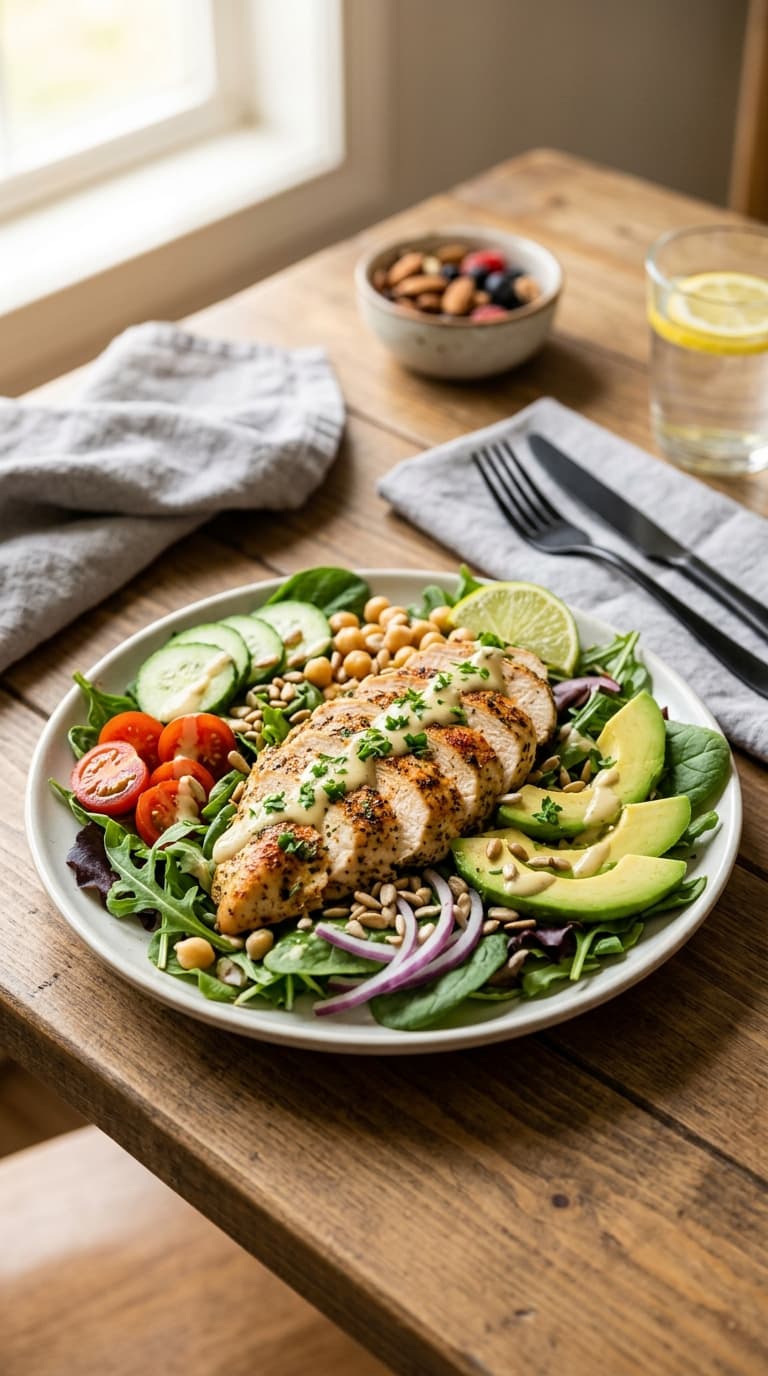
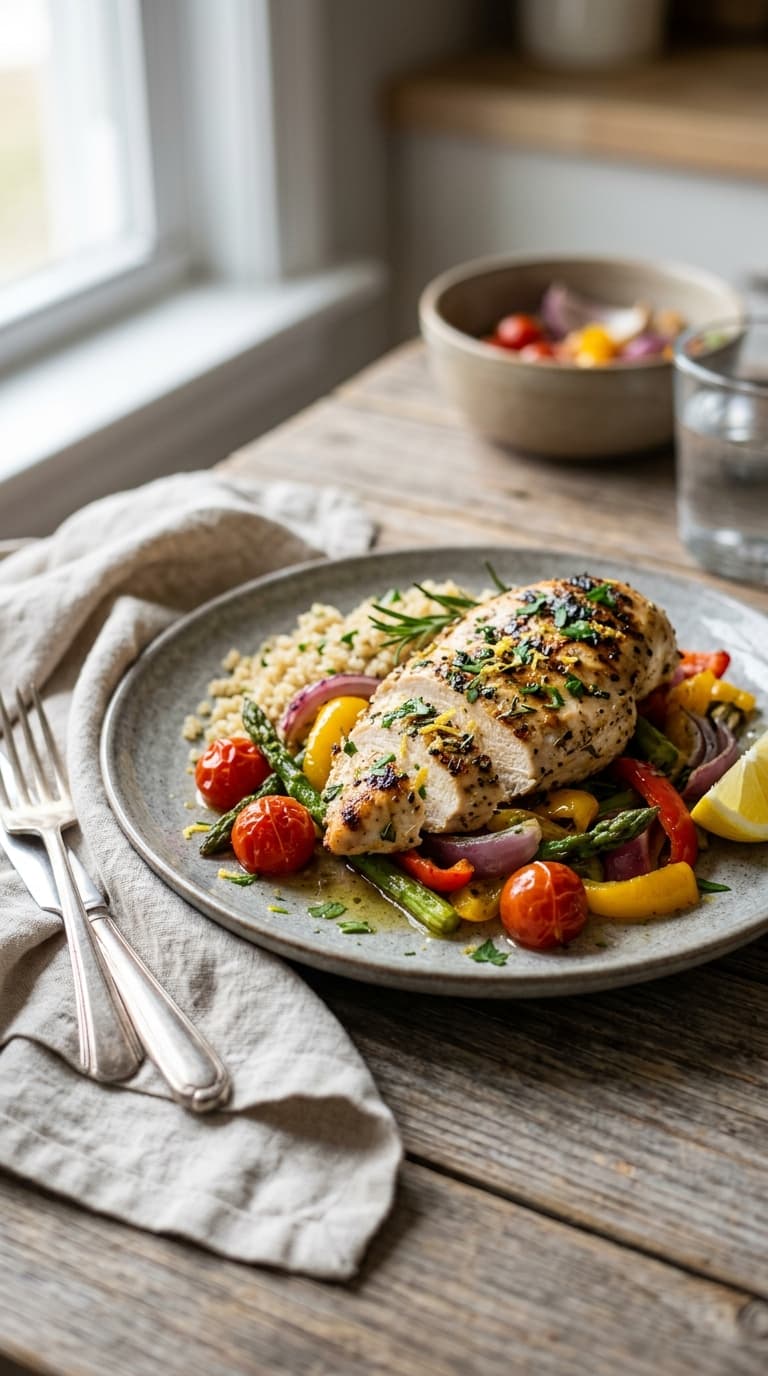
- Grilled chicken breast (150g) over a big bed of mixed greens, cherry tomatoes, cucumber, and 1 tbsp olive oil + lemon dressing
- 1 small whole-grain pita
Dinner (~500 cal)
- Baked salmon (150g) with roasted broccoli and ½ cup cooked brown rice
- Side of sliced cucumber
Snack (~200 cal)
- 1 cup plain Greek yogurt with a handful of blueberries
Day 2 — Meal Prep Friendly
Breakfast (~360 cal)
- Overnight oats: ½ cup rolled oats, 1 cup unsweetened almond milk, 1 tbsp chia seeds, and a drizzle of honey
- 1 boiled egg on the side
Lunch (~430 cal)
- Lentil soup (homemade or low-sodium canned) with 2 slices whole-grain bread
- Side salad with vinegar dressing
Dinner (~510 cal)
- Ground turkey stir-fry with bell peppers, zucchini, garlic, soy sauce, over ½ cup jasmine rice
Snack (~200 cal)
- 1 small apple + 1 tbsp almond butter
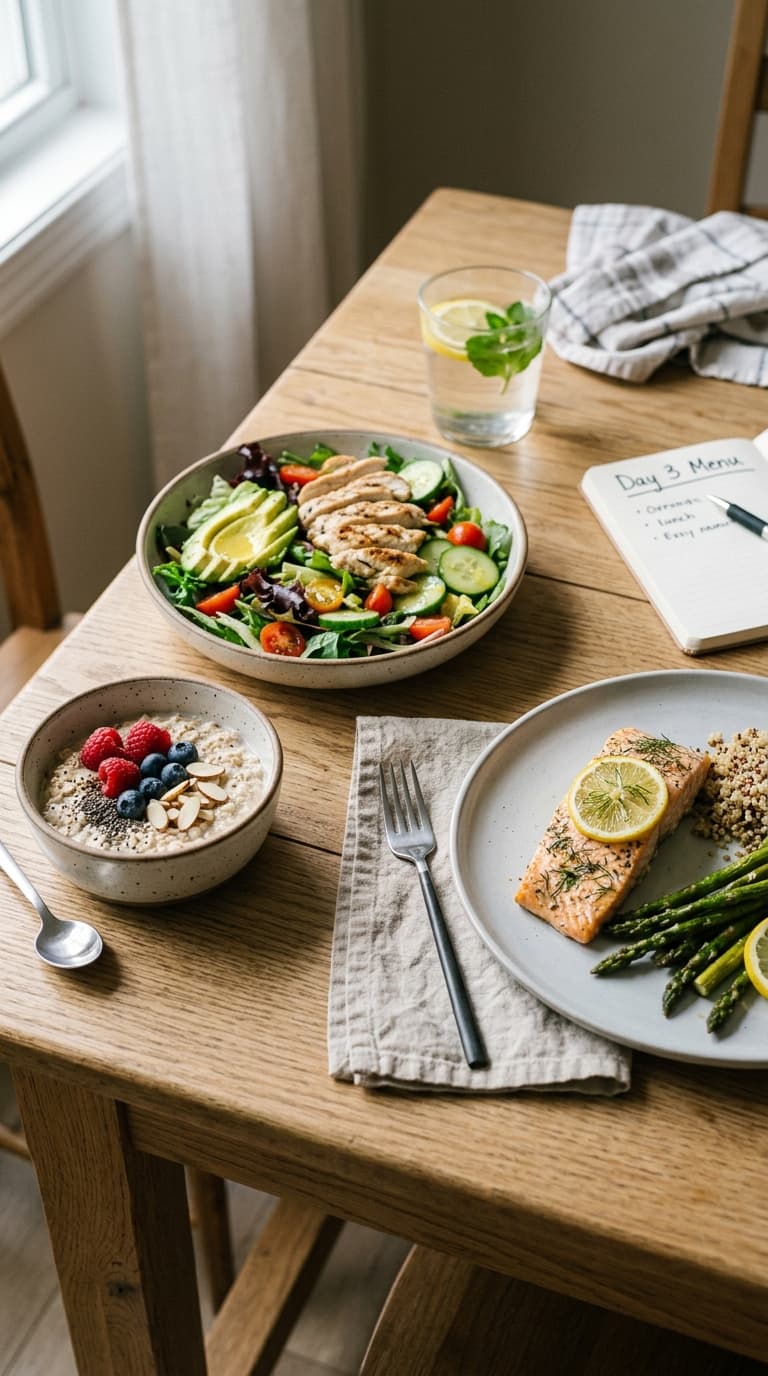
Day 3 — Midweek Comfort
Ever hit that midweek wall where you start questioning all your life choices? Day 3 is designed to feel comforting without blowing your calorie budget.
Breakfast (~380 cal)
- Veggie omelette (2 eggs, mushrooms, onion, peppers) with 1 slice whole-grain toast
- 1 small orange
Lunch (~420 cal)
- Turkey and avocado wrap in a whole-wheat tortilla with lettuce, tomato, and mustard
- Side of baby carrots
Dinner (~500 cal)
- Chickpea and spinach curry served over ½ cup brown rice (made with light coconut milk, canned tomatoes, cumin, and turmeric)
Snack (~200 cal)
- Low-fat cottage cheese (½ cup) with sliced strawberries
Day 4 — Protein Power Day
Breakfast (~375 cal)
- Protein smoothie: 1 scoop vanilla protein powder, 1 cup frozen mixed berries, 1 banana, 1 cup unsweetened almond milk
- 1 boiled egg
Lunch (~440 cal)
- Tuna salad (canned tuna in water, Greek yogurt instead of mayo, celery, lemon juice) on whole-grain bread
- Side cucumber slices
Dinner (~490 cal)
- Grilled chicken thigh (skinless) with roasted sweet potato and steamed green beans
Snack (~195 cal)
- Handful of mixed nuts (about 20g) + 1 small pear
Day 5 — Friday Feels
FYI — this is the day most people fall off the wagon because the weekend creeps in. Plan ahead, and you’ll sail through 🙂
Breakfast (~370 cal)
- 2 whole-grain waffles (toasted) topped with 1 cup strawberries and a dollop of Greek yogurt
- Black coffee
Lunch (~430 cal)
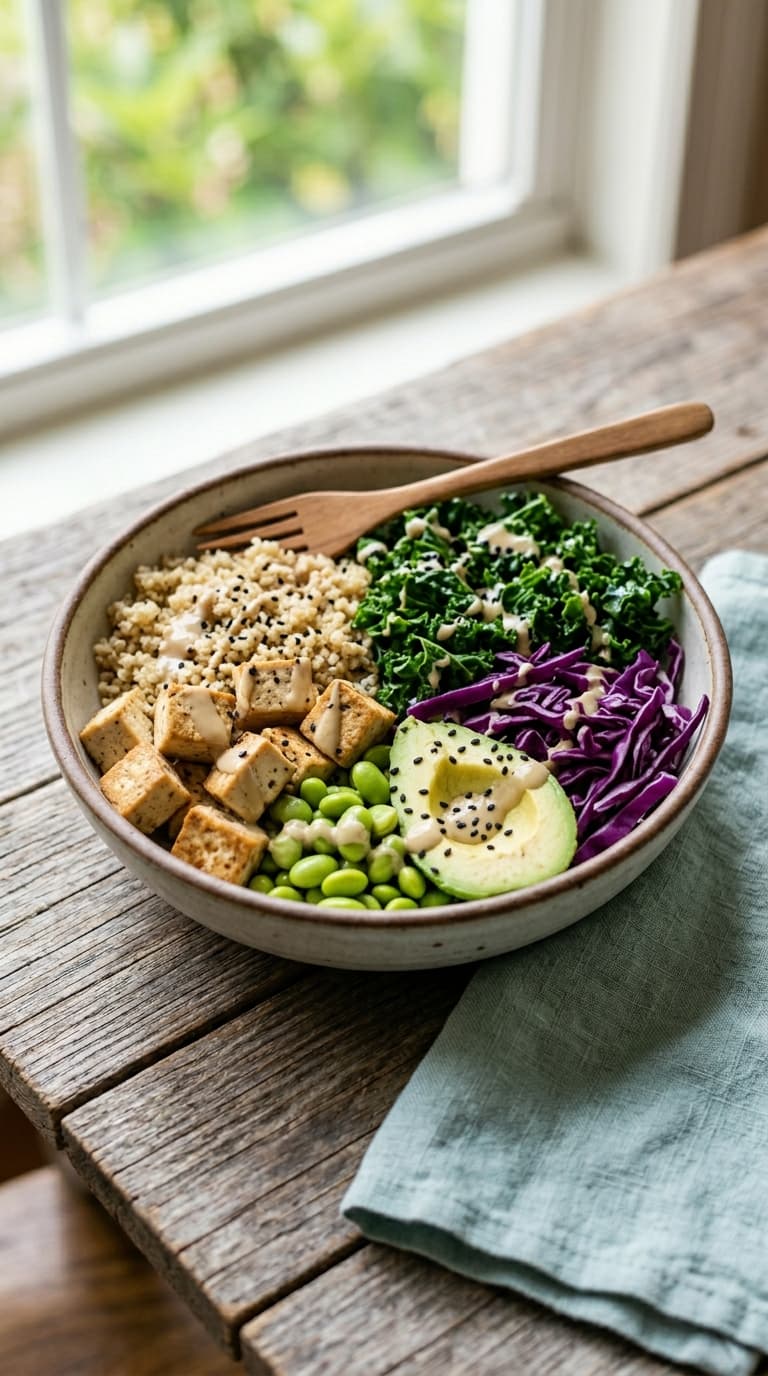
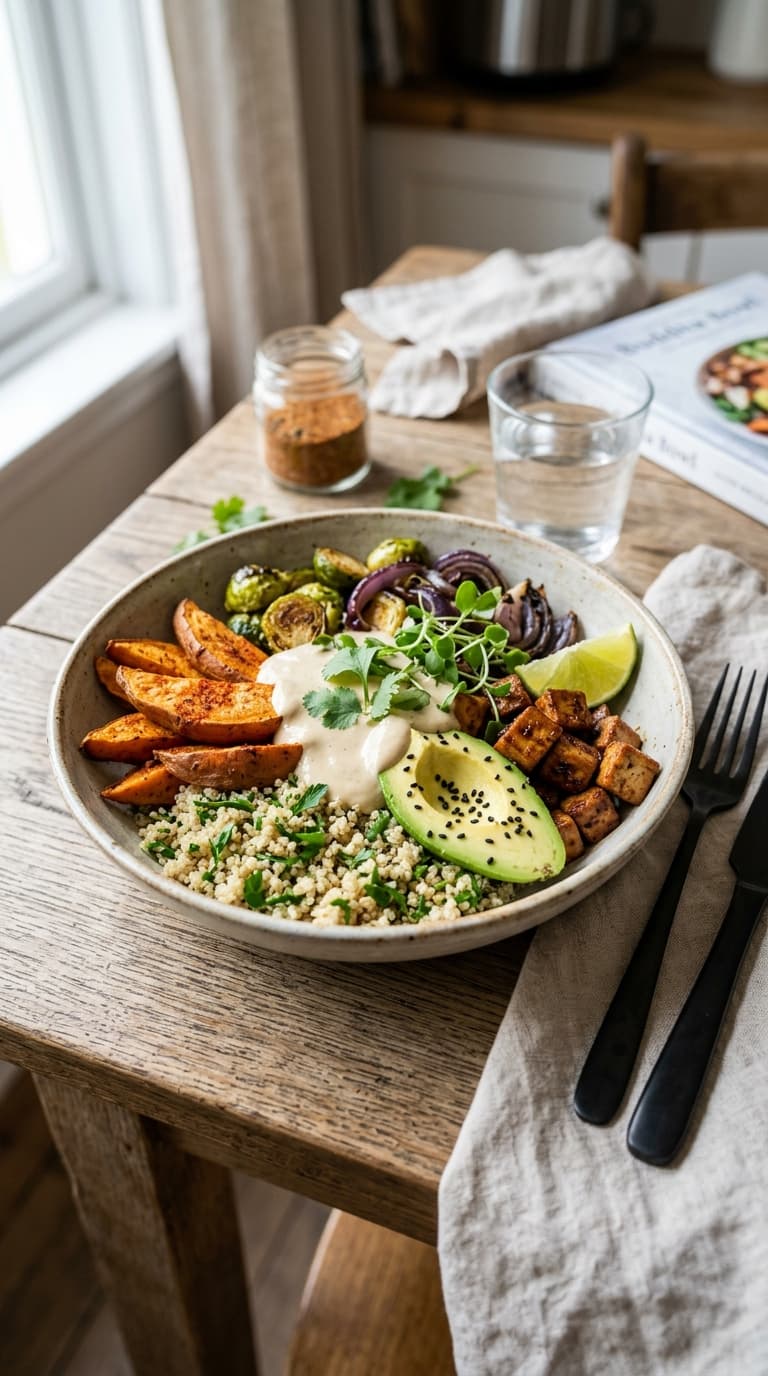
- Big grain bowl: ½ cup quinoa, roasted veggies (zucchini, red onion, bell pepper), ¼ avocado, 1 tbsp tahini dressing
Dinner (~500 cal)
- Shrimp tacos: 2 small corn tortillas, 120g sautéed shrimp, cabbage slaw, salsa, a squeeze of lime
Snack (~200 cal)
- 1 cup edamame with a pinch of sea salt
Day 6 — Weekend Warrior
Breakfast (~400 cal)
- Avocado toast: 2 slices whole-grain bread, ½ avocado mashed, 2 poached eggs, chili flakes
Lunch (~420 cal)
- Homemade vegetable soup with lentils and a slice of crusty whole-grain bread
- Side salad
Dinner (~480 cal)
- Baked cod (150g) with roasted asparagus and a small baked potato with light sour cream
Snack (~200 cal)
- Rice cakes (2) with 1 tbsp peanut butter
Day 7 — Sunday Reset
Breakfast (~380 cal)
- Egg white omelette (3 egg whites, 1 whole egg, mushrooms, onions, feta cheese crumble)
- 1 cup fresh fruit salad
Lunch (~420 cal)
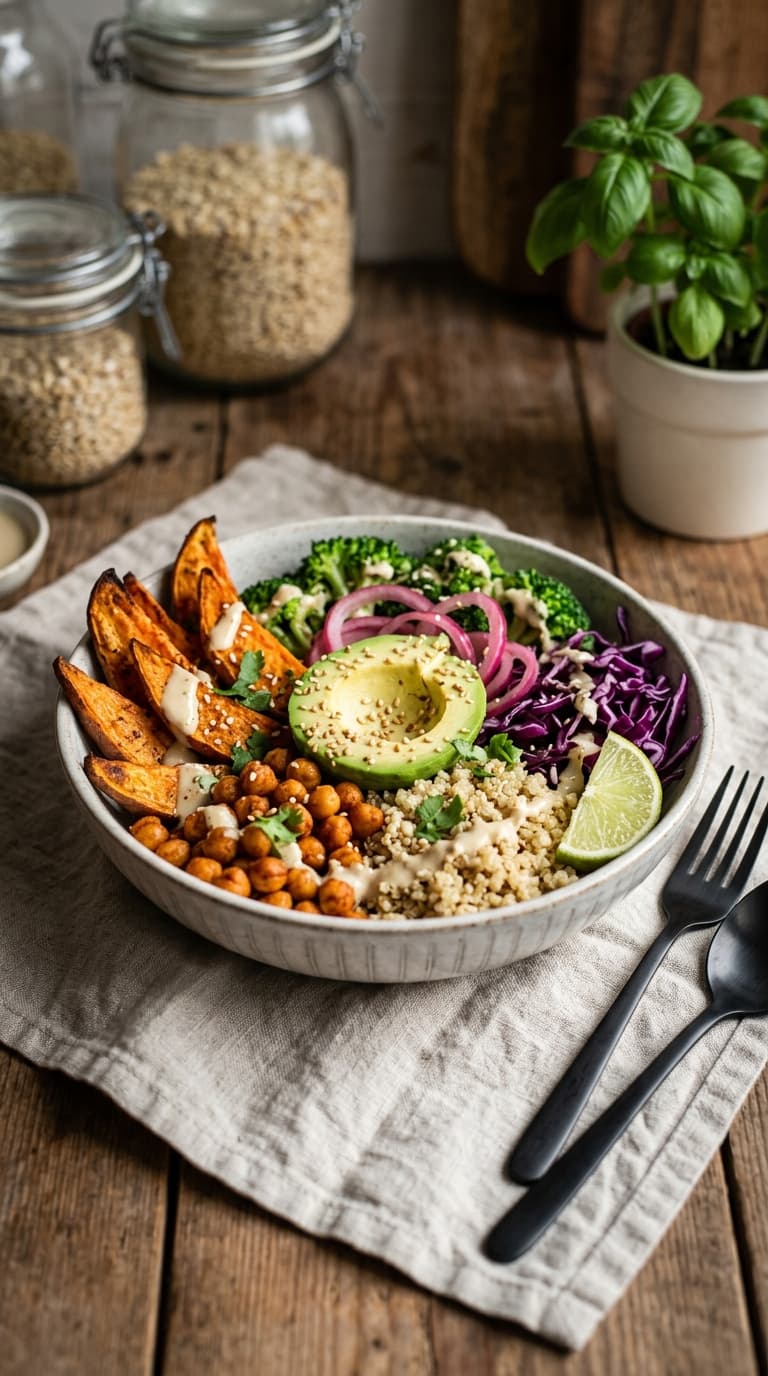
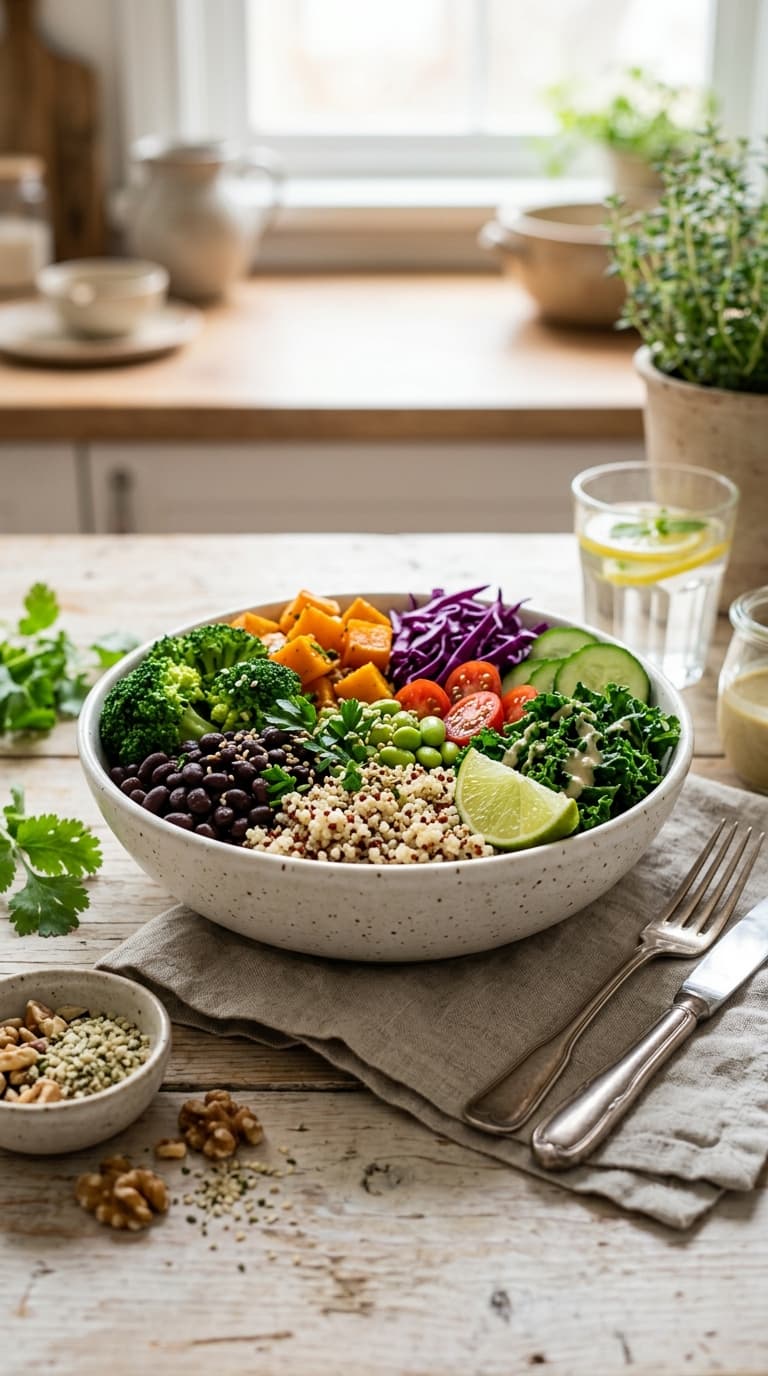
- Buddha bowl: brown rice, black beans, roasted sweet potato, shredded cabbage, salsa, lime juice
Dinner (~500 cal)
- Slow-cooked turkey meatballs (4 small) in tomato sauce over zucchini noodles
- Small side salad with olive oil
Snack (~200 cal)
- 1 cup low-fat Greek yogurt with a drizzle of honey and walnuts
Tips to Actually Stick to This Plan
Okay, here’s where I get real with you. The meal plan itself is the easy part — it’s the execution that trips everyone up. Here’s what actually helps:
Meal prep on Sundays. Spending two hours on Sunday cooking grains, washing vegetables, and portioning snacks saves you from making terrible decisions at 7 PM when you’re exhausted and hungry.
Never skip breakfast. I know intermittent fasting is having its moment, but for most people, eating breakfast regulates hunger hormones for the entire day. Skip it, and you’ll overcompensate later.
Drink water constantly. Thirst masks itself as hunger embarrassingly often. Before you reach for a snack, drink a glass of water and wait 10 minutes. Half the time, the craving disappears.
- Keep healthy snacks visible and accessible
- Pre-portion nuts and crackers so you don’t accidentally eat 600 calories worth
- Cook proteins in bulk to mix into different meals throughout the week
- Use herbs and spices generously — they make low-calorie food taste like you actually tried
How to Adjust This Plan for Your Body
Not everyone burns calories at the same rate, and 1500 calories isn’t a one-size-fits-all number. If you’re highly active, taller, or have significant muscle mass, you might need to bump up to 1600–1700 calories. If you’re sedentary or shorter, 1400 might be more appropriate.
Using a TDEE calculator gives you a personalized calorie target based on your age, weight, height, and activity level. Subtract 300–500 calories from that number for a sustainable deficit. That’s your sweet spot.
Signs you need to eat more:
- Constant fatigue and brain fog
- Losing more than 2 pounds per week
- Hair thinning or loss
- Mood crashes in the afternoon
Signs you might need to eat slightly less:
- Scale hasn’t moved in 3+ weeks (after ruling out water retention and muscle gain)
- You don’t feel satisfied but aren’t truly hungry
Common Mistakes People Make on Low-Calorie Plans
Let’s talk about what derails people, because knowing the pitfalls ahead of time is genuinely half the battle.
Mistake 1: Drinking your calories. One Starbucks caramel latte can run 350–400 calories. That’s nearly a quarter of your daily budget gone through a straw. Stick to black coffee, tea, and water as your main drinks.
Mistake 2: Underestimating portion sizes. A tablespoon of peanut butter sounds harmless until you’re scooping like you’re filling a swimming pool. Use a food scale for at least the first two weeks until you genuinely know what portions look like.
Mistake 3: Not eating enough protein. Low-calorie diets that skimp on protein cause your body to break down muscle for energy. Aim for at least 100g of protein daily to preserve lean mass while losing fat.
Mistake 4: Treating the weekend like a cheat era. Five days of discipline followed by two days of everything-in-sight eating will wipe out your entire weekly deficit. You don’t need to be perfect on weekends — just conscious.
The Bigger Picture on Sustainable Weight Loss
Here’s something nobody tells you when you start a diet: the goal isn’t to reach a number on the scale — it’s to build habits you can actually maintain. A 1500 calorie plan works beautifully as a long-term template because it’s not punishing. You eat real food. You have snacks. You can go to a restaurant and make reasonable choices.
Sustainable weight loss isn’t about perfection. One off day doesn’t erase a week of solid eating. The people who keep the weight off are the ones who keep showing up consistently — not the ones who followed a plan flawlessly for three weeks and then burned out completely :/
The real win is waking up six months from now and realizing that eating well has become your default, not your struggle.
Wrapping It Up
A 7-day 1500 calorie meal plan gives you structure without strapping you into a calorie straitjacket. The meals here are balanced, satisfying, and realistic for actual human beings with actual lives. You get protein, fiber, healthy fats, and yes — food that tastes good.
Start with Day 1. Prep what you can. Track your food for at least the first two weeks. And give yourself some grace when things don’t go perfectly — because they won’t, and that’s completely fine.
You’ve got this. Now go meal prep.