7-Day Oil-Free Vegan Meal Plan for Heart Health
7-Day Oil-Free Vegan Meal Plan for Heart Health
Let me be honest with you — when I first heard “oil-free vegan meal plan,” I rolled my eyes a little. No oil? No butter? What’s even left to cook with? But after a few weeks of eating this way, my energy levels shot up, my cholesterol numbers improved, and I actually enjoyed the food. Turns out, your heart has some pretty strong opinions about what you feed it, and going oil-free and plant-based is one of the kindest things you can do for it.
So if you’re curious about how to structure a full week of meals that are delicious, satisfying, and genuinely good for your cardiovascular system — you’re in exactly the right place. Let’s get into it.
Why Oil-Free Vegan Eating Is a Game-Changer for Your Heart
Here’s something most people don’t realize: even “healthy” oils like olive oil are still 100% fat, and they strip out the fiber and other nutrients that made the original plant beneficial. When you remove oil entirely from your cooking, you let whole-food fats from avocados, nuts, and seeds do the heavy lifting — and your arteries thank you for it.
A whole-food, plant-based, oil-free diet has been linked to actually reversing heart disease, not just slowing it down. Dr. Caldwell Esselstyn’s research showed that patients with severe coronary artery disease stopped progression — and in many cases reversed it — through this exact style of eating. That’s not a minor footnote; that’s remarkable.
So what makes this approach so powerful?
- No dietary cholesterol — plants contain zero cholesterol
- High fiber content — soluble fiber actively lowers LDL cholesterol
- Rich in antioxidants — fights inflammation, which is a core driver of heart disease
- No saturated fat from oils — keeps your arteries flexible and clear
- Naturally lower in calories — supports healthy body weight, another heart-health factor
IMO, the biggest win is how quickly your body responds. Many people notice better energy and digestion within the first week alone.
What to Stock Before You Start
Before you jump into the meal plan, let’s talk pantry prep. Nothing kills motivation faster than opening your fridge on Day 1 and finding nothing useful.
Grains and legumes to keep on hand:
- Rolled oats, brown rice, quinoa, farro
- Lentils (red, green, black), chickpeas, black beans, white beans
- Whole grain bread and whole wheat pasta
Fresh produce essentials:
- Leafy greens — kale, spinach, arugula, Swiss chard
- Cruciferous veggies — broccoli, cauliflower, Brussels sprouts
- Fruits — berries, bananas, apples, citrus
- Sweet potatoes, beets, carrots, tomatoes, bell peppers
Flavor builders (because bland food is a crime):
- Garlic, ginger, onions, lemons, limes
- Herbs: basil, cilantro, parsley, thyme
- Spices: cumin, turmeric, paprika, coriander
- Low-sodium soy sauce or tamari, apple cider vinegar, tahini
Heart-healthy fats from whole foods:
- Walnuts, almonds, flaxseeds, chia seeds
- Avocados (yes, still allowed and still glorious)
The 7-Day Oil-Free Vegan Meal Plan
Day 1: Clean and Simple Start
Breakfast: Overnight oats made with rolled oats, almond milk, chia seeds, and a handful of mixed berries. Top with a sprinkle of ground flaxseed for your omega-3s.
Lunch: Big kale salad with chickpeas, cucumber, cherry tomatoes, shredded carrots, and a tahini-lemon dressing (tahini, lemon juice, garlic, a little water — no oil needed, trust me).
Dinner: Red lentil dal over brown rice with steamed broccoli on the side. Season the dal with cumin, turmeric, coriander, and fresh ginger.
Snack: Apple slices with a tablespoon of almond butter.
Day 2: Warming and Filling
Breakfast: Smoothie bowl — blend frozen banana, spinach, and plant milk, then top with granola (oil-free version), sliced kiwi, and hemp seeds.
Lunch: Black bean and sweet potato burrito bowl with brown rice, salsa, shredded lettuce, and a squeeze of lime.
Dinner: Hearty vegetable minestrone soup with white beans, zucchini, tomatoes, and whole wheat pasta. Make a big pot — it tastes better the next day anyway 🙂
Snack: A small handful of walnuts and a few Medjool dates.
Day 3: Midweek Motivation
Breakfast: Warm oatmeal cooked with cinnamon, topped with sliced banana and a tablespoon of ground flaxseed. Simple, satisfying, done.
Lunch: Leftover minestrone from last night (told you it gets better). Pair it with a slice of whole grain bread.
Dinner: Stuffed bell peppers filled with quinoa, black beans, corn, diced tomatoes, and smoked paprika. Bake until the peppers are tender and slightly caramelized.
Snack: Carrot sticks with hummus (oil-free hummus — just blend chickpeas, tahini, lemon, garlic, and a splash of water).
Day 4: Halfway Through — You’re Doing Great
Breakfast: Whole grain toast with smashed avocado, red pepper flakes, and a squeeze of lemon. Add a side of fresh fruit.
Lunch: Lentil and roasted vegetable wrap using a whole wheat tortilla. Roast whatever veggies you have — zucchini, peppers, onions, mushrooms — in the oven without oil (use a splash of veggie broth or a silicone mat).
Dinner: Chickpea tikka masala made with canned tomatoes, coconut milk (light), onion, garlic, ginger, and warming spices. Serve over basmati rice.
Snack: A banana and a small handful of almonds.
Ever notice how you stop craving greasy food around Day 4? Your taste buds actually recalibrate faster than you’d think.
Day 5: Flavor Forward
Breakfast: Chia seed pudding made the night before — mix chia seeds with plant milk and a touch of maple syrup, refrigerate overnight, and top with mango chunks in the morning.
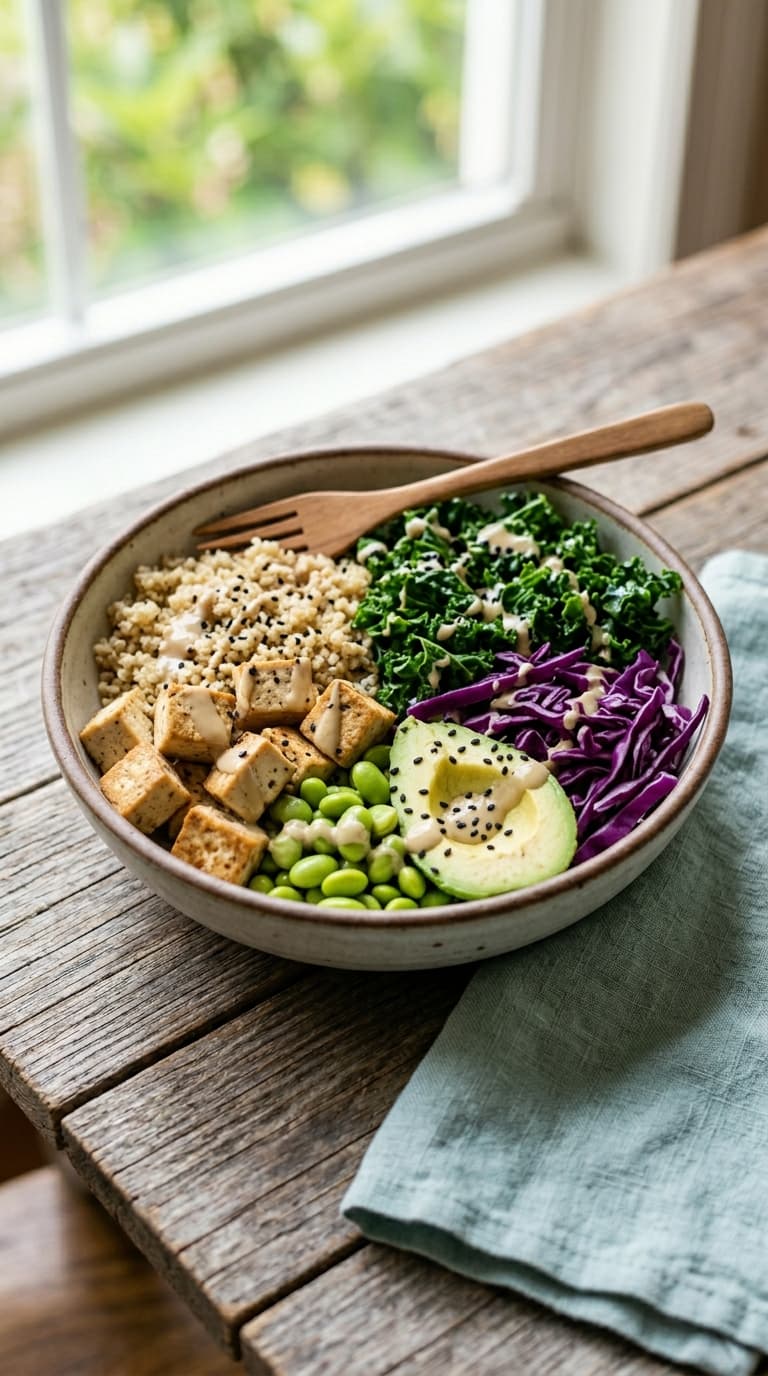
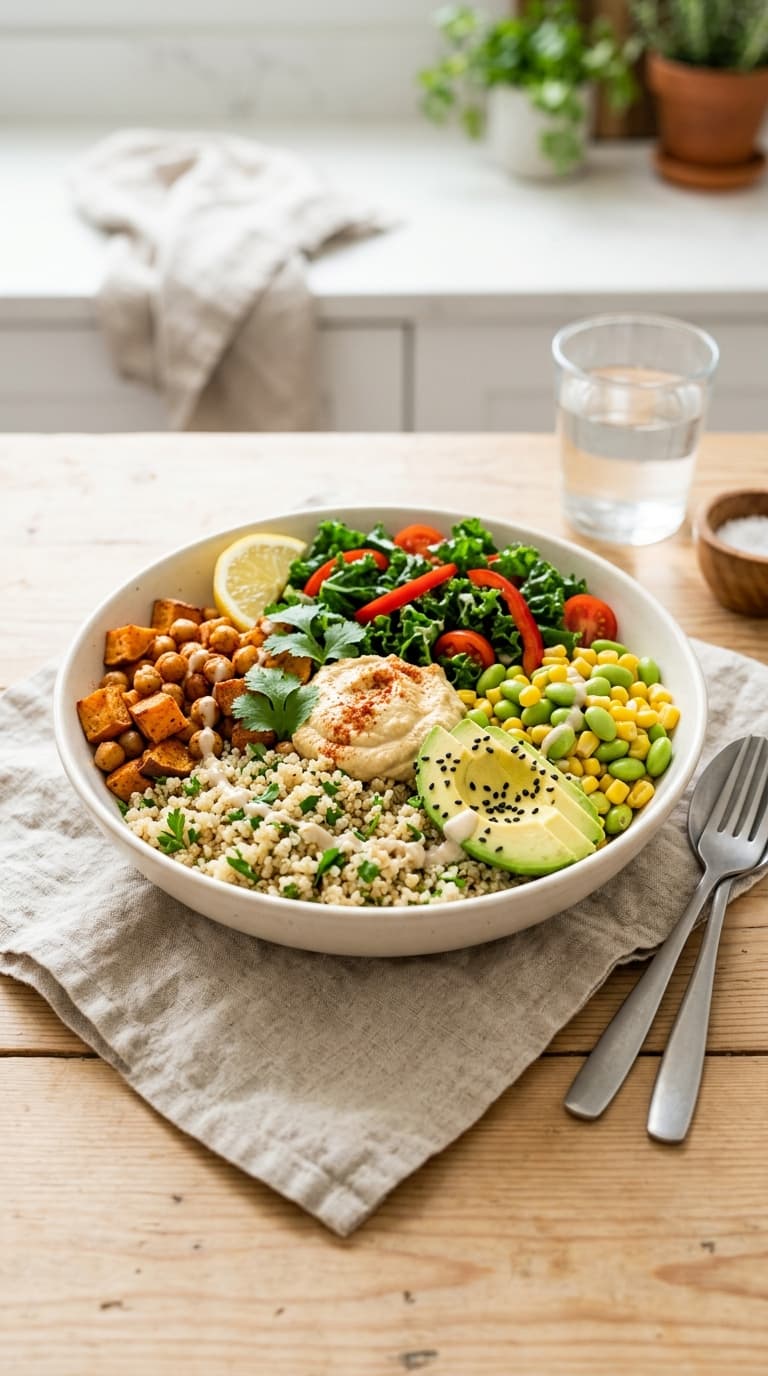
Lunch: Hearty Buddha bowl with roasted sweet potato, steamed kale, cooked quinoa, sliced avocado, and a ginger-tahini drizzle.
Dinner: Spaghetti with a rich tomato-lentil bolognese. Use green or brown lentils for texture — they mimic the heartiness of meat sauce surprisingly well. Serve with a simple arugula salad dressed with lemon juice.
Snack: Sliced cucumber with a sprinkle of sea salt and lemon — weirdly addictive.
Day 6: Weekend Vibes
Breakfast: Pancakes! Yes, really. Make them with oat flour, mashed banana, almond milk, baking powder, and a pinch of cinnamon. They’re fluffy, naturally sweet, and completely oil-free.
Lunch: A big rainbow salad with mixed greens, roasted beets, shredded purple cabbage, edamame, sunflower seeds, and orange segments. Dress it with a balsamic-dijon vinaigrette (no oil — just balsamic, mustard, maple syrup, garlic).
Dinner: Black bean and mango tacos with corn tortillas, pickled red onion, shredded lettuce, and a cilantro-lime drizzle. These are FYI one of the most crowd-pleasing meals in this entire plan.
Snack: A small bowl of mixed berries — antioxidants on antioxidants.
Day 7: Finish Strong
Breakfast: Savory oatmeal — cook oats in vegetable broth, top with sautéed mushrooms and spinach (water-sautéed), a sprinkle of nutritional yeast, and freshly ground black pepper. Sounds weird, tastes incredible.
Lunch: White bean and kale soup with garlic, lemon, and cannellini beans. Thick, warming, and ready in under 30 minutes.
Dinner: Celebratory lentil shepherd’s pie — a base of seasoned lentils and veggies topped with creamy mashed cauliflower and potatoes (made with plant milk and garlic, no butter). Bake until golden.
Snack: A piece of dark chocolate (70%+ cacao) and a few walnuts. You made it to Day 7 — you deserve a treat.
Key Nutrients to Pay Attention To
Going oil-free and vegan is powerful, but you do need to be intentional about a few nutrients.
Omega-3 fatty acids — Include walnuts, ground flaxseed, chia seeds, and hemp seeds daily. These support healthy heart rhythm and reduce inflammation.
Vitamin B12 — This one doesn’t come from plants, so supplement it. Full stop. It’s non-negotiable on any vegan diet.
Iron — Dark leafy greens, lentils, and fortified foods are great sources. Pair them with vitamin C (hello, lemon juice) to boost absorption.
Calcium — Fortified plant milks, kale, bok choy, and almonds cover this well.
Iodine — Use iodized salt or consider a supplement since you’re skipping seafood.
Tips for Cooking Without Oil
This is probably the part that trips people up the most. :/
The good news? Cooking without oil is actually easy once you know the tricks.
- Water sauté: Add a tablespoon or two of water or veggie broth to the pan instead of oil. Stir frequently and add more liquid as needed.
- Bake on parchment paper or silicone mats: These prevent sticking without any oil at all.
- Use non-stick ceramic pans: These are your best friends in an oil-free kitchen.
- Air fry everything: An air fryer crisps up vegetables, tofu, and chickpeas beautifully without a single drop of oil.
- Roast at high heat: 400–425°F with a splash of tamari or balsamic on your veggies creates gorgeous caramelization.
How This Plan Supports Heart Health Specifically
Let’s connect the dots here, because this isn’t just about eating vegetables for the sake of it.
Soluble fiber from oats, beans, and lentils actively binds to cholesterol in your digestive system and removes it from your body. Your liver then pulls more cholesterol from your blood to make bile acids — meaning your LDL levels drop. That’s real, measurable cardiovascular protection happening at a cellular level.
Polyphenols and antioxidants from berries, dark leafy greens, and whole grains reduce oxidative stress and inflammation — two major contributors to plaque buildup in your arteries.
Plant-based proteins from legumes come packaged with fiber, complex carbs, and micronutrients — unlike animal proteins, which often arrive with saturated fat and cholesterol alongside them.
Potassium from fruits and vegetables helps regulate blood pressure naturally. Most Americans eat far too little potassium and far too much sodium — this plan flips that ratio.
Making This Sustainable Beyond 7 Days
Seven days is a great starting point, but the real magic happens when you keep going. Here’s how to make this a long-term lifestyle rather than a short-term experiment.
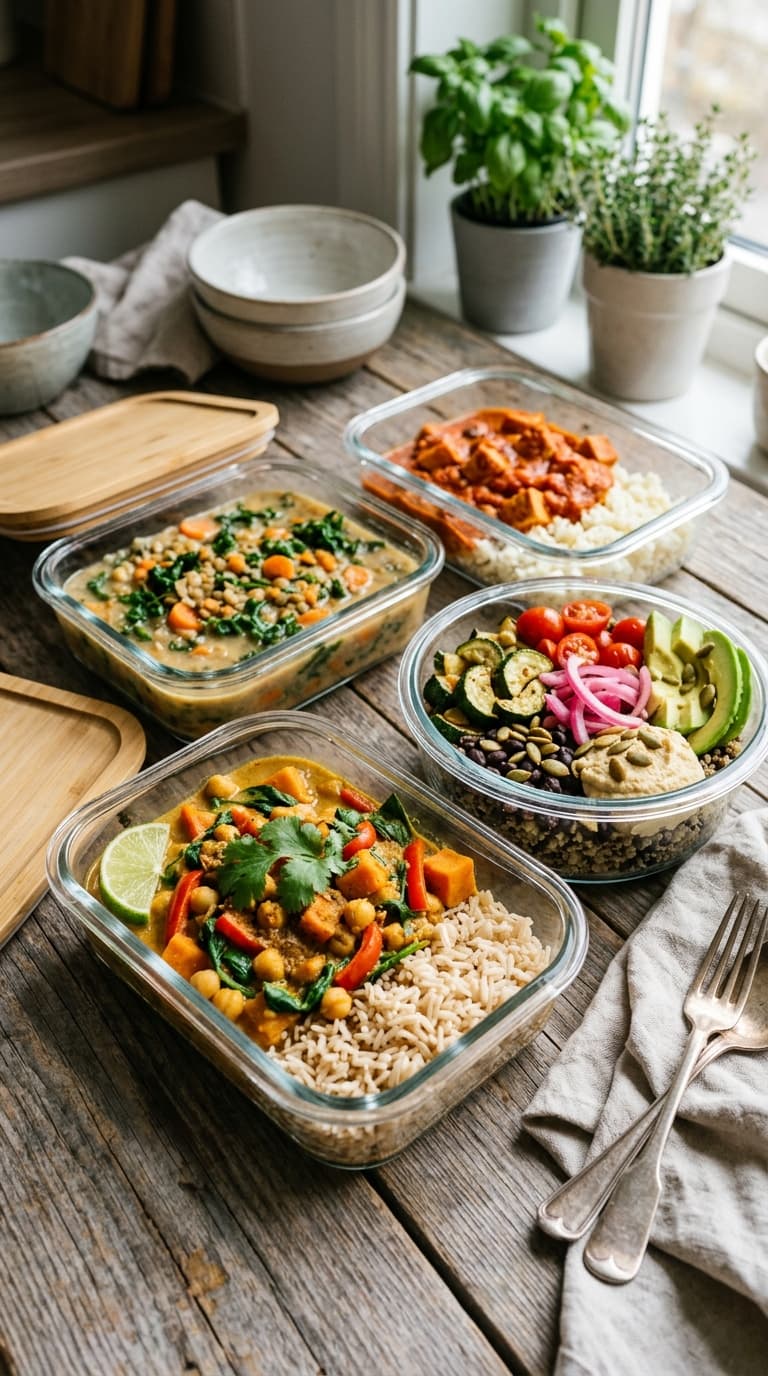
Meal prep on Sundays — Cook a big batch of grains and legumes, chop your veggies, and make one or two sauces. This cuts your weeknight cooking time in half.
Keep your pantry stocked — When you always have lentils, canned tomatoes, and oats on hand, you can throw together a solid meal even on your laziest days.
Find your go-to meals — Pick 3–4 recipes from this plan that you absolutely love and rotate them. You don’t need variety every single day.
Don’t aim for perfection — If you eat something with a little oil at a restaurant, it’s fine. This isn’t about rigid rules; it’s about consistent habits over time.
Final Thoughts
Here’s the honest truth: this 7-day oil-free vegan meal plan for heart health isn’t a punishment. It’s actually full of color, flavor, and real satisfaction — once you get past the initial “but where’s the butter?” phase. Your heart pumps around 100,000 times a day without asking for anything in return. The least you can do is feed it well.
Give these seven days an honest shot. Make the lentil dal, try the savory oatmeal, go wild with the taco situation on Day 6. Pay attention to how you feel — your energy, your digestion, your sleep. The results tend to speak pretty loudly.
And if nothing else, you’ll walk away knowing exactly how to build a plant-powered meal from scratch. That skill? Priceless.