7-Day DASH + Mediterranean Hybrid Meal Plan (Best of Both Worlds!)
7-Day DASH + Mediterranean Hybrid Meal Plan (Best of Both Worlds!)
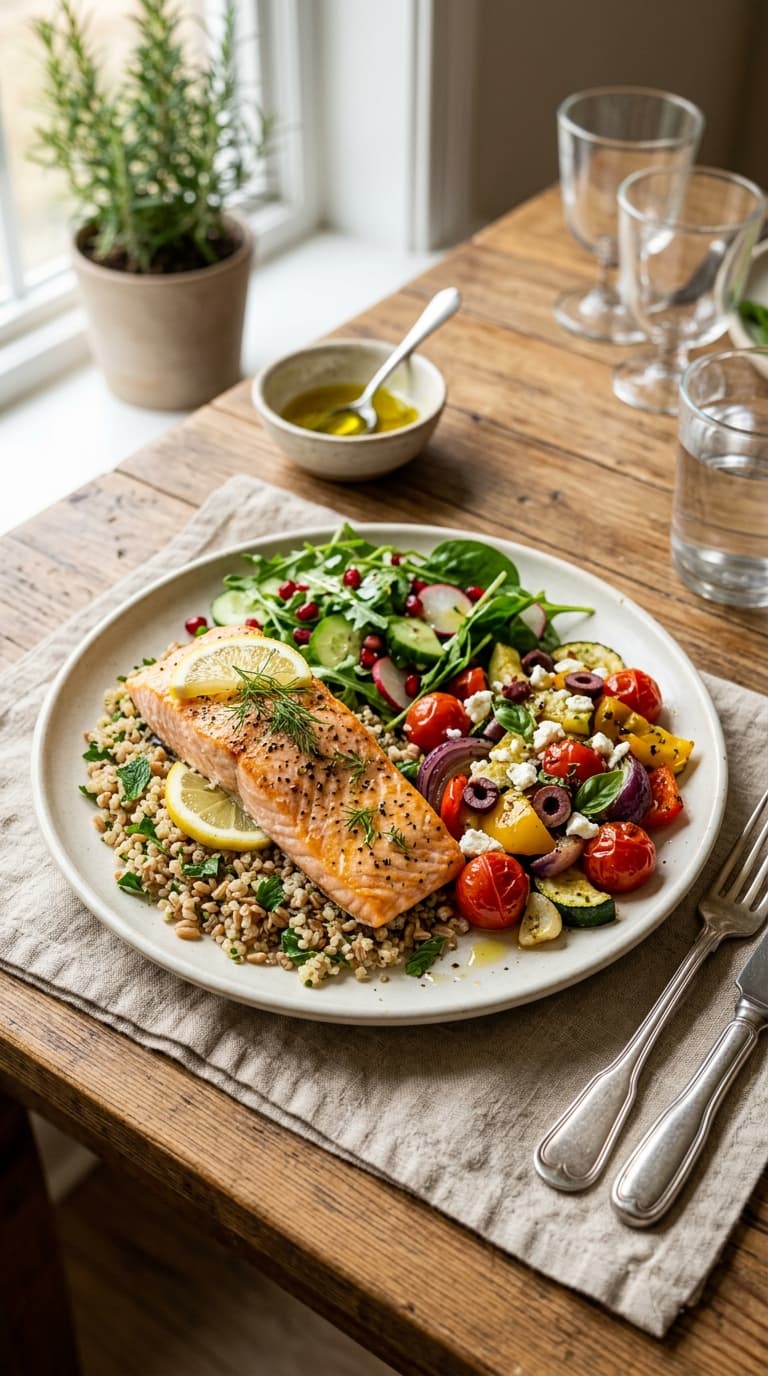
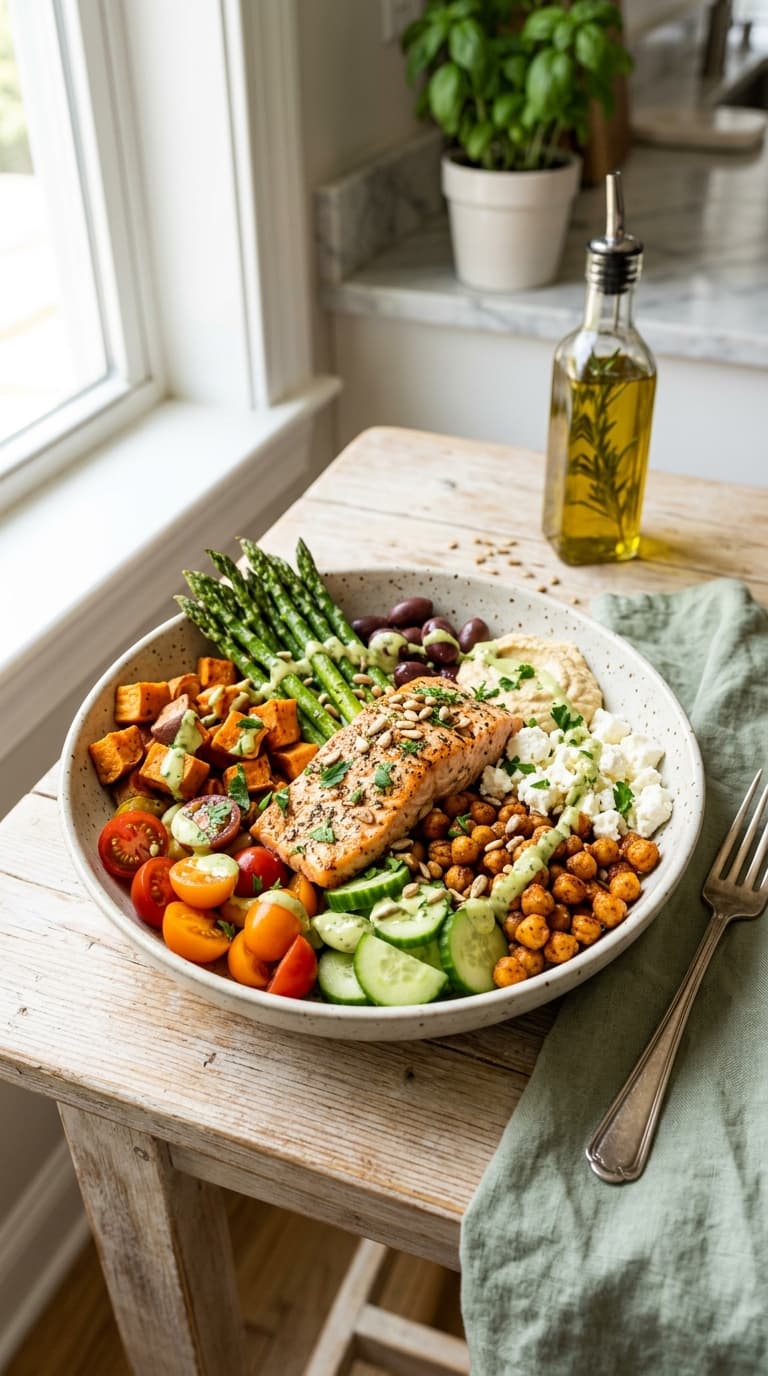
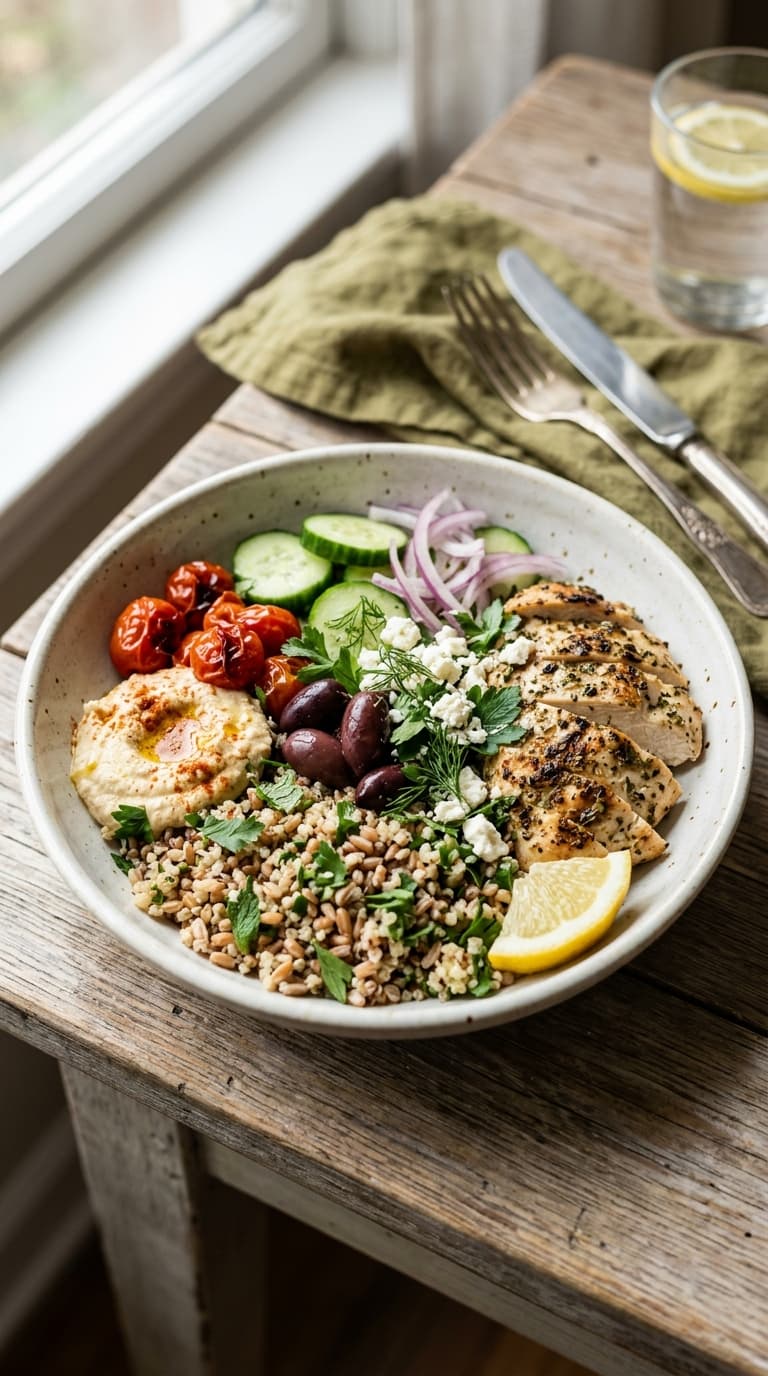
So you’ve heard about the DASH diet. You’ve also heard about the Mediterranean diet. And now you’re sitting there wondering — why choose one when you can have both? Honestly, same. I spent weeks trying to pick between the two before I realized they complement each other so perfectly it almost feels like cheating. Almost.
This hybrid meal plan takes the blood pressure-lowering power of DASH and pairs it with the heart-healthy, olive-oil-drenched goodness of the Mediterranean diet. The result? A week of eating that’s genuinely satisfying, nutritionally dense, and — dare I say — actually enjoyable.
Why These Two Diets Work Better Together
Let’s be real for a second. Most “diet plans” make you feel like you’re being punished for having taste buds. The DASH diet alone can feel a little rigid. The Mediterranean diet alone doesn’t always emphasize sodium control. But together? They cover each other’s gaps beautifully.
DASH (Dietary Approaches to Stop Hypertension) focuses on reducing sodium, increasing potassium, magnesium, and calcium, and cutting back on saturated fats. It’s clinically proven to lower blood pressure and improve heart health.
The Mediterranean diet brings olive oil, fish, legumes, whole grains, and a relaxed, food-is-joy philosophy to the table. Studies from organizations like the American Heart Association consistently link it to reduced cardiovascular risk and longer life expectancy.
Combined, you get a plan that controls sodium and embraces healthy fats, prioritizes plants and lean proteins, and lets you eat real food without obsessing over every gram. That’s the sweet spot we’re going for.
The Ground Rules Before We Start
Before jumping into the meal plan, here’s what guides every food choice in this hybrid approach:
- Sodium stays under 1,500–2,300mg per day (DASH principle)
- Olive oil replaces butter and processed oils (Mediterranean principle)
- Whole grains over refined carbs — always
- Fish at least twice a week, ideally fatty fish like salmon or sardines
- Plenty of fruits, vegetables, legumes, and nuts daily
- Dairy is low-fat when included (DASH influence)
- Red meat is limited to once or twice a week max
- No added salt at the table — season with herbs, lemon, and spices instead
FYI, you don’t have to be perfect. This is a framework, not a prison sentence. If you swap Tuesday’s lunch for Monday’s dinner, the food police will not show up at your door.
Day 1: Ease Into It
Breakfast
Start the week gently. Make a Greek yogurt parfait with low-fat plain Greek yogurt, a handful of fresh blueberries, a drizzle of honey, and a sprinkle of unsalted walnuts. It takes five minutes and tastes like something you’d order at a fancy brunch spot.
Lunch
A big chickpea and vegetable salad — canned chickpeas (rinsed well to reduce sodium), cucumber, tomato, red onion, parsley, lemon juice, and a generous glug of olive oil. Toss it together. Done. Eat it straight from the bowl if you want. No judgment here.
Dinner
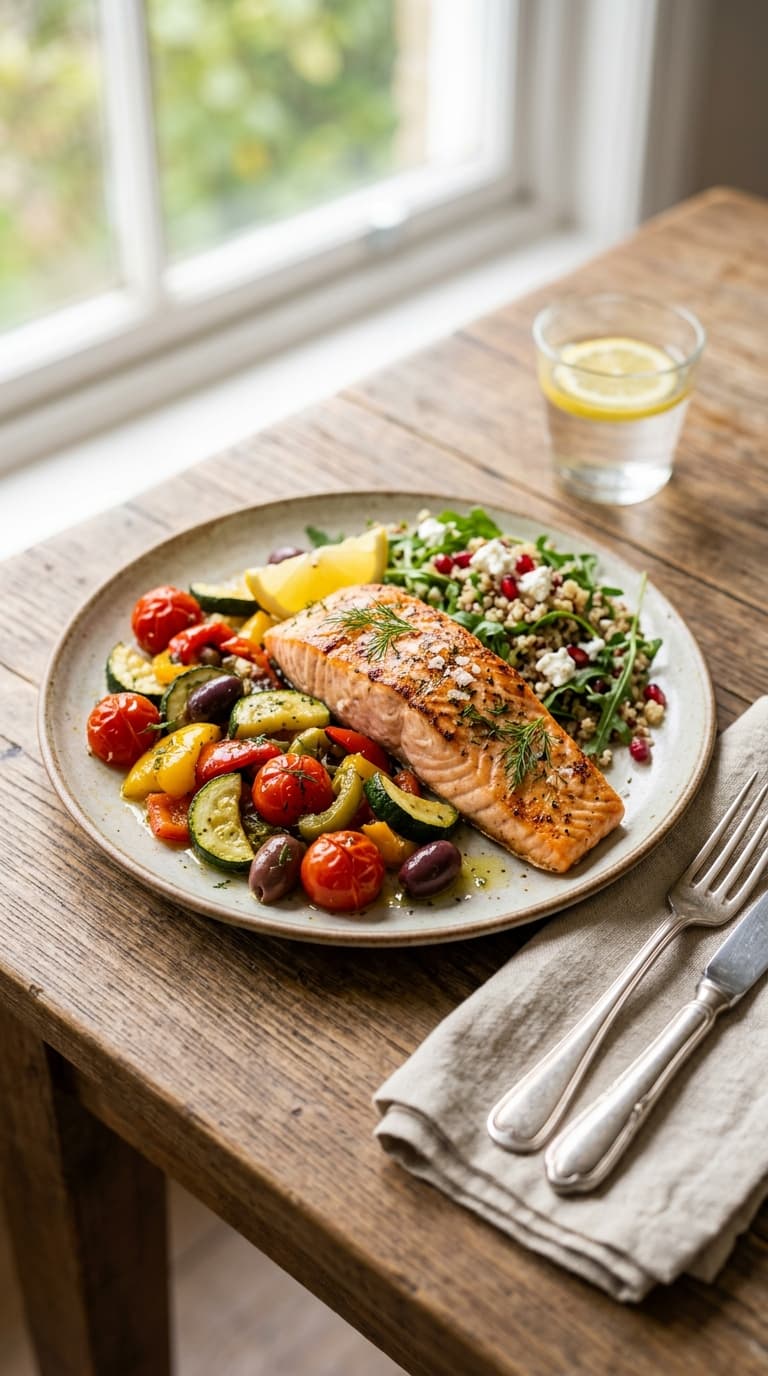
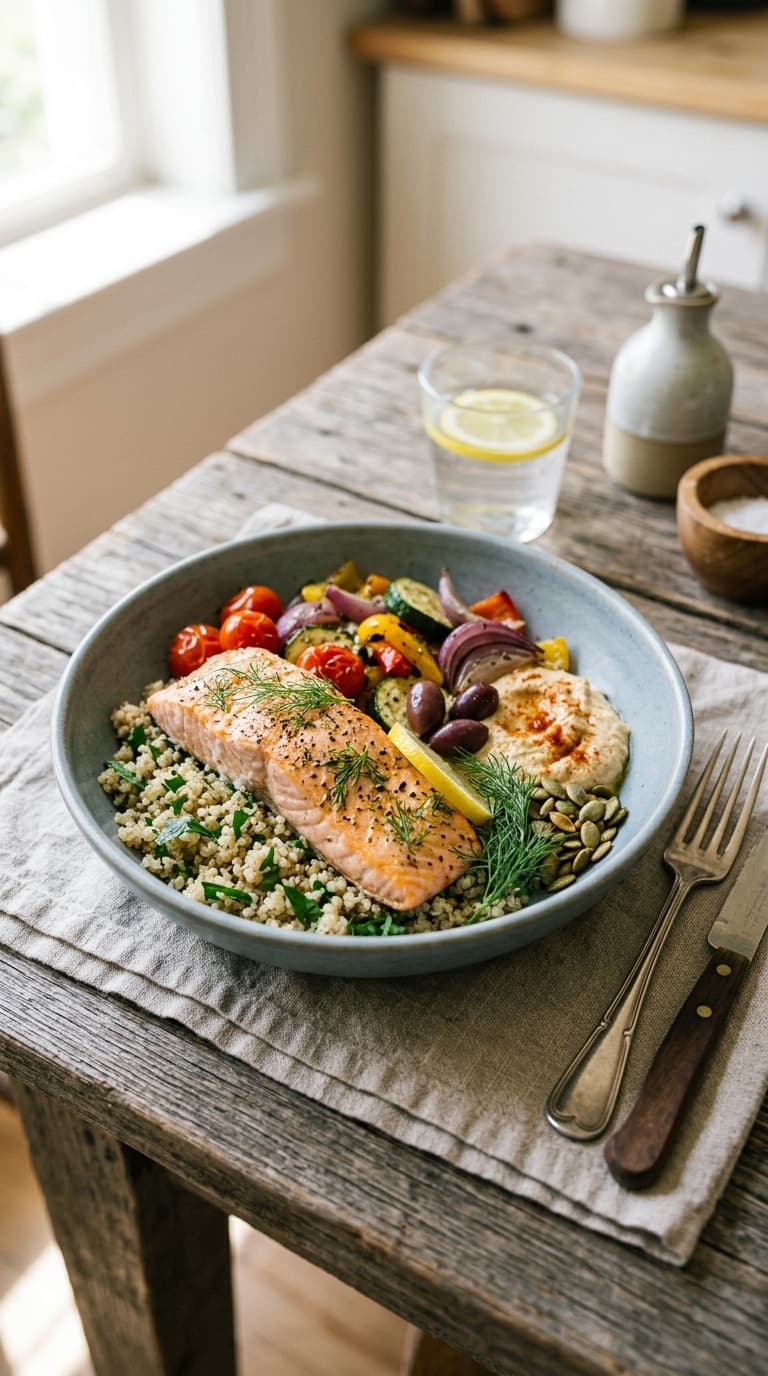
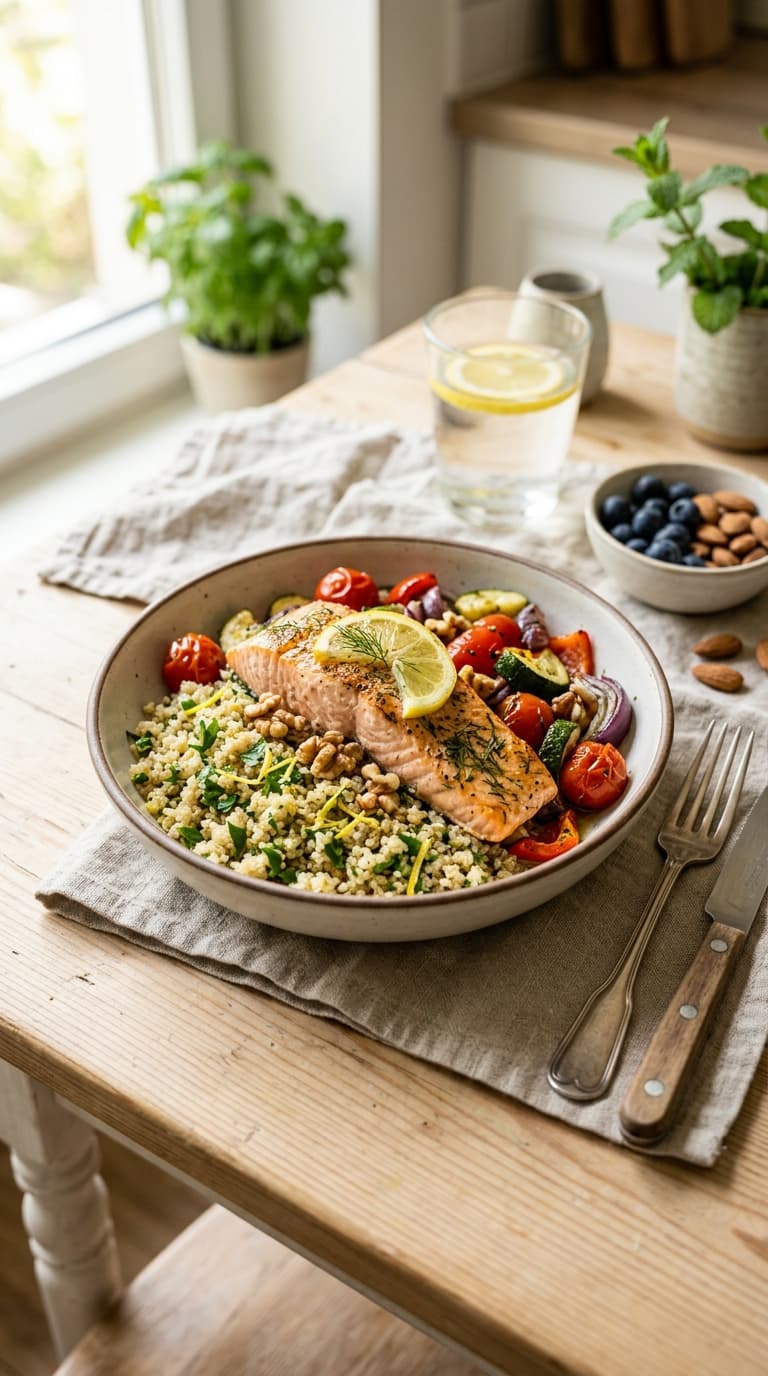
Baked salmon with roasted vegetables — a salmon fillet seasoned with garlic, lemon, dill, and black pepper, roasted alongside zucchini and bell peppers. Serve with a side of quinoa or brown rice. This dinner alone will make you feel like you actually have your life together.
Day 2: Finding Your Rhythm
Breakfast
Overnight oats made with low-fat milk or unsweetened almond milk, chia seeds, sliced banana, and a dash of cinnamon. Prep it the night before and breakfast becomes a non-event. In the best possible way.
Lunch
A whole grain pita stuffed with hummus (look for low-sodium versions), sliced cucumber, cherry tomatoes, baby spinach, and a few olives. It’s a Mediterranean classic that also ticks every DASH box.
Dinner
Lentil and vegetable stew seasoned with cumin, turmeric, and a squeeze of lemon. Lentils are one of the most underrated foods on the planet — packed with fiber, protein, iron, and potassium. Serve with a slice of whole grain bread and you’ve got a complete, filling meal.
Day 3: Midweek Fuel
Breakfast
Avocado on whole grain toast with sliced tomato and a poached egg. Sprinkle with red pepper flakes instead of salt. Simple, filling, and genuinely delicious.
Lunch
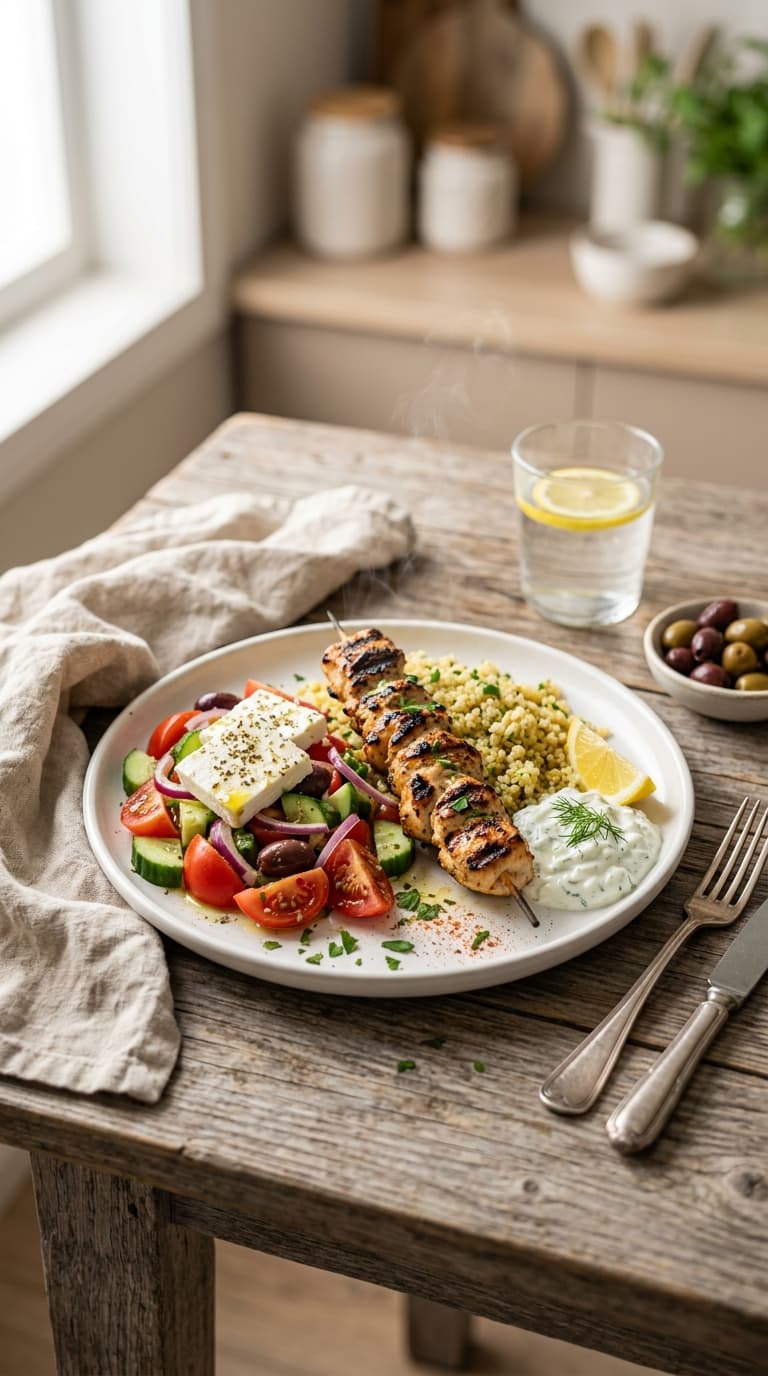
Tabbouleh with grilled chicken — bulgur wheat, fresh parsley, mint, tomato, lemon, and olive oil alongside a small portion of grilled, unsalted chicken breast. This is the kind of lunch that makes your coworkers jealous.
Dinner
Shrimp stir-fry with garlic, cherry tomatoes, and spinach over a bed of whole wheat couscous. Use olive oil for cooking and keep the sodium low by skipping store-bought sauces. Season generously with garlic, paprika, and lemon.
Day 4: Keep the Momentum Going
Breakfast
A smoothie blending low-fat milk, frozen mango, spinach, flaxseeds, and a small banana. If you’re skeptical about green smoothies, I was too. Then I tried one and immediately felt like a completely reformed person — for about ten minutes, at least 🙂
Lunch
White bean and vegetable soup — white beans, diced tomatoes, celery, carrots, garlic, and a handful of fresh kale, all simmered with olive oil and dried herbs. Make a big batch and eat it for lunch two days running.
Dinner
Grilled sardines or mackerel with a side of roasted sweet potato and a Greek salad. Sardines are genuinely one of the most nutrient-dense foods you can eat. They’re rich in omega-3s, calcium, and vitamin D. Yes, they smell. Get over it.
Day 5: Weekend Prep Begins
Breakfast
Whole grain pancakes topped with fresh strawberries and a dollop of low-fat yogurt instead of syrup. They take a bit more effort than weekday breakfasts, but it’s Friday — you deserve something nice.
Lunch
Falafel bowl with brown rice, cucumber, shredded cabbage, a tahini-lemon dressing, and cherry tomatoes. If you’re buying store-bought falafel, check the sodium content — some brands go wild with the salt.
Dinner
Baked chicken thighs (skinless) marinated in lemon, garlic, olive oil, and oregano, served with a side of roasted broccoli and a small portion of whole wheat pasta tossed in olive oil and fresh basil. This is genuinely comfort food that doesn’t sabotage your goals.
Day 6: Saturday — Slow It Down
Breakfast
Shakshuka — eggs poached in a spiced tomato and pepper sauce, served with a slice of whole grain bread. This is one of those dishes that sounds impressive but takes about 20 minutes. It’s a Mediterranean staple and it’s absolutely worth adding to your regular rotation.
Lunch
A large mixed salad with leafy greens, roasted red peppers, artichoke hearts, sun-dried tomatoes, a handful of pine nuts, and grilled tuna. Dress it with olive oil and red wine vinegar. This is the kind of salad that actually fills you up.
Dinner
Stuffed bell peppers filled with a mixture of ground turkey, brown rice, diced tomatoes, garlic, and herbs. Bake until the peppers are tender and the filling is fragrant. IMO, this is one of the most satisfying meals in the entire plan.
Day 7: Finish Strong
Breakfast
Back to basics — whole grain toast with almond butter and sliced pear, alongside a cup of green tea. Clean, simple, and genuinely energizing.
Lunch
Quinoa bowl with roasted chickpeas, steamed spinach, diced avocado, cherry tomatoes, and a lemon-tahini drizzle. Quinoa is a complete protein, which means it contains all nine essential amino acids. Not bad for a seed that looks like tiny bubbles.
Dinner
Baked cod with a herb crust — cod fillet coated in a mixture of whole wheat breadcrumbs, parsley, garlic, and lemon zest, baked until golden. Serve with roasted asparagus and a side of brown rice. End the week on a high note.
Smart Snacking That Fits Both Diets
One of the best parts of this hybrid plan is that snacking doesn’t have to become a minefield. Here are some options that work perfectly within both frameworks:
- A small handful of unsalted almonds or walnuts
- Carrot and celery sticks with hummus
- Fresh fruit — apples, pears, oranges, berries
- Low-fat yogurt with a drizzle of honey
- A hard-boiled egg seasoned with black pepper and herbs
- Rice cakes with a thin spread of avocado
The golden rule here? Keep portions reasonable and skip anything heavily processed or salted. If the ingredient list reads like a chemistry exam, put it back on the shelf.
Grocery Shopping Tips for This Plan
Walking into a grocery store without a strategy is basically asking to buy three types of cheese you didn’t need and forget the lentils entirely. Here’s how to shop smart for this plan:
- Build around produce — fill half your cart with vegetables and fruit first
- Choose whole grains at every opportunity: brown rice, quinoa, whole wheat pasta, oats
- Stock your pantry with olive oil, canned chickpeas (low-sodium), lentils, and whole grain bread
- Buy fatty fish like salmon, sardines, or mackerel at least twice a week
- Read sodium labels on anything canned, packaged, or pre-made — it adds up fast
- Herbs and spices are your best friends — they make low-sodium cooking actually taste good
A good resource for understanding nutrition labels and sodium thresholds is the USDA FoodData Central database, which lets you check the nutritional content of basically anything.
What to Expect After 7 Days
After one week on this hybrid plan, most people notice they feel lighter and more energized — not because they’ve lost dramatic amounts of weight, but because they’ve been consistently fueling their body with quality nutrients. Blood pressure can respond positively even within a week of reduced sodium intake, especially if your previous diet was heavy on processed foods.
You’ll probably also notice you’re less bloated, sleeping better, and craving junk food a little less. Not because the plan is magic, but because whole foods genuinely satisfy hunger better than processed alternatives do.
Final Thoughts
Here’s the truth: no meal plan works if it makes you miserable. What makes this DASH + Mediterranean hybrid so effective is that it’s built around food that actually tastes good. Real olive oil, fresh fish, vibrant vegetables, legumes, and whole grains — these aren’t punishment foods. They’re some of the most delicious ingredients on earth.
Give this plan a full week. Stick to it, adapt it where you need to, and pay attention to how your body responds. My bet? You’ll feel good enough to keep going well beyond day seven. And that’s really the whole point — not a week-long fix, but a genuine shift toward eating in a way that’s sustainable, satisfying, and genuinely good for your heart.
Now go make that chickpea salad. You’ve got this. 🙂