7-Day Mediterranean Meal Plan for PCOS (Hormone-Balancing Foods!)
7-Day Mediterranean Meal Plan for PCOS (Hormone-Balancing Foods!)
If you’ve been dealing with PCOS, you already know the struggle — the bloating, the stubborn weight, the hormones doing whatever they want while you’re just trying to live your life. Sound familiar? Well, here’s some genuinely good news: what you eat can actually make a real difference. And the Mediterranean diet happens to be one of the best-researched eating patterns for managing PCOS symptoms naturally.
I’m not going to promise you miracles. But after spending a lot of time looking into hormone-balancing foods and how the Mediterranean way of eating supports insulin sensitivity, reduces inflammation, and helps regulate androgens, I can tell you — this is worth your attention.
Why the Mediterranean Diet Works for PCOS
Before we get into the actual meal plan, let’s talk about why this eating pattern makes sense for PCOS specifically.
PCOS is largely driven by insulin resistance and chronic low-grade inflammation. The Mediterranean diet tackles both of these head-on. It’s rich in fiber, healthy fats, lean protein, and antioxidants — all things your hormones desperately want more of.
- Healthy fats from olive oil, nuts, and fatty fish support hormone production
- High-fiber foods slow glucose absorption and reduce insulin spikes
- Antioxidant-rich vegetables fight the inflammation that worsens PCOS symptoms
- Lean proteins keep blood sugar stable throughout the day
IMO, no other eating pattern checks as many boxes for PCOS management as the Mediterranean approach does. It’s not restrictive, it’s delicious, and it’s actually sustainable long-term — which is more than you can say for most trendy diets.
What to Eat (and What to Skip)
Foods to Embrace
These are your new best friends on this plan:
- Extra virgin olive oil — your primary cooking fat
- Fatty fish like salmon, sardines, and mackerel (hello, omega-3s)
- Leafy greens — spinach, kale, arugula
- Legumes — chickpeas, lentils, black beans
- Whole grains — quinoa, brown rice, farro, oats
- Nuts and seeds — walnuts, flaxseeds, chia seeds
- Low-glycemic fruits — berries, cherries, citrus
- Herbs and spices — cinnamon is especially great for blood sugar regulation
Foods to Limit
These don’t help your hormones at all:
- Refined sugar and white flour products
- Processed snacks and fast food
- Dairy in large amounts (some women with PCOS do better limiting it)
- Red meat more than a couple of times per week
- Alcohol (yes, unfortunately)
The 7-Day Mediterranean PCOS Meal Plan
Alright, here’s the part you actually came for. Each day is designed to keep blood sugar stable, reduce inflammation, and give your hormones the nutrients they need to do their job properly.
Day 1 — Let’s Ease In
Breakfast: Greek yogurt (unsweetened) with blueberries, a tablespoon of ground flaxseed, and a drizzle of raw honey. Simple, protein-rich, and anti-inflammatory right from the start.
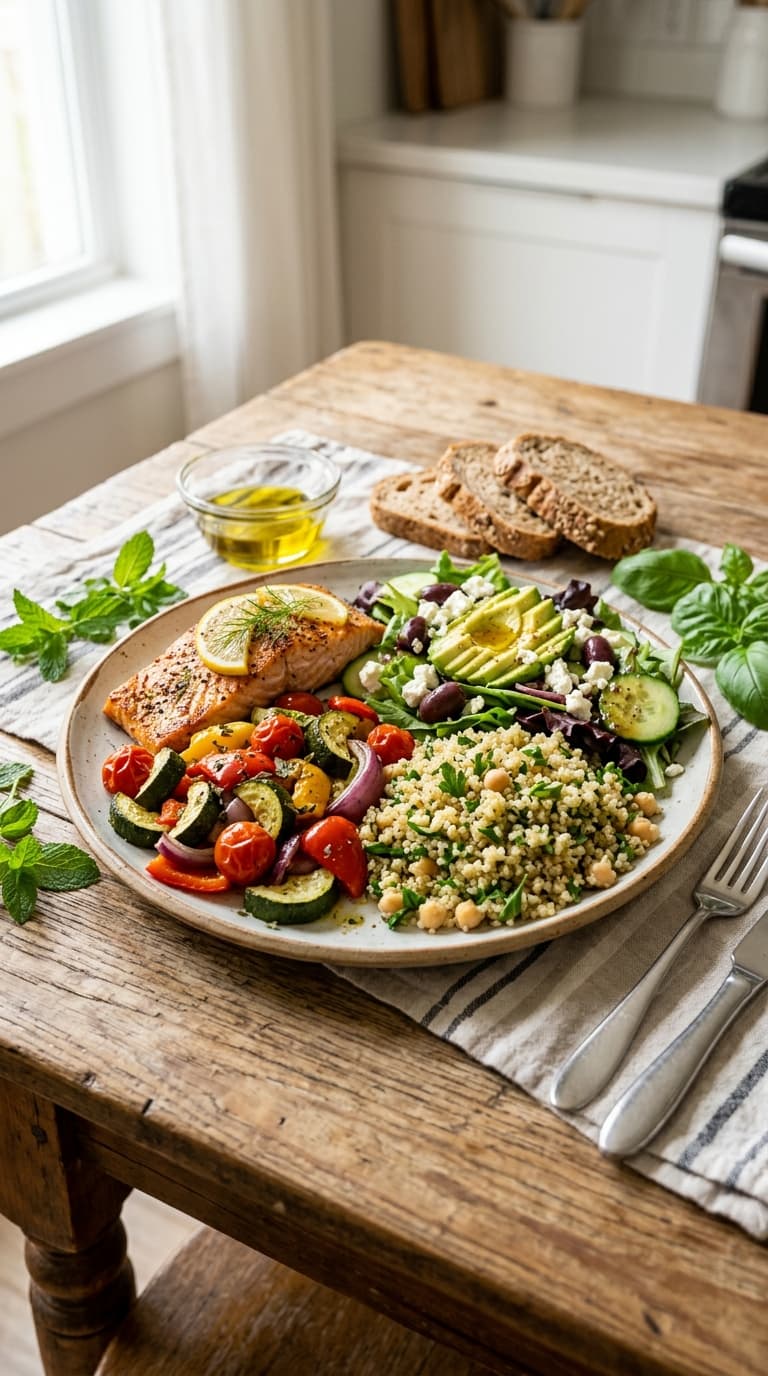
Lunch: Big Mediterranean salad — romaine, cucumber, cherry tomatoes, olives, red onion, chickpeas, and grilled chicken. Dress it with olive oil and lemon juice.
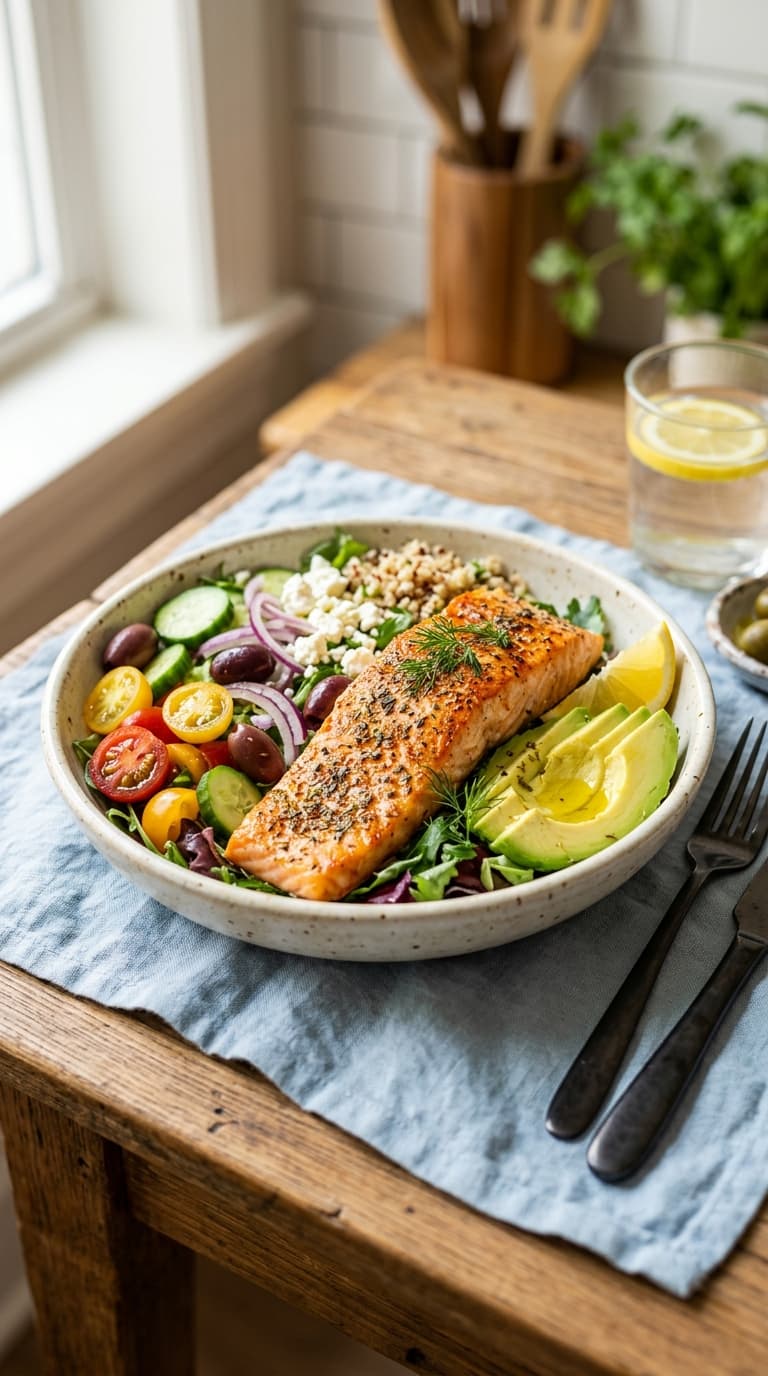
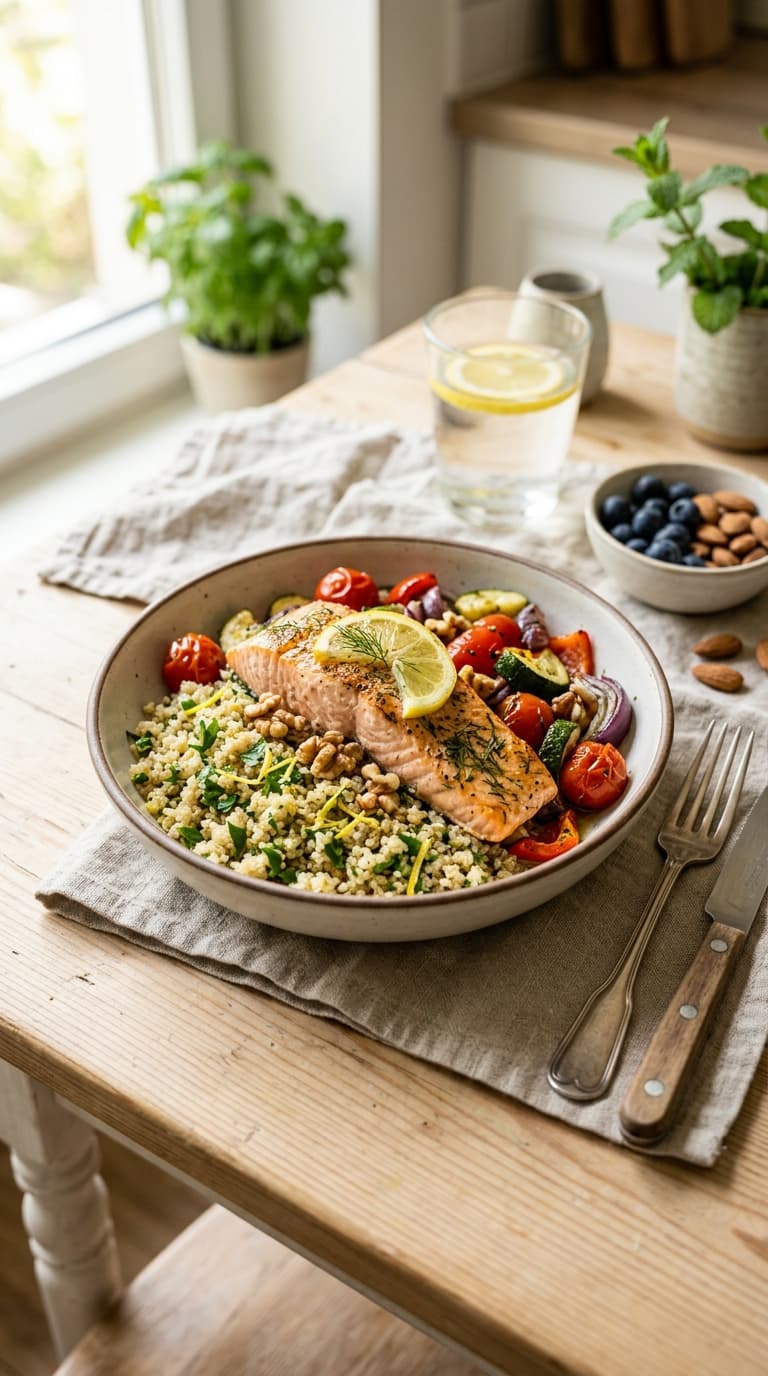
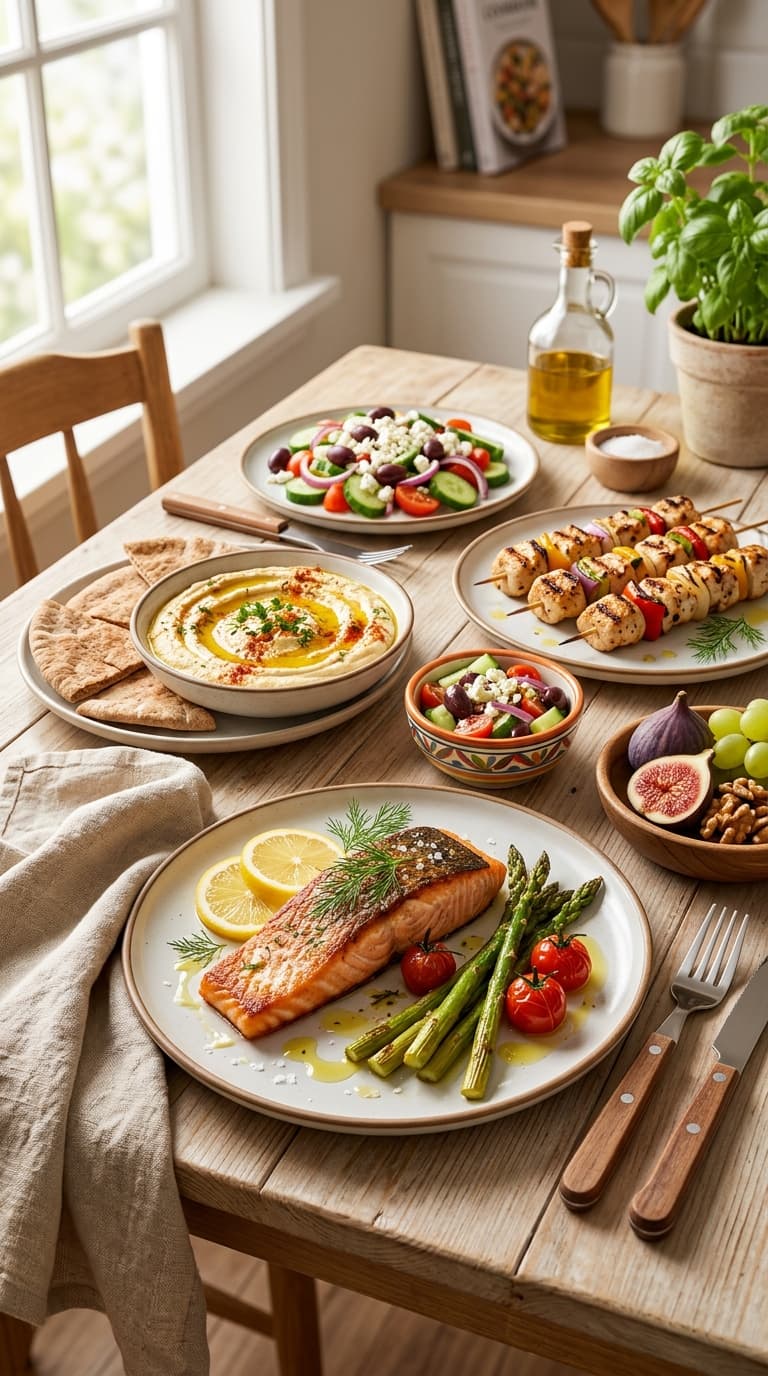
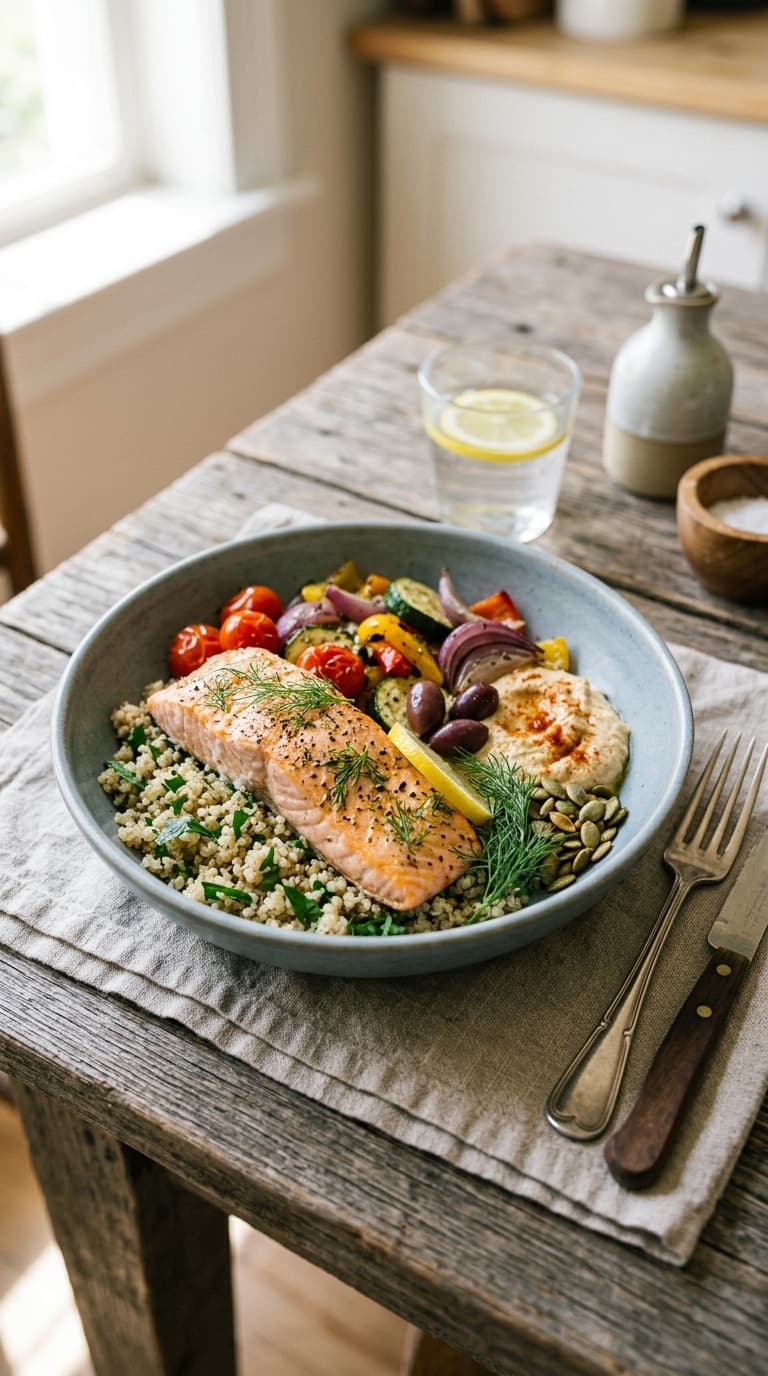
Dinner: Baked salmon with roasted asparagus and a side of quinoa. Season the salmon with garlic, lemon, and fresh dill.
Snack: A small handful of walnuts and a few strawberries.
Day 2 — Getting Into the Groove
Breakfast: Overnight oats made with unsweetened almond milk, chia seeds, cinnamon, and topped with sliced banana and a spoonful of almond butter.
Lunch: Lentil soup with a slice of whole grain bread and a small green salad on the side.
Dinner: Grilled shrimp over zucchini noodles with a homemade tomato and herb sauce, finished with a drizzle of olive oil.
Snack: Hummus with sliced bell peppers and cucumber sticks.
Day 3 — Midweek Fuel
Breakfast: Two-egg scramble with spinach, tomatoes, and feta cheese. Pair it with a piece of whole grain toast.
Lunch: Stuffed whole wheat pita with grilled chicken, tzatziki, cucumber, and tomatoes.
Dinner: Baked cod with roasted sweet potato and steamed broccoli. Season simply with olive oil, paprika, and garlic.
Snack: A small orange and a few almonds.
Ever notice how eating whole foods just feels different? Not in a placebo way — your body genuinely runs better when you’re not running it on processed garbage.
Day 4 — Plant Power Day
Breakfast: Smoothie made with frozen spinach, frozen mango, unsweetened almond milk, a tablespoon of chia seeds, and half a banana. Throw in some ground flaxseed for extra hormone support.
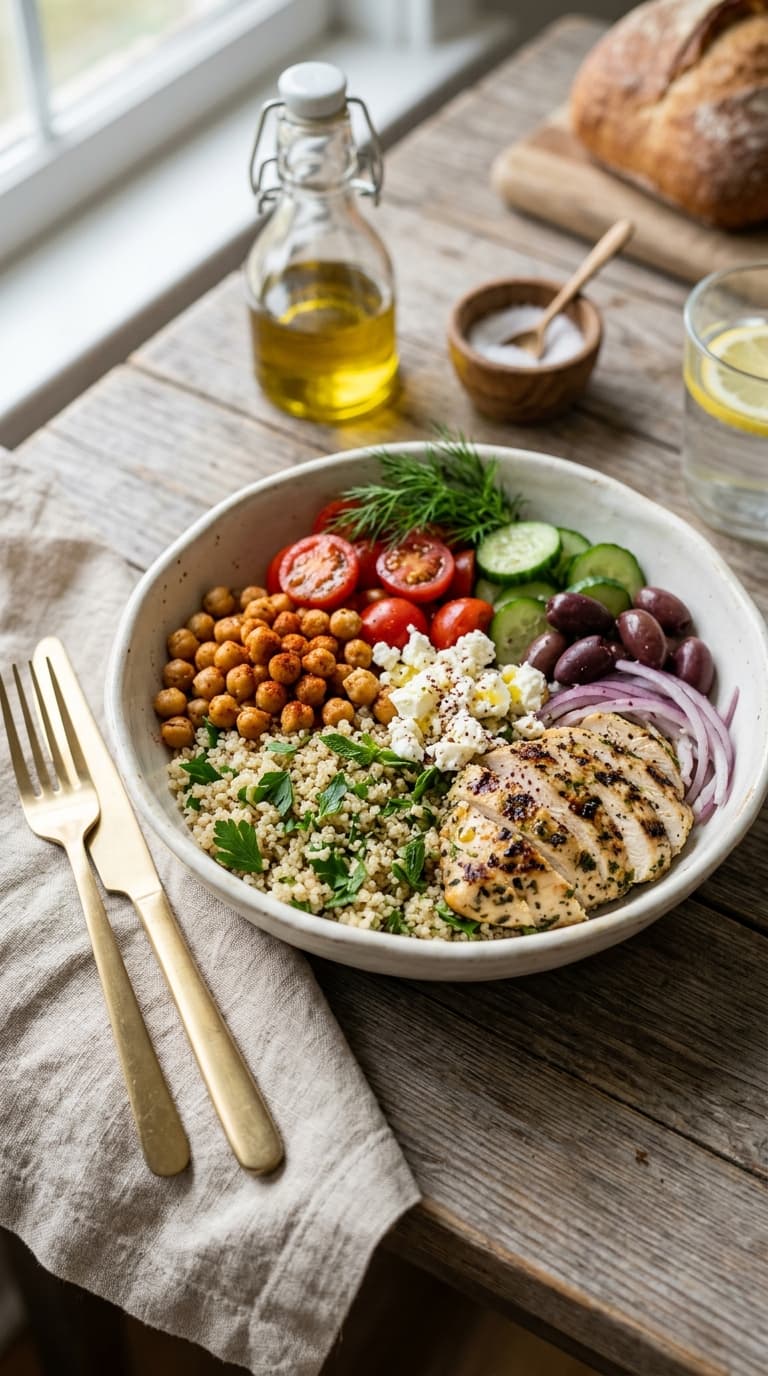
Lunch: Quinoa bowl with roasted vegetables (bell peppers, zucchini, eggplant), chickpeas, and tahini dressing.
Dinner: White bean and kale soup with crusty whole grain bread. This one is deeply satisfying and incredibly anti-inflammatory.
Snack: A small pear with a tablespoon of natural peanut butter.
Day 5 — Keep the Momentum Going
Breakfast: Chia seed pudding made the night before with coconut milk, topped with mixed berries and a sprinkle of cinnamon.
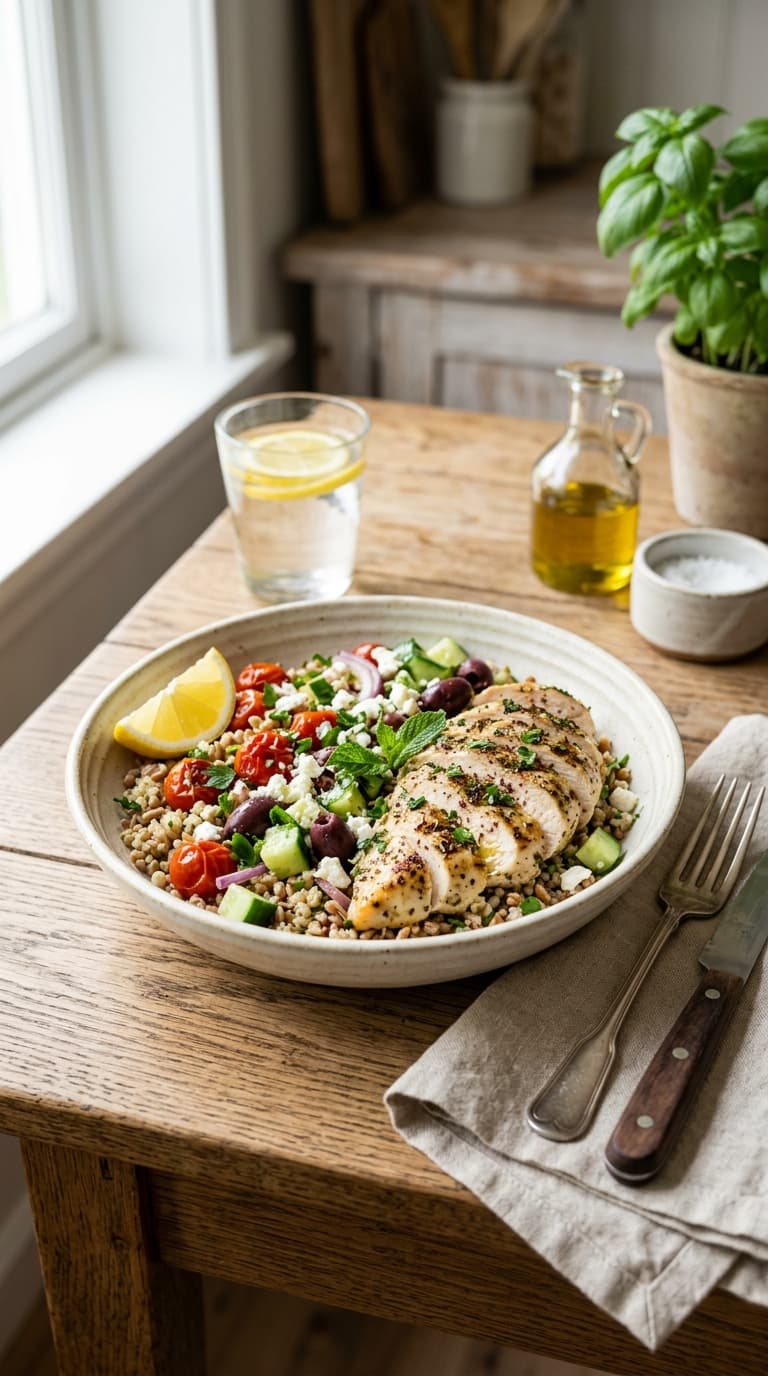
Lunch: Greek-style grain bowl — farro base, grilled chicken, roasted tomatoes, olives, cucumbers, and a squeeze of lemon.
Dinner: Pan-seared sardines (yes, seriously — they’re phenomenal for PCOS) with a warm lentil and arugula salad dressed in red wine vinegar and olive oil.
Snack: A small handful of pumpkin seeds, which are loaded with zinc — a mineral many women with PCOS are low in.
Day 6 — Weekend Vibes
Breakfast: Whole grain avocado toast topped with a poached egg, cherry tomatoes, and a pinch of red pepper flakes.
Lunch: Large Greek salad with tuna, olives, capers, and plenty of olive oil. Eat it slowly and actually enjoy your weekend. 🙂
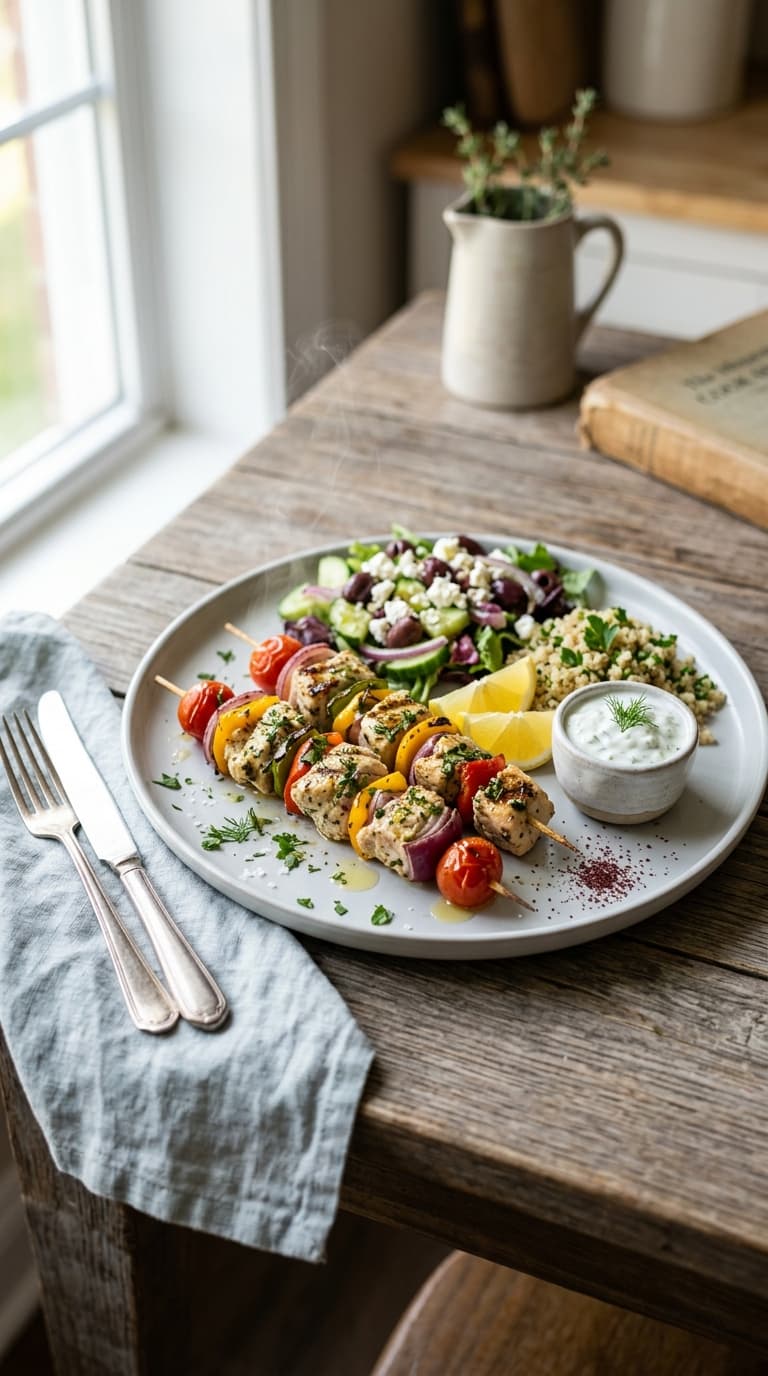
Dinner: Grilled chicken thighs marinated in lemon, garlic, and herbs, served with roasted root vegetables and a green salad.
Snack: A small bowl of mixed berries with a dollop of unsweetened Greek yogurt.
Day 7 — Finish Strong
Breakfast: Vegetable frittata with onions, bell peppers, spinach, and goat cheese. Make a big one and save some for Monday morning — future you will be grateful.
Lunch: Warm chickpea salad with roasted cherry tomatoes, cucumber, fresh herbs, and a lemony olive oil dressing.
Dinner: Baked mackerel with herbed bulgur wheat and steamed green beans. End your week on a high note — this one is genuinely delicious.
Snack: Dark chocolate (70% or higher) with a few walnuts. FYI, dark chocolate in moderation actually supports antioxidant intake. You’re welcome.
Key Nutrients to Prioritize for PCOS
The Mediterranean diet naturally delivers most of what PCOS needs, but here are the standout nutrients you should consciously make sure you’re getting enough of:
Omega-3 Fatty Acids
Found in salmon, sardines, walnuts, and flaxseeds. Omega-3s reduce androgen levels and inflammation — both major drivers of PCOS symptoms. Research consistently shows omega-3 supplementation benefits women with PCOS, so eating these foods regularly is a smart move.
Magnesium
Leafy greens, almonds, pumpkin seeds, and dark chocolate all deliver magnesium. Many women with PCOS are deficient in it, and magnesium plays a key role in insulin sensitivity and blood sugar regulation.
Zinc
Pumpkin seeds, chickpeas, and lentils are solid sources. Zinc helps regulate testosterone levels — which matters a lot when you’re dealing with PCOS-related androgen excess.
Fiber
Aim for at least 25–30g per day. Fiber slows glucose absorption, feeds beneficial gut bacteria, and helps with the estrogen detoxification your liver does constantly. Legumes, whole grains, vegetables, and fruits are your best fiber sources on this plan.
Tips to Make This Plan Actually Work
Meal planning sounds great in theory, right? But the real world is messier than a Pinterest board. Here’s how to make this sustainable:
- Batch cook on Sundays. Make a big pot of lentils or quinoa that you can use across multiple meals.
- Keep your pantry stocked. Canned chickpeas, good olive oil, canned sardines, and whole grain pasta save you on busy weeknights.
- Don’t aim for perfection. If you eat a slice of birthday cake on Day 4, the world won’t end. Just get back on track the next meal.
- Prep snacks in advance. Pre-portion nuts and cut your vegetables ahead of time so you’re not reaching for chips when hunger hits at 3pm.
- Drink plenty of water. Hydration affects everything — including hormone production and energy levels.
How Long Before You Notice a Difference?
Great question. Most women start noticing changes in their energy levels and digestion within one to two weeks. Hormonal shifts take longer — think two to three menstrual cycles before you see meaningful changes in cycle regularity or androgen-related symptoms like acne.
Consistency matters more than perfection here. Eating well 80% of the time and moving your body regularly will get you further than any crash diet ever could. :/
The Mediterranean diet isn’t a quick fix — but it’s one of the few dietary approaches backed by actual clinical evidence for PCOS management. That makes it worth sticking with.
A Few Lifestyle Upgrades That Complement This Plan
Food is a huge piece of the puzzle, but it works best alongside a few other habits:
- Regular movement — even 30 minutes of walking daily improves insulin sensitivity significantly
- Quality sleep — poor sleep spikes cortisol, which worsens insulin resistance
- Stress management — chronic stress disrupts your entire hormonal axis, not just cortisol
- Limiting plastics — endocrine disruptors in plastic containers and packaging can interfere with hormone balance
None of this is groundbreaking advice, but it’s the kind of stuff that actually makes a difference when you do it consistently.
Wrapping It All Up
Managing PCOS through diet isn’t about following some impossibly rigid protocol. It’s about consistently giving your body the anti-inflammatory, blood sugar-stabilizing, hormone-supporting nutrients it needs — and the Mediterranean diet does that beautifully without making you feel deprived.
This 7-day plan gives you a solid framework to start with. You can mix, match, repeat meals you love, and swap in seasonal produce as it becomes available. The goal isn’t to follow this plan robotically — it’s to shift the way you eat overall.
Your hormones didn’t get out of balance overnight, and they won’t rebalance in a week. But every nutrient-dense meal you eat is a step in the right direction. Start with Day 1, be consistent, and give your body the time it needs to respond.
You’ve got this — and honestly, with food this good, it’s not even that hard.