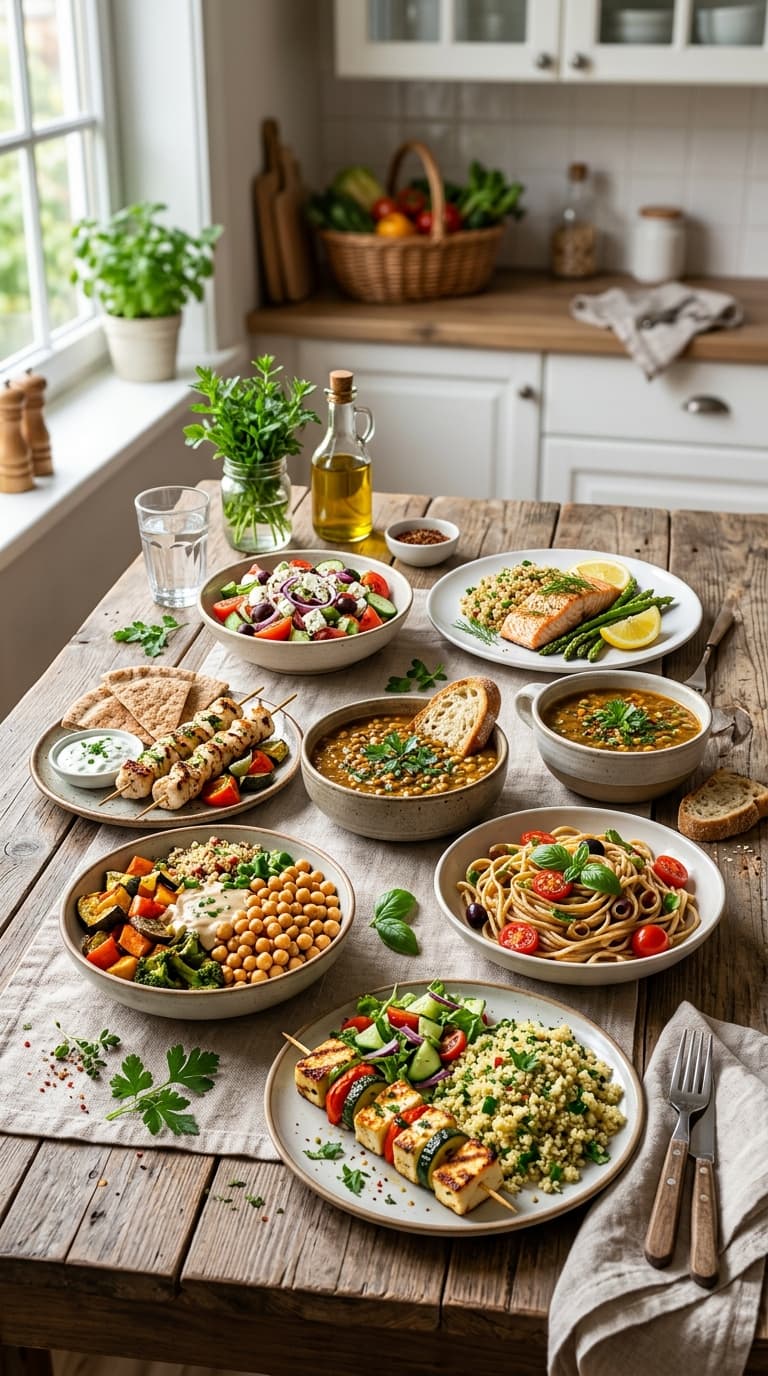
7-Day Mediterranean Meal Plan for Heart Health (Cardiologist-Recommended!)
7-Day Mediterranean Meal Plan for Heart Health (Cardiologist-Recommended!)

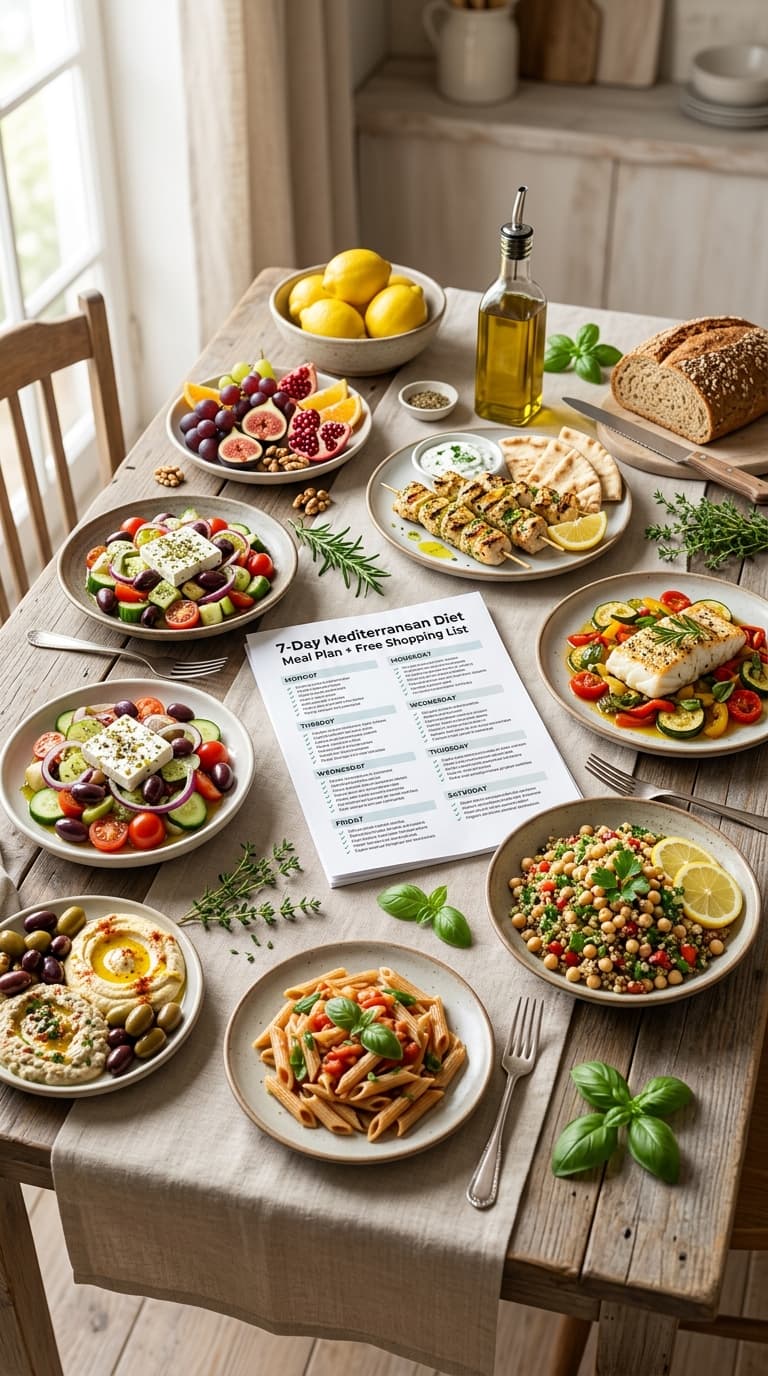
Let’s be honest — most “heart-healthy diet plans” sound about as exciting as reading the back of a cereal box. But the Mediterranean diet? That’s a whole different story. Cardiologists have been singing its praises for decades, and once you actually taste the food, you’ll understand why. We’re talking rich olive oil, colorful veggies, fresh fish, and yes — even a glass of red wine. Not bad for a diet your doctor actually recommends, right?
I stumbled onto the Mediterranean way of eating a few years back after my dad’s cardiologist handed him a pamphlet and basically said, “Eat like you live in Greece.” What followed was a genuinely delicious transformation in our household — and I haven’t looked back since.
Why Cardiologists Actually Love This Diet
The Mediterranean diet isn’t just a trendy buzzword. Decades of research back it up as one of the most heart-protective eating patterns on the planet. The landmark PREDIMED study showed that people following this diet had a significantly lower risk of heart attack and stroke compared to those on a low-fat diet.
So what makes it work? It comes down to a few key things:
- Healthy fats from olive oil and nuts that reduce LDL (“bad”) cholesterol
- Omega-3 fatty acids from fish that lower inflammation and triglycerides
- Fiber-rich legumes and whole grains that keep blood pressure in check
- Antioxidants from fruits, vegetables, and herbs that protect arterial walls
- Minimal processed foods and refined sugars that typically wreck cardiovascular health
The beauty of this plan is that your heart gets healthier while you’re genuinely enjoying what’s on your plate. IMO, that’s the only diet worth sticking to long-term.
The Core Principles Before You Start
Before jumping into the actual meal plan, let me give you the foundation. You don’t need to count calories obsessively or weigh your spinach. The Mediterranean diet works on a pattern — a lifestyle, really.
Here’s what you prioritize:
- Vegetables, fruits, whole grains, legumes, nuts, and seeds — eat these daily and generously
- Extra virgin olive oil as your primary cooking fat
- Fish and seafood — aim for at least twice a week
- Moderate amounts of poultry, eggs, and dairy
- Red meat only occasionally (we’re talking once or twice a month)
- Herbs and spices over salt for flavoring
What you limit or cut entirely are ultra-processed snacks, sugary drinks, trans fats, and anything that comes in a bag with more than ten ingredients you can’t pronounce. Simple enough?
Your 7-Day Mediterranean Meal Plan
Let’s get into the actual plan. Each day gives you breakfast, lunch, dinner, and a snack. Nothing on this list requires a culinary degree — promise.
Day 1: A Bright Start
Breakfast: Greek yogurt topped with fresh berries, a drizzle of honey, and a handful of walnuts. This combo gives you protein, probiotics, and omega-3s before 9 AM.
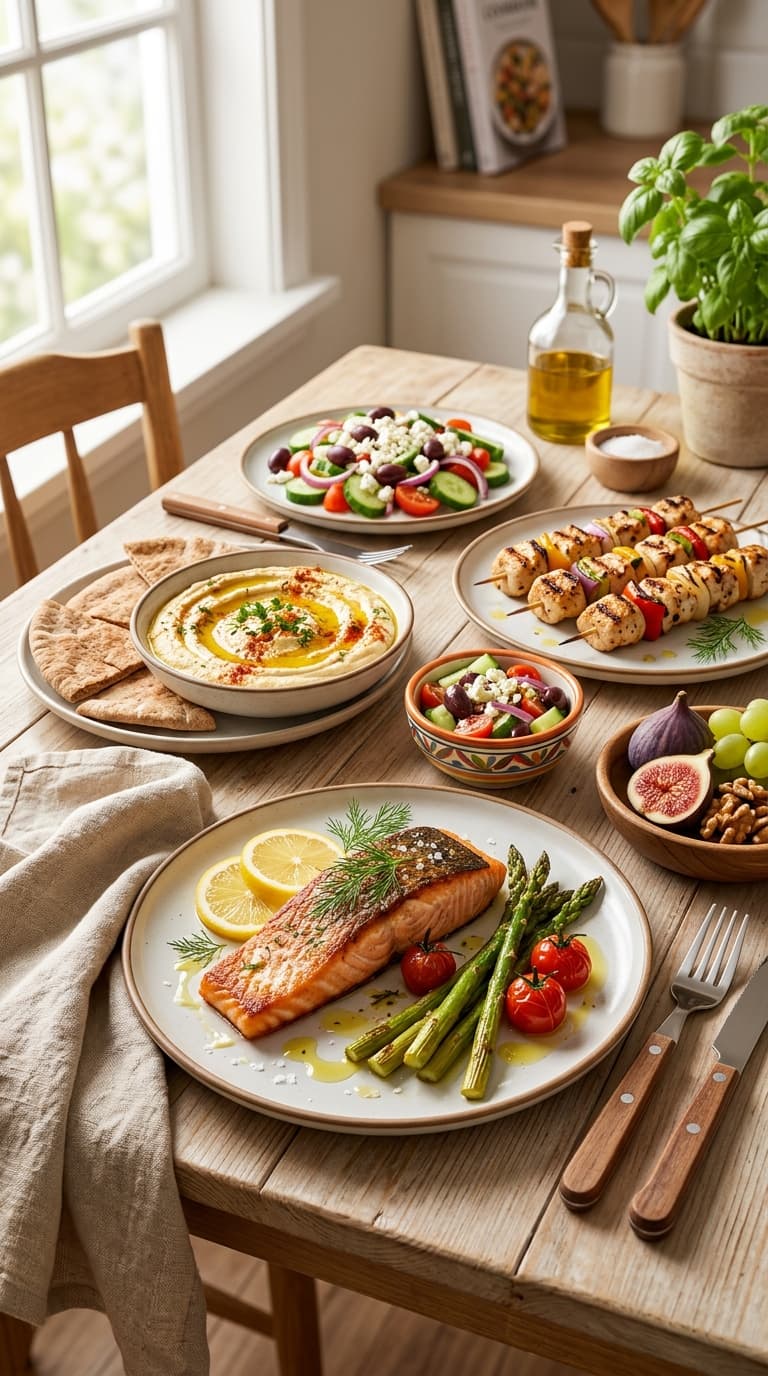
Lunch: Big Greek salad with romaine, cucumbers, cherry tomatoes, Kalamata olives, red onion, and crumbled feta, dressed with olive oil and lemon juice.
Snack: A small handful of almonds and an orange.
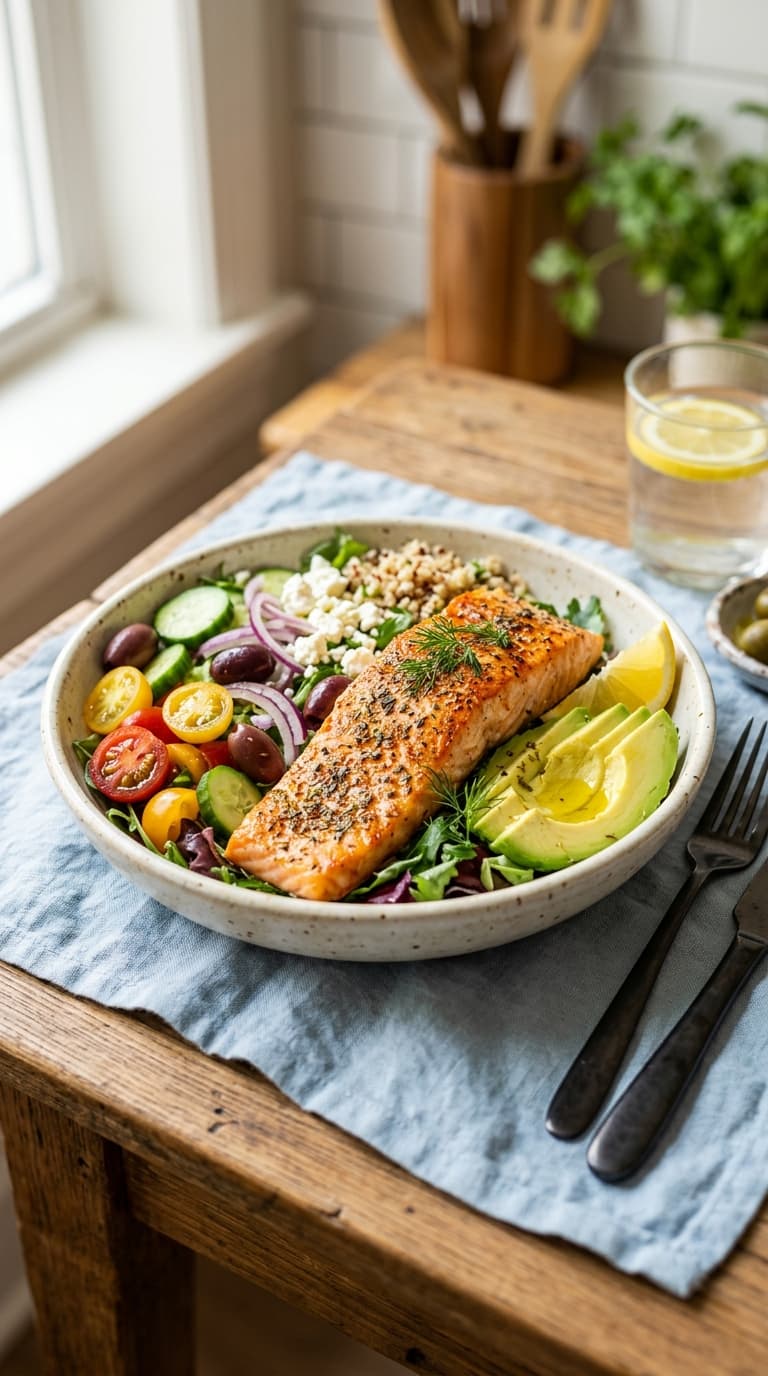
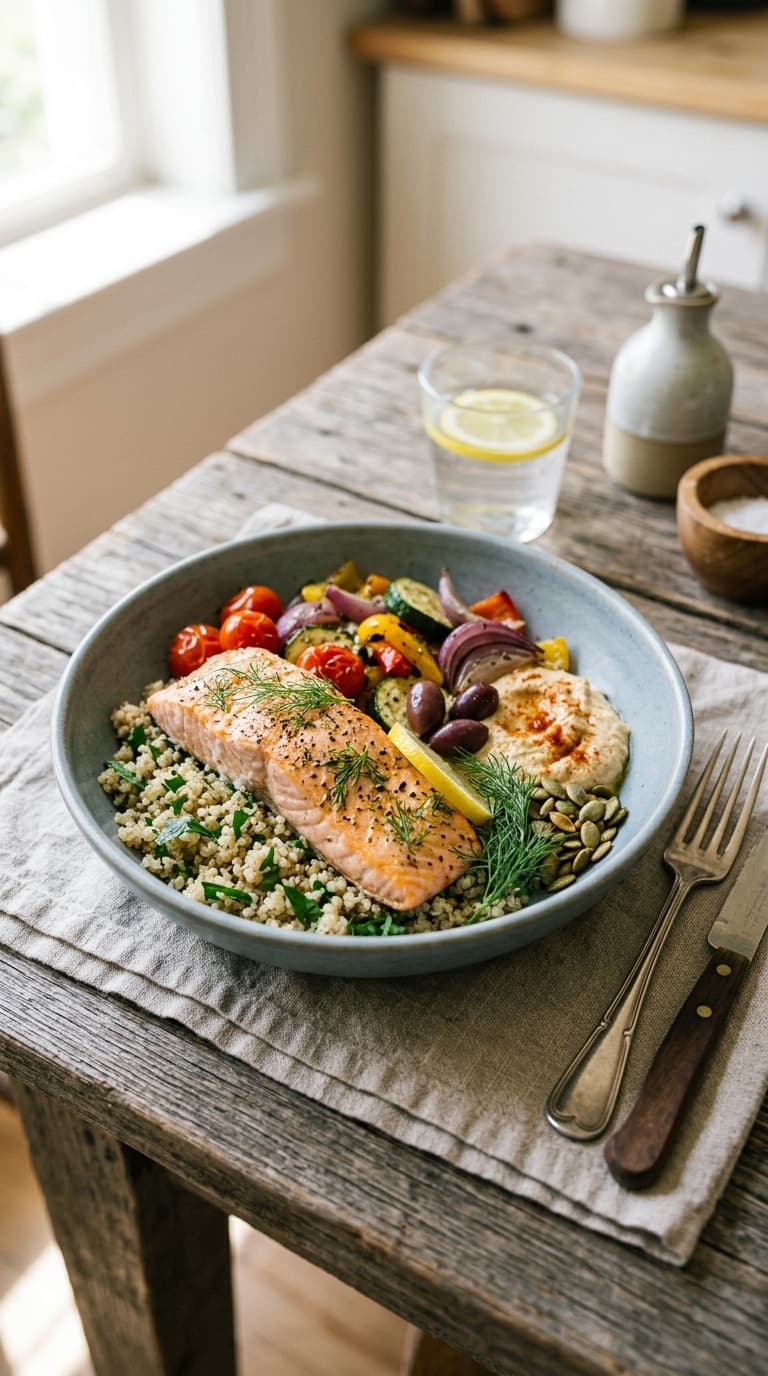
Dinner: Baked salmon fillet with roasted asparagus and a side of quinoa cooked in low-sodium vegetable broth. Salmon is one of the best things you can feed your heart — the omega-3s in it actively reduce inflammation throughout your cardiovascular system.
Day 2: Legume Power
Breakfast: Whole grain toast with mashed avocado, a sprinkle of za’atar, and two poached eggs.
Lunch: Lentil soup — the kind your Mediterranean grandmother would make, thick with carrots, celery, garlic, cumin, and a squeeze of lemon. Lentils are an absolute powerhouse for heart health, and they’re incredibly affordable. Win-win.
Snack: Hummus with sliced bell peppers and cucumber sticks.
Dinner: Grilled sea bass with a tomato-olive tapenade, roasted zucchini, and a small bowl of farro. Farro is an ancient grain that provides significantly more fiber and protein than white rice — swap it in whenever you can.
Day 3: Mediterranean Classics
Breakfast: Overnight oats made with almond milk, chia seeds, sliced banana, and a spoonful of almond butter. Prep this the night before and your morning self will thank you.
Lunch: Whole grain pita stuffed with falafel, tahini sauce, shredded cabbage, and roasted red peppers.
Snack: A small bunch of grapes and a few walnuts.
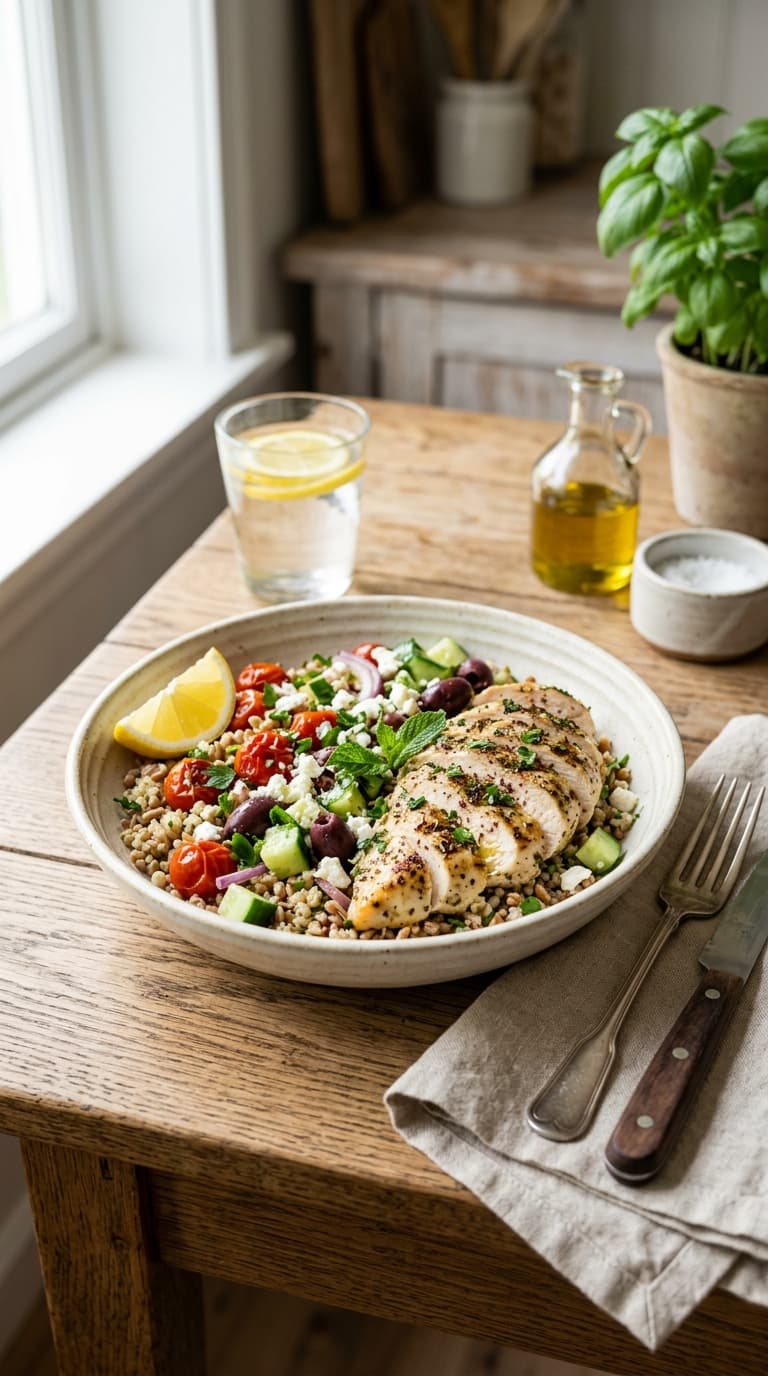
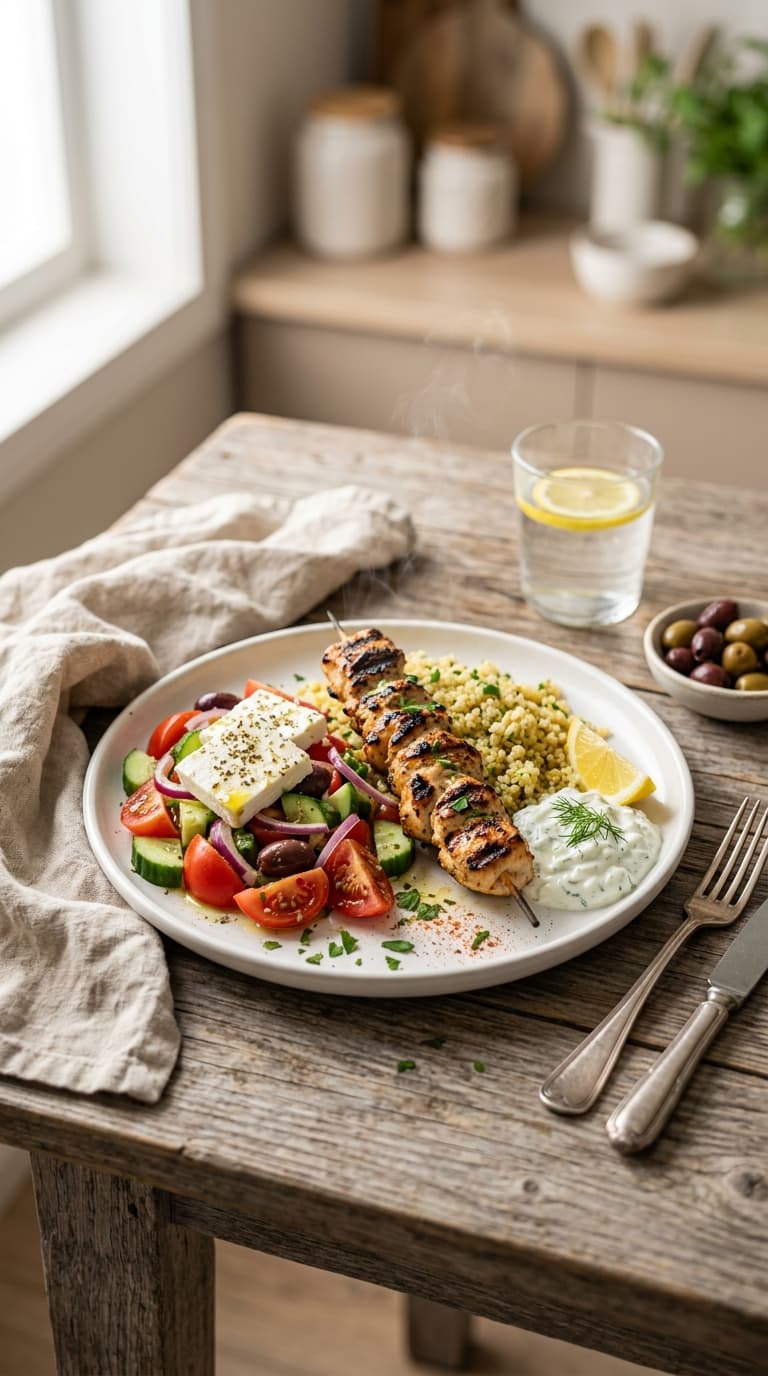
Dinner: Chicken souvlaki (marinated in olive oil, lemon, garlic, and oregano) with a side of tabbouleh. Tabbouleh — that gorgeous parsley-and-bulgur salad — is absolutely loaded with vitamins C and K, which support vascular health. It’s one of my personal favorites on this entire plan 🙂
Day 4: Fish Friday (On a Wednesday)
Breakfast: Vegetable frittata with spinach, sun-dried tomatoes, and goat cheese. Make a bigger batch — this reheats beautifully for the next morning.
Lunch: Mediterranean tuna salad over mixed greens with capers, celery, olive oil, and lemon. Skip the mayonnaise — you genuinely won’t miss it once you try this version.
Snack: A pear with a small square of dark chocolate (70% cacao or higher). Yes, dark chocolate counts. Flavonoids in dark chocolate help lower blood pressure and improve arterial function — so enjoy it guilt-free.
Dinner: Shrimp sautéed in garlic and olive oil over whole wheat linguine with cherry tomatoes, basil, and a hit of chili flakes. Quick, delicious, heart-smart. What more do you need?
Day 5: Plant-Forward Focus
Breakfast: Smoothie bowl with blended frozen berries, spinach, banana, and almond milk, topped with granola, flaxseeds, and fresh strawberries.
Lunch: Roasted vegetable and chickpea bowl with tahini dressing, served over brown rice. Chickpeas are one of the most underrated heart-healthy foods — they actively help reduce LDL cholesterol and are rich in folate, which protects against arterial damage.
Snack: A small bowl of mixed olives. Yes, olives count as a snack, and they’re perfect for it.
Dinner: Baked cod with a herb crust (parsley, dill, garlic, lemon zest), roasted sweet potato wedges, and steamed broccoli. Simple, clean, and genuinely satisfying.
Day 6: Slow Down and Savor
Breakfast: Whole grain pancakes made with almond flour and oat flour, topped with fresh figs and a light drizzle of honey.
Lunch: Classic Minestrone soup packed with cannellini beans, seasonal vegetables, and whole grain pasta. This is exactly the kind of meal that feels like a warm hug — and your arteries love every spoonful of it.
Snack: Apple slices with almond butter.
Dinner: Lamb and vegetable stew with tomatoes, chickpeas, cinnamon, and cumin served over couscous. Now, I know lamb isn’t exactly a weekly staple for everyone, but in the traditional Mediterranean diet, it appears occasionally — and when it’s cooked like this, it’s absolutely worth it. Use lean cuts and keep portions moderate.
Day 7: End Strong
Breakfast: Shakshuka — eggs poached in a spiced tomato and pepper sauce, served with whole grain bread for dipping. If you’ve never made shakshuka, this is your weekend project. FYI, it’s also spectacular for dinner.
Lunch: Niçoise-inspired salad with tuna, hard-boiled eggs, green beans, olives, tomatoes, and a Dijon-lemon vinaigrette over mixed greens.
Snack: A handful of pistachios and a clementine.
Dinner: Grilled sardines with lemon and herbs, a big Greek-style roasted cauliflower, and whole grain bread to round it out. Sardines are among the richest sources of omega-3 fatty acids available, and they’re sustainable and affordable. Don’t knock them until you’ve tried them properly seasoned :/
Heart-Healthy Swaps to Keep in Mind
You don’t need to overhaul your entire pantry in one shot. Start with these simple substitutions and build from there:
- Instead of butter → use extra virgin olive oil
- Instead of white rice → use farro, bulgur, or quinoa
- Instead of table salt → use herbs, lemon juice, garlic, and spices
- Instead of sugary desserts → try fresh fruit with honey and Greek yogurt
- Instead of processed snacks → go for nuts, olives, or hummus with vegetables
- Instead of red meat every night → plan two fish nights and one plant-based night per week
These aren’t sacrifices — they’re upgrades. And once your taste buds adjust (which happens faster than you think), you’ll actually crave the cleaner options.
What Cardiologists Say You Should Avoid
Even within a Mediterranean-style eating pattern, a few things can undermine your heart health if you’re not paying attention.
Watch out for:
- Excess sodium — even “healthy” canned goods can be sodium bombs. Always rinse canned beans and choose low-sodium versions where available
- Too much saturated fat — even olive oil should be used in reasonable amounts; don’t drown everything in it
- Alcohol beyond moderation — one glass of red wine with dinner is fine; half a bottle is not a Mediterranean tradition, regardless of what you’ve heard
- Ultra-processed “Mediterranean” products — store-bought hummus with 15 additives and bottled dressings loaded with seed oils don’t count
The real Mediterranean diet is built around whole, minimally processed foods. The closer your ingredients are to their natural form, the better your heart will respond.
Making This Lifestyle Stick
Here’s the thing — a 7-day meal plan is a fantastic starting point, but the Mediterranean diet works because it’s sustainable over the long term. You’re not white-knuckling through restrictions. You’re genuinely eating well.
A few tips to help you stay consistent:
- Meal prep on Sundays — cook a big batch of grains, roast vegetables, and prep snacks so weekday decisions are easier
- Keep your pantry stocked with olive oil, canned tomatoes, legumes, whole grains, and dried herbs at all times
- Eat with others when you can — the Mediterranean lifestyle emphasizes shared meals, and that social element genuinely supports overall wellbeing
- Don’t stress about perfection — one off-meal doesn’t derail your heart health. Consistency over weeks and months is what matters
Your heart doesn’t need a perfect day. It needs a pattern it can rely on.
The Bottom Line
The 7-day Mediterranean meal plan for heart health isn’t about restriction — it’s about abundance. More color on your plate, more flavor in your food, and more of the nutrients your cardiovascular system actually needs to thrive. Cardiologists recommend it not because it’s a trend, but because the evidence supporting it is overwhelming and consistent.
Start with Day 1. Don’t overthink it. Grab some good olive oil, pick up fresh fish and vegetables, and cook one meal at a time. Your heart will notice the difference — and honestly, so will your taste buds. Ready to eat like you actually care about yourself? Because you absolutely should.