7-Day DASH Diet Meal Plan With Sodium Counts (Heart-Healthy!)
7-Day DASH Diet Meal Plan With Sodium Counts (Heart-Healthy!)
Let’s be real — most “heart-healthy” meal plans read like a punishment. Bland food, confusing rules, and enough restrictions to make you wonder if eating is even worth it anymore. The DASH Diet is different, and I say that as someone who was genuinely skeptical the first time I heard about it. Spoiler: I was wrong, and my blood pressure numbers were very happy about that.
What Even Is the DASH Diet?
DASH stands for Dietary Approaches to Stop Hypertension. It’s not a fad, it’s not a celebrity trend, and no one’s trying to sell you a $90 supplement alongside it. The DASH diet was developed by actual researchers who wanted a practical, food-based way to lower blood pressure — and it works.
The core idea is simple: eat more fruits, vegetables, whole grains, and lean proteins while cutting sodium way down. The standard DASH goal is 2,300mg of sodium per day, with an enhanced version targeting 1,500mg for those who need more aggressive results.
Here’s what you’re working with nutritionally each day:
- Grains: 6–8 servings
- Vegetables: 4–5 servings
- Fruits: 4–5 servings
- Low-fat dairy: 2–3 servings
- Lean meats/fish/poultry: 6 or fewer oz
- Nuts, seeds, legumes: 4–5 servings per week
- Fats and oils: 2–3 servings
- Sweets: 5 or fewer per week
Not as scary as you thought, right?
Why Sodium Counts Actually Matter
You might be thinking — “I don’t add salt to anything, so I’m probably fine.” Ha. If only it were that simple :/
Processed foods, canned goods, restaurant meals, and even bread contain hidden sodium that sneaks past most people’s radar. A single can of soup can blow through 800–1,000mg of your daily budget before you’ve even sat down for lunch. Tracking sodium isn’t about obsessing over numbers — it’s about being aware of what’s actually going into your body.
When you consistently stay under 2,300mg, your blood vessels get a break. Less pressure means less strain on your heart. Over time, that adds up to real, measurable health benefits — lower blood pressure, reduced risk of stroke, and better overall cardiovascular health.
The 7-Day DASH Diet Meal Plan (With Sodium Counts)
Alright, here’s the part you actually came for. Each day stays at or under 2,300mg of sodium. I’ve kept the meals realistic — no exotic ingredients that require a specialty store and a second mortgage.
Day 1 — Getting Started Strong
Breakfast: Oatmeal with banana and a drizzle of honey + 1 cup low-fat milk
- Sodium: ~120mg
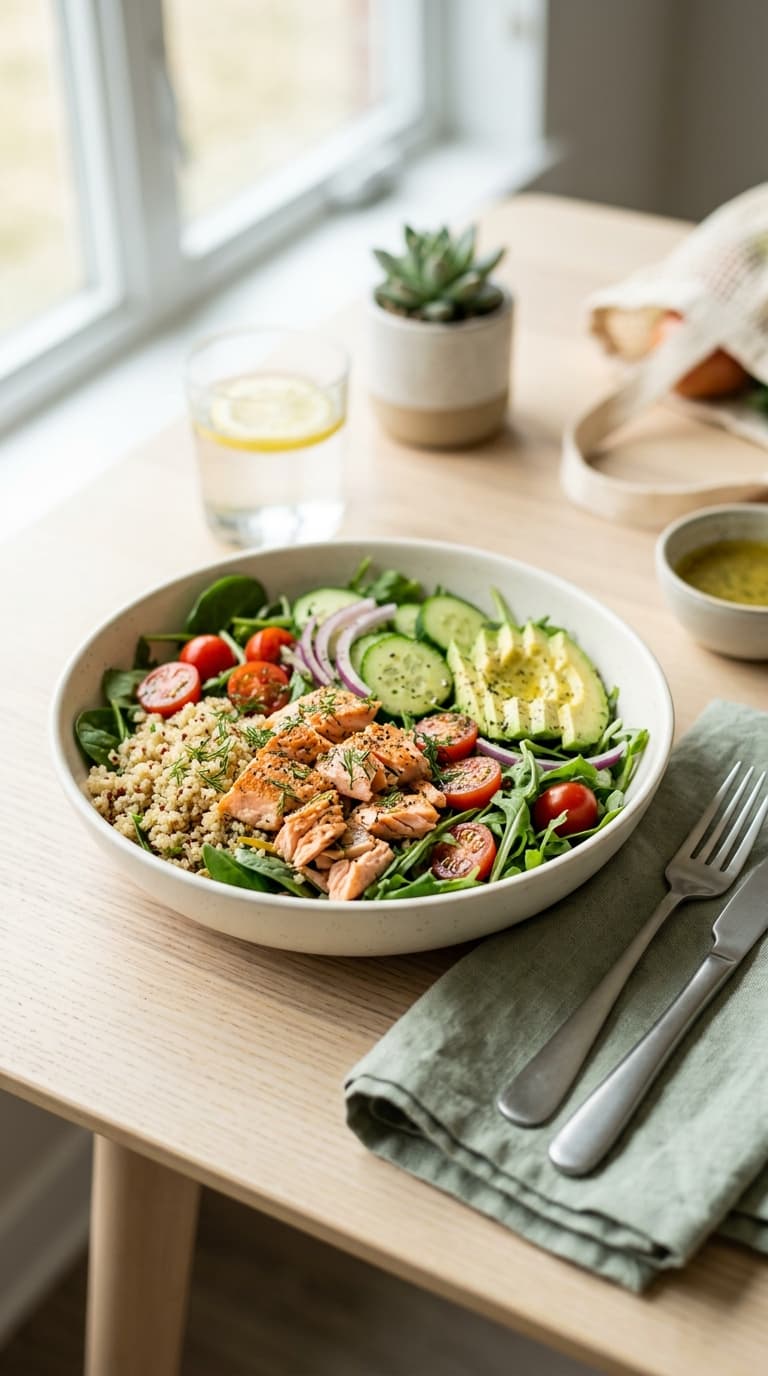
Lunch: Grilled chicken salad with olive oil and lemon dressing, mixed greens, cherry tomatoes, cucumbers
- Sodium: ~280mg
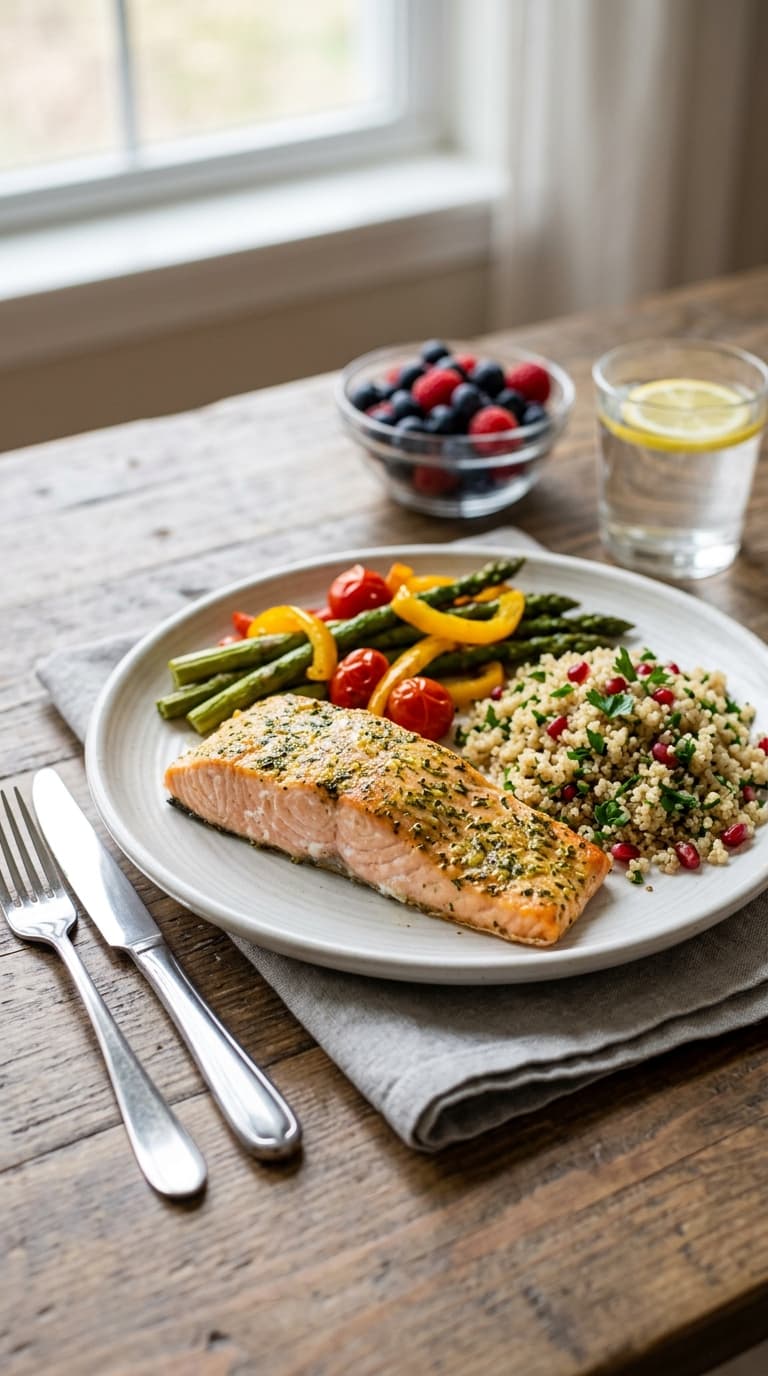
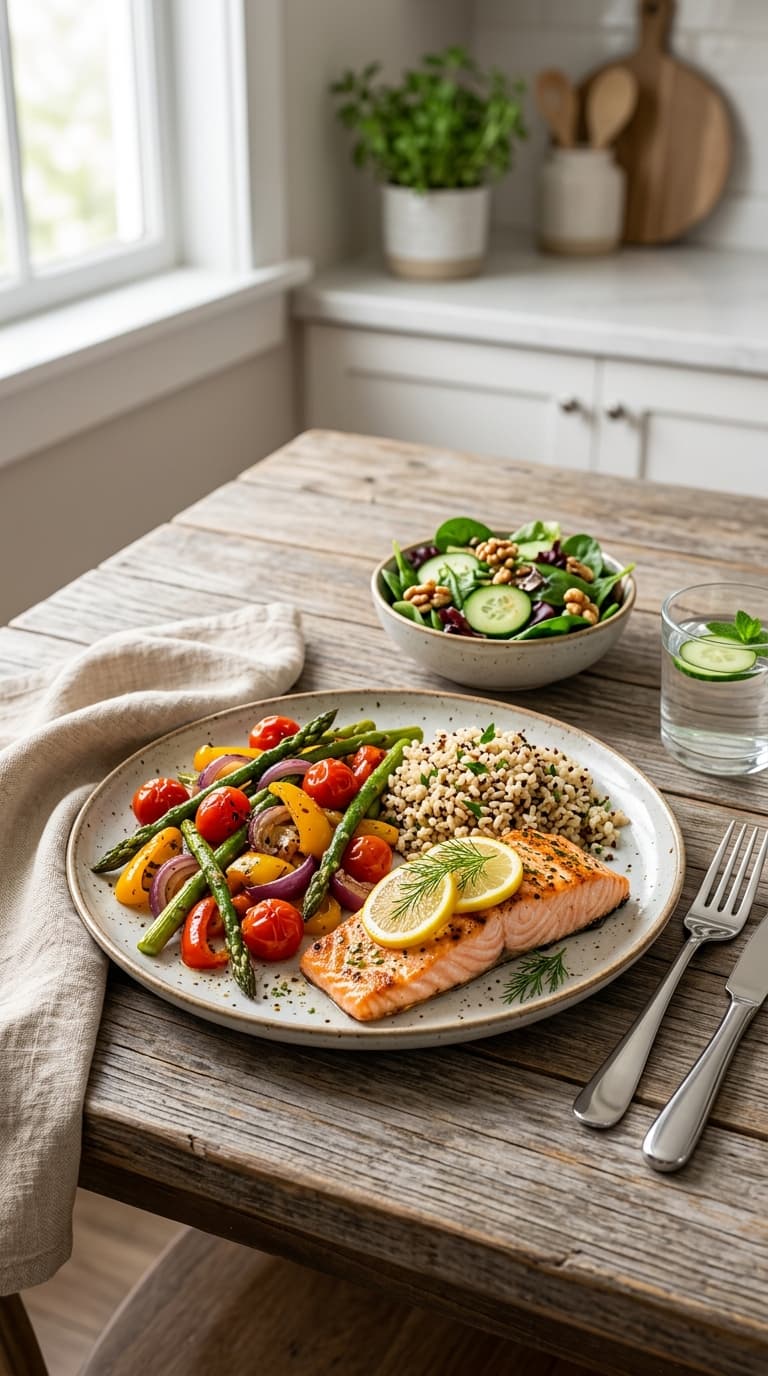
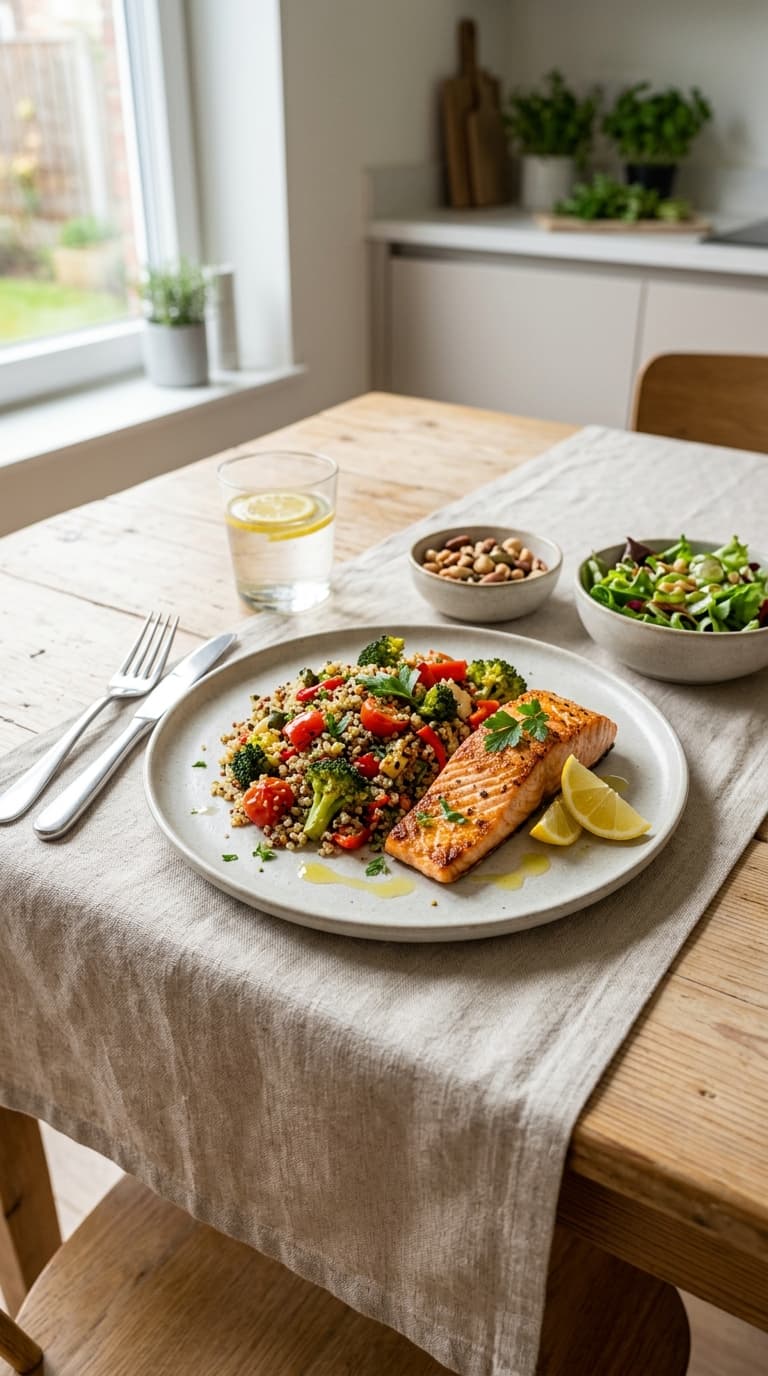
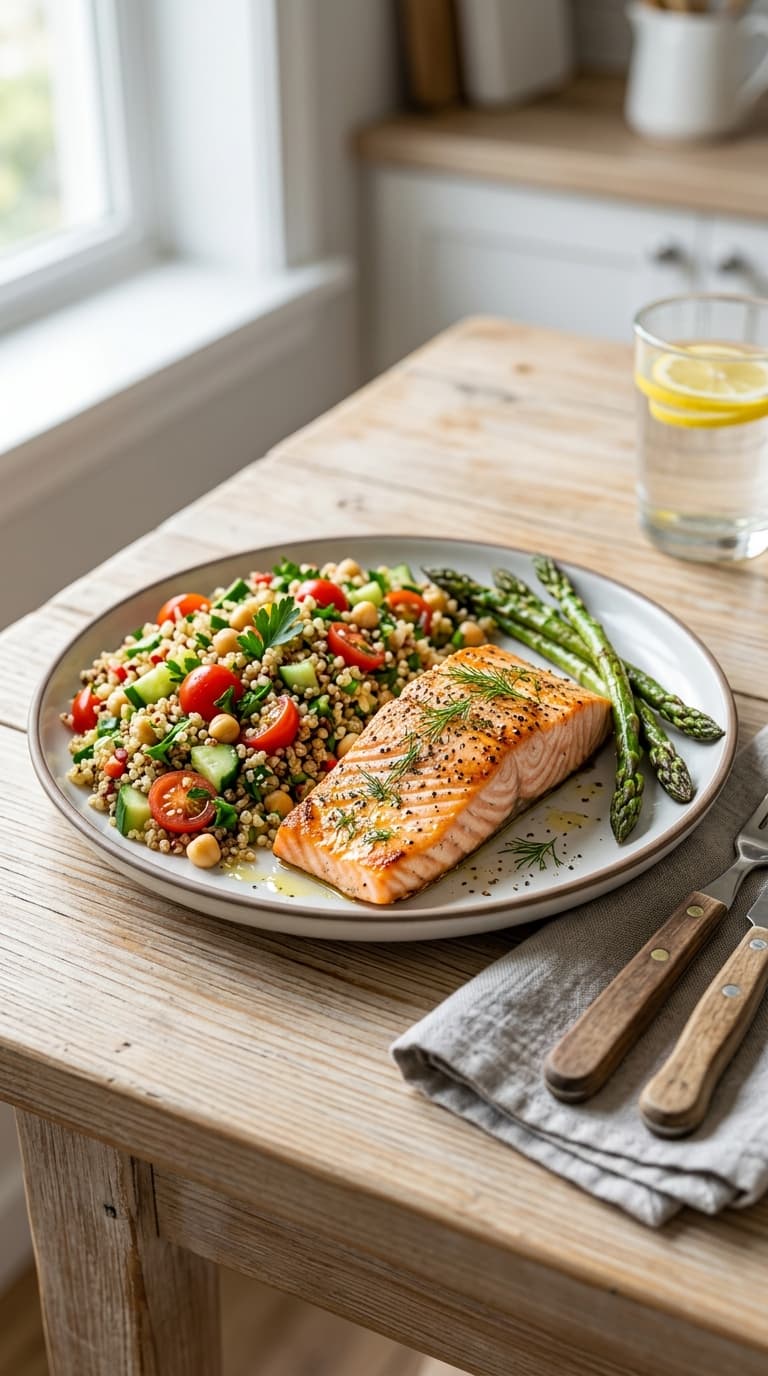
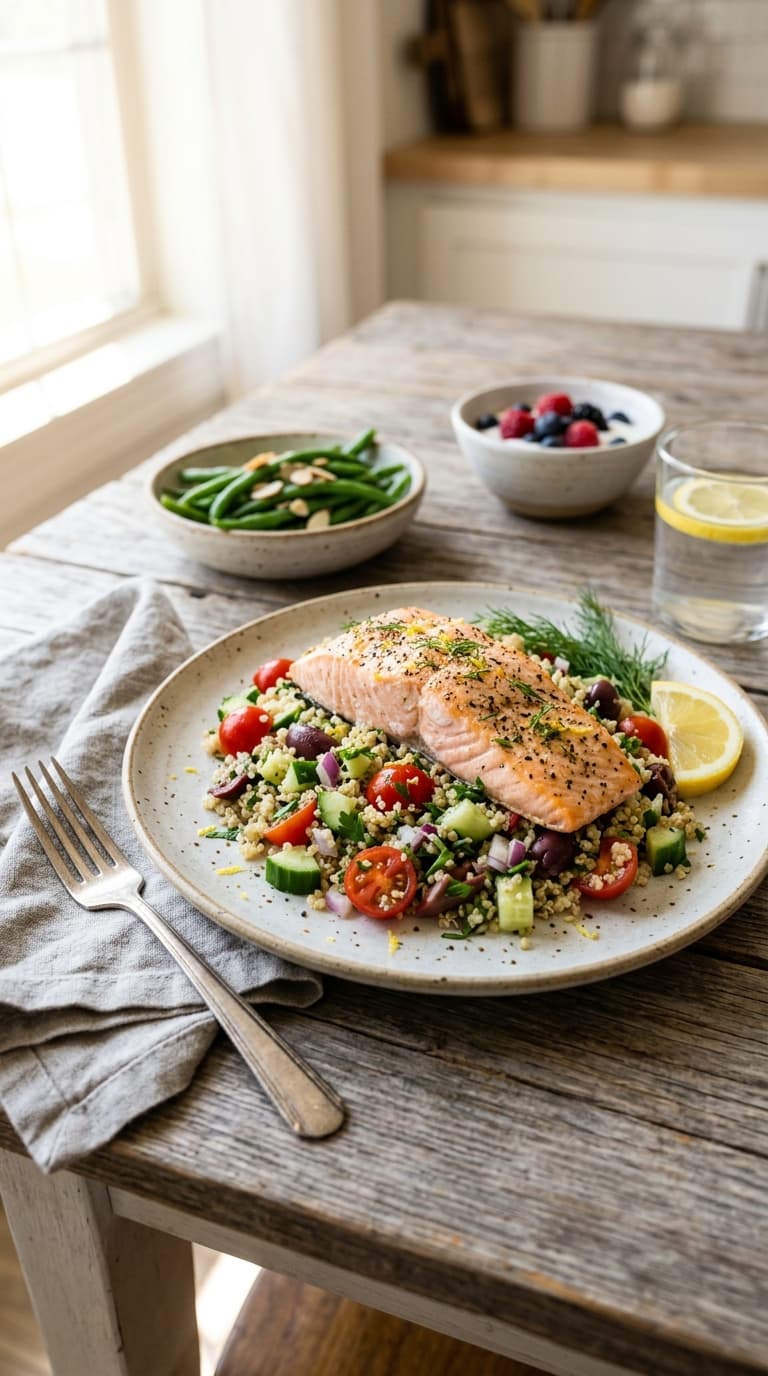
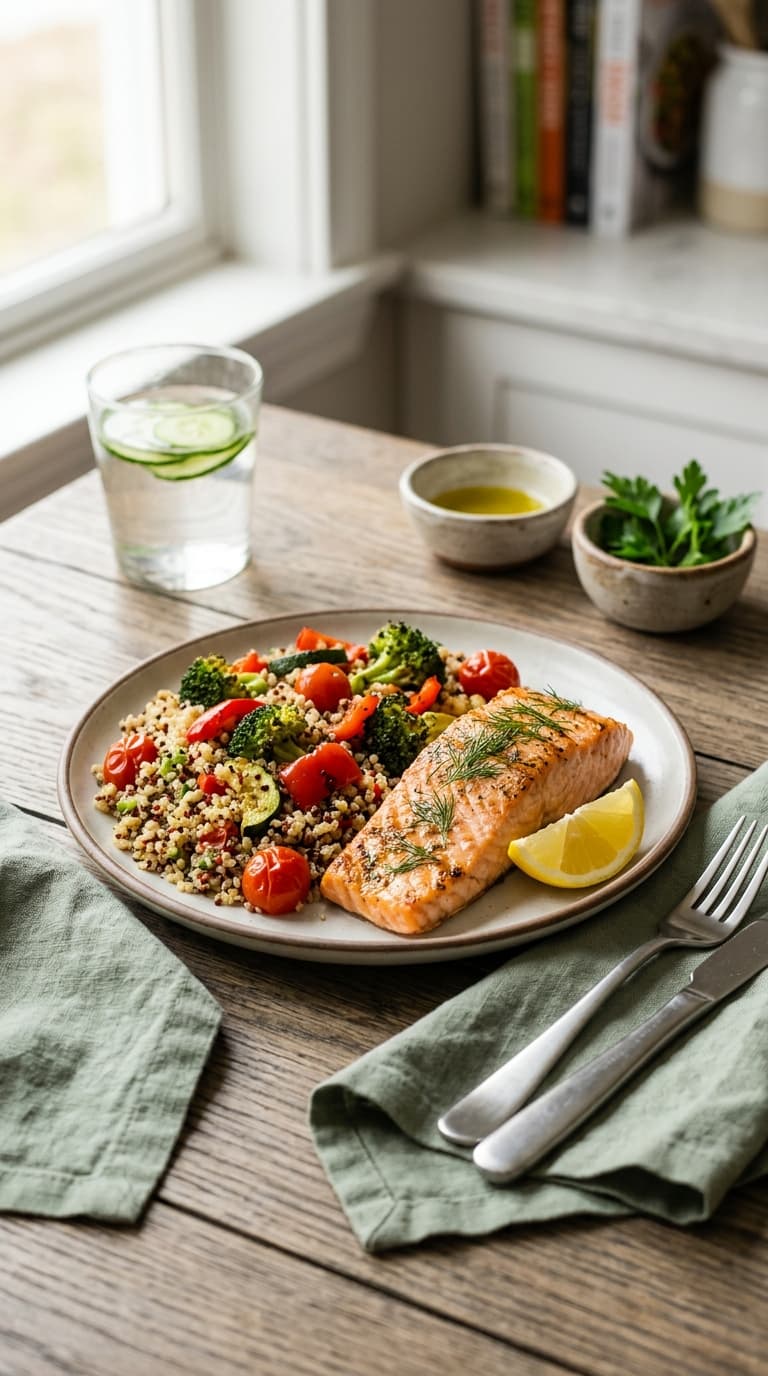
Dinner: Baked salmon, brown rice, steamed broccoli
- Sodium: ~420mg
Snack: A handful of unsalted almonds + 1 orange
- Sodium: ~5mg
Day 1 Total: ~825mg — well under budget, which leaves you wiggle room if you grab a coffee or seasoned something you didn’t expect.
Day 2 — Keeping the Momentum
Breakfast: Greek yogurt (low-sodium) with fresh berries and a sprinkle of flaxseeds
- Sodium: ~80mg
Lunch: Turkey and avocado wrap in a whole wheat tortilla, no-salt-added salsa on the side
- Sodium: ~490mg
Dinner: Lentil soup (homemade, so you control the salt), crusty whole grain bread
- Sodium: ~610mg
Snack: Apple slices with natural peanut butter (no added salt)
- Sodium: ~5mg
Day 2 Total: ~1,185mg
Day 3 — Midweek Flavor Boost
Breakfast: Whole grain toast with mashed avocado, sliced tomato, a squeeze of lemon
- Sodium: ~180mg
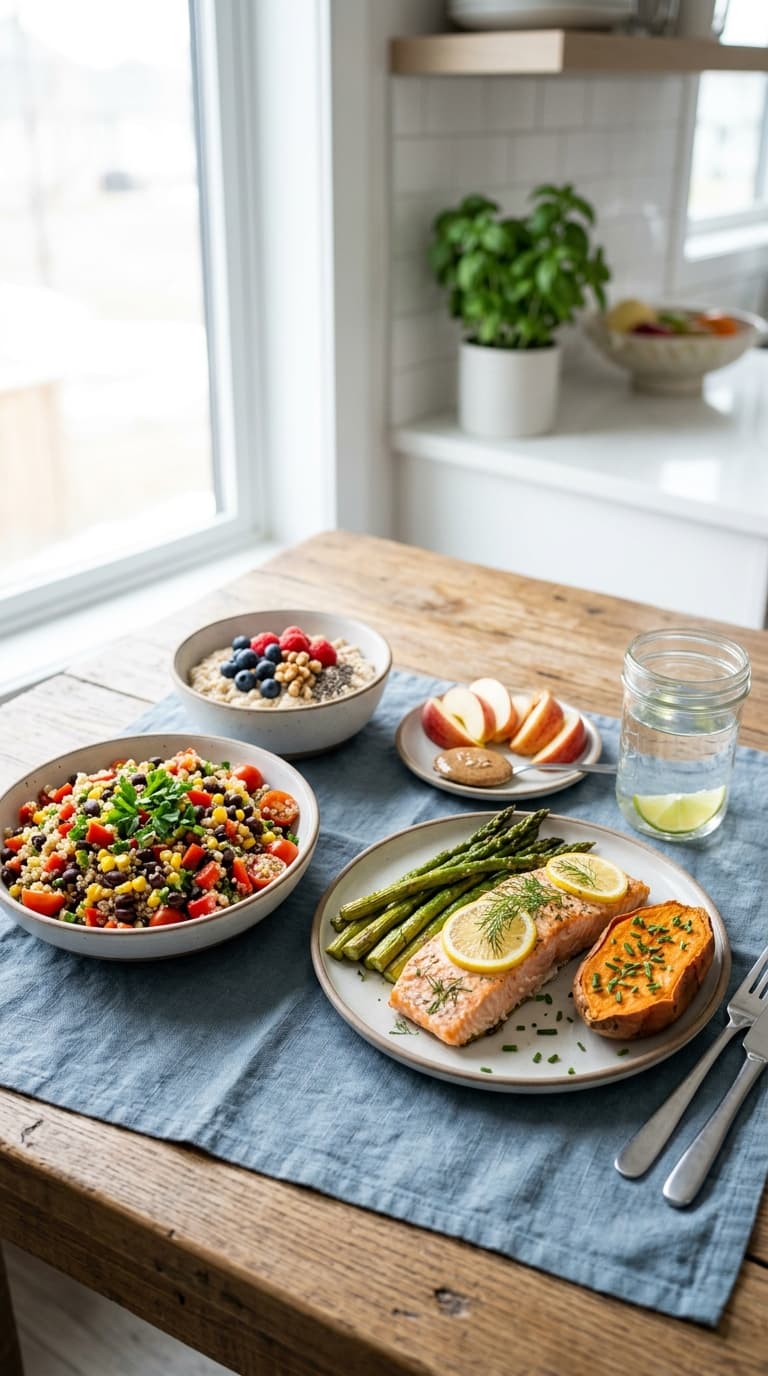
Lunch: Quinoa bowl with black beans, roasted peppers, corn, lime juice, and cumin
- Sodium: ~320mg
Dinner: Herb-baked chicken thighs (skin removed), roasted sweet potatoes, green beans
- Sodium: ~500mg
Snack: A small bunch of grapes + low-fat string cheese (look for low-sodium options)
- Sodium: ~120mg
Day 3 Total: ~1,120mg
Day 4 — The Hump Day Hero
Breakfast: Smoothie — banana, spinach, low-fat milk, frozen berries, chia seeds
- Sodium: ~130mg
Lunch: Homemade vegetable minestrone soup with no-salt-added canned tomatoes
- Sodium: ~540mg
Dinner: Shrimp stir-fry with mixed vegetables, low-sodium soy sauce, brown rice
- Sodium: ~780mg
Snack: Carrot sticks with hummus (look for reduced-sodium hummus)
- Sodium: ~160mg
Day 4 Total: ~1,610mg — still solid, and that stir-fry is genuinely delicious, IMO.
Day 5 — Treat Yourself (The DASH-Approved Way)
Breakfast: Banana pancakes (2 eggs + 1 banana, no flour needed) with fresh strawberries
- Sodium: ~140mg
Lunch: Tuna salad (made with Greek yogurt instead of mayo) on whole grain crackers
- Sodium: ~480mg
Dinner: Beef tenderloin (small portion), roasted asparagus, mashed cauliflower with garlic and olive oil
- Sodium: ~620mg
Snack: Dark chocolate square (yes, really) + a small handful of walnuts
- Sodium: ~10mg
Day 5 Total: ~1,250mg
Day 6 — Weekend Vibes, No Cheat Required
Breakfast: Veggie omelette — 2 eggs, spinach, mushrooms, bell peppers, cooked in olive oil
- Sodium: ~220mg
Lunch: Large salad with chickpeas, cucumber, feta (use sparingly — it’s salty), olive oil and red wine vinegar dressing
- Sodium: ~680mg
Dinner: Grilled tilapia with mango salsa (fresh mango, red onion, cilantro, lime), roasted zucchini
- Sodium: ~350mg
Snack: Frozen banana blended into “nice cream” — zero sodium, maximum satisfaction
- Sodium: ~1mg
Day 6 Total: ~1,251mg
Day 7 — Finish Strong
Breakfast: Whole grain cereal (check labels — aim under 150mg per serving) with low-fat milk and sliced strawberries
- Sodium: ~200mg
Lunch: Chicken and vegetable soup, homemade, with no-salt-added broth
- Sodium: ~380mg
Dinner: Turkey meatballs in no-salt-added marinara, whole wheat spaghetti, side salad
- Sodium: ~720mg
Snack: Pear + a small portion of low-fat cottage cheese
- Sodium: ~190mg
Day 7 Total: ~1,490mg — finishing the week with flying colors 🙂
Sodium-Smart Swaps That Actually Help
One of the biggest game-changers when I started this was learning to swap, not just subtract. You don’t have to eat flavorless food to stay low-sodium — you just have to get creative.
Here are some easy swaps worth making:
- Regular soy sauce → low-sodium soy sauce (saves ~500mg per tablespoon)
- Canned beans → dried or no-salt-added canned (saves ~300–400mg per serving)
- Store-bought broth → homemade or no-salt-added cartons (saves up to 800mg per cup)
- Table salt → herbs, citrus, garlic, spices (saves as much sodium as you were adding)
- Processed deli meats → fresh-cooked sliced turkey or chicken (saves ~600mg per serving)
- Bottled salad dressing → olive oil + lemon or vinegar (saves ~200–400mg per serving)
These aren’t sacrifices — they’re upgrades. Fresh herbs and citrus add flavor that pre-made sauces can’t match.
Reading Labels Without Losing Your Mind
FYI — food labels are your best friend on the DASH diet, but they can be confusing if you don’t know what you’re looking at. Here’s what to focus on:
- Look at the serving size first. That “low sodium” soup might look fine until you realize the can has 2.5 servings.
- “Reduced sodium” doesn’t mean low sodium — it just means less than the original, which was probably excessive.
- Aim for foods with under 140mg per serving for truly low-sodium options.
- “No salt added” is not the same as “sodium-free” — natural sodium still exists in many foods.
Once you get into the habit of checking labels, it takes about 10 seconds and it becomes automatic.
Tips for Sticking With It Beyond Week One
Here’s the honest truth: week one is the hardest, and not because the food is bad. It’s because you’re retraining your taste buds. Your palate adjusts within 2–3 weeks, and food that used to taste normal will start tasting overly salty. Stick with it.
A few things that genuinely helped me stay consistent:
- Batch cook grains and proteins on Sunday so weekday meals take 10 minutes to assemble
- Keep fruit visible and accessible — if the bowl’s on the counter, you’ll grab it instead of reaching for something processed
- Season aggressively with non-sodium flavor builders — garlic, smoked paprika, cumin, fresh herbs, lemon zest
- Don’t skip meals — hunger is the fastest route to grabbing something salty and processed
- Track sodium for at least the first two weeks using a free app like MyFitnessPal — awareness is everything
Who Should Be Extra Careful With Sodium?
The DASH diet works well for most people, but certain groups really need to pay attention to the 1,500mg target rather than 2,300mg. These include people with:
- Diagnosed hypertension or high blood pressure
- Chronic kidney disease
- A family history of heart disease or stroke
- Diabetes, particularly Type 2
If you fall into any of these categories, talk to your doctor or a registered dietitian before starting. The DASH diet is evidence-based and widely recommended, but your individual numbers matter.
The Bottom Line
Seven days is enough to feel a real difference — more energy, less bloating, and if you check your blood pressure, you might see movement there too. The DASH diet isn’t about perfection; it’s about consistent, sustainable choices that your heart actually benefits from.
You don’t need to overhaul your entire kitchen or become a professional chef. You need a plan, some label-reading skills, and the willingness to let garlic and lemon do the heavy lifting where salt used to. Start with this week, see how you feel, and then keep going. Your future self — and your cardiovascular system — will thank you.