7-Day DASH Diet Plan: What I Ate to Lower My Blood Pressure Naturally
7-Day DASH Diet Plan: What I Ate to Lower My Blood Pressure Naturally
My doctor looked me dead in the eye and said my blood pressure was creeping into dangerous territory. No dramatic music, no life-flashing-before-my-eyes moment — just a quiet, slightly terrifying Tuesday afternoon. That’s when I decided to actually try the DASH diet instead of just Googling it and closing the tab.
Spoiler: it worked. And no, I didn’t suffer through seven days of bland salads and silent regret.
What Even Is the DASH Diet?
DASH stands for Dietary Approaches to Stop Hypertension. Fancy name, but the concept is surprisingly simple. It’s an eating plan specifically designed to lower blood pressure by cutting back on sodium and loading up on nutrients like potassium, calcium, and magnesium.
The beauty of DASH is that it doesn’t eliminate entire food groups or ask you to survive on smoothies. It focuses on whole foods — fruits, vegetables, lean proteins, whole grains, and low-fat dairy. Think less of a “diet” and more of a sensible way to eat like an adult.
- Sodium target: 1,500–2,300 mg per day
- Focus nutrients: Potassium, magnesium, calcium, fiber
- Foods emphasized: Fruits, vegetables, whole grains, lean meats, nuts, legumes
- Foods limited: Salt, red meat, added sugars, saturated fats
FYI, the National Heart, Lung, and Blood Institute has been recommending this plan since the 1990s, and the research behind it is genuinely solid.
Why I Decided to Commit for a Full Week
Here’s the thing — I’d half-heartedly reduced my salt intake before and seen minimal results. The issue wasn’t just salt. It was the overall pattern of eating. One bad meal doesn’t tank your blood pressure, and one good meal doesn’t fix it either. Consistency over seven days is where the real magic happens.
I also kept a blood pressure log throughout the week. Morning and evening readings, noted down in a little notebook like the very committed person I suddenly became. By day seven, my average readings had dropped noticeably — enough to make my next doctor’s appointment a lot less stressful.
Day-by-Day Breakdown: What I Actually Ate
Day 1 — The “Okay, Let’s Do This” Day
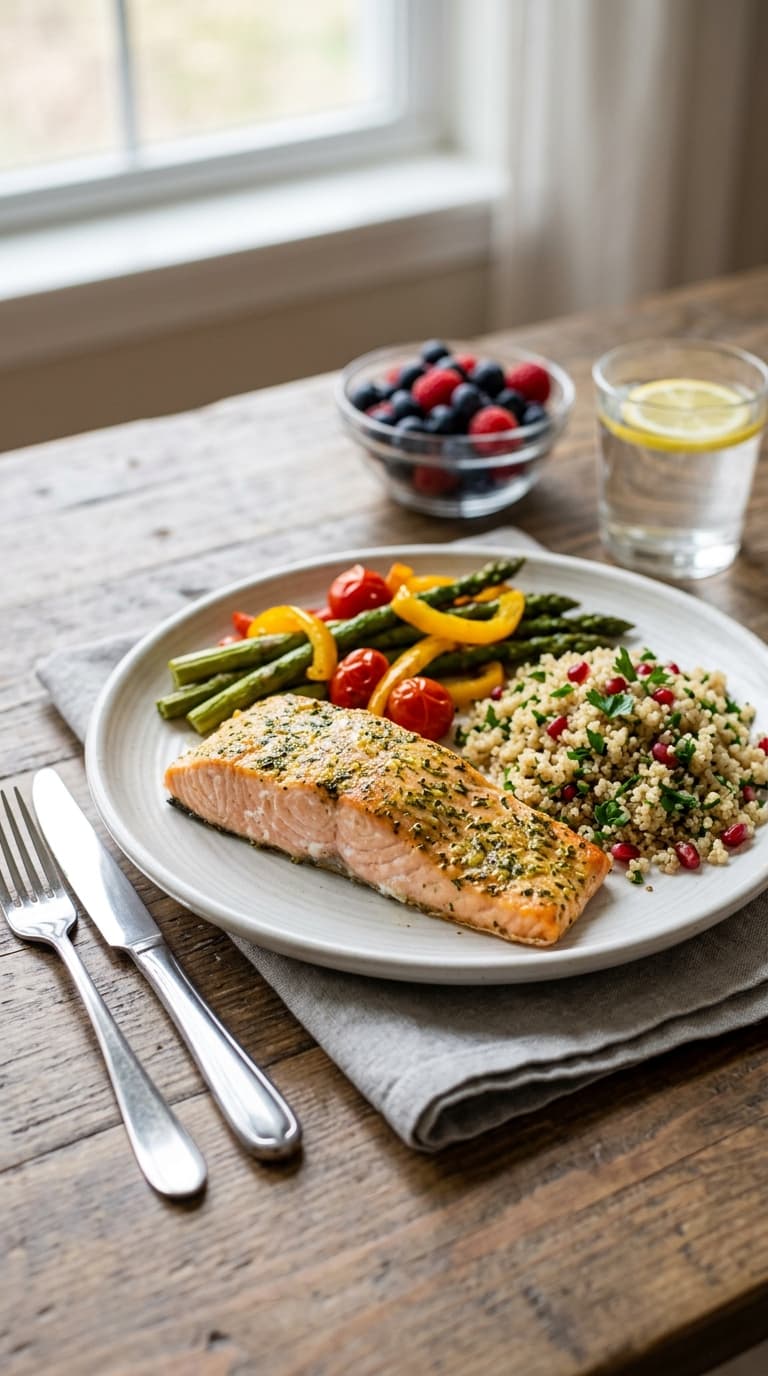
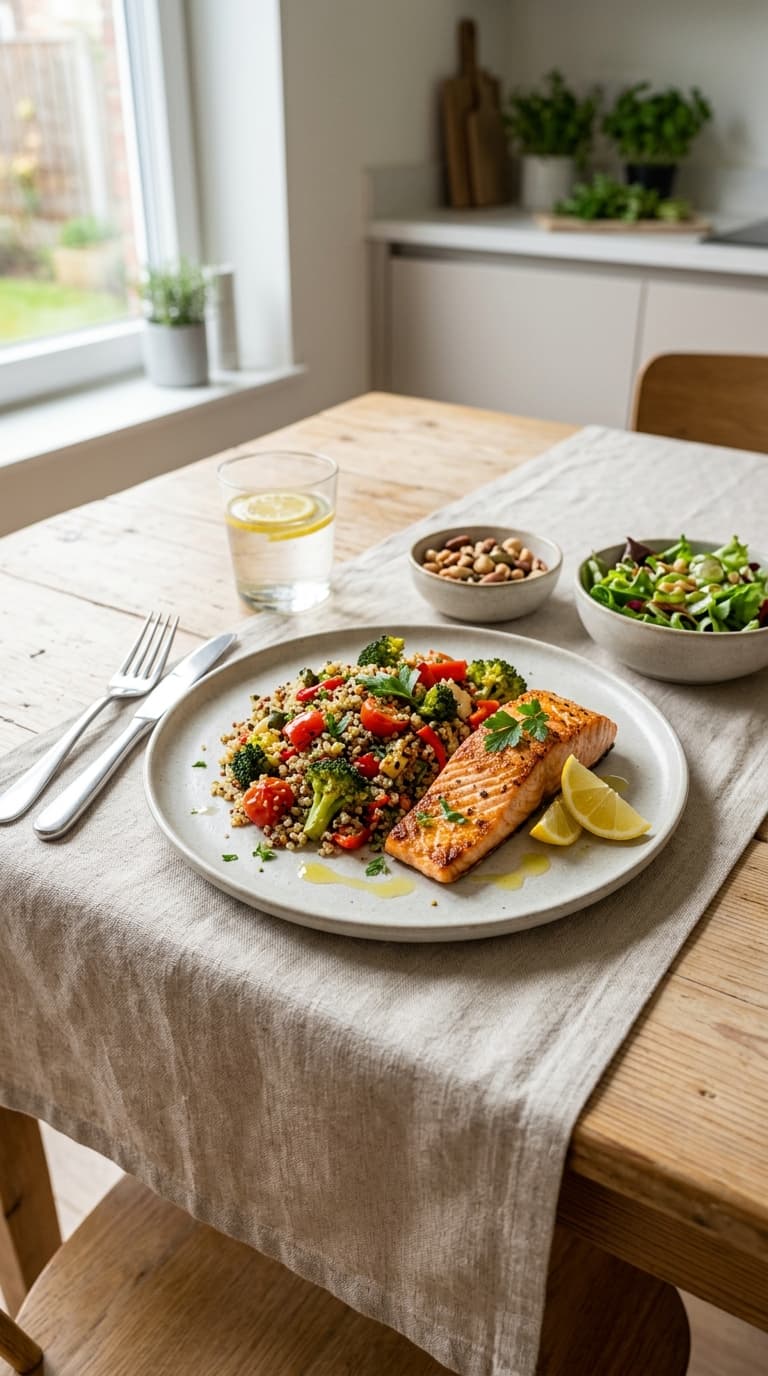
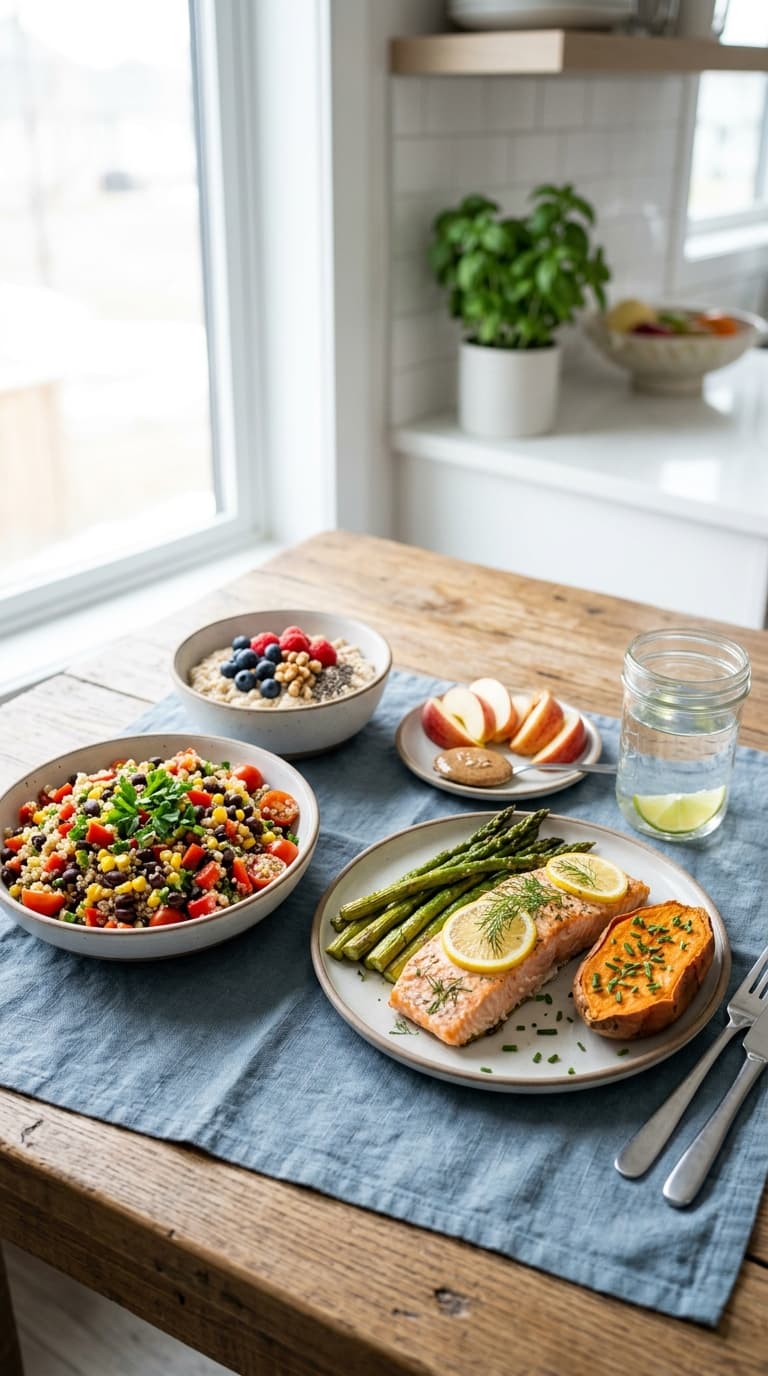
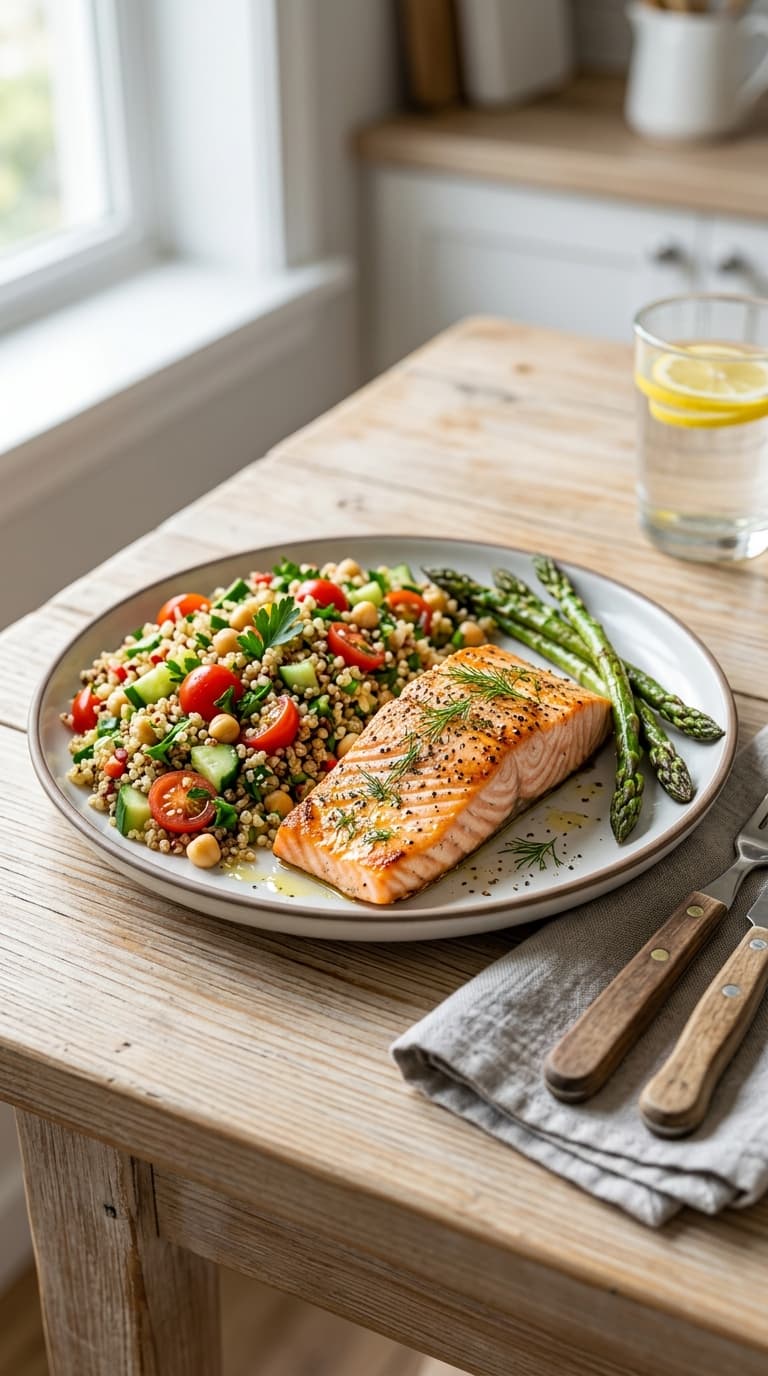
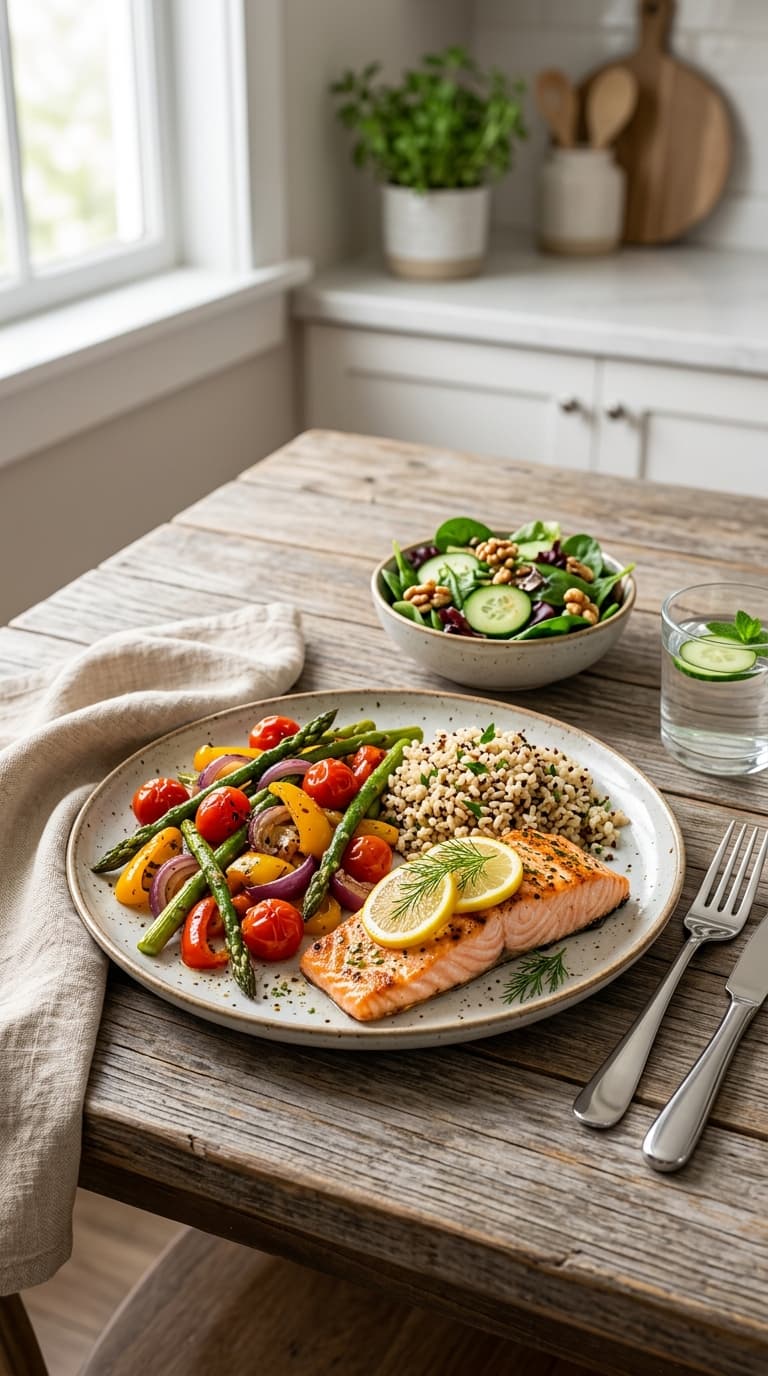
I started strong, which is obviously the easy part. Breakfast was oatmeal topped with sliced banana and a handful of walnuts — no added sugar, just a drizzle of honey. Lunch was a big spinach salad with chickpeas, cucumber, cherry tomatoes, and a lemon-olive oil dressing. Dinner was baked salmon with roasted sweet potatoes and steamed broccoli.
Was it Instagram-worthy? Honestly, yes. Did I feel weirdly proud of myself? Also yes.
Day 2 — When Reality Sets In
I won’t lie — Day 2 is when I started missing my soy sauce. Breakfast was Greek yogurt with mixed berries and a sprinkle of flaxseed. Lunch was a whole wheat wrap with grilled chicken, avocado, and shredded lettuce. For dinner, I made a lentil soup loaded with carrots, celery, and garlic.
The lentil soup was a game-changer. Filling, hearty, and shockingly flavorful without a single grain of extra salt.
Day 3 — The Halfway-to-Halfway Point
Breakfast: scrambled eggs with sautéed spinach and a slice of whole grain toast. Lunch: a bowl of brown rice with black beans, diced mango, and a lime drizzle. Dinner: turkey-stuffed bell peppers with a side of steamed green beans.
By Day 3, I noticed something odd — I was actually enjoying the food. Not in a “trying to convince myself” way. Genuinely enjoying it. Who knew vegetables could taste good when you actually seasoned them with herbs instead of just drowning everything in salt? :/
Day 4 — Midweek Momentum
Day 4 is where I’d say the energy shift became noticeable. I woke up without that sluggish, heavy feeling I usually carried around mid-morning. Breakfast was a smoothie — unsweetened almond milk, frozen blueberries, banana, spinach, and chia seeds. Lunch was a whole grain pita with hummus, sliced veggies, and a hard-boiled egg.
Dinner was one of my favorites all week: baked chicken thighs (skin removed) with roasted asparagus and quinoa cooked in low-sodium chicken broth. Simple, satisfying, done.
Day 5 — The “I Miss Pizza” Day
This was the hardest day. My coworkers ordered pizza and I sat there with my grain bowl like a very principled, slightly miserable person. Breakfast was whole grain cereal with low-fat milk and sliced strawberries. Lunch was a grain bowl with farro, roasted vegetables, and tahini dressing.
Dinner saved the day: homemade fish tacos with tilapia, shredded cabbage, salsa, and corn tortillas. Zero added salt, maximum flavor. I felt vindicated.
Day 6 — Smooth Sailing
By Day 6, the habits were clicking. I wasn’t thinking about food as a chore anymore. Breakfast: overnight oats with almond butter and sliced peaches. Lunch: a big bowl of minestrone soup made from scratch with no-salt-added tomatoes. Dinner: shrimp stir-fry with lots of colorful vegetables over brown rice, seasoned with ginger, garlic, and a tiny splash of low-sodium soy sauce.
That splash of low-sodium soy sauce felt like a gift from the universe.
Day 7 — Victory Lap
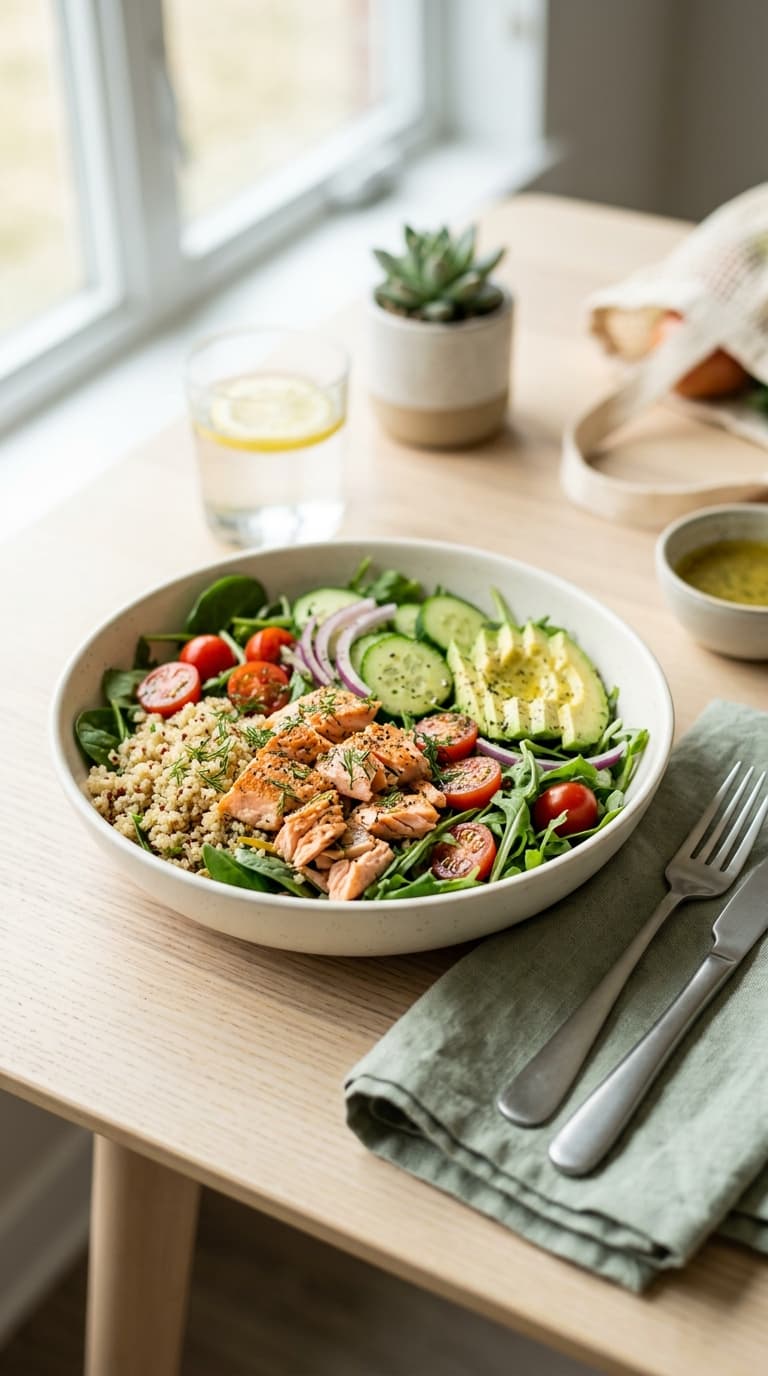
Final day, and I genuinely felt different. Not a dramatic, miracle-cure different — but lighter, sharper, and genuinely proud. Breakfast was a veggie omelet with mushrooms, peppers, and onions. Lunch was a massive Mediterranean-style salad with grilled shrimp, olives, feta (used sparingly because of sodium), and whole grain pita.
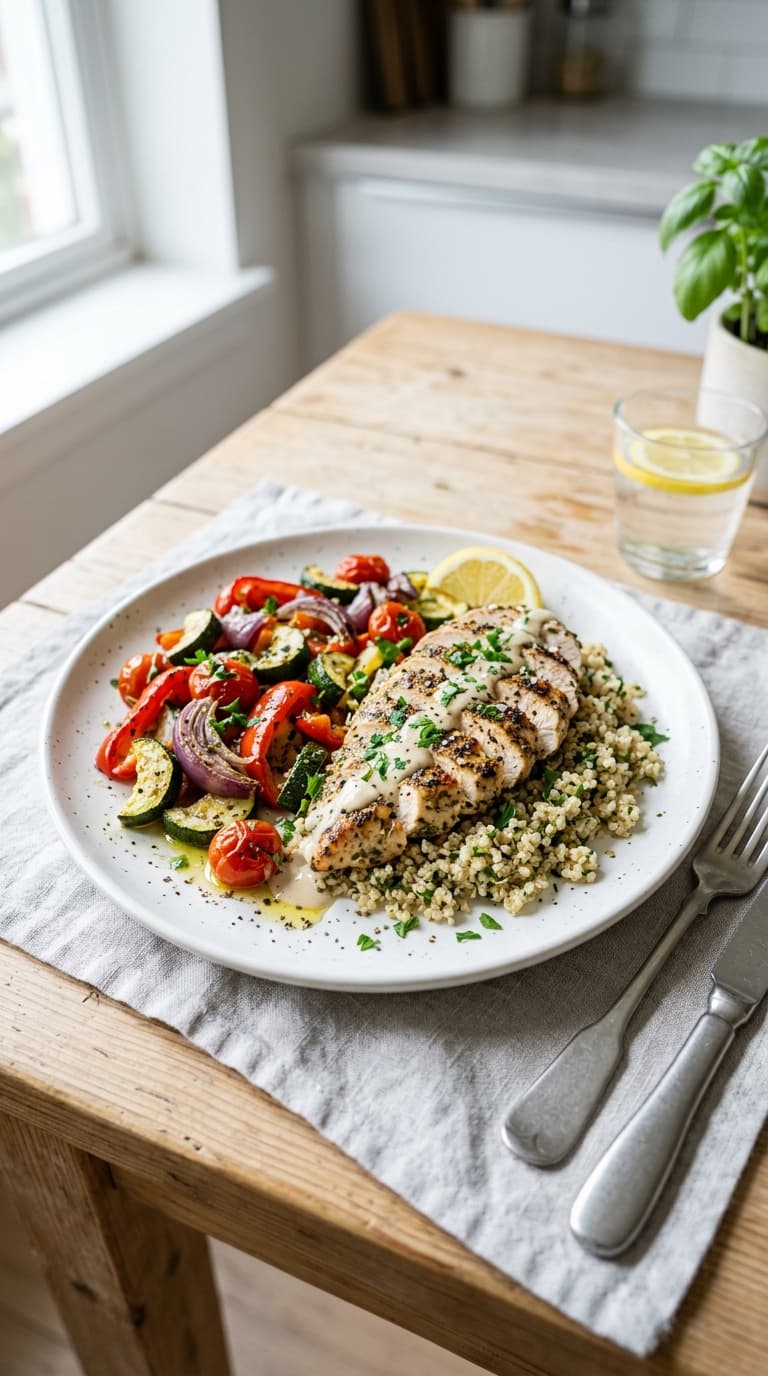
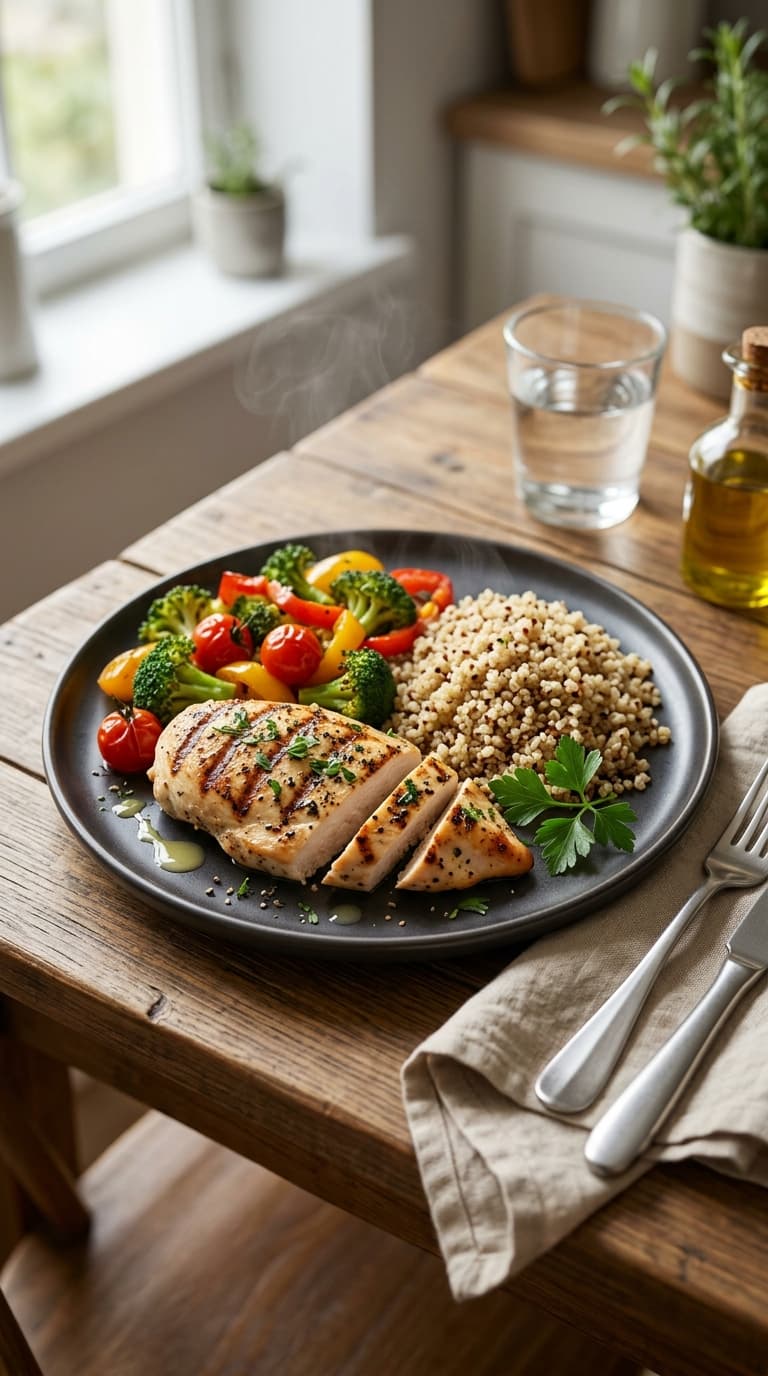
Dinner was a celebration: herb-roasted chicken breast with roasted root vegetables and a side of wild rice. I even made a homemade herb sauce with Greek yogurt, lemon, dill, and garlic. No sodium needed.
The Key Foods That Made the Biggest Difference
Not all DASH-friendly foods carry equal weight when it comes to blood pressure. Here are the ones I noticed making a real difference throughout the week:
- Bananas and leafy greens — High in potassium, which helps counteract the effects of sodium
- Fatty fish like salmon — Omega-3s support heart health and reduce arterial stiffness
- Lentils and beans — Excellent magnesium and fiber sources
- Beets — Natural nitrates that help relax blood vessels
- Nuts and seeds — Healthy fats and magnesium in one convenient snack
- Low-fat dairy — A solid calcium source that supports blood pressure regulation
Common DASH Diet Mistakes to Avoid
Ever started a healthy eating plan and somehow felt worse after? Here’s what trips most people up with DASH.
Going cold turkey on sodium. If you’re used to heavily salted food, cutting to 1,500 mg overnight makes everything taste like cardboard. Taper down gradually over the first two to three days. Your taste buds will adjust — it just takes a few days.
Another big one: replacing salt with processed “low-fat” alternatives. Low-fat doesn’t automatically mean DASH-friendly. Plenty of low-fat packaged foods are loaded with sodium and added sugar. Always read the label.
- Skipping snacks (this leads to overeating at meals)
- Underestimating sodium in restaurant food and condiments
- Not drinking enough water (hydration matters for blood pressure too)
- Relying too heavily on canned goods without checking sodium content
What My Blood Pressure Actually Did
I started the week with an average reading of around 138/88 mmHg — solidly in the elevated-to-Stage 1 hypertension range. By Day 7, my average was closer to 128/82 mmHg. That’s a meaningful drop in just one week.
IMO, the combination of increased potassium from fruits and vegetables, reduced sodium, and more consistent meals throughout the day did the heavy lifting. I also slept better by Day 4, which — as anyone who has researched this knows — directly impacts blood pressure too.
Is one week enough to permanently reverse hypertension? No, and anyone who tells you otherwise is selling something. But it’s more than enough to prove the concept and build real momentum.
Tips for Making the DASH Diet Actually Stick
Knowing what to eat is one thing. Actually doing it when life gets busy is a whole different story. Here’s what genuinely helped me:
- Meal prep on Sundays. Cook a big batch of whole grains, roast a tray of vegetables, and prep proteins ahead. It removes every excuse during the week.
- Stock your kitchen correctly. If the only snacks within reach are chips, you’re going to eat chips. Fill your fridge with cut fruit, hummus, and nuts.
- Use herbs aggressively. Garlic, ginger, cumin, smoked paprika, fresh herbs — these are your best friends when you reduce salt. Your food will still taste amazing.
- Track your sodium for the first few days. Not obsessively, but enough to understand where the sneaky sodium is coming from. Bread, condiments, and canned goods are usually the culprits.
- Don’t aim for perfection. One salty meal doesn’t undo the week. Just get back on track at the next meal.
According to Harvard’s T.H. Chan School of Public Health, consistent dietary patterns — not individual meals — drive long-term cardiovascular outcomes. That perspective genuinely changed how I thought about this.
Is the DASH Diet Worth It?
Short answer: absolutely yes. Longer answer: it depends on how willing you are to actually commit to the shift rather than just dipping your toes in.
The DASH diet isn’t a quick fix or a trendy detox — it’s a research-backed eating framework that medical professionals have recommended for decades. It’s flexible, it’s sustainable, and most importantly, the food is genuinely good once you get creative with herbs and fresh ingredients.
The results I saw in seven days motivated me to keep going. And the best part? It didn’t feel like deprivation. It felt like eating like someone who actually cared about their health. Which, turns out, I do.
The Bottom Line
Seven days on the DASH diet lowered my blood pressure, improved my energy, and completely changed how I thought about food. Not through willpower and suffering — through planning, good ingredients, and a willingness to make one better choice at a time.
If your doctor has flagged your blood pressure, or you’re just ready to eat in a way that genuinely supports your heart health, give this a real shot for a full week. Track your readings. Notice how you feel by Day 4. Let the results speak for themselves.
Your blood pressure will thank you. And honestly? So will your future self 🙂