Easy 7-Day DASH Diet Meal Plan (No Bland Diet Food, Promise!)
Easy 7-Day DASH Diet Meal Plan (No Bland Diet Food, Promise!)
Let’s be real — when most people hear “DASH diet,” they picture sad, unseasoned chicken breast and wilted salad with zero dressing. But what if I told you the DASH diet is actually one of the most flexible, food-forward eating plans out there? Yeah, I was skeptical too. Then I actually tried it.
The DASH diet (Dietary Approaches to Stop Hypertension) was originally designed to help lower blood pressure, but it’s become a go-to for anyone who wants to eat cleaner without feeling like they’re being punished. And honestly? After one week of following a proper DASH meal plan, I felt like a completely different person — more energy, better sleep, and not once did I feel like I was “on a diet.”
So let’s get into it. Here’s your full 7-day DASH diet meal plan that’s actually enjoyable to follow.
What Even Is the DASH Diet?
Before we jump into the meals, let’s cover the basics — because understanding why you’re eating this way makes it way easier to stick with.
The DASH diet focuses on whole foods that naturally support healthy blood pressure. That means loading up on fruits, vegetables, whole grains, lean proteins, and low-fat dairy, while cutting back on sodium, added sugars, and saturated fats. It’s not about eliminating entire food groups or counting every calorie obsessively.
The general daily targets look something like this:
- Sodium: 1,500–2,300 mg per day
- Fruits and vegetables: 8–10 servings
- Whole grains: 6–8 servings
- Lean protein: 6 or fewer servings
- Low-fat dairy: 2–3 servings
- Nuts, seeds, legumes: 4–5 servings per week
See? That’s not a punishment plan — that’s just eating like a sensible adult. The secret is in the seasoning and preparation, which we’ll get to.
Why the DASH Diet Actually Works Long-Term
Most diets fail because they’re either too restrictive or too confusing. The DASH diet sidesteps both traps beautifully. You’re not cutting carbs completely, you’re not surviving on shakes, and you’re not Googling “what can I actually eat” every five minutes.
The DASH diet works because it’s sustainable. You eat real food, in reasonable portions, with an emphasis on nutrient density rather than deprivation. IMO, that’s the only kind of eating plan worth committing to.
Research consistently shows that people who follow DASH-style eating lower their systolic blood pressure by 8–14 mmHg — and that’s without medication. But beyond blood pressure, people report weight loss, improved cholesterol, and better blood sugar control. Not bad for a plan that lets you eat oatmeal with fruit for breakfast.
Your 7-Day DASH Diet Meal Plan
Alright, here’s what you’ve been waiting for. Every day includes breakfast, lunch, dinner, and a couple of snacks. These meals are simple enough to make on a weeknight but interesting enough that you won’t dread eating them.
Day 1: Monday — Ease Into It
Breakfast: Greek yogurt parfait with mixed berries, a drizzle of honey, and a sprinkle of low-sodium granola.
Snack: A small handful of unsalted almonds and an apple.
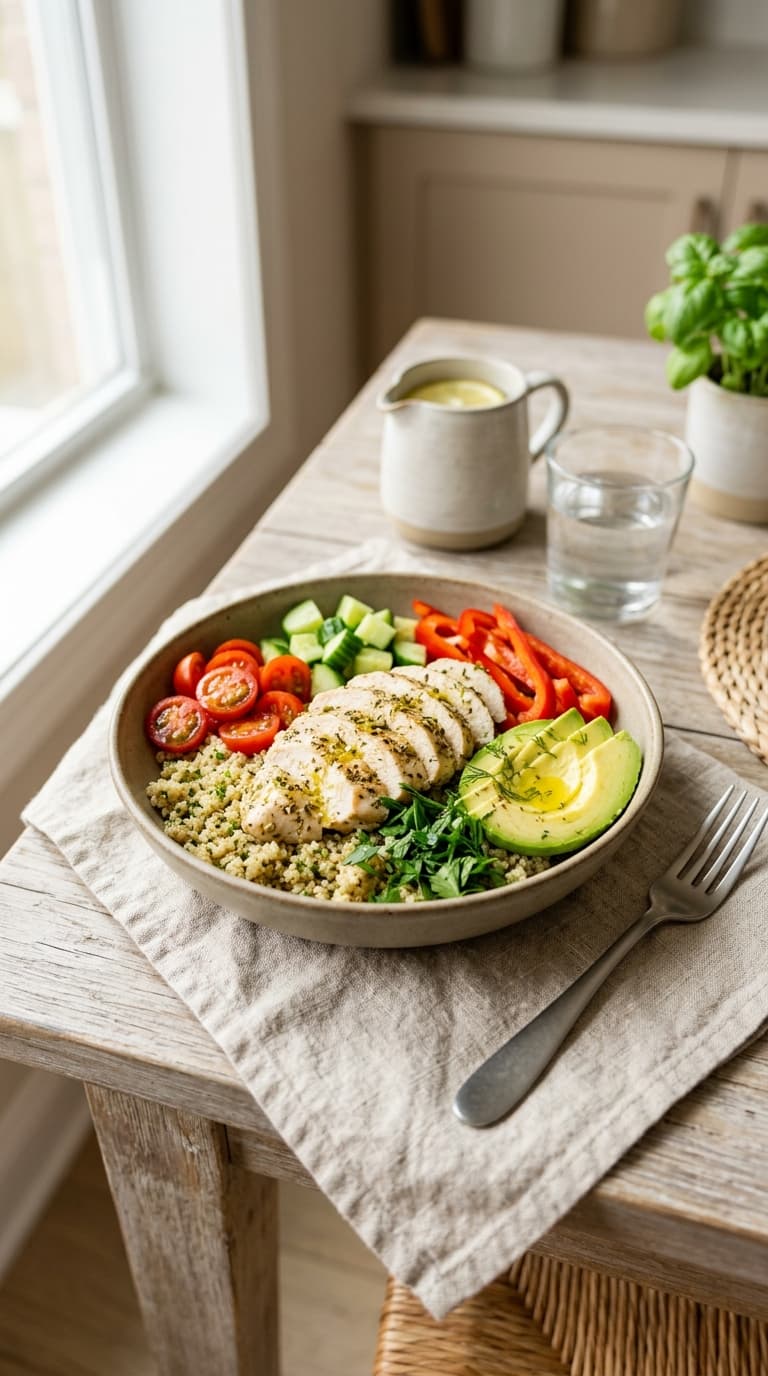
Lunch: Grilled chicken wrap with whole wheat tortilla, romaine lettuce, tomatoes, cucumber, and a dollop of hummus. Skip the store-bought ranch — it’s basically a sodium bomb.
Snack: Sliced bell peppers with guacamole.
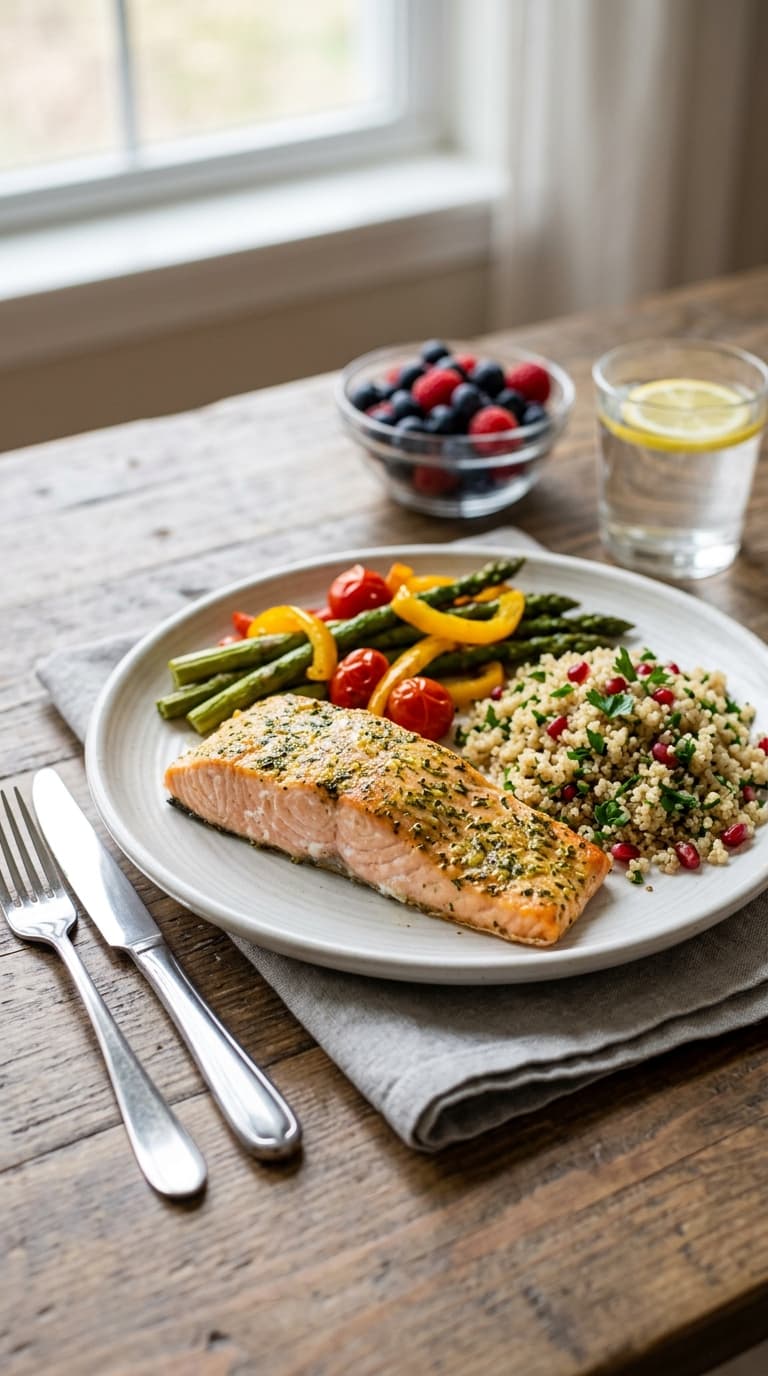
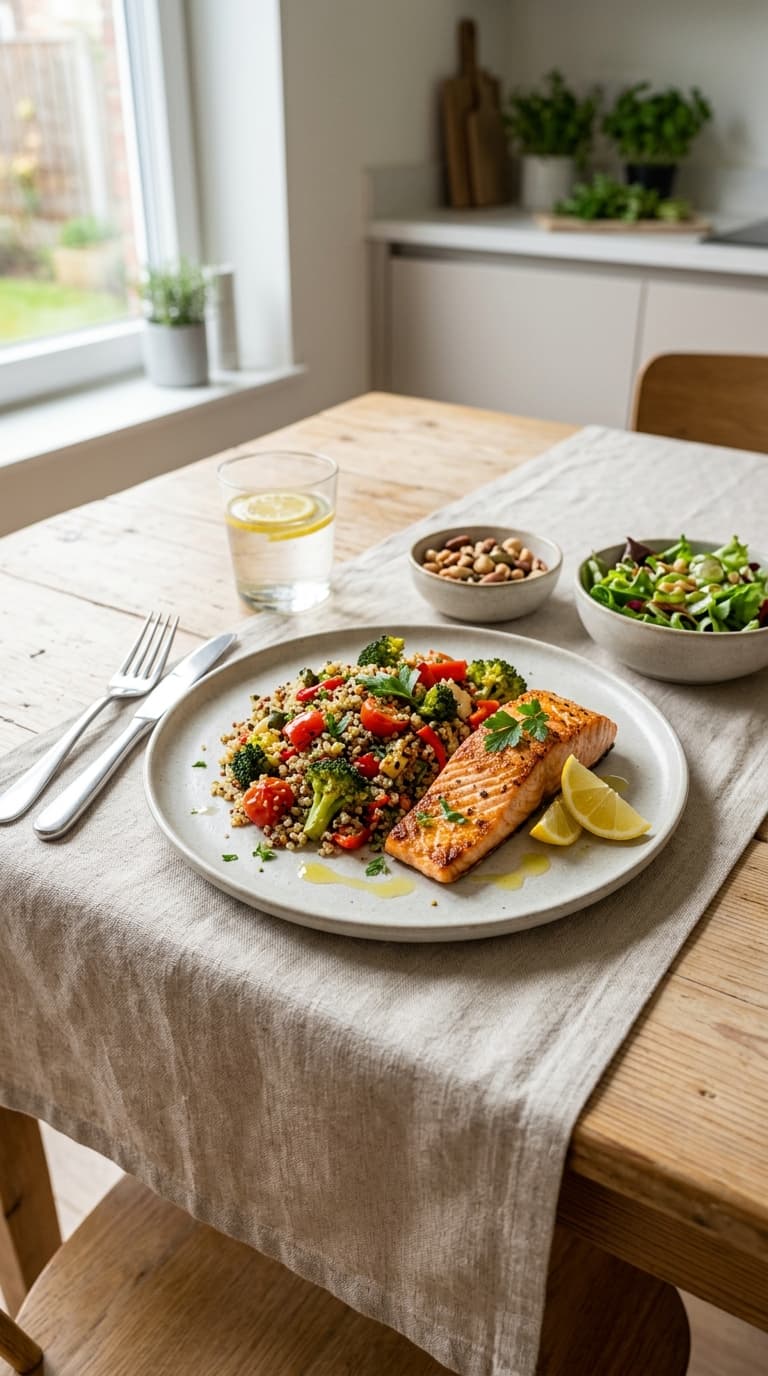
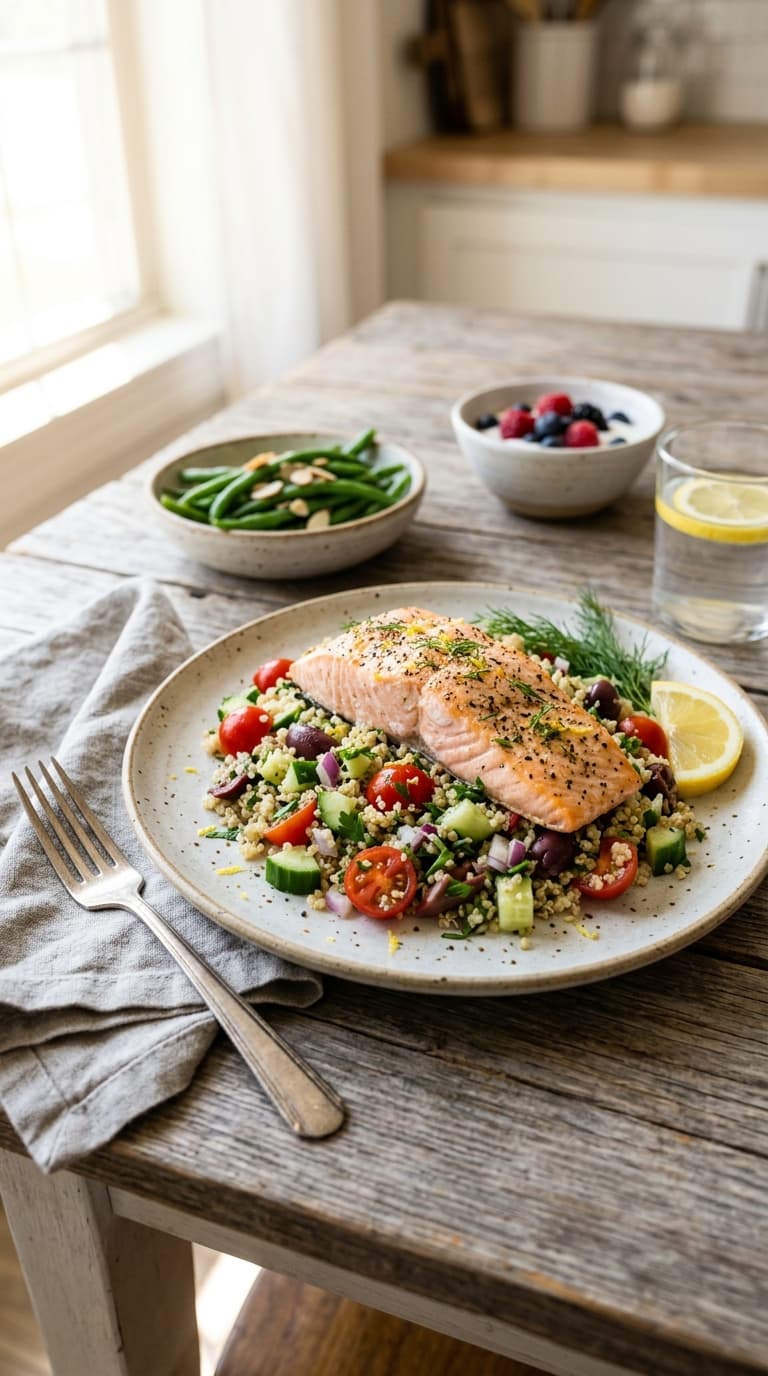
Dinner: Baked salmon with a lemon-herb crust, served alongside roasted sweet potato and steamed broccoli. Season generously with garlic, paprika, and fresh herbs. Flavor comes from spices, not salt — remember that.
Day 2: Tuesday — Getting into the Groove
Breakfast: Oatmeal made with low-fat milk, topped with sliced banana, cinnamon, and a tablespoon of natural peanut butter. This combo keeps you full for hours.
Snack: A pear and a small handful of walnuts.
Lunch: Lentil soup (homemade is best — canned versions can be sneaky with sodium) with a side of whole grain bread.
Snack: Cottage cheese with pineapple chunks.
Dinner: Turkey and vegetable stir-fry over brown rice. Use low-sodium soy sauce or tamari, garlic, ginger, and sesame oil to build flavor. This one honestly tastes like takeout. Better than takeout, actually — and I’ll die on that hill.
Day 3: Wednesday — Midweek, No Slacking
Breakfast: Whole grain toast with mashed avocado, a poached egg, and cherry tomatoes on the side.
Snack: Low-fat string cheese and a handful of grapes.
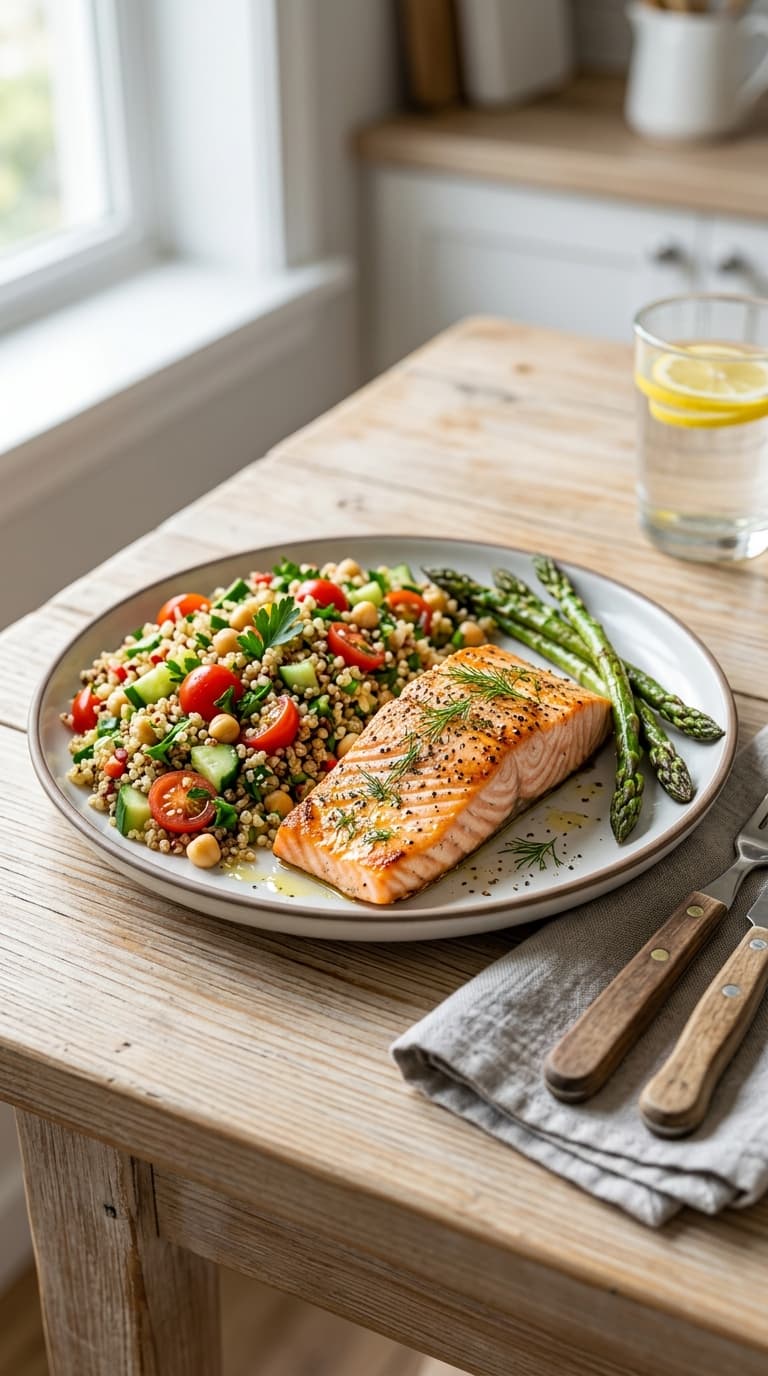
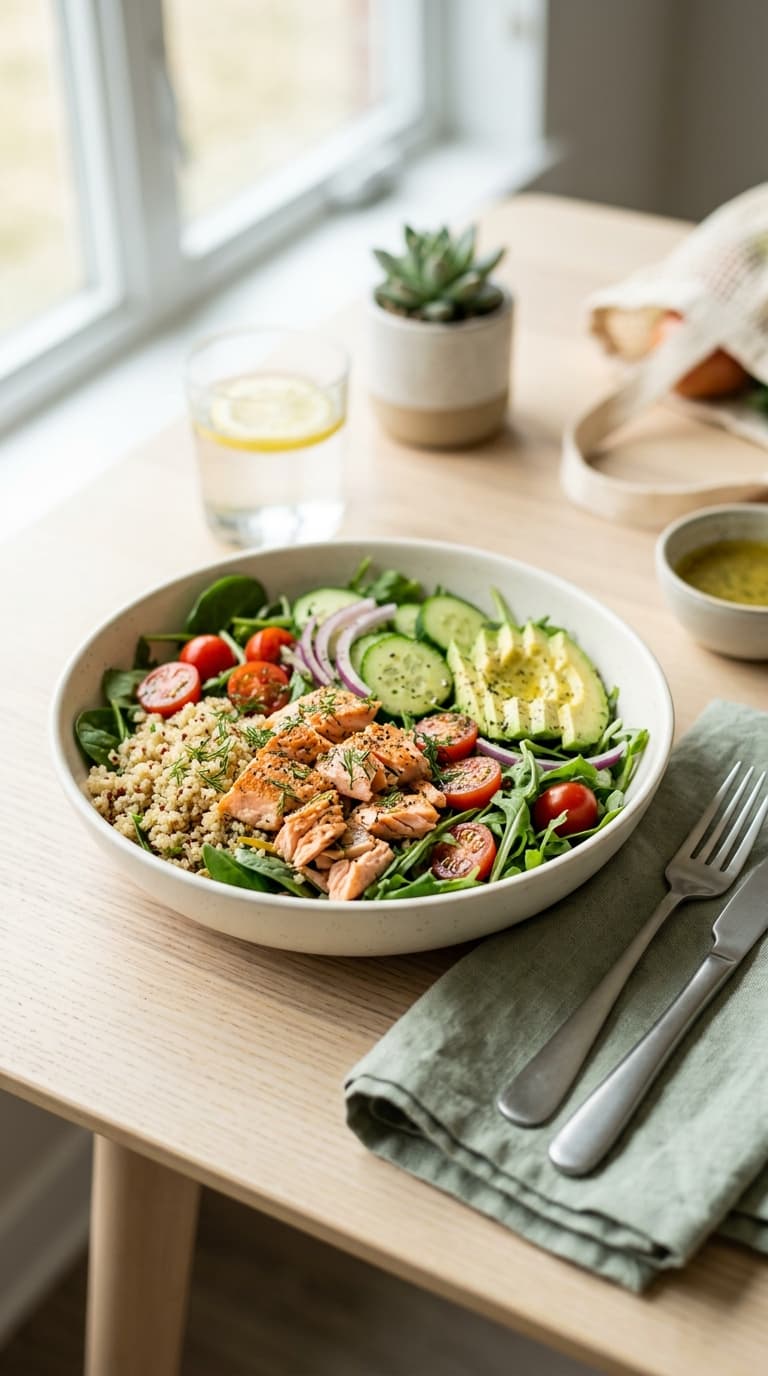
Lunch: Quinoa salad with roasted chickpeas, cucumber, red onion, fresh parsley, and a lemon-olive oil dressing. Make a big batch on Sunday — this keeps well in the fridge.
Snack: A small smoothie made with spinach, frozen mango, low-fat yogurt, and a splash of water or unsweetened almond milk.
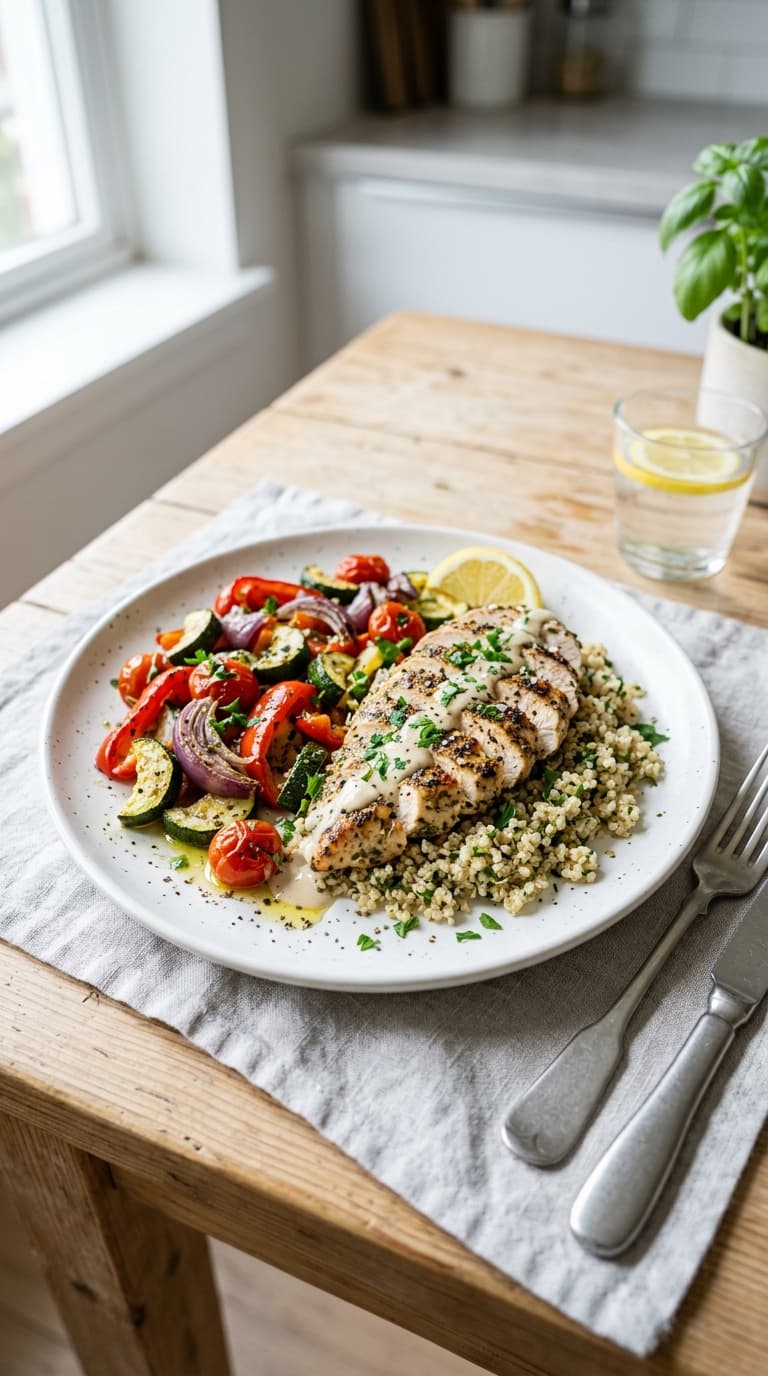
Dinner: Herb-roasted chicken thighs (skin removed) with a side of mashed cauliflower and sautéed spinach with garlic. The cauliflower mash genuinely surprises people — it’s creamy, satisfying, and not at all sad.
Day 4: Thursday — You’re Halfway There
Breakfast: Veggie-packed egg scramble with bell peppers, onions, mushrooms, and spinach. Use a tiny bit of olive oil and season with black pepper, cumin, and fresh herbs.
Snack: Sliced cucumber with tzatziki.
Lunch: Whole grain pasta salad with grilled vegetables, black olives, and a light vinaigrette. Cold pasta salads are the ultimate meal prep hack, FYI.
Snack: An orange and a small handful of pistachios.
Dinner: Shrimp tacos on corn tortillas with shredded cabbage, fresh salsa, lime crema (mix low-fat sour cream with lime juice and cilantro), and sliced avocado. These disappear fast — make extra.
Day 5: Friday — Treat Yourself (Within Reason)
Breakfast: Banana pancakes made with oats, egg, and mashed banana — no white flour, no added sugar, totally satisfying. Top with fresh berries.
Snack: Hummus with whole grain crackers and baby carrots.
Lunch: Black bean and sweet potato burrito bowl with brown rice, corn, salsa, and a squeeze of lime. This is a crowd-pleaser even for non-DASH folks at the table.
Snack: Low-fat Greek yogurt with a teaspoon of chia seeds.
Dinner: Baked cod with a herb breadcrumb topping, roasted asparagus, and a simple side salad with olive oil and balsamic. Light, elegant, and fast to make on a Friday when you’re already mentally checked out from the week. 🙂
Day 6: Saturday — Weekend Vibes
Breakfast: Smoked salmon on whole grain toast with low-fat cream cheese, capers, and thinly sliced red onion. Weekend breakfast energy, no apologies.
Snack: A handful of mixed nuts and dried apricots (go easy on the dried fruit — the sugar adds up quickly).
Lunch: Homemade turkey burger on a whole wheat bun with lettuce, tomato, avocado, and mustard. Skip the processed cheese and heavy condiments. You won’t miss them.
Snack: A small bowl of watermelon.
Dinner: Mediterranean-style stuffed bell peppers filled with ground turkey, quinoa, diced tomatoes, spinach, and Italian herbs. Bake until the peppers are tender and the filling is bubbling. This is a great one to make for guests — it looks way more impressive than the effort it takes.
Day 7: Sunday — Prep for the Week Ahead
Breakfast: Overnight oats made with rolled oats, low-fat milk, chia seeds, and sliced peaches. Prep these on Saturday night for a zero-effort Sunday morning.
Snack: Apple slices with almond butter.
Lunch: Chicken and vegetable soup made from scratch — or use a low-sodium store-bought broth as the base. Pile in whatever vegetables you have left from the week. Waste nothing.
Snack: Celery sticks with peanut butter.
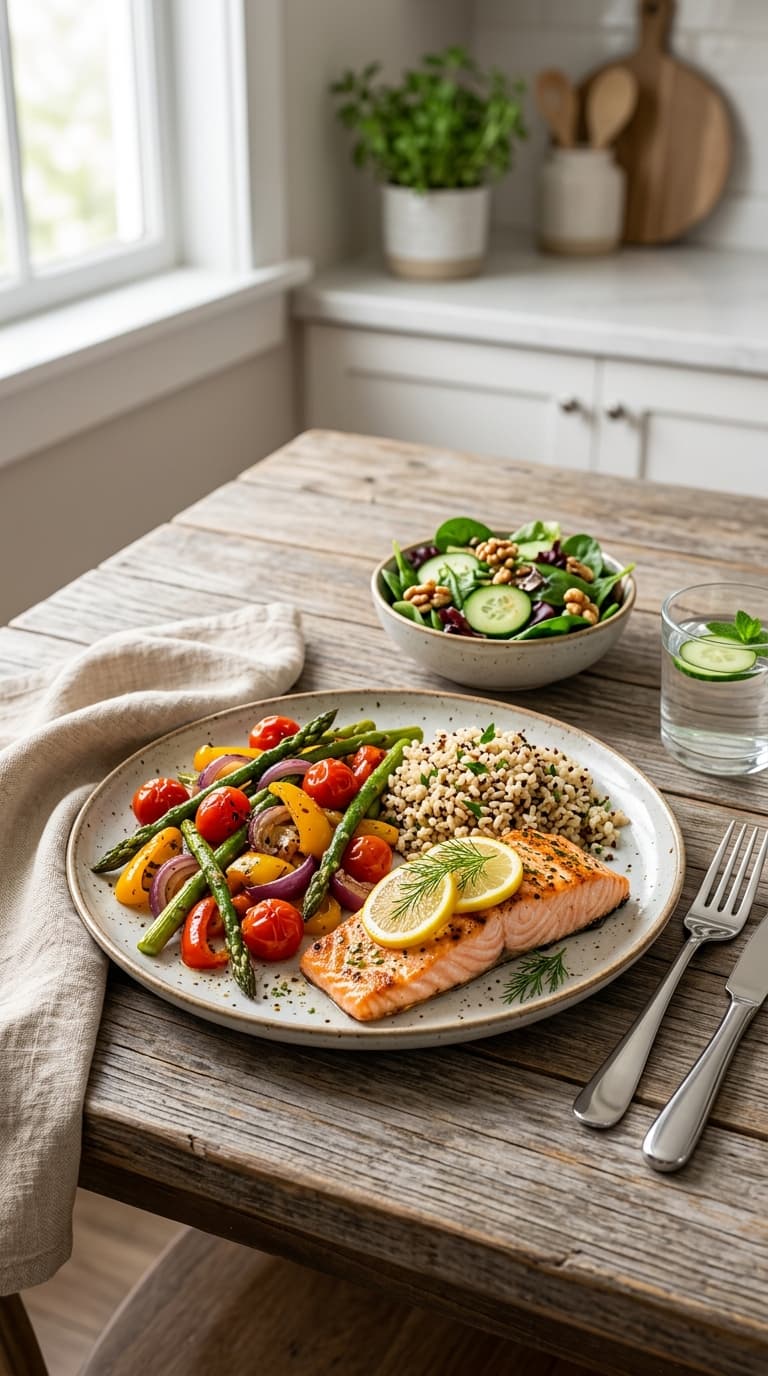
Dinner: Sheet pan dinner with salmon, Brussels sprouts, and cherry tomatoes. Drizzle everything with olive oil, season with garlic and herbs, and roast at 400°F for about 20 minutes. One pan, minimal cleanup, maximum flavor. This is the kind of meal that makes you feel like you actually have your life together.
Tips to Make the DASH Diet Actually Stick
Following a meal plan for seven days is the easy part. The hard part is making it a long-term lifestyle. Here’s what actually helps:
- Batch cook on Sundays. Roast a tray of vegetables, cook a big pot of grains, and grill some protein. Building blocks ready for the week = no excuse for grabbing junk.
- Learn to season without salt. Garlic, lemon, fresh herbs, cumin, paprika, turmeric — these are your new best friends. The flavor payoff is massive.
- Read labels obsessively. Sodium hides in everything — bread, canned tomatoes, condiments, even “healthy” frozen meals. Always check.
- Drink more water. Seriously, this sounds obvious but staying hydrated makes a noticeable difference in how you feel on DASH.
- Don’t make perfect the enemy of good. Had a salty meal at a restaurant? Not the end of the world. Just get back on track the next day.
What to Watch Out For
Ever tried to eat “healthy” only to realize the “low-fat” salad dressing you’ve been using has 400mg of sodium per tablespoon? :/
A few DASH pitfalls to dodge:
- High-sodium “health foods” — cottage cheese, canned beans, deli turkey, and flavored rice packets can wreck your sodium goals without warning.
- Oversized portions of even healthy foods — nuts, avocado, and whole grains are great, but portions still matter.
- Skipping snacks — eating too infrequently leads to getting ravenous and making bad choices. Plan those snacks like they’re actual meals.
- Relying on processed “DASH-approved” products — the best DASH diet foods are whole, unprocessed ingredients. The fewer steps between farm and plate, the better.
Final Thoughts
The DASH diet isn’t glamorous or trendy — it doesn’t have a celebrity face or a slick Instagram filter. What it has is decades of solid research, real results, and a food list that includes salmon, avocado, Greek yogurt, and dark chocolate (in moderation — let’s not get carried away). That’s not a bad deal.
If you follow this 7-day plan closely, stay consistent with portion sizes, and actually commit to reducing sodium, you’ll likely notice a difference within the first week — more energy, less bloating, and a general sense that you’re actually treating your body well.
Start with Day 1 and see how you feel by Day 7. Then make it Day 14. Then Day 30. That’s how a temporary meal plan becomes a permanent lifestyle upgrade — one genuinely good meal at a time.