7-Day Mediterranean Meal Plan to Lower Cholesterol Naturally
7-Day Mediterranean Meal Plan to Lower Cholesterol Naturally
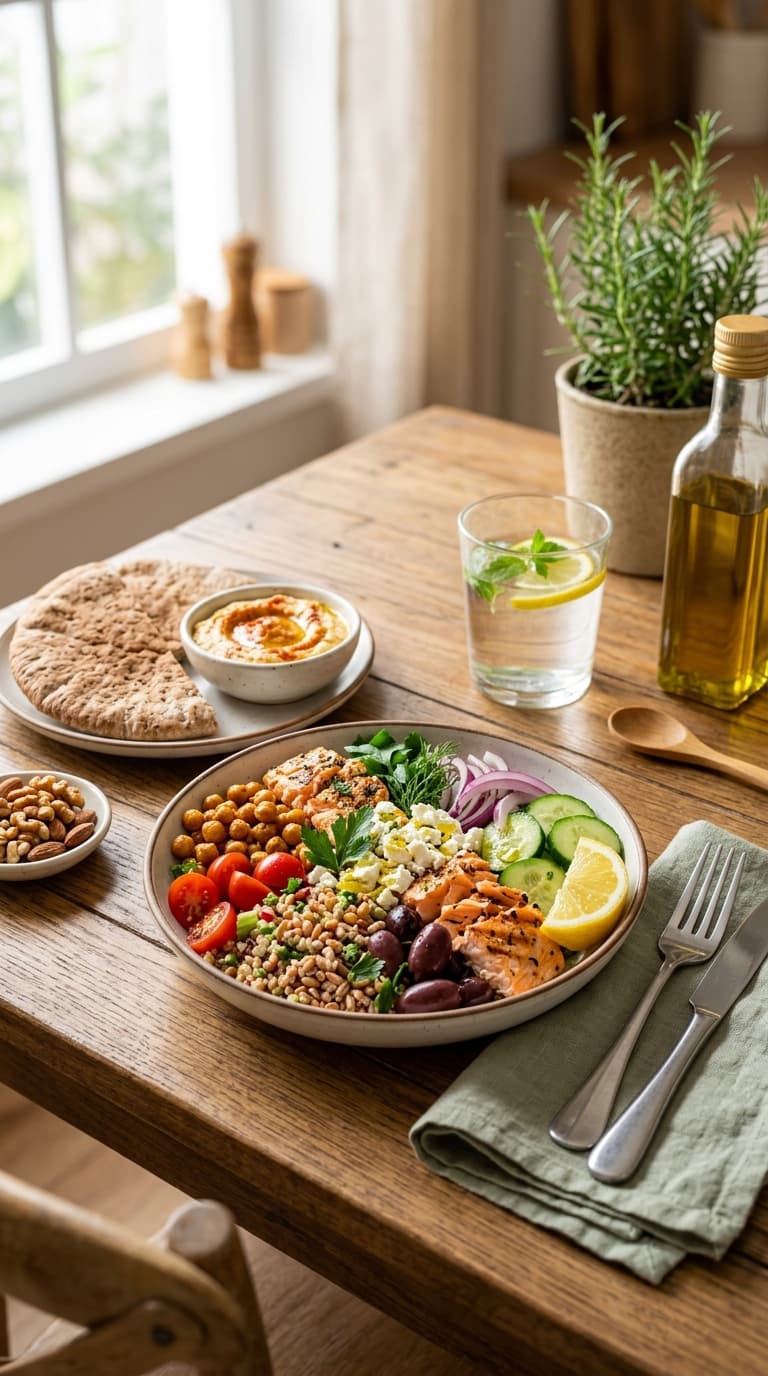
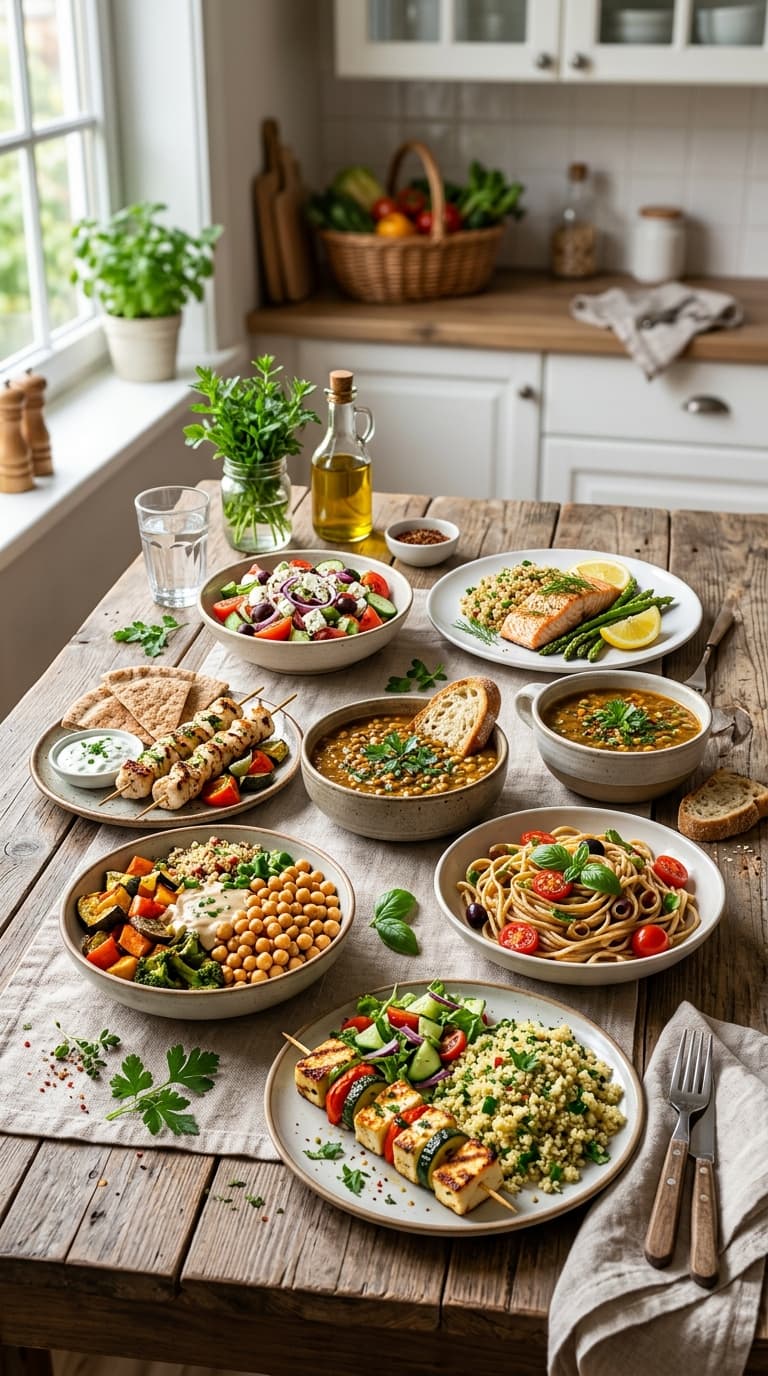
Your doctor just handed you a cholesterol report, and the numbers aren’t exactly screaming “healthy lifestyle.” Sound familiar? Yeah, I’ve been there too — staring at that paper wondering if I need to swear off everything delicious forever. The good news? You absolutely don’t. The Mediterranean diet is basically the answer your heart has been waiting for, and this 7-day meal plan makes it ridiculously easy to get started.
No complicated recipes. No depressing salads. Just real, flavorful food that your body (and your cholesterol levels) will actually thank you for.
Why the Mediterranean Diet Actually Works for Cholesterol
Before we jump into the meal plan, let’s talk about why this works — because understanding the “why” makes you way more likely to stick with it. IMO, this is the most important part that most people skip.
The Mediterranean diet focuses on heart-healthy fats, fiber-rich foods, and antioxidant-packed ingredients that work together to lower LDL (bad) cholesterol while boosting HDL (good) cholesterol. It’s not magic — it’s science backed by decades of research.
Here’s what makes it so effective:
- Olive oil replaces saturated fats, delivering monounsaturated fats that actively reduce LDL levels
- Fatty fish like salmon and sardines flood your body with omega-3 fatty acids
- Legumes and whole grains deliver soluble fiber, which literally traps cholesterol and removes it from your body
- Nuts and seeds provide healthy fats and plant sterols that block cholesterol absorption
- Fresh vegetables and fruits bring antioxidants that prevent LDL oxidation — which is the real danger
The combination of these foods doesn’t just lower cholesterol. It addresses inflammation, blood pressure, and overall cardiovascular health at the same time. Pretty efficient, right?
What to Stock Before You Start
Walk into this week prepared. Nothing derails a healthy eating plan faster than opening the fridge and finding nothing but leftover pizza (been there, not proud of it :/). Here’s your Mediterranean pantry checklist:
Oils and Condiments:
- Extra virgin olive oil (the good stuff — don’t cheap out here)
- Lemon juice and fresh lemons
- Apple cider vinegar
Grains and Legumes:
- Rolled oats
- Quinoa, brown rice, and whole grain bread
- Canned chickpeas, lentils, and white beans
Proteins:
- Salmon, sardines, and mackerel (fresh or canned)
- Skinless chicken breast
- Eggs (yes, eggs — in moderation, they’re fine)
Fresh Produce:
- Spinach, kale, tomatoes, cucumbers, bell peppers
- Blueberries, strawberries, oranges, and apples
- Garlic, red onion, and fresh herbs
Nuts and Seeds:
- Walnuts, almonds, and flaxseeds
- Chia seeds
Get these basics in your kitchen and you’re already 80% of the way there.
Day 1: Setting the Tone
Breakfast
Start strong with a warm bowl of oatmeal topped with blueberries, ground flaxseed, and a small handful of walnuts. Oats contain beta-glucan — a type of soluble fiber that has been clinically shown to reduce LDL cholesterol. The walnuts add omega-3s and the blueberries bring antioxidant power. This breakfast alone is basically a tiny heart health intervention.
Lunch
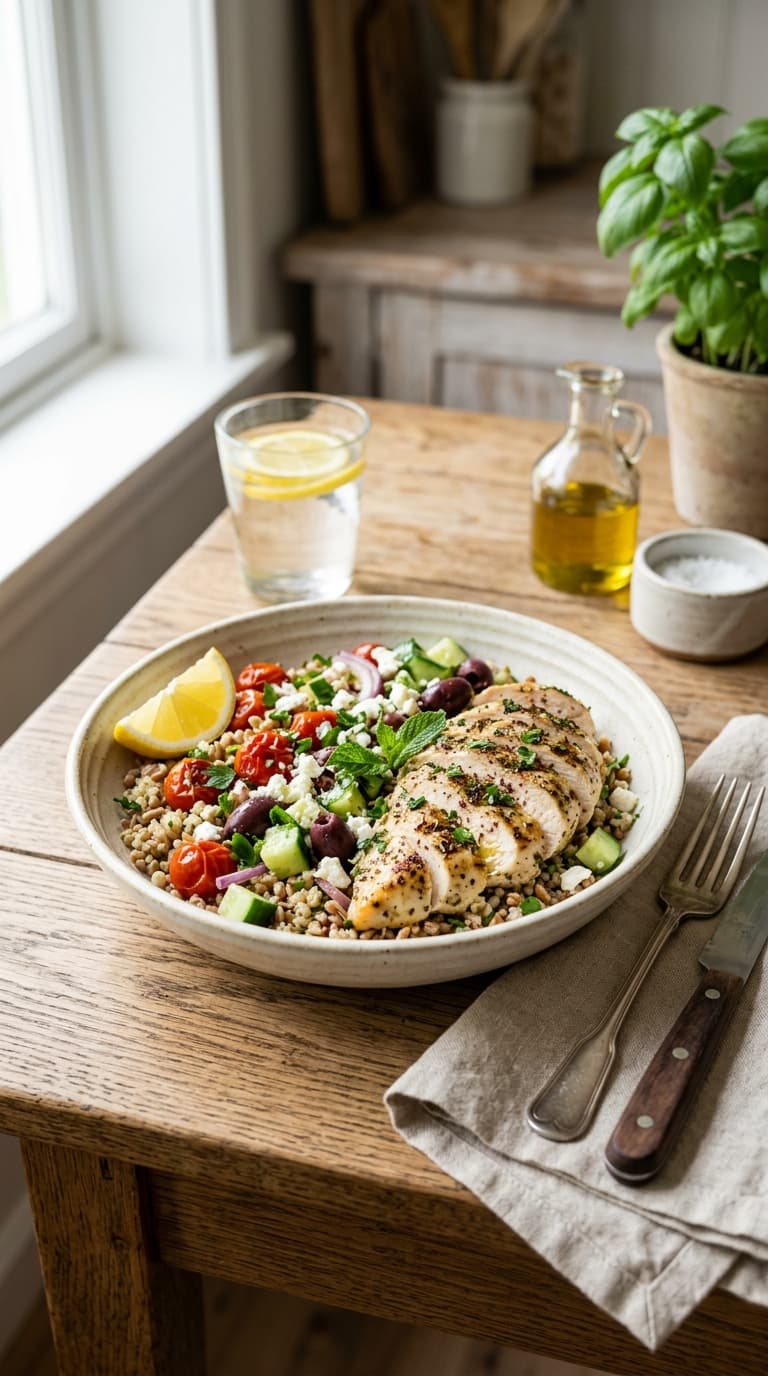
A large Greek salad with chickpeas, cucumber, tomato, red onion, olives, and a generous drizzle of olive oil and lemon juice. Add a slice of whole grain bread on the side. The chickpeas give you plant-based protein and fiber, and the olive oil dressing does more good than any bottled “low-fat” dressing ever could.
Dinner
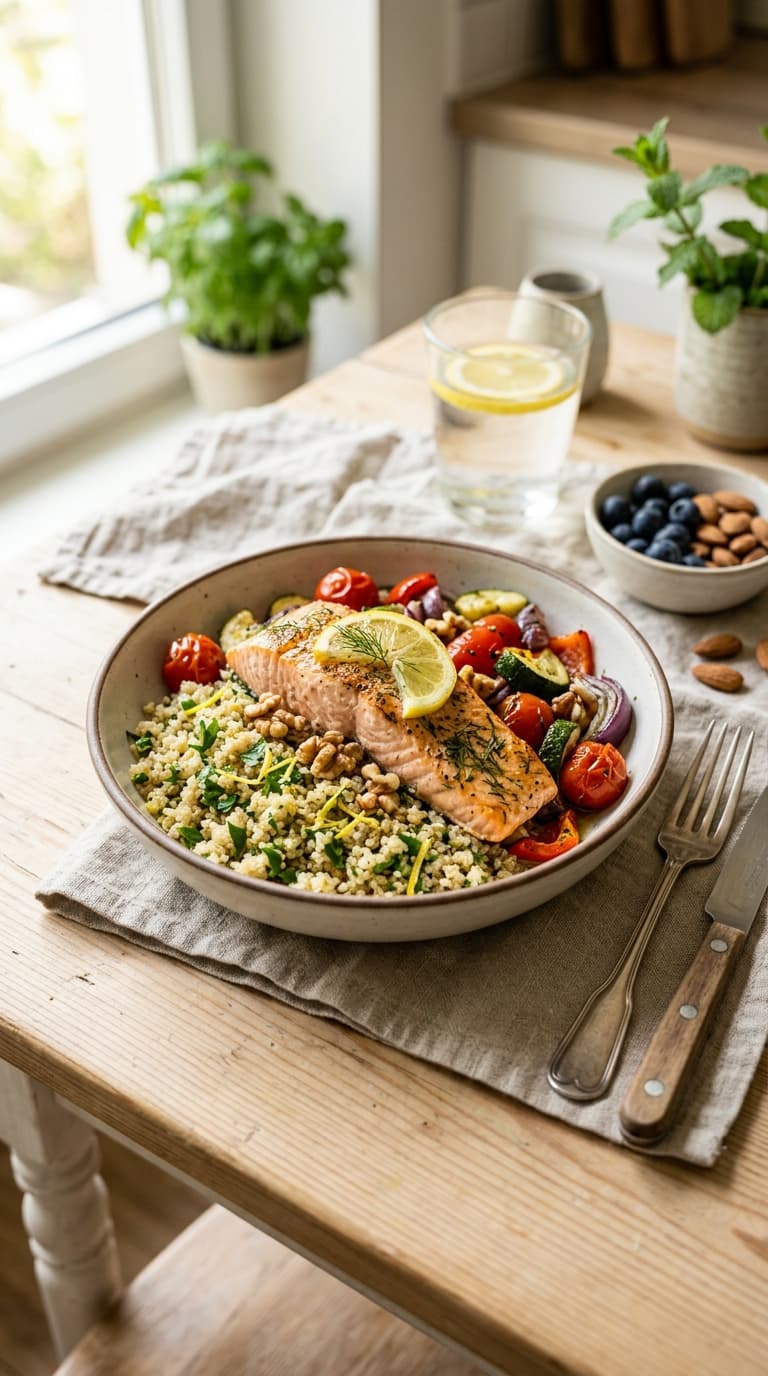
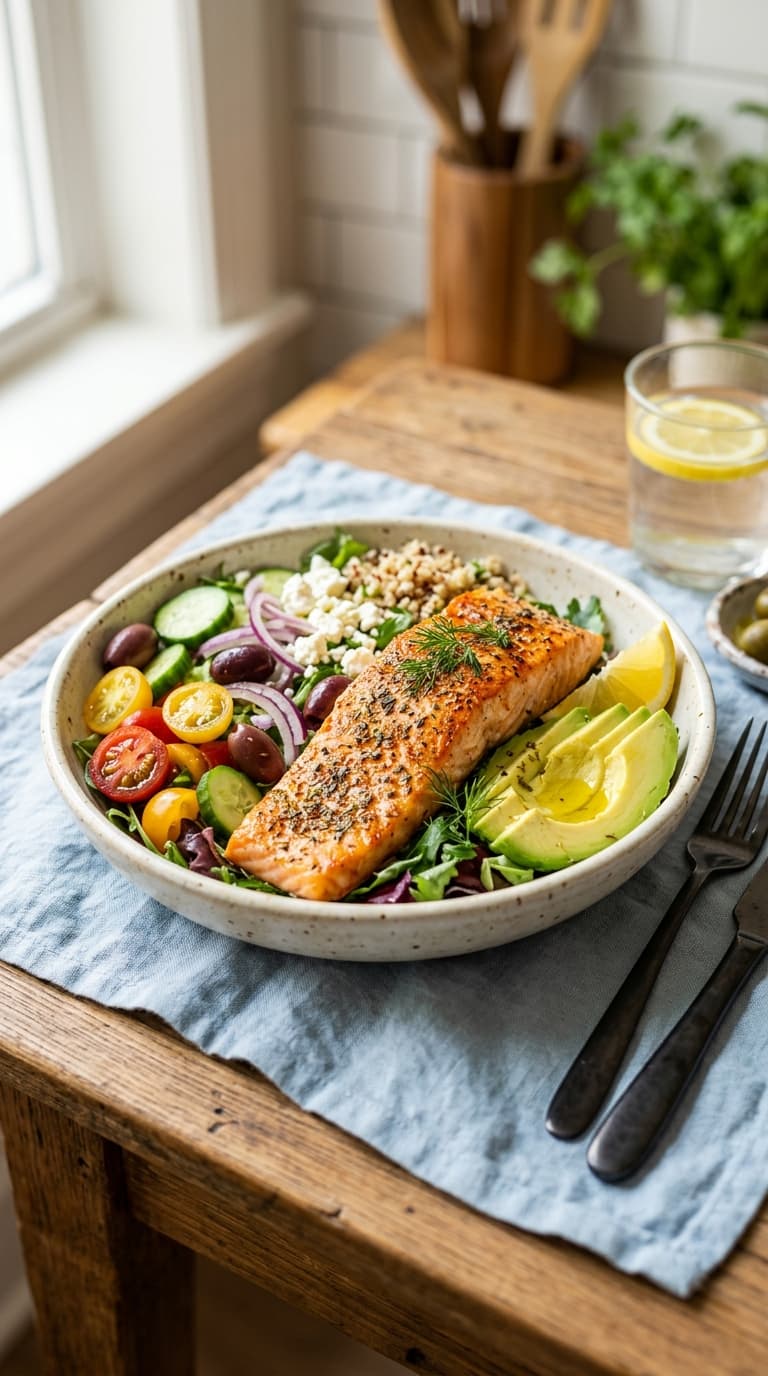
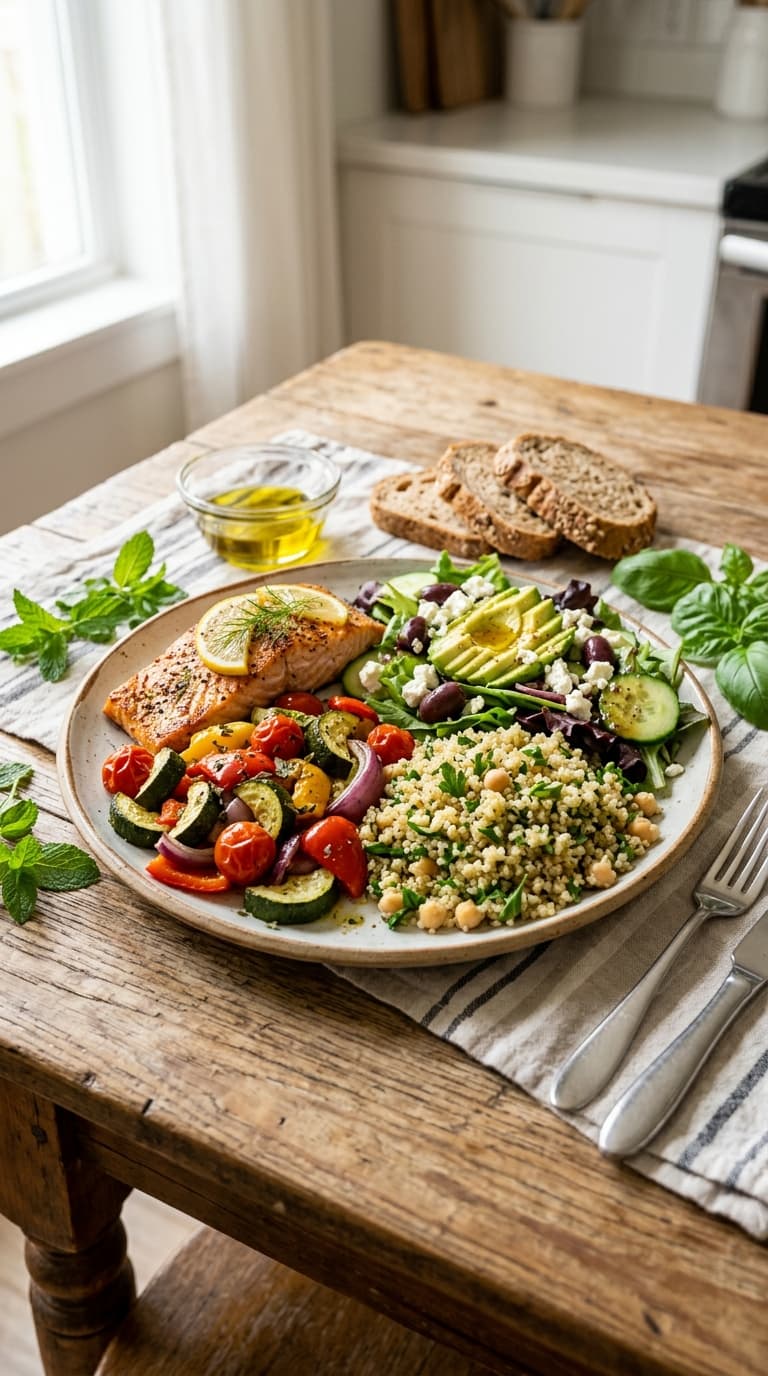
Baked salmon with roasted vegetables and a side of quinoa. Season the salmon with garlic, lemon, and fresh herbs. Roast whatever vegetables you have — bell peppers, zucchini, and cherry tomatoes work beautifully. Quinoa gives you complete protein and additional fiber to round out the day.
Day 2: Building the Rhythm
Breakfast
Greek yogurt (full-fat or low-fat, your choice) with sliced strawberries, chia seeds, and a drizzle of honey. Greek yogurt contains probiotics that support gut health, which is increasingly linked to better cholesterol metabolism. Plus it keeps you full until lunch without any drama.
Lunch
Lentil soup with a side of whole grain bread. Lentils are one of the most underrated cholesterol-lowering foods out there. They’re packed with soluble fiber and plant protein, and a good lentil soup is honestly one of the most satisfying meals you can eat. Throw in some spinach at the end for extra nutrition.
Dinner
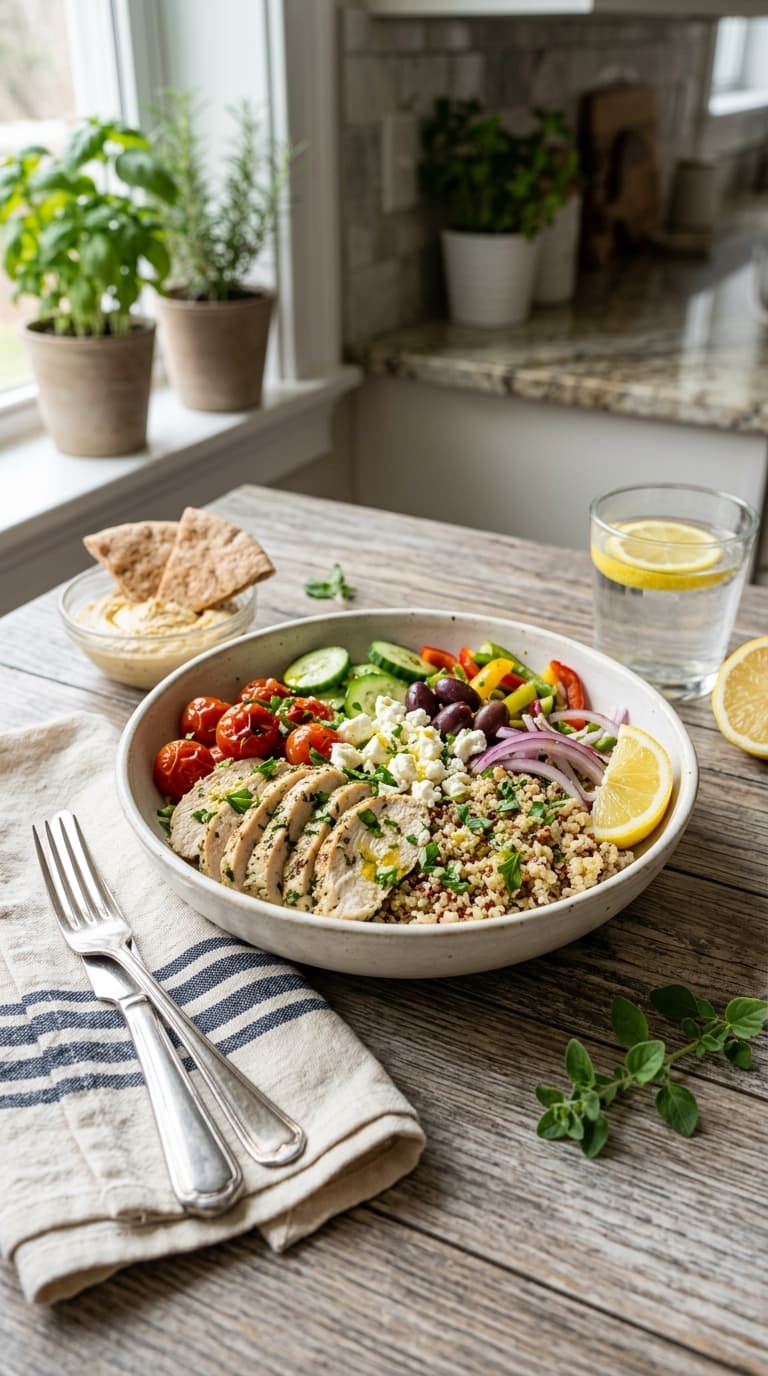
Grilled chicken breast over a bed of sautéed spinach and white beans, finished with a squeeze of lemon. White beans are loaded with fiber and pair beautifully with garlic-sautéed greens. This dinner hits protein, fiber, and healthy fats all in one bowl.
Day 3: The Midweek Power Push
Breakfast
Whole grain toast with mashed avocado, sliced tomato, and a poached egg. Avocado delivers monounsaturated fats that directly support healthy cholesterol ratios. FYI, this combo also keeps your energy stable all morning — no mid-morning crash included.
Lunch
Tuna salad made with olive oil (not mayo), mixed with celery, red onion, and capers, served over mixed greens. Canned tuna is an affordable, omega-3-rich protein that fits perfectly into the Mediterranean approach. Skip the mayonnaise — olive oil and a squeeze of lemon does the job much better.
Dinner
Sardine pasta with whole grain spaghetti, cherry tomatoes, garlic, olives, and capers. If sardines make you raise an eyebrow, hear me out — they’re one of the most omega-3-dense, affordable fish you can eat, and when prepared this way, they’re genuinely delicious. This dish is a Mediterranean classic for a reason.
Day 4: Keeping It Interesting
Breakfast
Smoothie made with spinach, frozen banana, almond milk, ground flaxseed, and a tablespoon of almond butter. Blend it up and drink your way into a cholesterol-lowering morning. The flaxseed contains lignans and omega-3 fatty acids that actively support heart health.
Lunch
Hummus and veggie wrap in a whole grain tortilla with roasted red pepper, cucumber, spinach, and a handful of olives. Hummus is made from chickpeas, which means you’re getting fiber and plant sterols even in your lunch wrap. This is the kind of meal that actually keeps you going all afternoon.
Dinner
Baked cod with a tomato-herb sauce, served alongside roasted asparagus and brown rice. Cod is a lean, mild white fish that works beautifully in the Mediterranean style. The tomato sauce — made with olive oil, garlic, and fresh herbs — adds lycopene, a powerful antioxidant linked to lower cardiovascular risk.
Day 5: Flavor First
Breakfast
Overnight oats prepared with almond milk, chia seeds, diced apple, and cinnamon. Make this the night before and breakfast is done before you even open your eyes. Apples contain pectin — a soluble fiber that specifically targets LDL cholesterol. Cinnamon adds flavor and has its own modest cholesterol-lowering effects.
Lunch
Roasted vegetable and quinoa bowl with a tahini-lemon dressing. Use whatever roasted vegetables you have — eggplant, zucchini, bell pepper, and red onion all work great. Tahini (sesame paste) contains sesame lignans and healthy fats that contribute to the cholesterol-lowering effects of this meal.
Dinner
Grilled mackerel with a Greek-style cucumber and tomato salad, plus a side of lentils. Mackerel might be the most powerful cholesterol-fighting fish on this list. It’s incredibly rich in omega-3 fatty acids — even more than salmon, gram for gram. Pair it with a fresh salad and lentils and you’ve got one seriously heart-healthy dinner.
Day 6: Weekend Treat (That’s Still Good for You)
Breakfast
Shakshuka — eggs poached in a spiced tomato and pepper sauce, served with whole grain bread. This Mediterranean breakfast staple is warming, satisfying, and absolutely packed with lycopene from the tomatoes. It feels indulgent but every ingredient is genuinely working in your favor.
Lunch
Falafel bowl with brown rice, cucumber, tomatoes, red onion, fresh parsley, and a tahini drizzle. Chickpea-based falafel brings fiber and plant protein, and a homemade tahini dressing ties everything together. This bowl is proof that eating for your heart doesn’t have to feel like a punishment.
Dinner
Lamb or chicken kebabs marinated in lemon, garlic, and olive oil, served with roasted vegetables and tzatziki. Choose lean cuts and keep portions reasonable. The marinade of olive oil and lemon does double duty — tenderizing the meat and adding healthy fats. Tzatziki made with Greek yogurt adds probiotics on the side.
Day 7: Finishing Strong
Breakfast
Whole grain pancakes made with oat flour, served with fresh mixed berries and a small drizzle of honey (no syrup, sorry). Oat flour keeps the cholesterol-fighting beta-glucan front and center even in your weekend breakfast. Top with blueberries and strawberries for an antioxidant-rich finish.
Lunch
White bean and vegetable minestrone soup with whole grain bread. This classic Italian-Mediterranean soup is fiber-rich, warming, and deeply satisfying. White beans, tomatoes, carrots, celery, and spinach all come together in a broth that genuinely tastes like it took hours — even when it didn’t.
Dinner
Baked salmon with a walnut-herb crust, roasted sweet potato, and steamed broccoli. End the week the way you started — with salmon. The walnut crust adds extra omega-3s and a satisfying crunch. Sweet potato gives you beta-carotene and complex carbs, and broccoli rounds out the plate with glucosinolates that support overall cardiovascular health.
Tips to Make This Week Actually Work
Look, meal plans sound great on paper, but real life has a habit of getting in the way. Here’s how to make this week genuinely manageable:
- Batch cook on Sunday — make a big pot of lentils, cook a batch of quinoa, and roast a tray of vegetables to use throughout the week
- Keep snacks simple — a small handful of almonds, an apple, or carrot sticks with hummus cover you between meals without derailing progress
- Swap freely — if you hate sardines, use salmon; if you can’t find mackerel, tuna works; the principles matter more than perfection
- Stay hydrated — water, herbal teas, and the occasional black coffee are your best friends this week
- Use olive oil generously — this isn’t a low-fat diet; the fats in this plan are the reason it works
What to Expect After 7 Days
One week won’t completely transform your cholesterol panel — let’s be realistic. But you will notice real changes. Most people report increased energy, reduced bloating, better sleep, and fewer cravings after just seven days of eating this way. These are your body’s early signals that something good is happening.
Research consistently shows that sustained Mediterranean-style eating can lower LDL cholesterol by 10–15% over 4–12 weeks. Some studies show even greater reductions when combined with regular physical activity. A 30-minute walk most days amplifies everything this meal plan is already doing for your heart.
The bigger win here is that this way of eating doesn’t feel like deprivation. After a week, most people don’t want to go back to their old habits — because the food genuinely tastes better and feels better. That’s the secret the fad diet industry doesn’t want you to figure out 🙂
Final Thoughts
Seven days is really just the beginning. The Mediterranean diet isn’t a temporary fix — it’s a permanent upgrade to the way you eat and live. Your cholesterol, your heart, your energy levels, and honestly your entire relationship with food can shift when you stop treating healthy eating like a penalty and start treating it like a privilege.
Pick up those groceries, cook that salmon on Monday, and give your body the week it deserves. You’ve got everything you need — now just get started.