I Ate Mediterranean for 7 Days and My Skin Completely Transformed
I Ate Mediterranean for 7 Days and My Skin Completely Transformed
Okay, real talk — I didn’t expect a week of eating hummus and olive oil to change my face. I genuinely thought people who claimed “food changed my skin” were either lying or selling something. Spoiler: I was the skeptic who ended up eating crow. And a lot of feta cheese.
Seven days of Mediterranean eating later, my skin looked noticeably clearer, more hydrated, and honestly just… glowy. I didn’t change my skincare routine. I didn’t buy a single new serum. I just changed what I put on my plate. Let me walk you through exactly what happened — day by day, meal by meal — and why the science behind this actually makes total sense.
Why I Decided to Try the Mediterranean Diet for My Skin
I’d been dealing with dull, slightly congested skin for months. Not full-blown breakouts, just that tired, blah look that no amount of moisturizer seemed to fix. A friend casually mentioned she’d noticed her skin improving after she started eating more Mediterranean-style meals. I was skeptical — correlation isn’t causation, after all — but I figured a week of better food couldn’t hurt.
So I committed. Seven days, fully Mediterranean. Lots of vegetables, olive oil, legumes, whole grains, fish, and fresh herbs. Minimal processed food, minimal sugar, minimal red meat. Sounds pretty doable, right? It mostly was. (Except day three. Day three nearly broke me.)
What the Mediterranean Diet Actually Looks Like
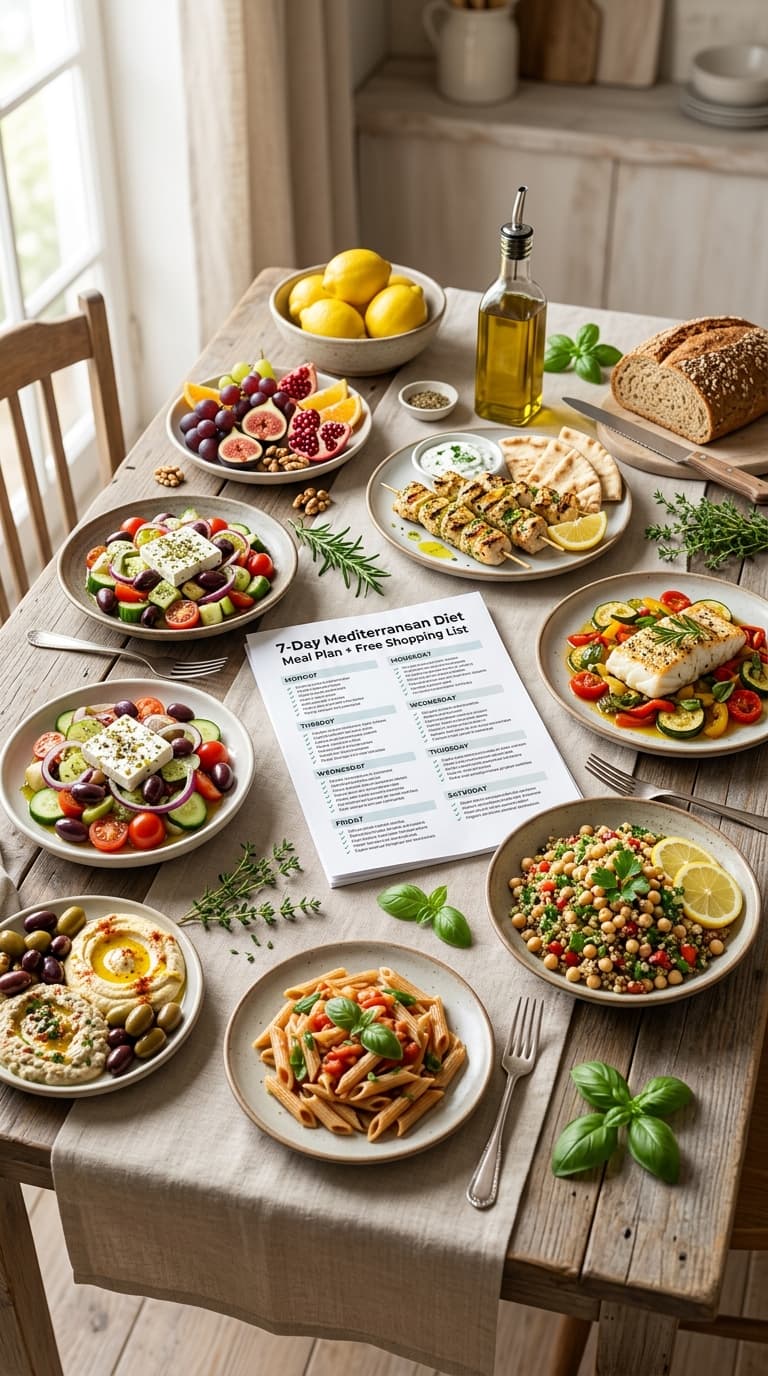
Before we talk about my skin, let’s get clear on what I was actually eating. The Mediterranean diet isn’t just pasta and wine — though I wish it were entirely that. It’s a whole eating pattern built around whole, minimally processed foods that happen to be loaded with nutrients your skin desperately wants.
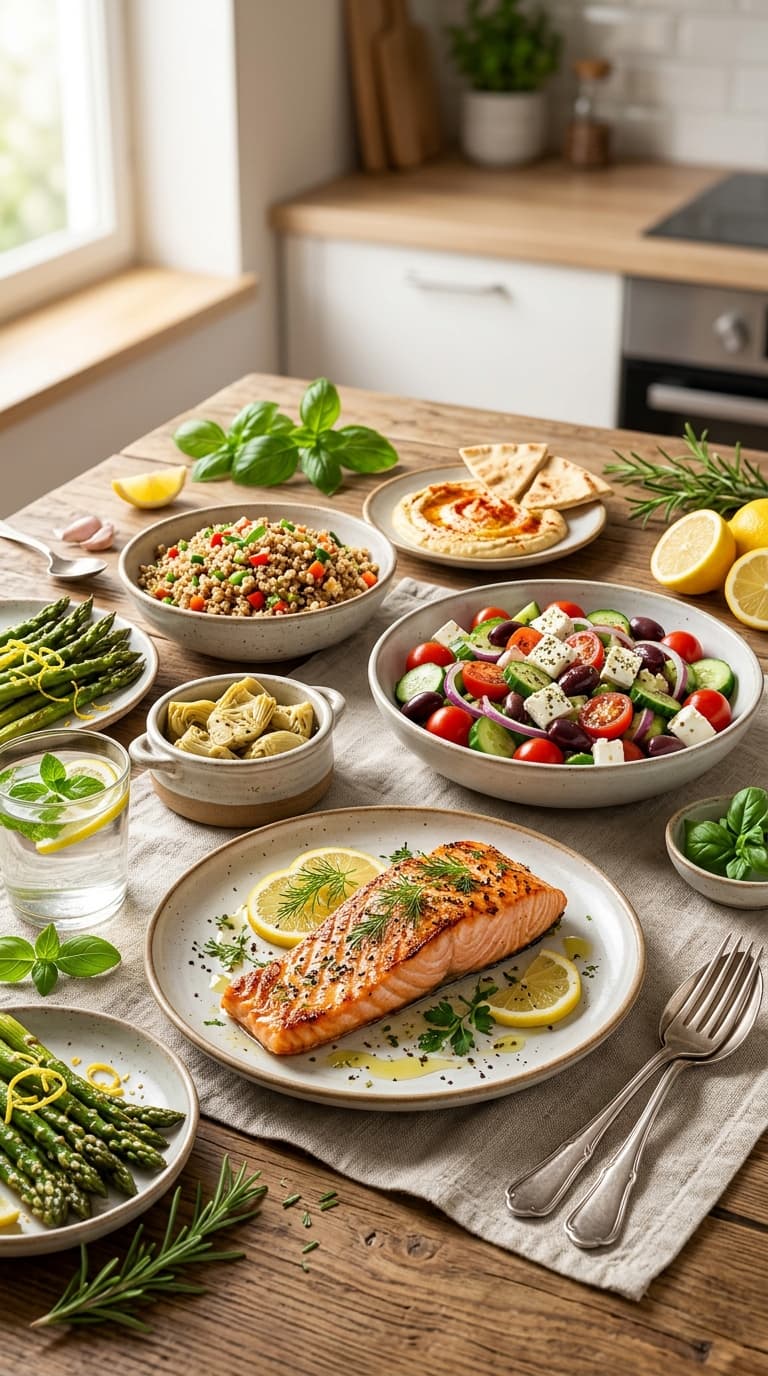
Here’s what a typical day looked like:
- Breakfast: Greek yogurt with walnuts, honey, and fresh berries
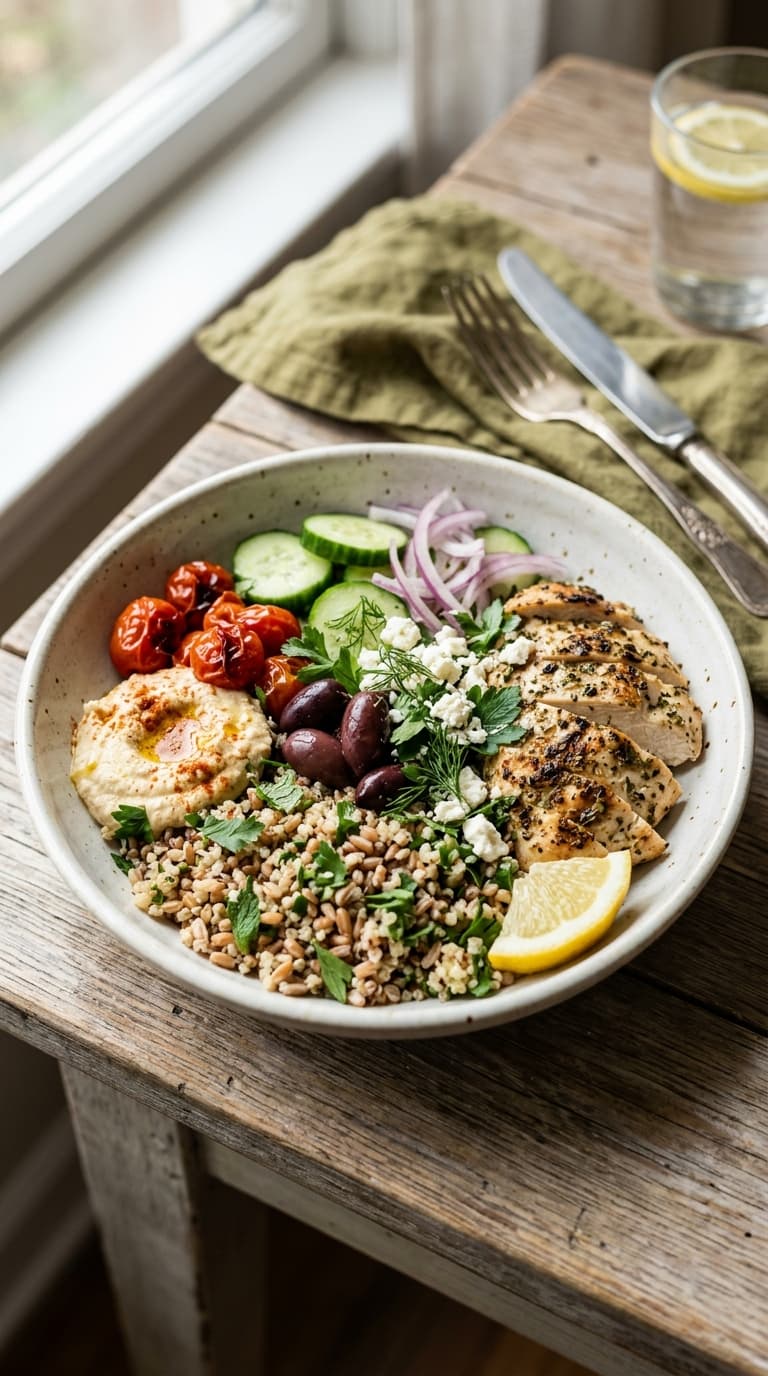
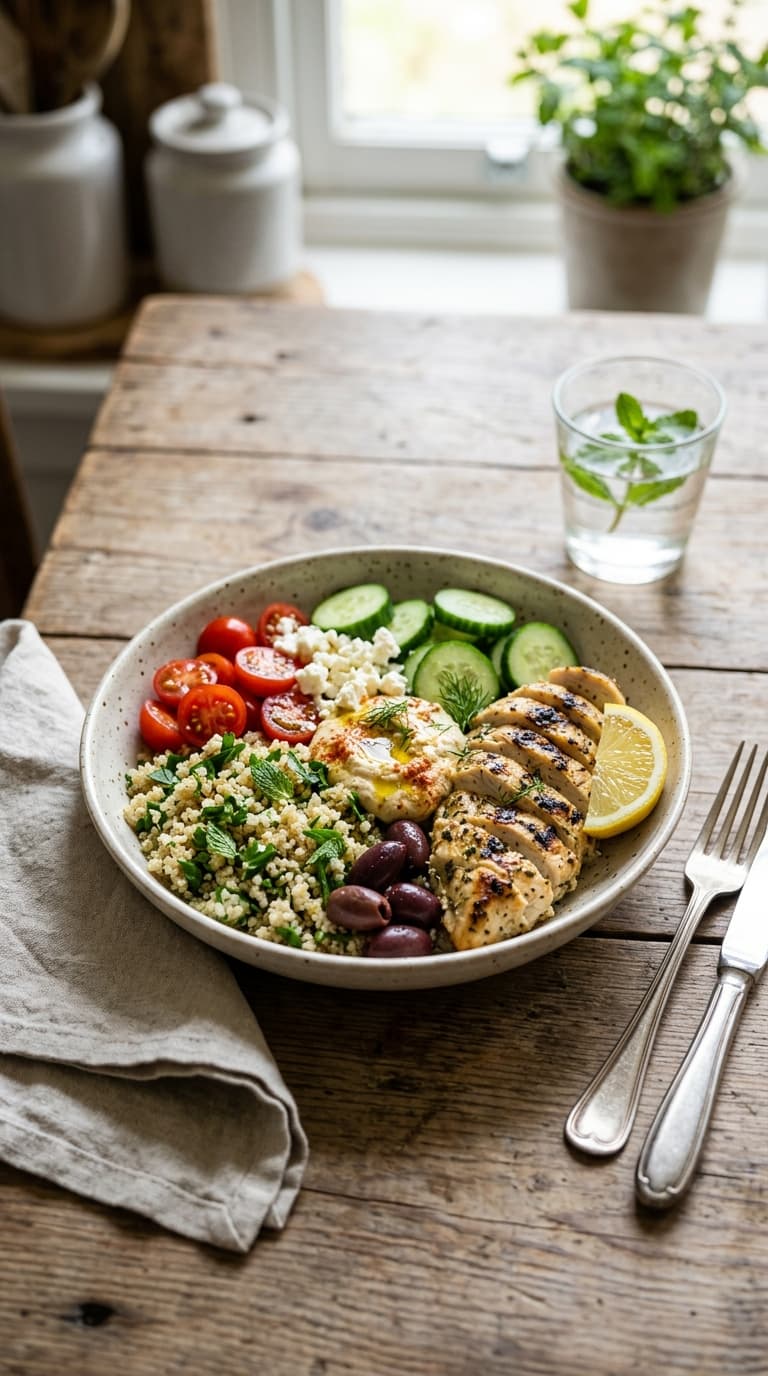
- Lunch: Big salad with chickpeas, cucumber, tomatoes, olives, and a generous drizzle of extra virgin olive oil
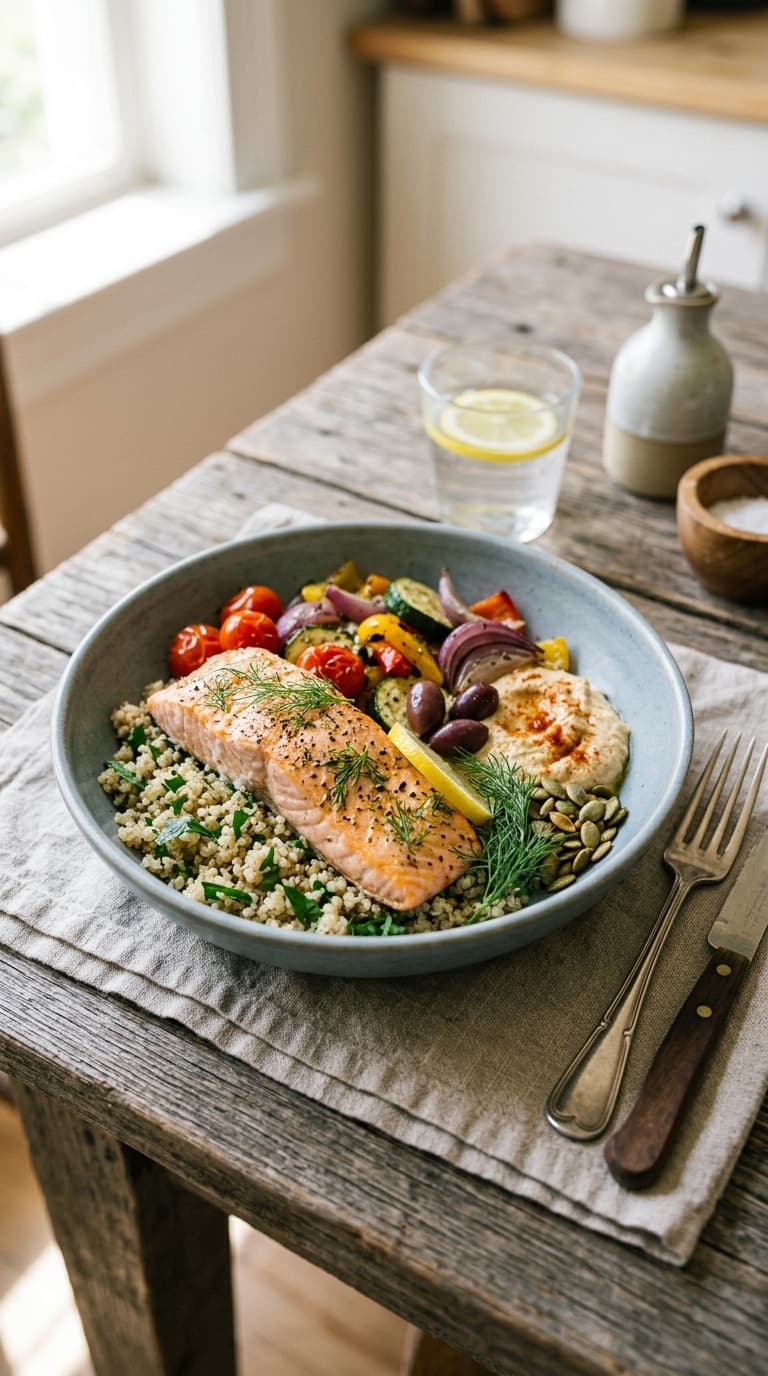
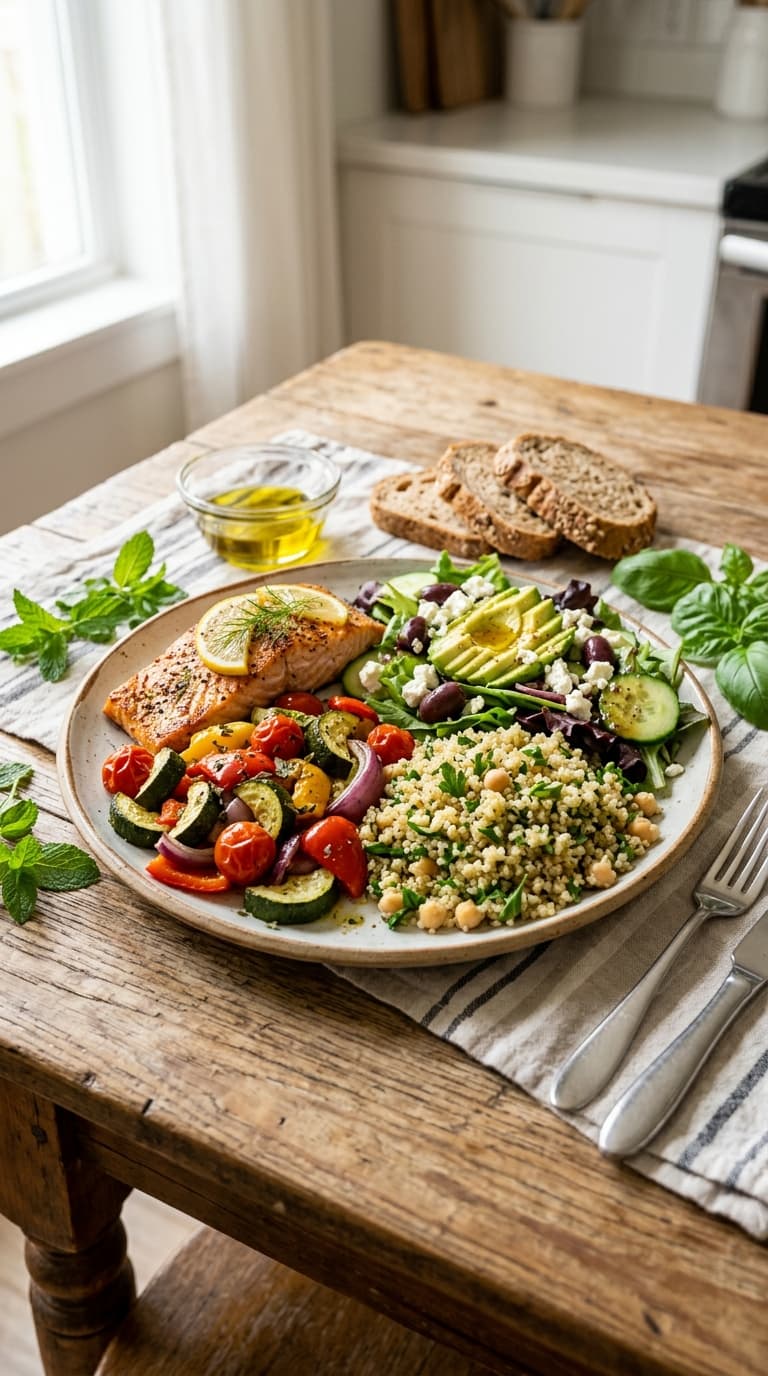
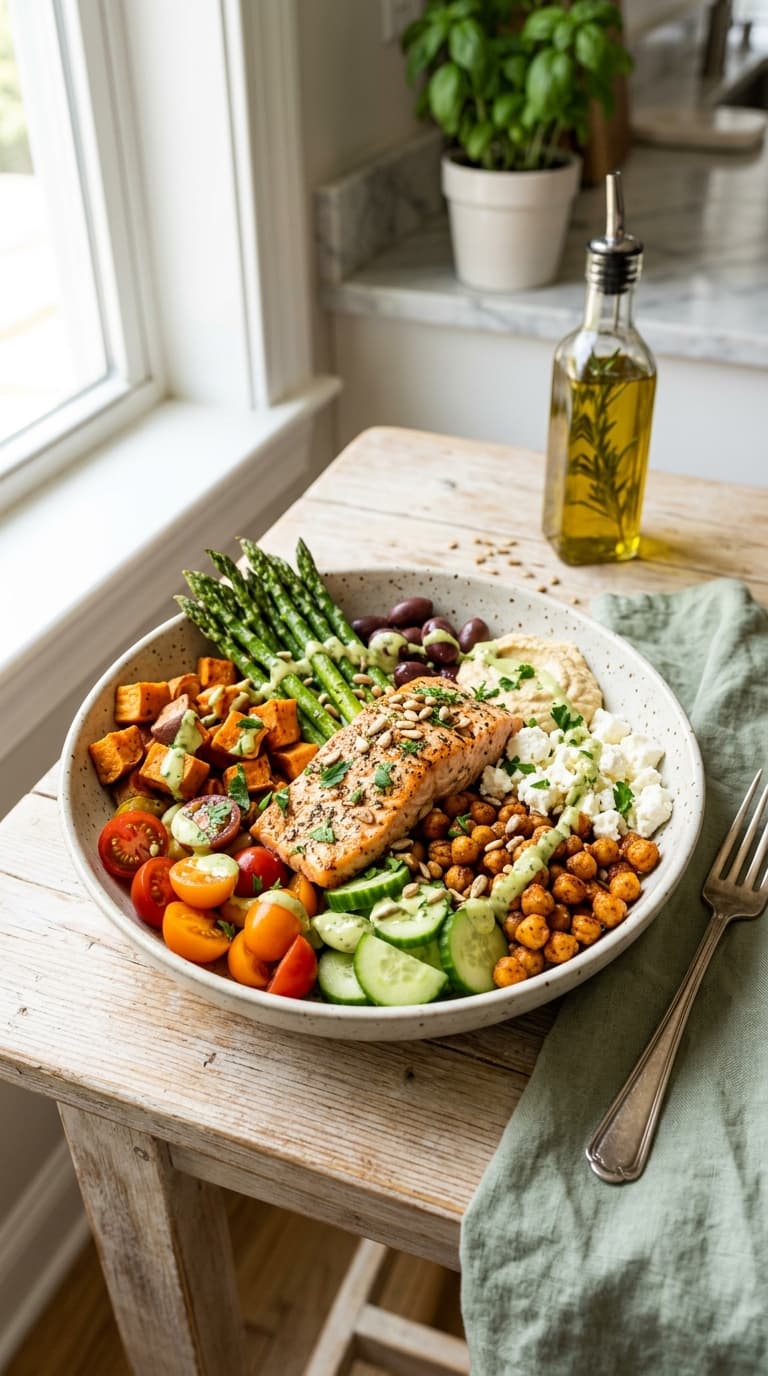
- Dinner: Grilled salmon or sardines with roasted vegetables and a side of whole grain bread
- Snacks: Hummus with raw veggies, a handful of almonds, or a piece of fruit
Notice what’s missing? Processed snacks, sugary drinks, fast food. My usual afternoon biscuit habit? Gone. And honestly, that alone might have done half the work.
Day-by-Day Breakdown: What I Noticed
Days 1–2: Nothing Yet (Obviously)
The first two days were uneventful skin-wise. I felt slightly more energized — probably because I was actually eating vegetables instead of whatever sad desk lunch I’d been surviving on — but my face looked exactly the same. I wasn’t discouraged, but I wasn’t exactly thrilled either :/
What I did notice was how satisfying the meals were. Mediterranean food is rich in healthy fats and fiber, which means you stay full without that post-lunch crash. That was a pleasant surprise.
Days 3–4: The Adjustment Phase
Day three hit and I really wanted a chocolate bar. My body was clearly staging a protest against the absence of refined sugar. I powered through with some dates and almond butter (Mediterranean-adjacent, don’t @ me).
By day four, something subtle shifted. My skin felt less tight and dry, especially around my cheeks. I’d been eating salmon two nights in a row, and I’m fairly convinced those omega-3 fatty acids started doing their thing. Omega-3s help maintain the skin’s lipid barrier — the protective layer that keeps moisture in and irritants out. When that barrier is functioning well, skin just looks better.
Days 5–6: The Glow Started Showing Up
This is when things got interesting. By day five, a coworker asked if I’d done something different with my makeup. I hadn’t worn any. IMO, that’s the best kind of compliment.
My skin looked more even-toned. The subtle redness I usually had around my nose had calmed down noticeably. I’d been eating a lot of tomatoes, leafy greens, and bell peppers — all loaded with antioxidants like vitamin C and lycopene — and the anti-inflammatory effects were becoming visible.
Day six, I looked in the mirror in the morning and thought, oh. That kind of quiet, good surprise.
Day 7: The Full Transformation
By the final day, my skin was genuinely clearer than it had been in months. Not magically perfect — I still have pores, I’m still human — but brighter, more hydrated, and significantly calmer. The congestion I’d been fighting had reduced. The dullness was mostly gone.
I also slept better throughout the week, which definitely contributed. The Mediterranean diet is linked to better sleep quality, and better sleep means lower cortisol. Lower cortisol means less inflammation. Less inflammation means happier skin. It’s all connected.
The Science Behind Why This Works
Anti-Inflammatory Foods Are the Real MVP
The biggest skin benefit of Mediterranean eating comes down to one thing: reducing inflammation. Chronic, low-grade inflammation is behind so many skin issues — acne, redness, premature aging, dullness. The Mediterranean diet is built around foods that actively fight inflammation.
Extra virgin olive oil contains oleocanthal, a compound with anti-inflammatory properties similar to ibuprofen. Fatty fish like salmon and sardines deliver omega-3 fatty acids that lower inflammatory markers throughout the body. Leafy greens and colorful vegetables flood your system with antioxidants that neutralize free radicals before they can damage skin cells.
The Sugar Connection Nobody Talks About Enough
Here’s the thing most skincare influencers gloss over: sugar ages your skin. It triggers a process called glycation, where sugar molecules attach to collagen and elastin fibers and make them stiff and brittle. That leads to wrinkles, sagging, and dull skin over time.
Cutting refined sugar — even for just a week — gives your collagen a break. And the Mediterranean diet is naturally low in added sugar, so you make that swap without even thinking about it. FYI, this is probably the single most underrated skin benefit of this way of eating.
Gut Health and Your Skin Are Basically Best Friends
The gut-skin axis is a real and well-researched connection. When your gut microbiome is thriving, your skin tends to follow. Mediterranean eating supports gut health through:
- High fiber intake from vegetables, legumes, and whole grains — feeds beneficial bacteria
- Fermented foods like Greek yogurt — adds live cultures directly to your gut
- Polyphenols from olive oil, vegetables, and herbs — act as prebiotics for good bacteria
- Reduced processed food — fewer ingredients that disrupt the microbiome
A healthier gut means less systemic inflammation, better nutrient absorption, and — you guessed it — clearer, calmer skin.
Hydration From Food, Not Just Your Water Bottle
One thing I genuinely underestimated was how much the high water content of Mediterranean foods contributed to my skin’s hydration. Cucumbers, tomatoes, zucchini, watermelon — these foods are mostly water, and eating them regularly gives your skin hydration from the inside out.
Combine that with the healthy fats from olive oil and avocado that help your skin hold onto moisture, and you’ve got a pretty powerful hydration combo that no moisturizer alone can replicate.
Key Nutrients That Made the Difference
Let’s break down the specific nutrients I was loading up on and what they actually do for skin:
- Omega-3 fatty acids (salmon, sardines, walnuts): Strengthen the skin barrier, reduce redness and inflammation
- Vitamin C (bell peppers, tomatoes, citrus): Boosts collagen production, brightens skin tone
- Vitamin E (olive oil, almonds, sunflower seeds): Protects against UV damage and oxidative stress
- Lycopene (tomatoes, especially cooked): Powerful antioxidant that protects skin from sun damage
- Zinc (chickpeas, pumpkin seeds, legumes): Regulates oil production, supports skin healing
- Polyphenols (olive oil, red wine, herbs): Protect collagen, fight free radicals
Each of these nutrients plays a specific role, and the Mediterranean diet delivers them all together in a form your body can actually absorb. That’s what makes it more effective than popping a multivitamin and calling it a day.
What I’d Do Differently
Add More Variety Earlier
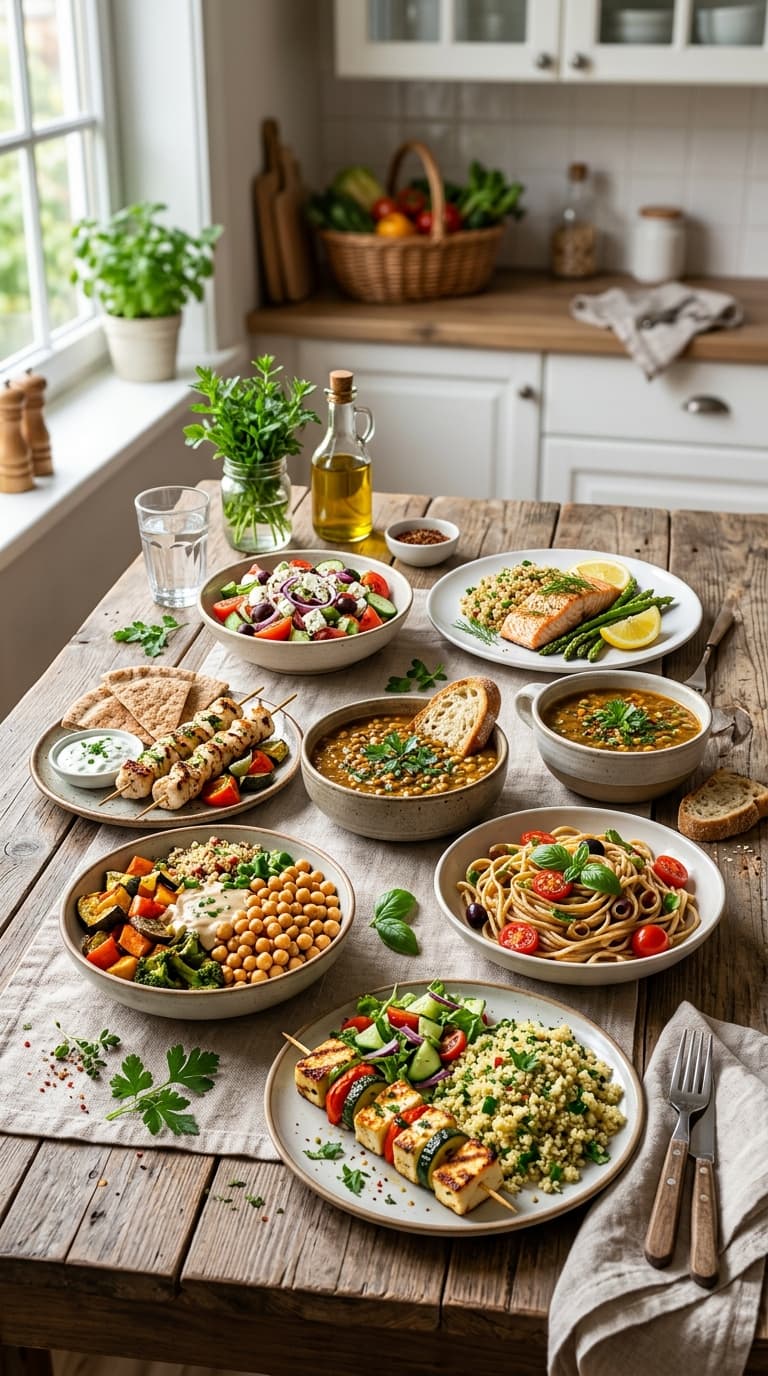
I leaned heavily on salmon and chickpeas the first few days because they were easy. In hindsight, I wish I’d incorporated more variety from day one — sardines, mackerel, lentils, different greens — to get a broader range of nutrients.
Cut Sugar Sooner in the Day
I was still having a small amount of honey in my morning yogurt and occasionally a piece of dark chocolate in the evening. Both are Mediterranean-compatible in moderation, but I think going stricter on sugar for the first few days would have sped up the results.
Track My Water Intake
I drank more water than usual but didn’t track it. Given how much better hydration affects skin, I’d be more intentional about this in a future experiment.
Is One Week Enough to See Results?
Honestly? It surprised me. Seven days is short, but your skin turns over pretty rapidly — the outer layer renews itself roughly every two to four weeks, and you can start to see surface-level improvements before a full cycle completes.
What I saw in a week was likely the result of reduced inflammation, better hydration, and less sugar — all things that show up relatively quickly. For deeper changes like improved texture, reduced hyperpigmentation, or long-term collagen support, you’d need to commit for months, not days.
But as a proof of concept? One week was plenty to convince me this isn’t just wellness influencer nonsense.
How to Start Without Overhauling Your Entire Life
You don’t need to go full Mediterranean overnight. Small, consistent swaps get you most of the benefit without the overwhelm:
- Swap vegetable oil for extra virgin olive oil in cooking and dressings
- Add one serving of fatty fish per week and build from there
- Replace processed snacks with nuts, hummus, or fresh fruit
- Eat more vegetables at every meal — aim for half your plate
- Cut sugary drinks and replace with water, herbal tea, or sparkling water
These shifts alone would give your skin a noticeable boost over a few weeks. You don’t have to live on a Greek island to eat like you do. (Though that would be amazing, obviously.)
Final Thoughts
Here’s what a week of Mediterranean eating taught me: what you put in your body shows up on your face. That’s not a revolutionary idea, but it took actually experiencing it to make me believe it.
The Mediterranean diet works for skin because it tackles the root causes — inflammation, oxidative stress, poor gut health, sugar damage — rather than just masking symptoms with topical products. It’s not a replacement for a good skincare routine, but it might just be the missing piece that makes everything else work better.
Would I do it again? Absolutely. In fact, I haven’t really stopped. The food is genuinely delicious, I feel better, and my skin looks better. That’s a pretty compelling combination 🙂
If you’re dealing with dull, congested, or irritated skin and you’ve tried every serum on the market, maybe it’s time to look at your plate. Give it seven days. You might surprise yourself.