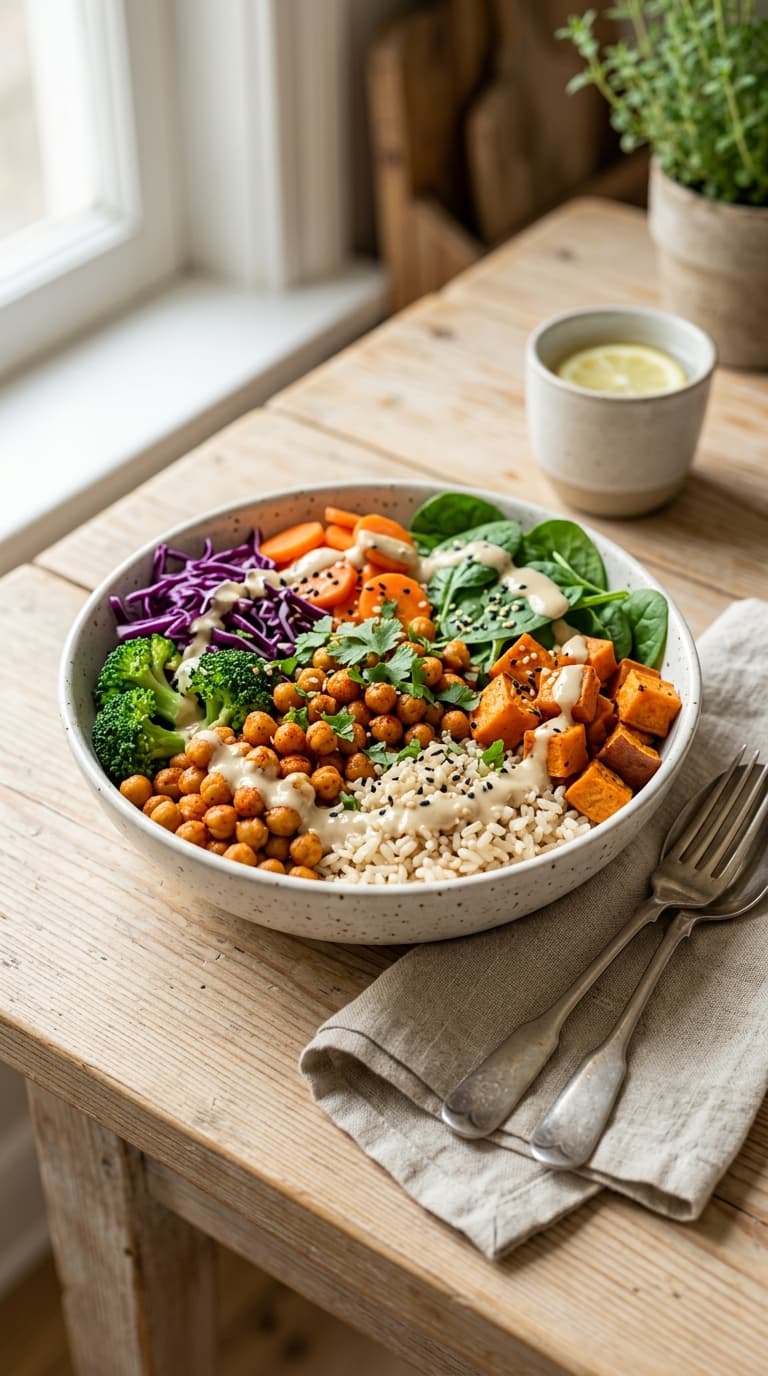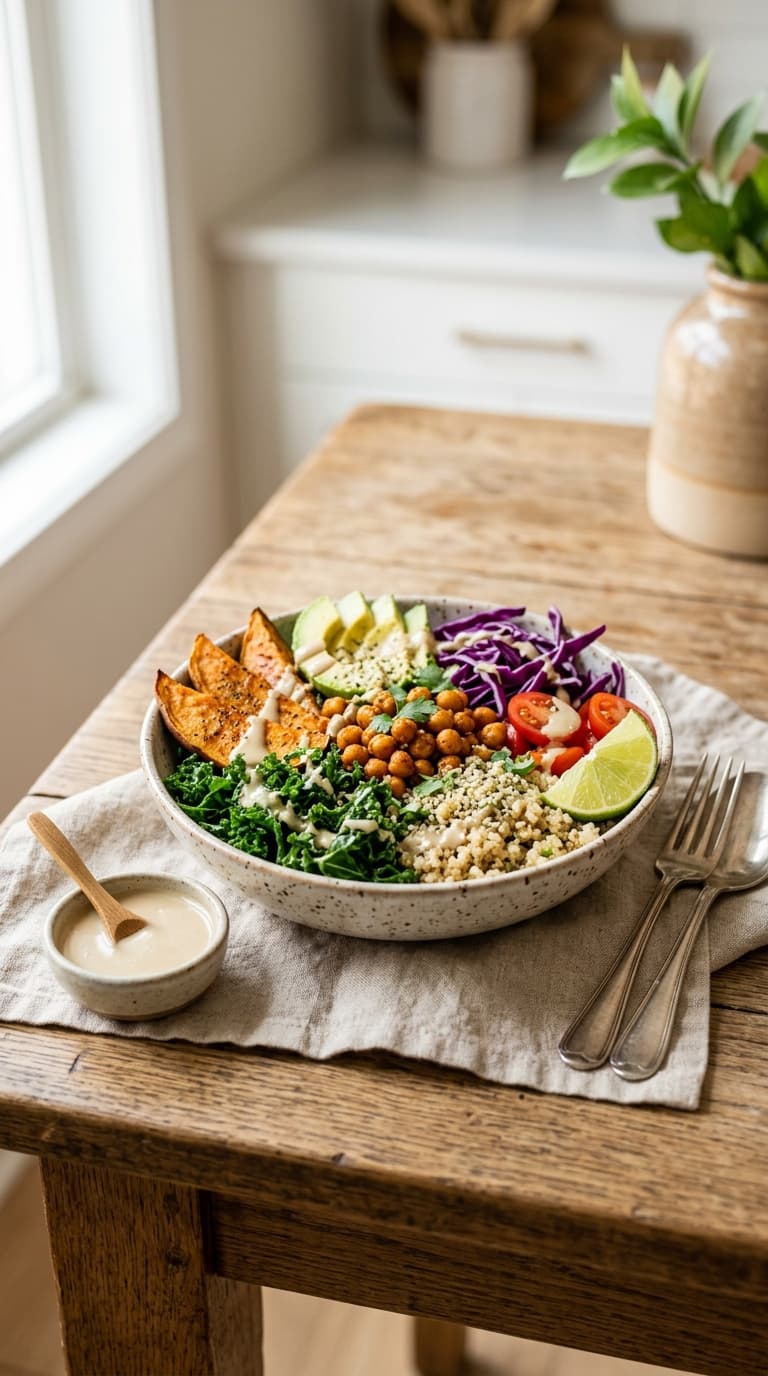
Eat 1200 Calories and Never Feel Hungry: 7-Day Meal Plan
Eat 1200 Calories and Never Feel Hungry: 7-Day Meal Plan
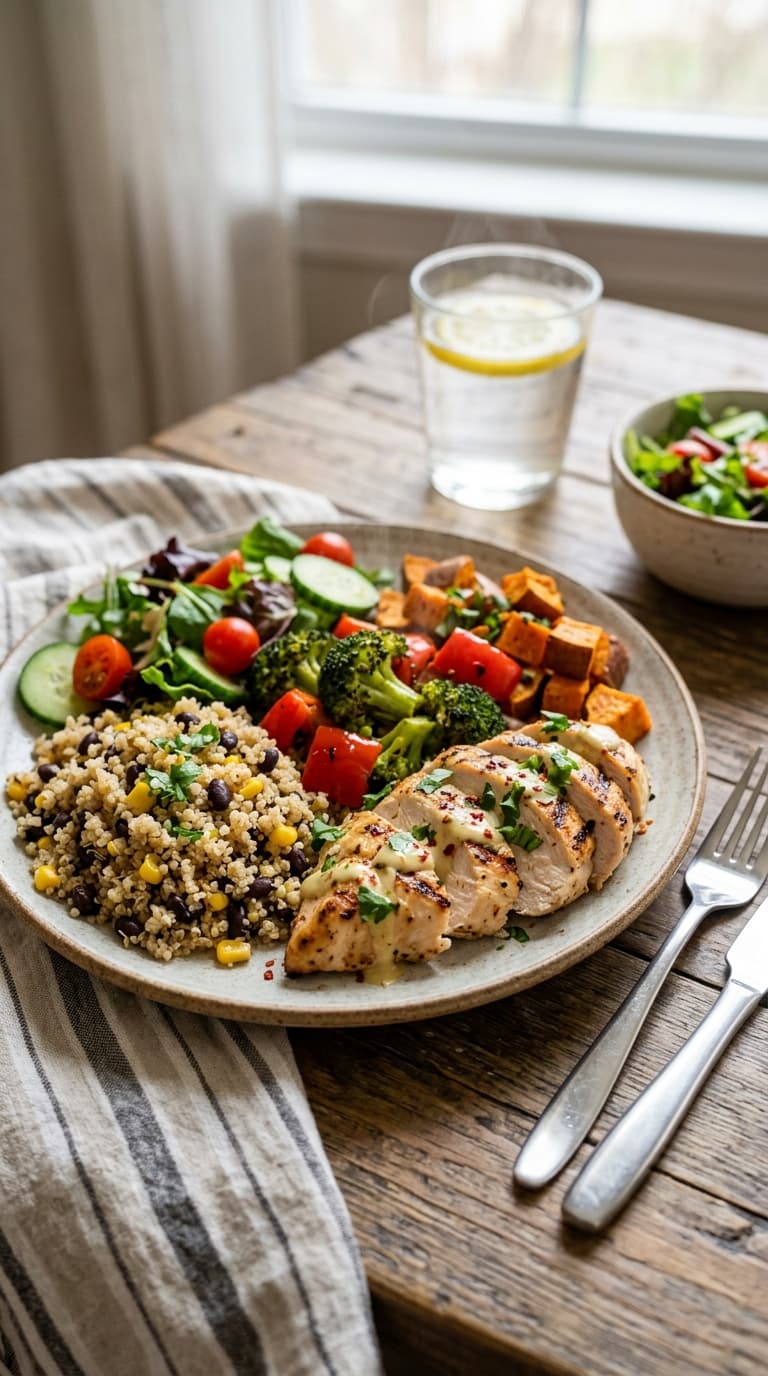
Let’s be honest — when someone says “1200 calories,” your brain probably screams “starvation diet.” :/ I get it. I thought the same thing the first time I tried cutting back. But here’s the thing: eating 1200 calories a day doesn’t have to feel like punishment. With the right foods and a solid plan, you can actually feel full, satisfied, and energized. Sounds too good to be true? Keep reading.
Why 1200 Calories Actually Works (When Done Right)
Most people fail at low-calorie diets because they eat the wrong things — a tiny bowl of pasta here, a sad handful of crackers there. That’s a miserable way to live. The secret to making 1200 calories feel like more is choosing foods that are high in volume, fiber, and protein. These three things keep hunger at bay longer than any sugary snack ever could.
Protein is your best friend here. It takes longer to digest, keeps you fuller, and actually helps preserve muscle mass while you lose fat. Fiber works similarly — it slows digestion and keeps your gut happy. Volume matters too, because your stomach responds to physical bulk, not just calories.
So instead of eating a 300-calorie chocolate bar that disappears in three bites, you eat a massive salad with grilled chicken and a boiled egg. Same calories (roughly), totally different hunger outcome. FYI, this is the entire philosophy behind this 7-day plan.
What to Eat on 1200 Calories: The Building Blocks
Before we get into the actual meal plan, let’s talk about the foods that make this work. You can’t just randomly pick 1200 calories worth of food and call it a day — the composition matters enormously.
High-Volume, Low-Calorie Foods
These are the foods that fill your plate and your stomach without wrecking your calorie budget:
- Leafy greens (spinach, kale, arugula, romaine) — nearly zero calories, huge volume
- Cucumbers, celery, zucchini — mostly water, very filling
- Broth-based soups — take up space in your stomach, slow digestion
- Berries — sweet, fiber-packed, and relatively low in sugar
- Cauliflower and broccoli — incredibly filling, versatile, and nutritious
Protein Sources That Carry Their Weight
- Eggs — cheap, filling, and endlessly flexible
- Chicken breast — lean, high-protein, low-calorie workhorse
- Greek yogurt (plain) — high protein, gut-friendly probiotics
- Cottage cheese — underrated protein bomb, seriously
- Canned tuna or salmon — convenient and incredibly satisfying
Smart Carbs and Fats
Yes, you can have carbs and fats on 1200 calories. You just have to be smart about them. Go for oats, sweet potato, and brown rice over refined grains. Add avocado, olive oil, and nuts in small amounts — they’re calorie-dense but they make meals feel indulgent and satisfying.
The 7-Day 1200-Calorie Meal Plan
Alright, let’s get to the good stuff. This plan averages 1200 calories per day, spread across three meals and one snack. Every day is designed to keep you full, hit your nutritional targets, and not make you want to cry into your lunch.
Day 1: Fresh Start Monday
Breakfast (~300 cal): Two scrambled eggs with a handful of spinach, one slice of whole-grain toast, and half a grapefruit on the side.
Lunch (~350 cal): A big bowl of mixed greens with grilled chicken breast (about 3 oz), cucumber, cherry tomatoes, and a tablespoon of olive oil with lemon.
Snack (~100 cal): A small apple with a teaspoon of almond butter.
Dinner (~450 cal): Baked salmon (4 oz) with roasted broccoli and half a cup of cooked brown rice.
Day 2: Keep the Momentum Going
Breakfast (~280 cal): Half a cup of oats made with water, topped with berries and a tablespoon of chia seeds.
Lunch (~370 cal): Turkey lettuce wraps — sliced turkey breast, avocado slices, mustard, and shredded carrots wrapped in romaine leaves.
Snack (~100 cal): Half a cup of plain Greek yogurt with a few blueberries.
Dinner (~450 cal): Stir-fried tofu (4 oz) with mixed vegetables and a small portion of cauliflower rice. Use low-sodium soy sauce and a drizzle of sesame oil.
Day 3: Midweek Refresh
Ever notice how midweek is when most people bail on their diet? Wednesday rolls around and suddenly that pizza smells really tempting. Plan ahead for this — Day 3 is intentionally a little more satisfying.
Breakfast (~320 cal): Two eggs (any style) with sautéed mushrooms and a small orange.
Lunch (~380 cal): Lentil soup (homemade or low-sodium canned) with a side salad of arugula and lemon dressing.
Snack (~100 cal): A handful of baby carrots with two tablespoons of hummus.
Dinner (~400 cal): Ground turkey (3 oz) seasoned with cumin and paprika, served over zucchini noodles with a simple tomato sauce.
Day 4: Halfway There — Don’t Quit Now
Breakfast (~290 cal): Smoothie made with unsweetened almond milk, half a banana, a scoop of plain protein powder, and a handful of spinach.
Lunch (~360 cal): Tuna salad (canned tuna, Greek yogurt instead of mayo, celery, onion) stuffed into half an avocado with a side of cucumber slices.
Snack (~100 cal): One hard-boiled egg with a pinch of sea salt.
Dinner (~450 cal): Sheet pan chicken — season chicken breast with herbs, roast alongside bell peppers, onions, and zucchini. Easy, filling, and honestly delicious.
Day 5: Friday Feeling (Almost)
Breakfast (~300 cal): Cottage cheese (half a cup) topped with sliced strawberries and a drizzle of honey.
Lunch (~370 cal): Big veggie wrap — whole wheat tortilla with hummus, roasted red peppers, spinach, and a hard-boiled egg sliced in.
Snack (~80 cal): A small pear.
Dinner (~450 cal): Shrimp stir-fry with broccoli, snap peas, and a light garlic-ginger sauce over half a cup of jasmine rice.
Day 6: Weekend, But Still On Track
Here’s where most diets go sideways. The weekend shows up and suddenly all bets are off. IMO, the trick is to give yourself a slightly more enjoyable meal (without going overboard) so you don’t feel deprived.
Breakfast (~320 cal): Veggie omelette with two eggs, diced peppers, onion, and feta cheese. One cup of black coffee or herbal tea.
Lunch (~350 cal): Greek salad with cucumber, olives, tomatoes, red onion, and feta, topped with two ounces of grilled chicken.
Snack (~100 cal): A small handful of mixed nuts (about 10–12 almonds).
Dinner (~430 cal): Baked cod with a squeeze of lemon and herbs, served with steamed green beans and a small baked sweet potato.
Day 7: Strong Finish Sunday
Breakfast (~300 cal): Overnight oats — half a cup of oats, almond milk, chia seeds, and a tablespoon of peanut butter. Prep this Saturday night.
Lunch (~360 cal): Black bean soup (canned, low-sodium) with a dollop of plain Greek yogurt and a side salad.
Snack (~90 cal): Sliced cucumber and bell pepper with a tablespoon of tzatziki.
Dinner (~450 cal): Herb-roasted chicken thigh (skin removed, about 4 oz) with roasted asparagus and a small portion of quinoa.
Tips to Make 1200 Calories Feel Like More
Okay, so now you have the plan. But how do you actually stick to it and not feel like you’re white-knuckling your way through the week?
Drink Water Like It’s Your Job
Seriously — drinking enough water is one of the most underrated hunger-management tools out there. Aim for at least 8 glasses a day. Drink a full glass before every meal. Your stomach will feel fuller faster, and you’ll eat less without even trying.
Eat Slowly and Actually Taste Your Food
Your brain takes about 20 minutes to register fullness after you start eating. If you inhale your food in five minutes, you’ll eat more than you need and still feel hungry. Slow down, chew properly, and pay attention to what you’re eating.
Prioritize Protein at Every Meal
This is non-negotiable if you want to feel full on 1200 calories. Every meal in this plan includes a solid protein source — don’t swap those out for extra carbs. Protein keeps you full, protects muscle, and keeps blood sugar steady.
Prep Ahead So You Don’t Make Desperate Decisions
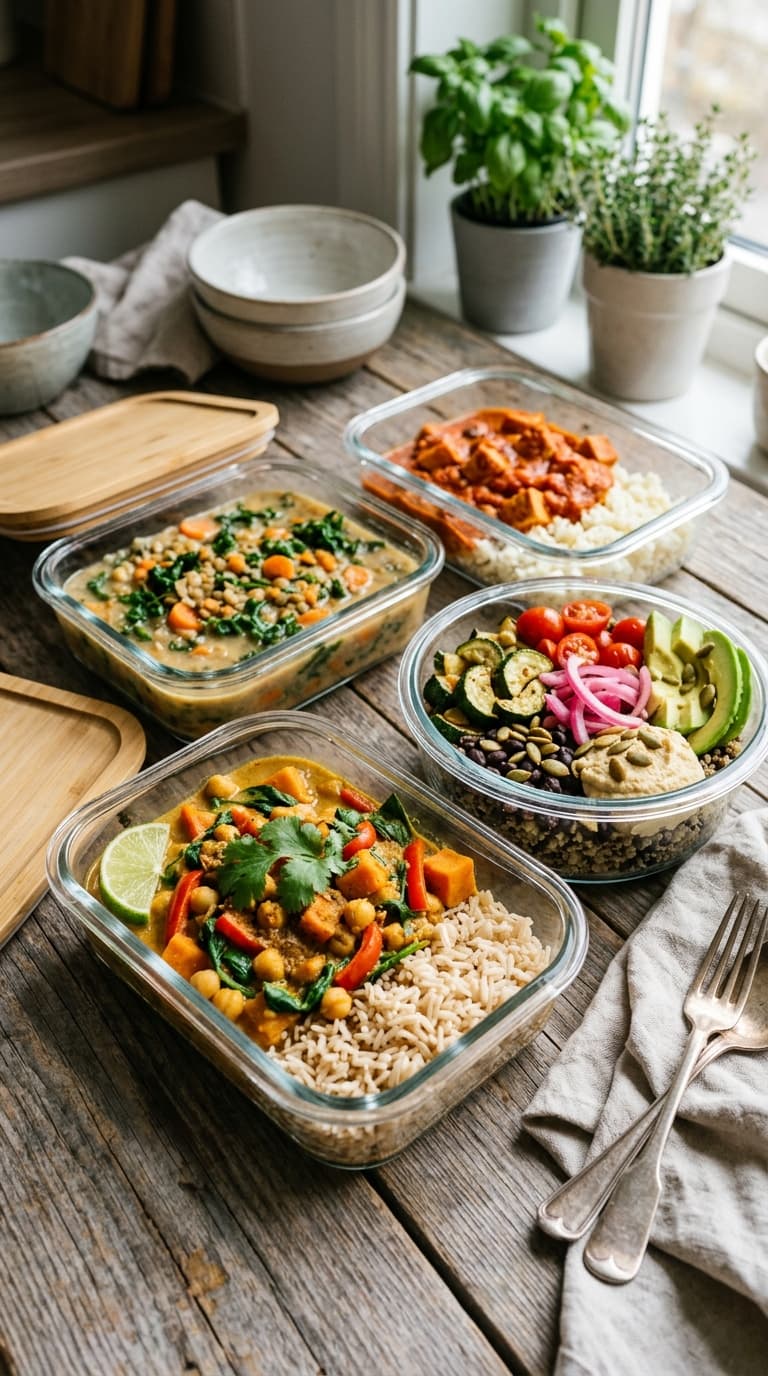
Sunday meal prep saves diets. When you’re hungry and tired, you will not make smart food choices — nobody does. But if your lunch is already in the fridge and your snacks are portioned out, the battle is basically won before it starts. Understanding the basics of healthy eating habits makes this whole process feel much more manageable and less like a constant fight against your own cravings.
Common Mistakes That Wreck 1200-Calorie Diets
Let’s talk about what not to do, because honestly, these mistakes are incredibly common.
- Skipping breakfast — leaves you ravenous by noon and blows your calorie budget at lunch
- Eating “diet” packaged foods — most are loaded with sugar and sodium, and they don’t satisfy you
- Drinking your calories — juice, lattes, sodas all eat into your budget fast
- Not tracking portions — even healthy foods can derail you if you eat too much of them
- Cutting out all fat — fat actually helps you feel full and absorb nutrients; don’t ditch it entirely
Is 1200 Calories Right for Everyone?
Real talk: 1200 calories is generally considered a minimum floor for most adult women and is often too low for adult men who have higher caloric needs. If you’re very active, taller, or have a higher baseline metabolic rate, 1200 calories might leave you genuinely depleted rather than just “managing hunger.”
Before starting any low-calorie plan, it’s worth checking in with a registered dietitian, especially if you have any underlying health conditions. The goal of sustainable weight management is to find an approach that works for your specific body — not just to follow a generic number. The NHS guidance on calorie intake offers a solid, evidence-based starting point for figuring out your personal targets.
Supplements Worth Considering on a 1200-Calorie Diet
When you eat less, you naturally get fewer micronutrients. A few supplements can help fill the gaps:
- Multivitamin — a good daily insurance policy
- Magnesium — often depleted when you cut calories, helps with sleep and muscle function
- Vitamin D — especially important if you’re not getting much sun
- Omega-3 fatty acids — great for inflammation and heart health, especially if you’re not eating fish regularly
According to Healthline’s overview of low-calorie diets, supplementing a 1200-calorie plan is strongly recommended to avoid nutritional gaps over time.
Adjusting the Plan for Your Lifestyle
Not everyone’s schedule looks the same, and that’s fine. Here’s how to tweak this plan without blowing your calorie count:
If You Work Out Regularly
Add 100–200 calories on workout days, preferably through extra protein (a boiled egg, a small protein shake, or some Greek yogurt). Don’t try to power through hard sessions on a pure 1200-calorie day — your performance and recovery will suffer.
If You’re a Night Snacker
Shift your snack to the evening instead of the afternoon. A small portion of cottage cheese or a handful of veggies with hummus at 9 p.m. is much better than raiding the pantry at midnight.
If You Hate Cooking
Pick three or four meals from this plan that require minimal cooking (like the tuna-stuffed avocado, overnight oats, or Greek salad) and rotate them throughout the week. You don’t need to cook every single meal from scratch.
Final Thoughts
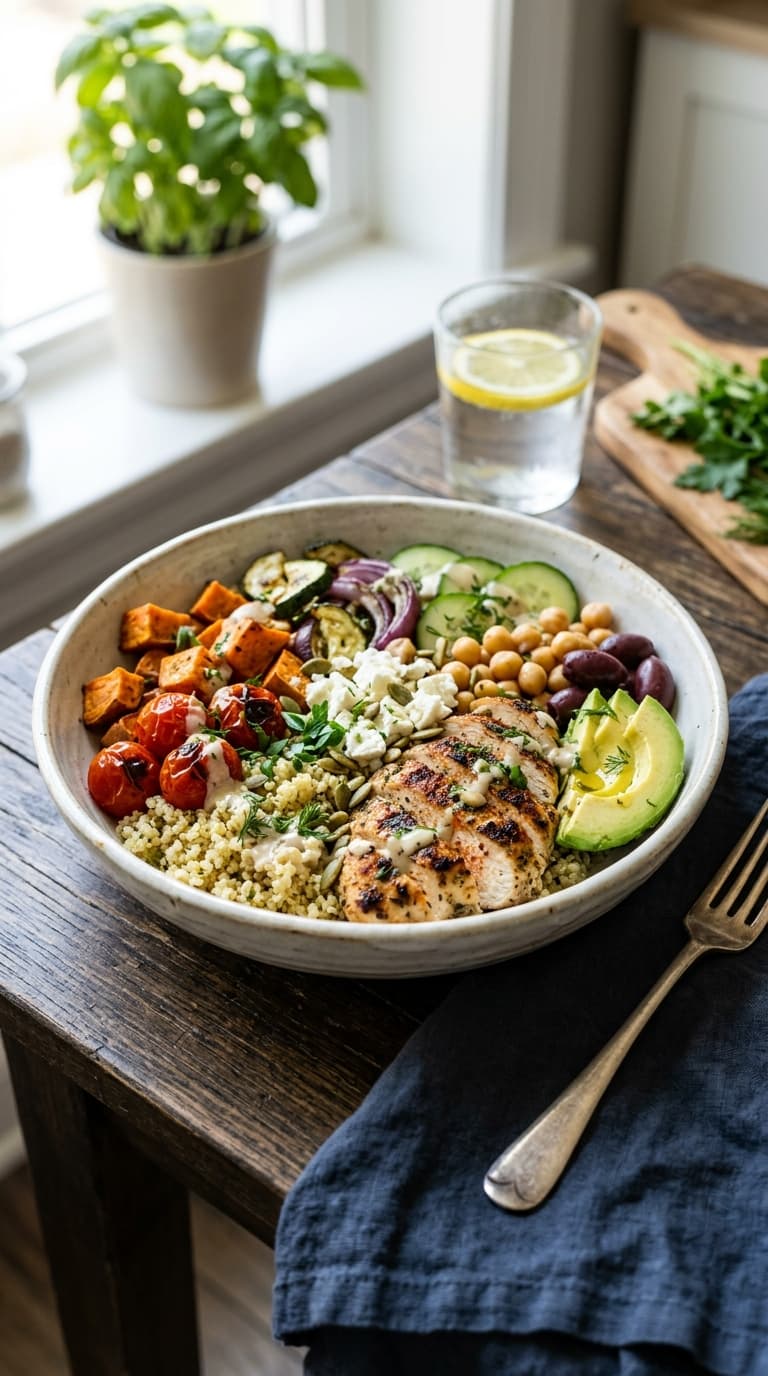
Look, 1200 calories sounds scary until you see what it actually looks like on a plate. When you build meals around volume, fiber, and protein, you eat a surprising amount of food. You don’t have to feel hungry, miserable, or deprived — and this 7-day plan proves exactly that.
The key takeaways are simple: prioritize protein, load up on vegetables, stay hydrated, and prep ahead of time. You’re not punishing your body — you’re fueling it smarter. And honestly? Once you start feeling the difference after a few days of eating this way, you might wonder why you ever bothered with those pointless crash diets in the first place 🙂
Give this plan a full week before you judge it. Seven days is all it takes to start seeing — and feeling — a real difference. You’ve got nothing to lose except the hunger you thought was unavoidable.