Delicious 7-Day 1200 Calorie Meal Plan (No Sad Salads Here!)
Delicious 7-Day 1200 Calorie Meal Plan (No Sad Salads Here!)
Let’s be real — when someone says “1200 calorie meal plan,” your brain immediately pictures a sad bowl of lettuce and the faint sound of your stomach crying. But what if I told you that eating at a calorie deficit doesn’t have to feel like punishment? Because it genuinely doesn’t. I’ve been there, done that, and learned the hard way that boring food is the fastest route to abandoning any meal plan by Wednesday. So let’s fix that.
Why 1200 Calories Actually Works (When Done Right)
A 1200 calorie meal plan isn’t some crash diet gimmick. For many people — especially smaller-framed individuals or those with lower activity levels — it sits right in the range that creates a healthy calorie deficit without wrecking your metabolism. The key word here is balance. You want protein, healthy fats, fiber, and yes, even the occasional carb doing its thing on your plate.
The problem most people run into isn’t the calorie count — it’s the food choices. If you spend all 1200 calories on rice cakes and sadness, of course you’re going to quit. But spread those calories across satisfying, flavor-packed meals? Totally different story.
Here’s what you need to keep in mind:
- Aim for 25–30g of protein per meal to stay full longer
- Load up on fiber-rich vegetables — they fill space without loading calories
- Don’t skip healthy fats — they keep your hormones happy
- Drink plenty of water, because sometimes hunger is just thirst in disguise
Before You Start: A Few Ground Rules
IMO, the biggest mistake people make with any meal plan is treating it like a rigid contract. Life happens. You’ll miss a meal, swap a day around, or spontaneously eat your neighbor’s birthday cake. That’s fine. The goal is consistency over perfection.
A few things to prep before Monday hits:
- Do a grocery run on Sunday — this single habit changes everything
- Batch-cook proteins like grilled chicken or boiled eggs in advance
- Keep healthy snacks visible and junk food less accessible
- Use a food scale at least for the first week to calibrate your eye portions
Also — and this is important — if you have any underlying health conditions, check with your doctor before dropping to 1200 calories. This plan works beautifully for healthy adults, but it’s not one-size-fits-all.
The 7-Day 1200 Calorie Meal Plan
Day 1: Monday — Starting Strong
Breakfast (~300 cal): Two scrambled eggs with spinach and one slice of whole-grain toast. Add a small coffee with a splash of oat milk if you need it.
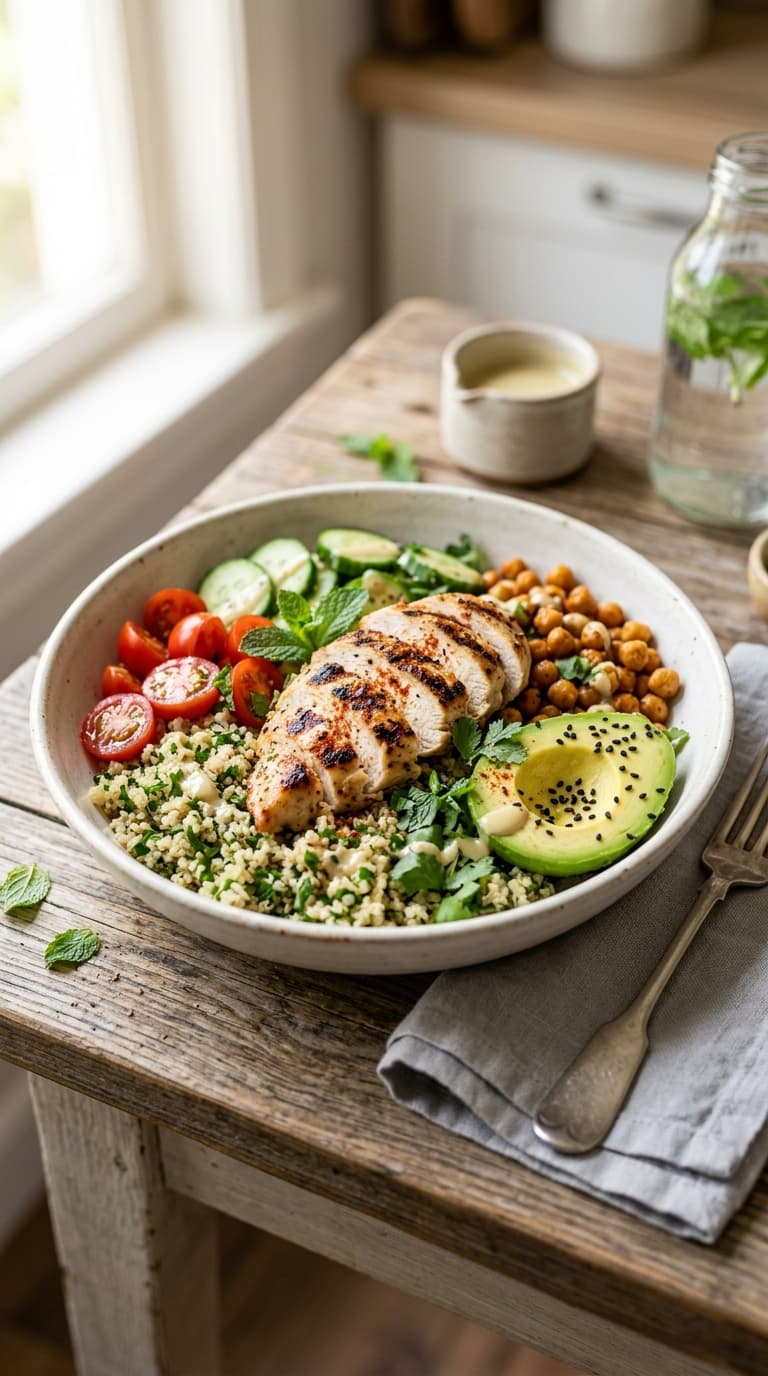
Lunch (~350 cal): A hearty chicken and veggie wrap using a small whole-wheat tortilla, grilled chicken breast strips, avocado slices, tomato, and a drizzle of Greek yogurt dressing.
Dinner (~400 cal): Baked salmon with roasted broccoli and a small serving of quinoa. Season the salmon generously — lemon, garlic, and herbs do wonders.
Snack (~150 cal): A small apple with one tablespoon of almond butter.
Why it works: You’re hitting all three macros, the fiber from broccoli and quinoa keeps things moving, and the salmon gives you those omega-3s your brain actually runs on.
Day 2: Tuesday — Comfort Food Vibes
Breakfast (~280 cal): Greek yogurt parfait with a small handful of berries and a light sprinkle of granola. It feels indulgent. It’s not. Win.
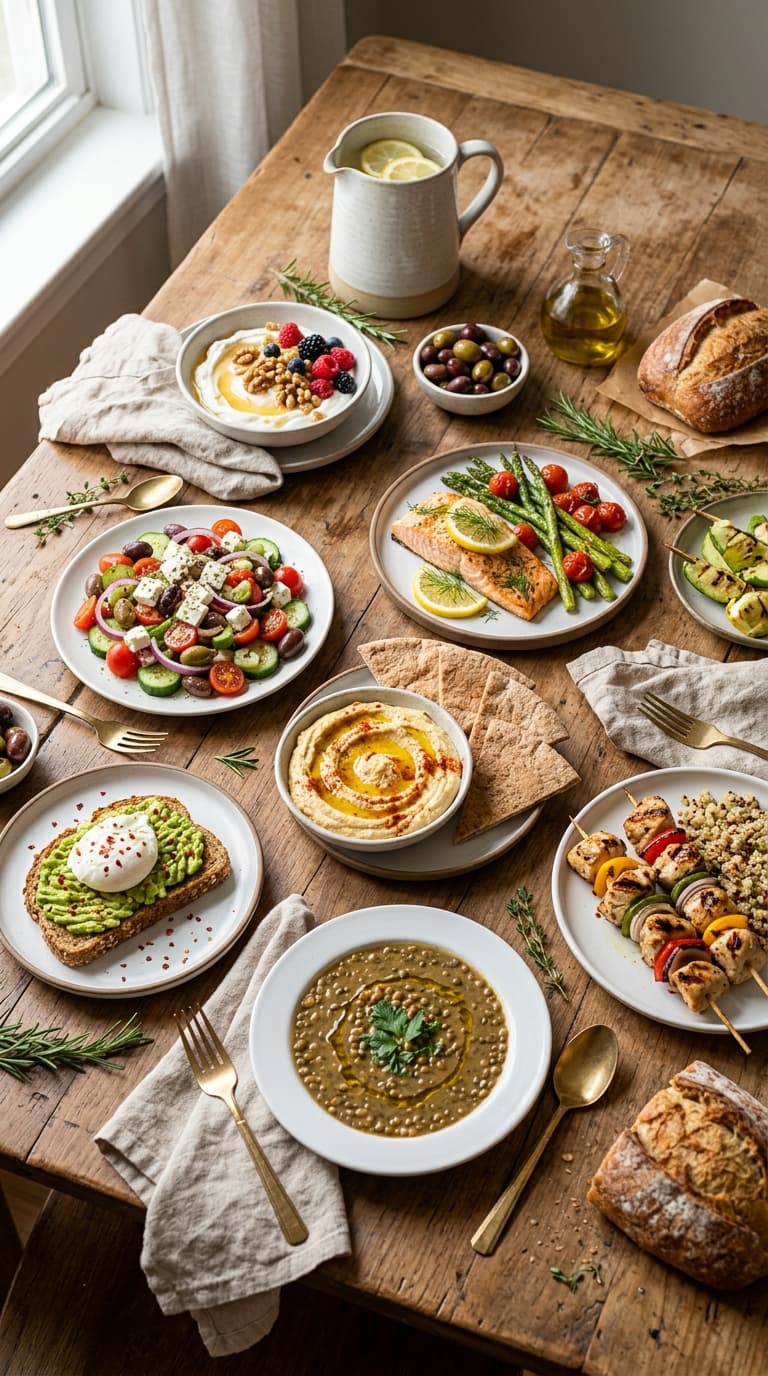
Lunch (~370 cal): Lentil soup with a side of two small whole-grain crackers. Lentils are protein-and-fiber powerhouses — don’t sleep on them.
Dinner (~410 cal): Turkey meatballs in marinara sauce over zucchini noodles. Yes, zoodles sound annoying. Yes, they’re actually good when the sauce is banging.
Snack (~140 cal): A hard-boiled egg and a small handful of cherry tomatoes.
Day 3: Wednesday — The Midweek Reset
Breakfast (~310 cal): Overnight oats made with half a cup of rolled oats, unsweetened almond milk, chia seeds, and sliced banana. Make it the night before — future you will be grateful.
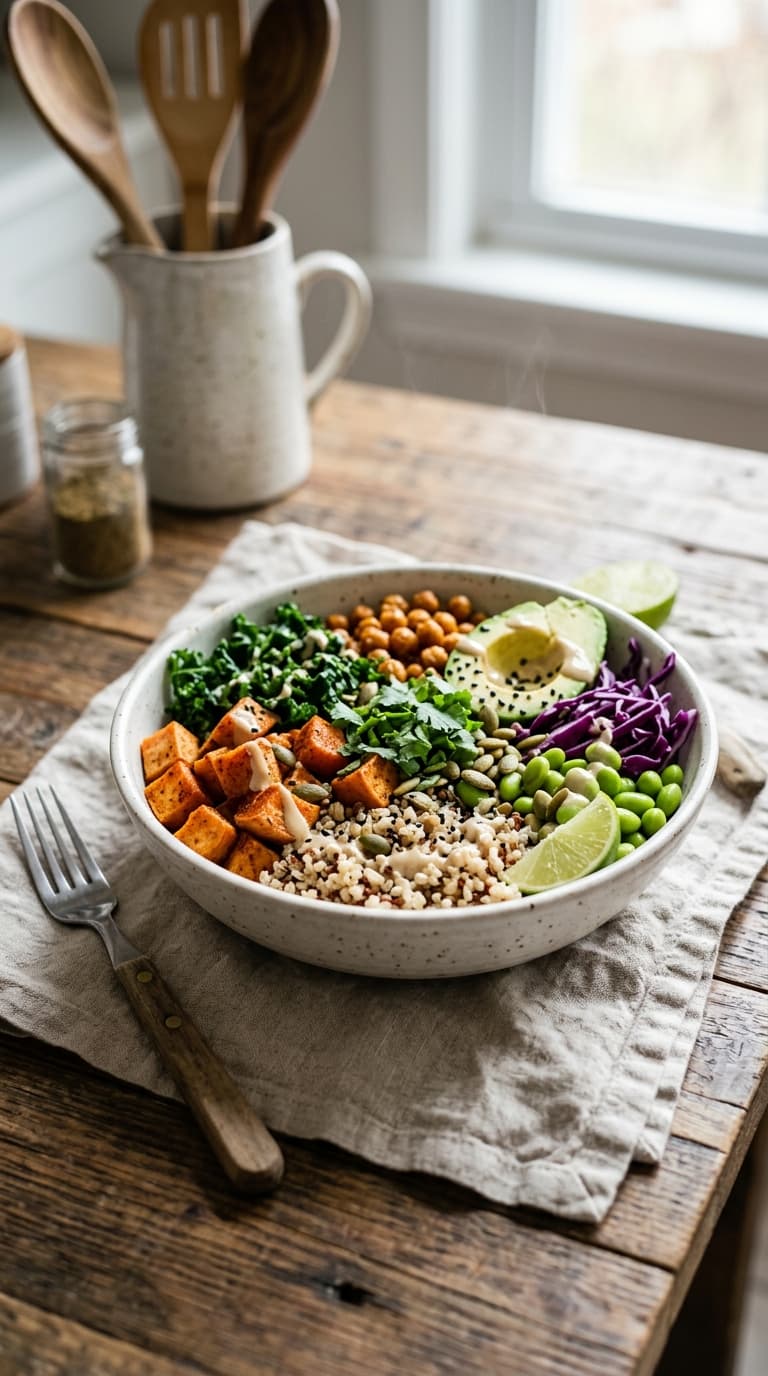
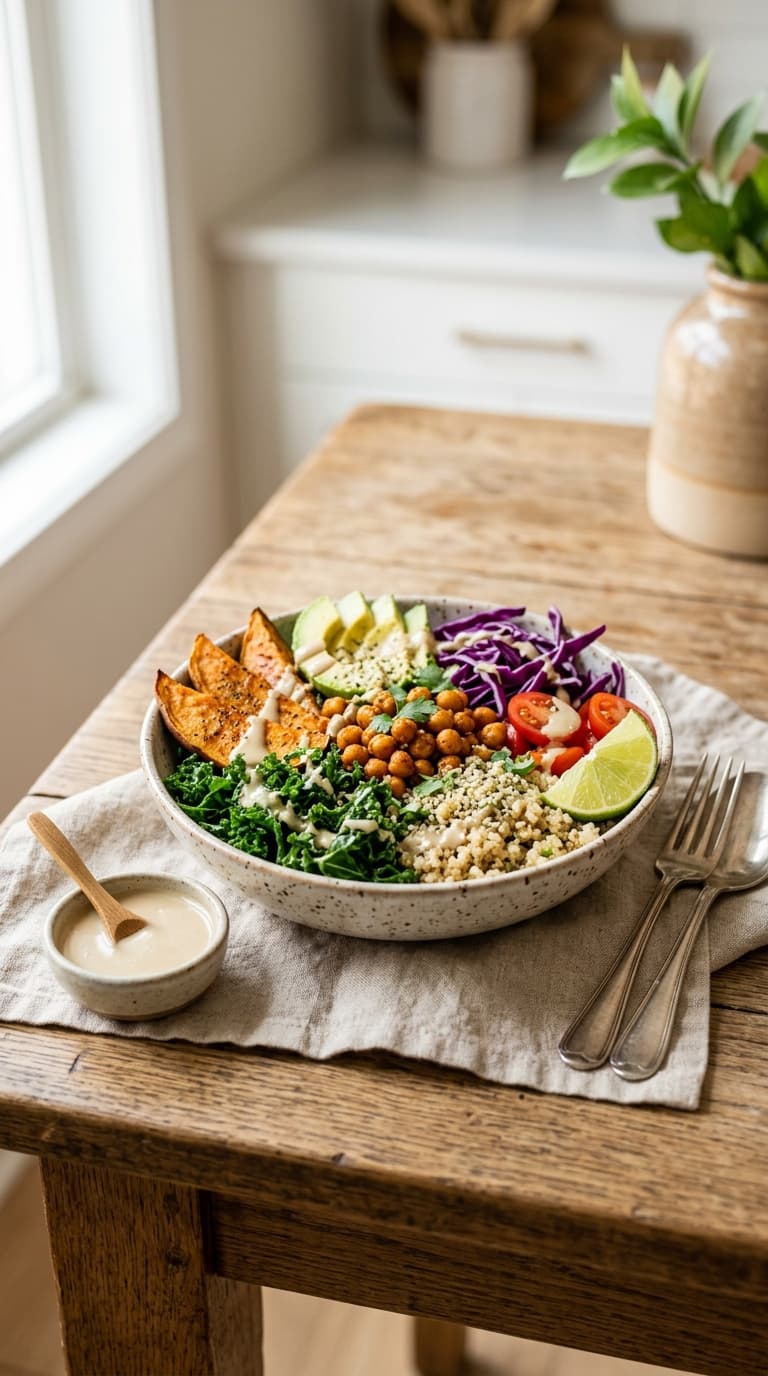
Lunch (~340 cal): A big Buddha bowl with mixed greens, chickpeas, cucumber, shredded carrots, and a light tahini dressing. This is the day we get a little fancy 🙂
Dinner (~400 cal): Stir-fried tofu with bell peppers, snap peas, and a low-sodium soy-ginger sauce over cauliflower rice. Cauliflower rice is one of those things that sounds terrible and then somehow becomes your go-to.
Snack (~150 cal): One small orange and ten almonds.
Day 4: Thursday — Protein-Forward Day
Breakfast (~290 cal): A two-egg omelette stuffed with mushrooms, onions, and low-fat feta cheese. Pair it with a small cup of black coffee or herbal tea.
Lunch (~360 cal): Tuna salad — made with light mayo, celery, and mustard — stuffed into a hollowed bell pepper or served on whole-grain crispbreads.
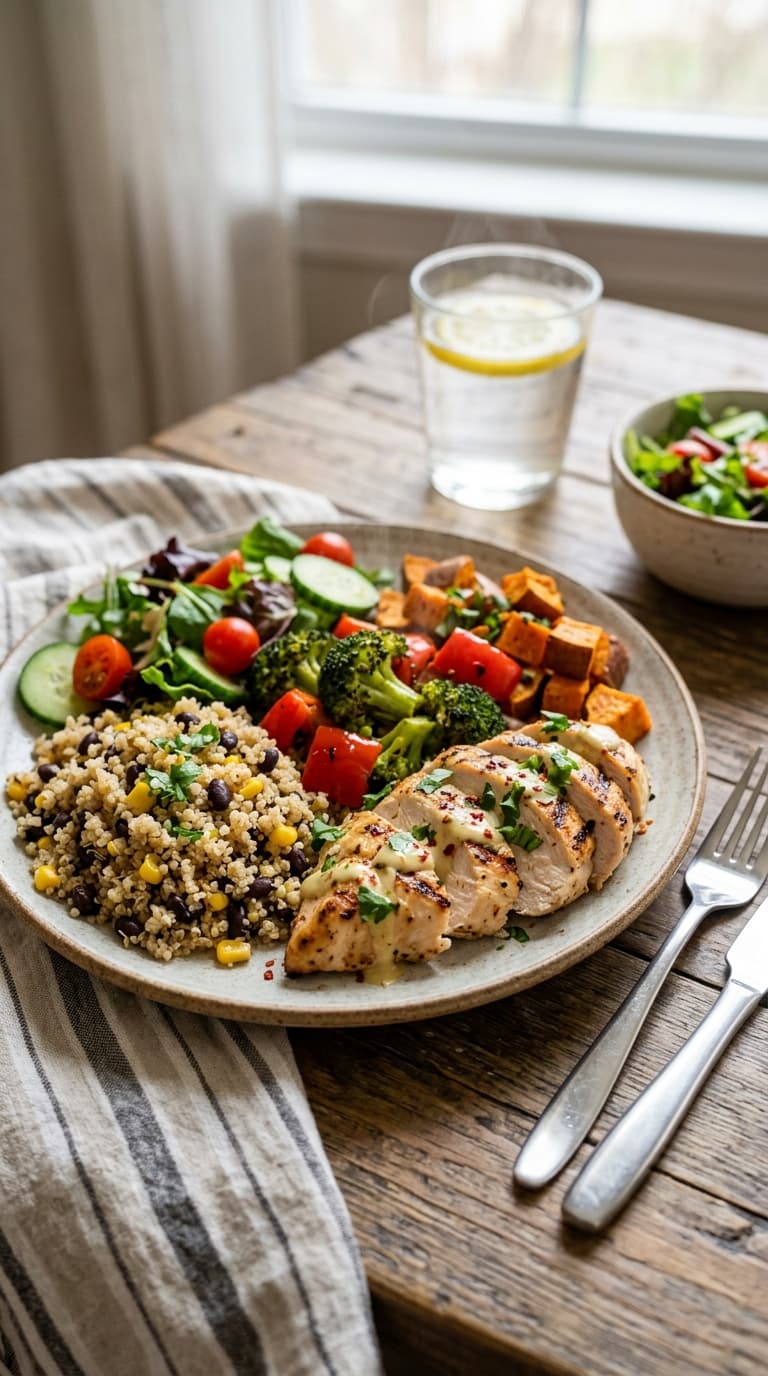
Dinner (~420 cal): Grilled chicken thighs (skin removed) with roasted sweet potato wedges and steamed green beans. Thighs over breasts every time — more flavor, fight me.
Snack (~130 cal): A small cup of cottage cheese with a few sliced strawberries.
Day 5: Friday — End-of-Week Treat Yourself (Within Reason)
Breakfast (~300 cal): A smoothie made with half a banana, a scoop of protein powder, unsweetened almond milk, a handful of spinach, and ice. Blend it until it doesn’t look green anymore — that’s the trick.
Lunch (~350 cal): Black bean tacos in two small corn tortillas with avocado, pico de gallo, shredded lettuce, and a squeeze of lime. FYI, these taste like a cheat meal. They are not.
Dinner (~410 cal): Shrimp stir-fry with mixed vegetables and a light garlic-butter sauce over a small portion of brown rice.
Snack (~140 cal): A handful of mixed nuts and a couple of squares of dark chocolate (70%+). Because you made it to Friday and you deserve nice things.
Day 6: Saturday — Leisurely Cooking Day
Saturday is the day to actually enjoy cooking rather than speed-running it. Take your time.
Breakfast (~320 cal): Avocado toast on one slice of sourdough with two poached eggs and a pinch of chili flakes. Classic for a reason.
Lunch (~360 cal): Homemade veggie soup packed with whatever vegetables are lingering in your fridge — carrots, celery, zucchini, canned tomatoes. Add white beans for protein and a good pinch of Italian seasoning.
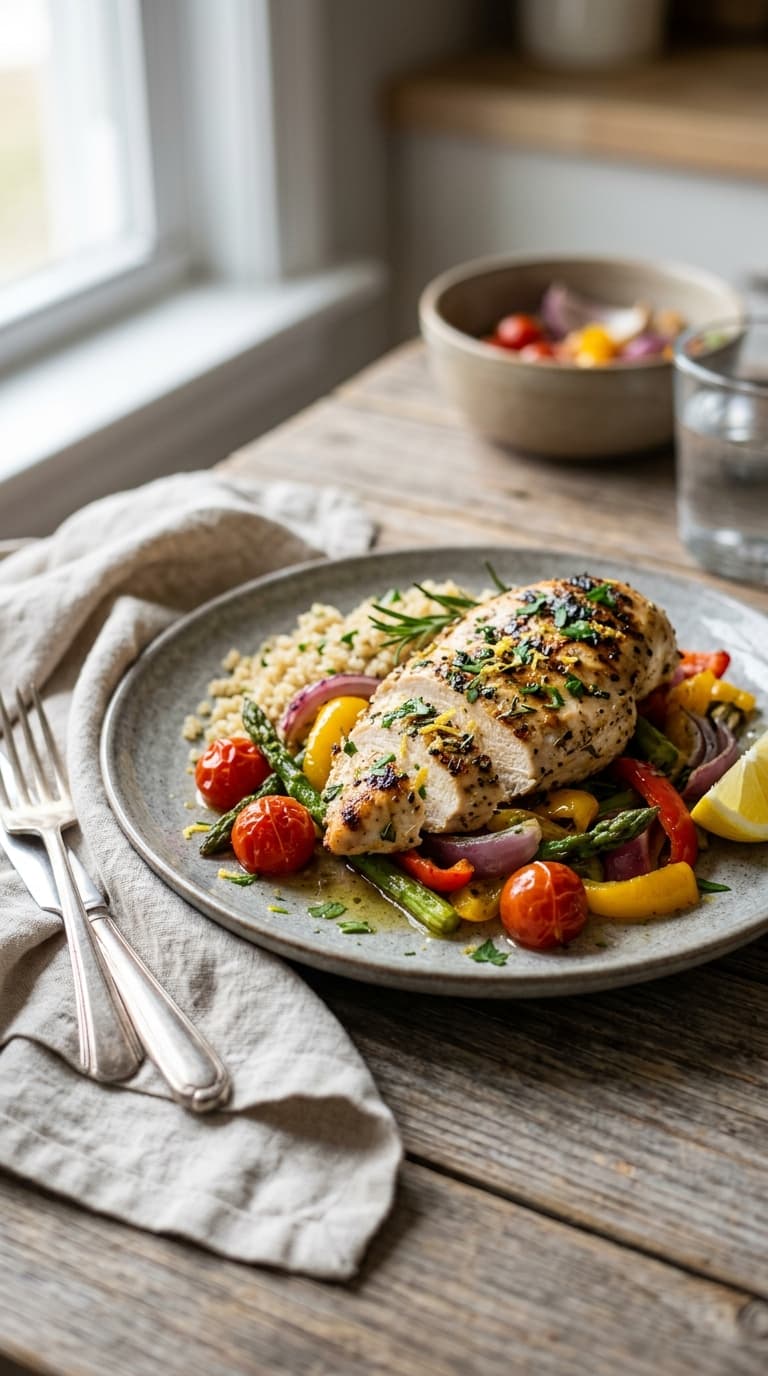
Dinner (~390 cal): Baked cod with a lemon-herb crust, served with asparagus and a small portion of couscous. Cod is mild, forgiving, and cooks in under 15 minutes. Perfect.
Snack (~130 cal): A small pear and a light cheese stick.
Day 7: Sunday — Meal Prep Mode
Breakfast (~300 cal): Two whole-grain pancakes topped with fresh berries and a tiny drizzle of pure maple syrup. Keep the portions honest and this absolutely fits.
Lunch (~350 cal): Grilled chicken Caesar salad — but not the drowning-in-dressing version. Use light Caesar dressing, romaine, a small handful of whole-grain croutons, and a little Parmesan.
Dinner (~420 cal): A lean beef stir-fry with broccoli, bok choy, and mushrooms in a low-sodium teriyaki sauce over a small serving of jasmine rice. Sunday dinner should feel a little special.
Snack (~130 cal): Greek yogurt with a teaspoon of honey.
Tips to Make This Plan Stick
Here’s where most meal plans fall apart — the execution. The food is only half the battle. The other half is making the whole thing sustainable.
Practical tips that actually help:
- Cook in bulk on Sunday. Grill a batch of chicken, roast a tray of veggies, and cook a pot of grains. You’ll thank yourself daily.
- Keep emergency snacks handy. Nuts, boiled eggs, or protein bars prevent the 3pm vending machine meltdown.
- Eat slowly. It takes 20 minutes for your brain to register fullness. Rushing through meals leads to overeating.
- Track your food for at least the first week. Apps like MyFitnessPal make this painless and surprisingly eye-opening.
- Don’t drink your calories. Juice, fancy coffees, and sodas can quietly blow your budget. Stick to water, black coffee, or herbal tea mostly.
Ever noticed how the days you skip breakfast are also the days you eat half the office snack drawer by 11am? Protein-packed breakfasts genuinely change how the rest of your day goes.
What to Expect in the First Week
Let’s be honest — week one is the adjustment period. Your body is recalibrating, and you might feel a little more tired or hungry than usual. That’s normal. It typically settles by day four or five.
What most people notice in week one:
- Slight hunger between meals, especially days 1–3
- Better energy by mid-week once blood sugar stabilizes
- Some initial water weight loss (don’t get too excited — it’s not fat yet)
- A growing appreciation for how much food 1200 calories actually is when chosen well
The mental shift is honestly the biggest win. Once you realize you can eat satisfying, delicious food at a deficit, the whole thing stops feeling like a diet and starts feeling like a lifestyle. :/ (Yes, I know that sounds like something a wellness influencer would say. But it’s actually true.)
Adjusting the Plan for Your Lifestyle
This plan isn’t carved in stone. Maybe you’re vegetarian, or you hate fish, or you’re training five days a week and need a bit more fuel. Here’s how to tweak it without blowing the calorie count.
For vegetarians:
- Swap any meat with tofu, tempeh, lentils, or legumes
- Add nutritional yeast for a cheesy flavor and extra B vitamins
For higher activity days:
- Add an extra 150–200 calories through a protein shake or an additional snack
- Focus those extra calories on protein and complex carbs, not fat
For picky eaters:
- Stick with the proteins and vegetables you already like
- Season aggressively — most “I don’t like healthy food” problems are actually “I don’t season my food” problems
The Bottom Line
A 7-day 1200 calorie meal plan done right is genuinely satisfying, varied, and far from the punishment diet culture has sold us for decades. You can eat real food, feel full, and still hit your calorie goals — it just takes a bit of planning and a willingness to experiment.
The meals in this plan cover every macro, hit a wide range of flavors, and — most importantly — give you something to actually look forward to at mealtimes. No sad salads. No cardboard rice cakes. Just good food in sensible portions.
Give it the full seven days before you judge it. Stick to the plan, do your Sunday prep, season your food properly, and drink your water. By day seven, I’d bet you’re already planning week two. And that’s kind of the whole point.