7-Day DASH Diet Meal Plan for Seniors (Heart-Healthy & Simple!)
7-Day DASH Diet Meal Plan for Seniors (Heart-Healthy & Simple!)
Let me be real with you — nobody wants to spend their golden years counting every grain of salt while eating cardboard-flavored food. The good news? The DASH diet is nothing like that. It’s actually delicious, simple to follow, and your heart will genuinely thank you for it.
I started exploring the DASH diet after my dad’s doctor recommended it following some concerning blood pressure readings. What surprised me most was how normal the food felt. No bizarre ingredients, no impossible restrictions — just real food, smartly arranged. So let me walk you through a full 7-day DASH diet meal plan built specifically for seniors, because the nutritional needs at 65 aren’t quite the same as at 35.
What Exactly Is the DASH Diet — And Why Should Seniors Care?
DASH stands for Dietary Approaches to Stop Hypertension. Fancy name, simple concept. It’s a way of eating that focuses on reducing sodium while loading up on nutrients that naturally lower blood pressure — like potassium, calcium, and magnesium.
For seniors specifically, this matters a lot. High blood pressure becomes increasingly common with age, and it silently increases the risk of heart disease, stroke, and kidney problems. The DASH diet tackles all of that without making mealtime feel like a medical procedure.
The core principles are straightforward:
- Eat plenty of fruits and vegetables — aim for 8–10 servings daily
- Choose whole grains over refined, processed options
- Include low-fat dairy for calcium and protein
- Go easy on sodium — the goal is under 2,300 mg per day (or 1,500 mg for stricter results)
- Limit red meat, sweets, and sugary drinks
- Embrace nuts, seeds, beans, and legumes
Sound doable? It absolutely is. Let’s get into the actual meal plan.
Before You Start: A Few Senior-Specific Tips
Before we get to the food, here are a few things worth knowing if you’re cooking for yourself or an older loved one.
Portion sizes matter more as we age. Metabolism slows down, so you don’t necessarily need the same calorie volume as younger adults. The meal plan below is designed with moderate portions that still feel satisfying.
Soft textures are your friend. Some seniors deal with dental issues or difficulty chewing. Throughout this plan, I’ve included foods that are naturally soft or easy to modify — think cooked oats, steamed vegetables, and tender fish.
Hydration is sneaky. Older adults often don’t feel thirst the way younger people do. Make sure to drink water consistently throughout the day, even when you’re not feeling thirsty. FYI, some of the soups and smoothies in this plan count toward your fluid intake too. 🙂
Day 1 — Easing Into It
Breakfast
Start gentle. A bowl of cooked oatmeal with sliced banana and a sprinkle of flaxseed hits all the right notes — fiber, potassium, and heart-healthy omega-3s. Pair it with a small glass of low-fat milk or unsweetened almond milk.
Lunch
A grilled chicken salad with spinach, cherry tomatoes, cucumber, and olive oil dressing keeps things light and fresh. Skip the croutons and heavy dressings — your sodium count will thank you.
Dinner
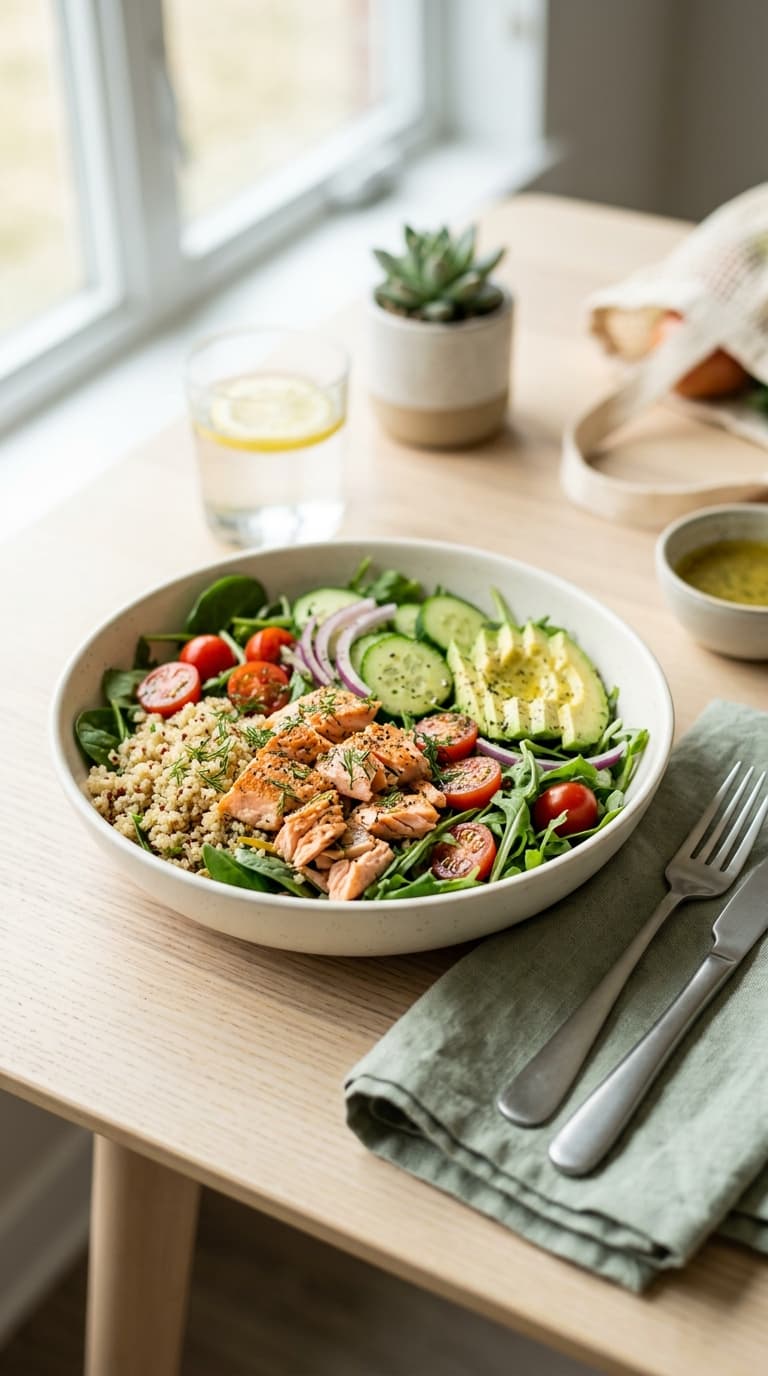
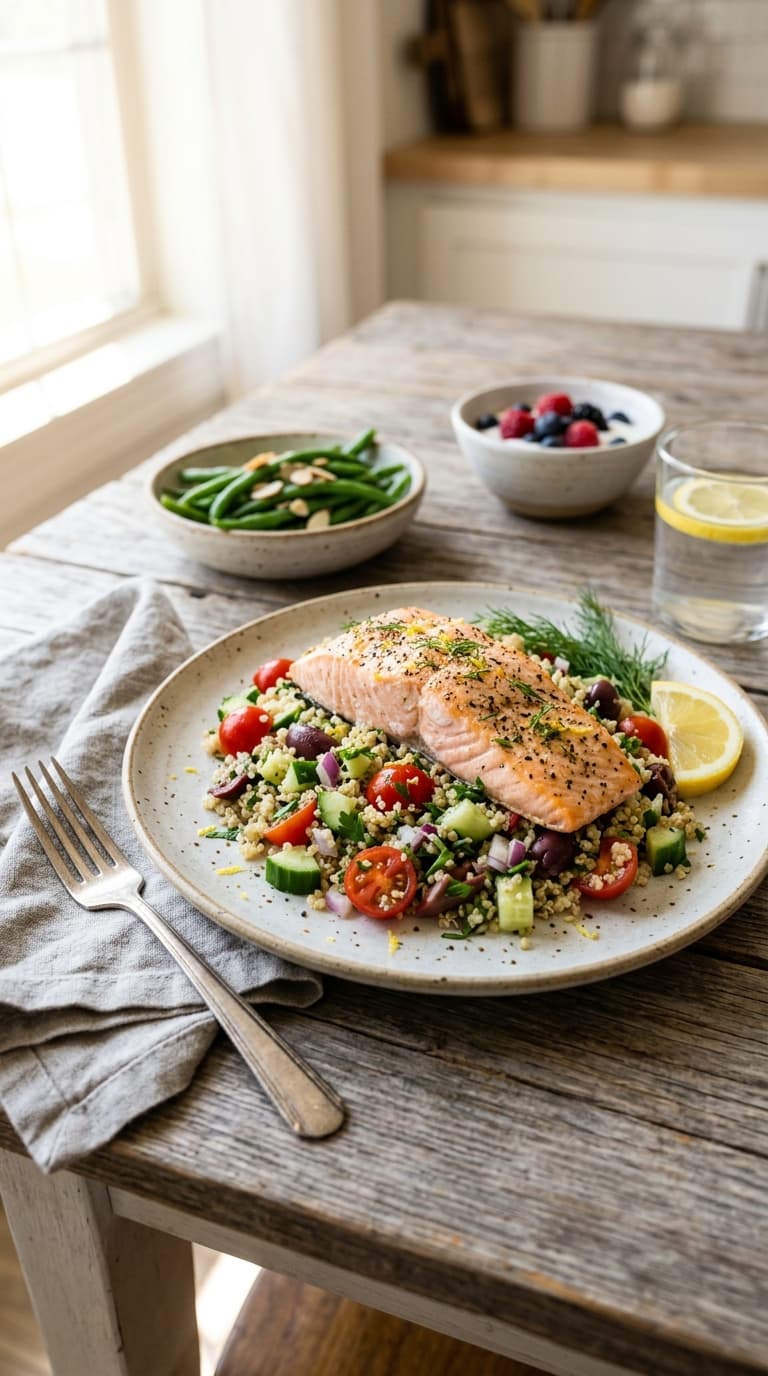
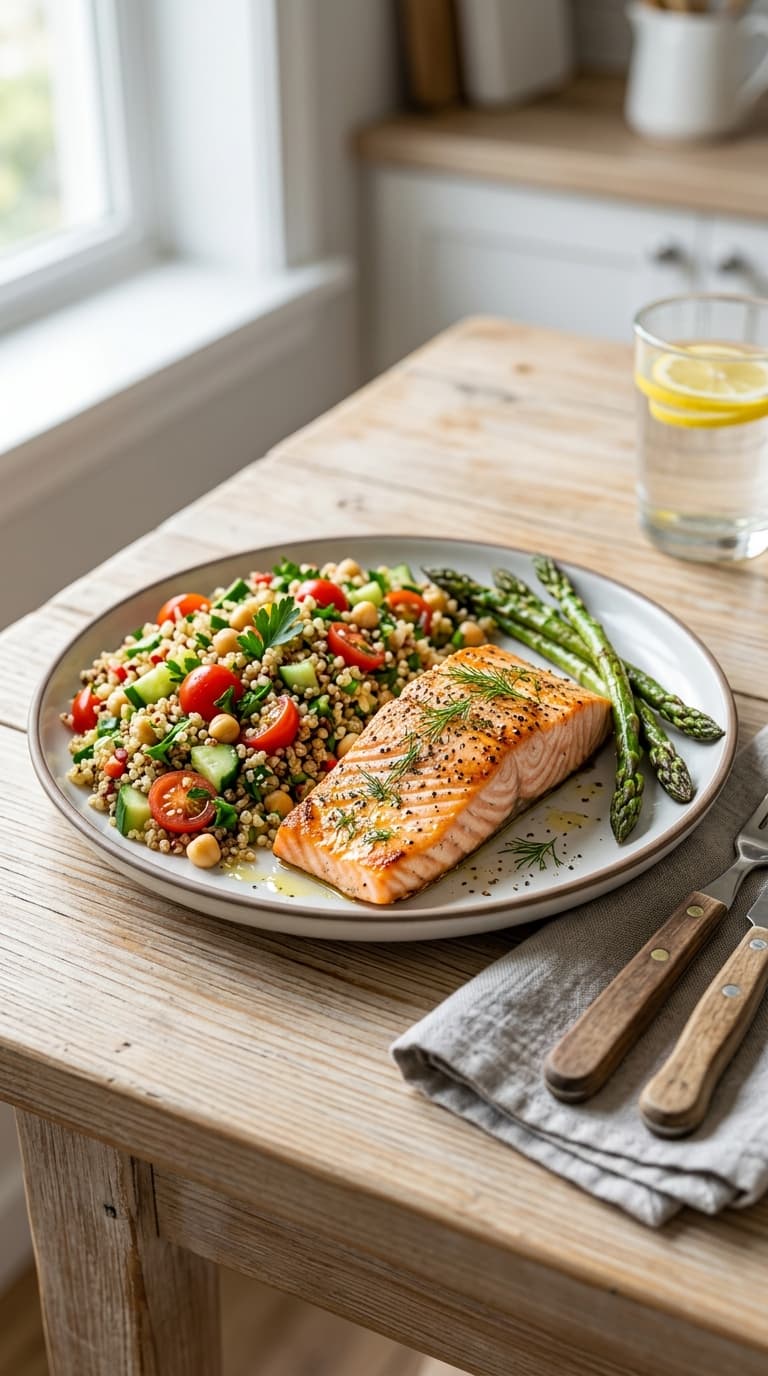
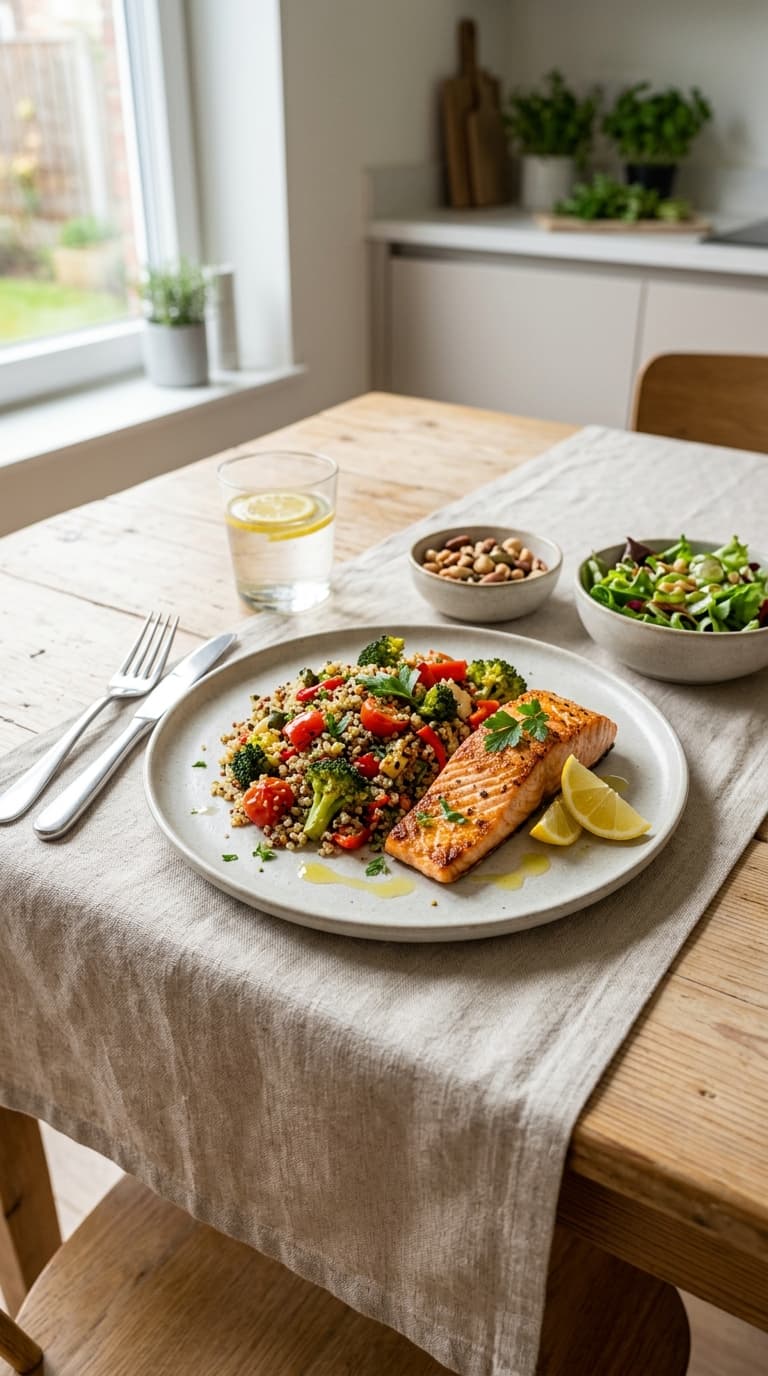
Baked salmon with steamed broccoli and a side of brown rice. Salmon is one of the best things you can put on a DASH-friendly plate. It’s packed with omega-3 fatty acids and cooks in under 20 minutes. Hard to beat that.
Snack Ideas
- A small handful of unsalted almonds
- A piece of fresh fruit
- Low-fat plain yogurt with a drizzle of honey
Day 2 — Building Momentum
Breakfast
Whole grain toast with mashed avocado and a soft-boiled egg. Avocado brings healthy fats and potassium to the table, and eggs offer protein without overloading on sodium — as long as you skip the salt shaker.
Lunch
Lentil soup with a slice of whole grain bread. Lentils are an absolute powerhouse — high in fiber, protein, potassium, and magnesium. IMO, lentil soup is one of the most underrated DASH-friendly meals out there.
Dinner
Turkey meatballs with zucchini noodles and a homemade tomato sauce. Make the sauce yourself using canned no-salt-added tomatoes, garlic, and fresh herbs. Store-bought sauces are often loaded with hidden sodium — one of the sneakier traps of “healthy” eating.
Day 3 — Midweek Refresh
Breakfast
A berry smoothie made with low-fat Greek yogurt, frozen blueberries, strawberries, and a handful of spinach. You won’t even taste the spinach, I promise. It just makes everything a vibrant shade of purple and adds a magnesium boost.
Lunch
Whole wheat wrap with hummus, roasted red pepper, arugula, and sliced turkey breast. Keep the turkey to a modest portion since deli meats — even the “healthy” ones — can carry a surprising sodium punch.
Dinner
Baked chicken thighs with roasted sweet potato and green beans. Sweet potato is a DASH diet gem — rich in potassium and fiber, naturally sweet, and incredibly easy to prepare. Just cube it, toss in a little olive oil, and roast at 400°F for 25 minutes.
Day 4 — Keep It Simple
Breakfast
Low-fat cottage cheese with sliced peaches and a sprinkle of cinnamon. This one sounds fancy but takes about three minutes to put together. Cottage cheese gives you calcium and protein, and peaches bring that natural sweetness that makes mornings worth getting up for.
Lunch
Bean and vegetable soup with whole grain crackers. Make a big batch on Sunday and refrigerate it — this kind of meal gets even better on day two as the flavors develop.
Dinner
Grilled tilapia with brown rice pilaf and sautéed spinach. Tilapia is mild, affordable, and easy to chew — a great option for seniors who find stronger fish a bit overwhelming. Season it with lemon juice, garlic, and herbs instead of salt.
Ever wonder why fish keeps showing up in heart-healthy meal plans? It’s because the combination of lean protein and omega-3s does real work for your cardiovascular system. It’s not just dietary advice filler — it actually delivers.
Day 5 — A Little Variety
Breakfast
Whole grain pancakes topped with fresh blueberries and a dollop of low-fat Greek yogurt. Yes, pancakes. The DASH diet doesn’t ban anything fun — it just asks you to make smarter swaps. Use whole grain flour and skip the syrup in favor of naturally sweet fruit.
Lunch
Quinoa salad with roasted chickpeas, cucumber, red onion, lemon vinaigrette, and fresh parsley. Quinoa is one of those ingredients that earns its reputation. It’s a complete protein, high in magnesium, and filling without being heavy.
Dinner
Pork tenderloin with roasted Brussels sprouts and mashed cauliflower. Mashed cauliflower does an admirable job standing in for mashed potatoes. Add a little low-fat milk and garlic, and most people at the table won’t notice the swap :/
Day 6 — Weekend Comfort
Breakfast
Vegetable omelette with mushrooms, bell peppers, onions, and low-fat cheese. Weekends deserve a proper cooked breakfast. This one is loaded with nutrients and keeps you full well into the afternoon.
Lunch
Homemade turkey chili with kidney beans and diced tomatoes. Use low-sodium canned tomatoes and skip the salt. Top with a small spoonful of low-fat sour cream and a sprinkle of green onion. This one’s genuinely crowd-pleasing.
Dinner
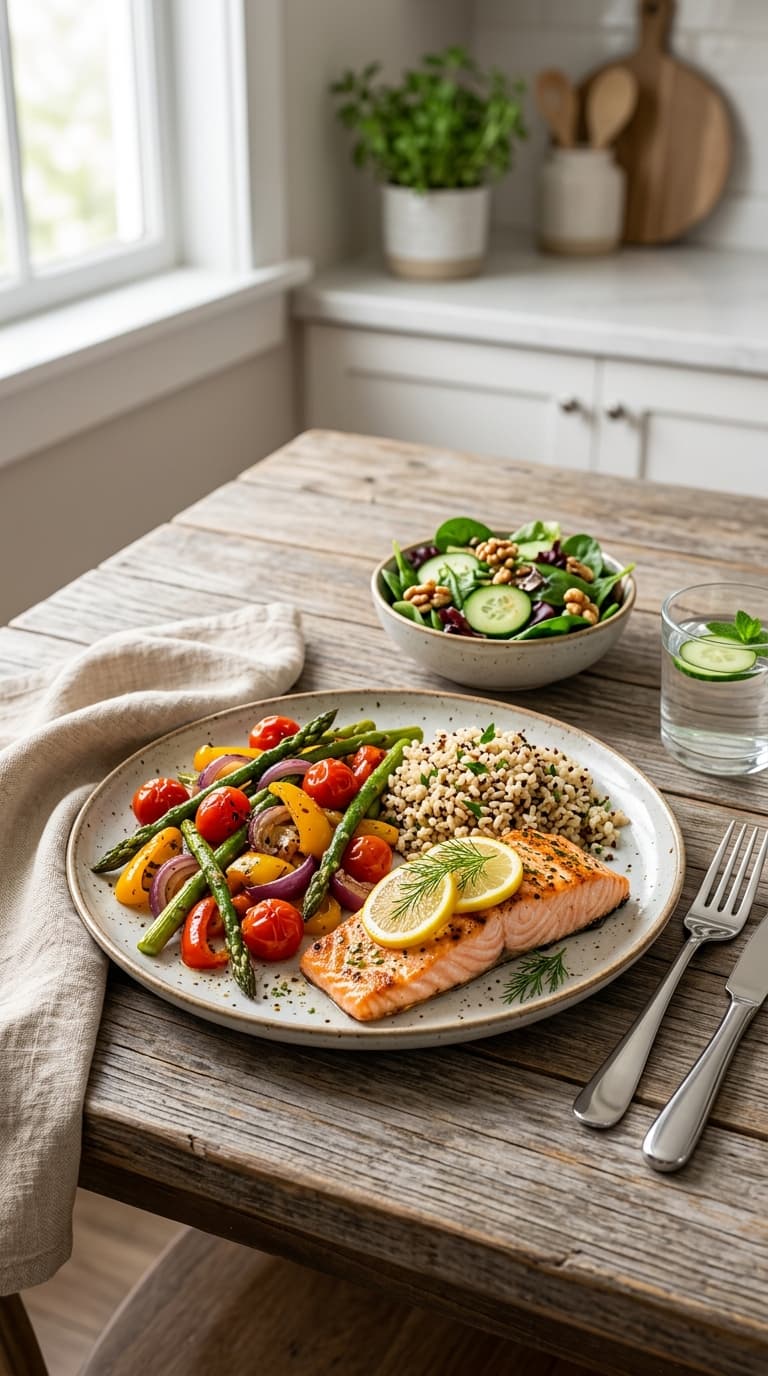
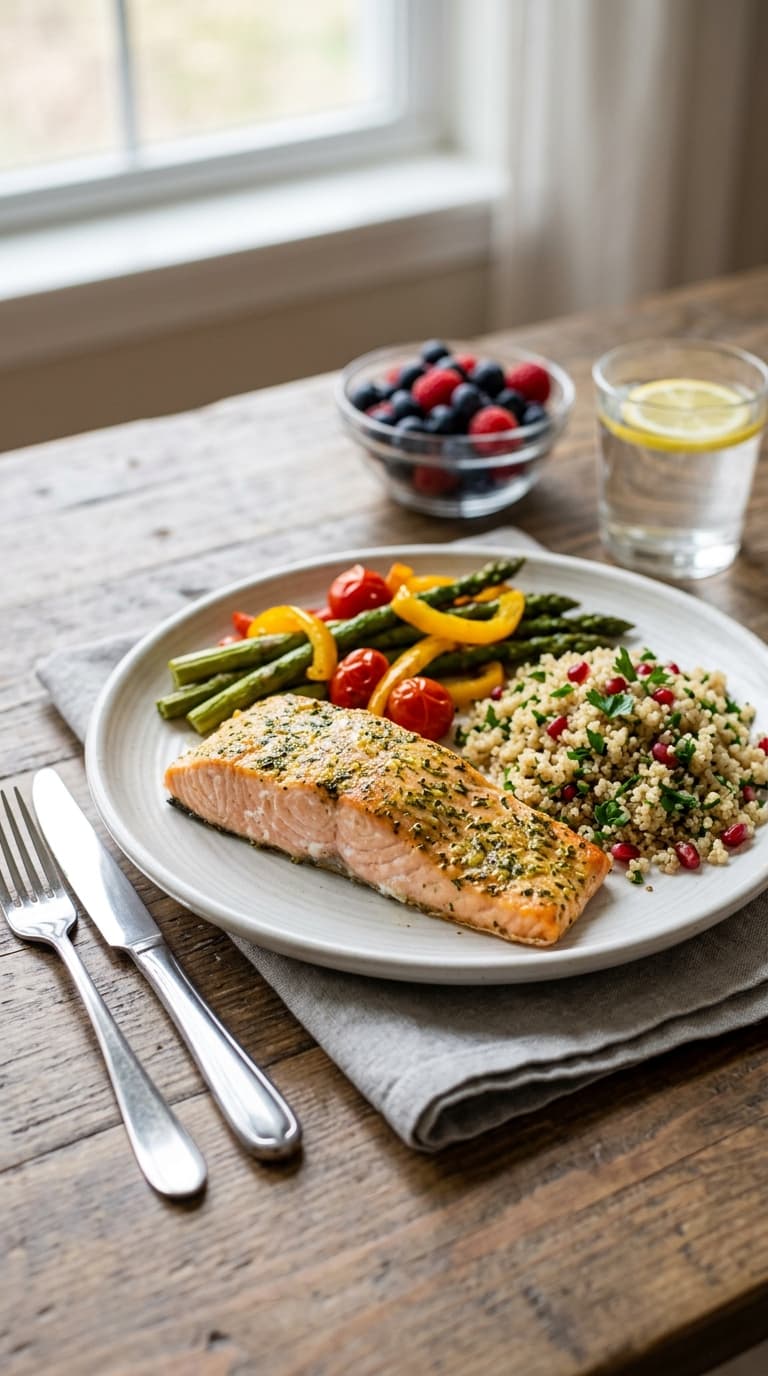
Baked cod with a whole grain herb crust, roasted asparagus, and a small side salad. Asparagus is rich in folate and potassium — two nutrients the DASH diet actively champions. Plus it looks elegant on a plate, which doesn’t hurt.
Day 7 — Finishing Strong
Breakfast
Steel-cut oats with walnuts, diced apple, and a dash of cinnamon. Steel-cut oats take longer to cook than rolled oats, but they have a lower glycemic index and a satisfying chewiness. Worth the extra few minutes on a Sunday morning.
Lunch
Grilled veggie and hummus flatbread on whole wheat pita. Load it up with roasted zucchini, eggplant, and red peppers. This is a Mediterranean-leaning lunch that hits both flavor and nutrition goals at once.
Dinner
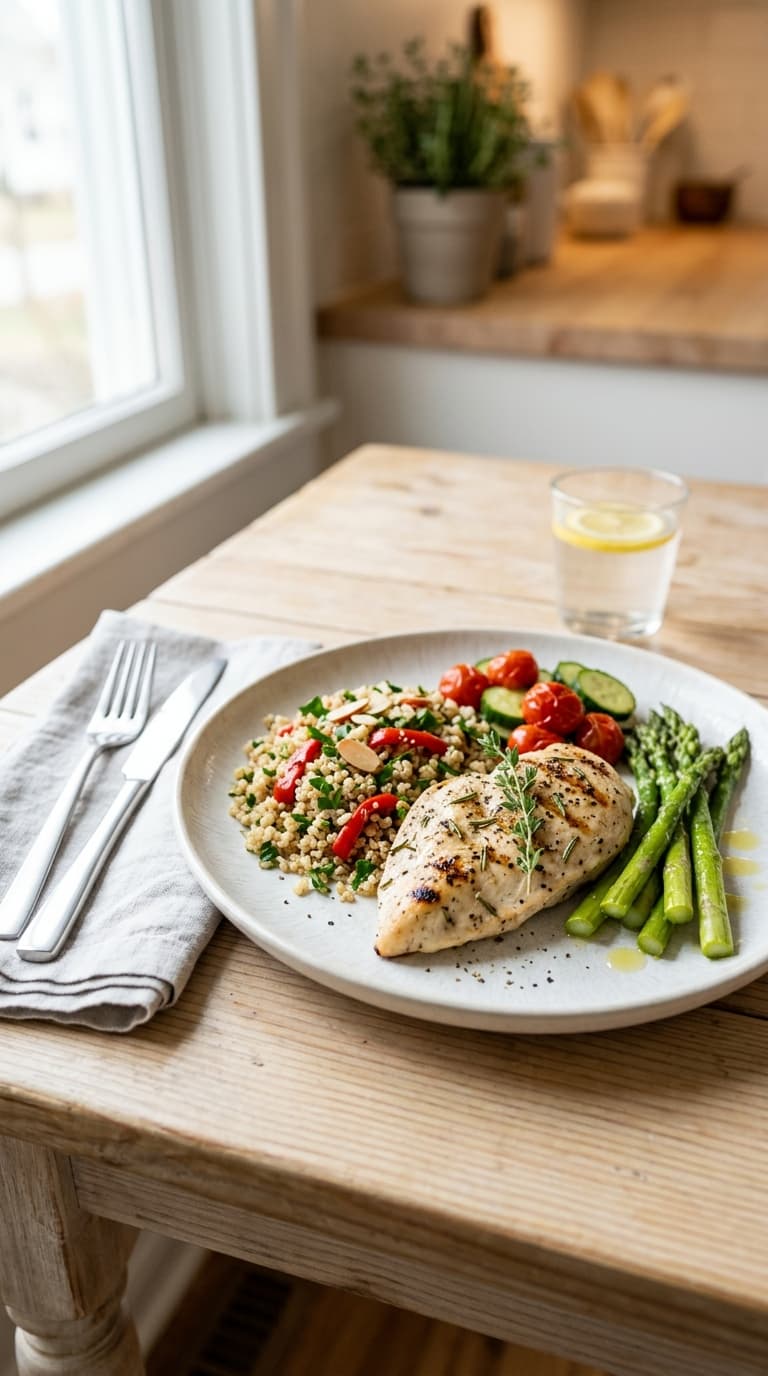
Herb-roasted chicken breast with quinoa and steamed broccoli. A clean, simple finish to the week. Nothing complicated, nothing intimidating — just a solid, satisfying meal that checks every DASH box.
Foods to Actively Avoid on the DASH Diet
Even a great meal plan needs a companion list of what to limit. Here’s what you should watch out for:
- High-sodium processed foods — canned soups (unless labeled low-sodium), frozen dinners, deli meats in large quantities
- Full-fat dairy — swap for low-fat versions of milk, cheese, and yogurt
- Red meat in excess — an occasional small serving is fine, but it shouldn’t anchor your meals
- Sugary beverages — sodas, sweetened juices, and energy drinks work directly against your blood pressure goals
- Alcohol — the American Heart Association recommends no more than one drink per day for women and two for men
- Added salt at the table — this one’s obvious, but it sneaks back in when you’re not paying attention
Smart Grocery List for the Week
To make this plan as painless as possible, here’s a general shopping framework:
Produce:
- Bananas, apples, peaches, blueberries, strawberries
- Spinach, broccoli, zucchini, asparagus, Brussels sprouts, bell peppers, sweet potatoes
Proteins:
- Salmon, tilapia, cod
- Chicken breast and thighs, turkey breast, turkey mince
- Eggs, low-fat Greek yogurt, cottage cheese
Grains:
- Rolled oats, steel-cut oats
- Brown rice, quinoa, whole wheat pita, whole grain bread
Pantry Essentials:
- No-salt-added canned tomatoes, kidney beans, lentils, chickpeas
- Olive oil, garlic, fresh herbs, lemon juice
- Unsalted nuts — almonds, walnuts
How to Sustain the DASH Diet Long-Term
Following a meal plan for seven days is the easy part. The real goal is building habits that stick. Here’s what actually helps:
Meal prep on Sundays. Cook a big batch of brown rice or quinoa, roast a tray of vegetables, and portion out your snacks for the week. This removes the decision fatigue that often pushes people toward less healthy options.
Keep flavoring interesting. The DASH diet limits salt, but it doesn’t limit herbs, spices, citrus, garlic, or vinegar. Experiment with these freely. Herbs like basil, thyme, and rosemary can completely transform a plain piece of chicken or fish.
Talk to your doctor. This is especially important for seniors who are already on blood pressure medication. The DASH diet can be genuinely effective at lowering blood pressure, which means your medication dosage may need to be adjusted over time. That’s a good problem to have — but your doctor needs to know.
Final Thoughts
The DASH diet isn’t a punishment or a restriction — it’s genuinely one of the most flexible, food-friendly approaches to eating well in your senior years. You get real meals, real flavors, and real results.
This 7-day plan gives you a solid starting point, but don’t stress if you swap a Tuesday dinner for something that was on Saturday’s menu. The framework matters more than rigid adherence to a fixed schedule.
Start where you are. Use what you have. And remember — your heart has been working hard for you for decades. It deserves a little back. Good luck with the first week, and don’t be surprised when you actually start looking forward to mealtime again. 🙂